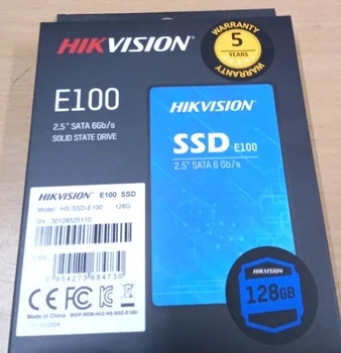
What are External Hard Drives & SSDs?
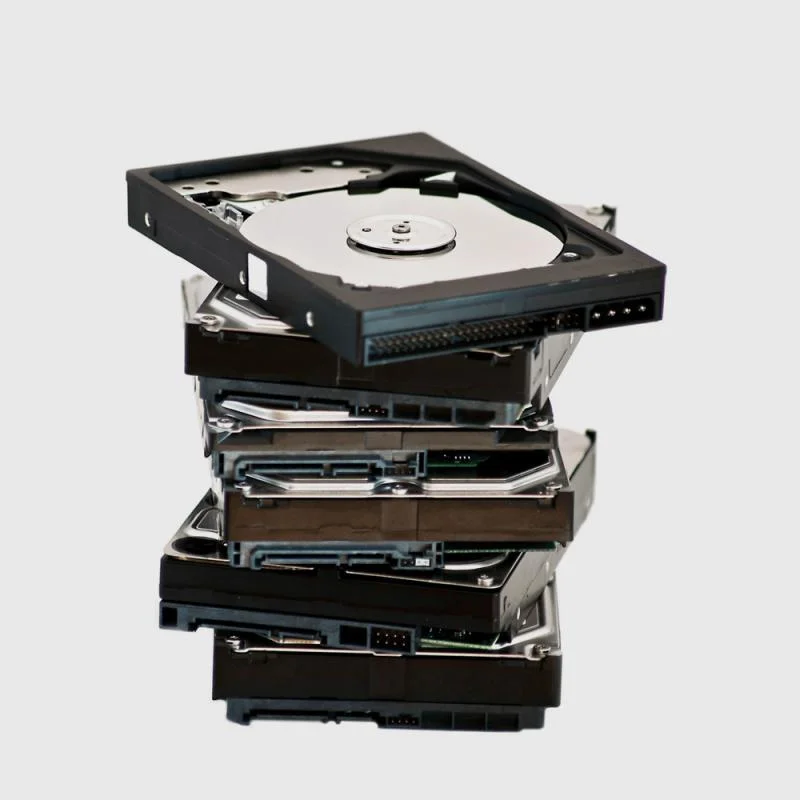
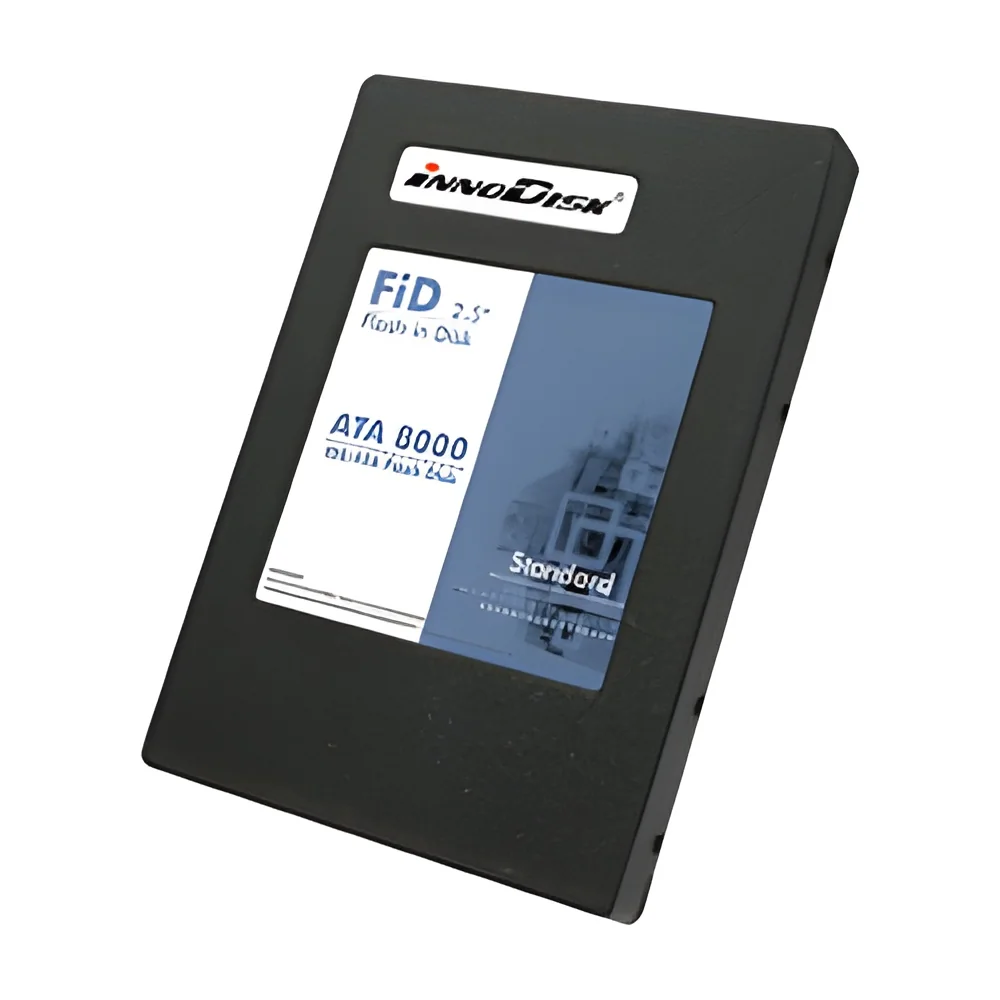
External hard drives and solid-state drives (SSDs) are vital storage devices used to store and back up data outside of a computer's internal storage. An external hard drive typically uses magnetic disks to store data, while an SSD uses flash memory, providing faster access and transfer speeds. Both options are portable, allowing users to easily transfer data between devices and locations.
These devices have become essential tools for businesses of all sizes. Companies use external hard drives and SSDs for data backup, transferring large files, and enhancing storage capacity. They are particularly important in industries where data integrity and accessibility are crucial, such as media production, healthcare, and finance.
The market for external hard drives and SSDs is growing rapidly, driven by increasing data generation and the need for reliable storage solutions. Businesses seek these devices for their versatility, performance, and ability to safeguard critical information against data loss.
Key Features and Specifications
When evaluating external hard drives and SSDs, several key features and specifications should be considered. These attributes determine performance, compatibility, and usability.
Key specifications include:
1. Storage Capacity
- Ranges from a few hundred gigabytes to several terabytes
- Suitable for various data storage needs
2. Read/Write Speeds
- HDDs typically have speeds of 80-160 MB/s
- SSDs can reach speeds of 500 MB/s to several GB/s
3. Connectivity Options
- USB 3.0, USB-C, Thunderbolt, and eSATA are common interfaces
- Ensure compatibility with existing devices
4. Form Factor
- Available in 2.5-inch, 3.5-inch, and pocket-sized models
- Affects portability and power requirements
5. Durability
- Some drives are shock-resistant or ruggedized for extreme conditions
- Important for fieldwork and travel
6. Encryption Features
- Hardware or software encryption options are available
- Protects sensitive data from unauthorized access
7. Power Supply
- Some drives are bus-powered, while others require an external power source
- Consider usage scenarios for power needs
8. Warranty Period
- Typically ranges from one to five years
- A longer warranty indicates manufacturer confidence in the product
In summary, understanding these specifications helps businesses select the right external hard drive or SSD to meet their specific needs.
Common Applications and Use Cases
External hard drives and SSDs serve a wide range of industries and applications. Their versatility makes them suitable for numerous business needs.
1. Media and Entertainment: Used for video editing, large file storage, and data transfer during production processes.
2. Healthcare: Essential for storing patient records, imaging files, and ensuring data backups for compliance.
3. Information Technology: Employed for system backups, server data storage, and as portable solutions for technicians.
4. Education: Useful for students and educators to store and transport research, projects, and multimedia files.
5. Finance: Critical for secure data storage, backup of financial records, and compliance with regulations.
6. Manufacturing: Helps in storing design files, CAD drawings, and production data.
7. Research and Development: Facilitates data collection, analysis, and storage for various research projects.
Product Variants and Subcategories
External hard drives and SSDs come in various models to cater to different business needs.
Portable External Hard Drives
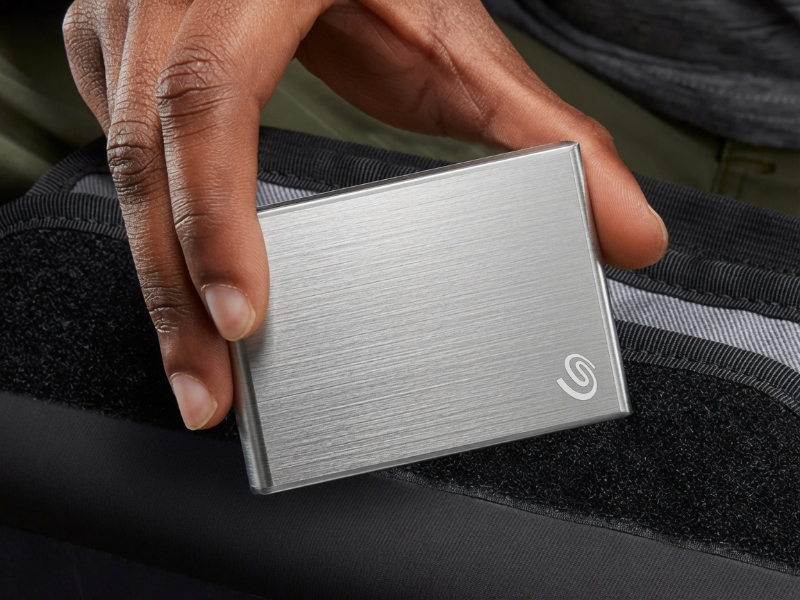
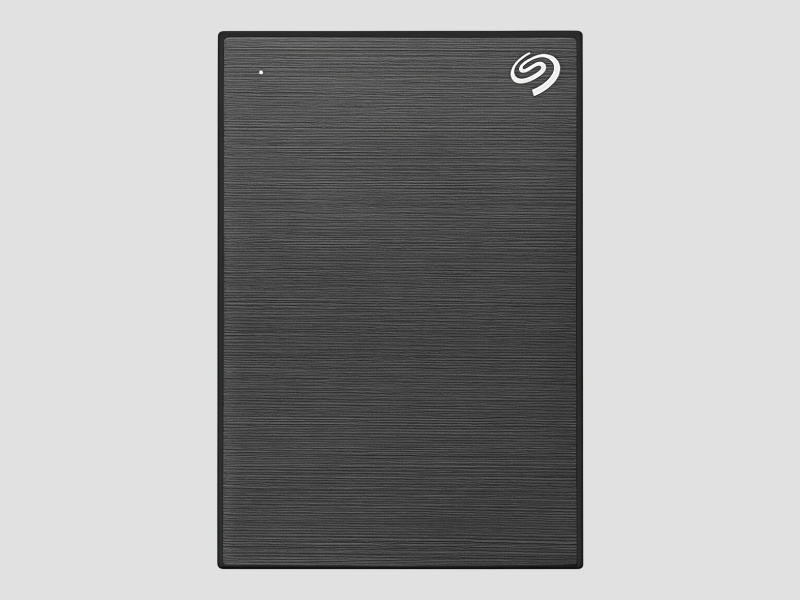
These compact drives are designed for on-the-go use. They typically offer lower storage capacities but are lightweight and easy to carry.
Desktop External Hard Drives
Larger than portable drives, these are meant for stationary use. They provide higher storage capacities and often require an external power source.
External SSDs
Offering faster performance than traditional hard drives, external SSDs are perfect for businesses needing quick data access and transfer.
Network Attached Storage (NAS)
These devices connect to a network and provide shared storage for multiple users. Ideal for businesses needing centralized data access.
Benefits and Advantages
External hard drives and SSDs provide several key benefits that enhance business operations.
1. Enhanced Data Security: They offer backup solutions to protect against data loss, ensuring business continuity.
2. Increased Storage Capacity: Businesses can expand their storage without upgrading internal systems, accommodating growing data needs.
3. Portability: Their compact design allows for easy transportation, making them ideal for remote work or field use.
4. Improved Performance: SSDs provide faster data access and transfer speeds, enhancing productivity.
5. Cost-Effectiveness: External drives are often more affordable than upgrading internal storage options.
6. Versatile Use: Suitable for various applications, from basic file storage to complex data management tasks.
Buying Guide for B2B Buyers
When sourcing external hard drives and SSDs, several factors should be considered to ensure the best choice for your business.
1. Quality Assessment: Look for reputable brands known for durability and reliability. Consider user reviews and performance ratings.
2. Supplier Verification: Vet suppliers by checking their credentials, certifications, and customer feedback to ensure a trustworthy partnership.
3. Pricing and MOQ: Analyze pricing structures and minimum order quantities to align with your budget and storage needs.
4. Delivery and Lead Times: Assess logistics capabilities to ensure timely delivery and availability of products when needed.
5. Compliance Requirements: Ensure that products meet relevant industry standards and regulatory requirements for your sector.
Compliance and Certifications
External hard drives and SSDs must adhere to various quality standards and certifications to ensure reliability and safety.
ISO 9001 is a key quality management standard that ensures consistent product quality. Compliance with this standard indicates that manufacturers follow best practices in their production processes.
CE certification is crucial for products sold in European markets. It ensures that the device meets safety, health, and environmental protection standards.
Safety and testing requirements are also important, ensuring that products function properly under various conditions. Regular testing for durability, data integrity, and performance is essential.
Regional compliance considerations vary by market. Businesses should ensure that their storage solutions meet local regulations and standards to avoid potential issues.
Why Source External Hard Drives & SSDs from Pepagora?
Pepagora offers a trusted platform for sourcing external hard drives and SSDs, ensuring that businesses can find reliable storage solutions.
Verified Supplier Network: Pepagora connects buyers with a network of verified suppliers, ensuring quality and reliability in every transaction. This reduces the risk of purchasing subpar products.
Streamlined RFQ Process: The platform simplifies the request for quotation process, allowing buyers to quickly compare prices and specifications from multiple suppliers. This saves time and aids in informed decision-making.
Trade Assurance and Support: With trade assurance policies, buyers are protected throughout the purchasing process. Pepagora provides support to address any issues that may arise, ensuring a smooth experience.
Regional Coverage: Pepagora has a broad geographic reach, serving markets in India, the GCC, and Southeast Asia. This allows businesses to source products locally, improving logistics and reducing shipping times.

 IN
IN

 United Arab Emirates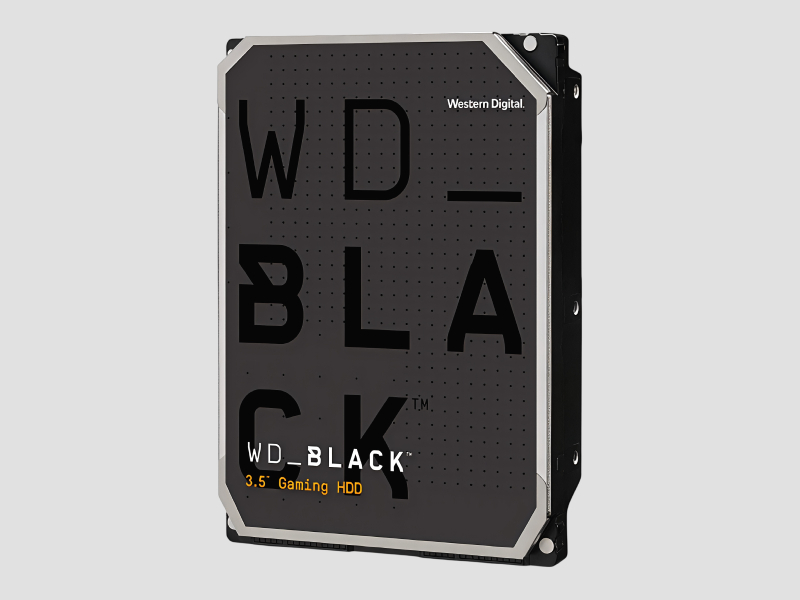

 India
India