
 IN
Engineered Wood Panels
6 products available
What are Engineered Wood Panels?
Engineered wood panels are composite wood products made by binding together strands, particles, fibers, or veneers of wood with adhesives to create a strong and durable material. Unlike traditional solid wood, engineered wood panels utilize a variety of wood remnants and are manufactured through precise engineering processes. This results in products that are not only environmentally friendly but also offer consistent quality and performance.
These panels find extensive use in several industries, including construction, furniture manufacturing, and interior design. They serve as an ideal material for flooring, cabinetry, and wall paneling, among other applications. Engineered wood panels are popular due to their versatility, strength, and cost-effectiveness. The market for engineered wood products continues to grow as more businesses seek sustainable alternatives to solid wood.
In the context of the industry, engineered wood panels are increasingly relevant due to their ability to meet stringent performance and environmental standards. As sustainability becomes a major concern, these panels are viewed as a practical solution that reduces waste and promotes responsible forestry practices. The demand for engineered wood products is expected to rise as industries adapt to eco-friendly materials.
Key Features and Specifications
Engineered wood panels boast a range of features that cater to various applications. These panels are designed to meet specific performance criteria and can be customized to suit unique requirements. Understanding these specifications is crucial for making informed purchasing decisions.
Key specifications include:
1. Thickness
- Common thickness ranges from 6mm to 25mm
- Suitable for various applications depending on load requirements
2. Density
- Density typically varies from 600 kg/m3 to 800 kg/m3
- Affects strength and weight capacity of the panels
3. Moisture Resistance
- Designed to withstand humidity levels of up to 70%
- Ideal for areas with high moisture such as kitchens and bathrooms
4. Surface Finish
- Available in different finishes, including smooth and textured
- Enhances aesthetic appeal and durability
5. Adhesive Types
- Use of formaldehyde-free adhesives is common
- Ensures lower emissions and safer indoor air quality
6. Fire Rating
- Fire resistance can range from Class 1 to Class 3
- Important for compliance with building codes
7. Certification
- Compliance with CE standards for quality assurance
- Indicates adherence to European safety regulations
In summary, the specifications of engineered wood panels ensure they meet diverse needs while providing durability and performance.
Common Applications and Use Cases
Engineered wood panels serve various industries, making them a versatile choice for many applications.
1. Construction: Used for structural elements like beams, flooring, and wall systems due to their strength and stability.
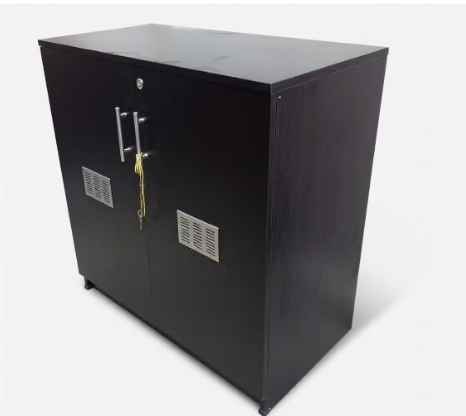
2. Furniture Manufacturing: Ideal for making cabinets, tables, and chairs, offering a reliable and aesthetically pleasing option.
3. Interior Design: Used for decorative wall panels and ceilings, adding elegance and style to commercial and residential spaces.
4. Packaging: Employed in producing crates and pallets, providing a sturdy and lightweight alternative to solid wood.
5. Automotive: Utilized in vehicle interiors for dashboards and paneling, combining lightweight properties with strength.
6. Retail Displays: Perfect for creating shelving and display units that require both durability and visual appeal.
7. Soundproofing: Effective in acoustic applications, providing sound absorption in music studios and theaters.
Product Variants and Subcategories
Engineered wood panels come in various forms, catering to specific functional and aesthetic needs.
Plywood
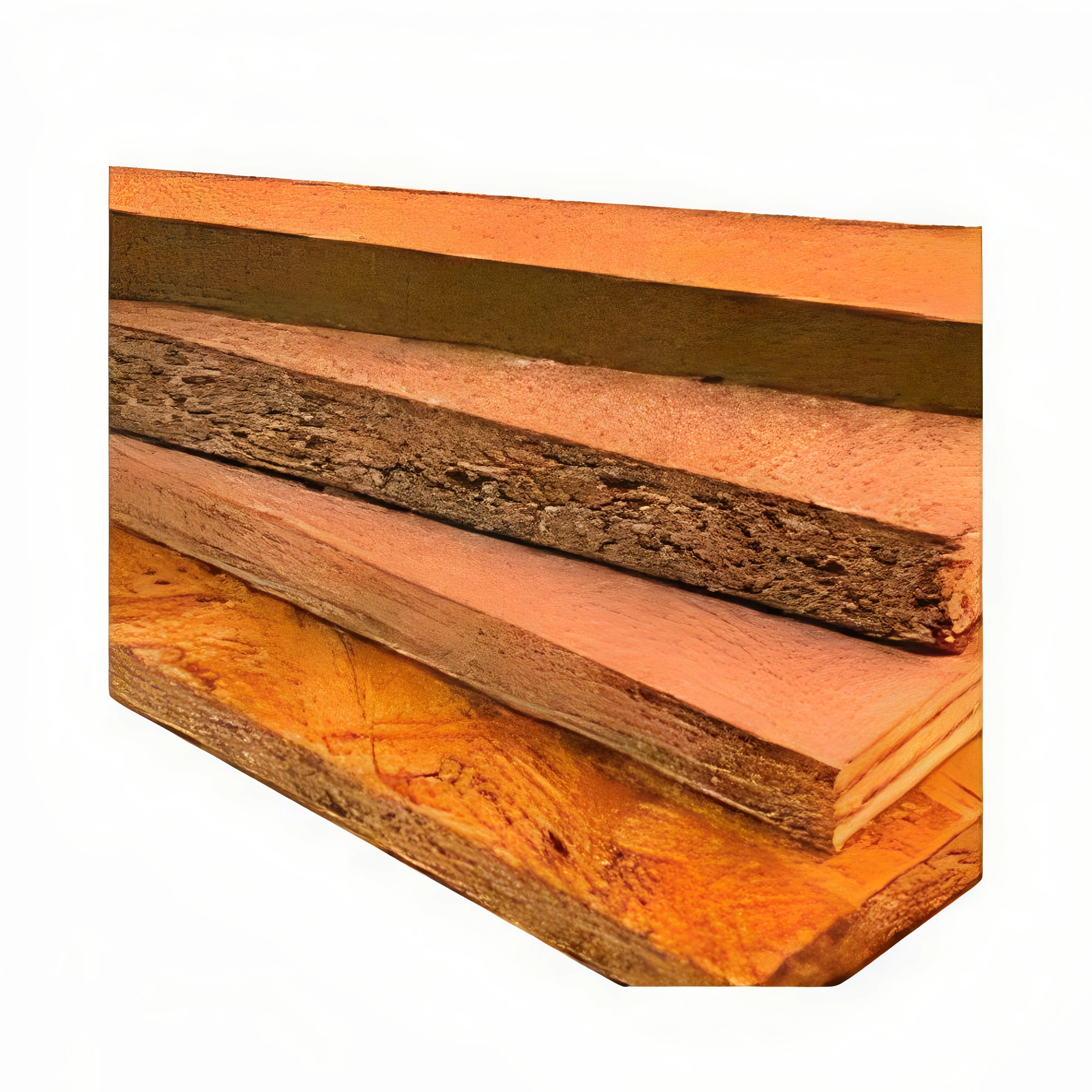
Plywood consists of multiple layers of thin wood veneer glued together. This structure enhances strength and resistance to warping, making it suitable for both structural and decorative applications.
Oriented Strand Board (OSB)
OSB is made from strands of wood oriented in specific directions and bonded with adhesives. It is commonly used in construction for sheathing and flooring due to its structural integrity.
Particle Board
Particle board is composed of wood chips and sawdust bonded together. It is often used in furniture manufacturing and cabinetry, valued for its cost-effectiveness and versatility.
Medium Density Fiberboard (MDF)
MDF is created from wood fibers combined with resin and compressed into sheets. Its smooth surface makes it ideal for painting and veneering, commonly used in cabinetry and decorative items.
Benefits and Advantages
Engineered wood panels provide numerous benefits that make them an attractive choice for businesses.
1. Sustainability: Made from wood byproducts, they promote eco-friendly practices and reduce waste.
2. Cost-Effectiveness: Generally more affordable than solid wood, they offer similar performance at a lower price point.
3. Versatility: Available in various sizes and finishes, they can be tailored to meet specific design and functional needs.
4. Stability: Engineered wood panels are less prone to warping and splitting compared to solid wood, ensuring long-lasting performance.
5. Easy to Work With: Lightweight and easy to handle, they simplify installation and processing.
6. Consistent Quality: Manufacturing processes ensure uniformity in strength and appearance, providing reliable products.
Buying Guide for B2B Buyers
When sourcing engineered wood panels, several factors should be considered to ensure a successful purchase.
1. Quality Assessment: Look for panels that meet industry standards for durability and performance. Check for certifications and test reports to verify quality.
2. Supplier Verification: Vet suppliers thoroughly by reviewing their reputation, past projects, and customer feedback. A reliable supplier enhances the purchasing experience.
3. Pricing and MOQ: Understand the pricing structure and minimum order quantities. Consider bulk purchasing for cost savings while ensuring it meets your needs.
4. Delivery and Lead Times: Confirm logistics and delivery schedules. Timely delivery is crucial for project planning and execution.
5. Compliance Requirements: Ensure that the panels meet local regulations and safety standards. This is vital to avoid legal issues and ensure product safety.
Compliance and Certifications
Engineered wood panels must adhere to various standards and certifications to ensure quality and safety.
Quality standards such as ISO 9001 provide guidelines for quality management systems, ensuring manufacturers meet customer and regulatory requirements. Compliance with HACCP and GDP standards is also essential, especially for applications in food-related industries.
Industry certifications, such as CE, indicate that the panels meet European health, safety, and environmental protection standards. This certification is important for B2B buyers looking to ensure the safety and reliability of their materials.
Safety and testing requirements are critical for engineered wood panels. Proper testing for fire resistance, moisture content, and structural integrity ensures the panels perform as expected in their intended applications.
Regional compliance considerations may vary. It is essential for businesses to be aware of local regulations regarding the use of engineered wood products in construction and other industries.
Why Source Engineered Wood Panels from Pepagora?
Pepagora provides a trusted platform for sourcing engineered wood panels, offering several key advantages to buyers.
Verified Supplier Network: Pepagora connects buyers with a network of verified suppliers. This ensures that businesses can source quality products from reputable manufacturers, minimizing risks associated with procurement.
Streamlined RFQ Process: The platform simplifies the request for quotation process, allowing businesses to receive competitive quotes quickly. This efficiency helps buyers make informed decisions without lengthy negotiations.
Trade Assurance and Support: Pepagora offers trade assurance, providing buyers with protection and support throughout the purchasing process. This builds confidence in transactions and ensures satisfaction.
Regional Coverage: With a strong presence in India, the GCC, and Southeast Asia, Pepagora offers extensive regional coverage. This geographic reach allows businesses to find suitable suppliers that meet their specific needs and requirements.
By leveraging Pepagora's services, buyers can confidently source engineered wood panels that align with their project goals and sustainability initiatives.

 India

 India


Frequently Asked Questions
What are Engineered Wood Panels?
Engineered Wood Panels are composite wood products made from reconstituted wood fibers, particles, or veneers that are bonded together with adhesives. They are designed to provide enhanced strength and stability compared to traditional solid wood materials, making them suitable for various applications in furniture and construction.
What are the different types of Engineered Wood Panels?
The main types of Engineered Wood Panels include plywood, oriented strand board (OSB), medium-density fiberboard (MDF), and particle board. Each type has distinct properties and applications, such as plywood being ideal for structural uses while MDF is often used in furniture and cabinetry.
How do I choose the right Engineered Wood Panels?
Choosing the right Engineered Wood Panels depends on the intended application, desired aesthetics, and specific performance requirements. Consider factors such as thickness, density, finish, and moisture resistance when making your selection to ensure the panels meet your project's needs.
What are the standard specifications for Engineered Wood Panels?
Standard specifications for Engineered Wood Panels typically include dimensions, thickness, density, and moisture content. Compliance with industry standards such as IS or ASTM ensures that the panels meet safety and performance criteria.
What is the price range for Engineered Wood Panels?
The price range for Engineered Wood Panels can vary widely based on type, quality, and manufacturer, typically ranging from ₹30 to ₹150 per square foot in India. Bulk purchases and specific customization requests may further influence pricing.
What quality standards apply to Engineered Wood Panels?
Engineered Wood Panels must comply with quality standards set by organizations like the Bureau of Indian Standards (BIS) or international standards such as ISO. These standards address factors like strength, durability, and emissions from adhesives used in the production process.
Where can I find Engineered Wood Panels suppliers in India?
Engineered Wood Panels suppliers can be found through various channels, including online B2B marketplaces like Pepagora, trade shows, and industry directories. It's advisable to compare multiple suppliers based on reviews, product offerings, and customer service.
Can Engineered Wood Panels be customized?
Yes, Engineered Wood Panels can be customized to meet specific design and functional requirements, including size, finish, and surface treatments. Many manufacturers offer customization options to cater to unique project needs.
What is the typical minimum order quantity for Engineered Wood Panels?
The typical minimum order quantity (MOQ) for Engineered Wood Panels varies by supplier but generally ranges from 100 to 500 square feet. It's best to check with individual suppliers to understand their specific MOQ requirements.
What is the typical lead time for Engineered Wood Panels?
The typical lead time for Engineered Wood Panels can range from 2 to 6 weeks, depending on the supplier, order quantity, and customization requirements. It's advisable to confirm lead times directly with suppliers to ensure timely delivery for your project.
Why Businesses Trust Pepagora
Thousands of companies trust Pepagora to source smarter and sell faster
Expand Your Sales Globally

Source Smarter,Grow Faster
