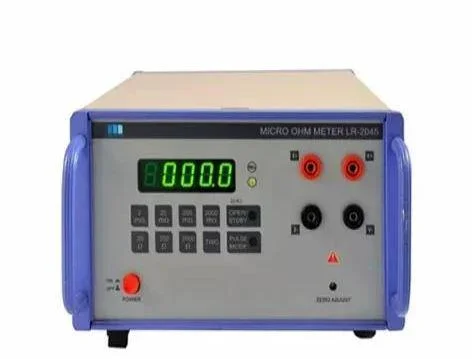
What are Electronic Calibration Equipment?
Electronic Calibration Equipment refers to devices used to ensure the accuracy and precision of electronic instruments by comparing them against standard measurements. These instruments help in adjusting, verifying, and calibrating the performance of various electronic devices such as sensors, voltmeters, and oscilloscopes. They are essential in achieving reliable measurements in various applications, ensuring that equipment functions correctly and meets industry standards.
The primary uses of Electronic Calibration Equipment lie in industries where precision is critical. This includes sectors such as manufacturing, telecommunications, healthcare, and aerospace. In these environments, regular calibration is necessary to maintain compliance with quality standards and to prevent errors that could lead to costly downtime or safety hazards. The importance of such equipment has grown with the increasing reliance on automated systems and precision electronics, making them indispensable in many business operations.
As industries continue to evolve, the market for Electronic Calibration Equipment is expected to expand. The growing emphasis on quality control, regulatory compliance, and technological advancements drives demand. This equipment not only helps businesses to maintain operational efficiency but also ensures safety and reliability in their products and services.
Key Features and Specifications
Electronic Calibration Equipment comes equipped with several key features that enhance its performance and usability. These specifications play a crucial role in determining the right equipment for specific applications.
Key specifications include:
1. Accuracy
- The degree to which the measured value corresponds to the true value.
- Often expressed as a percentage of the reading or a fixed value.
2. Resolution
- The smallest change in measurement that can be detected by the device.
- Typically measured in digits or parts per million (ppm).
3. Calibration Range
- The range of values over which the calibration can be performed.
- Varies by device and application, often specified in volts or temperature ranges.
4. Stability
- The ability of the equipment to maintain its performance over time.
- Measured in terms of drift or deviation from a standard over a specified period.
5. Temperature Coefficient
- The change in output performance relative to temperature changes.
- Usually specified in parts per million per degree Celsius (ppm/°C).
6. Humidity Control
- The capability of the device to perform accurately in varying humidity levels.
- Important for environments where moisture can affect measurements.
7. Display Type
- The kind of interface used to present measurements, which can include digital or analog displays.
- Enhances ease of use and interpretation of results.
8. Connectivity Options
- Availability of interfaces for data transfer, such as USB, Ethernet, or wireless.
- Facilitates integration with other systems for enhanced functionality.
In summary, selecting the right Electronic Calibration Equipment involves understanding these specifications and matching them with specific application needs.
Common Applications and Use Cases
Electronic Calibration Equipment is utilized in various industries, each with specific applications that highlight its importance.
1. Manufacturing: In manufacturing settings, calibration equipment ensures that machines operate within specified tolerances. This is vital for maintaining product quality and minimizing waste during production processes.
2. Telecommunications: In telecommunications, calibration is essential for equipment like signal analyzers and transmitters. It guarantees that signals are transmitted and received with the required accuracy, which is crucial for communication reliability.
3. Healthcare: In the healthcare sector, calibration is critical for medical devices such as diagnostic equipment. Ensuring accurate measurements directly impacts patient care and safety.
4. Aerospace: Calibration in aerospace is necessary for avionics and control systems. Precision in these systems is non-negotiable, as it affects the safety and functionality of aircraft.
5. Research and Development: In R&D environments, calibration equipment is used to verify experimental apparatus. Accuracy is crucial for obtaining reliable data and advancing scientific knowledge.
6. Automotive: Calibration ensures that automotive diagnostic tools function correctly. This is essential for vehicle safety and regulatory compliance.
7. Environmental Monitoring: Calibration is vital in environmental monitoring equipment to ensure accurate data collection. This helps in compliance with environmental regulations and standards.
Product Variants and Subcategories
Electronic Calibration Equipment comes in various forms, each tailored to specific calibration needs.
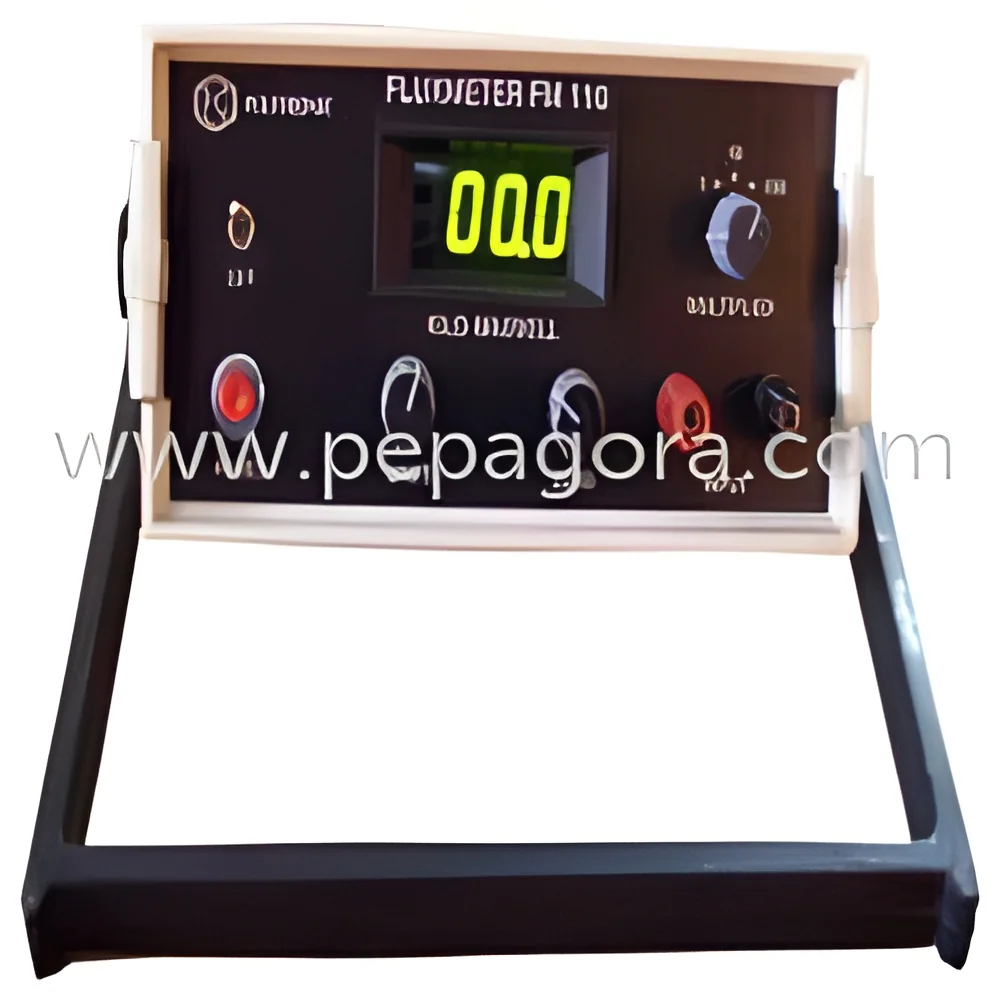
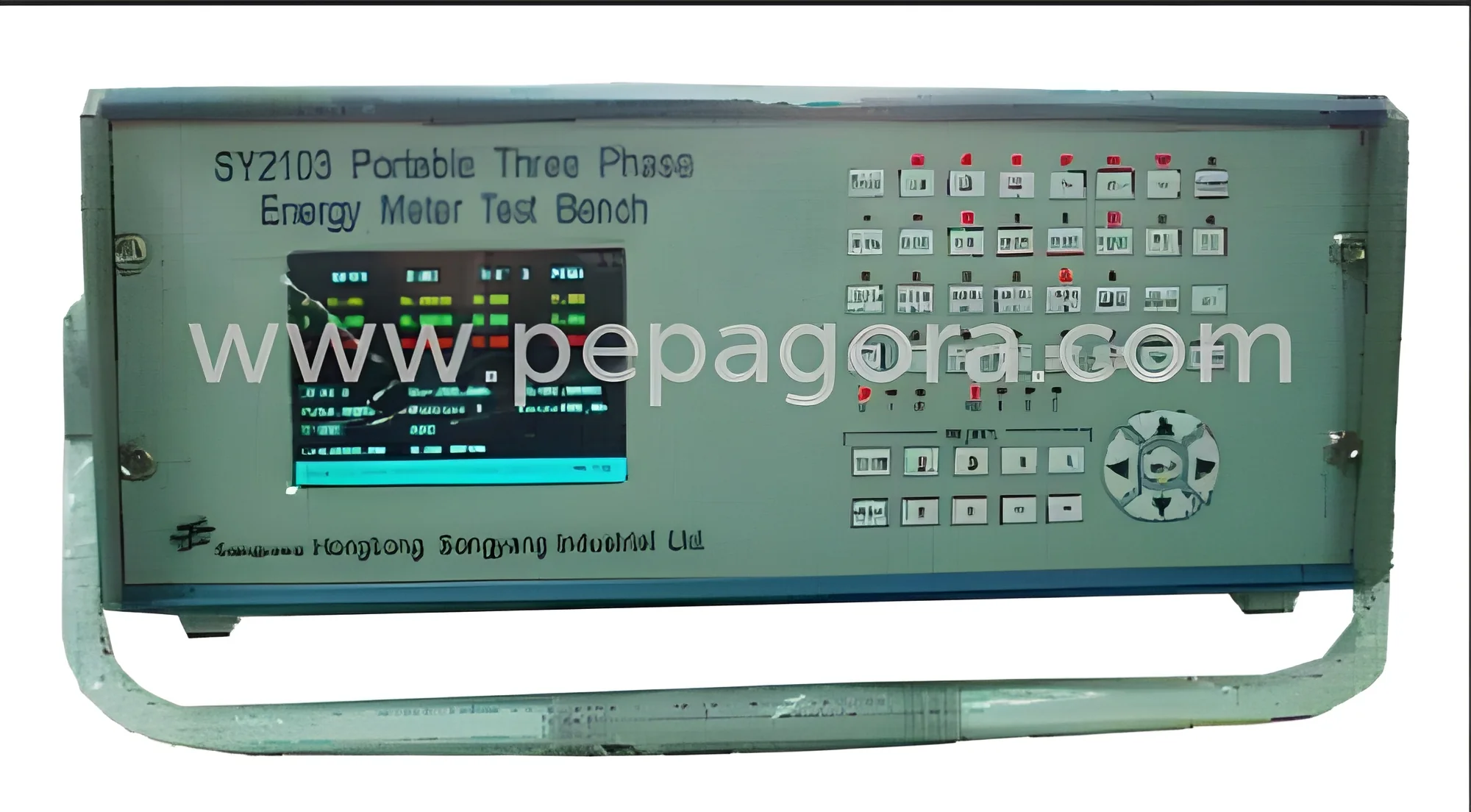
Portable Calibrators: These are compact devices designed for field use. They are ideal for technicians who need to perform calibrations on-site, offering convenience and ease of use.
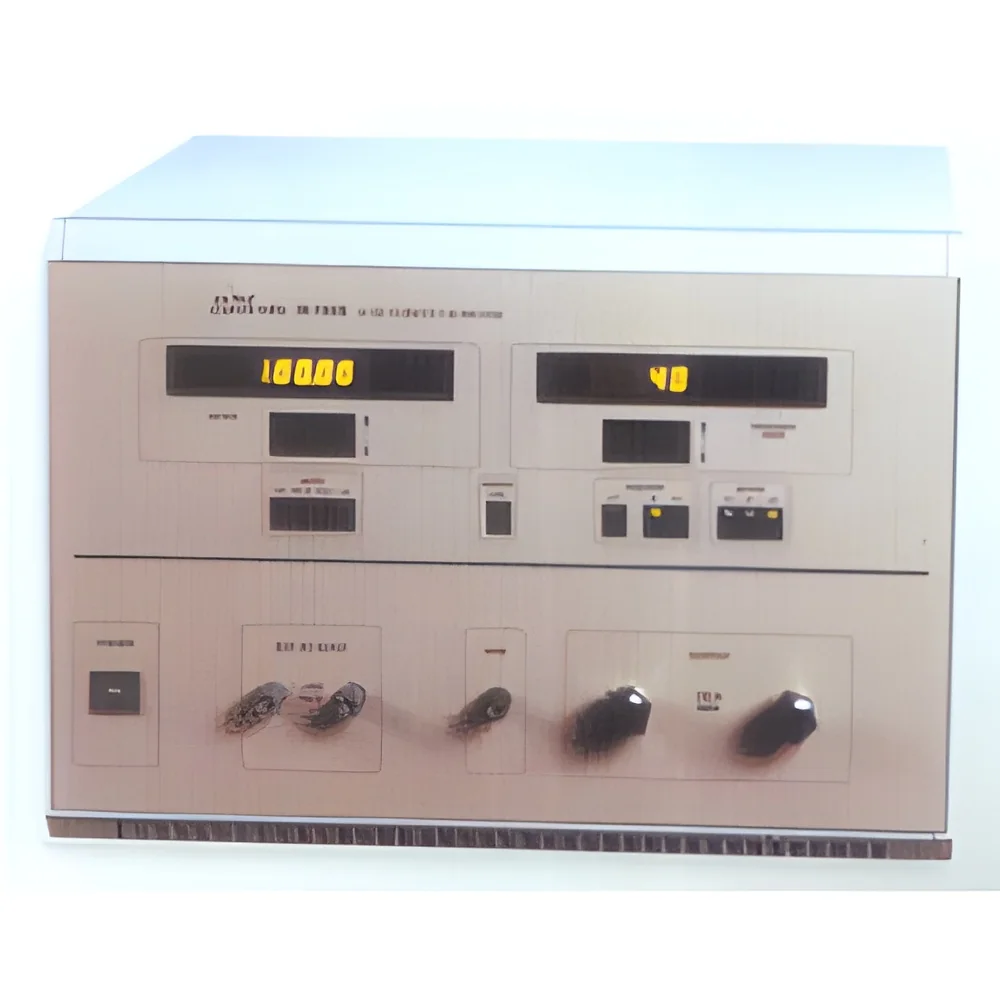
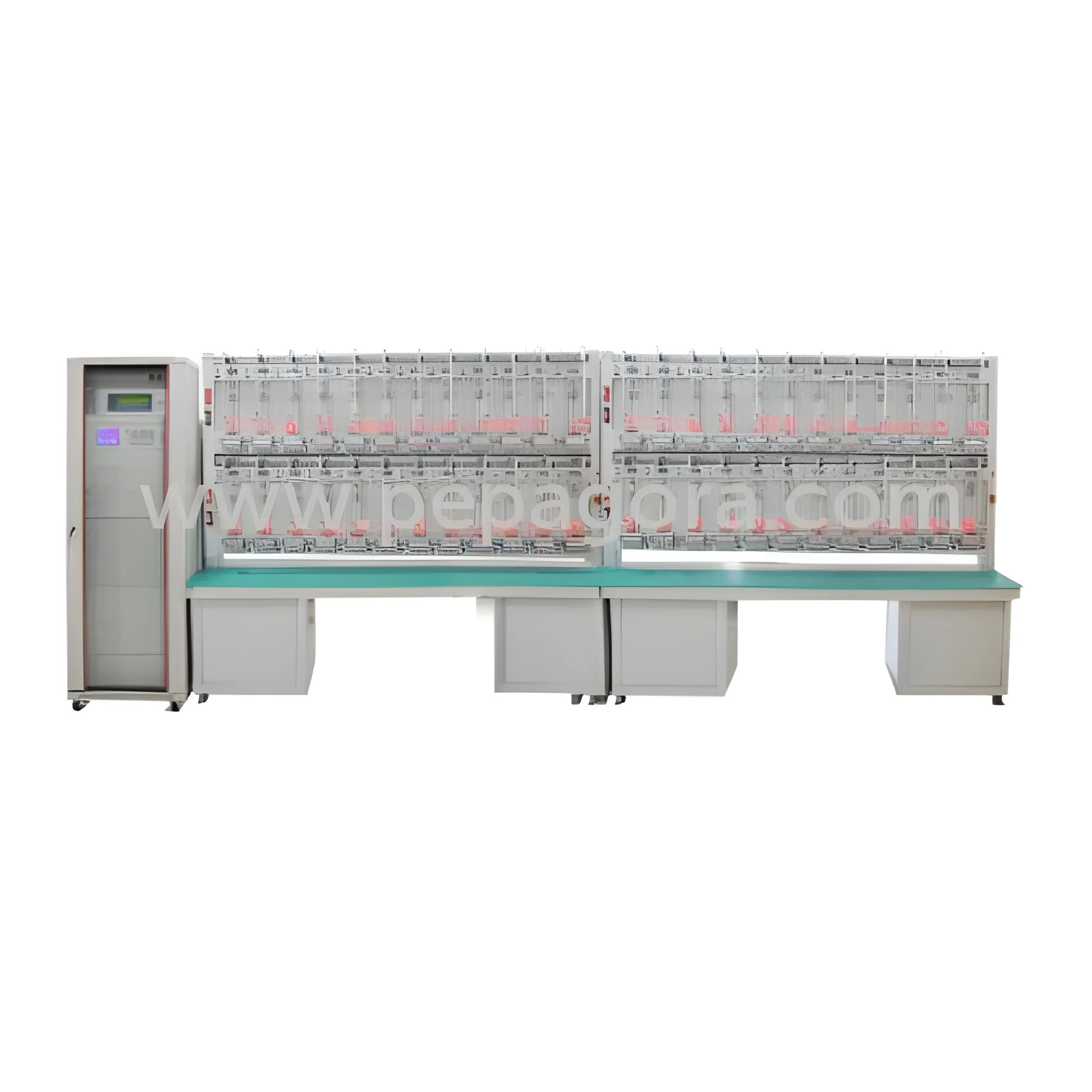
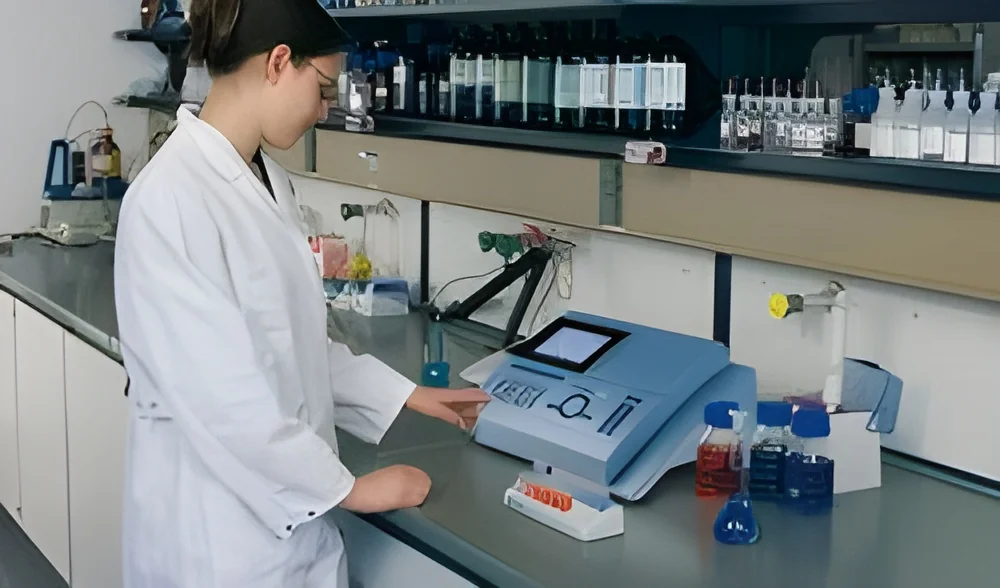
Bench Top Calibrators: These units are designed for laboratory settings. They offer high precision and stability, making them suitable for more complex calibration tasks.
Multifunction Calibrators: These devices can calibrate multiple types of signals, including voltage, current, and frequency. They provide versatility for users working in diverse environments.
Benefits and Advantages
Investing in Electronic Calibration Equipment provides numerous benefits to businesses.
1. Enhanced Accuracy: Regular calibration ensures that measurements are accurate, reducing errors in production or testing.
2. Compliance Assurance: Using calibrated equipment helps organizations meet regulatory standards, avoiding fines and penalties.
3. Improved Efficiency: Accurate instruments optimize processes and reduce downtime caused by equipment malfunction or inaccuracies.
4. Cost Savings: Preventing errors and ensuring equipment operates correctly can lead to significant cost savings in the long run.
5. Better Quality Control: Calibration supports consistent quality in products, enhancing customer satisfaction and loyalty.
6. Safety Assurance: In critical environments, accurate calibration can prevent safety hazards, protecting both employees and customers.
Buying Guide for B2B Buyers
When sourcing Electronic Calibration Equipment, buyers should consider several key factors to make informed decisions.
1. Quality Assessment: Evaluate the quality of the calibration equipment by checking for industry standards and certifications. This ensures the equipment meets required performance levels.
2. Supplier Verification: Conduct thorough research on potential suppliers. Verify their credentials and reputation in the market to ensure reliability.
3. Pricing and MOQ: Understand the pricing structure and minimum order quantities. This helps in budgeting and ensuring that you are getting value for your investment.
4. Delivery and Lead Times: Clarify the expected delivery timelines. Timely delivery is crucial for maintaining operational efficiency and preventing delays.
5. Compliance Requirements: Ensure that the equipment meets relevant regulatory compliance standards. This is essential for avoiding legal issues and maintaining quality assurance.
Compliance and Certifications
Electronic Calibration Equipment must adhere to various quality standards and certifications to ensure reliability and performance.
ISO 9001 is a widely recognized standard that outlines the requirements for a quality management system. Compliance with this standard indicates that the manufacturer consistently meets customer and regulatory requirements.
The CE marking signifies that the equipment meets European safety, health, and environmental protection standards. This certification is essential for manufacturers looking to market their products in the European Union.
Safety and testing requirements are critical in ensuring that the equipment functions correctly and safely. Compliance with specific safety standards mitigates risks associated with the use of electronic devices.
Regional compliance considerations vary by location. Buyers should be aware of local regulations that may affect the operation and use of calibration equipment in their respective countries.
Why Source Electronic Calibration Equipment from Pepagora?
Pepagora offers a trusted platform for sourcing Electronic Calibration Equipment, providing multiple advantages for B2B buyers.
Verified Supplier Network: Pepagora connects buyers with a network of verified suppliers. This helps businesses find reliable sources for their calibration needs, ensuring quality and performance.
Streamlined RFQ Process: The platform features a user-friendly request for quotation (RFQ) system. This simplifies the process of obtaining quotes and comparing offers, making it easier for buyers to make informed decisions.
Trade Assurance and Support: Pepagora provides trade assurance, offering buyers protection against potential issues. Support services are also available to assist throughout the purchasing process.
Regional Coverage: With a broad geographic reach in India, the GCC, and Southeast Asia, Pepagora facilitates access to a diverse range of suppliers. This regional coverage allows businesses to source products that meet their specific operational needs.

 IN
IN
 India
India