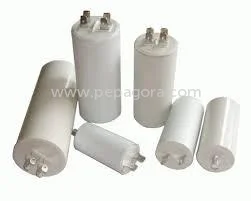
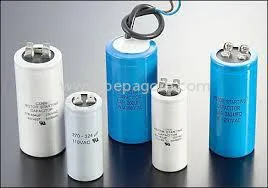
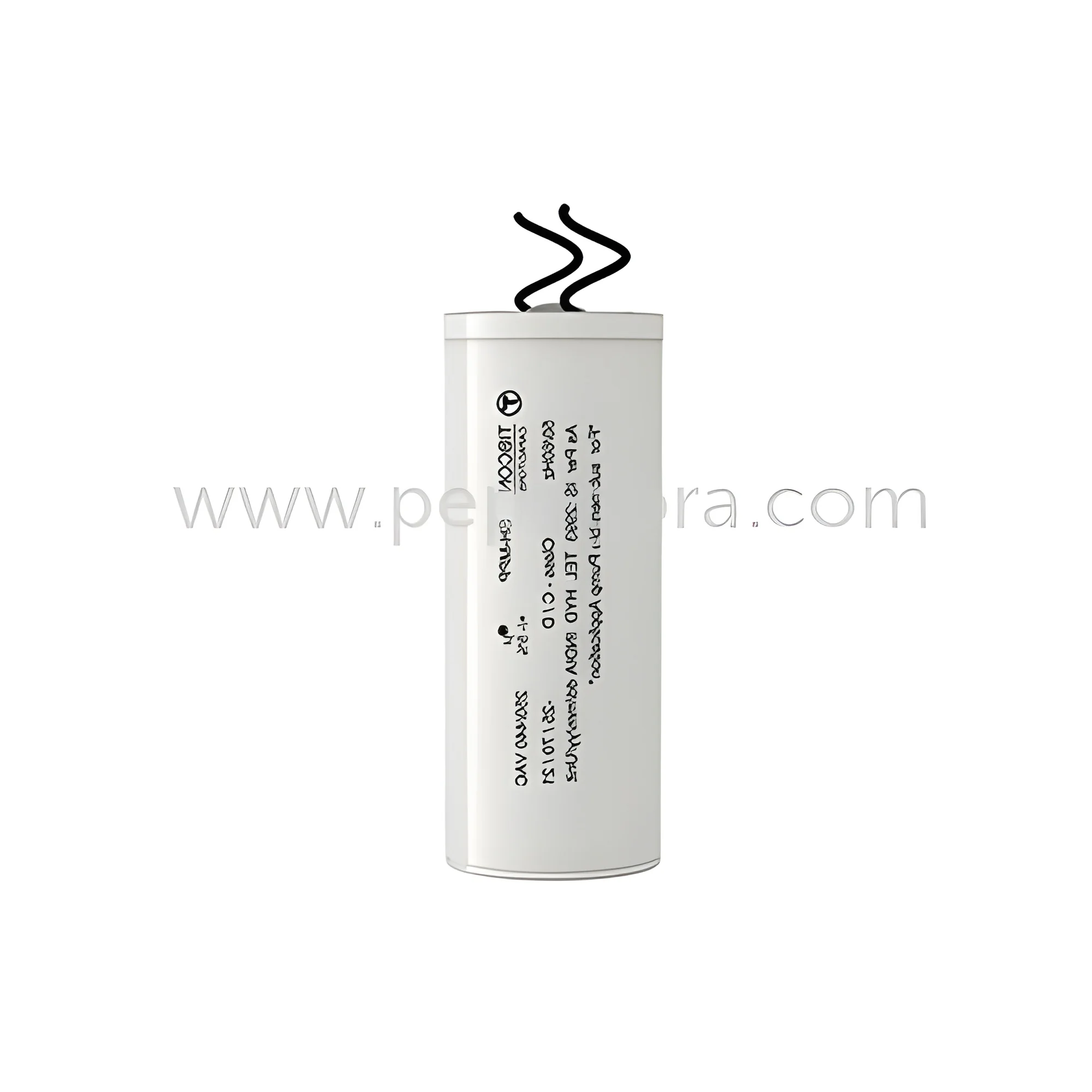
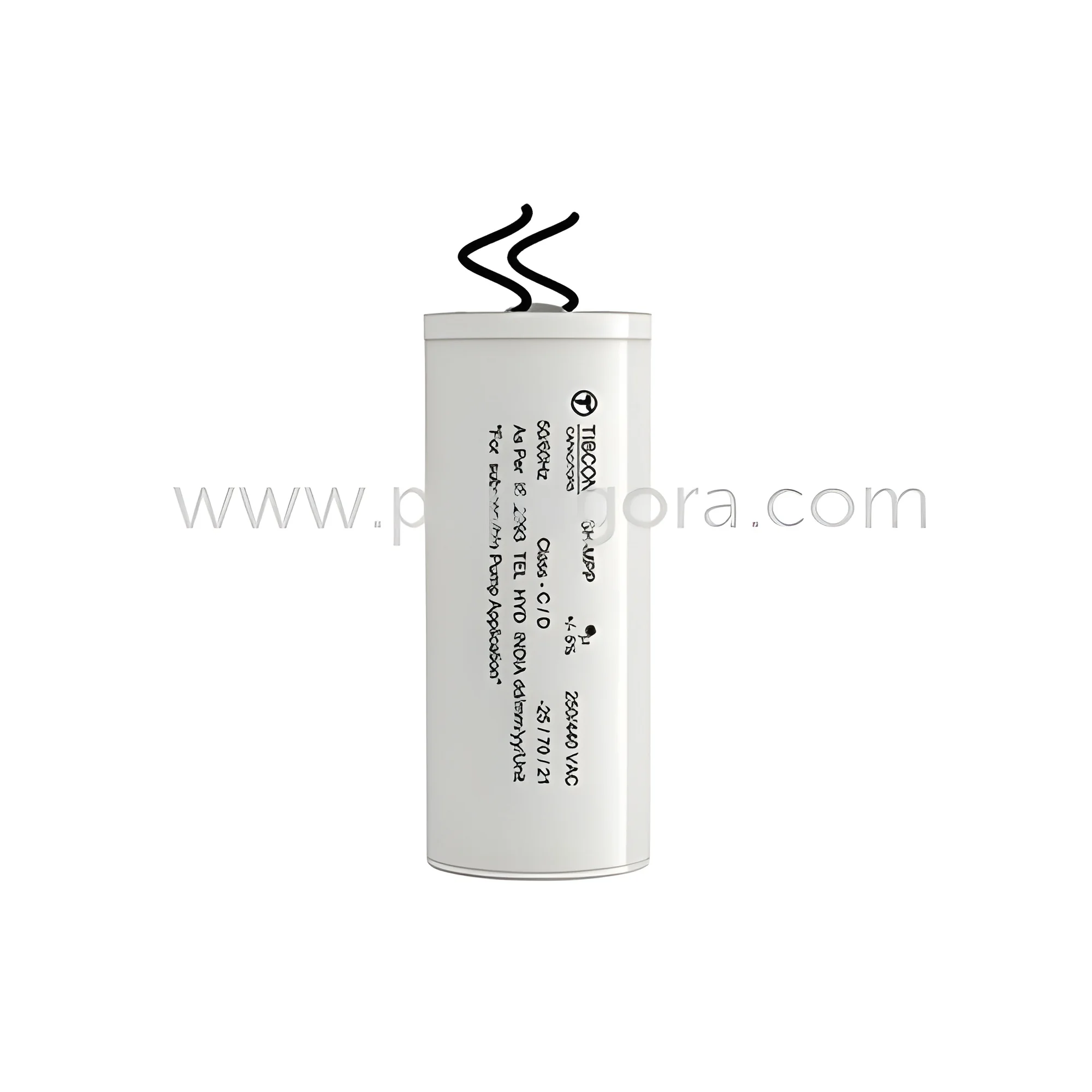
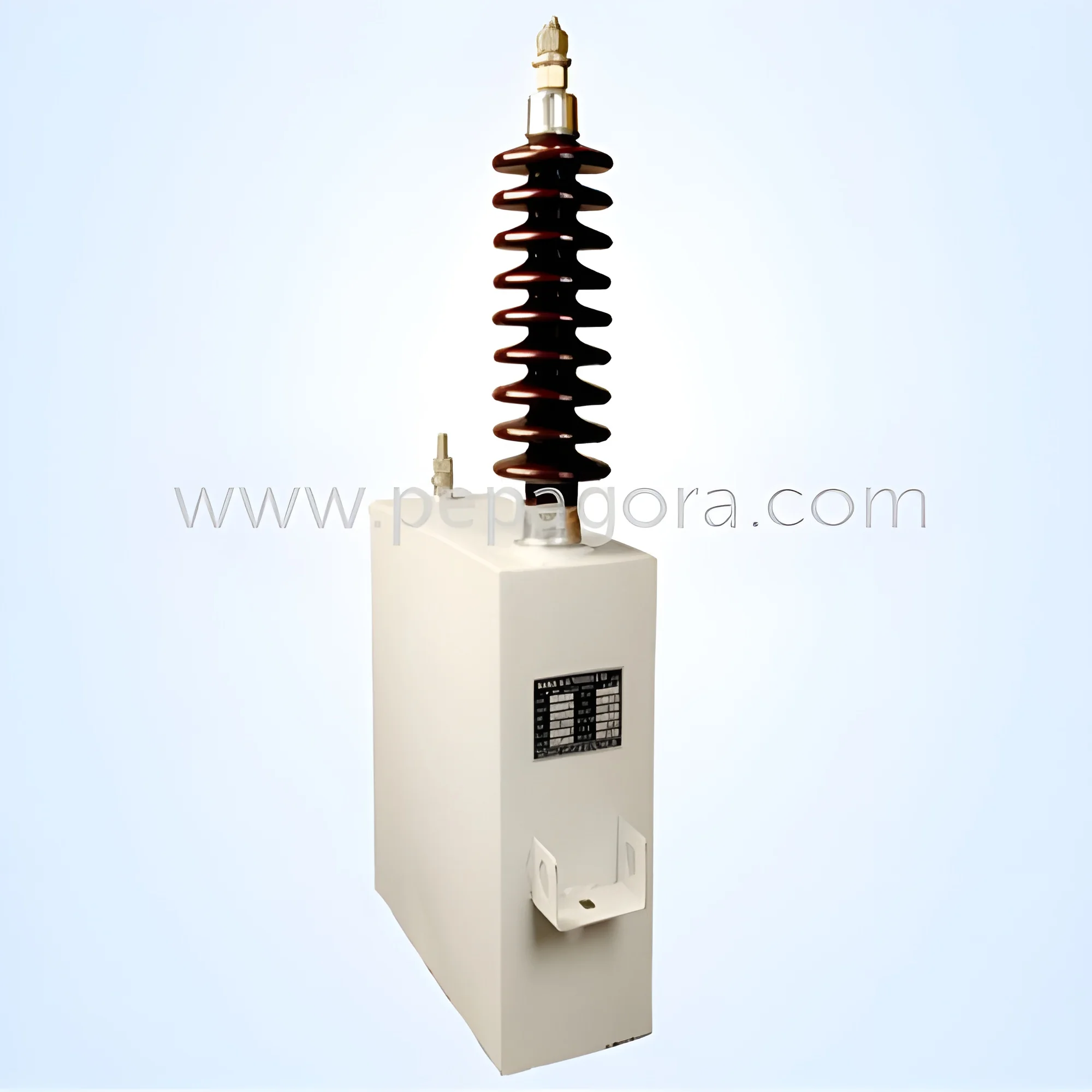
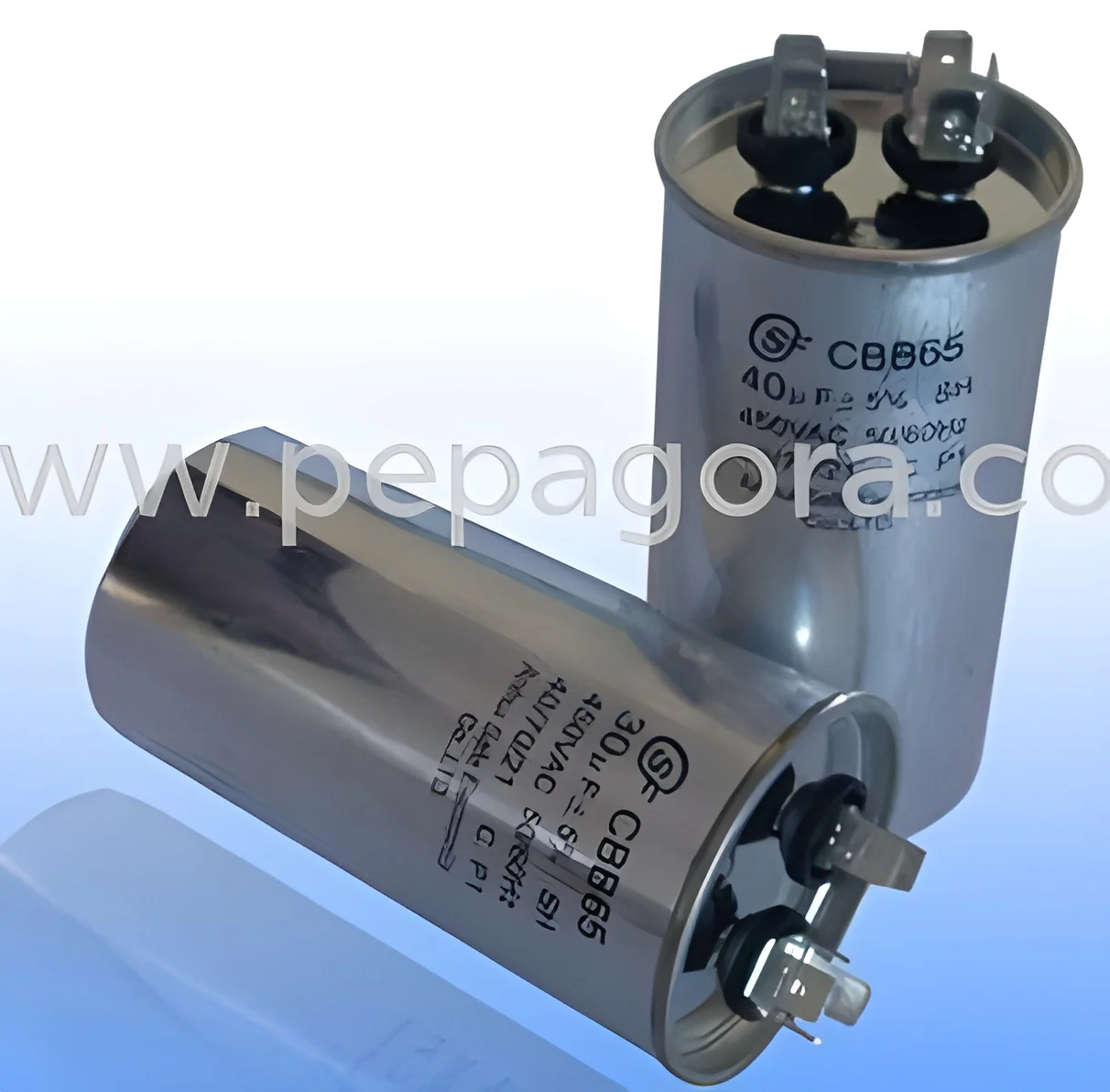
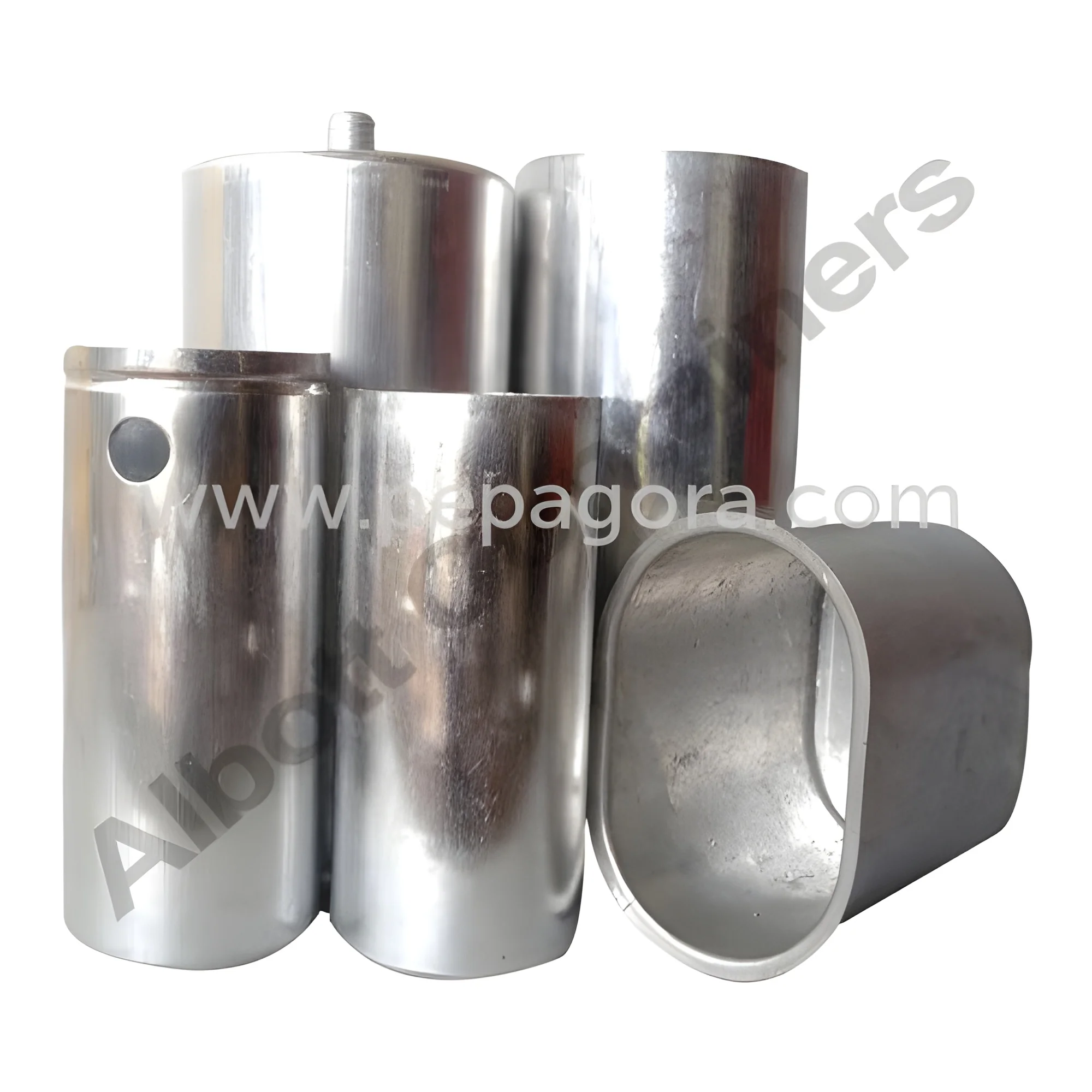
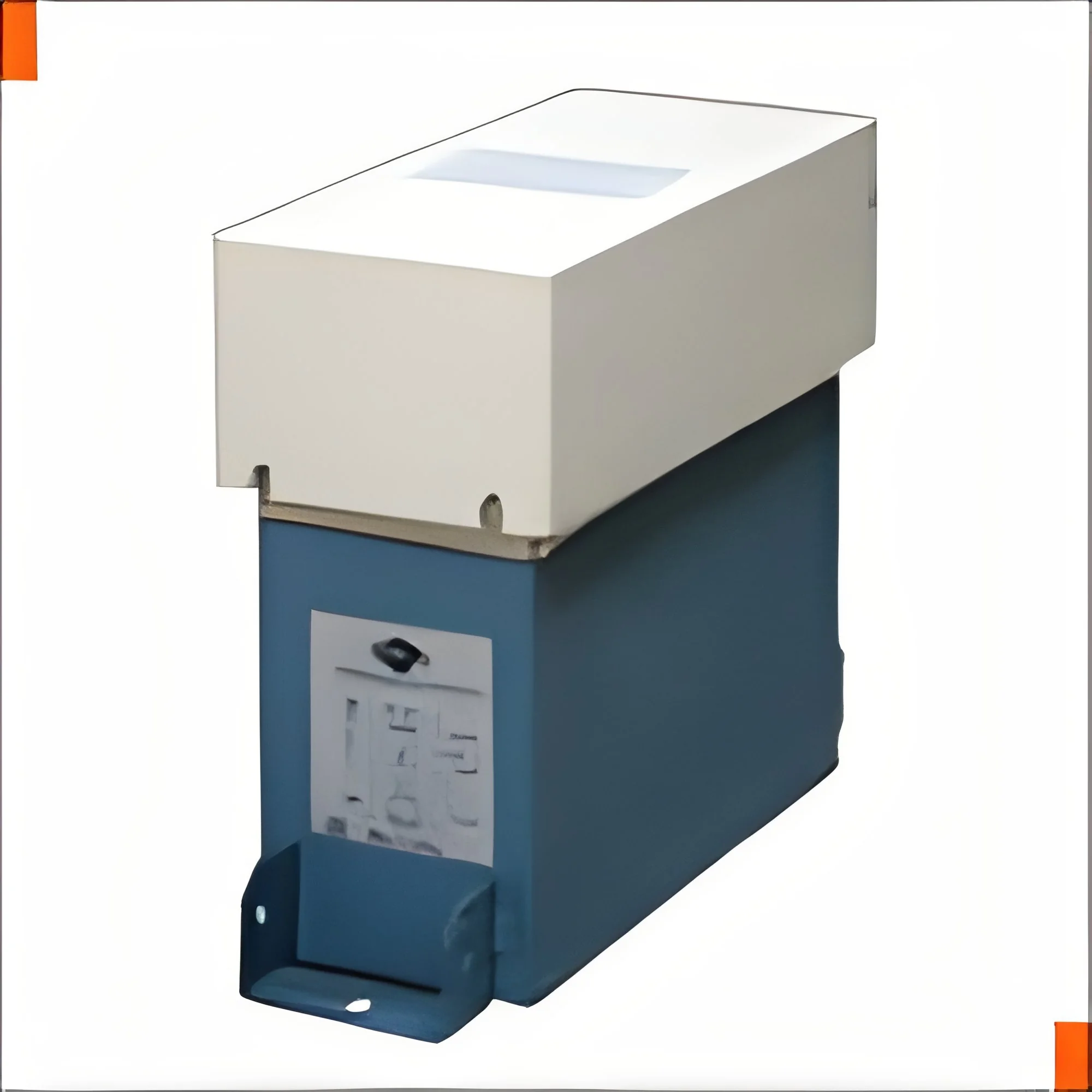
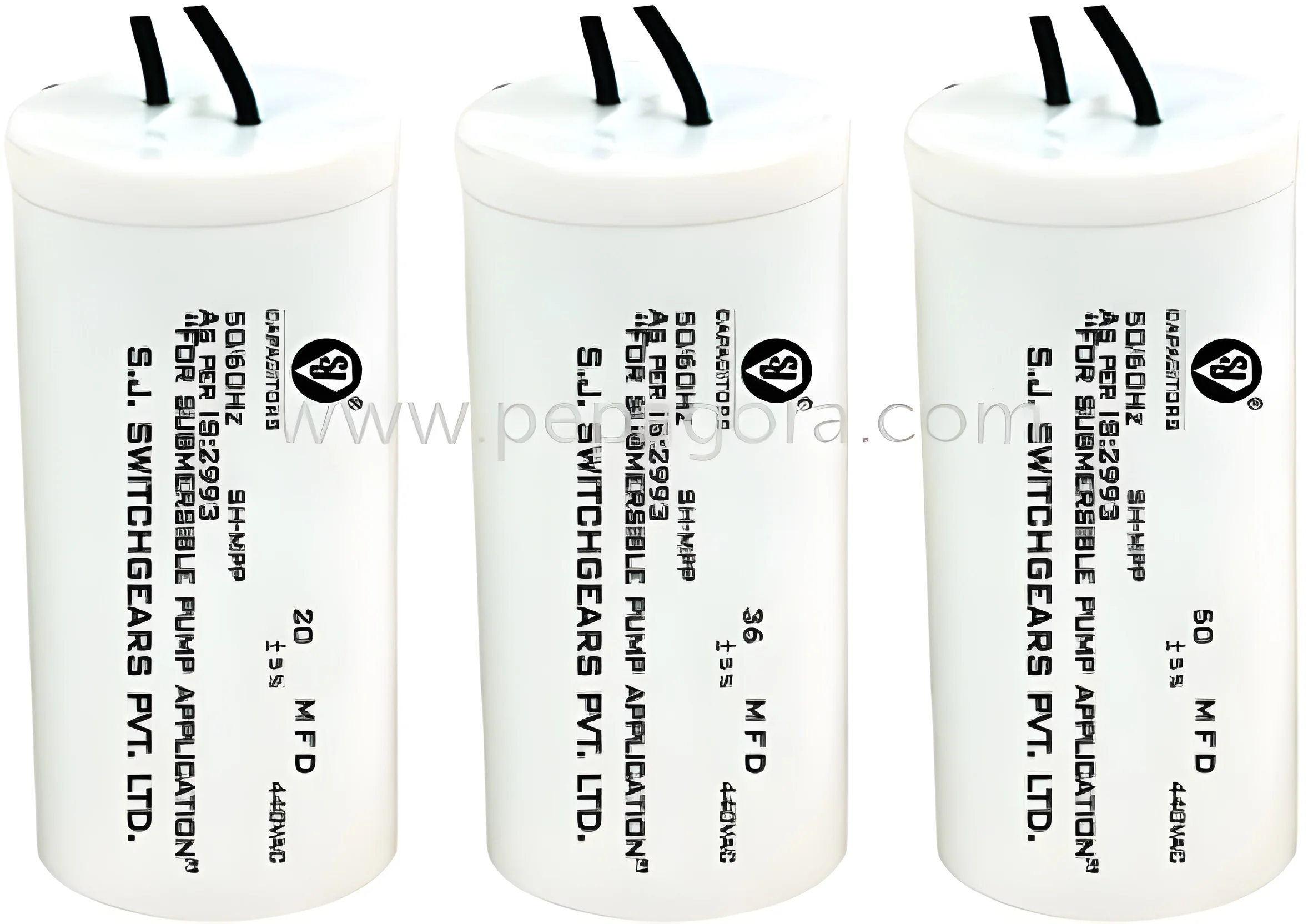
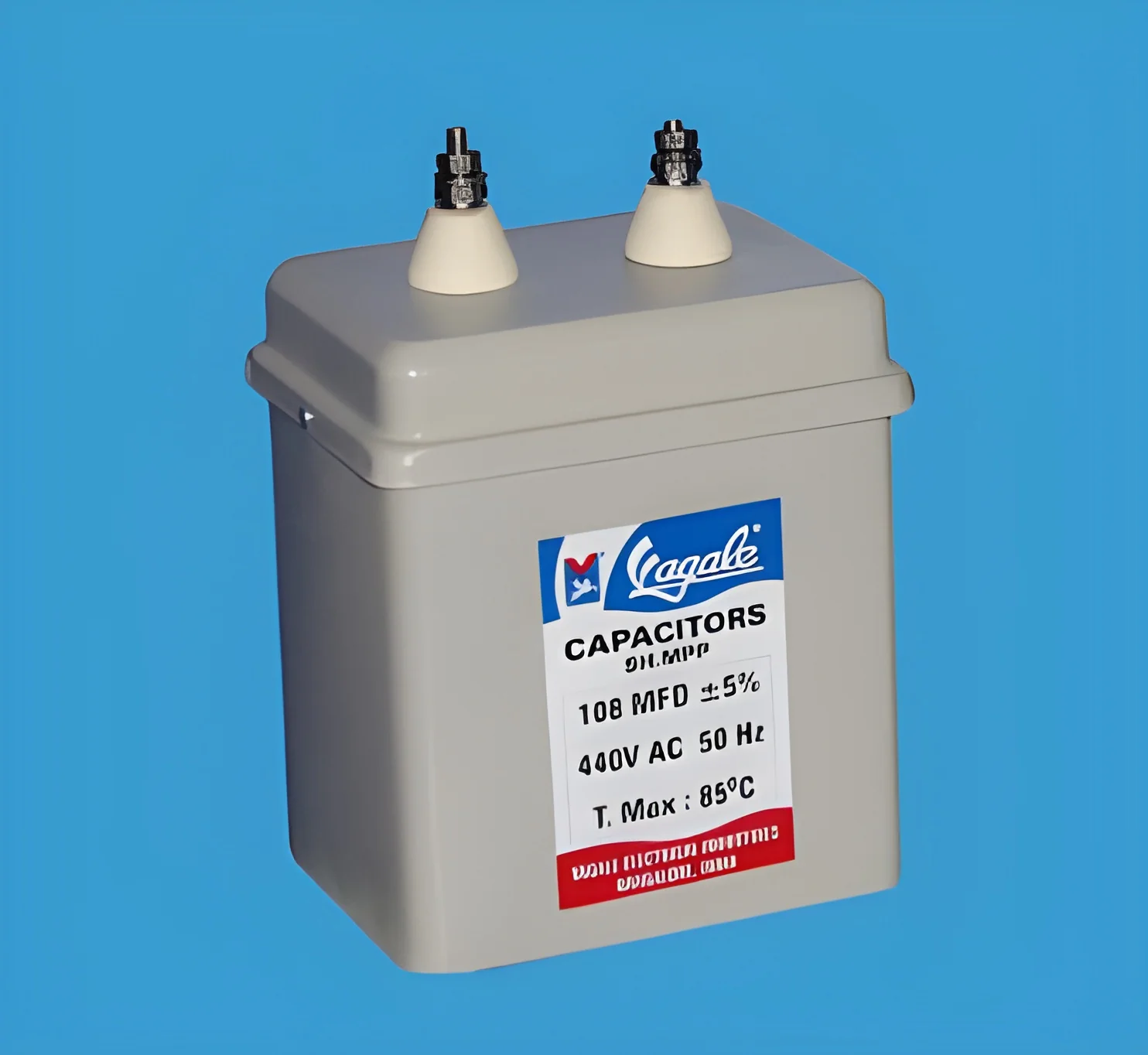
What are Electrolytic Capacitors?
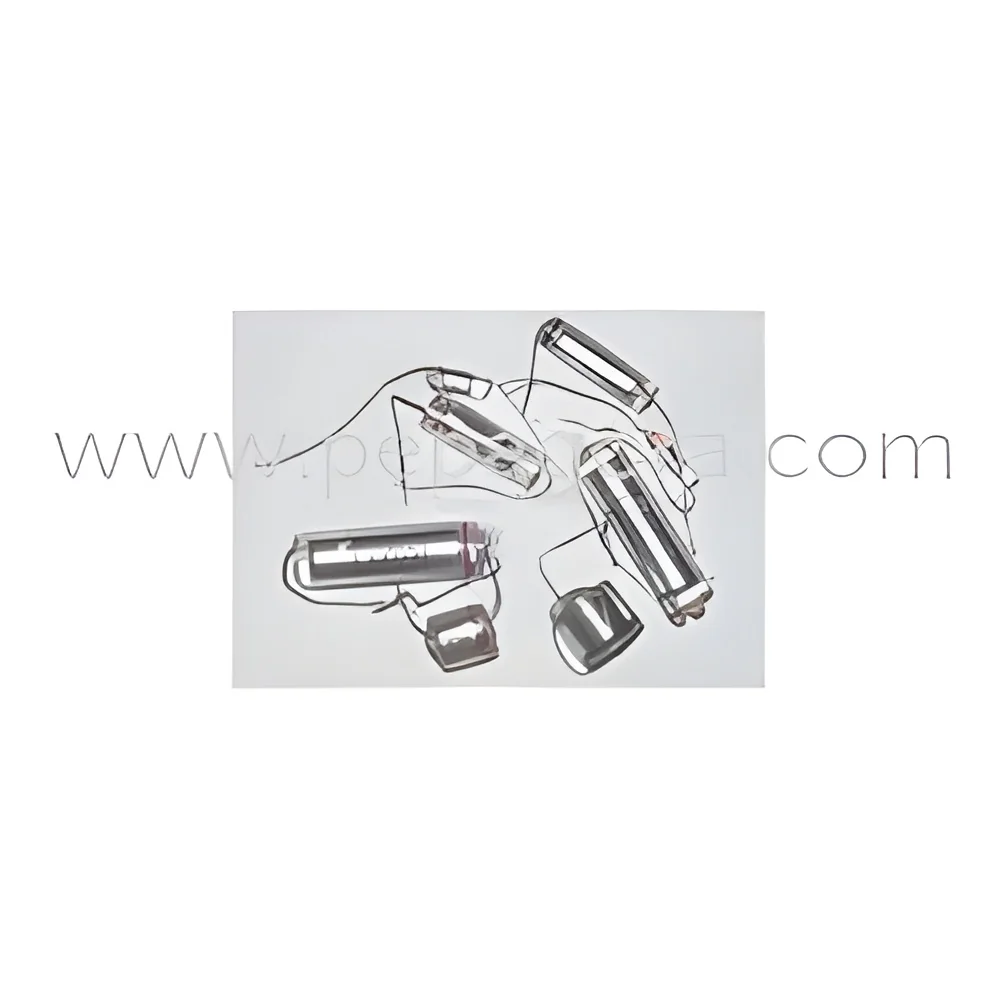
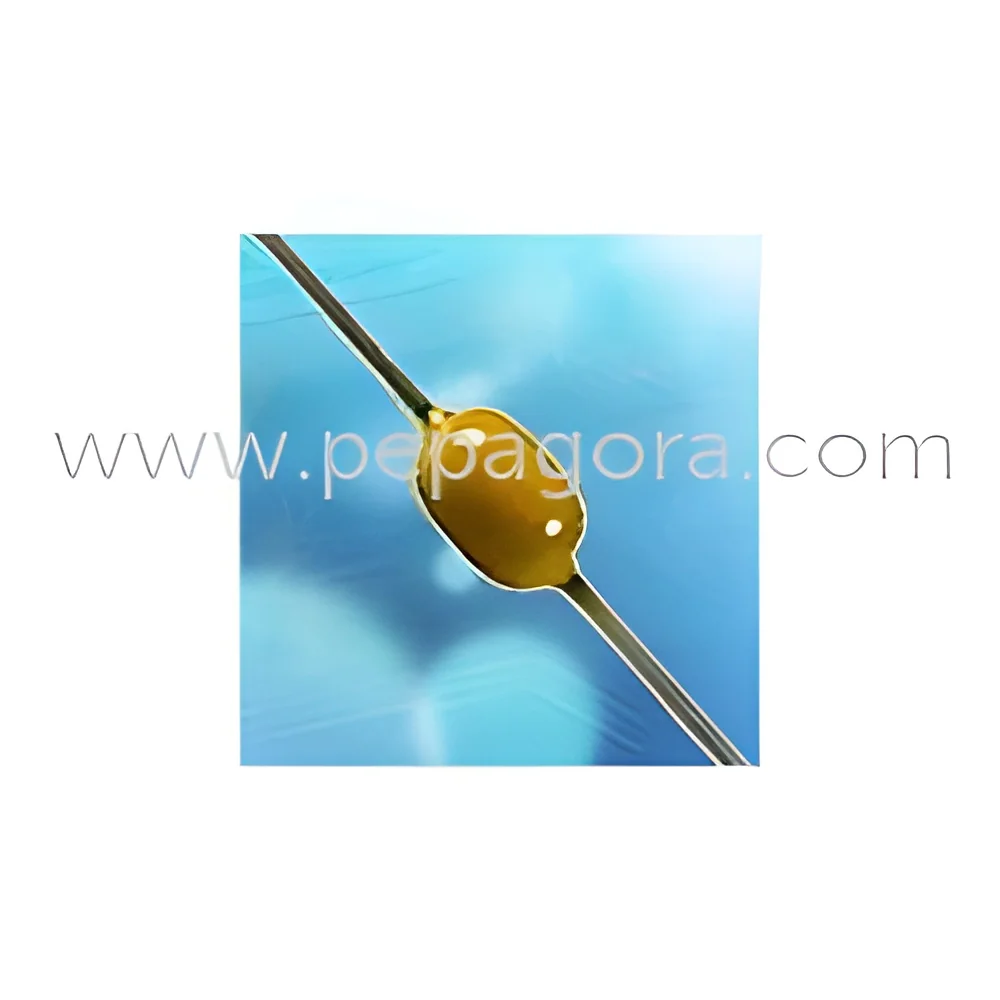
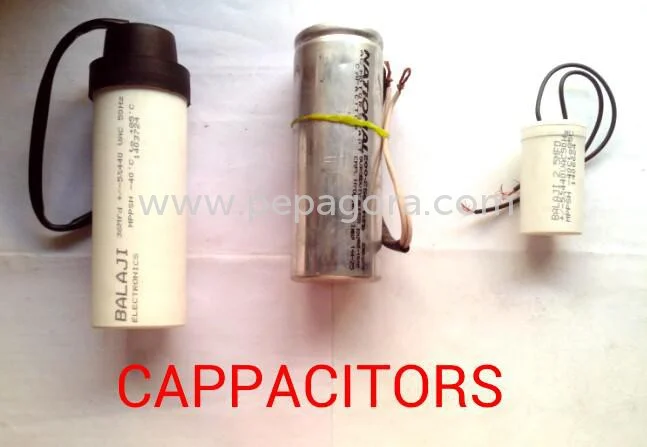
Electrolytic capacitors are specialized electronic components that store and release electrical energy. They are known for their high capacitance values, making them ideal for applications that require significant energy storage in a compact form. These capacitors consist of two conductive plates separated by an electrolyte, which allows them to maintain a larger charge compared to other types of capacitors.
The primary uses of electrolytic capacitors span various industries, including consumer electronics, automotive, and telecommunications. They are commonly found in power supply circuits, audio equipment, and signal processing applications. Businesses utilize these components for smoothing out voltage fluctuations, filtering signals, and providing temporary power storage.
In the current market, electrolytic capacitors remain highly relevant due to the increasing demand for compact and efficient electronic devices. As technology advances, the need for reliable components that offer high performance in small packages has led to a consistent growth in the electrolytic capacitor sector. Manufacturers are continuously innovating to meet the requirements of modern applications, ensuring their importance in the industry.
Key Features and Specifications
Electrolytic capacitors come with several critical features and specifications that define their performance and suitability for various applications. Understanding these specifications is essential for businesses looking to select the right components for their projects.
Key specifications include:
1. Capacitance Value
- Represents the capacitor's ability to store charge.
- Typically ranges from microfarads (μF) to farads (F).
2. Voltage Rating
- Indicates the maximum voltage the capacitor can handle without failing.
- Common ratings vary from 6.3V to 450V.
3. Tolerance
- Defines the allowable deviation from the specified capacitance value.
- Usually expressed as a percentage, with common tolerances ranging from ±10% to ±20%.
4. Temperature Range
- Specifies the operating temperature limits for the capacitor.
- Standard ranges are from -40°C to 105°C.
5. ESR (Equivalent Series Resistance)
- Refers to the resistance encountered by alternating current.
- Lower ESR values are preferred for high-frequency applications.
6. Lifetime
- Indicates the expected operational lifespan of the capacitor under specific conditions.
- Typically ranges from 1,000 to 10,000 hours at rated temperature.
7. Leakage Current
- Describes the small amount of current that flows through the capacitor when it's not in use.
- Measured in microamperes (μA).
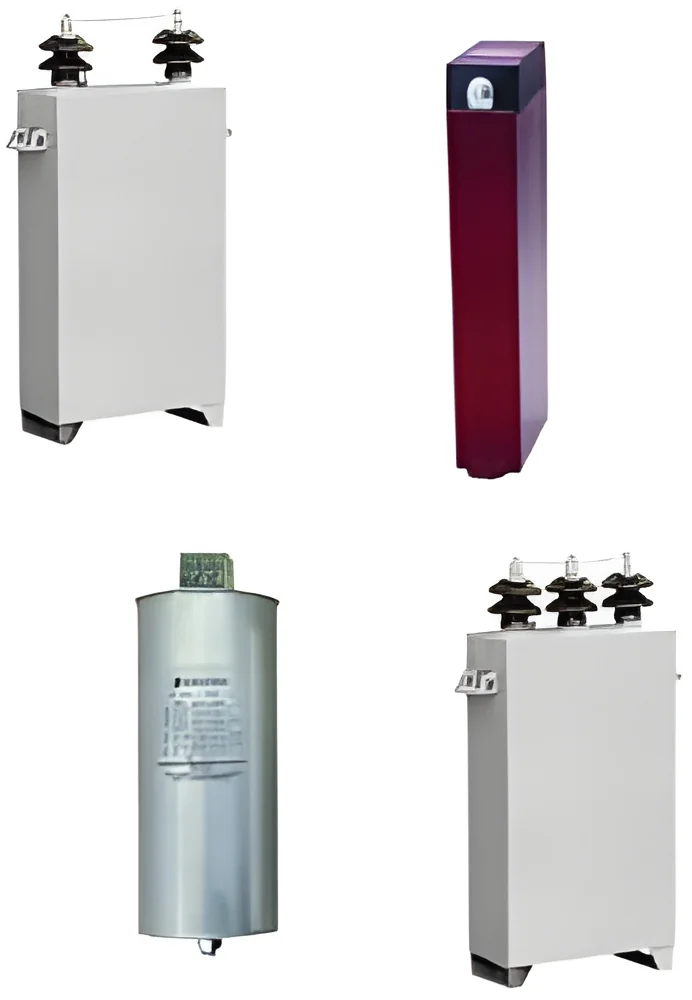
8. Size and Form Factor
- Refers to the physical dimensions and shape of the capacitor.
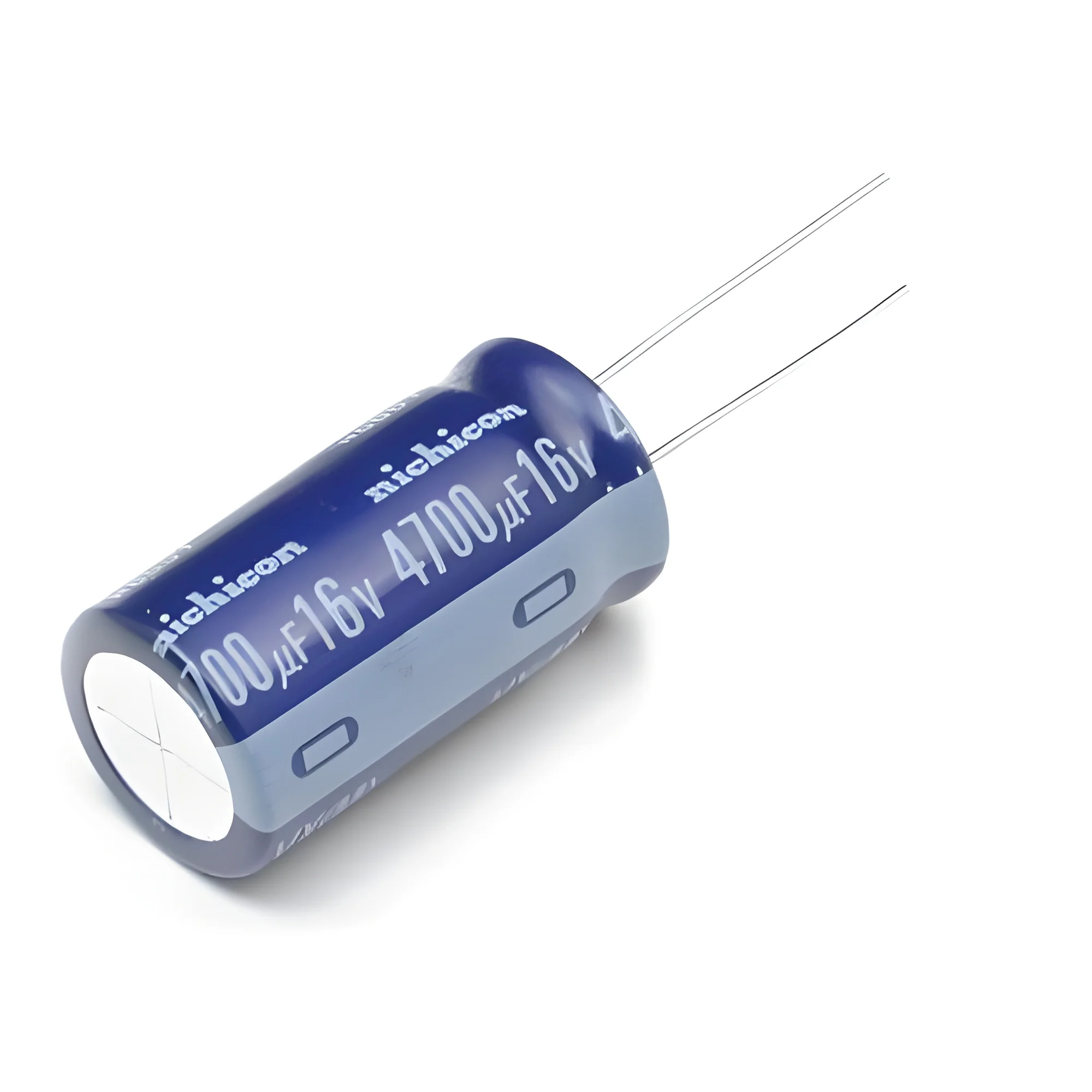
- Commonly available in radial and axial forms.
In summary, understanding these specifications is vital for selecting electrolytic capacitors that meet the specific needs of various applications, ensuring optimal performance and reliability.
Common Applications and Use Cases
Electrolytic capacitors are versatile components used across numerous industries due to their excellent performance characteristics.
1. Consumer Electronics: These capacitors are widely used in devices such as televisions, radios, and computers, where they help stabilize power supplies and enhance audio performance.
2. Automotive: In vehicles, electrolytic capacitors play critical roles in power management systems, including battery management and energy storage for electric components.
3. Telecommunications: These capacitors are essential in communication devices for signal filtering and voltage regulation, ensuring reliable operation in data transmission.
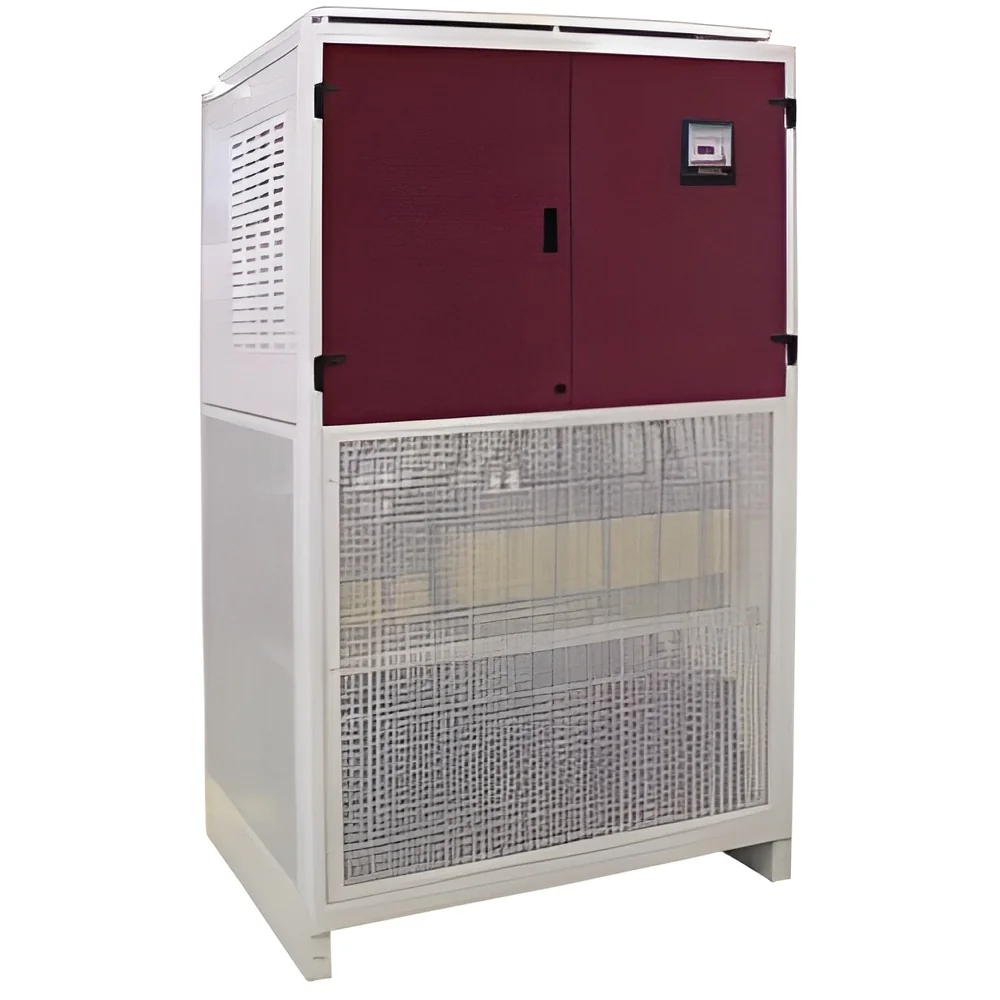
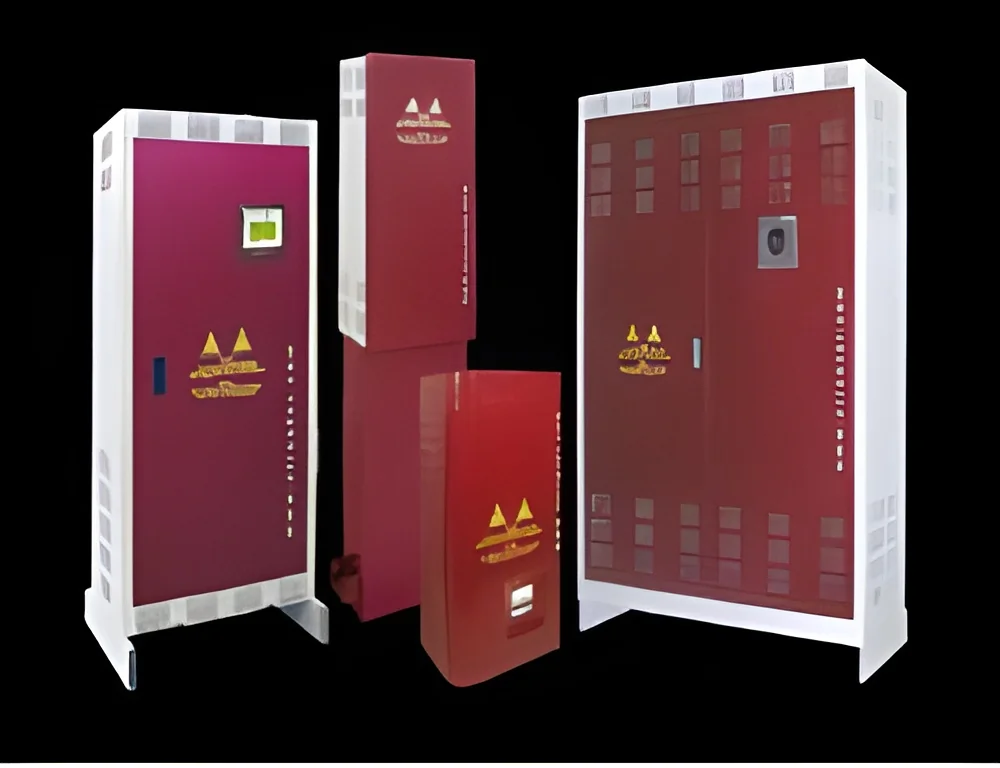
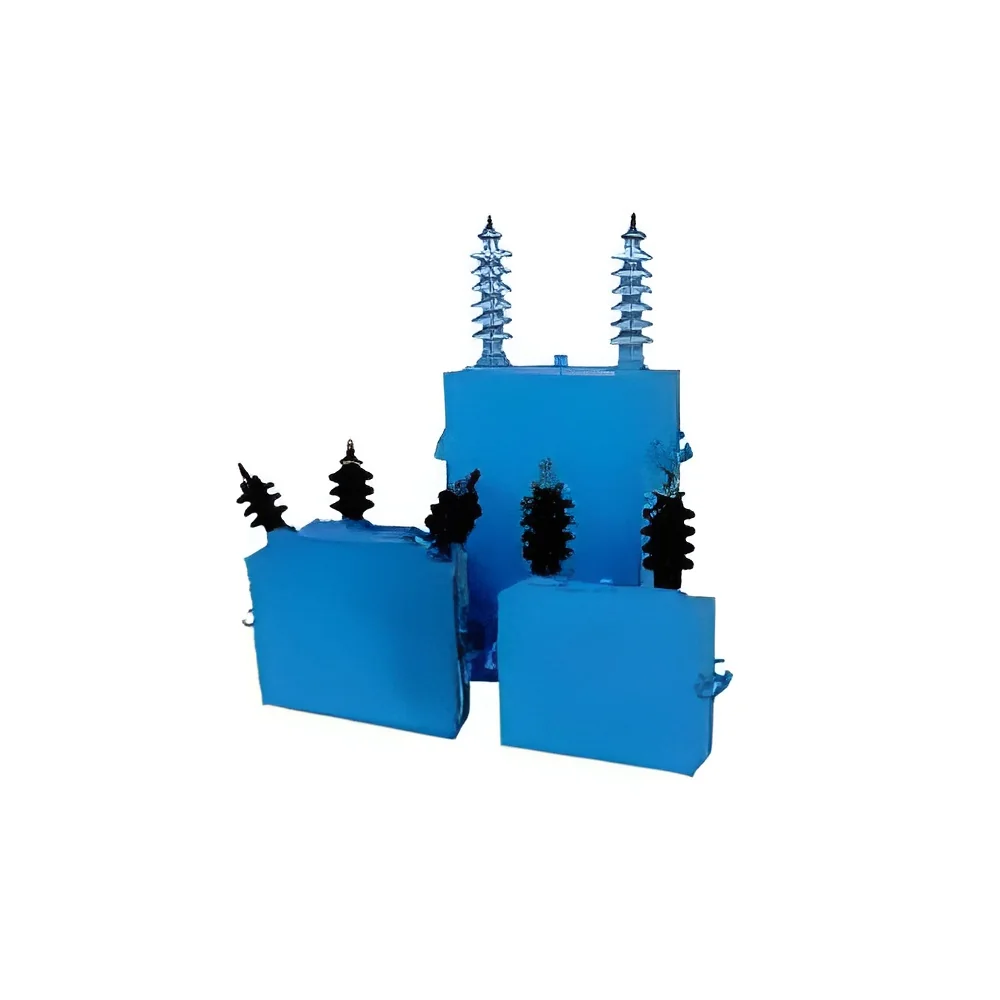
4. Industrial Equipment: In industrial machinery, electrolytic capacitors are used for power factor correction and energy storage in motor drives.
5. Renewable Energy: They are utilized in solar inverters and wind turbine systems, helping to manage energy flow and enhance efficiency.
6. Medical Devices: Electrolytic capacitors are found in various medical equipment, where reliability and performance are crucial for diagnostics and treatment.
7. Lighting Systems: These capacitors support LED drivers and ballasts, ensuring stable operation and flicker-free lighting.
Product Variants and Subcategories
Electrolytic capacitors come in various forms and specifications to cater to specific application needs.
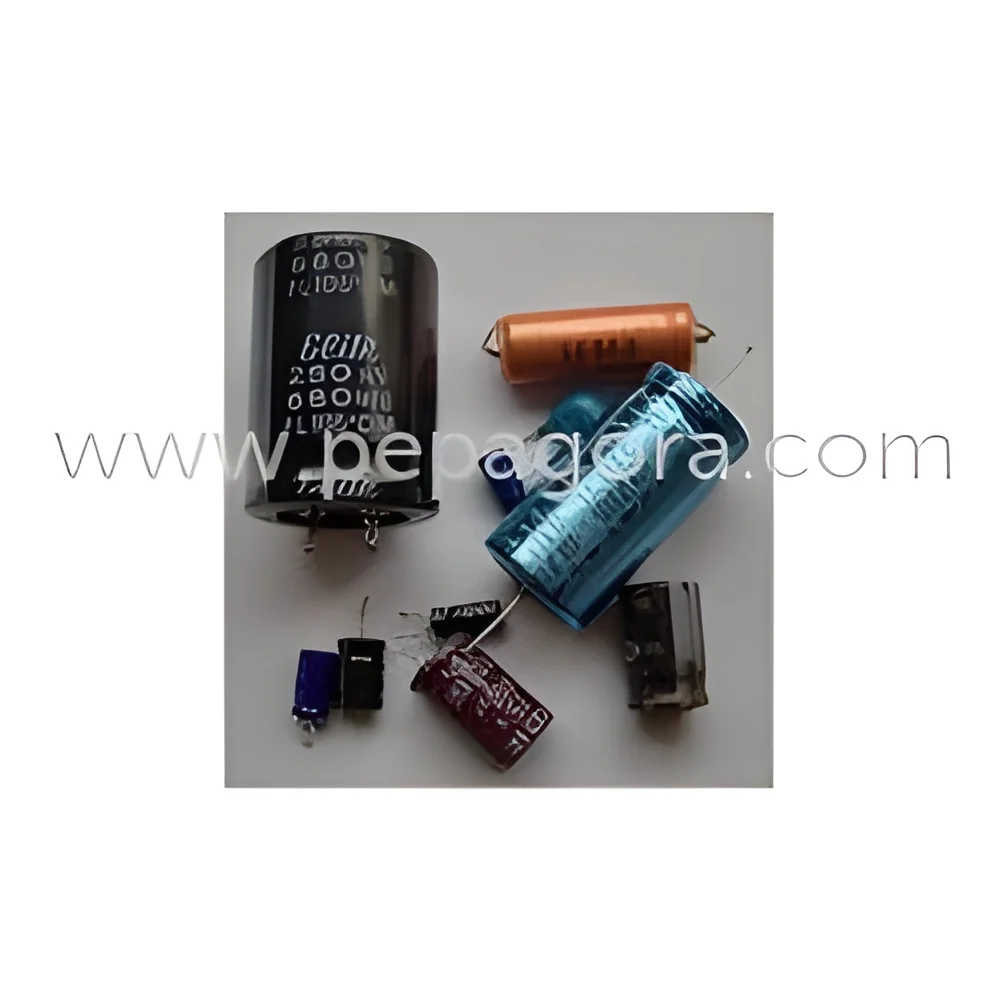
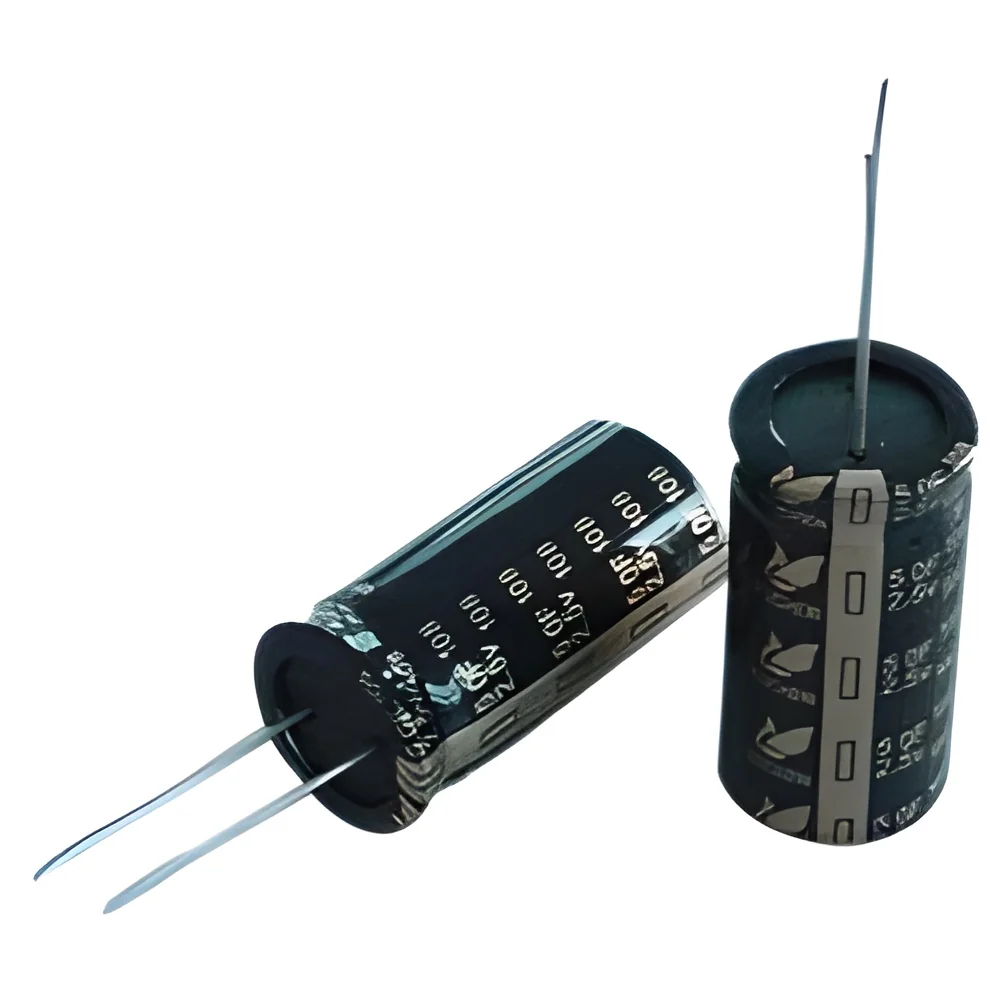
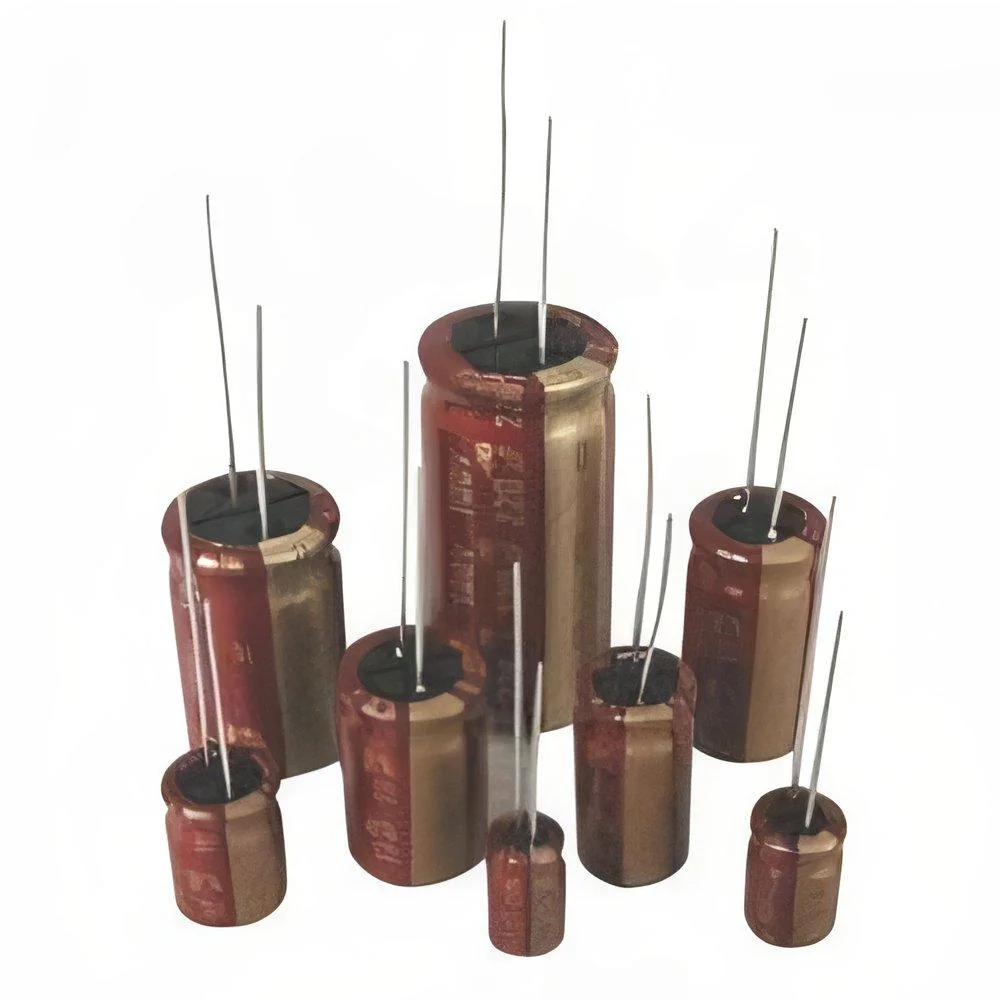
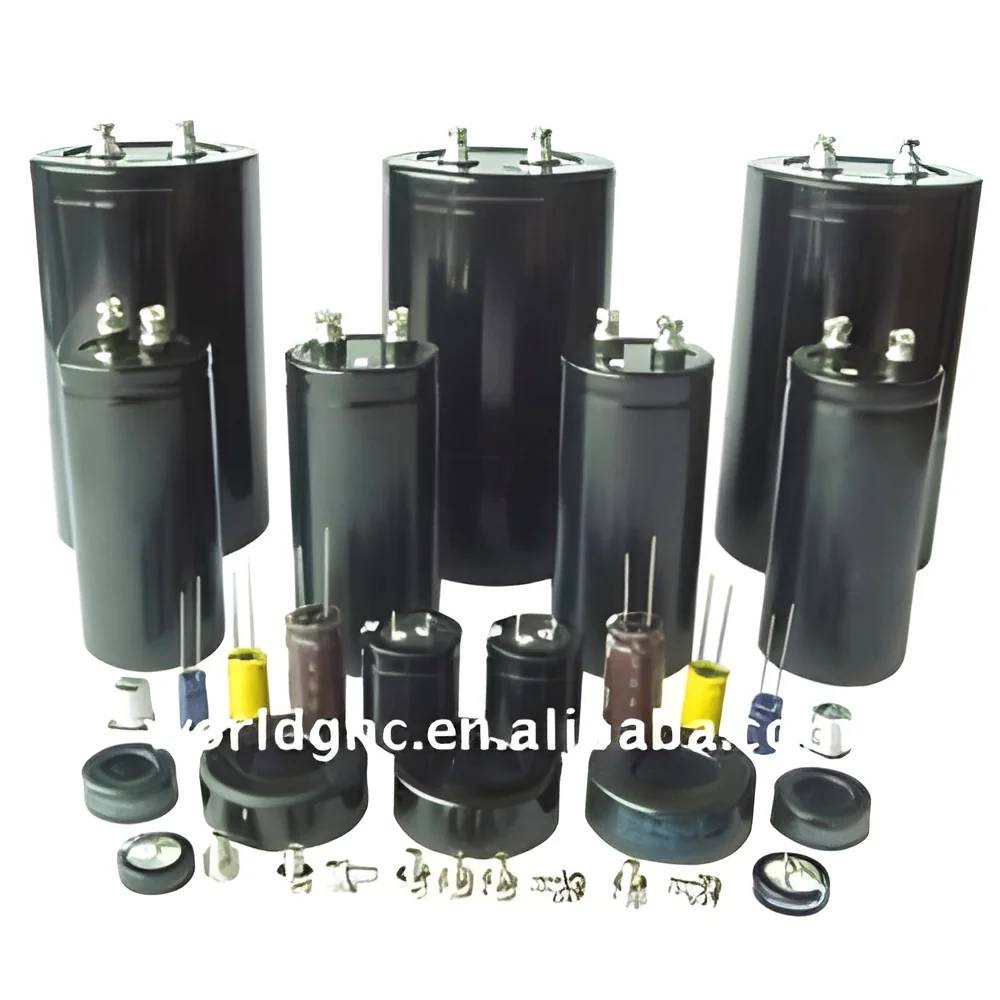
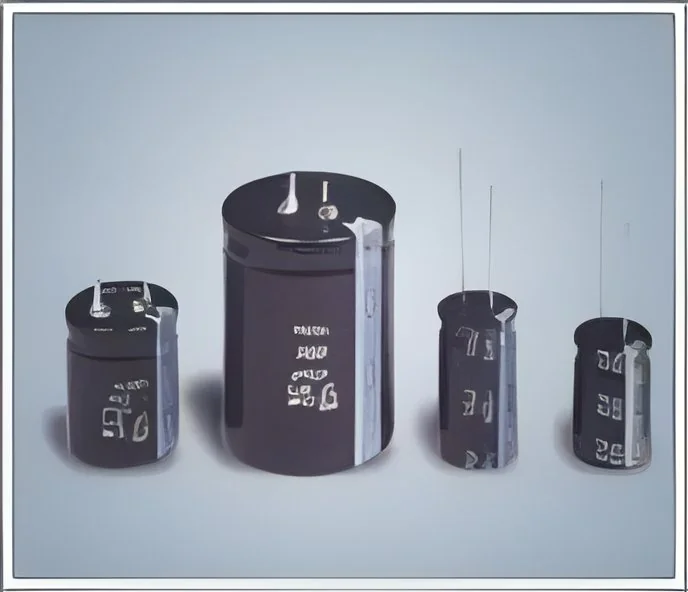
Radial Electrolytic Capacitors: These are designed with leads on one side, making them suitable for automated assembly processes. They are commonly used in printed circuit boards for consumer electronics.
Axial Electrolytic Capacitors: This type features leads on both ends, allowing for versatile placement in circuits. They are often found in applications requiring high reliability, such as automotive and industrial settings.
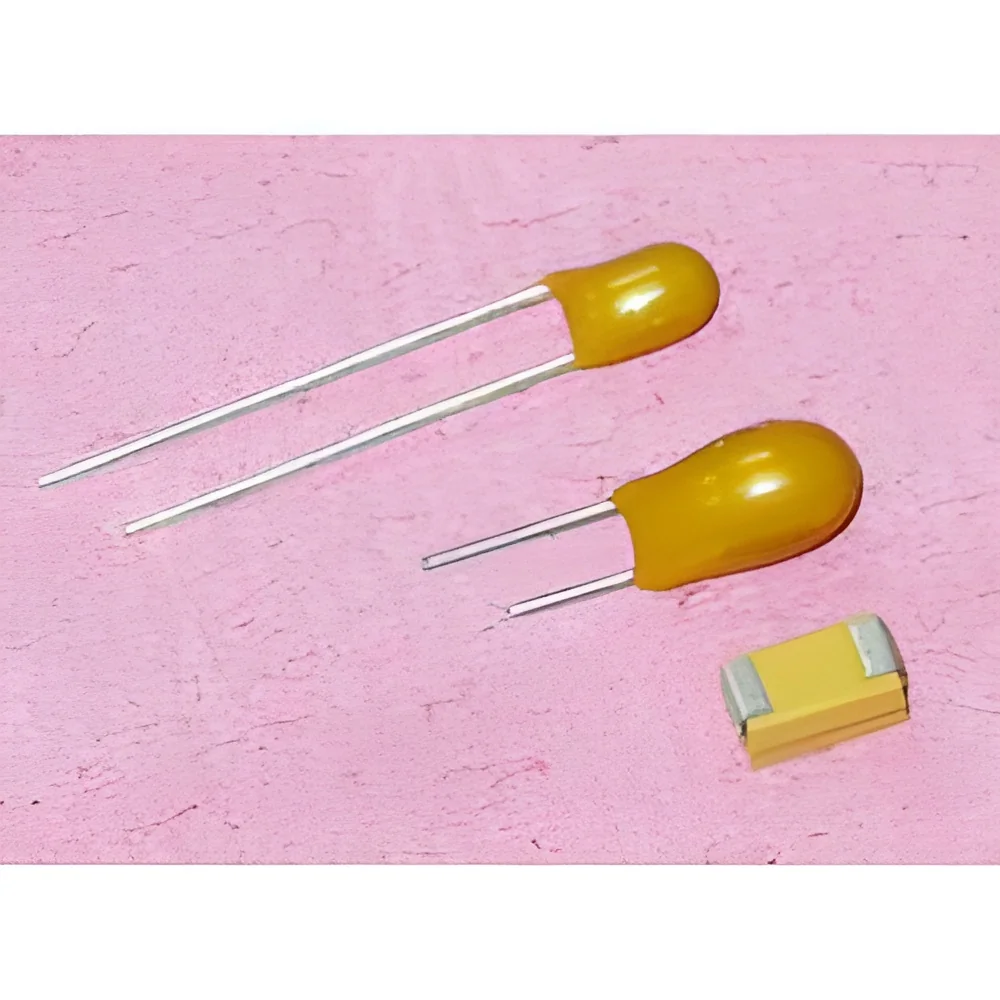
SMD Electrolytic Capacitors: Surface-mounted devices are designed for compact spaces and are commonly used in modern electronics, where space-saving is essential.
High-Temperature Electrolytic Capacitors: These variants are engineered to operate in extreme environments, making them ideal for automotive and industrial applications where higher ambient temperatures are present.
Benefits and Advantages
Electrolytic capacitors offer several key benefits that make them a preferred choice for many applications.
1. High Capacitance: They provide large capacitance values in compact sizes, making them ideal for energy storage.
2. Cost-Effective: Electrolytic capacitors generally have lower production costs compared to other capacitor types, making them economical for large-scale applications.
3. Excellent Frequency Response: These capacitors are well-suited for applications requiring rapid charge and discharge cycles, such as in audio and power supply circuits.
4. Voltage Stability: They maintain performance under varying voltage conditions, ensuring reliability in critical applications.
5. Versatile Applications: Their ability to function in various environments makes them suitable for a wide range of industries.
6. Easy Availability: Electrolytic capacitors are widely available from numerous suppliers, ensuring consistent access for manufacturers.
Buying Guide for B2B Buyers
When sourcing electrolytic capacitors, businesses should consider several factors to ensure they select the right components.
1. Quality Assessment: Review the quality of the capacitors based on manufacturer reputation, customer reviews, and compliance with industry standards.
2. Supplier Verification: Vet suppliers by checking their credentials, certifications, and history of reliability to ensure a trustworthy partnership.
3. Pricing and MOQ: Understand the pricing structure and minimum order quantities to align with budget constraints and production requirements.
4. Delivery and Lead Times: Evaluate logistics capabilities to ensure timely delivery of components, particularly for urgent projects.
5. Compliance Requirements: Ensure that the capacitors meet all relevant regulatory standards, including safety and environmental guidelines.
Compliance and Certifications
Electrolytic capacitors must adhere to several quality standards and certifications to ensure their reliability and safety in various applications.
Relevant quality standards, such as ISO 9001, establish guidelines for quality management systems, ensuring that manufacturers produce consistent and reliable products. Other standards, like HACCP, may apply in specific industries where safety is critical.
Industry certifications, including CE, indicate compliance with European safety and health requirements, making these components suitable for use in global markets.
Furthermore, manufacturers must ensure their products undergo rigorous safety and testing requirements to confirm their performance under specified conditions. Regional compliance considerations may also come into play, depending on the market in which the capacitors are sold.
Why Source Electrolytic Capacitors from Pepagora?
Pepagora offers a trusted platform for sourcing electrolytic capacitors, providing a range of advantages to B2B buyers.
Verified Supplier Network: Pepagora connects businesses with verified suppliers, ensuring that buyers can find high-quality capacitors from reputable manufacturers. This network helps reduce the risk associated with sourcing components.
Streamlined RFQ Process: The platform features an efficient request for quotation (RFQ) system that enables buyers to receive competitive pricing and options tailored to their specific needs quickly.
Trade Assurance and Support: Buyers benefit from trade assurance programs that protect their purchases, providing peace of mind when sourcing capacitors. Additionally, dedicated support teams are available to assist with any inquiries or issues.
Regional Coverage: Pepagora has a wide geographic reach, covering regions such as India, the GCC, and Southeast Asia. This ensures that businesses can access essential components regardless of location, facilitating smoother operations and supply chain management.

 IN
IN

 India
India