
 IN
Electric Irons & Steamers
7 products available
What are Electric Irons & Steamers?
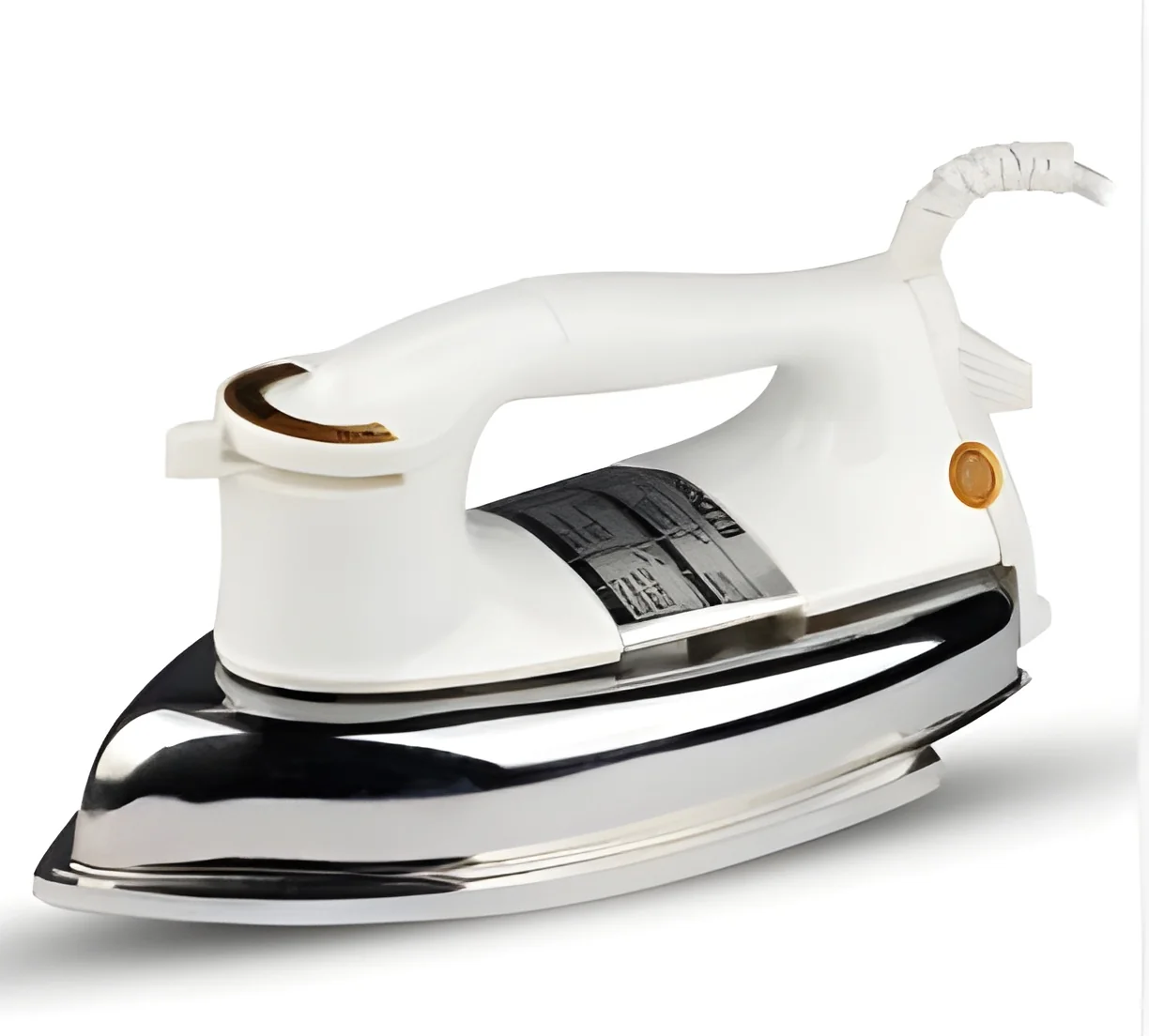
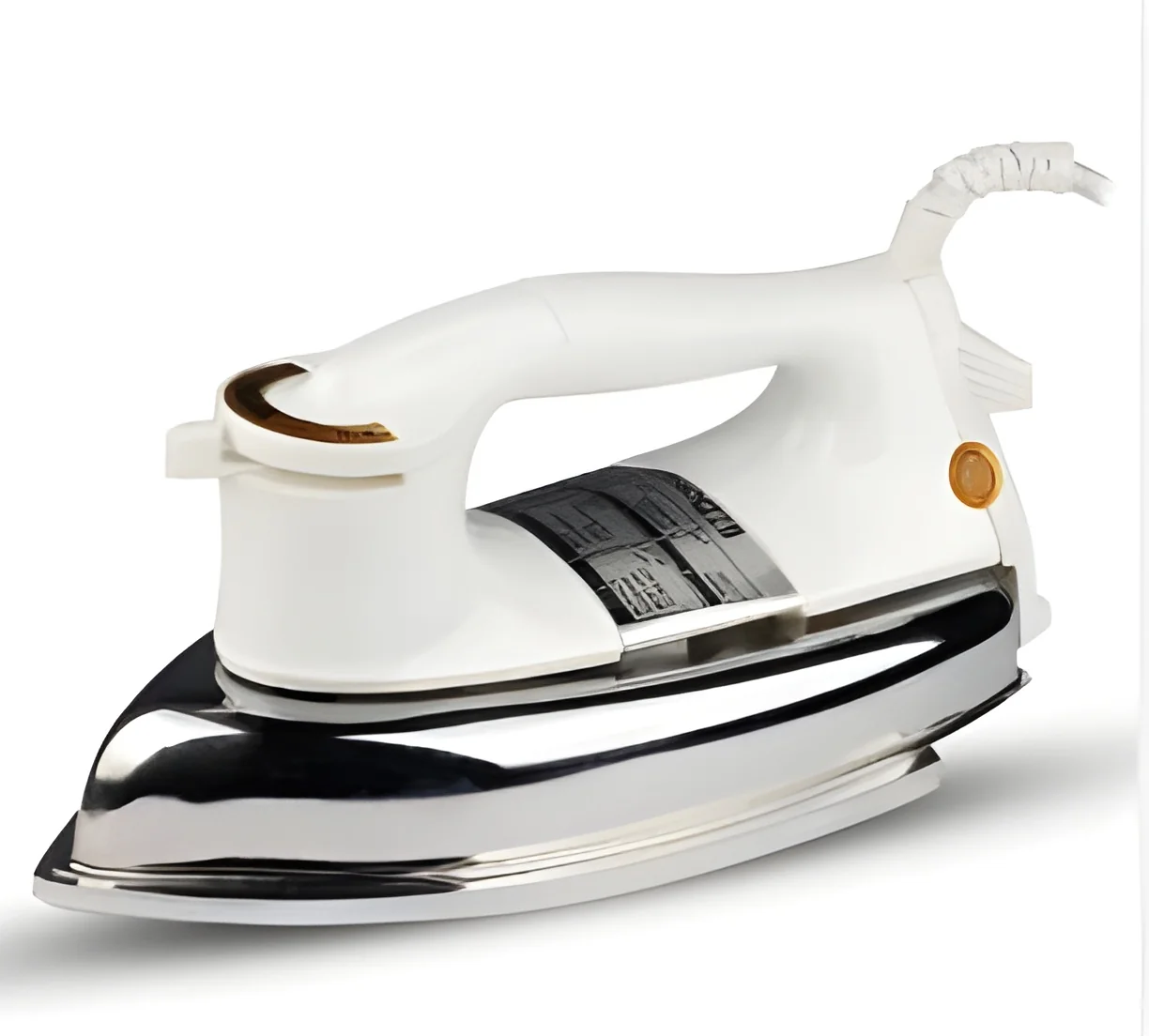
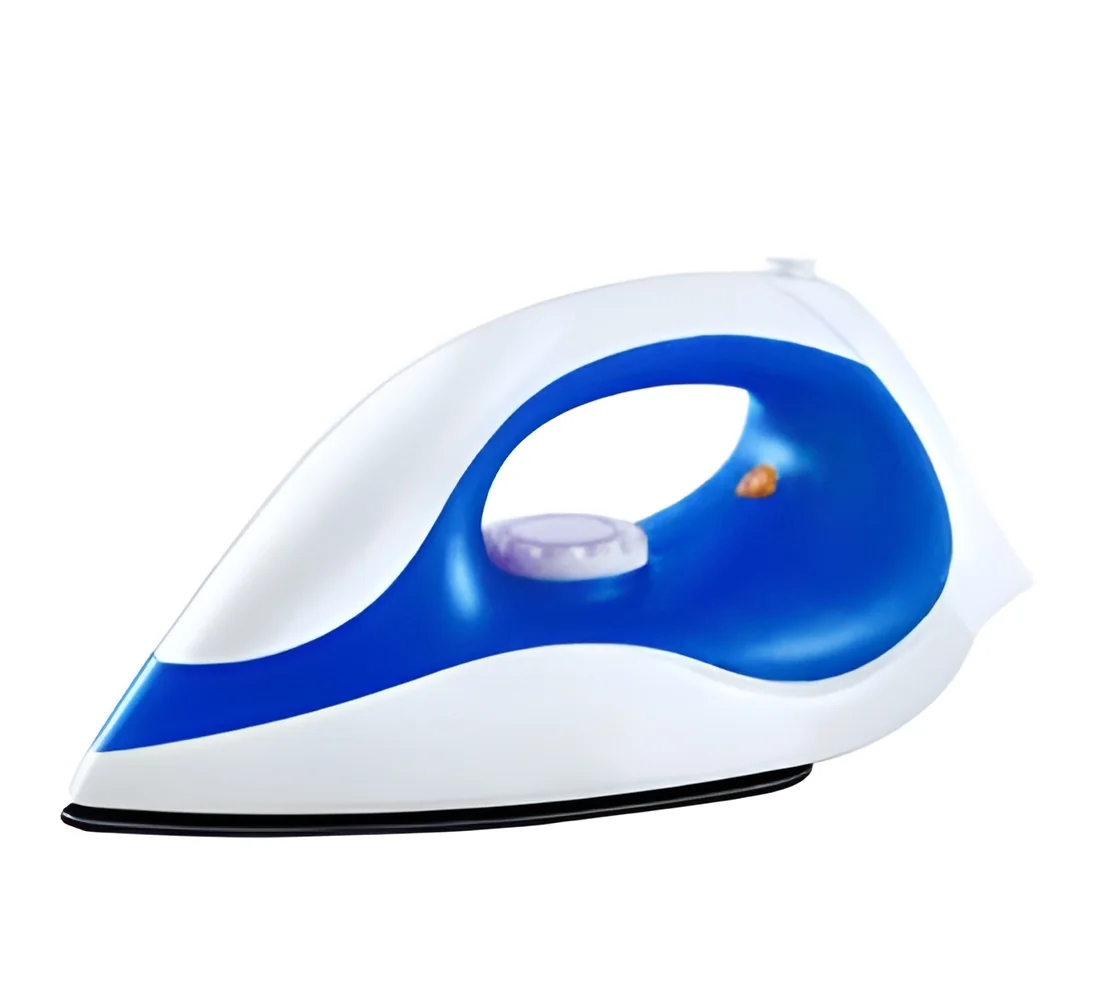
Electric irons and steamers are essential tools for removing wrinkles from fabrics, providing a polished and professional appearance to garments and textiles. Electric irons use a heated flat surface to smooth out wrinkles, while steamers utilize steam to relax the fibers of the fabric, making them an effective option for delicate materials. These appliances can vary in design and functionality, catering to different fabric types and user preferences.
In a business context, electric irons and steamers are widely used in industries such as clothing manufacturing, hospitality, and dry cleaning services. They help ensure that garments are presented in the best possible condition, thereby enhancing customer satisfaction. In addition to clothing, these tools can also be used for home textiles, upholstery, and other fabric-related applications. With the growing emphasis on quality and presentation in various sectors, the demand for reliable electric irons and steamers is rising.
The market for electric irons and steamers is expanding, driven by innovations in technology and design. Manufacturers are continuously improving efficiency and ease of use, which has led to increased adoption in both commercial and residential settings. As sustainability becomes a focus, energy-efficient models and those made from eco-friendly materials are also gaining popularity.
Key Features and Specifications
Electric irons and steamers come with a variety of features that enhance their performance and usability. Understanding these specifications is essential for businesses looking to invest in these products.
Key specifications include:
1. Heating Time
- Time taken to reach optimal temperature
- Typically ranges from 30 seconds to 3 minutes
2. Water Tank Capacity
- Volume of water the steamer can hold
- Common capacities range from 150ml to 2 liters
3. Steam Output
- Rate at which steam is produced
- Measured in grams per minute (g/min), typically between 25g/min to 100g/min
4. Soleplate Material
- Material of the iron's base
- Common materials include stainless steel, ceramic, and non-stick coatings
5. Temperature Control
- Availability of adjustable temperature settings
- Usually offers multiple settings for different fabric types
6. Cord Length
- Length of the power cord
- Typically ranges from 1.5 meters to 3 meters
7. Weight
- Overall weight of the iron or steamer
- Ranges from 1 kg to 3 kg, affecting ease of handling
8. Safety Features
- Includes auto shut-off and anti-drip mechanisms
- Essential for preventing accidents and ensuring user safety
In summary, these specifications play a crucial role in determining the efficiency and effectiveness of electric irons and steamers, making them essential considerations for buyers.
Common Applications and Use Cases
Electric irons and steamers find applications across various industries, highlighting their versatility.
1. Textile Manufacturing: In this industry, electric irons and steamers are used to finalize garments before packing. They ensure that products are wrinkle-free and ready for retail.
2. Hospitality: Hotels and resorts use these tools to maintain bed linens, uniforms, and curtains in pristine condition, contributing to a positive guest experience.
3. Dry Cleaning: Dry cleaners employ steamers for delicate fabrics, ensuring that garments are treated gently while achieving a polished finish.
4. Retail Clothing: Retailers utilize these tools to prepare display garments, ensuring that clothing is presented attractively to customers.
5. Home Services: Professional cleaning services often include ironing and steaming as part of their offerings, catering to clients who seek convenience.
6. Event Planning: Event coordinators use electric irons and steamers to ensure that table linens and décor are neat and visually appealing for presentations.
7. Upholstery: Furniture manufacturers and upholsterers use steamers to remove wrinkles from upholstery fabrics before installation.
Product Variants and Subcategories
Electric irons and steamers come in various models to meet different user needs.
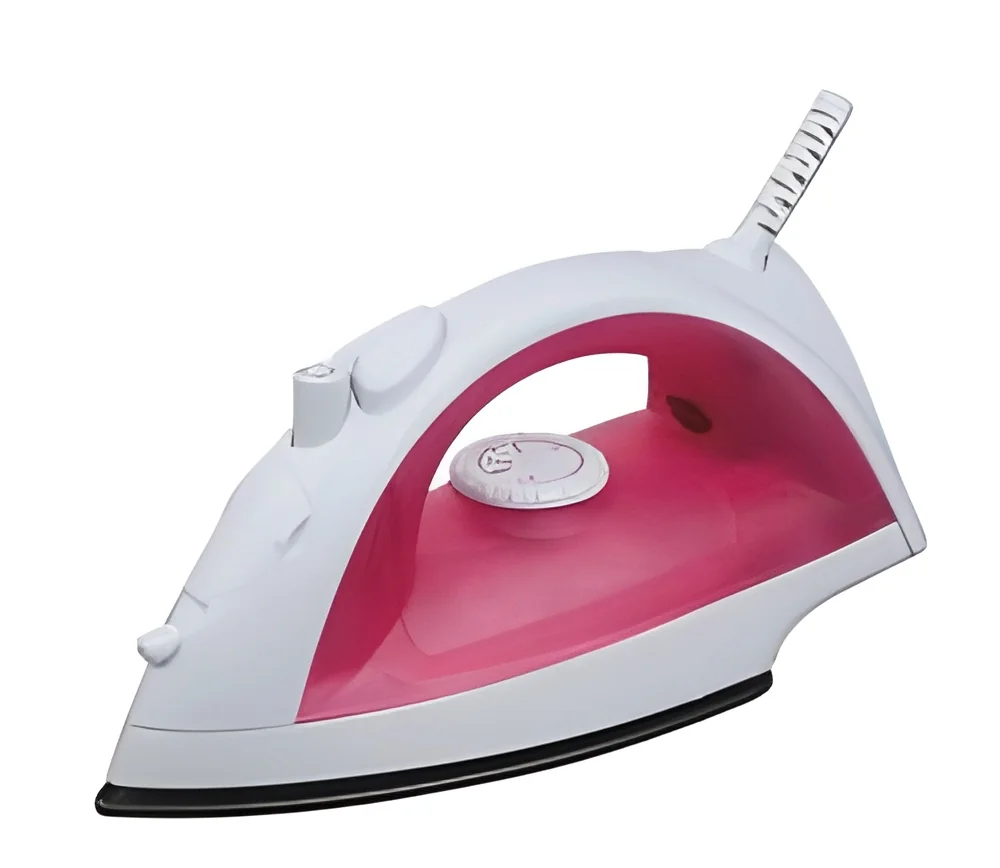
Steam Irons: These models combine the functionality of a traditional iron with steam capabilities. They are ideal for quick touch-ups and can be used on various fabric types.
Handheld Steamers: Compact and portable, these steamers are designed for quick steaming of garments. They are perfect for travel and small spaces, allowing users to maintain wrinkle-free clothing on the go.
Vertical Steamers: These models allow users to steam hanging garments without the need for an ironing board, making them popular among professionals in the fashion and hospitality industries.
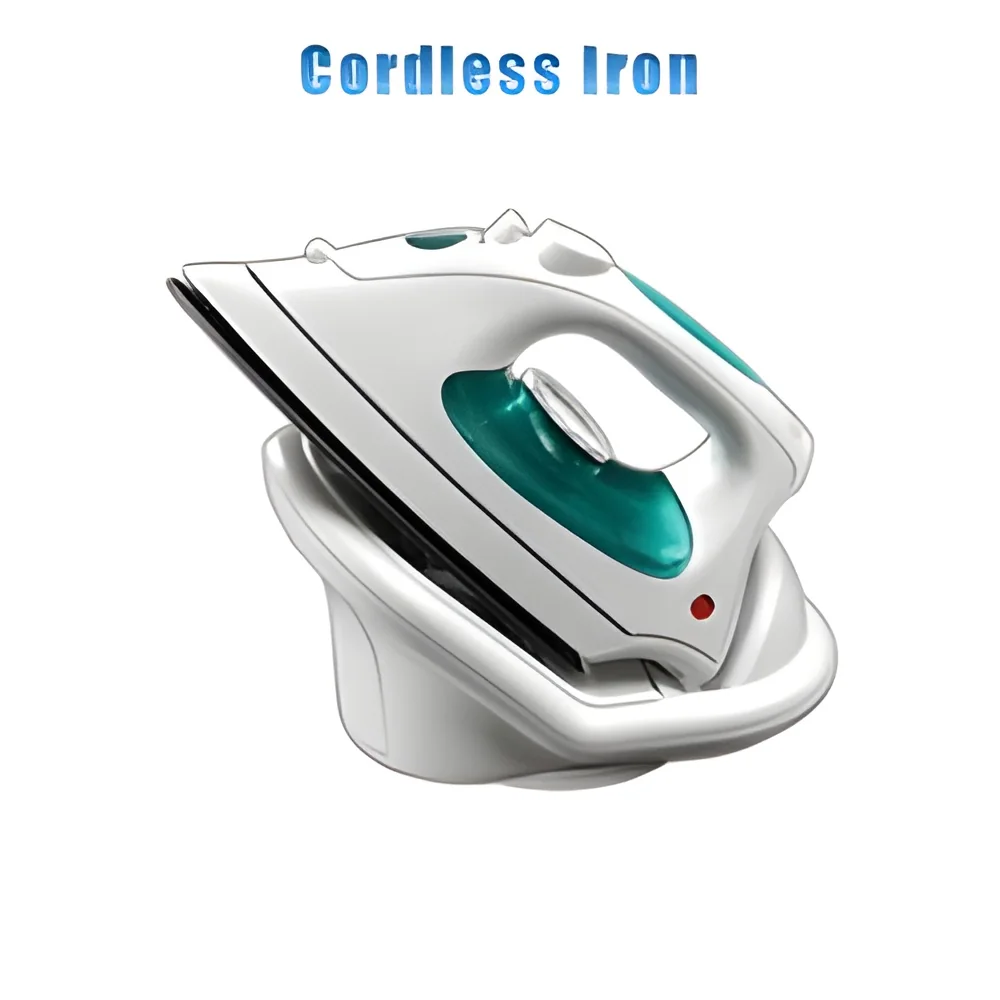
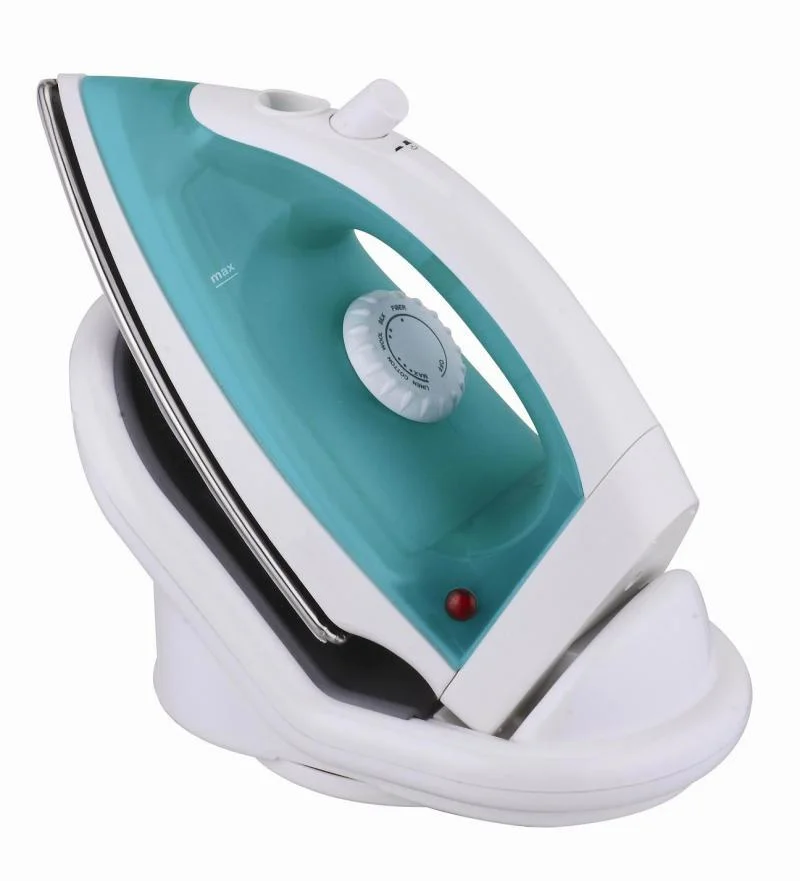
Cordless Irons: Offering freedom of movement, cordless irons eliminate the hassle of tangled cords. They heat up quickly and are suitable for users who prioritize convenience.
Benefits and Advantages
Electric irons and steamers provide several advantages that make them essential tools in various sectors.
1. Time Efficiency: These appliances can significantly reduce the time spent on garment care, allowing businesses to improve operational efficiency.
2. Versatility: Electric irons and steamers can be used on a wide range of fabrics, making them suitable for various applications, from clothing to upholstery.
3. Portability: Many models are designed for ease of transport, enabling users to maintain fabric care in any setting, including travel.
4. Improved Fabric Care: The ability to adjust temperature settings and use steam helps protect delicate fabrics from damage while ensuring effective wrinkle removal.
5. Enhanced Presentation: Well-pressed garments and textiles contribute to a professional image, which is critical in industries like hospitality and retail.
6. Energy Efficiency: Many modern models are designed to consume less power, making them environmentally friendly and cost-effective over time.
Buying Guide for B2B Buyers
When sourcing electric irons and steamers, several factors should be considered to ensure a wise investment.
1. Quality Assessment: Evaluate the build quality and materials used in the construction of the irons and steamers. Look for products that come with warranties or guarantees to ensure durability.
2. Supplier Verification: Conduct thorough research to verify the credentials of suppliers. Check for reviews, certifications, and previous client feedback to ensure reliability.
3. Pricing and MOQ: Understand the pricing structure and minimum order quantities (MOQ) required by suppliers. Compare prices from different vendors while considering the quality of the products offered.
4. Delivery and Lead Times: Clarify delivery timelines and logistics with potential suppliers. Ensure that they can meet your timelines for production and delivery based on your business needs.
5. Compliance Requirements: Confirm that the products meet relevant regulatory standards and safety certifications, such as CE compliance, to ensure they are safe for use in your industry.
Compliance and Certifications
Compliance is a critical aspect when sourcing electric irons and steamers. Manufacturers should adhere to relevant quality standards, such as ISO 9001, which ensures consistent quality management systems.
Additionally, certifications like CE indicate that the products meet European health, safety, and environmental protection standards. It is essential for businesses to ensure that any products sourced comply with these standards to avoid legal issues and ensure the safety of end-users.
Safety and testing requirements are also paramount. Electric irons and steamers must undergo rigorous testing to ensure they operate safely and effectively. Businesses should inquire about the testing processes and certifications that the products have undergone.
Finally, regional compliance considerations can vary based on location. It is crucial to be aware of any specific regulations that apply to the regions where the products will be used or sold, ensuring full compliance with local laws.
Why Source Electric Irons & Steamers from Pepagora?
Pepagora provides a trusted platform for sourcing electric irons and steamers, offering several key advantages to B2B buyers.
Verified Supplier Network: Pepagora has established a network of verified suppliers, ensuring that buyers can access high-quality products with reliable backgrounds. This verification process helps mitigate risks associated with sourcing from unverified vendors.
Streamlined RFQ Process: The Request for Quotation (RFQ) process on Pepagora is designed to be efficient and user-friendly. Buyers can easily submit their requirements and receive competitive quotes from multiple suppliers, allowing for informed decision-making.
Trade Assurance and Support: Pepagora offers trade assurance and support to protect buyers throughout the sourcing process. This includes assistance with payment security and dispute resolution, providing peace of mind to businesses.
Regional Coverage: Pepagora has a broad geographic reach, covering regions such as India, the GCC, and Southeast Asia. This wide coverage means that buyers can access a diverse range of suppliers and products that cater to their specific needs, regardless of their location.

 India
 India
 India
 India

Frequently Asked Questions
What are Electric Irons & Steamers?
Electric Irons & Steamers are household appliances designed to remove wrinkles from fabric. They work by applying heat and moisture to the material, allowing it to be reshaped and smoothed.
What are the different types of Electric Irons & Steamers?
There are several types of Electric Irons & Steamers, including traditional steam irons, garment steamers, and travel steamers. Each type varies in design and functionality, catering to different fabric types and user preferences.
How do I choose the right Electric Irons & Steamers?
To choose the right Electric Irons & Steamers, consider factors such as the types of fabrics you frequently iron, the size of the appliance, and additional features like steam output and temperature control. Assessing your specific needs will help you make an informed decision.
What are the standard specifications for Electric Irons & Steamers?
Standard specifications for Electric Irons & Steamers typically include wattage, steam output rate, soleplate material, and water tank capacity. These specifications can affect performance and efficiency.
What is the price range for Electric Irons & Steamers?
The price range for Electric Irons & Steamers can vary widely, generally starting from around INR 1,000 and going up to INR 10,000 or more, depending on the brand, features, and technology used.
What quality standards apply to Electric Irons & Steamers?
Electric Irons & Steamers must comply with various quality standards and safety regulations, such as ISI and ISO certifications in India. These standards ensure that the products are safe for consumer use and perform reliably.
Where can I find Electric Irons & Steamers suppliers in India?
You can find Electric Irons & Steamers suppliers in India through online B2B marketplaces like Pepagora.com, trade shows, and industry directories. Networking within the textiles and home appliances sectors can also lead to reliable suppliers.
Can Electric Irons & Steamers be customized?
Yes, Electric Irons & Steamers can often be customized based on specific requirements, such as branding, design, and features. It is advisable to discuss customization options with suppliers before placing an order.
What is the typical minimum order quantity for Electric Irons & Steamers?
The typical minimum order quantity (MOQ) for Electric Irons & Steamers can vary by supplier, generally ranging from 100 to 500 units. Always check with the manufacturer or supplier for their specific MOQ policies.
What is the typical lead time for Electric Irons & Steamers?
The typical lead time for Electric Irons & Steamers can range from 2 to 6 weeks, depending on factors such as availability, customization requests, and shipping arrangements. It's advisable to confirm the lead time with the supplier before placing an order.
Why Businesses Trust Pepagora
Thousands of companies trust Pepagora to source smarter and sell faster
Expand Your Sales Globally

Source Smarter,Grow Faster
