Key Features and Specifications
Dog food products are characterized by various features and specifications that cater to different needs. Understanding these specifications helps businesses choose the right products for their clientele.
Key specifications include:
1. Nutritional Content
- A complete balance of proteins, fats, carbohydrates, vitamins, and minerals
- Varies based on the type of dog food (dry, wet, treats)
2. Moisture Content
- Dry dog food typically contains 8-10% moisture
- Wet dog food usually has 70-80% moisture content
3. Shelf Life
- Dry food can last 12-18 months when stored properly
- Wet food has a shorter shelf life, typically 2-5 years unopened
4. Ingredient Quality
- Premium brands use high-quality, natural ingredients with no fillers
- Grain-free and allergen-free options are available
5. Size and Shape of Kibble
- Varies to accommodate different breeds and sizes of dogs
- Designed for ease of chewing and digestion
6. Flavor Variants
- Available in multiple flavors to cater to different dog preferences
- Common options include chicken, beef, lamb, and fish
7. Packaging Options
- Available in bulk bags, cans, and single-serve pouches
- Packaging can affect shelf life and freshness
8. Certification and Compliance
- Many products meet industry standards and regulations
- Certifications such as CE indicate product safety and quality
In summary, understanding the key specifications of dog food helps businesses select products that align with their customers' needs and preferences.
Common Applications and Use Cases
Dog food serves various industries and applications, making it a versatile product in the market.
1. Pet Retail Stores: These establishments stock a wide range of dog food products to cater to pet owners seeking quality nutrition for their dogs.
2. Veterinary Clinics: Veterinarians recommend specific dog food brands and formulations for health management, including weight control and dietary restrictions.
3. Dog Daycares and Boarding Facilities: These businesses require bulk supplies of dog food to ensure proper nutrition for dogs during their stay.
4. Pet Grooming Services: Groomers often sell premium dog food and treats as part of their offerings, enhancing their service experience.
5. Online Pet Supply Retailers: E-commerce platforms specialize in delivering dog food directly to consumers, capitalizing on the convenience factor.
6. Dog Training Services: Trainers use specific treats as rewards to reinforce positive behavior during training sessions.
7. Animal Shelters and Rescues: These organizations rely on donations and partnerships to provide nutritious food for dogs in their care.
Product Variants and Subcategories
Dog food is available in diverse variants, ensuring that all dogs can find a suitable option for their dietary needs.
Dry Dog Food: This variant offers a convenient option with a long shelf life. It is often formulated with high protein and fiber content, promoting dental health through the chewing process.
Wet Dog Food: This variant provides increased moisture content, making it a palatable choice for picky eaters or dogs requiring additional hydration. It is often rich in flavor and appealing to dogs.
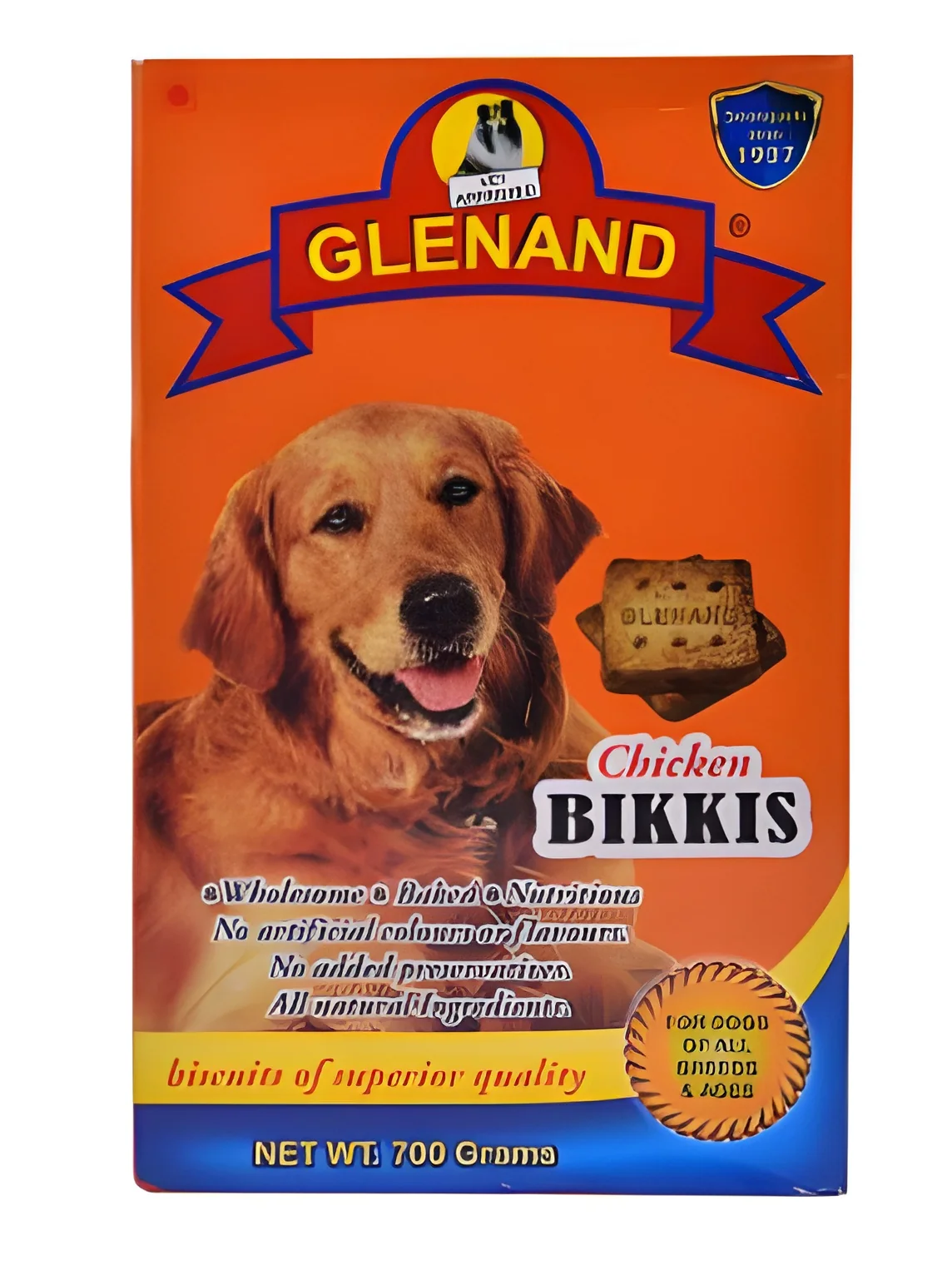
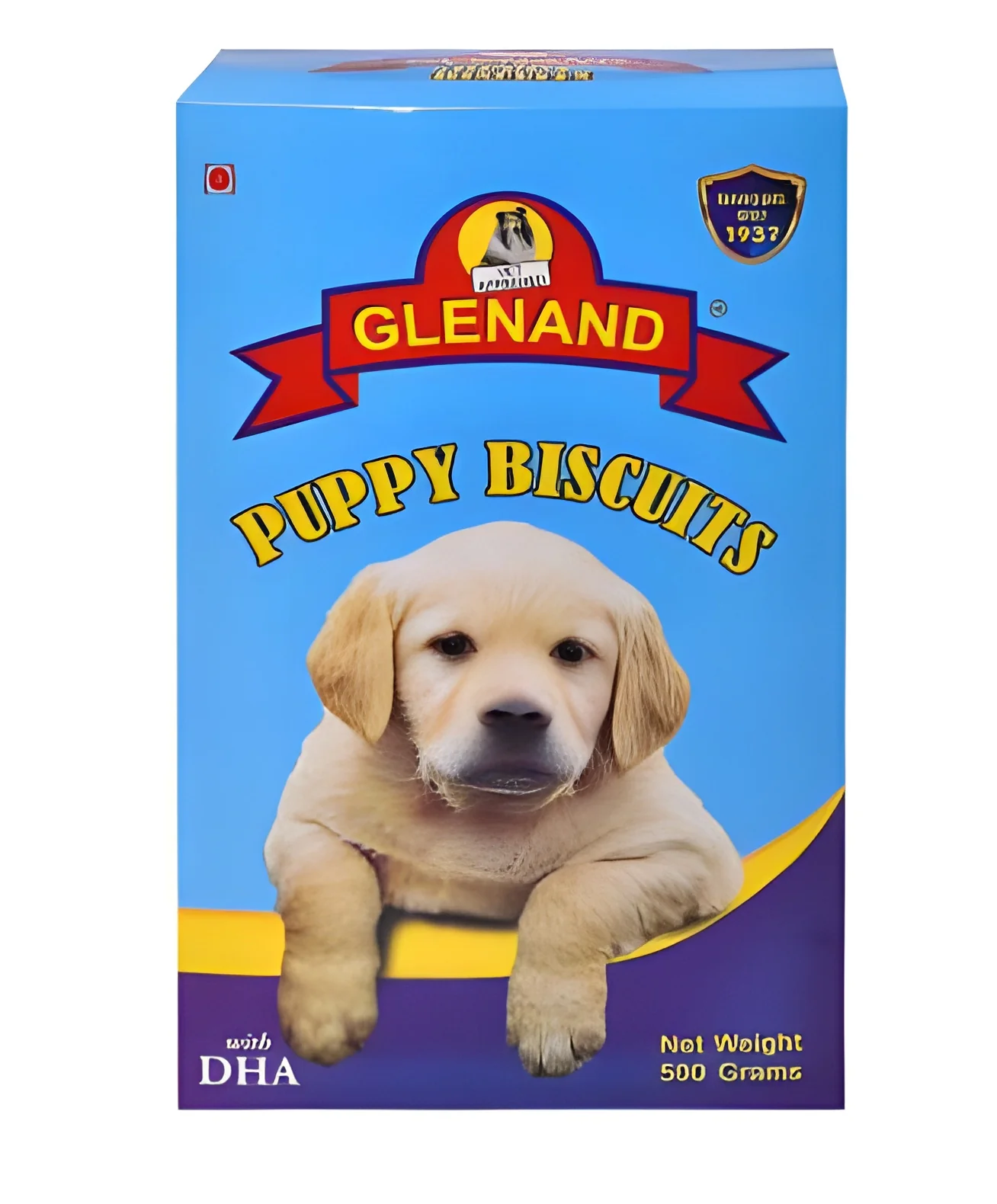
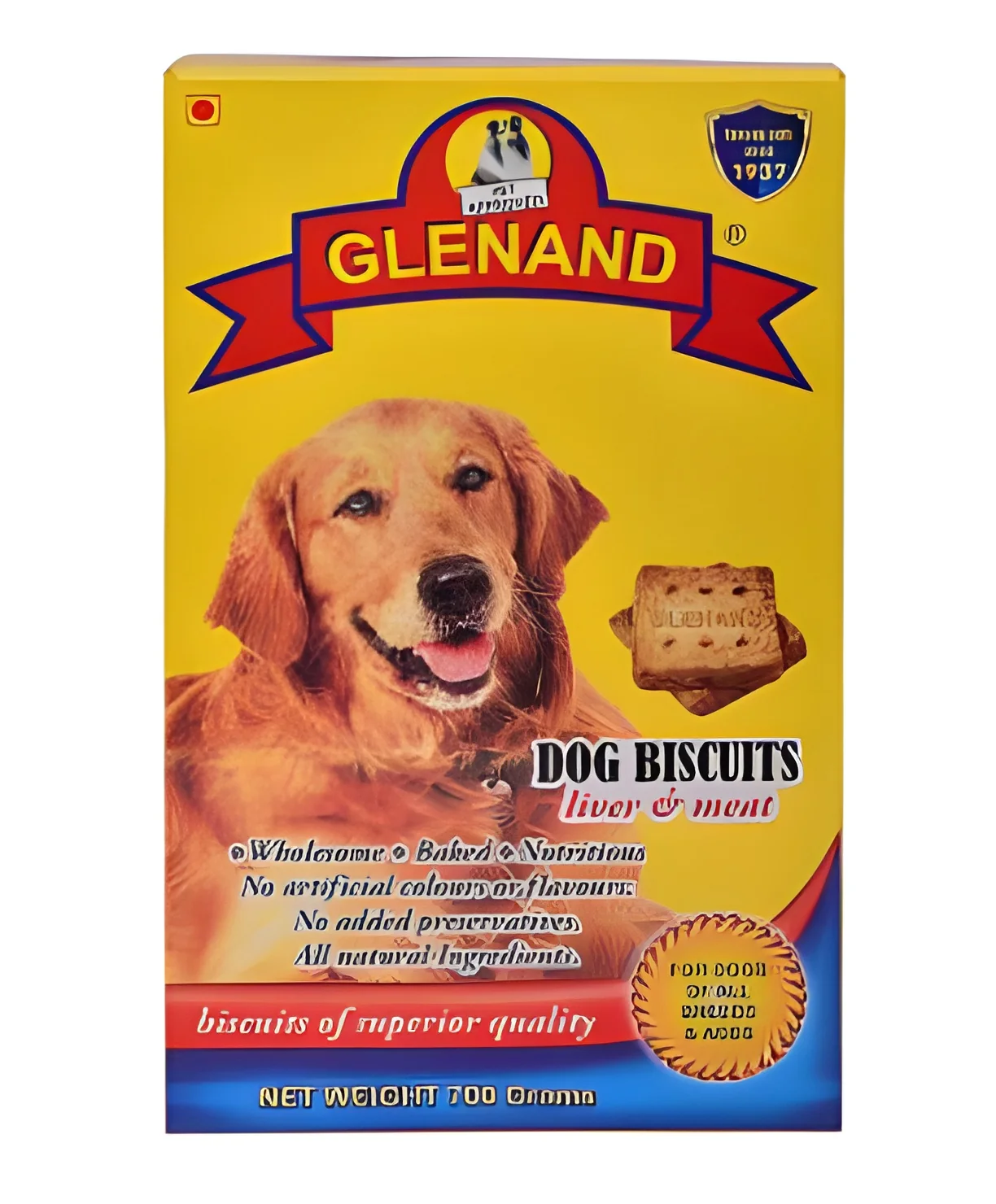
Dog Treats: Available in various shapes and sizes, treats can be used for training, rewarding, or as a snack. They come in both soft and crunchy varieties, catering to different preferences.
Benefits and Advantages
Choosing the right dog food can provide numerous benefits for both dogs and their owners.
1. Balanced Nutrition: High-quality dog food ensures dogs receive a complete range of nutrients necessary for optimal health.
2. Improved Health: Proper nutrition can lead to better skin, coat condition, and overall vitality in dogs.
3. Enhanced Mood and Behavior: Dogs that receive adequate nutrition are often calmer and more focused, improving their interactions with owners and other pets.
4. Weight Management: Specific formulations are designed to help control weight, supporting dogs with obesity or weight-related health issues.
5. Convenience: Pre-packaged dog food offers an easy and quick feeding solution for busy pet owners.
6. Variety: The range of flavors and formulations allows pet owners to choose products that cater to their dog's specific tastes and dietary needs.
Buying Guide for B2B Buyers
When sourcing dog food, businesses must consider several factors to ensure they select the right products.
1. Quality Assessment: Evaluate the nutritional content, ingredient sourcing, and overall quality of the dog food offerings. Look for brands that emphasize natural ingredients and avoid fillers.
2. Supplier Verification: Vet potential suppliers by checking their credentials, reputation, and compliance with industry standards. Established suppliers often provide product samples for evaluation.
3. Pricing and MOQ: Consider the cost of dog food products and minimum order quantities to ensure budgetary alignment. Compare prices across different suppliers for competitive offers.
4. Delivery and Lead Times: Assess logistics and delivery capabilities to ensure timely fulfillment of orders. Understand lead times for inventory management.
5. Compliance Requirements: Ensure that the products meet local and regional regulations, including labeling and safety standards. Familiarize yourself with necessary certifications such as CE.
Compliance and Certifications
Quality standards and certifications play a vital role in the dog food industry. Maintaining compliance ensures that products are safe and suitable for consumption.
Relevant quality standards include ISO 9001, which focuses on quality management systems, and HACCP, which outlines food safety management practices. These standards help ensure that dog food products are produced under safe and hygienic conditions.
Industry certifications, such as CE, indicate that products meet European safety and health requirements. Compliance with these certifications enhances consumer trust and marketability.
Additionally, safety and testing requirements involve rigorous testing for contaminants and nutritional adequacy. This ensures that dog food is safe for pets and adheres to established guidelines.
Regional compliance is also essential, as different regions may have varying regulations concerning pet food. Businesses must stay informed about local laws to ensure their products meet all necessary requirements.
Why Source Dog Food (Dry, Wet, Treats) from Pepagora?
Pepagora stands out as a reliable platform for sourcing dog food, offering several key advantages for B2B buyers.
The verified supplier network provided by Pepagora ensures that buyers have access to reputable manufacturers and distributors. This reduces the risk of sourcing low-quality products and enhances overall trust in the supply chain.
The streamlined RFQ process simplifies the quotation system, allowing buyers to quickly receive price estimates and product details. This efficiency helps businesses make informed purchasing decisions without unnecessary delays.
Trade assurance and support protect buyers throughout the procurement process. Pepagora offers mechanisms that safeguard transactions, ensuring that buyers receive the products as described and in a timely manner.
With regional coverage extending across India, the GCC, and Southeast Asia, Pepagora facilitates connections between buyers and suppliers in various markets. This geographic reach enables businesses to expand their sourcing options and meet the diverse needs of their customers.

 IN
IN
 India
India