𝗪𝗵𝗮𝘁 𝗮𝗿𝗲 𝗗𝗶𝘀𝗽𝗼𝘀𝗮𝗯𝗹𝗲 𝗖𝘂𝗽𝘀, 𝗣𝗹𝗮𝘁𝗲𝘀 & 𝗖𝘂𝘁𝗹𝗲𝗿𝘆?
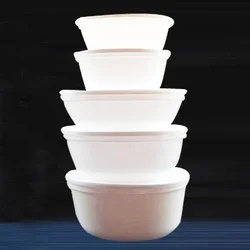
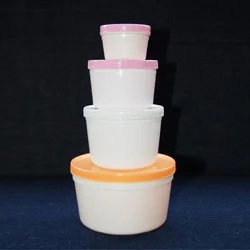
Disposable cups, plates, and cutlery are single-use items designed for serving food and beverages. Made from various materials including plastic, paper, and biodegradable substances, these products offer convenience and hygiene for consumers and businesses alike. They are typically designed for one-time use, eliminating the need for washing and reducing the risk of contamination.
These products are widely used in various settings such as restaurants, catering services, events, and food delivery services. Their primary applications include serving drinks, meals, and snacks in a convenient and portable manner. Businesses appreciate disposable tableware for its ability to streamline service and enhance customer experience, particularly in high-traffic environments.
The demand for disposable cups, plates, and cutlery continues to grow in the food service industry, driven by the rising trend of takeout and outdoor dining. Additionally, environmental considerations are prompting manufacturers to innovate with sustainable materials that minimize ecological impact, making these products a relevant topic in today's market.
𝗞𝗲𝘆 𝗙𝗲𝗮𝘁𝘂𝗿𝗲𝘀 𝗮𝗻𝗱 𝗦𝗽𝗲𝗰𝗶𝗳𝗶𝗰𝗮𝘁𝗶𝗼𝗻𝘀
Disposable cups, plates, and cutlery come with a set of features that cater to various needs in the food service industry. These specifications ensure that the products meet safety, usability, and environmental standards.
Key specifications include:
1. Material Type
- Options include plastic, paper, and biodegradable materials.
- Each material has specific properties such as weight tolerance and temperature resistance.
2. Size and Volume
- Available in various sizes, typically ranging from small (5 oz) to large (32 oz) for cups.
- Plates come in different diameters, usually from 6 inches to 10 inches.
3. Weight Capacity
- Products are designed to hold specific weights, ensuring they can support different types of food.
- Typical weight capacities vary by product type and material.
4. Heat Resistance
- Many disposable items are designed to withstand high temperatures, suitable for hot foods and beverages.
- Temperature ranges vary, with some products rated for up to 200°F.
5. Design and Aesthetics
- Available in plain and printed designs to match different themes and events.
- Custom printing options may be available for branding.
6. Eco-Friendliness
- Products made from biodegradable and compostable materials contribute to sustainability efforts.
- Certifications like CE indicate compliance with environmental standards.
7. Packaging Options
- Disposable items can be supplied in bulk or individually wrapped for convenience.
- Packaging types may affect shelf life and usability.
8. Compliance Standards
- Must adhere to various health and safety regulations, including food-grade certifications.
- Compliance with local and regional laws is essential for marketability.
These specifications help buyers select the right products for their specific needs while ensuring quality and safety.
𝗖𝗼𝗺𝗺𝗼𝗻 𝗔𝗽𝗽𝗹𝗶𝗰𝗮𝘁𝗶𝗼𝗻𝘀 𝗮𝗻𝗱 𝗨𝘀𝗲 𝗖𝗮𝘀𝗲𝘀
Disposable cups, plates, and cutlery are utilized across a broad range of industries, each with unique applications.
1. Food Service Industry: Restaurants and cafes use disposable items for takeout and delivery, enhancing convenience for customers.
2. Catering Services: Event caterers rely on disposable tableware for large gatherings, ensuring easy cleanup and efficient service.
3. Healthcare Sector: Hospitals and clinics use disposable products to maintain hygiene standards in patient care and staff areas.
4. Educational Institutions: Schools and universities utilize disposable items for cafeteria services, field trips, and events.
5. Outdoor Events: Festivals, picnics, and sporting events commonly use disposable tableware to accommodate large crowds without the hassle of dishwashing.
6. Corporate Events: Businesses often opt for disposable options during meetings and conferences for easy food service.
7. Food Trucks: Mobile food vendors depend on disposable products to serve food quickly and efficiently to customers on the go.
𝗣𝗿𝗼𝗱𝘂𝗰𝘁 𝗩𝗮𝗿𝗶𝗮𝗻𝘁𝘀 𝗮𝗻𝗱 𝗦𝘂𝗯𝗰𝗮𝘁𝗲𝗴𝗼𝗿𝗶𝗲𝘀
Disposable cups, plates, and cutlery come in a variety of forms to meet different needs and preferences.
Paper Cups
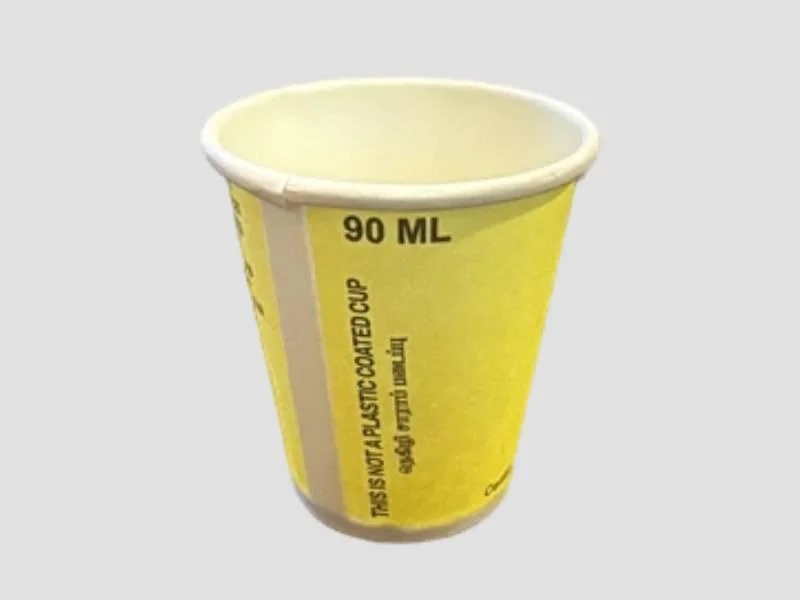
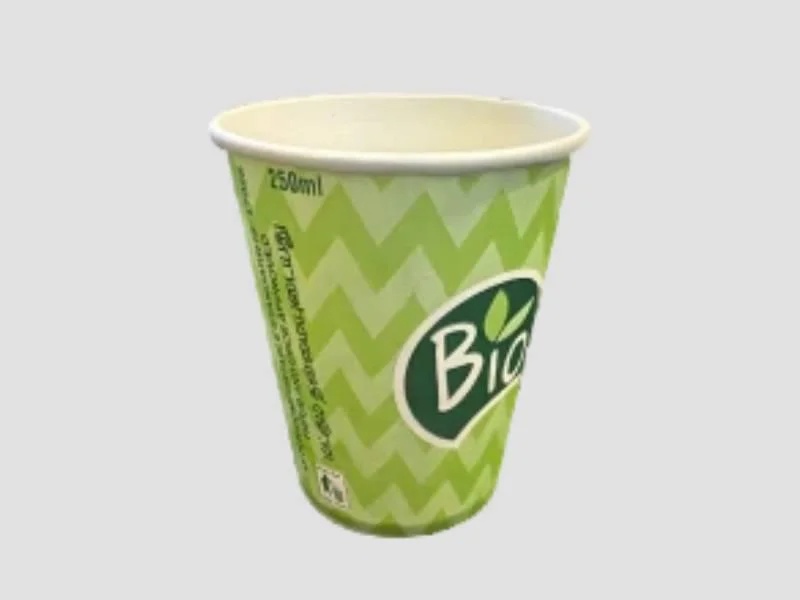
These are ideal for hot and cold beverages. Made from biodegradable materials, they are a popular choice for environmentally conscious businesses.
Plastic Plates
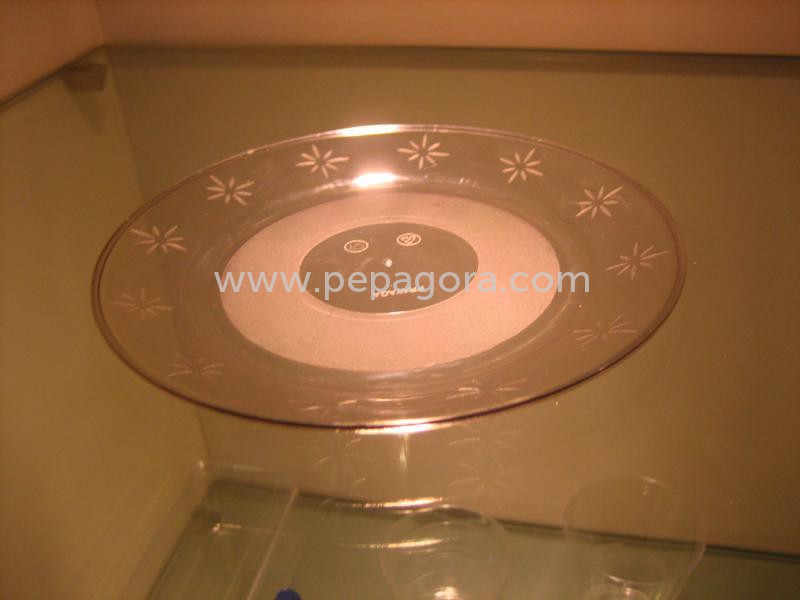
These plates are durable and can hold heavier foods without bending. They are often used in catering and large events due to their sturdiness.
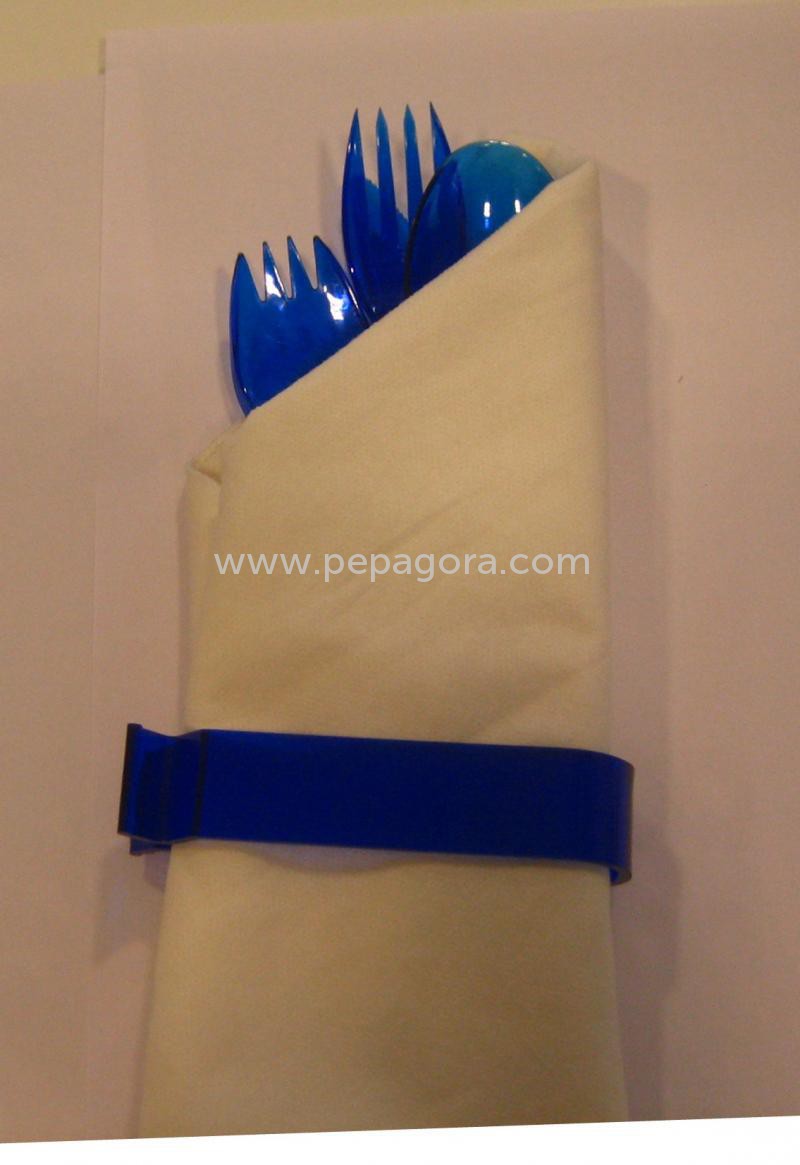
Biodegradable Cutlery
Made from plant-based materials, these utensils are designed to break down after disposal, making them a sustainable choice for eco-friendly businesses.
Compostable Cups
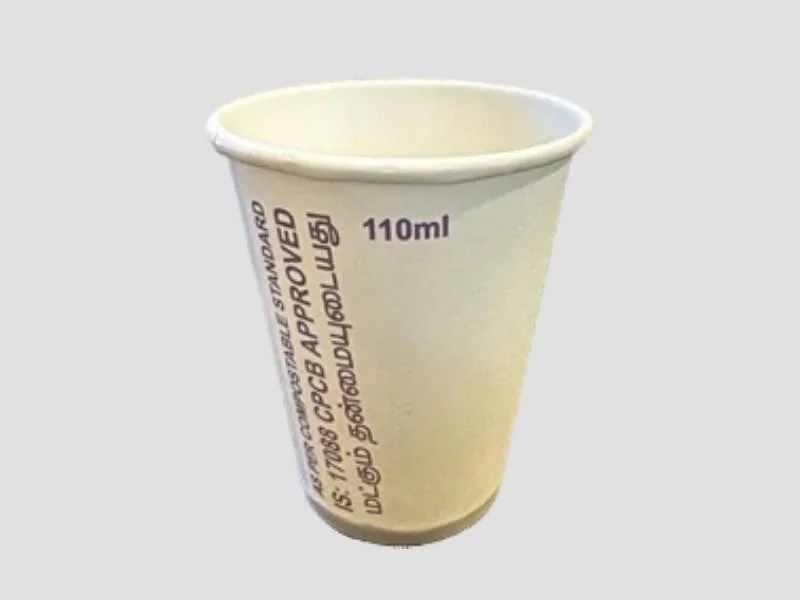
These cups are engineered to decompose in composting environments, providing a greener alternative for beverage service.
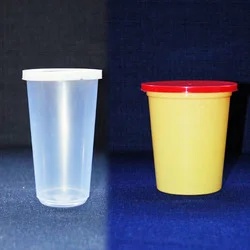
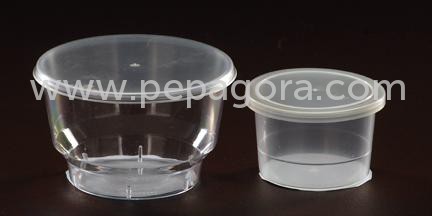
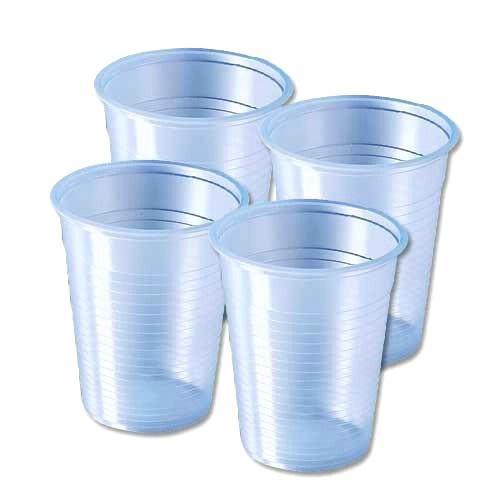
Transparent Plastic Cups
These cups are perfect for showcasing layered drinks and desserts. Their clear design is popular for events and parties.
𝗕𝗲𝗻𝗲𝗳𝗶𝘁𝘀 𝗮𝗻𝗱 𝗔𝗱𝘃𝗮𝗻𝘁𝗮𝗴𝗲𝘀
Disposable cups, plates, and cutlery offer numerous benefits for businesses in the food service industry.
1. Convenience: Single-use items eliminate the need for washing and storing, simplifying operations for restaurants and caterers.
2. Hygiene: Disposable products reduce the risk of cross-contamination, ensuring food safety for customers.
3. Cost-Effectiveness: Economical in bulk purchases, these items help businesses manage costs while providing necessary supplies.
4. Versatility: Available in various sizes and designs, disposable tableware can be tailored for any occasion or menu.
5. Time-Saving: Quick setup and cleanup allow businesses to focus on service rather than dishes.
6. Environmental Options: The availability of biodegradable and compostable products helps businesses align with sustainability goals.
𝗕𝘂𝘆𝗶𝗻𝗴 𝗚𝘂𝗶𝗱𝗲 𝗳𝗼𝗿 𝗕𝟮𝗕 𝗕𝘂𝘆𝗲𝗿𝘀
When sourcing disposable cups, plates, and cutlery, businesses should consider several key factors to ensure they make informed decisions.
1. Quality Assessment: Buyers should evaluate the quality of materials used in the products. Look for certifications that indicate safety and compliance with food standards.
2. Supplier Verification: Vetting suppliers is critical. Check their reputation, reviews, and capacity to deliver consistent quality.
3. Pricing and MOQ: Understand the pricing structure and minimum order quantities. This helps in budgeting and inventory management.
4. Delivery and Lead Times: Assess the logistics capabilities of suppliers, ensuring they can meet delivery timelines for your operational needs.
5. Compliance Requirements: Ensure products comply with local health and safety regulations. Understanding these guidelines is crucial for avoiding legal issues.
𝗖𝗼𝗺𝗽𝗹𝗶𝗮𝗻𝗰𝗲 𝗮𝗻𝗱 𝗖𝗲𝗿𝘁𝗶𝗳𝗶𝗰𝗮𝘁𝗶𝗼𝗻𝘀
Compliance with quality standards is essential for disposable cups, plates, and cutlery in the food service industry. Key standards include ISO 9001, which ensures quality management practices are in place. HACCP (Hazard Analysis and Critical Control Points) is also relevant, as it addresses food safety risks.
Industry certifications, such as CE marking, indicate that products meet European health, safety, and environmental protection requirements. Safety testing is crucial, ensuring that materials used are safe for food contact and do not leach harmful substances.
Regional compliance considerations vary, as different countries have specific regulations governing the use of disposable items. It is essential for businesses to stay informed about these requirements to avoid penalties and ensure consumer safety.
𝗪𝗵𝘆 𝗦𝗼𝘂𝗿𝗰𝗲 𝗗𝗶𝘀𝗽𝗼𝘀𝗮𝗯𝗹𝗲 𝗖𝘂𝗽𝘀, 𝗣𝗹𝗮𝘁𝗲𝘀 & 𝗖𝘂𝘁𝗹𝗲𝗿𝘆 𝗳𝗿𝗼𝗺 𝗣𝗲𝗽𝗮𝗴𝗼𝗿𝗮?
Pepagora provides a trusted platform for sourcing disposable cups, plates, and cutlery, offering several advantages to B2B buyers.
Verified Supplier Network: Pepagora ensures that all suppliers are thoroughly vetted, providing buyers with access to reliable and quality sources for disposable tableware.
Streamlined RFQ Process: The request for quotation system simplifies the procurement process, allowing buyers to easily compare prices and product specifications from multiple suppliers.
Trade Assurance and Support: Pepagora offers buyer protection services, ensuring that transactions are secure and that buyers receive the products as promised.
Regional Coverage: With a focus on markets like India, the GCC, and Southeast Asia, Pepagora has a wide geographic reach, making it easy for businesses in these regions to find suitable suppliers for their disposable tableware needs.

 IN
IN India
India