What are Microwaves & Ovens?
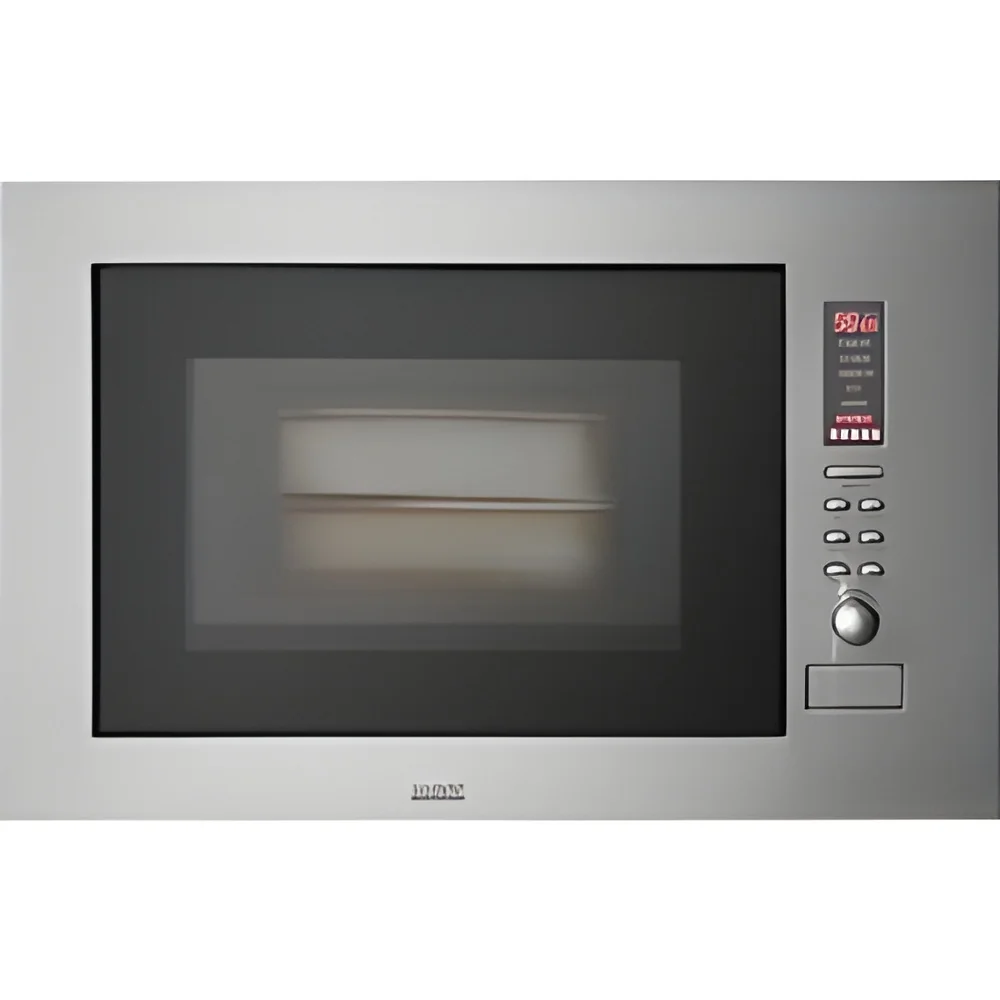
Microwaves and ovens are essential kitchen appliances used for cooking, heating, and baking food. Microwaves utilize electromagnetic radiation to heat food quickly and efficiently, while ovens provide a more traditional method of cooking, using gas or electricity to generate heat. Both appliances offer various functionalities that cater to different cooking needs, from reheating leftovers to baking pastries and roasting meats.
In the business context, microwaves and ovens are widely utilized in commercial kitchens, catering services, and food production facilities. They play a crucial role in food preparation processes, ensuring efficiency and consistency in cooking. As industries increasingly prioritize speed and energy efficiency, the demand for advanced microwave and oven technologies continues to rise.
The relevance of microwaves and ovens extends beyond mere cooking appliances. They are integral to the food service industry, supporting operations in restaurants, hotels, and hospitals. With a growing emphasis on food safety and quality, these appliances must meet stringent industry standards, making them vital components in the overall culinary landscape.
Key Features and Specifications
Microwaves and ovens come equipped with various features and specifications that enhance their functionality and performance. Understanding these specifications is essential for B2B buyers to make informed decisions.
Key specifications include:
1. Cooking Power
- Measured in watts, cooking power affects cooking speed and efficiency.
- Common ranges for microwaves are between 600 to 1200 watts.
2. Capacity
- Capacity is measured in liters or cubic feet, indicating how much food can be cooked at once.
- Microwaves typically range from 20 to 40 liters, while ovens can vary from 1 to 5 cubic feet.
3. Temperature Range
- This specification defines the minimum and maximum cooking temperatures.
- Ovens usually have a temperature range from 150 to 500 degrees Fahrenheit.
4. Control Type
- Control types can be manual dials, digital displays, or touch controls.
- Digital controls often include preset cooking options for convenience.
5. Energy Efficiency
- Energy efficiency ratings indicate how much power the appliance consumes.
- Look for models with energy-saving features to reduce operational costs.
6. Safety Features
- Common safety features include auto shut-off and child locks.
- These features help prevent accidents and enhance user safety.
7. Cooking Modes
- Various cooking modes such as convection, grill, and microwave allow for versatile cooking options.
- Different modes cater to specific cooking tasks, improving overall meal quality.
8. Design and Build Quality
- The materials used in construction affect durability and ease of cleaning.
- Stainless steel finishes are popular for their resistance to stains and corrosion.
In summary, the right combination of features and specifications can significantly enhance the cooking experience, making it essential for B2B buyers to assess their needs carefully.
Common Applications and Use Cases
Microwaves and ovens serve a multitude of industries, each benefiting from their unique functionalities.
1. Food Service Industry: Restaurants and cafes utilize microwaves and ovens for rapid meal preparation, enabling them to serve customers efficiently while maintaining food quality.
2. Catering Services: Catering companies rely on these appliances to prepare large quantities of food quickly, ensuring that dishes are served hot and fresh at events.
3. Food Production: In manufacturing facilities, ovens are utilized for baking and roasting, while microwaves assist in reheating and defrosting ingredients during the production process.
4. Healthcare: Hospitals use microwaves for patient meal preparation, ensuring timely service of food while accommodating dietary restrictions.
5. Education: Schools and universities incorporate microwaves and ovens in cafeterias, allowing students to enjoy a variety of meal options throughout the day.
6. Retail: Some grocery stores and supermarkets feature microwaves for customer convenience, allowing shoppers to heat pre-packaged meals.
7. Research and Development: Food research facilities use these appliances to test cooking methods and develop new recipes, ensuring quality and safety in food products.
Product Variants and Subcategories
The diversity of microwaves and ovens caters to various cooking needs and environments.
Commercial Microwave Ovens: These units are designed for high-volume usage in restaurants and catering services. They offer powerful cooking capabilities and quick reheating options.
Convection Ovens: These ovens circulate hot air to ensure even cooking and browning. They are ideal for baking and roasting, making them popular in both commercial and residential settings.
Industrial Ovens: Designed for large-scale food production, these ovens handle high capacities and often include specialized features for specific cooking processes.
Microwave Ovens with Grill Function: These combination units allow for both microwave cooking and grilling, providing versatility for preparing a wide range of dishes.
Benefits and Advantages
Investing in microwaves and ovens brings numerous benefits that contribute to operational efficiency.
1. Time Efficiency: Microwaves cook food significantly faster than traditional methods, reducing wait times for meal preparation.
2. Energy Savings: Many modern models are designed for energy efficiency, helping businesses lower their utility bills.
3. Versatility: Ovens and microwaves offer various cooking modes, allowing users to prepare a wide range of dishes with ease.
4. Consistent Results: Advanced cooking technologies ensure even cooking and consistent results, enhancing food quality.
5. Space Saving: Compact microwave models are ideal for kitchens with limited space, providing functionality without occupying too much room.
6. Ease of Use: User-friendly controls and pre-programmed settings simplify operation, making it accessible for staff at all skill levels.
Buying Guide for B2B Buyers
When sourcing microwaves and ovens, several factors should be considered to ensure optimal selection for business needs.
1. Quality Assessment: Evaluate appliances based on construction materials, durability, and performance reviews. Look for models that meet industry standards to ensure reliability.
2. Supplier Verification: Conduct thorough research on suppliers, checking reviews and certifications. A reputable supplier can provide assurance of product quality and support.
3. Pricing and MOQ: Understand pricing structures and minimum order quantities to align with budget constraints. Compare multiple suppliers to find the best deals.
4. Delivery and Lead Times: Discuss logistics and expected delivery timelines with suppliers to ensure that equipment arrives when needed.
5. Compliance Requirements: Ensure that the selected products meet relevant compliance standards, including safety and health regulations, to avoid potential penalties.
Compliance and Certifications
Microwaves and ovens must adhere to various compliance standards and certifications to ensure safety and quality.
Relevant quality standards such as ISO 9001 ensure consistent quality management in manufacturing processes, which is vital for maintaining product integrity. HACCP (Hazard Analysis Critical Control Point) guidelines focus on food safety, ensuring that appliances used in food preparation do not compromise hygiene.
Industry certifications like CE indicate compliance with European safety standards, assuring users of the product's safety and reliability. Additionally, safety testing requirements ensure that these appliances can operate safely under expected conditions.
Regional compliance considerations are also crucial. Different countries and regions may have specific regulations regarding energy efficiency, safety, and emissions. Businesses must ensure that their appliances meet local compliance standards to maintain operational legality.
Why Source Microwaves & Ovens from Pepagora?
Pepagora provides a trusted platform for sourcing microwaves and ovens, offering significant advantages for B2B buyers.
Verified Supplier Network: Pepagora connects buyers with a network of verified suppliers. Each supplier undergoes a thorough vetting process to ensure they meet quality and reliability standards.
Streamlined RFQ Process: The platform's Request for Quotation (RFQ) system simplifies the procurement process. Buyers can easily request quotes from multiple suppliers, allowing for informed decision-making.
Trade Assurance and Support: Pepagora offers trade assurance to protect buyers from potential risks. This support includes assistance with order fulfillment and quality assurance, ensuring a smooth purchasing experience.
Regional Coverage: With a strong presence in India, the GCC, and Southeast Asia, Pepagora provides regional coverage that facilitates access to a wide range of products suited to various markets. This geographic reach ensures that businesses can find the right microwaves and ovens tailored to their specific needs.

 IN
IN