What are Trash Cans & Waste Bins?
Trash cans and waste bins are essential components of waste management systems in both commercial and industrial environments. These containers are designed to collect and store waste materials until they can be disposed of or recycled. They come in various shapes, sizes, and materials to meet different needs and preferences, ensuring efficiency in waste handling.
These products are widely used in businesses, educational institutions, healthcare facilities, and public spaces. Their primary function is to promote cleanliness and hygiene by providing designated areas for waste disposal. By using trash cans and waste bins, organizations can maintain a safe and organized environment while complying with local regulations regarding waste management.
In today's market, trash cans and waste bins are increasingly relevant as businesses prioritize sustainability and eco-friendly practices. With a growing focus on reducing landfill waste, many manufacturers offer recycling options and biodegradable materials. This shift is driving demand for innovative waste management solutions across multiple industries.
Key Features and Specifications
Trash cans and waste bins come equipped with several key features that enhance their usability and functionality. When considering these products, it is important to understand their specifications to ensure they meet your operational requirements.
Key specifications include:
1. Material
- Common materials include plastic, metal, and composite.
- Durability and resistance to corrosion or rust.
2. Capacity
- Available in various sizes, typically from 10 to 100 gallons.
- Suitability for different waste volumes based on application.
3. Design
- Options include open-top, closed lid, and foot-pedal operated.
- Ergonomic designs for ease of use and maintenance.
4. Mobility
- Some models come with wheels for easy transport.
- Static and mobile options based on waste collection needs.
5. Recycling Features
- Many bins include separate compartments for recyclables.
- Color-coded systems to aid in proper waste sorting.
6. Odor Control
- Some bins feature sealed lids or filter systems to minimize odors.
- Design considerations for high-odor waste management.
7. Compliance
- Many products are designed to meet specific regulations.
- Important for industries with stringent waste management guidelines.
8. Customization Options
- Availability of branding or labeling for organizational purposes.
- Options for sizes and colors to match facility aesthetics.
In summary, understanding key features and specifications helps buyers select the right trash cans and waste bins for their business needs, ensuring effective waste management.
Common Applications and Use Cases
Trash cans and waste bins are utilized across a variety of industries, each with specific applications and requirements.
1. Healthcare: In hospitals and clinics, specialized bins are used for hazardous waste, ensuring safe disposal of medical materials.
2. Education: Schools and universities use waste bins to promote recycling and keep campuses clean, often featuring clear signage for proper waste sorting.
3. Hospitality: Hotels and restaurants rely on strategically placed trash cans to maintain cleanliness while providing guests with easy waste disposal options.
4. Retail: Retailers use waste bins to keep shopping areas tidy, often incorporating recycling options to encourage sustainable practices among customers.
5. Manufacturing: Industrial facilities require durable waste bins for the disposal of materials, including scrap metal and packaging waste.
6. Office Spaces: Businesses use trash cans to manage daily waste, often opting for sleek designs that fit well with office decor.
7. Public Spaces: Parks and recreational areas utilize waste bins to promote cleanliness and environmental responsibility among visitors.
Product Variants and Subcategories
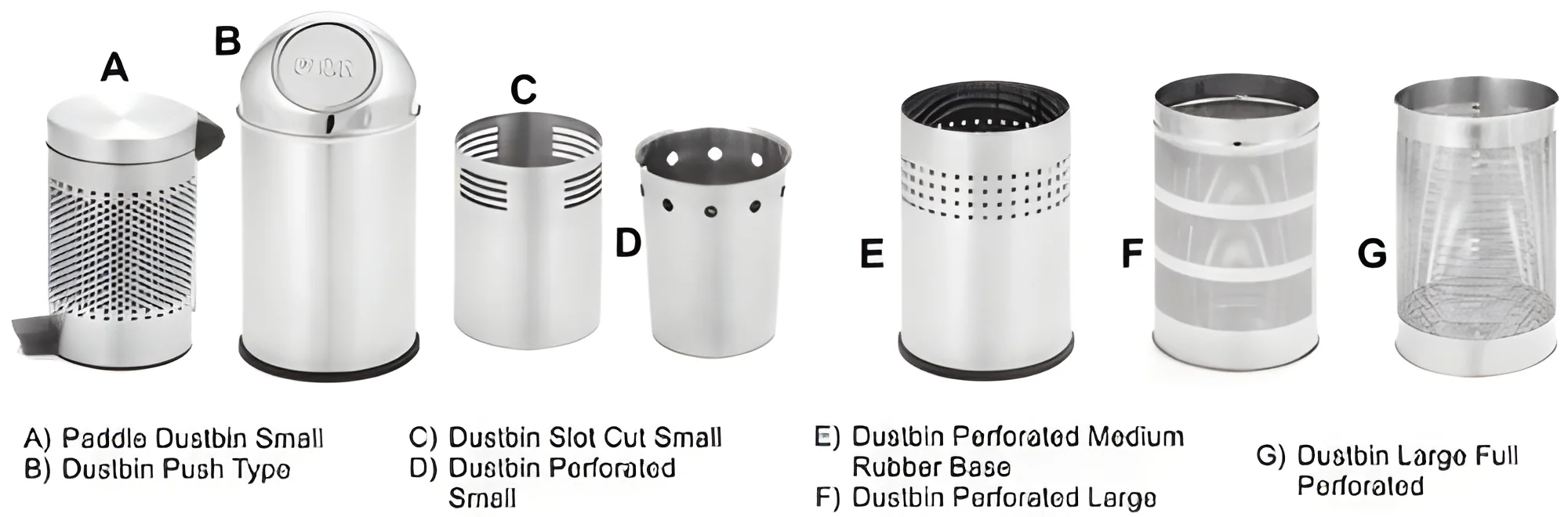
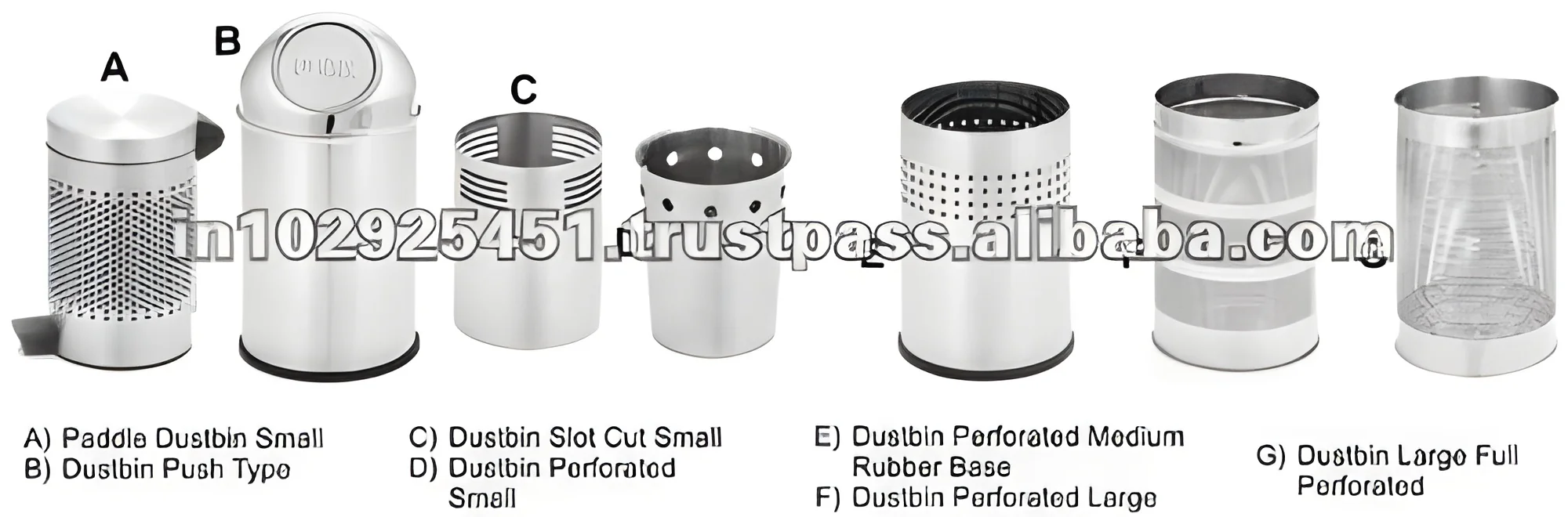
Trash cans and waste bins come in a multitude of variants to cater to different user needs and preferences. Each variant offers unique features that enhance their functionality.
Plastic Trash Cans
These are lightweight, durable, and resistant to corrosion. They are ideal for indoor and outdoor use, making them a popular choice for various commercial settings.
Metal Waste Bins
Constructed from materials such as stainless steel, these bins are highly durable and suited for environments that require additional strength and security, such as industrial facilities.
Recycling Bins
Designed specifically for sorting recyclables, these bins often feature multiple compartments and clear labeling to promote effective recycling practices in offices and public spaces.
Pedal-Operated Trash Cans
These bins allow for hands-free operation, which is beneficial in settings where hygiene is a priority, such as kitchens and healthcare facilities.
Benefits and Advantages
Investing in quality trash cans and waste bins offers numerous advantages for businesses.
1. Improved Hygiene: Proper waste disposal systems reduce the risk of contamination and promote a cleaner environment.
2. Enhanced Organization: Designated waste containers help maintain order, making it easier for employees and visitors to dispose of waste properly.
3. Increased Efficiency: Well-placed waste bins streamline waste collection processes, saving time and effort for maintenance staff.
4. Environmental Responsibility: Using recycling bins encourages sustainable practices, helping businesses meet corporate social responsibility goals.
5. Custom Branding: Many manufacturers offer customization options, allowing businesses to reinforce their brand identity through waste management solutions.
6. Compliance Assurance: Sourcing compliant waste bins ensures adherence to local regulations, mitigating potential legal issues related to waste disposal.
Buying Guide for B2B Buyers
When sourcing trash cans and waste bins, it is essential for B2B buyers to consider various factors to ensure they make informed purchasing decisions.
1. Quality Assessment: Evaluate materials and construction quality to ensure durability and longevity. Look for products that withstand daily use in commercial environments.
2. Supplier Verification: Vet suppliers by checking their reputation, customer reviews, and certifications. A reliable supplier contributes to a smooth purchasing experience.
3. Pricing and MOQ: Understand the pricing structure and minimum order quantities. Comparing costs among suppliers helps in securing the best deal.
4. Delivery and Lead Times: Inquire about shipping options and lead times to ensure timely delivery of products, especially when reordering.
5. Compliance Requirements: Familiarize yourself with local regulations regarding waste disposal. Ensure the products you choose meet industry standards and certifications.
Compliance and Certifications
Trash cans and waste bins must adhere to various quality standards and regulations, ensuring safety and effectiveness in waste management.
Relevant quality standards include ISO 9001, which ensures a consistent level of quality in manufacturing processes. Compliance with HACCP (Hazard Analysis and Critical Control Points) is essential for businesses in the food and healthcare sectors, ensuring safe waste disposal practices.
Industry certifications like CE signify that products meet European safety and environmental standards. Additionally, companies must consider safety testing requirements, such as ensuring that materials used are non-toxic and safe for intended use.
Regional compliance considerations may vary based on local laws and regulations regarding waste management. Businesses should stay informed of these requirements to avoid penalties and ensure responsible waste handling.
Why Source Trash Cans & Waste Bins from Pepagora?
Pepagora serves as a trusted platform for sourcing trash cans and waste bins, offering several key advantages to B2B buyers.
Verified Supplier Network: Pepagora connects buyers with a network of verified suppliers, ensuring that they receive quality products from reputable manufacturers. This verification process builds trust and confidence in purchasing.
Streamlined RFQ Process: The platform’s request-for-quotation (RFQ) system simplifies the procurement process. Buyers can easily submit their requirements and receive competitive quotes from multiple suppliers.
Trade Assurance and Support: Pepagora provides trade assurance, offering protection to buyers throughout the purchasing process. This support includes assistance with order tracking and dispute resolution.
Regional Coverage: With a presence in India, the GCC, and Southeast Asia, Pepagora enables businesses to source products locally while accessing a broader market. This regional coverage ensures that buyers can find the right products to meet their specific needs efficiently.

 IN
IN