
 IN
Refrigerators for Offices
2 products available
What are Refrigerators for Offices?
Refrigerators for offices are specialized cooling units designed to store food and beverages in a workplace environment. They provide a convenient way to keep items fresh and ready for consumption, catering to the needs of employees and visitors alike. These refrigerators often come in various sizes and designs, making them suitable for different office layouts and employee counts.
The primary use of office refrigerators is to offer easy access to refreshments, such as snacks and drinks, which can enhance workplace satisfaction and productivity. Companies may also use these units to store perishable items for office events, lunches, or meetings. In today's fast-paced work culture, having a refrigerator on-site is increasingly viewed as a standard amenity that contributes to employee well-being and convenience.
In terms of industry relevance, the demand for office refrigerators continues to grow as businesses recognize the importance of fostering a comfortable and accommodating work environment. With the rise of remote and hybrid work models, many companies are investing in quality office appliances to ensure they can provide a welcoming atmosphere for both in-office and visiting personnel.
Key Features and Specifications
Refrigerators for offices come equipped with various features that enhance their functionality and usability. Understanding these specifications is crucial for businesses when selecting the right model for their needs.
Key specifications include:
1. Capacity
- Typically ranges from 50 to 300 liters
- Suitable for small offices to larger corporate environments
2. Temperature Control
- Adjustable temperature settings for optimal food preservation
- Usually ranges from 1 to 5 degrees Celsius
3. Energy Efficiency
- Energy Star rated models available
- Low energy consumption to reduce operating costs
4. Noise Level
- Operates quietly, typically between 35 to 45 decibels
- Ensures a peaceful office environment
5. Interior Layout
- Shelves and compartments designed for easy organization
- Adjustable shelving to accommodate different item sizes
6. Finish and Design
- Available in various finishes such as stainless steel, black, and white
- Modern designs to fit with office aesthetics
7. Door Style
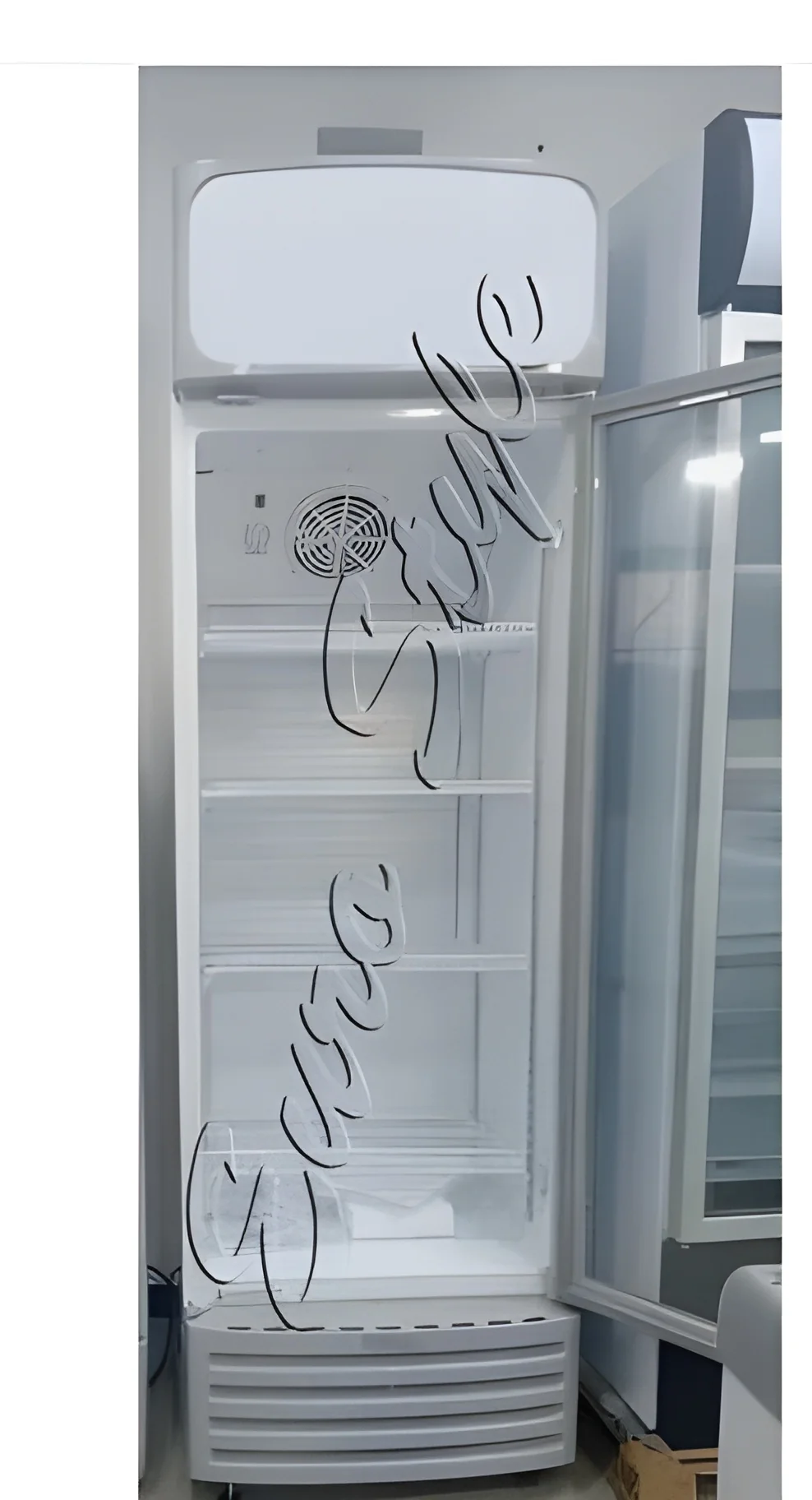
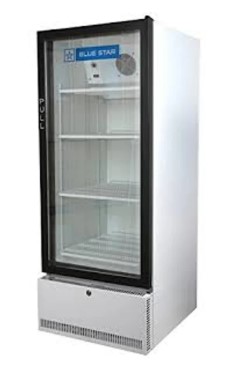
- Options include single door, double door, or glass door models
- Glass doors allow for visibility of contents while maintaining temperature
8. Warranty and Support
- Standard warranties typically last 1 to 2 years
- Availability of customer service and support for maintenance issues
In summary, the selection of the right office refrigerator involves careful consideration of these features and specifications to ensure it meets the specific needs of the workplace.
Common Applications and Use Cases
Refrigerators for offices serve a wide range of industries and applications.
1. Corporate Offices: Many corporate offices utilize refrigerators for storing lunches, snacks, and beverages for employees, enhancing workplace satisfaction.
2. Healthcare Facilities: Hospitals and clinics may use refrigerators to store medical supplies, medications, and beverages for patients and staff.
3. Educational Institutions: Universities and schools often have refrigerators in staff lounges to provide easy access to food and drinks during breaks.
4. Hospitality Sector: Hotels and restaurants may use office refrigerators to store staff meals and beverages, ensuring that employees have access to refreshments.
5. Retail Environments: Retail offices might utilize refrigerators to keep items like employee snacks and drinks chilled, improving morale.
6. Manufacturing Plants: Refrigerators can be employed in break rooms to provide workers with easy access to food, promoting health and productivity.
7. Remote Workspaces: With the rise of remote work, many companies are providing refrigerators in home office setups for employee convenience.
Product Variants and Subcategories
While there are no specific subcategories available, office refrigerators can vary significantly in terms of size, design, and features.
Compact Refrigerators
These are ideal for small offices or break rooms, offering limited storage but essential cooling capabilities. They are space-efficient and can fit under desks or in tight corners.
Mini Bar Refrigerators
Often used in hospitality settings, these refrigerators are designed for storing beverages and snacks. They typically feature a glass door for easy viewing and can enhance the aesthetic of a lounge area.
Large Commercial Refrigerators
For larger workplaces, commercial-grade refrigerators offer increased capacity and durability. They are designed to handle higher volumes and are suitable for canteens or large office spaces.
Benefits and Advantages
Investing in office refrigerators brings numerous benefits to businesses and their employees.
1. Convenience: Employees have easy access to food and beverages, reducing the need for off-site trips during breaks.
2. Increased Productivity: Providing refreshments can lead to higher employee morale and productivity levels throughout the workday.
3. Healthier Choices: Having a refrigerator encourages employees to bring healthier food options, promoting better eating habits.
4. Cost Savings: By storing food and drinks on-site, companies can reduce expenses associated with catering and eating out.
5. Enhanced Workplace Culture: Offering amenities like refrigerators fosters a supportive and accommodating workplace environment.
6. Customization Options: Many office refrigerators can be tailored to fit specific needs, from size to features, ensuring they meet the unique requirements of the workspace.
Buying Guide for B2B Buyers
When sourcing refrigerators for offices, several factors should be considered to ensure a sound investment.
1. Quality Assessment: Evaluate the materials, construction, and overall durability of the refrigerator. Look for quality certifications to ensure reliability.
2. Supplier Verification: Research potential suppliers to confirm their credibility and reputation in the market. Check for reviews and testimonials from previous clients.
3. Pricing and MOQ: Understand the pricing structure and minimum order quantity (MOQ) required by suppliers. Request quotes to compare costs effectively.
4. Delivery and Lead Times: Inquire about the expected delivery times and logistics involved in shipping. Ensure that the supplier can meet your timeline.
5. Compliance Requirements: Familiarize yourself with any regulatory standards that the refrigerator must meet, including safety and energy efficiency guidelines.
Compliance and Certifications
Refrigerators for offices must adhere to various quality standards and certifications to ensure safety and performance.
Relevant quality standards include ISO 9001, which focuses on quality management systems and ensures that products consistently meet customer requirements. Additionally, HACCP (Hazard Analysis Critical Control Point) guidelines may apply, especially in settings where food safety is paramount.
Industry certifications like CE mark compliance guarantee that the products meet European safety, health, and environmental protection standards. Furthermore, manufacturers should comply with safety and testing requirements to ensure that their refrigerators are safe for everyday use.
Regional compliance considerations are also important, as different regions may have specific regulations regarding energy efficiency and environmental impact. Understanding these requirements ensures that businesses are sourcing compliant products that meet local market standards.
Why Source Refrigerators for Offices from Pepagora?
Pepagora provides a trusted platform for sourcing refrigerators for offices, offering several key advantages to B2B buyers.
Verified Supplier Network: Pepagora partners with reputable suppliers, ensuring that buyers can access quality products from trusted manufacturers. This network allows businesses to find reliable options that meet their specifications.
Streamlined RFQ Process: The request for quotation (RFQ) process is efficient and user-friendly, allowing buyers to receive multiple quotes from suppliers quickly. This helps in making informed purchasing decisions based on price and features.
Trade Assurance and Support: Pepagora offers trade assurance for buyers, protecting their investments and ensuring that they receive the products as promised. This support adds an extra layer of security to the purchasing process.
Regional Coverage: With a strong presence in India, the GCC, and Southeast Asia, Pepagora facilitates access to a wide range of refrigerators tailored to various market needs. This geographic reach ensures that buyers can find suitable options within their region, enhancing convenience and accessibility.

Frequently Asked Questions
What are Refrigerators for Offices?
Refrigerators for offices are specialized cooling appliances designed to store food and beverages in workplace environments. They are typically smaller than residential refrigerators and may include features that cater specifically to office needs, such as energy efficiency and compact design.
What are the different types of Refrigerators for Offices?
There are several types of refrigerators suitable for offices, including mini-refrigerators, under-counter refrigerators, and traditional upright models. Each type varies in size and capacity, allowing businesses to select models that best fit their space and storage requirements.
How do I choose the right Refrigerators for Offices?
Choosing the right refrigerator for your office involves considering factors such as the size of your space, the number of employees, and the types of items you need to store. Additionally, energy efficiency ratings and features like adjustable shelves and temperature controls can also influence your decision.
What are the standard specifications for Refrigerators for Offices?
Standard specifications for office refrigerators often include a capacity range of 50 to 200 liters, energy ratings, noise levels, and dimensions. Other specifications may involve the type of cooling technology used and the presence of features like frost-free operation or glass doors.
What is the price range for Refrigerators for Offices?
The price range for refrigerators for offices can vary significantly based on size, brand, and features. Generally, you can expect to pay anywhere from INR 10,000 to INR 50,000, with higher-end models costing more.
What quality standards apply to Refrigerators for Offices?
Refrigerators for offices must meet various quality standards, including safety and energy efficiency certifications. In India, compliance with Bureau of Indian Standards (BIS) regulations is essential to ensure reliability and performance.
Where can I find Refrigerators for Offices suppliers in India?
You can find suppliers of refrigerators for offices through B2B marketplaces like Pepagora, trade shows, and local appliance distributors. Online platforms often provide a comprehensive list of manufacturers and wholesalers for easy comparison and purchasing.
Can Refrigerators for Offices be customized?
Yes, many manufacturers offer customization options for refrigerators intended for office use. Customizations may include branding, colors, and specific features tailored to meet the unique needs of a business.
What is the typical minimum order quantity for Refrigerators for Offices?
The typical minimum order quantity (MOQ) for refrigerators for offices can vary by supplier but usually ranges from 5 to 20 units. It's advisable to check with specific manufacturers for their MOQ requirements.
What is the typical lead time for Refrigerators for Offices?
The typical lead time for ordering refrigerators for offices generally ranges from 2 to 6 weeks, depending on the supplier and whether the units are customized. Factors such as shipping and availability can also affect delivery times.
Why Businesses Trust Pepagora
Thousands of companies trust Pepagora to source smarter and sell faster
Expand Your Sales Globally

Source Smarter,Grow Faster
