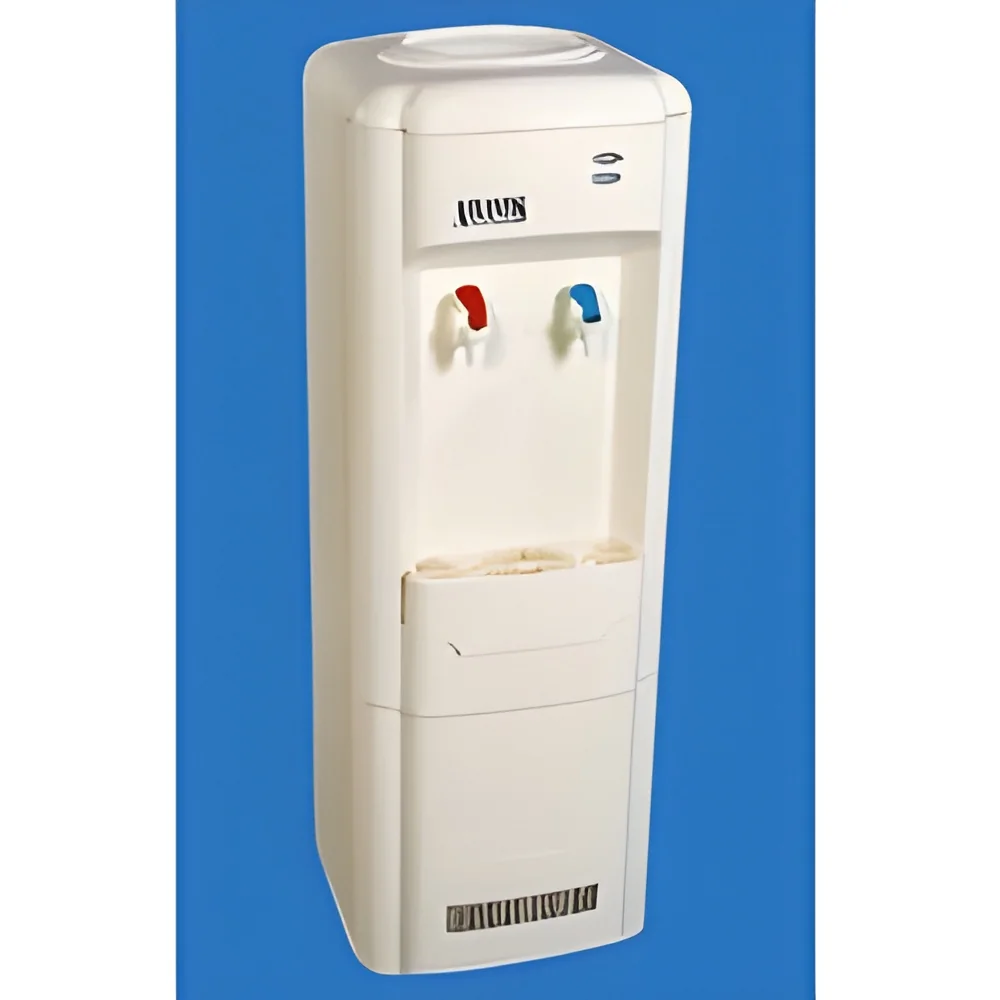
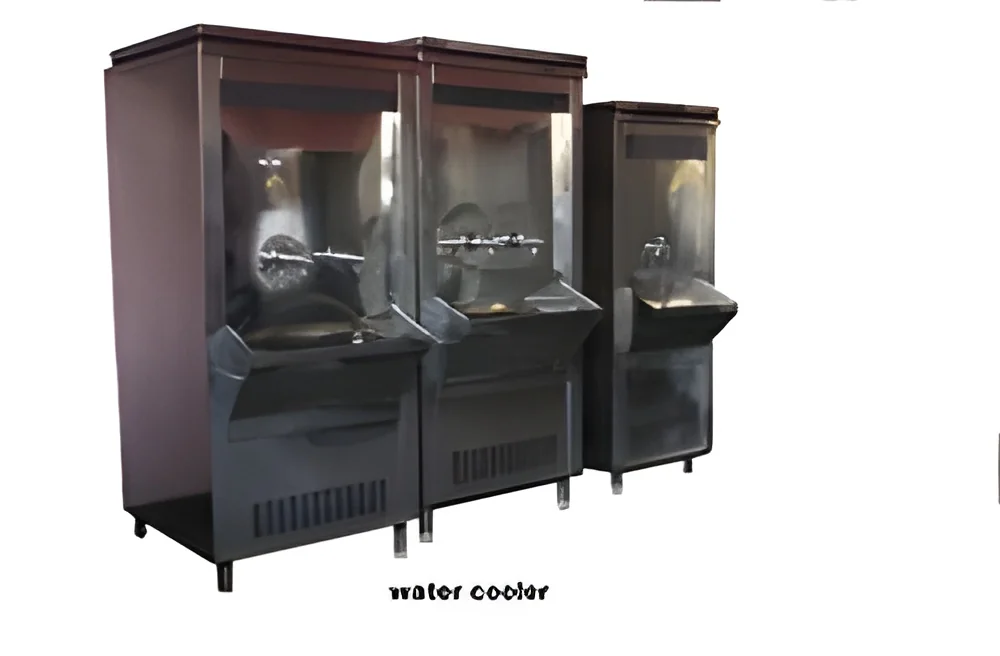
What are Water Dispensers & Coolers?
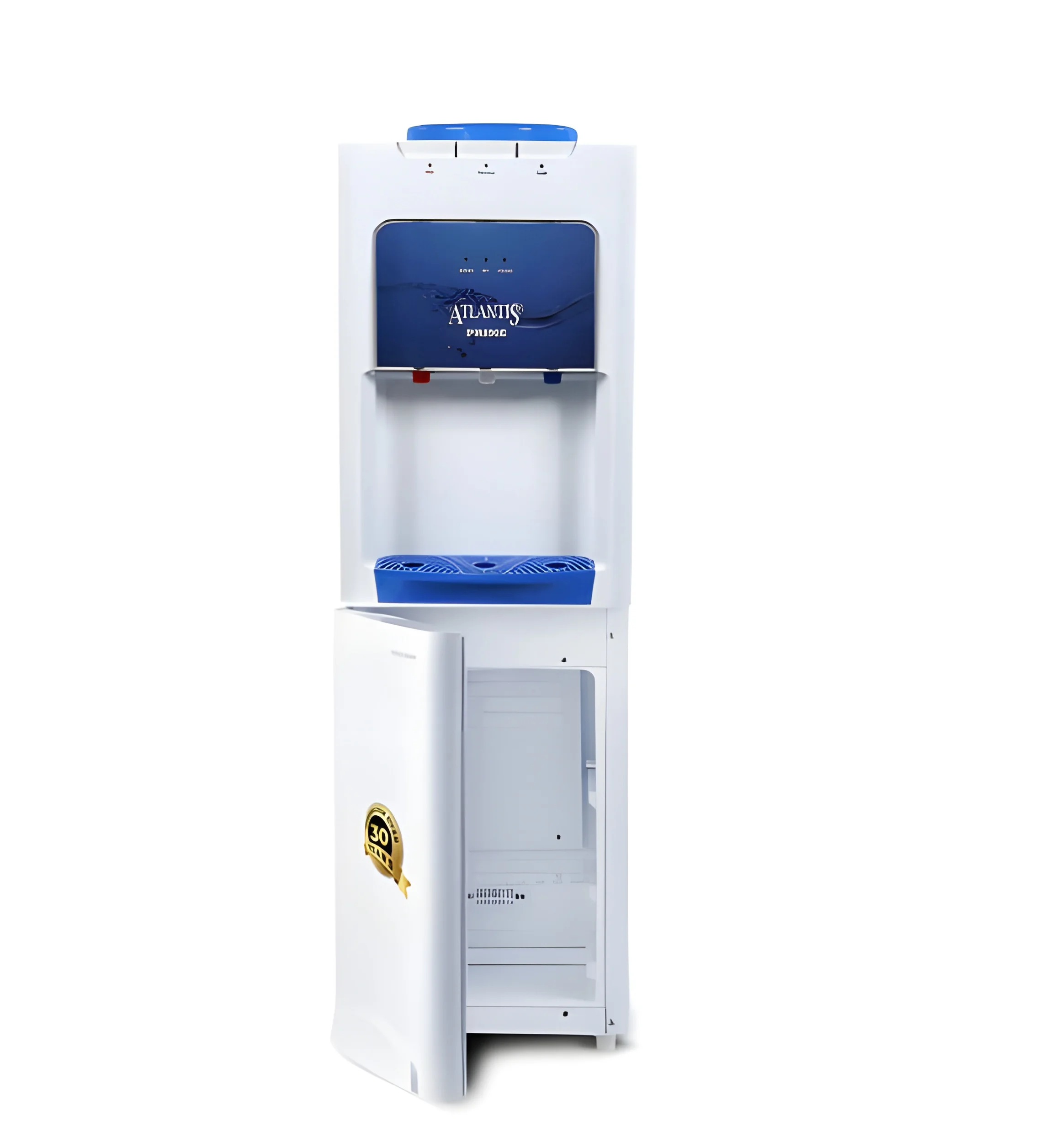
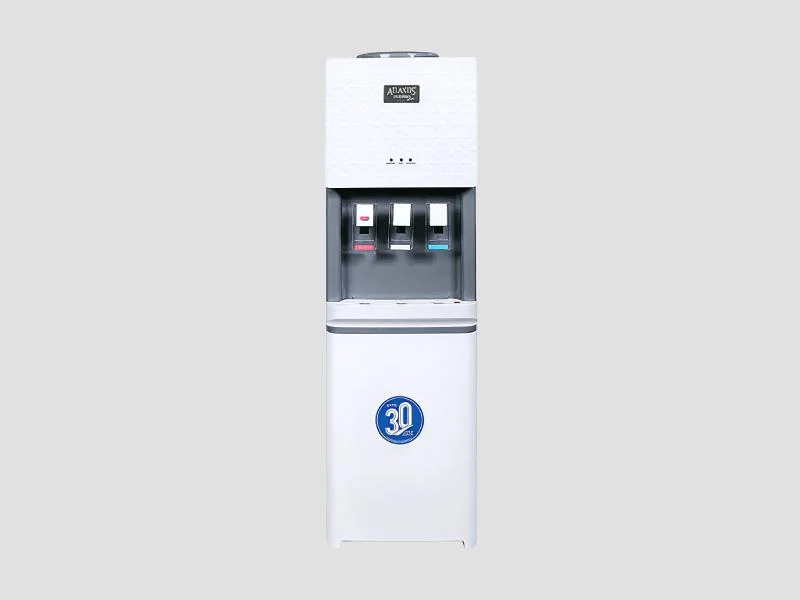
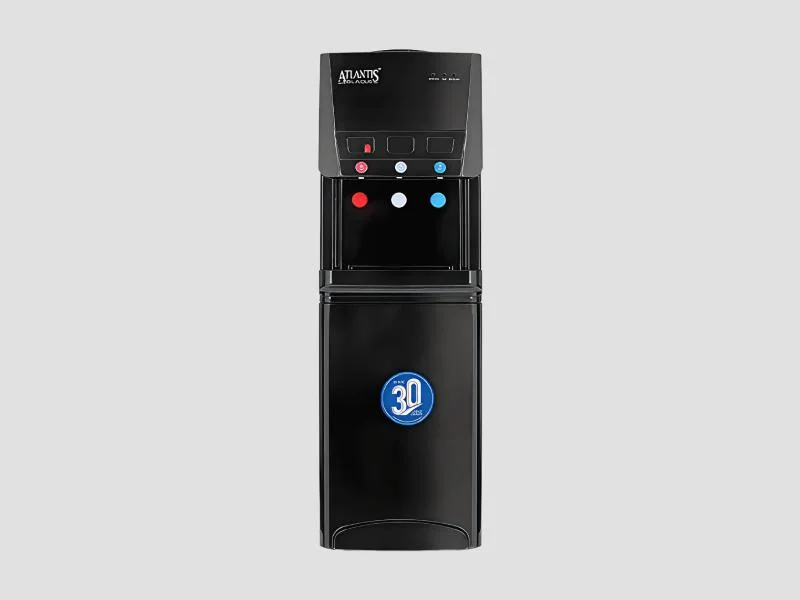
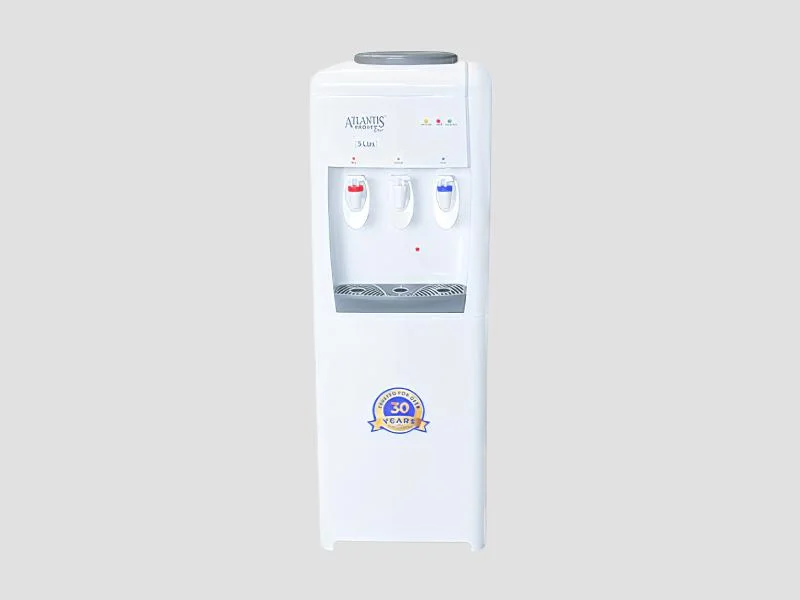
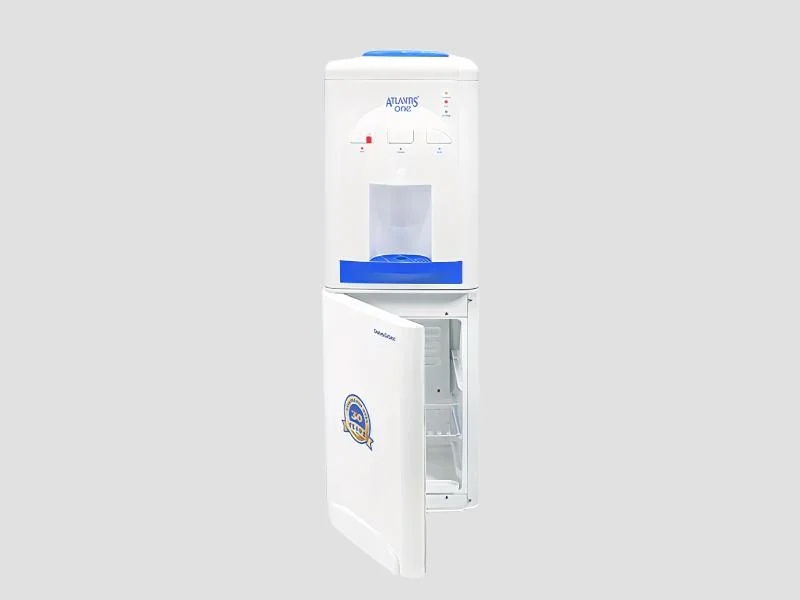
Water dispensers and coolers are essential appliances designed to provide easy access to drinking water in various settings. These devices are typically connected to a water source or utilize bottled water, offering a convenient way to dispense both cold and hot water. Water dispensers often come with features that maintain optimal temperatures, ensuring that users can enjoy refreshing cold water or hot beverages at any time.
Primarily, water dispensers and coolers are utilized in offices, schools, hospitals, and industrial environments. They serve not only as hydration sources but also as a focal point for water consumption, promoting healthy drinking habits among employees and visitors. In business applications, these devices can enhance workplace comfort and productivity by ensuring that fresh water is readily available.
The market for water dispensers and coolers continues to grow as businesses recognize the importance of providing quality hydration solutions. With increasing awareness of health and wellness, the demand for these products spans various industries, making them a relevant fixture in both small and large enterprises.
Key Features and Specifications
Water dispensers and coolers come with a variety of features that enhance their functionality and user experience. When selecting a model, it is important to understand the key specifications that can impact performance and suitability for specific applications.
Key specifications include:
1. Temperature Control
- Provides options for both hot and cold water
- Typically ranges from 5 to 95 degrees Celsius
2. Water Source Compatibility
- Can be connected to a direct water line or use bottled water
- Ensures flexibility based on user requirements
3. Capacity
- Varies widely, with options from compact to larger models
- Common capacities range from 2 to 5 gallons for bottled units
4. Filtration System
- Some models include built-in filtration for improved water quality
- Helps remove impurities and contaminants
5. Energy Efficiency
- Rated for energy consumption to ensure cost-effectiveness
- Many units meet ENERGY STAR standards
6. Design and Footprint
- Available in various designs to fit different environments
- Compact options are suitable for limited spaces
7. User Interface
- May include touch controls or mechanical buttons
- Some have LED indicators for operational status
8. Safety Features
- Child safety locks on hot water taps
- Overheat protection mechanisms
In summary, understanding these specifications is crucial for businesses when selecting the right water dispensers and coolers that meet their needs.
Common Applications and Use Cases
Water dispensers and coolers are versatile products that find use in various industries.
1. Offices: These devices provide employees with easy access to hydration, promoting health and productivity throughout the workday.
2. Educational Institutions: Schools and universities install water dispensers to encourage students to drink more water, supporting their overall health.
3. Healthcare Facilities: Hospitals and clinics benefit from having water coolers readily available for staff and visitors, ensuring hydration in critical environments.
4. Manufacturing Plants: Workers in industrial settings require constant access to drinking water, making dispensers vital for hydration and safety.
5. Hospitality Industry: Hotels and restaurants offer water dispensers to enhance guest experiences, providing convenient access to fresh water.
6. Gyms and Fitness Centers: These facilities use water coolers to encourage patrons to stay hydrated during workouts.
7. Retail Spaces: Stores often install dispensers for customer convenience, aligning with customer service goals.
Product Variants and Subcategories
Water dispensers and coolers come in various types, each tailored to specific user needs and environments.
Countertop Water Dispensers
These compact units are designed for limited spaces. They are easy to install and can effectively serve small offices or homes.
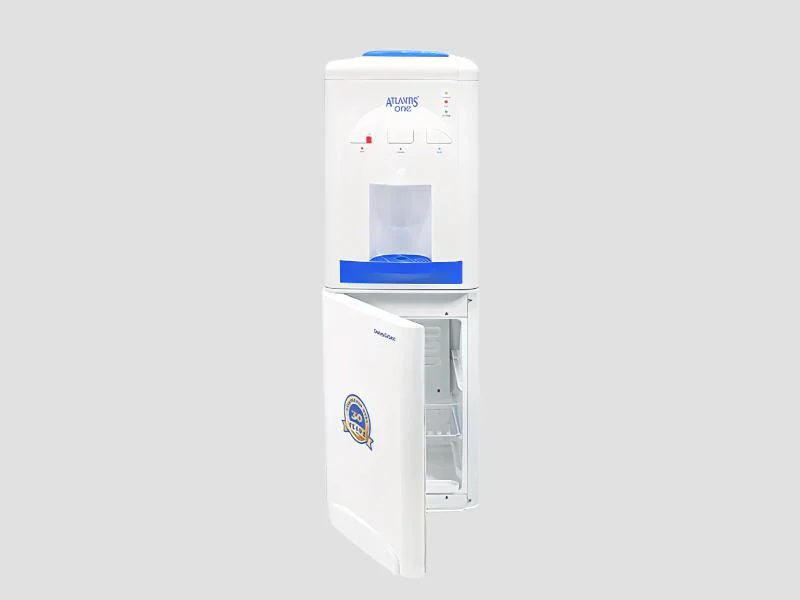
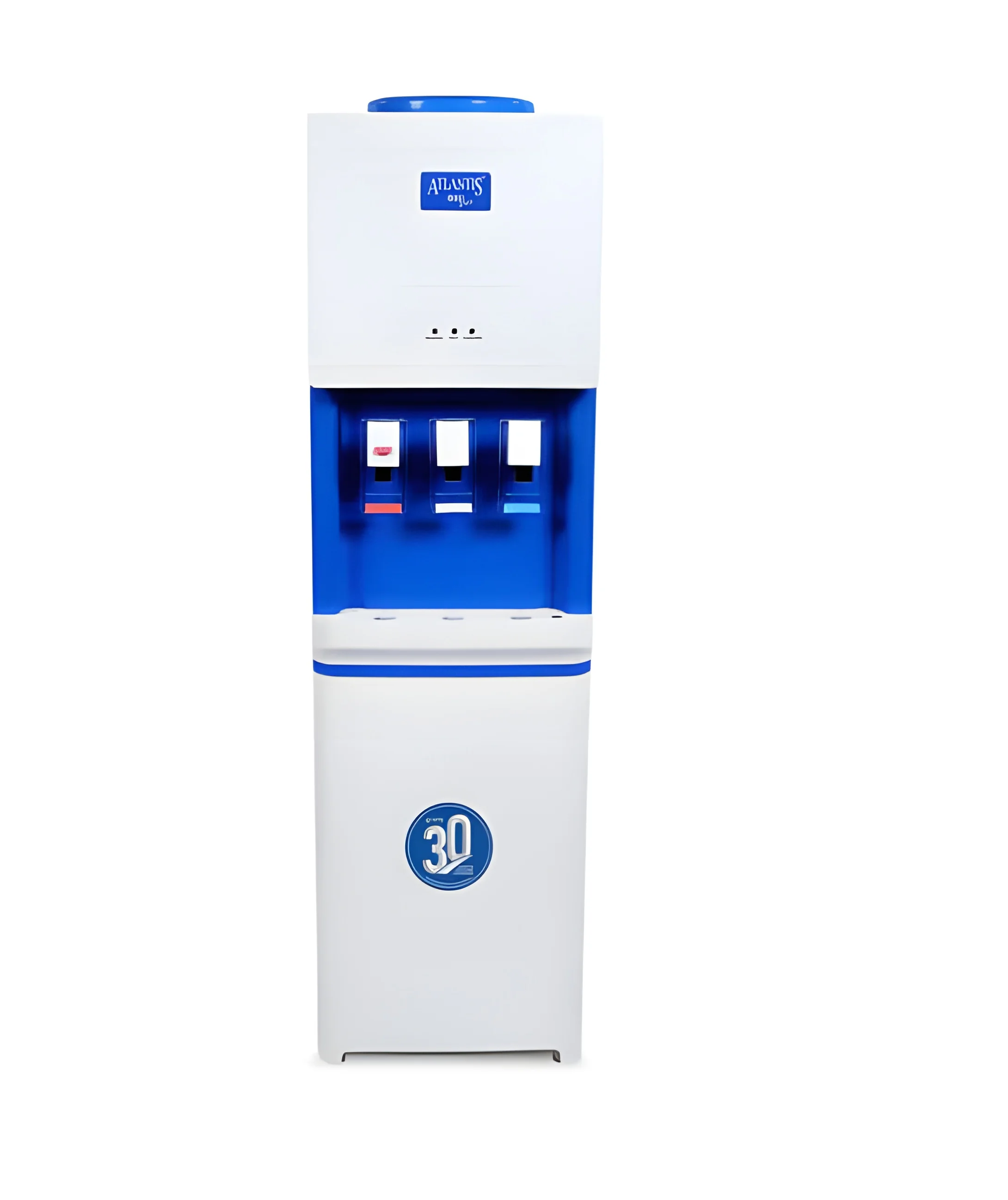
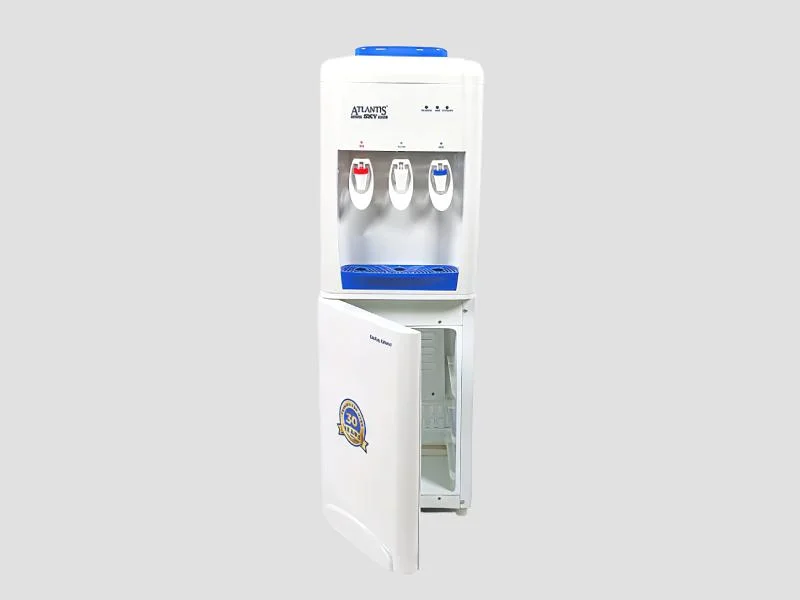
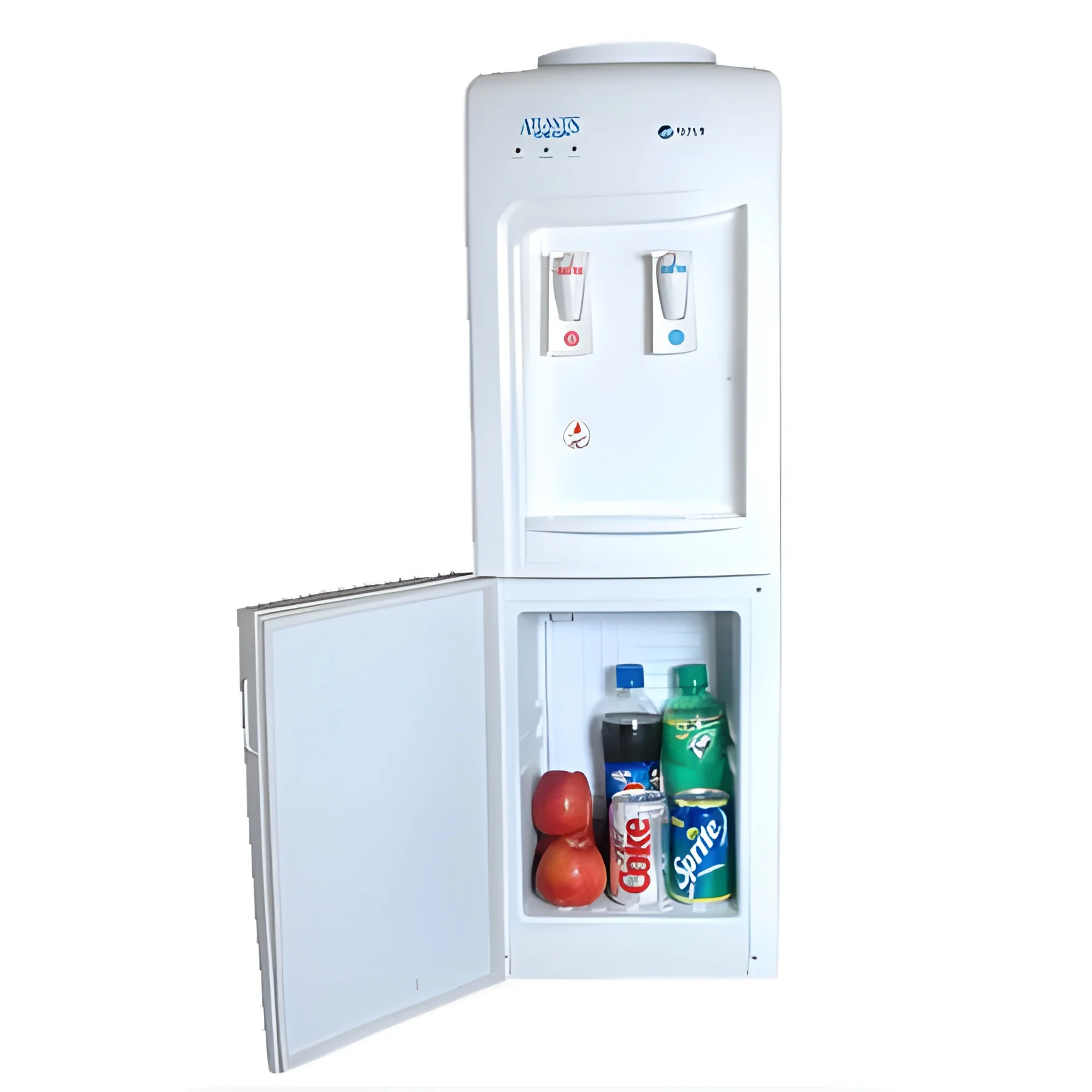
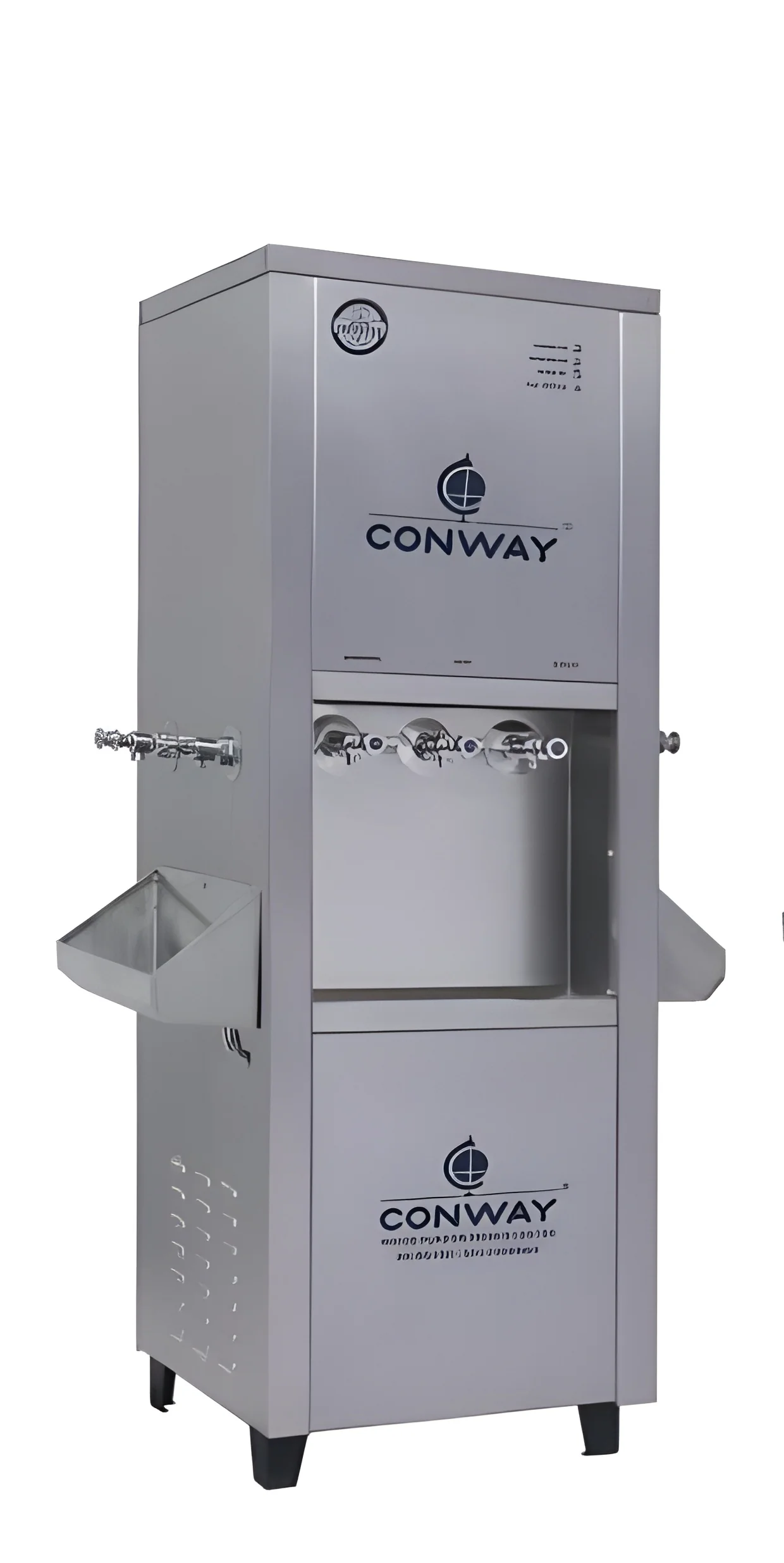
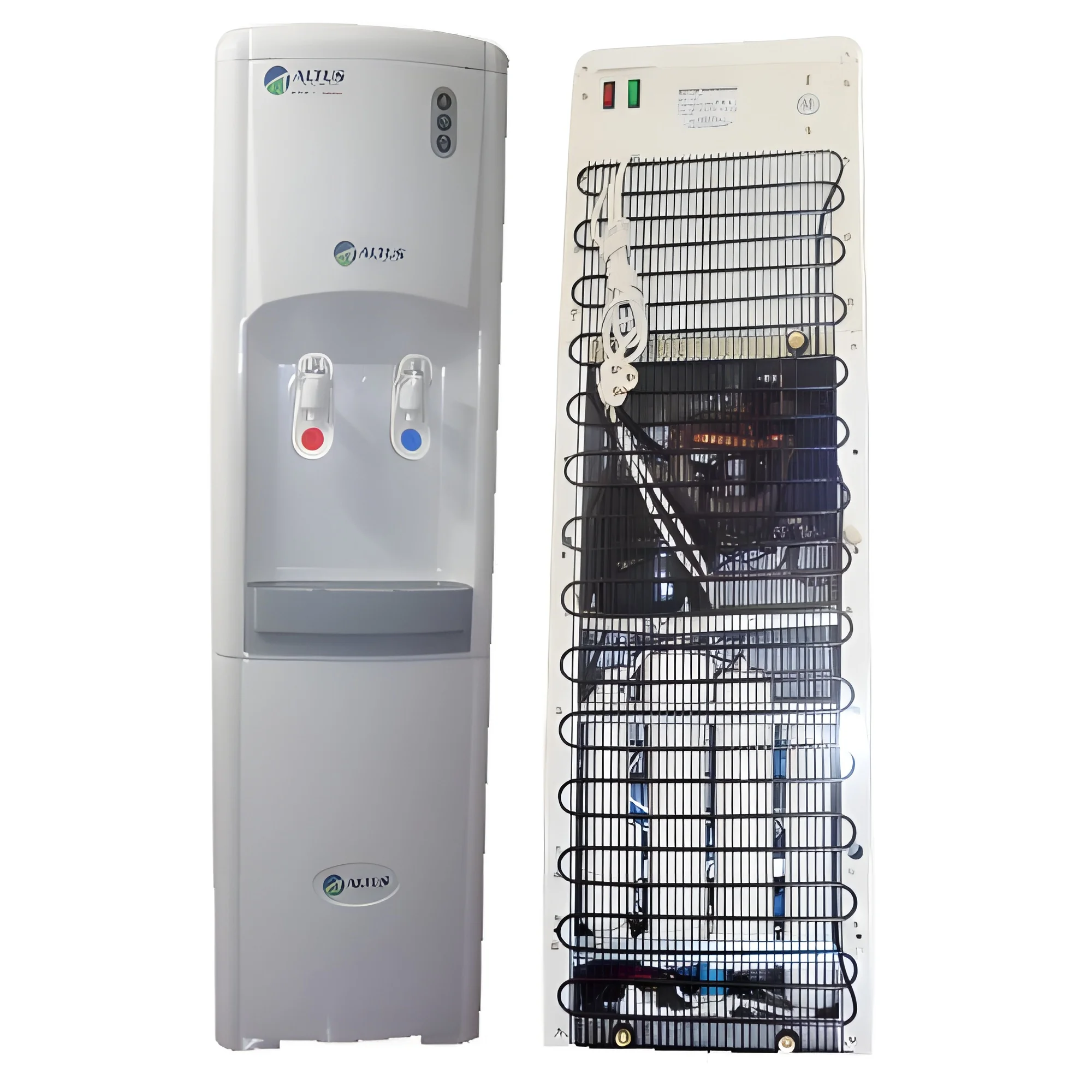
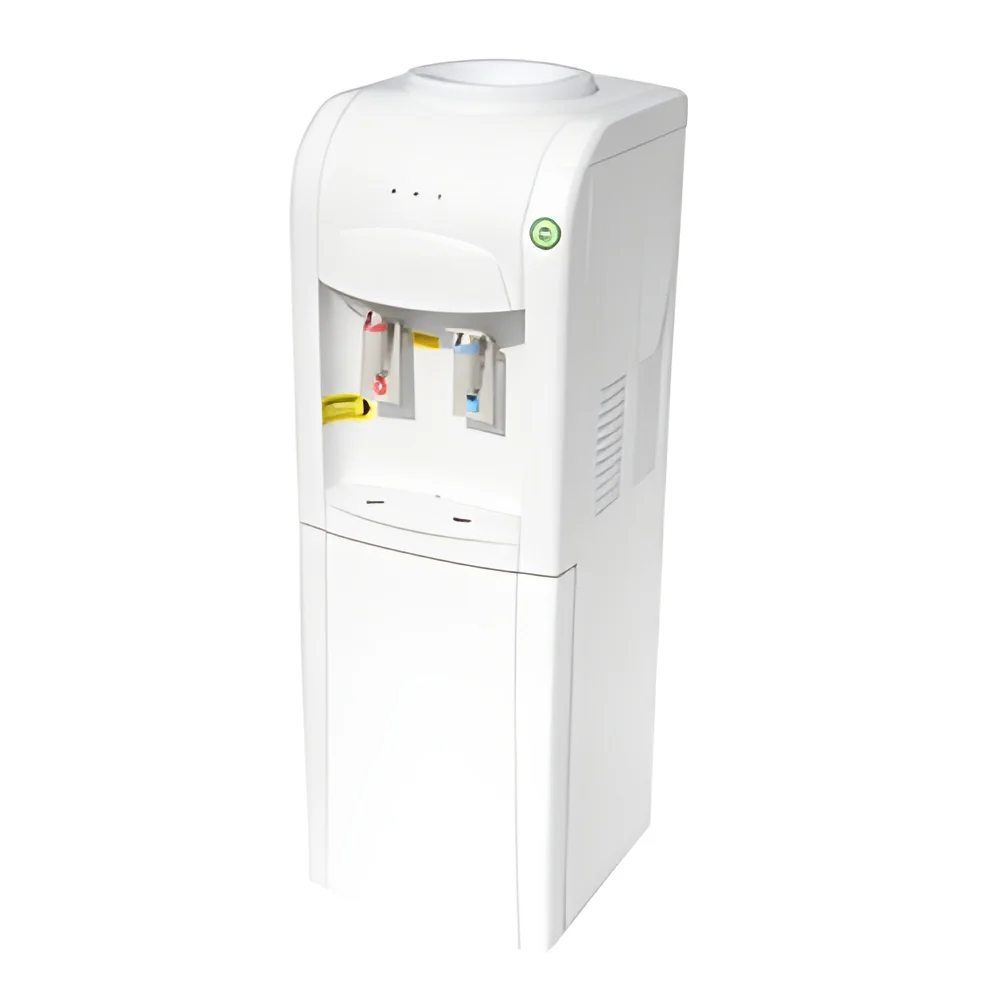
Floor-Standing Water Coolers
Larger models meant for high-traffic areas, these dispensers often have a higher capacity and can dispense both hot and cold water, making them suitable for office and public environments.
Wall-Mounted Water Dispensers
Ideal for areas with minimal floor space, these dispensers are attached to the wall and are often used in schools and staff kitchens.
Bottled Water Dispensers
These units require bottled water and are typically portable. They are perfect for locations without a direct water supply.
Direct-Piped Water Coolers
These coolers connect directly to the water supply, providing an endless supply of filtered water. They are best suited for larger offices or facilities.
Benefits and Advantages
Water dispensers and coolers offer numerous advantages for businesses and organizations.
1. Improved Hydration: Ensures easy access to water, promoting healthier drinking habits among employees and customers.
2. Convenience: Provides instant access to both hot and cold water, catering to diverse needs throughout the day.
3. Cost-Effectiveness: Reduces the need for purchasing bottled water, leading to significant savings over time.
4. Enhanced Workplace Comfort: Contributes to a more comfortable office environment, helping to increase productivity.
5. Eco-Friendly Option: Reduces plastic waste associated with single-use bottled water.
6. Versatile Applications: Suitable for various settings, from offices and schools to healthcare facilities and gyms.
Buying Guide for B2B Buyers
When sourcing water dispensers and coolers, companies should consider several key factors to ensure they select the most suitable product.
1. Quality Assessment: Evaluate the build quality and durability of the units. Look for reputable brands that meet industry standards.
2. Supplier Verification: Vet suppliers to ensure they are reliable and have a track record of providing quality products and services.
3. Pricing and MOQ: Understand the price range and minimum order quantities (MOQ) to find options that fit within budget constraints.
4. Delivery and Lead Times: Inquire about logistics and expected delivery times to ensure timely acquisition of equipment.
5. Compliance Requirements: Check for compliance with local and regional regulations, including health and safety standards.
Compliance and Certifications
Water dispensers and coolers must adhere to various quality standards and certifications to ensure safety and reliability.
ISO 9001 is a widely recognized standard that denotes quality management systems, ensuring that manufacturers maintain consistent quality in their products.
HACCP (Hazard Analysis Critical Control Point) guidelines may apply, particularly for dispensers used in food service and healthcare environments, as they focus on preventing contamination.
CE certification indicates that the product meets European safety and health standards, enhancing marketability in regions requiring such compliance.
Safety and testing requirements should be thoroughly evaluated, ensuring that water dispensers operate safely and efficiently.
Regional compliance considerations may vary, so it is essential to understand local regulations that govern the sale and use of these appliances.
Why Source Water Dispensers & Coolers from Pepagora?
Pepagora provides a trusted platform for sourcing water dispensers and coolers, offering several key advantages to B2B buyers.
Verified Supplier Network: Pepagora partners with a network of verified suppliers, ensuring that buyers have access to high-quality products from reputable manufacturers.
Streamlined RFQ Process: The platform simplifies the request for quotation (RFQ) process, making it easier for buyers to compare prices and features across multiple suppliers.
Trade Assurance and Support: Pepagora offers trade assurance to protect buyers, ensuring that transactions are safe and efficient. Support services are also available to assist with any inquiries.
Regional Coverage: With a strong presence in India, the GCC, and Southeast Asia, Pepagora's geographic reach enables buyers to connect with suppliers in various markets, facilitating better sourcing options.

 IN
IN