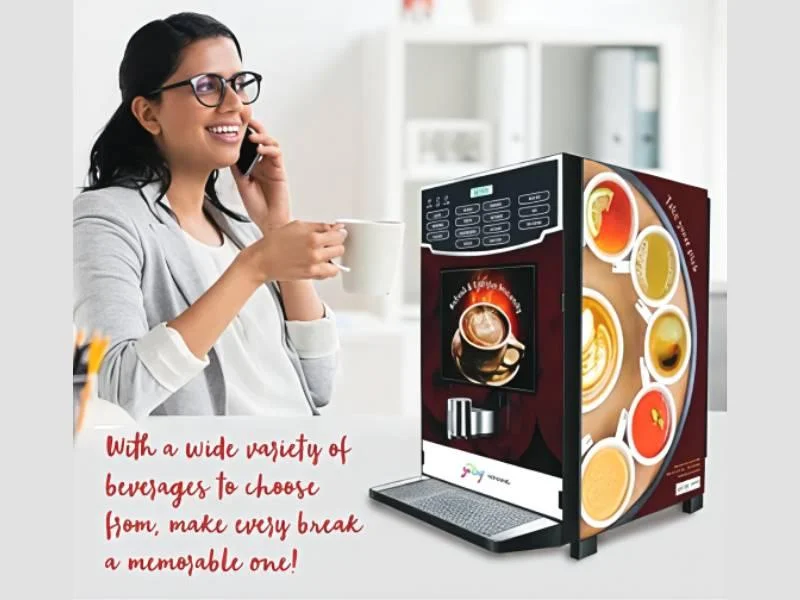
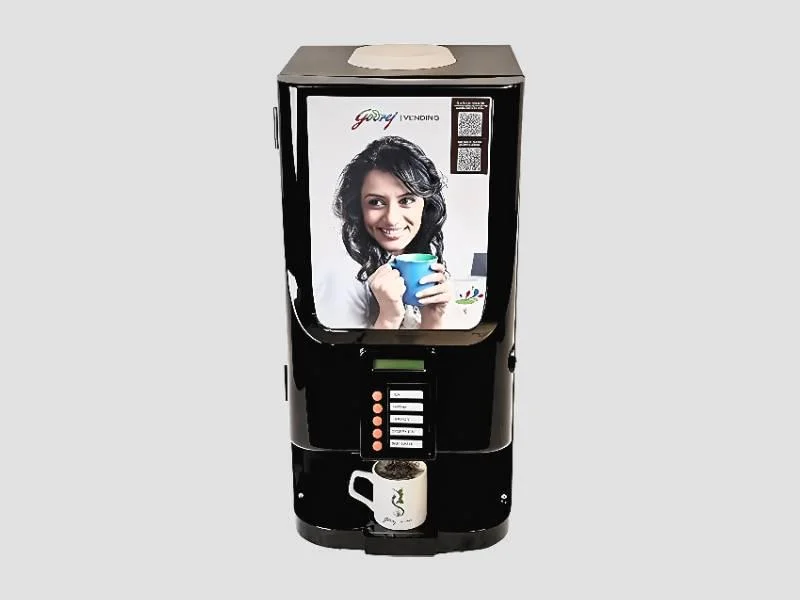
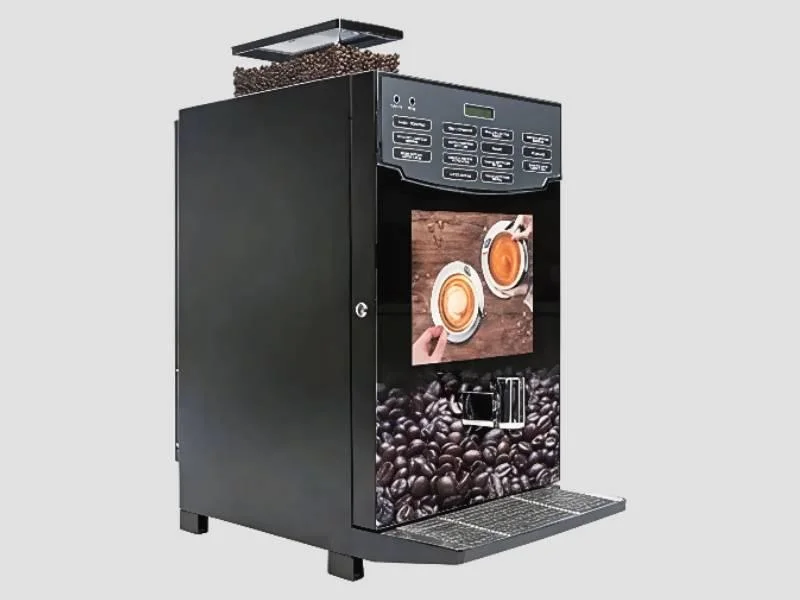
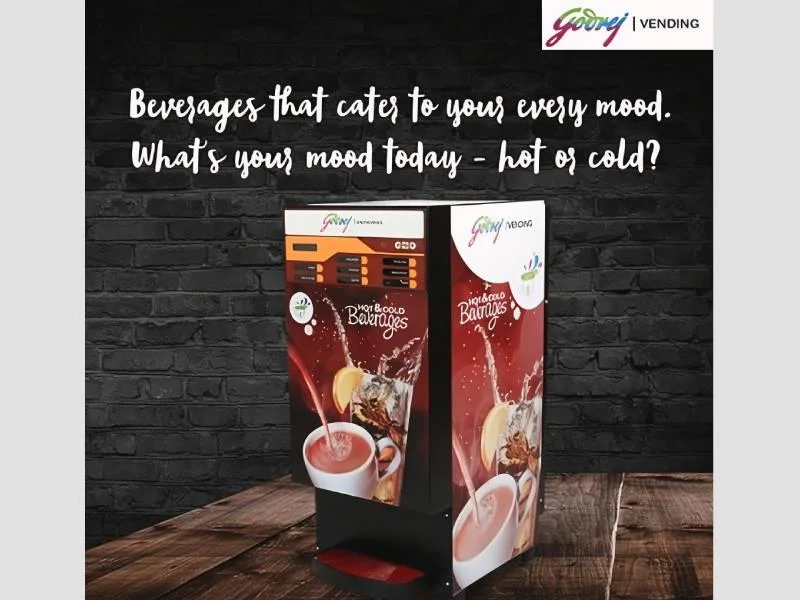
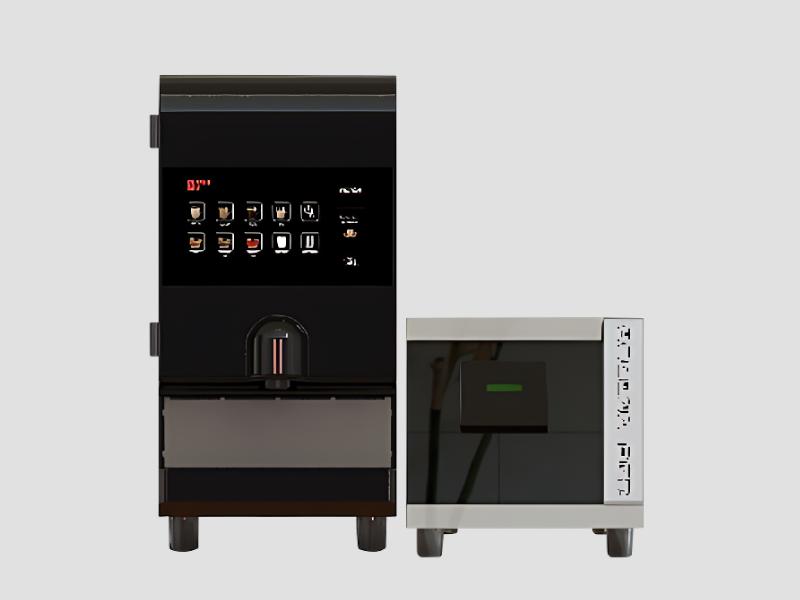
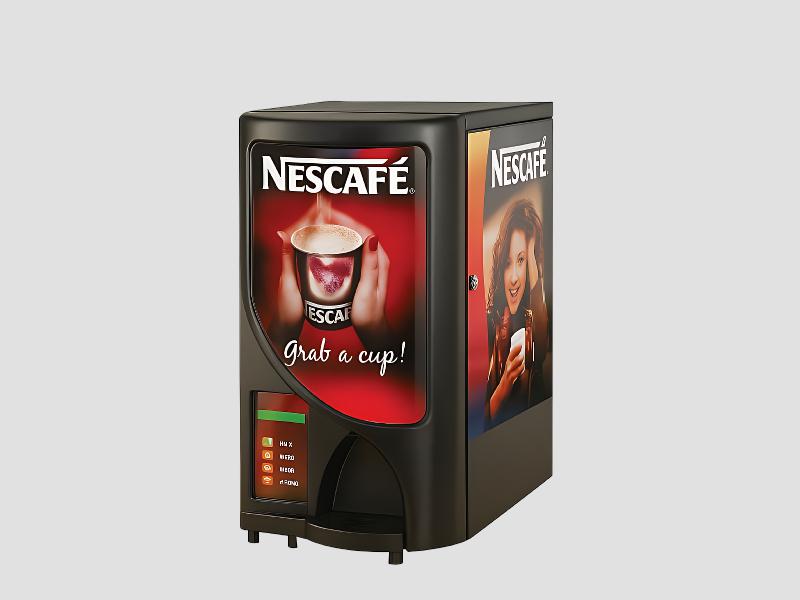
What are Coffee Machines & Accessories?
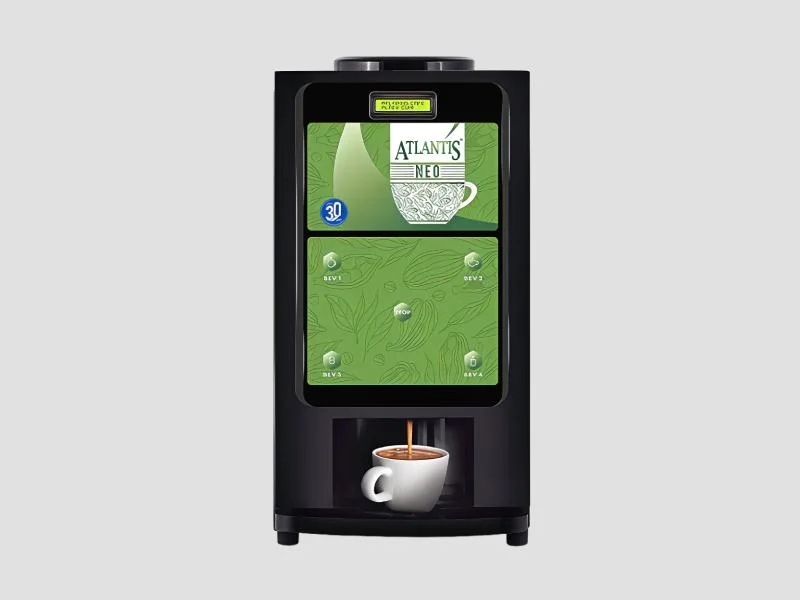
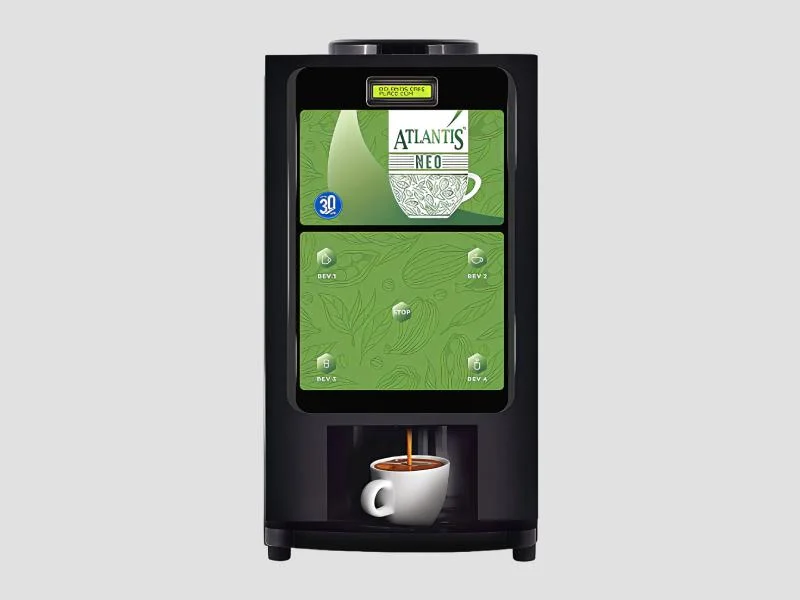
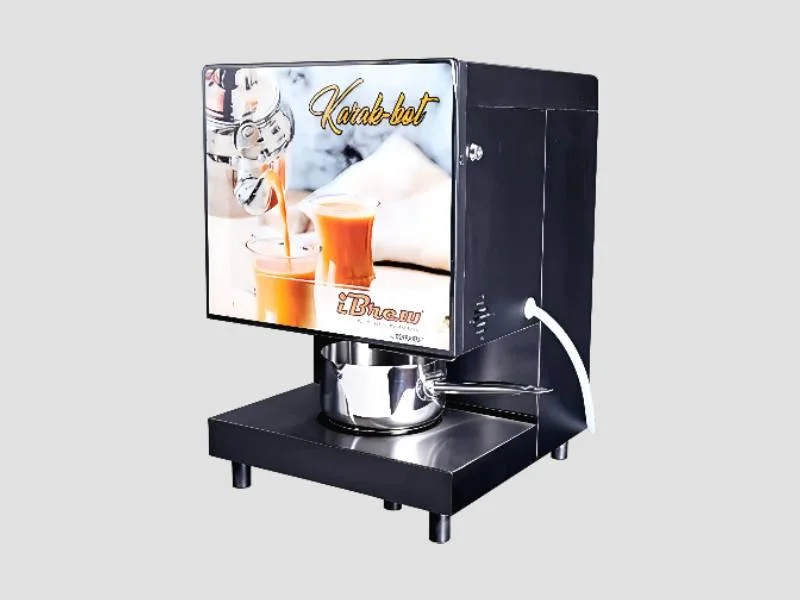
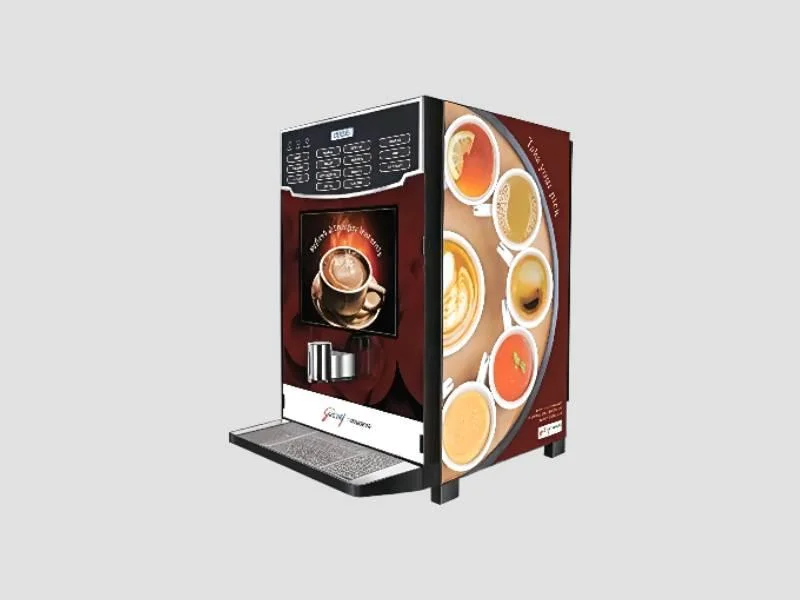
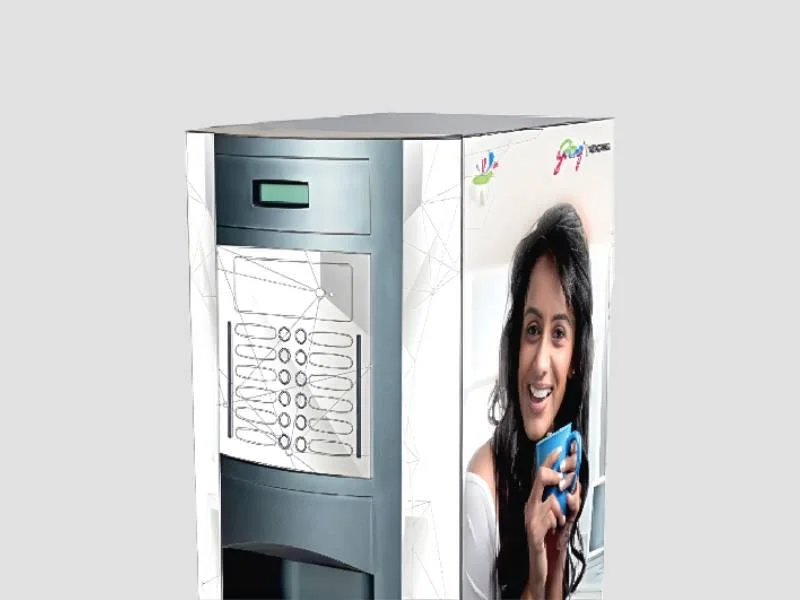
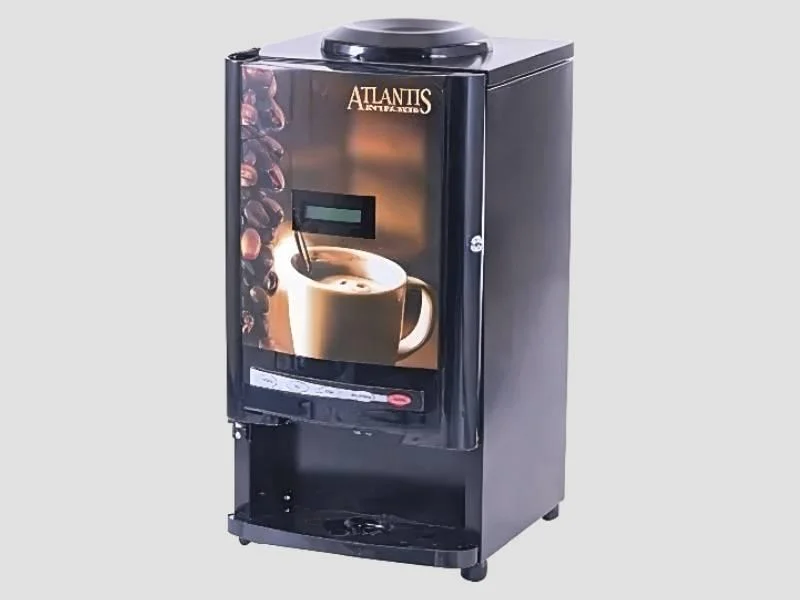
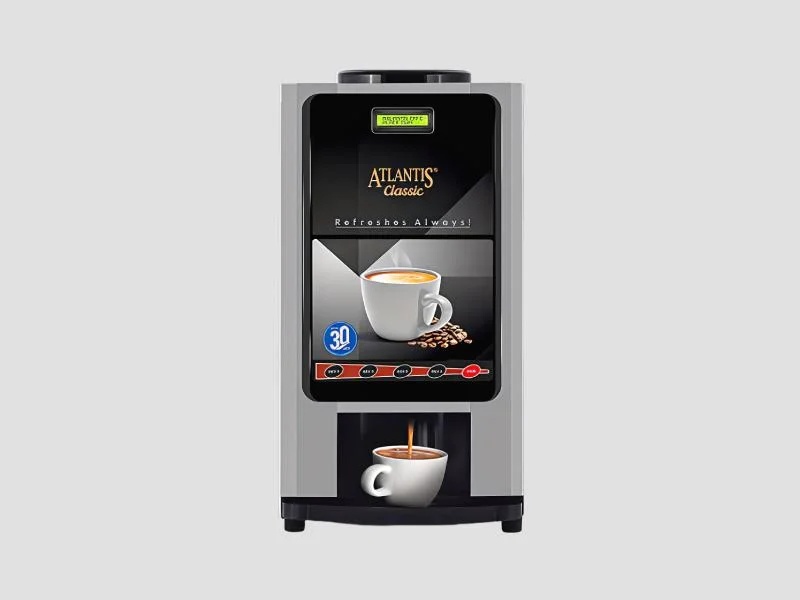
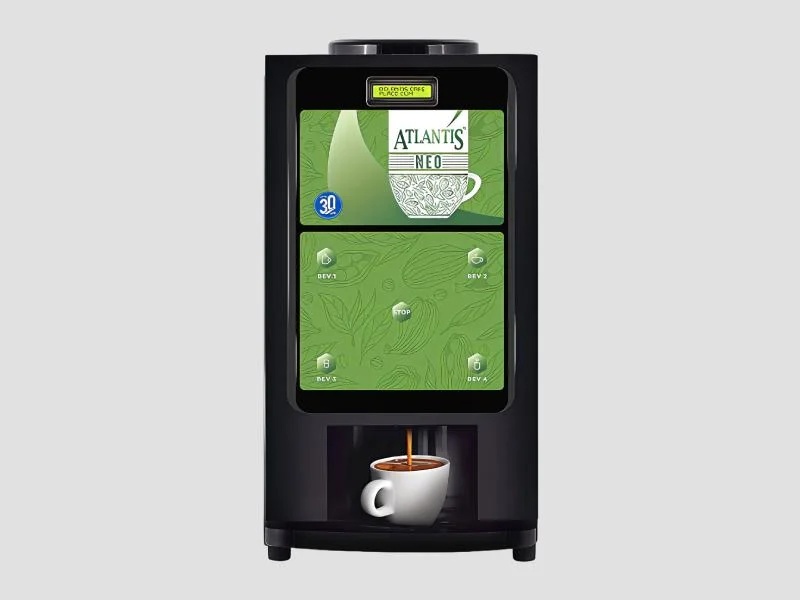
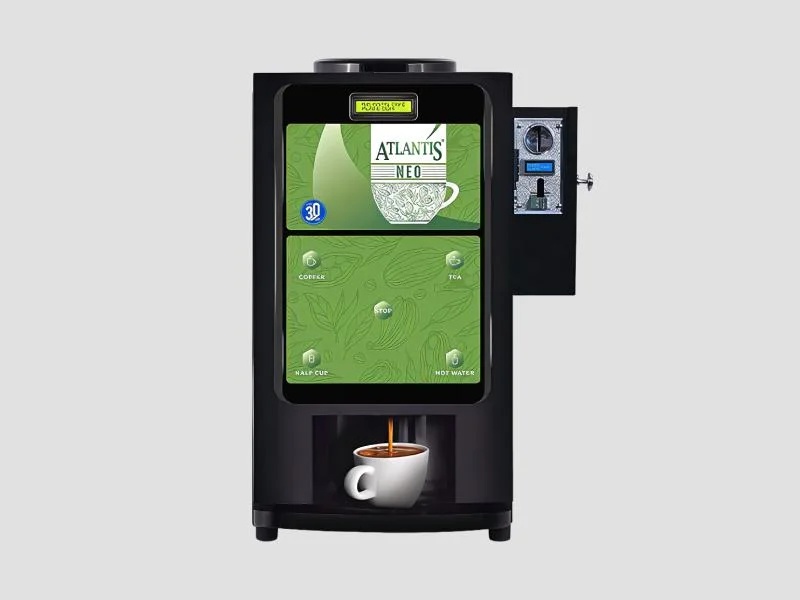
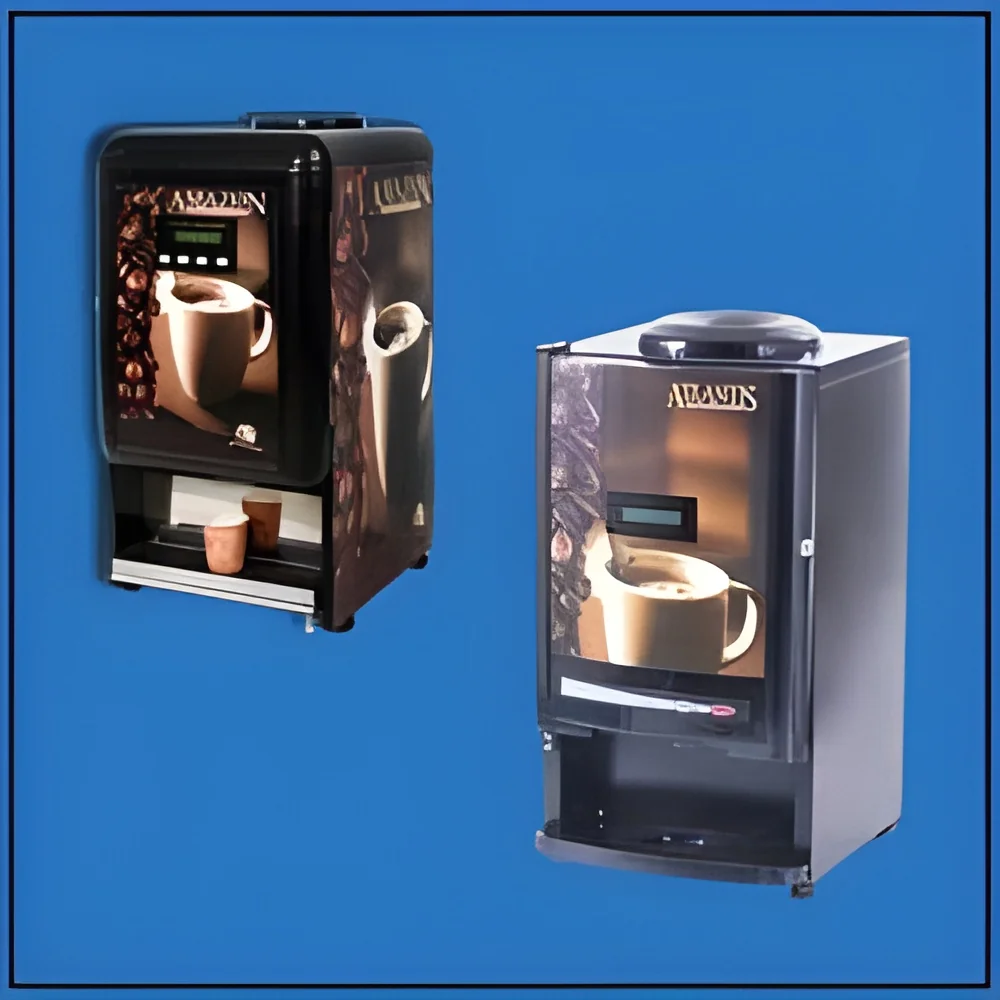
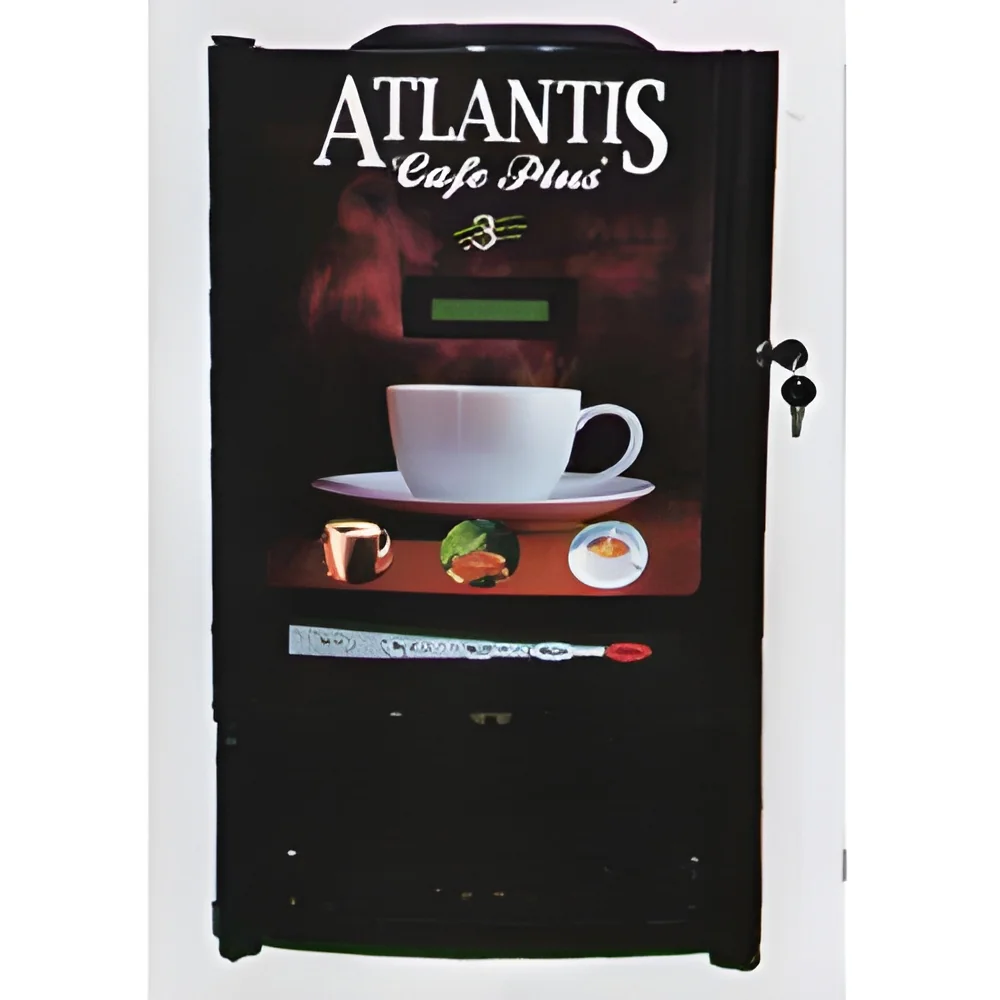
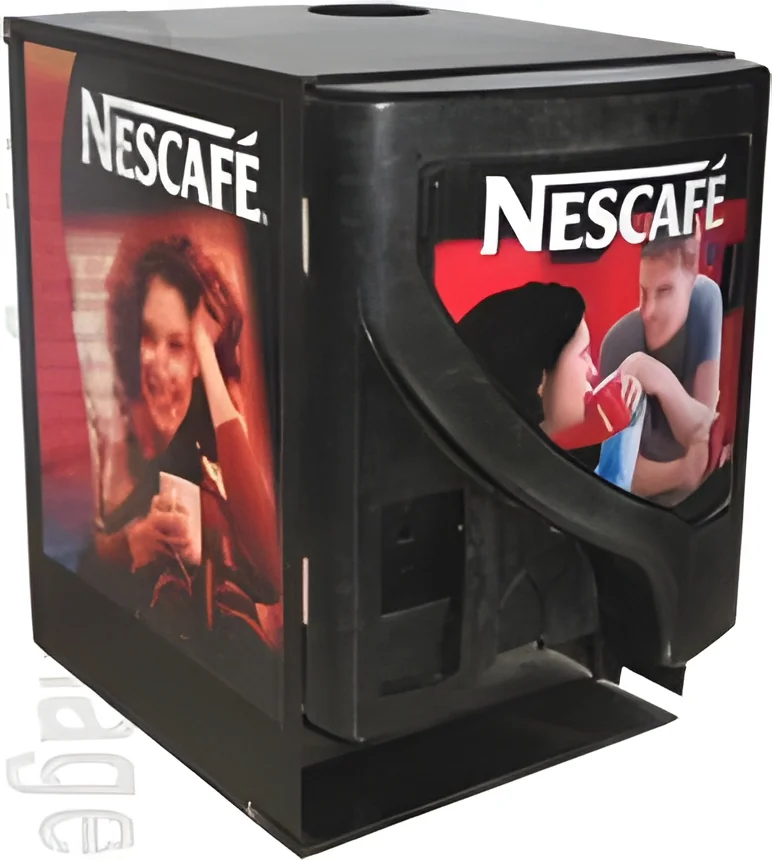
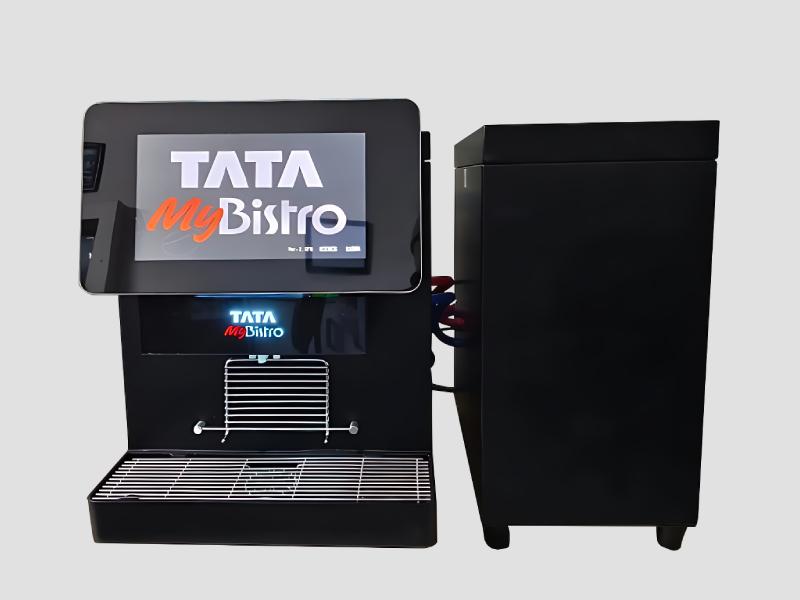
Coffee machines and accessories are essential equipment used for brewing coffee in a variety of settings, including offices, restaurants, and cafes. These machines range from simple drip coffee makers to advanced espresso machines, each designed to meet specific brewing needs. Accessories, such as grinders, milk frothers, and coffee pods, complement the machines and enhance the overall coffee experience. The primary purpose of these products is to provide consistent quality and convenience in coffee preparation.
In business applications, coffee machines and accessories play a critical role in employee satisfaction and customer service. A well-equipped coffee station can boost morale in the workplace and enhance the customer experience in hospitality venues. As the coffee culture continues to grow globally, the demand for high-quality coffee machines and accessories has also increased, making them a vital component in various industries. The market for these products is expanding, driven by innovations in technology and changing consumer preferences.
Key Features and Specifications
Coffee machines and accessories come with a variety of features and specifications that cater to different needs and preferences. Understanding these specifications is crucial for making informed purchasing decisions.
Key specifications include:
1. Brewing Method
- Different machines utilize various brewing methods such as drip, espresso, or French press.
- Each method affects the flavor and strength of the coffee.
2. Capacity
- Machines can vary in capacity, from single-serve options to larger models that brew several cups at a time.
- Capacity is essential for businesses that serve multiple customers or employees.
3. Material
- Construction materials can include stainless steel, plastic, or glass.
- The choice of material can impact durability and maintenance.
4. Power Consumption
- Machines typically range from 800 to 1500 watts.
- Higher wattage often indicates faster brewing times.
5. Temperature Control
- Some machines offer adjustable temperature settings for optimal brewing.
- Maintaining proper temperature is key to extracting flavors effectively.
6. Ease of Cleaning
- Features like removable parts and self-cleaning functions can simplify maintenance.
- Ease of cleaning is crucial in commercial settings to ensure hygiene.
7. Additional Features
- Programmable settings, built-in grinders, and milk frothers enhance usability.
- These features cater to diverse coffee preferences.
In summary, understanding the key specifications helps businesses choose the right coffee machines and accessories that align with their operational needs.
Common Applications and Use Cases
Coffee machines and accessories have diverse applications across various industries.
1. Office Environments: Providing high-quality coffee can enhance employee satisfaction and productivity. Coffee machines in break rooms create a welcoming atmosphere.
2. Hospitality: Restaurants and cafes rely heavily on coffee machines to serve customers. The quality of coffee can significantly influence customer retention and loyalty.
3. Retail: Grocery stores and convenience shops may offer coffee machines for customers to brew fresh coffee on-site, targeting convenience-seeking shoppers.
4. Educational Institutions: Schools and universities may use coffee machines in faculty lounges and student centers, promoting social interaction and relaxation.
5. Events and Catering: Coffee machines are essential for catering services at events to provide guests with quality beverages, enhancing their overall experience.
Product Variants and Subcategories
The diversity of coffee machines and accessories allows businesses to select products that best suit their needs.
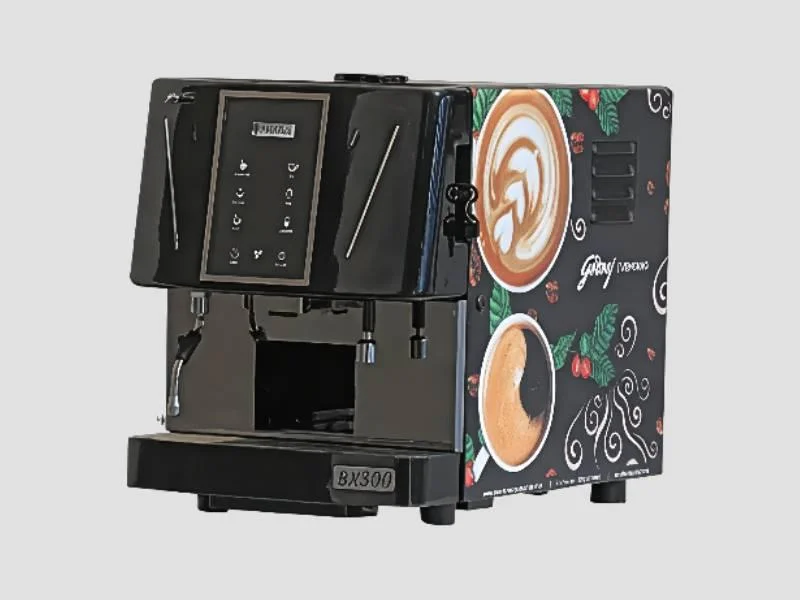
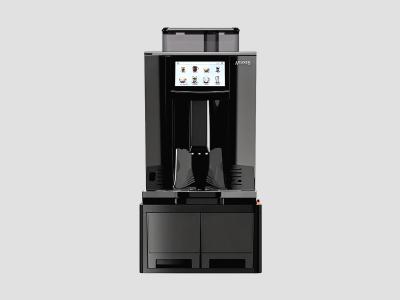
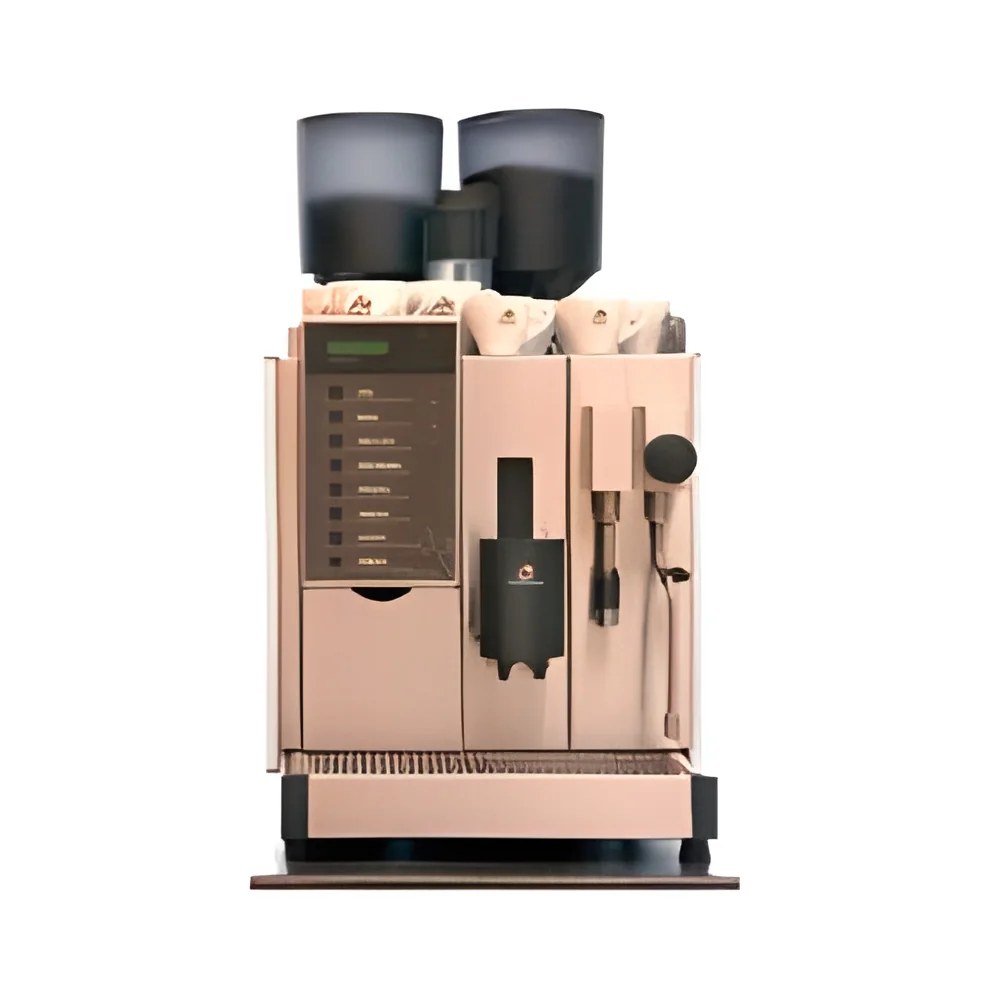
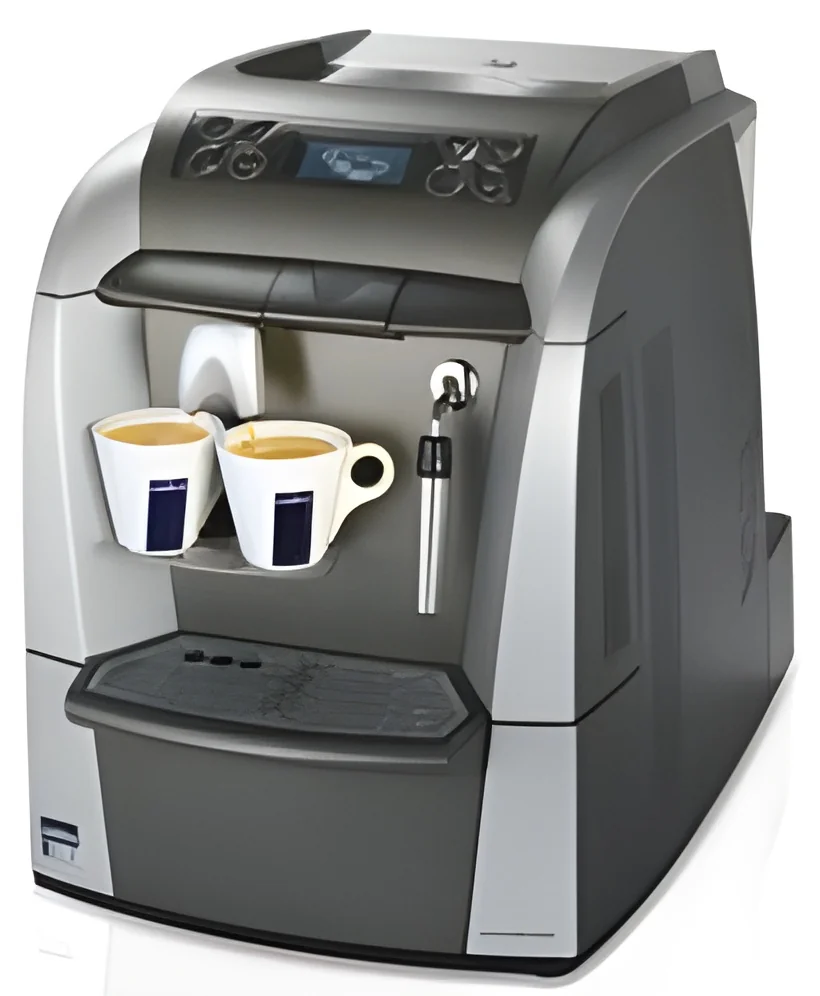
Automatic Espresso Machines: These machines offer convenience and consistency, allowing users to brew espresso with minimal effort. They are ideal for high-volume settings like coffee shops.
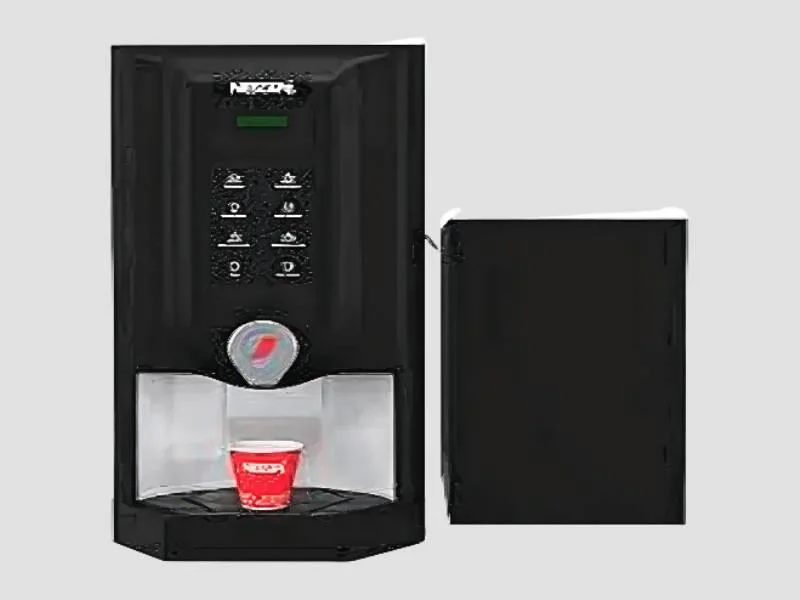
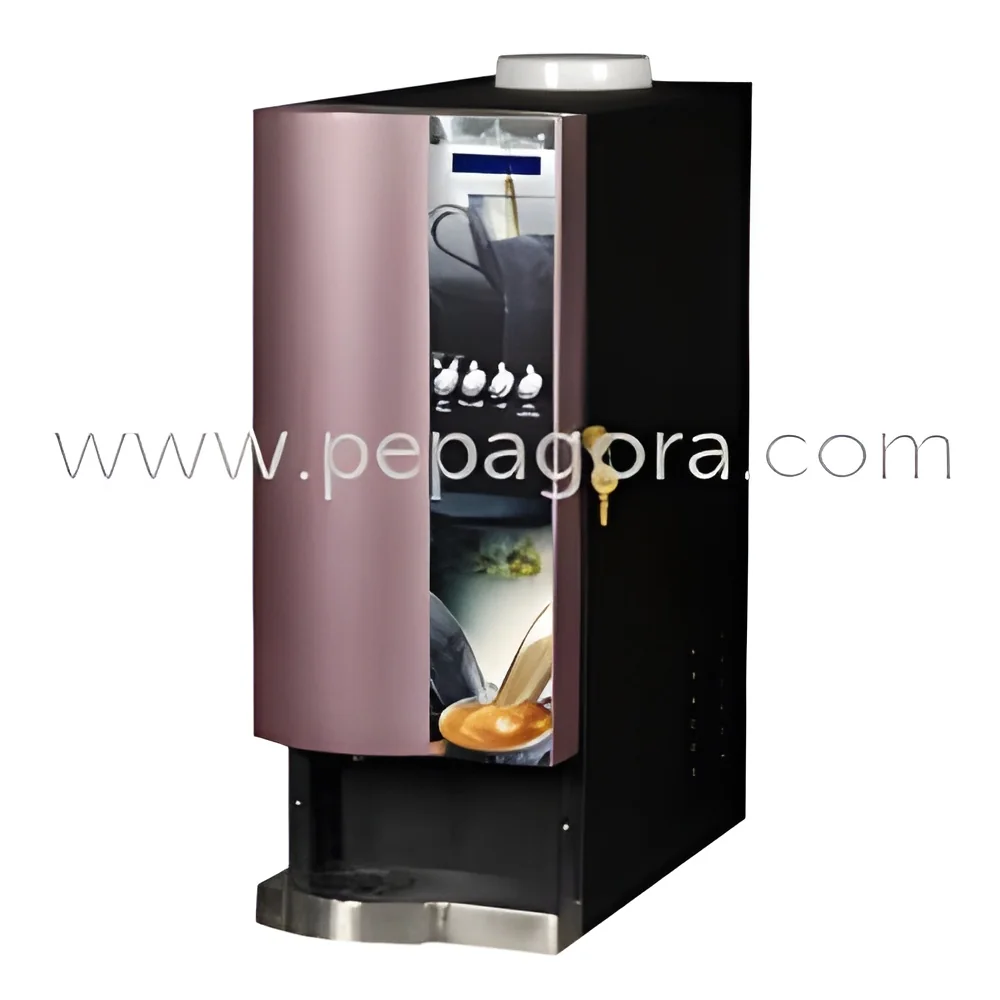
Single-Serve Coffee Makers: Perfect for offices or small spaces, these machines brew one cup at a time using coffee pods. They provide quick and easy options for those with limited time.
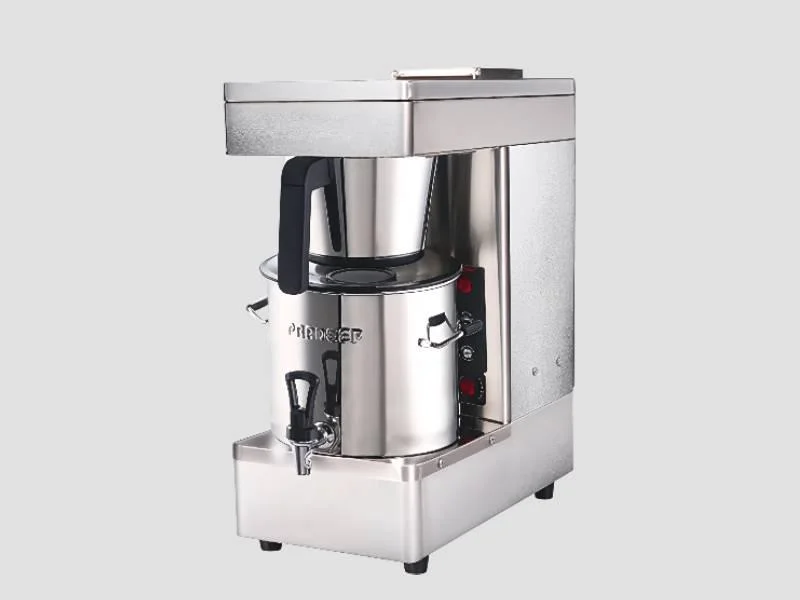
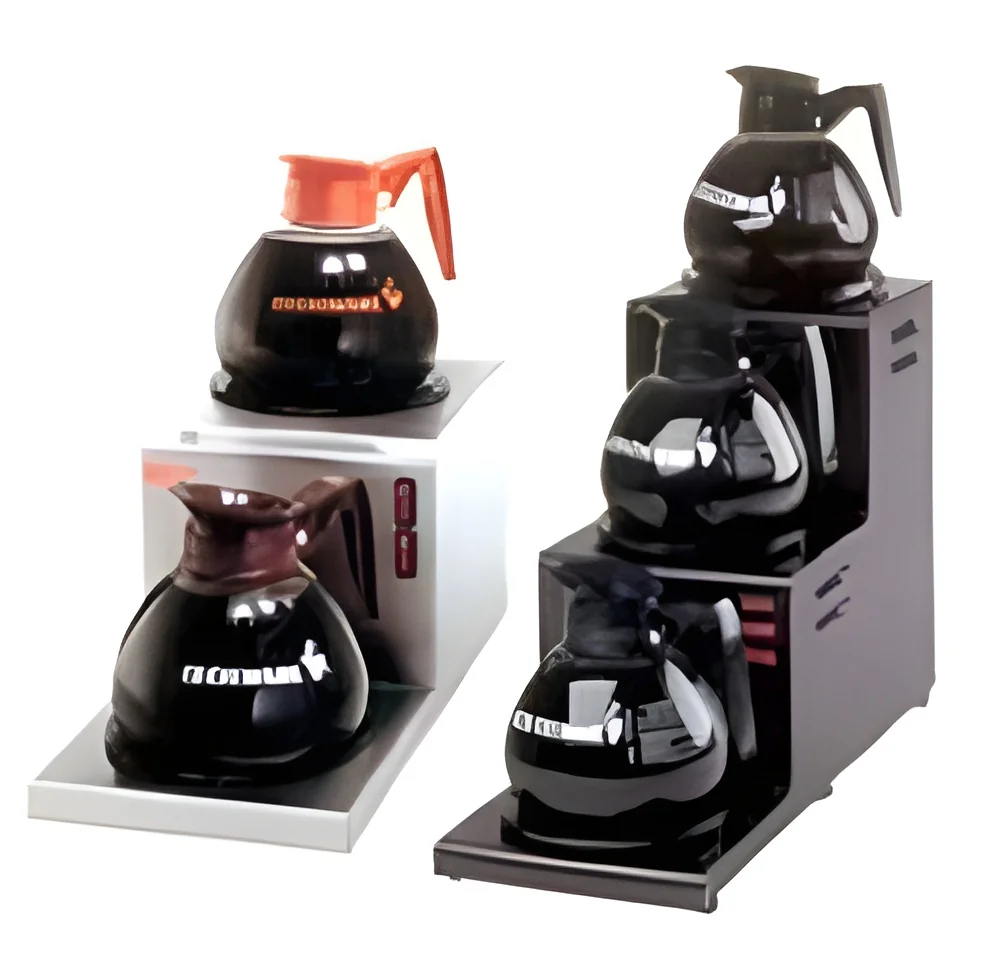
Commercial Drip Coffee Makers: Designed for larger quantities, these machines are common in cafes and restaurants. They brew multiple cups at once and often feature large water reservoirs.
Coffee Grinders: An essential accessory, coffee grinders allow businesses to grind beans fresh for each brew. Freshly ground coffee enhances flavor and aroma.
Benefits and Advantages
Investing in coffee machines and accessories offers numerous benefits to businesses.
1. Improved Employee Morale: Providing quality coffee can enhance workplace satisfaction and foster a positive environment.
2. Customer Attraction: High-quality coffee offerings can attract more customers to cafes and restaurants, increasing foot traffic.
3. Cost Savings: Brewing coffee in-house can reduce costs compared to purchasing ready-made beverages from external vendors.
4. Customization: Coffee machines allow businesses to customize beverages according to customer preferences, enhancing service quality.
5. Efficiency: Modern machines often come with features that streamline the brewing process, saving time for employees and customers alike.
6. Versatility: Various machines and accessories cater to different coffee styles, allowing businesses to serve a broader range of customers.
Buying Guide for B2B Buyers
When sourcing coffee machines and accessories, it is essential for buyers to evaluate several factors to ensure they make informed decisions.
1. Quality Assessment: Look for machines built with durable materials and reputable brands. Reviews and testimonials can provide insights into performance and reliability.
2. Supplier Verification: Vet suppliers by checking their credentials and customer feedback. A trustworthy supplier ensures product quality and after-sales support.
3. Pricing and MOQ: Understand the pricing structure and minimum order quantities. Compare costs among suppliers to find the best value for your investment.
4. Delivery and Lead Times: Consider logistics and delivery schedules. Reliable suppliers should provide clear timelines for order fulfillment.
5. Compliance Requirements: Ensure products meet industry standards and regulations, such as safety certifications, to avoid legal issues.
Compliance and Certifications
Compliance with industry standards and certifications is crucial for coffee machines and accessories. Relevant quality standards, such as ISO 9001, ensure consistent quality management practices. Additionally, HACCP (Hazard Analysis and Critical Control Points) is vital for food safety, particularly in commercial environments where hygiene is paramount.
Certification like CE indicates that products meet European safety and environmental requirements. This certification is significant for businesses looking to import equipment from international suppliers.
Safety and testing requirements must also be adhered to, ensuring that machines operate efficiently without posing risks to users. Regional compliance considerations may vary, so it is important for businesses to stay informed about local regulations affecting their operations.
Why Source Coffee Machines & Accessories from Pepagora?
Pepagora offers a trusted platform for sourcing coffee machines and accessories, providing numerous advantages for B2B buyers.
Verified Supplier Network: Pepagora ensures that all suppliers are thoroughly vetted, providing buyers with confidence in the quality of products and services offered. This verification process helps prevent issues related to supplier reliability.
Streamlined RFQ Process: The Request for Quotation (RFQ) system simplifies the procurement process by allowing buyers to easily compare quotes from multiple suppliers. This efficiency saves time and helps secure the best pricing.
Trade Assurance and Support: Buyers are protected through trade assurance policies that ensure orders are fulfilled as promised. This support is critical for building trust between buyers and suppliers.
Regional Coverage: Pepagora has a wide geographic reach, covering markets in India, GCC, and Southeast Asia. This extensive network allows buyers to access diverse suppliers and products, catering to a variety of business needs.

 IN
IN