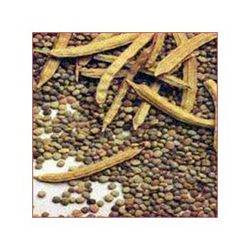
𝗪𝗵𝗮𝘁 𝗮𝗿𝗲 𝗗𝗶𝗮𝗯𝗲𝘁𝗶𝗰-𝗙𝗿𝗶𝗲𝗻𝗱𝗹𝘆 𝗙𝗼𝗼𝗱𝘀?
Diabetic-friendly foods are specially formulated products designed to help individuals manage their blood sugar levels while still enjoying a variety of flavors. These food items are typically low in carbohydrates and sugars, making them suitable for people with diabetes or those looking to maintain a healthy diet. They often include whole grains, high-fiber ingredients, and natural sweeteners, which contribute to stable glucose levels and overall health.
In the B2B context, diabetic-friendly foods are increasingly used in healthcare facilities, restaurants, and catering services that aim to provide healthier meal options. Businesses catering to diabetic individuals can enhance their offerings by incorporating these foods into their menus or product lines. The growing awareness of diabetes and related health issues has made diabetic-friendly foods a relevant and essential segment within the food industry.
With the rising prevalence of diabetes globally, the market for diabetic-friendly foods continues to expand. Companies that focus on producing and supplying these foods play a crucial role in promoting healthier eating habits and improving the quality of life for those affected by diabetes. This trend is not only beneficial for consumers but also presents lucrative opportunities for businesses in the food production and retail sectors.
𝗞𝗲𝘆 𝗙𝗲𝗮𝘁𝘂𝗿𝗲𝘀 𝗮𝗻𝗱 𝗦𝗽𝗲𝗰𝗶𝗳𝗶𝗰𝗮𝘁𝗶𝗼𝗻𝘀
Diabetic-friendly foods come with specific features and specifications that cater to the dietary needs of individuals with diabetes. These specifications ensure that the products are safe, effective, and enjoyable for consumers.
Key specifications include:
1. Low Glycemic Index
- Foods with a low glycemic index help maintain stable blood sugar levels.
- Typically rated below 55 on the glycemic index scale.
2. High Fiber Content
- Increased fiber helps regulate blood sugar and improves digestion.
- Recommended fiber content is usually above 5 grams per serving.
3. Reduced Sugar Levels
- Formulated with minimal added sugars or natural sweeteners.
- Sugar content should generally be below 5 grams per serving.
4. Whole Grain Ingredients
- Incorporation of whole grains promotes better blood sugar control.
- Whole grain content is typically above 30% in formulations.
5. Nutrient Density
- High in essential vitamins and minerals for overall health.
- Products should meet specific nutritional profiles to qualify as diabetic-friendly.
6. Portion Control
- Packaging often includes pre-measured servings to assist with portion control.
- Suggested servings typically range from 100 to 200 calories.
7. Allergen Information
- Clear labeling of allergens to ensure safety for consumers.
- Must include common allergens like gluten, nuts, or dairy if present.
8. Shelf Stability
- Designed for extended shelf life without compromising quality.
- Should be able to maintain freshness for a minimum of 6 months.
These specifications are crucial for ensuring that diabetic-friendly foods provide the intended health benefits while being palatable and practical for consumers.
𝗖𝗼𝗺𝗺𝗼𝗻 𝗔𝗽𝗽𝗹𝗶𝗰𝗮𝘁𝗶𝗼𝗻𝘀 𝗮𝗻𝗱 𝗨𝘀𝗲 𝗖𝗮𝘀𝗲𝘀
Diabetic-friendly foods find applications across various industries, catering to the needs of individuals managing diabetes.
1. Healthcare: Hospitals and clinics use diabetic-friendly foods in patient meal plans to promote recovery and manage diabetes.
2. Food Service: Restaurants and catering companies incorporate these foods into their menus to attract health-conscious customers.
3. Retail: Grocery stores and online platforms offer diabetic-friendly products, providing options for consumers seeking healthier choices.
4. Meal Delivery Services: Companies specializing in meal prep and delivery use diabetic-friendly foods to create balanced meal plans for clients.
5. Weight Management Programs: Fitness and wellness programs utilize these foods to help participants achieve their health goals while managing blood sugar.
6. Senior Care Facilities: Nursing homes and assisted living centers provide diabetic-friendly meals to ensure residents' health and well-being.
7. Educational Institutions: Schools and universities are beginning to adopt diabetic-friendly options in their cafeterias to support student health.
𝗣𝗿𝗼𝗱𝘂𝗰𝘁 𝗩𝗮𝗿𝗶𝗮𝗻𝘁𝘀 𝗮𝗻𝗱 𝗦𝘂𝗯𝗰𝗮𝘁𝗲𝗴𝗼𝗿𝗶𝗲𝘀
Diabetic-friendly foods encompass a diverse range of products tailored to meet various dietary preferences and needs.
Snack Bars: These convenient, portable bars are low in sugar and high in fiber, making them an ideal choice for on-the-go snacking. They often come in a variety of flavors to appeal to different tastes.
Breads and Bakery Products: Specialized breads made from whole grains and low-carb ingredients offer a satisfying alternative to traditional baked goods, allowing individuals to enjoy sandwiches and toast without compromising their health.
Frozen Meals: Ready-to-eat frozen meals are designed for convenience and balanced nutrition. These meals typically feature lean proteins, vegetables, and whole grains, providing a complete meal option for busy individuals.
Beverages: Diabetic-friendly drinks, including flavored waters and low-sugar teas, are formulated to provide hydration without added sugars. These beverages often include natural flavorings and are a great alternative to sugary sodas.
𝗕𝗲𝗻𝗲𝗳𝗶𝘁𝘀 𝗮𝗻𝗱 𝗔𝗱𝘃𝗮𝗻𝘁𝗮𝗴𝗲𝘀
Diabetic-friendly foods offer numerous benefits that contribute to better health management for individuals with diabetes.
1. Blood Sugar Control: These foods are formulated to help maintain stable blood sugar levels, reducing the risk of spikes and crashes.
2. Weight Management: Many diabetic-friendly products are lower in calories and carbohydrates, aiding in weight control and promoting healthy eating habits.
3. Nutritional Support: They provide essential nutrients, vitamins, and minerals that support overall health and well-being.
4. Convenience: Ready-to-eat options and easy-to-prepare meals make it simpler for individuals to adhere to their dietary plans.
5. Variety: A wide range of flavors and product types ensures that consumers can enjoy diverse meals and snacks without feeling restricted.
6. Enhanced Quality of Life: By providing healthier options, these foods contribute to a better quality of life for those managing diabetes.
𝗕𝘂𝘆𝗶𝗻𝗴 𝗚𝘂𝗶𝗱𝗲 𝗳𝗼𝗿 𝗕𝟮𝗕 𝗕𝘂𝘆𝗲𝗿𝘀
When sourcing diabetic-friendly foods, businesses should consider several key factors to ensure they select the right products for their customers.
1. Quality Assessment: Evaluate the quality of ingredients and nutritional content. Look for products with certifications and transparent labeling to ensure they meet health standards.
2. Supplier Verification: Vet potential suppliers by checking their reputation, certifications, and track records in the diabetic-friendly food market.
3. Pricing and MOQ: Consider the price point and minimum order quantities to ensure that sourcing aligns with budget constraints and demand forecasts.
4. Delivery and Lead Times: Assess the logistics of delivery times and reliability to ensure consistent availability of products.
5. Compliance Requirements: Be aware of regulatory requirements for food products, including safety standards and labeling regulations that apply to diabetic-friendly foods.
𝗖𝗼𝗺𝗽𝗹𝗶𝗮𝗻𝗰𝗲 𝗮𝗻𝗱 𝗖𝗲𝗿𝘁𝗶𝗳𝗶𝗰𝗮𝘁𝗶𝗼𝗻𝘀
Compliance and certifications are critical aspects of ensuring the safety and quality of diabetic-friendly foods.
Relevant quality standards, such as ISO 9001, focus on quality management systems that ensure consistent product quality. Additionally, HACCP (Hazard Analysis Critical Control Point) guidelines help identify potential food safety hazards and implement controls.
Industry certifications, such as CE marking, indicate that products meet European health and safety standards, which can enhance marketability.
Safety and testing requirements are essential to ensure that diabetic-friendly foods are free from contaminants and meet nutritional claims. Regular testing for allergens and nutritional content is vital for consumer safety.
Regional compliance considerations may vary, with specific regulations in different countries that govern food labeling and health claims. Businesses must stay informed about these requirements to maintain compliance.
𝗪𝗵𝘆 𝗦𝗼𝘂𝗿𝗰𝗲 𝗗𝗶𝗮𝗯𝗲𝘁𝗶𝗰-𝗙𝗿𝗶𝗲𝗻𝗱𝗹𝘆 𝗙𝗼𝗼𝗱𝘀 𝗳𝗿𝗼𝗺 𝗣𝗲𝗽𝗮𝗴𝗼𝗿𝗮?
Pepagora provides a trusted platform for sourcing diabetic-friendly foods, offering several key advantages for B2B buyers.
Verified Supplier Network: Pepagora maintains a rigorous vetting process for suppliers, ensuring that only reputable and quality-focused manufacturers are featured. This builds confidence in the sourcing process and promotes reliable partnerships.
Streamlined RFQ Process: The request for quotation system on Pepagora allows buyers to easily compare prices and terms from multiple suppliers, making it simpler to find the best deals and options available.
Trade Assurance and Support: Pepagora offers trade assurance, providing buyers with protection during transactions. This support helps mitigate risks associated with sourcing and ensures a smoother purchasing experience.
Regional Coverage: With a strong presence in India, the GCC, and Southeast Asia, Pepagora offers extensive geographic reach, enabling businesses to access a wide market for diabetic-friendly foods. This regional focus allows for tailored support and insights into local trends and demands.

 IN
IN