
 IN
IN₹
Apparel & Fashion
Dairy Cattle Feed
23 products available
What are Dairy Cattle Feed?
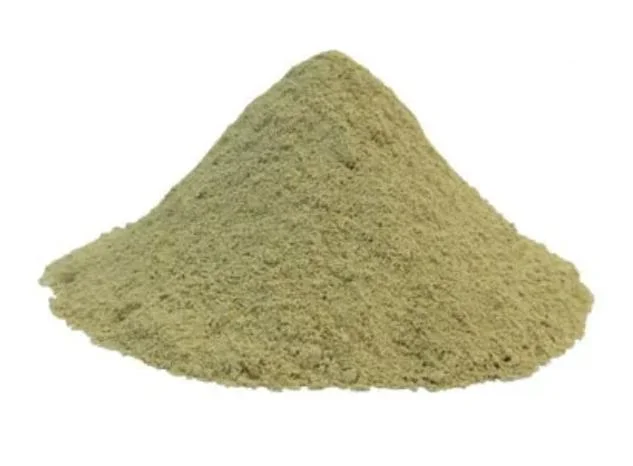
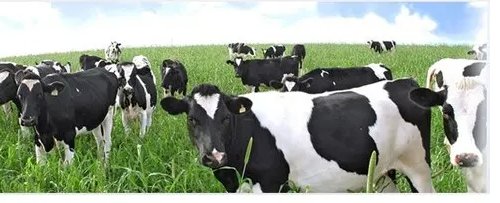
Dairy cattle feed refers to the specialized nutrition formulated for dairy cows to support their health, productivity, and milk production. This feed typically comprises a mix of grains, protein sources, vitamins, and minerals tailored to meet the dietary needs of lactating and non-lactating cows. The formulation can vary based on factors such as the stage of lactation, age, and health status of the cattle.
The primary uses of dairy cattle feed are to enhance milk yield, ensure animal health, and improve feed efficiency. It plays a crucial role in dairy farming operations by providing the necessary nutrients that promote optimal growth, reproduction, and overall well-being of the herd. Given the competitive nature of the dairy industry, maintaining a high-quality feed regimen is essential for farmers looking to maximize productivity and profitability.
In the current market context, the demand for dairy cattle feed has been rising due to an increase in global milk consumption. As farmers seek to enhance the quality and quantity of their milk production, the industry is witnessing advancements in feed formulations and nutritional science. This trend is further supported by a growing emphasis on animal welfare and sustainable farming practices.
Key Features and Specifications
Dairy cattle feed is characterized by several features that enhance its effectiveness in promoting the health and productivity of dairy cows. These specifications ensure that the feed meets the nutritional requirements of the cattle.
Key specifications include:
1. Nutritional Composition
- A balanced mix of carbohydrates, proteins, fats, vitamins, and minerals
- Typically includes specified percentages of each nutrient to optimize health
2. Fiber Content
- Essential for proper digestion and rumen health
- Generally ranges from 25% to 35% to support fiber digestion
3. Protein Sources
- Includes both rumen degradable protein and bypass protein
- Protein levels can range from 14% to 20% depending on the formulation
4. Energy Density
- Important for high-producing dairy cows to meet energy requirements
- Energy levels are often measured in megacalories (Mcal) per kilogram
5. Additives and Supplements
- May contain probiotics, prebiotics, and other health-promoting additives
- Designed to support gut health and overall immunity
6. Palatability
- Formulated to be appealing to cattle to encourage consumption
- Important for ensuring that cows receive adequate nutrition
7. Safety Standards
- Must adhere to safety regulations to prevent contamination and ensure quality
- Includes testing for mycotoxins and pathogens
8. Packaging and Storage
- Available in various packaging options for ease of handling
- Proper storage conditions are recommended to maintain freshness and quality
In summary, dairy cattle feed is a carefully formulated product designed to meet the specific nutritional needs of dairy cows. Its key features ensure that farmers can provide optimal nutrition to enhance milk production and overall herd health.
Common Applications and Use Cases
Dairy cattle feed serves a wide range of industries and applications, making it a vital component of the agricultural sector.
1. Dairy Farms: Dairy cattle feed is primarily used on dairy farms to support lactating cows during the milking phase, ensuring optimal milk yield and quality.
2. Livestock Feed Manufacturers: Manufacturers of livestock feed incorporate dairy cattle feed into their product lines to create balanced rations for various livestock.
3. Veterinary Practices: Veterinarians may recommend specific dairy cattle feed formulations to support health and recovery in dairy cows.
4. Dairy Cooperatives: These organizations often bulk purchase dairy cattle feed for distribution to member farms, ensuring consistent quality and pricing.
5. Research Institutions: Agricultural research centers utilize dairy cattle feed in studies to investigate the effects of nutrition on milk production and animal health.
6. Agricultural Supply Stores: Retailers sell dairy cattle feed to local farmers, providing access to various formulations and brands.
7. Organic Dairy Farms: Organic dairy operations require specific organic-certified feeds to comply with organic farming standards.
Product Variants and Subcategories
Dairy cattle feed comes in various formulations to cater to different needs and preferences within the industry. This diversity allows farmers to select the best option for their specific herd requirements.
High-Protein Dairy Feed
This variant is formulated to provide an elevated protein level, ideal for high-yielding lactating cows. It supports increased milk production and is often enriched with essential amino acids.
Energy-Dense Dairy Feed
Designed for cows with high energy needs, this feed variant includes higher carbohydrate content to meet the energy demands of lactating and pregnant cows. It ensures that cows maintain their body condition and productivity.
Calcium-Rich Dairy Feed
This formulation is specifically designed to support bone health and milk production. It is particularly beneficial for lactating cows, providing additional calcium to prevent metabolic disorders.
Benefits and Advantages
Dairy cattle feed offers numerous advantages that contribute to the overall success of dairy farming operations.
Key benefits include:
1. Improved Milk Production: Nutritionally balanced feed helps maximize milk yield, leading to increased profitability for dairy farmers.
2. Enhanced Cow Health: Quality feed contributes to better health and well-being of dairy cows, reducing veterinary costs and improving herd longevity.
3. Optimal Growth: Proper nutrition supports the growth and development of young stock, ensuring a healthy future herd.
4. Increased Feed Efficiency: High-quality formulations improve the conversion of feed into milk, making operations more cost-effective.
5. Customizable Options: Farmers can choose from a variety of formulations to meet the specific nutritional needs of their cows.
6. Compliance with Standards: Quality dairy cattle feed adheres to industry regulations, ensuring safe and healthy products for consumers.
Buying Guide for B2B Buyers
When sourcing dairy cattle feed, B2B buyers should consider several key factors to ensure they make informed purchasing decisions.
1. Quality Assessment: Evaluate the nutritional composition and ingredient quality of the feed. Look for suppliers that provide detailed information on the feed formulation and quality control measures.
2. Supplier Verification: Vet potential suppliers to ensure they have a reliable reputation and adhere to industry standards. Request references and check certifications to confirm their credibility.
3. Pricing and MOQ: Understand the pricing structure and minimum order quantities (MOQ) required by suppliers. Compare prices among different vendors to find competitive options.
4. Delivery and Lead Times: Consider logistics and delivery schedules. Ensure that suppliers can meet your timeline for receiving the feed without delays.
5. Compliance Requirements: Be aware of any regulatory requirements for dairy cattle feed in your region. This includes understanding labeling, safety standards, and documentation needed for legal compliance.
Compliance and Certifications
Dairy cattle feed must adhere to various compliance and certification standards to ensure quality and safety. These standards are crucial for maintaining consumer trust and meeting regulatory requirements.
Relevant quality standards such as ISO 9001 ensure that manufacturers follow effective quality management systems. This certification guarantees that products meet customer expectations consistently.
HACCP, or Hazard Analysis Critical Control Point, is a preventive approach to food safety that identifies and controls potential hazards in the production process. Compliance with HACCP is essential in ensuring the safety of dairy cattle feed.
In addition to quality standards, industry certifications like CE signify that products meet European safety, health, and environmental protection standards. This certification is particularly relevant for international trade.
Safety and testing requirements are also critical, as they ensure that dairy cattle feed is free from contaminants and safe for animal consumption. Regular testing for mycotoxins and pathogens is vital for maintaining feed safety.
Regional compliance considerations may vary, so it's important for buyers to understand local regulations regarding dairy cattle feed. This includes any specific labeling requirements and nutritional claims.
Why Source Dairy Cattle Feed from Pepagora?
Pepagora provides a trusted platform for sourcing dairy cattle feed, offering several key advantages that benefit B2B buyers.
Verified Supplier Network: Pepagora connects buyers with a network of verified suppliers, ensuring that all vendors meet stringent quality and safety standards. This verification process gives buyers confidence in their sourcing decisions.
Streamlined RFQ Process: The request for quotation (RFQ) system simplifies the procurement process, allowing buyers to easily compare offers from multiple suppliers. This efficiency saves time and enables informed decision-making.
Trade Assurance and Support: Pepagora offers buyer protection through trade assurance policies, ensuring that transactions are secure. This support helps buyers feel confident in their purchases, knowing that they are protected against potential issues.
Regional Coverage: With a wide geographic reach, including India, GCC, and Southeast Asia, Pepagora facilitates access to quality dairy cattle feed suppliers across various regions. This regional coverage helps buyers find the best options for their specific markets.
By choosing Pepagora, buyers can efficiently source high-quality dairy cattle feed that meets their operational needs while ensuring compliance with industry standards.
Recently Added
Blue Cross Animal Health Care Private Limited
Premium Vitamin Mineral Supplement For Dairy Livestock Growth Milk Production
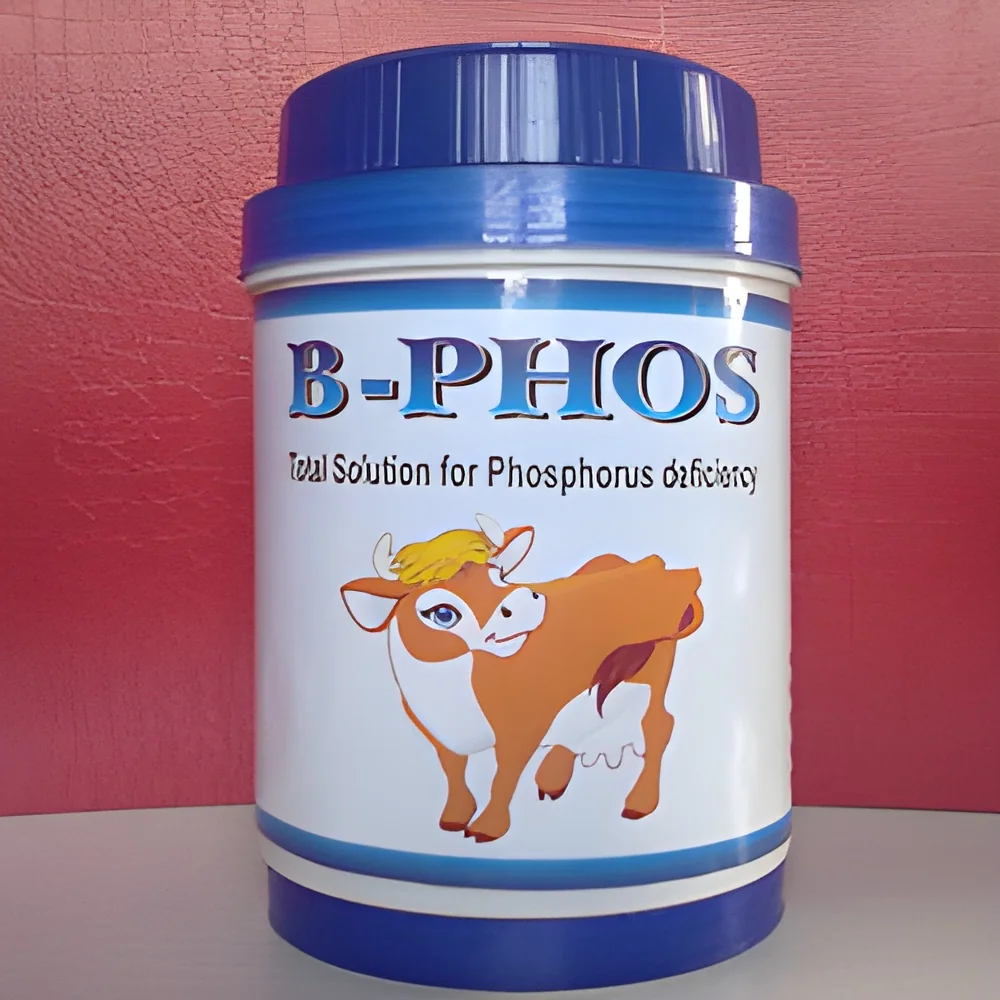
Dairy Cattle Sodium Acid Phosphate Supplement For Milk Production And Fertility
Dairy Cattle Calcium Gold Gel For Milk Production And Bone Growth
Hindustan Animal Feeds
Premium General Cattle Feed for Dairy and Beef Farms Nutrition
Dairy Cattle Feed For Optimal Growth And Milk Production
Dairy Farm Premium Milking Cow Feed For High Yield Milk Production
Caltron Clays And Chemicals Pvt Ltd
Dairy Cattle Calcium Phosphorus Vitamin Supplement For Milk Yield Bone Health
Livestock Calcium Vitamin Mineral Supplement For Growth Milk Production
Livestock Multi Vitamin Supplement For Growth Digestion Milk Fat
R G Sundar And Co
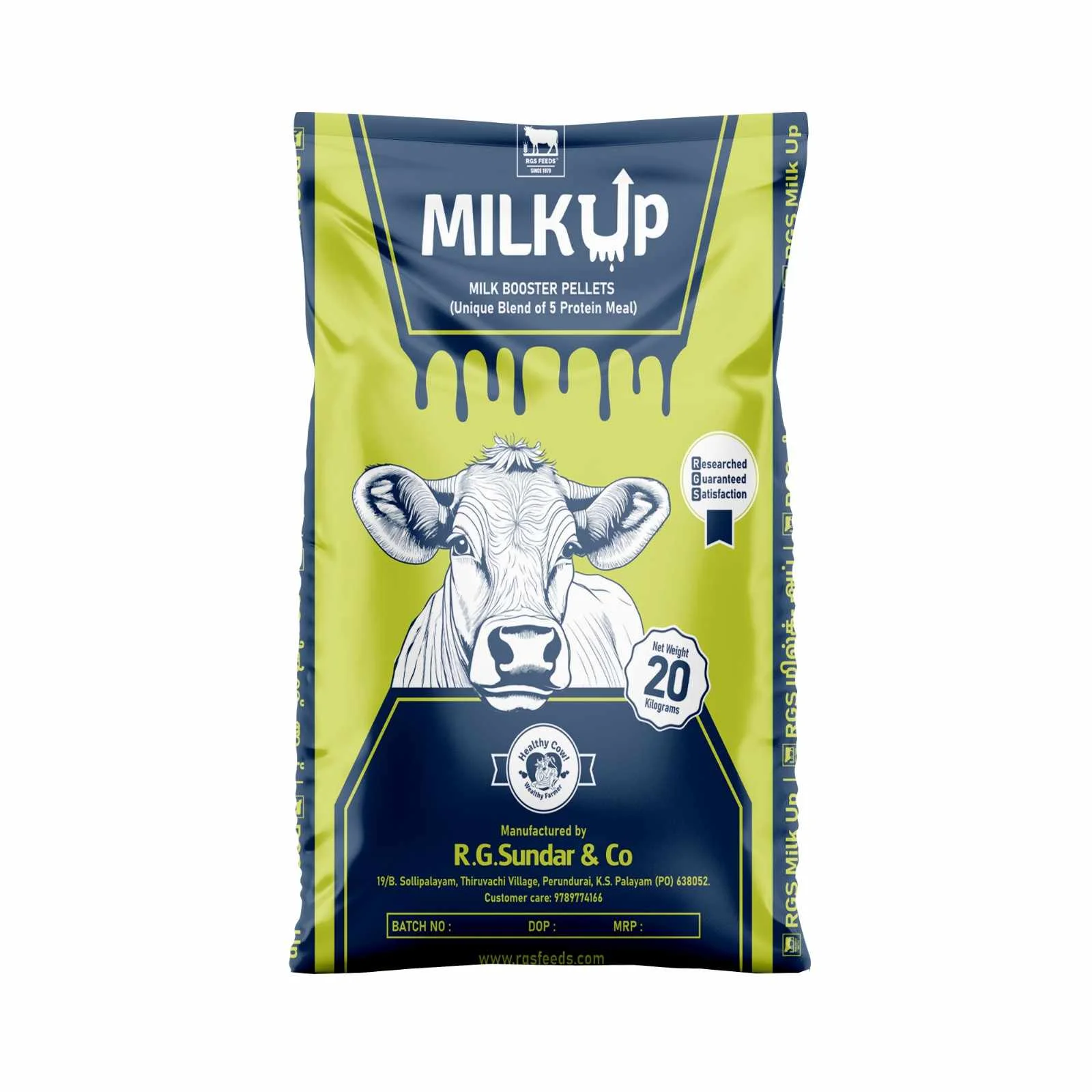
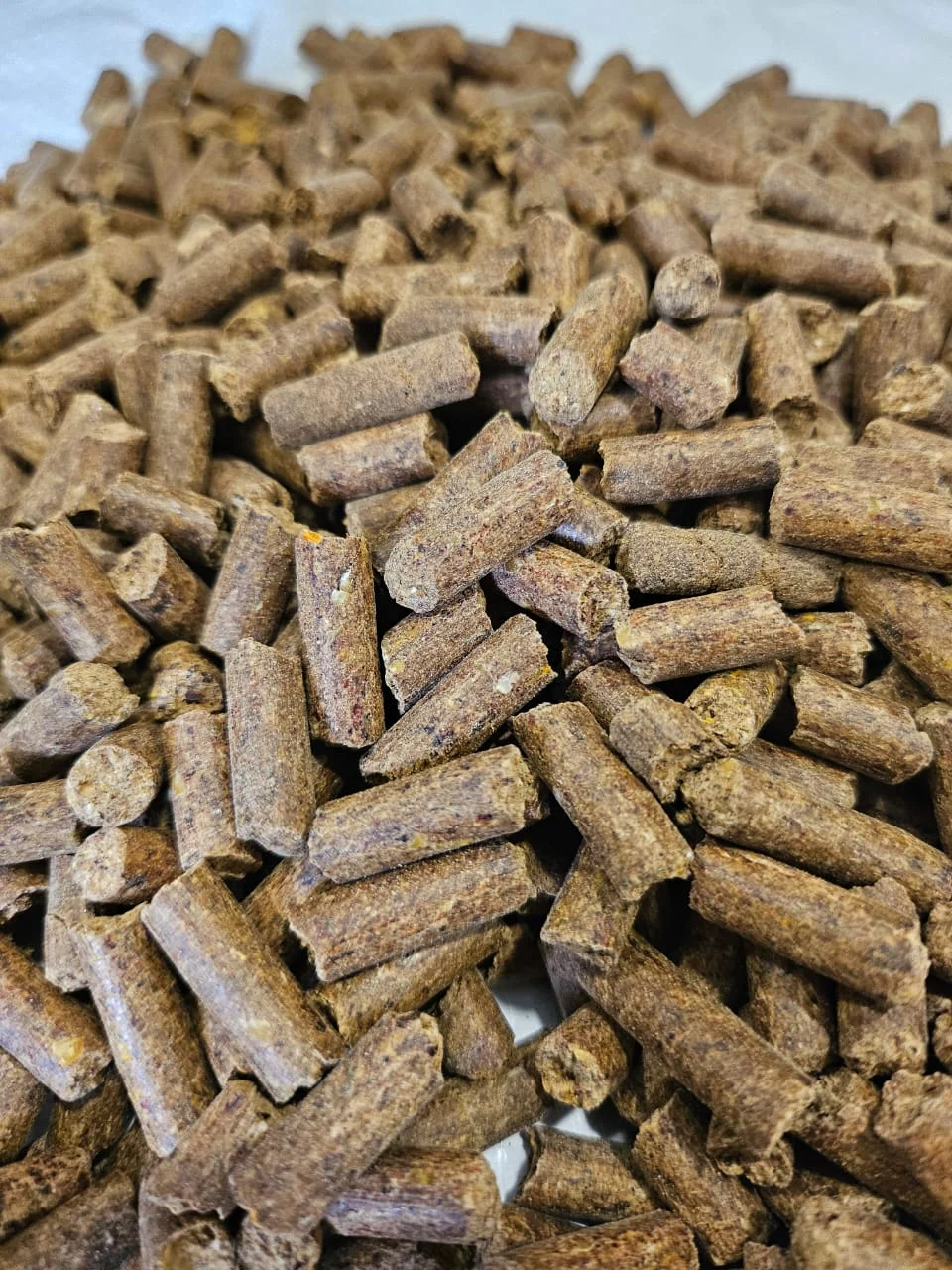
Premium Dairy Concentrate Pellet - Milk Booster Pellet - RGS Milkup
Premium Feed - General Ruminant Feed with essential nutrients
Animax Health Care Private Limited
Dairy Cattle Nutritional Supplement For Metabolism And Digestive Health
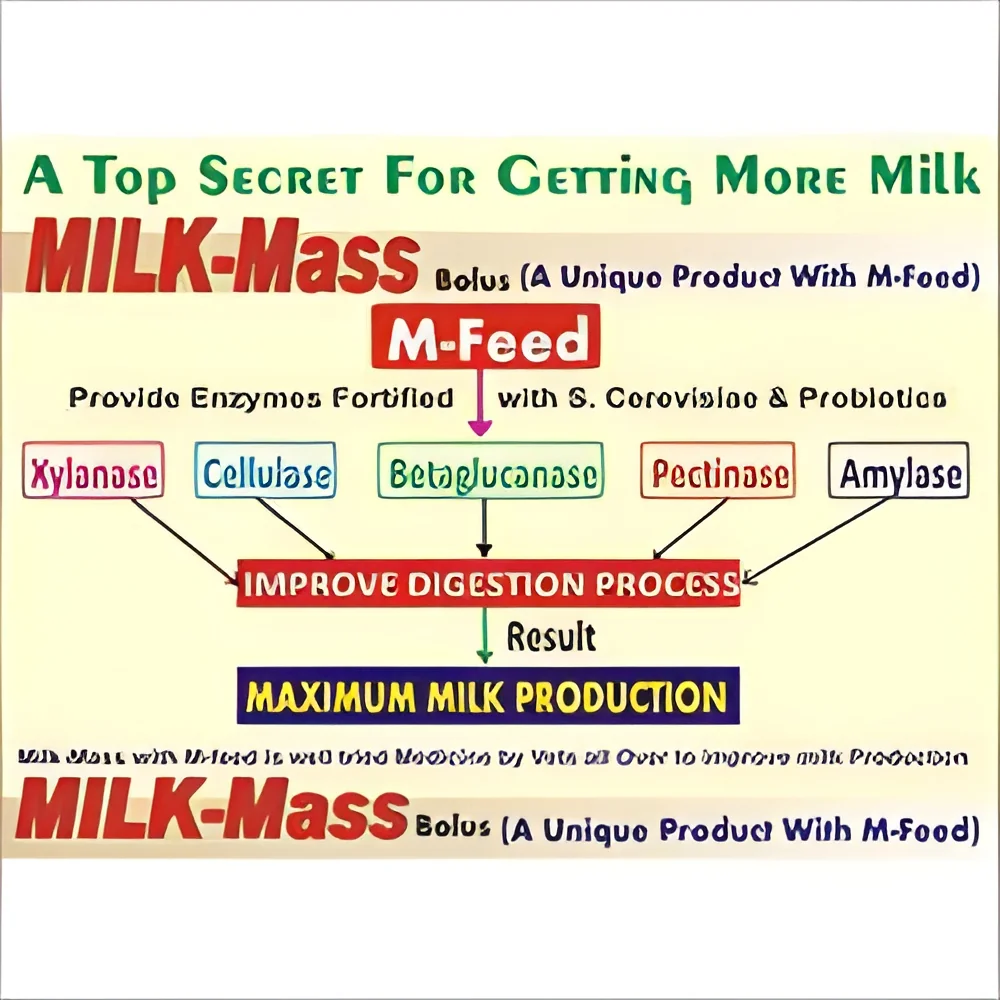
Veterinary Milk Mass Capsules For Dairy Animals With Calcium & Vitamins
Pro Plant Enterprises
Proplant Soyabean Okara High Fiber Protein Animal Feed Health Food
Blue Cross Animal Health Care Private Limited
 India
India
India

Hindustan Animal FeedsIndia
India
Caltron Clays And Chemicals Pvt LtdIndia
India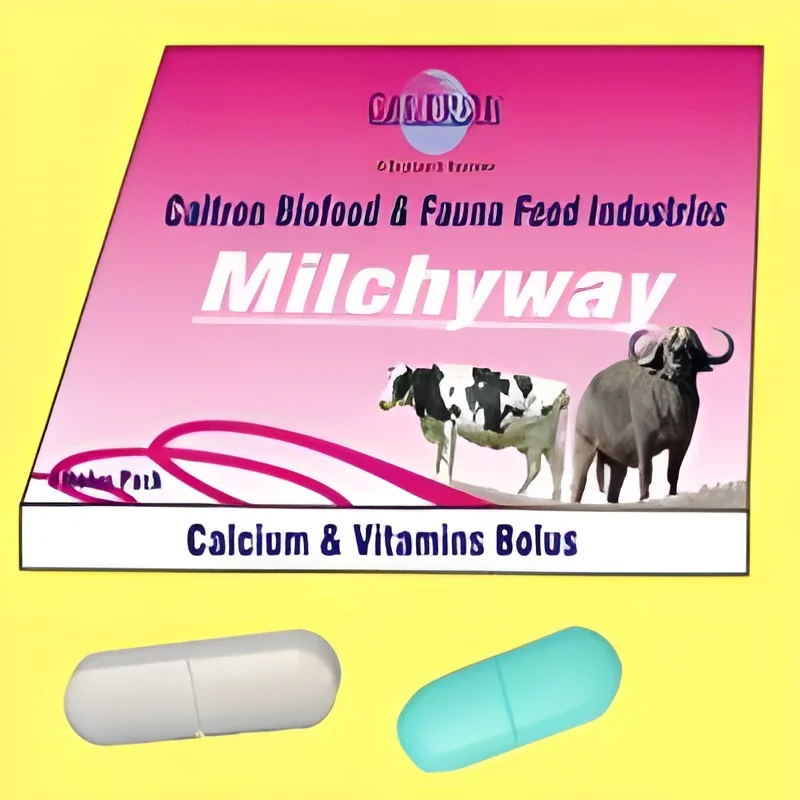
Jainsons (India) IndustriesIndia
India
R G Sundar And CoIndia
India47 yrs
Animax Health Care Private LimitedIndia
India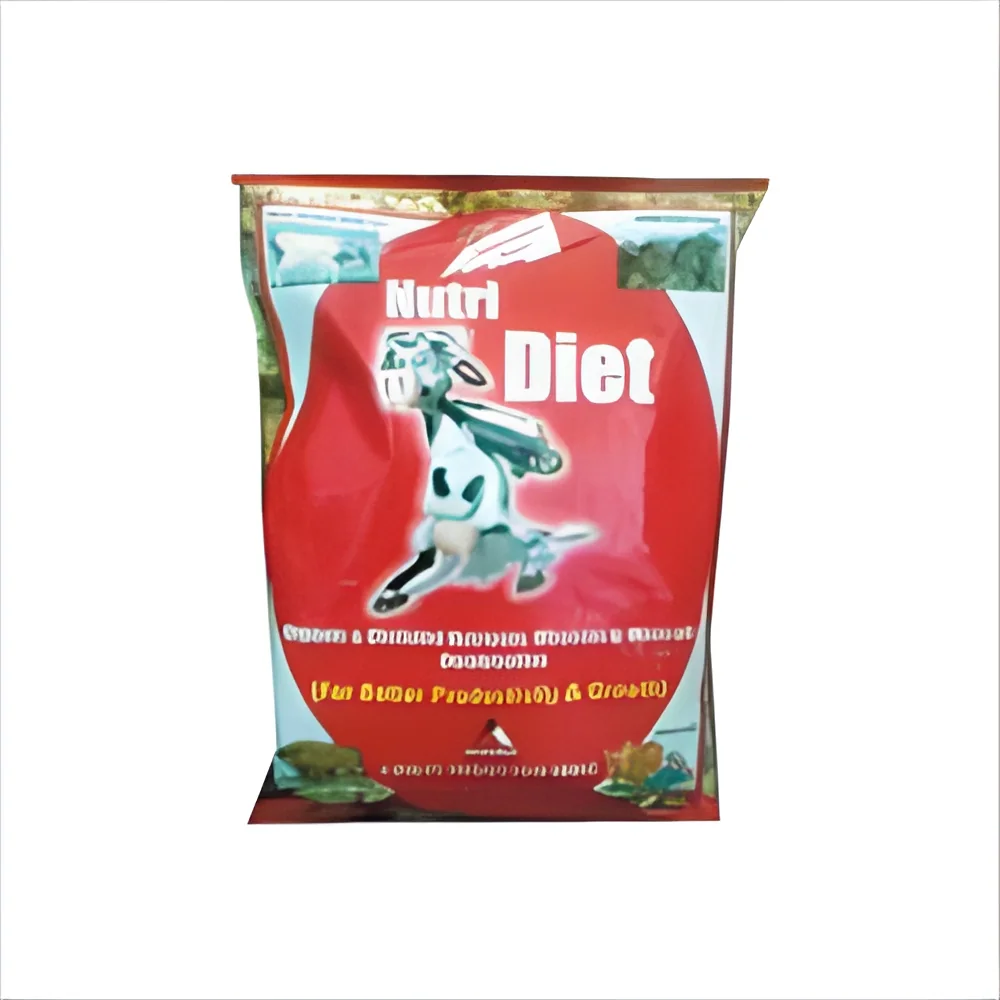
Pro Plant Enterprises India
India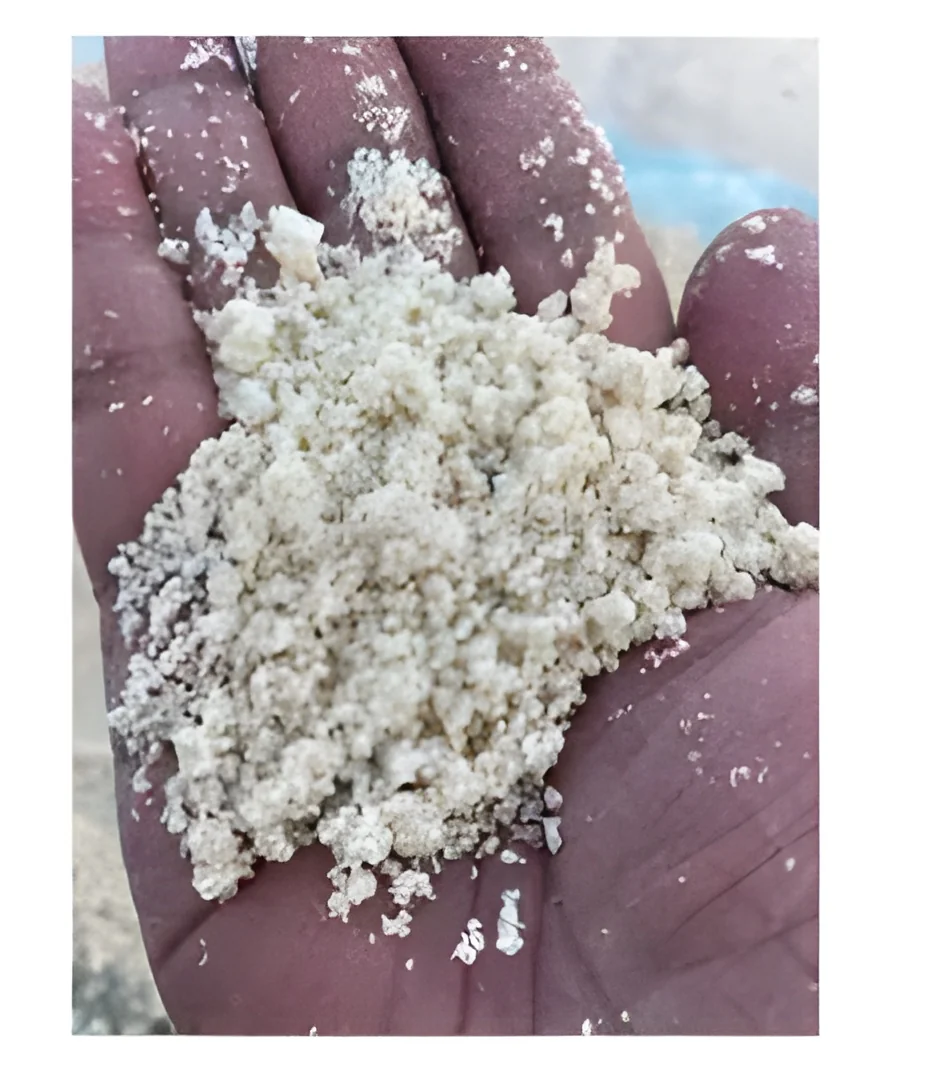
Frequently Asked Questions
1
What is Dairy Cattle Feed?
Dairy Cattle Feed is a product offered by global suppliers on Pepagora.
2
How do I find suppliers for Dairy Cattle Feed?
Use Pepagora's search and filter options to find verified suppliers.
3
Can I request a quote for Dairy Cattle Feed?
Yes, use the RFQ feature to request quotes from multiple suppliers.
4
Is Dairy Cattle Feed available in multiple languages?
Pepagora supports multilingual catalogs for global buyers.
5
What trust signals are available for Dairy Cattle Feed?
Look for TruBadge, RFQ, and multilingual support on supplier profiles.
Why Businesses Trust Pepagora
Thousands of companies trust Pepagora to source smarter and sell faster
Expand Your Sales Globally
25000+Products listed.Get discovered by global buyers
Tools to boost visibility
Build your own catalog

Source Smarter,Grow Faster
4000+Active RFQs
100+ Countries served
Easy Sourcing Tools
