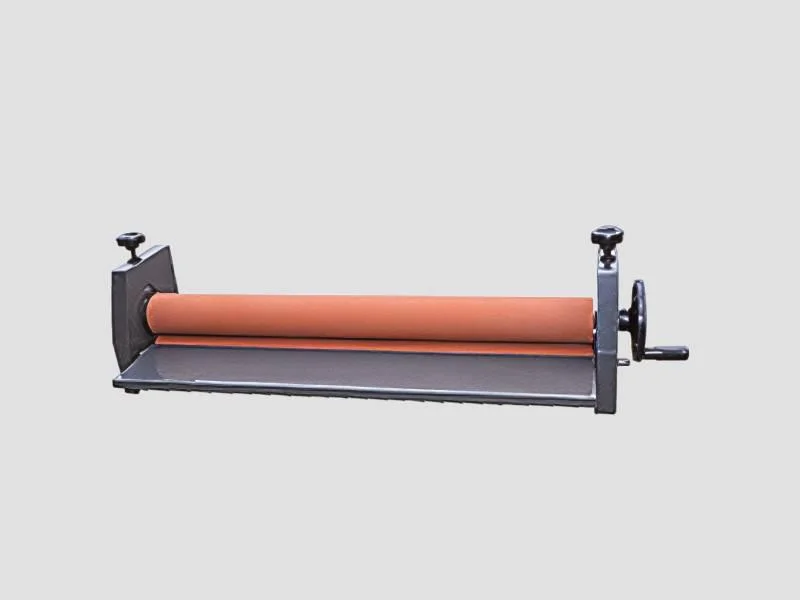
What are Cold Laminating Machines?
Cold laminating machines are specialized devices designed for applying a protective laminate film to printed materials without the use of heat. These machines utilize pressure to bond the laminate to the substrate, preserving the integrity of the underlying print while enhancing its durability. Cold lamination is particularly beneficial for sensitive materials that cannot withstand high temperatures, making it an essential tool in various industries.
The primary applications of cold laminating machines include signage production, document protection, and packaging. Businesses in sectors such as graphic design, photography, and packaging rely on cold lamination to provide a professional finish and increase the longevity of their products. By protecting prints from moisture, UV rays, and physical wear, cold laminating machines play a crucial role in maintaining product quality and presentation in highly competitive markets.
In a market increasingly focused on quality and presentation, cold laminating machines are relevant tools that support businesses in achieving their objectives. The demand for high-quality prints and the need for protection against environmental factors continue to drive the adoption of these machines across various industries.
Key Features and Specifications
Cold laminating machines come with a range of features designed to enhance usability and efficiency. These machines can vary in size, operation, and capabilities, making it essential for buyers to understand their specifications.
Key specifications include:
1. Maximum Width
- The maximum width of the material that the machine can accommodate.
- Common ranges are typically between 12 inches to 60 inches.
2. Laminate Thickness
- The thickness of the laminate film that can be used.
- Typical thickness ranges from 1.5 mil to 10 mil.
3. Speed of Operation
- The speed at which the machine can laminate materials.
- Speeds can vary from 1 to 15 meters per minute.
4. Roll Diameter
- The maximum diameter of the laminate rolls that the machine can handle.
- Standard diameters usually range from 3 inches to 12 inches.
5. Power Requirements
- The electrical power needed to operate the machine.
- Most machines operate on standard voltage, typically 110V or 220V.
6. Weight
- The overall weight of the machine, affecting portability and installation.
- Weights can vary from 50 lbs to over 500 lbs depending on the model.
7. User Interface
- The type of controls available for operating the machine, including digital displays or manual controls.
8. Safety Features
- Built-in safety mechanisms to protect users, such as emergency stop buttons and safety shields.
Understanding these specifications will help buyers make informed decisions based on their specific needs and operational requirements.
Common Applications and Use Cases
Cold laminating machines are versatile tools used across a variety of industries.
1. Graphic Design: In graphic design, cold laminating machines are used to protect and enhance prints, making them suitable for display and long-term use in exhibitions.
2. Photography: Photographers utilize cold lamination to safeguard their prints against damage from moisture and UV exposure, ensuring that their work remains vibrant and intact.
3. Packaging: In the packaging industry, cold lamination provides added strength and durability to packaging materials, improving shelf life and product presentation.
4. Signage: Businesses producing signs can benefit from cold lamination to protect against fading and physical wear, ensuring their messages remain clear and visible.
5. Educational Materials: Schools and educational institutions often use cold laminating machines to preserve teaching materials, helping them withstand repeated use.
6. Retail: Retailers apply cold lamination to promotional materials and displays to maintain their quality and attractiveness over time.
Product Variants and Subcategories
Cold laminating machines come in various forms to cater to different operational needs.
Manual Cold Laminating Machines: These machines require manual operation and are ideal for small businesses or low-volume applications. They offer flexibility and ease of use for basic lamination tasks.
Automatic Cold Laminating Machines: Designed for higher efficiency, these machines automate the lamination process, making them suitable for large-scale operations where speed and consistency are critical.
Compact Cold Laminating Machines: These smaller machines are designed for limited workspace and are perfect for mobile operations or small offices, providing essential lamination features without taking up too much space.
Benefits and Advantages
Cold laminating machines offer numerous advantages to businesses looking to enhance their products.
1. Cost-Effective Protection: Cold lamination is a cost-effective way to protect prints and packaging, reducing the need for reprints and replacements.
2. Versatility: These machines can handle a variety of substrates, making them suitable for diverse applications across multiple industries.
3. User-Friendly Operation: Many cold laminating machines are designed for ease of use, allowing even inexperienced operators to achieve professional results.
4. Environmentally Friendly: Cold lamination processes typically do not require harmful chemicals or high energy consumption, making them a more sustainable choice.
5. Improved Aesthetics: Lamination enhances the visual appeal of printed materials, giving them a polished and professional look.
6. Increased Durability: Cold lamination protects materials from wear and tear, moisture, and UV damage, extending the life of printed products.
Buying Guide for B2B Buyers
When sourcing cold laminating machines, it is essential to consider several factors to ensure a suitable purchase.
1. Quality Assessment: Evaluate the quality of the machine based on manufacturer reputation, user reviews, and warranty offered. High-quality machines tend to have better longevity and performance.
2. Supplier Verification: Vet suppliers by checking their track records, customer feedback, and certifications to ensure reliable partnerships for ongoing needs.
3. Pricing and MOQ: Understand the price range and minimum order quantities set by suppliers to align with budget and production needs.
4. Delivery and Lead Times: Consider logistics and the estimated time for delivery to avoid disruptions in production schedules.
5. Compliance Requirements: Ensure that the machines meet relevant industry standards and regulations, particularly if operating in highly regulated sectors.
Compliance and Certifications
Cold laminating machines must adhere to specific quality standards and certifications to ensure safety and reliability.
ISO 9001 is a widely recognized quality management standard that signifies a manufacturer’s commitment to maintaining consistent product quality. Compliance with this standard indicates that the manufacturer follows stringent quality control processes.
CE certification is essential for machines sold within the European Union. It verifies that the product meets EU safety, health, and environmental protection standards.
Safety and testing requirements are critical to ensuring that cold laminating machines operate safely. Manufacturers should conduct rigorous testing to comply with regulatory standards, reducing the risk of accidents during operation.
Regional compliance considerations may vary by location, so it is vital for businesses to understand local regulations and ensure that machines meet these requirements before procurement.
Why Source Cold Laminating Machines from Pepagora?
Pepagora offers a trusted platform for sourcing cold laminating machines, providing several key advantages to B2B buyers.
Verified Supplier Network: Pepagora has established a network of verified suppliers, ensuring that buyers have access to high-quality machines from reputable manufacturers. This network reduces the risk associated with sourcing equipment from unknown sources.
Streamlined RFQ Process: The platform simplifies the request for quotation process, allowing buyers to easily compare prices and specifications from multiple suppliers. This efficiency helps buyers make informed decisions quickly and effectively.
Trade Assurance and Support: Pepagora provides trade assurance, protecting buyers throughout the purchasing process. Should any issues arise, buyers have access to support and resolution services.
Regional Coverage: With a strong presence in India, the GCC, and Southeast Asia, Pepagora offers regional coverage that facilitates easier access to cold laminating machines tailored to local market needs. This geographical reach helps businesses find suitable suppliers and products more efficiently.

 IN
IN

 India
India