
 IN
Clamp Meters
1 products available
What are Clamp Meters?
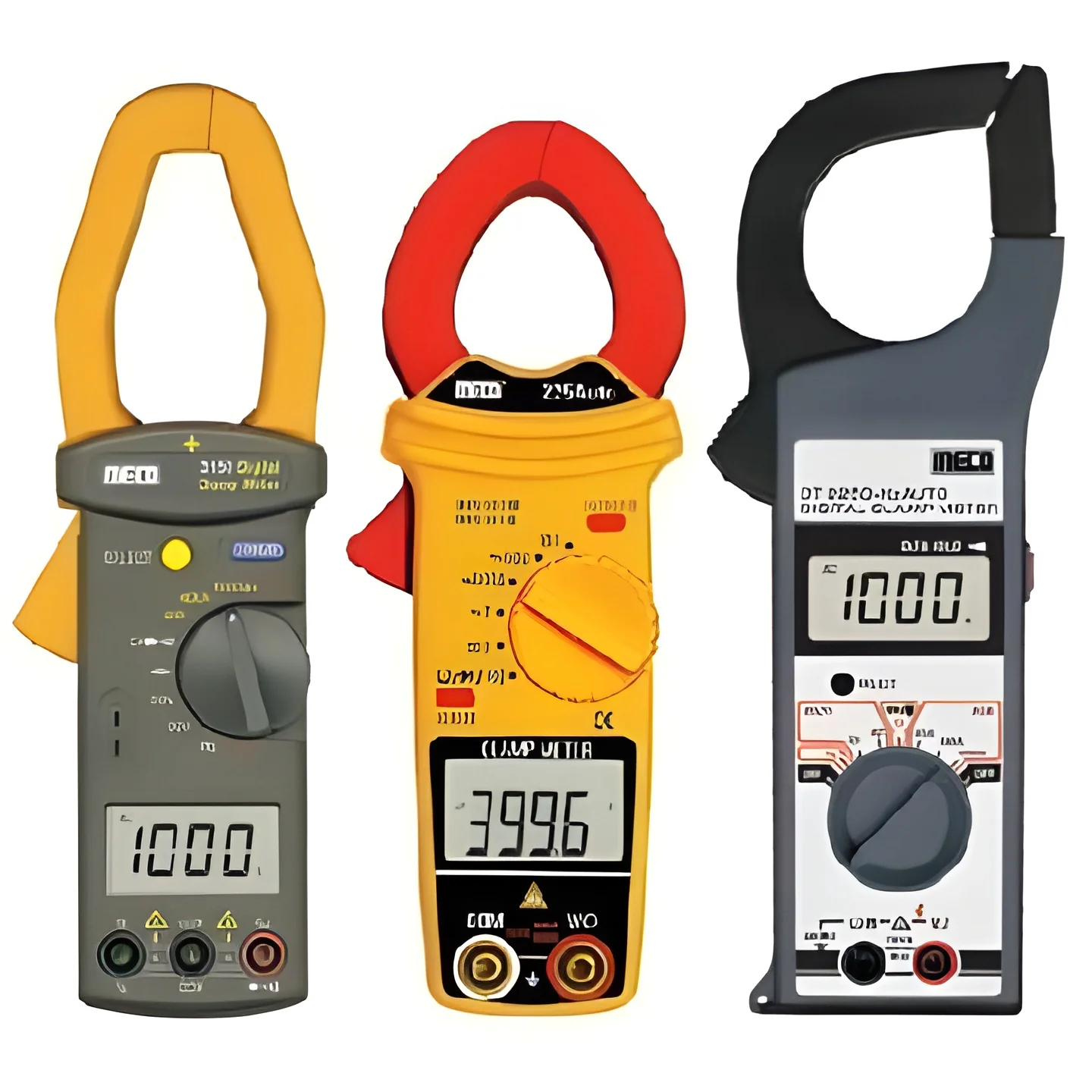
Clamp meters are specialized electrical measuring instruments designed to measure current flowing through a conductor without the need to disconnect the circuit. They operate by clamping around the conductor, allowing for non-intrusive measurements. This function is vital for electricians, technicians, and engineers who need to monitor electrical systems efficiently and safely.
These tools are primarily used for measuring alternating current (AC) and direct current (DC) as well as for voltage and resistance measurements in various electrical applications. Industries such as construction, manufacturing, and maintenance rely on clamp meters for troubleshooting, routine testing, and ensuring compliance with safety standards. Their widespread use underscores their importance in the electrical field and their relevance in supporting energy efficiency initiatives.
With the increasing demand for energy-efficient solutions and the proliferation of complex electrical systems, clamp meters are becoming essential in many sectors. Their ability to provide quick, accurate readings helps businesses optimize operations and maintain safety standards in a competitive market.
Key Features and Specifications
Clamp meters come with a range of features and specifications that enhance their functionality and usability. Understanding these specifications is crucial for selecting the right clamp meter for specific applications.
Key specifications include:
1. Measurement Range
- Measures current typically from a few milliamperes to over 1000 amperes
- Voltage measurements often range from a few volts to several thousand volts
2. Display Type
- Digital or analog displays available
- Digital displays often include backlighting for better visibility
3. Accuracy Rating
- Generally expressed as a percentage of reading plus digits
- Accuracy is critical for precise measurements in professional settings
4. Safety Rating
- Compliance with safety standards such as CAT III or CAT IV
- Ensures protection against electrical surges and spikes
5. Data Logging Capability
- Some models offer the ability to log data for later analysis
- Useful for monitoring trends in electrical performance
6. Size and Weight
- Compact and lightweight designs facilitate easy handling
- Important for fieldwork and on-site measurements
7. Additional Features
- Some clamp meters include features like temperature measurement and non-contact voltage detection
- These added functionalities make them versatile tools in various applications
In summary, understanding these key features and specifications helps buyers make informed decisions when selecting clamp meters for their specific business needs.
Common Applications and Use Cases
Clamp meters serve a variety of industries, each with unique applications that benefit from their functionality.
1. Electrical Maintenance: In this sector, clamp meters are used for troubleshooting electrical systems and ensuring proper current flow in circuits.
2. HVAC: Technicians use clamp meters to measure the electrical currents flowing to HVAC systems, ensuring they operate efficiently.
3. Manufacturing: In manufacturing plants, these tools help monitor equipment performance and prevent electrical failures by allowing for regular checks.
4. Construction: Electricians on construction sites use clamp meters to verify circuit integrity and perform safety checks on new installations.
5. Renewable Energy: In solar and wind energy installations, clamp meters are used to measure the efficiency of electrical systems, ensuring optimal performance.
6. Automotive: Automotive technicians utilize clamp meters to diagnose electrical issues in vehicles, providing insights into current flow and system health.
7. Data Centers: In data centers, these meters help monitor the electrical load on servers, ensuring balanced power distribution and preventing outages.
Product Variants and Subcategories
Clamp meters come in various types to cater to different measurement needs. Each variant offers specific features tailored for particular applications.
AC Clamp Meters
These are designed primarily to measure alternating current. They are commonly used in residential and commercial electrical systems for routine checks and maintenance.
Multi-Function Clamp Meters
These devices provide a range of measurement options, including voltage, resistance, and temperature. They are ideal for technicians needing a versatile tool for different applications.
Digital Clamp Meters
Equipped with digital displays, these meters provide clear readings and often include advanced features like data logging and Bluetooth connectivity for ease of use.
Benefits and Advantages
Investing in clamp meters offers numerous advantages for businesses in various sectors.
1. Efficiency: Clamp meters allow for quick measurements without circuit disconnection, saving time in troubleshooting and maintenance.
2. Safety: Non-invasive measurements reduce the risk of electrical shock, making them safer for technicians to use.
3. Versatility: With the ability to measure multiple electrical parameters, clamp meters are suitable for a wide range of applications.
4. Portability: Their compact design ensures easy transportation, making them convenient for fieldwork.
5. Cost-Effectiveness: By enabling preventive maintenance, clamp meters can help reduce downtime and save costs associated with electrical failures.
6. Accuracy: High-precision measurements ensure that systems operate within safe and efficient parameters, improving overall performance.
Buying Guide for B2B Buyers
When sourcing clamp meters for your business, several factors should be considered to ensure you select the right tool for your needs.
1. Quality Assessment: Look for clamp meters that meet industry standards for accuracy and reliability. Check for certifications that validate product quality.
2. Supplier Verification: Vet suppliers to ensure they are reputable and offer reliable products. This can include checking reviews and requesting references.
3. Pricing and MOQ: Understand the pricing structures and minimum order quantities (MOQ) offered by suppliers. This can impact overall costs and inventory management.
4. Delivery and Lead Times: Inquire about delivery timelines and lead times. Efficient logistics are crucial for maintaining operations and project schedules.
5. Compliance Requirements: Ensure that the clamp meters meet necessary compliance and regulatory standards in your region, including safety certifications.
Compliance and Certifications
Clamp meters must adhere to various quality standards and certifications to ensure they meet industry requirements. Key standards include ISO 9001, which focuses on quality management systems, ensuring that products are consistently manufactured to meet customer and regulatory requirements.
Additionally, industry certifications such as CE mark indicate compliance with European health, safety, and environmental protection standards. This is crucial for businesses operating in regulated markets.
Safety and testing requirements are also paramount, as they guarantee the products can withstand electrical surges and provide accurate measurements without risk to users. Regional compliance considerations may vary, so it is essential to understand local regulations and standards applicable to clamp meters.
Why Source Clamp Meters from Pepagora?
Pepagora offers a reliable platform for sourcing clamp meters, providing several key advantages to businesses.
Verified Supplier Network: Pepagora ensures that all suppliers in its network are vetted for quality and reliability. This gives buyers confidence in their purchases.
Streamlined RFQ Process: The request for quotation (RFQ) process on Pepagora is designed to be user-friendly, allowing buyers to easily compare offers from multiple suppliers.
Trade Assurance and Support: Pepagora provides trade assurance, protecting buyers from potential risks and ensuring they receive quality products as promised.
Regional Coverage: With a strong presence in India, the GCC region, and Southeast Asia, Pepagora facilitates connections between buyers and suppliers across diverse markets, making it easier to find the right clamp meters to meet specific business needs.



Frequently Asked Questions
What are Clamp Meters?
Clamp meters are electrical measuring instruments that can measure current without the need to disconnect the circuit. They use a clamp-like mechanism to grip the conductor and measure the magnetic field generated by the current flowing through it.
What are the different types of Clamp Meters?
There are several types of clamp meters, including analog clamp meters, digital clamp meters, and true RMS clamp meters. Digital clamp meters are more common due to their accuracy, while true RMS clamp meters are designed to measure both AC and DC current accurately.
How do I choose the right Clamp Meters?
When selecting a clamp meter, consider factors such as the type of current you need to measure (AC or DC), the maximum current rating, and whether you need additional features like voltage measurement or data logging. Also, assess the brand reputation and warranty offered.
What are the standard specifications for Clamp Meters?
Standard specifications for clamp meters include current measurement range, voltage measurement capabilities, accuracy ratings, and the presence of features like backlighting or hold functions. It's also important to check for safety ratings such as CAT ratings for electrical environments.
What is the price range for Clamp Meters?
The price range for clamp meters typically varies from INR 1,500 to INR 20,000, depending on the brand, features, and specifications. Basic models are generally more affordable, while advanced models with additional functionalities come at a higher price.
What quality standards apply to Clamp Meters?
Clamp meters are usually manufactured to meet international quality standards such as IEC 61010 for safety and accuracy. Compliance with these standards ensures that the devices are safe to use and provide reliable measurements.
Where can I find Clamp Meters suppliers in India?
You can find clamp meter suppliers in India through various online B2B marketplaces like Pepagora.com, trade fairs, and industry exhibitions. Additionally, local electronics suppliers and distributors may also offer a variety of clamp meters.
Can Clamp Meters be customized?
Yes, some manufacturers offer customization options for clamp meters, such as branding, specific measurement features, or design modifications. It's advisable to discuss your specific requirements with the supplier or manufacturer.
What is the typical minimum order quantity for Clamp Meters?
The typical minimum order quantity (MOQ) for clamp meters can range from 10 to 100 units, depending on the supplier and the specific model. Always check with the supplier for their specific MOQ requirements.
What is the typical lead time for Clamp Meters?
The typical lead time for clamp meters can vary from 1 to 4 weeks, depending on the supplier, order size, and availability of the product. It's recommended to inquire about lead times when placing your order.
Why Businesses Trust Pepagora
Thousands of companies trust Pepagora to source smarter and sell faster
Expand Your Sales Globally

Source Smarter,Grow Faster
