
 IN
Chimneys & Exhaust Fans
2 products available
What are Chimneys & Exhaust Fans?
Chimneys and exhaust fans are essential components in various industrial and commercial settings. A chimney serves as a vertical conduit that allows smoke and gases produced by combustion processes to exit a building safely, while exhaust fans are mechanical devices designed to remove air from a specific area, ensuring proper ventilation and air quality. Together, they play a critical role in maintaining a safe and healthy environment for workers and consumers.
These products find primary applications in industries such as food processing, manufacturing, and hospitality. In kitchens, exhaust fans help eliminate smoke, grease, and odors, while chimneys are crucial for managing emissions from ovens and boilers. The efficiency and effectiveness of these systems directly influence operational safety and compliance with environmental regulations.
In the current market context, the demand for high-quality chimneys and exhaust fans is on the rise due to increasing regulations on air quality and workplace safety. Companies are seeking innovative solutions to enhance their ventilation systems, which drives the development of more efficient and environmentally friendly products.
Key Features and Specifications
Chimneys and exhaust fans are designed with various features that enhance their functionality and performance. When selecting these products, it is essential to consider specific specifications that align with operational needs.
Key specifications include:
1. Airflow Capacity
- Measured in cubic feet per minute (CFM)
- Determines the volume of air the fan can move
2. Noise Level
- Rated in decibels (dB)
- Indicates how loud the fan operates, affecting workplace comfort
3. Energy Efficiency Rating
- Assessed by energy consumption
- Higher ratings indicate lower operational costs
4. Material Construction
- Common materials include stainless steel and aluminum
- Influences durability and resistance to corrosion
5. Size and Dimensions
- Available in various sizes to fit specific applications
- Important for installation and space considerations
6. Safety Features
- May include thermal protection and overload safeguards
- Essential for preventing equipment failure
7. Control Options
- Manual or automated controls for ease of use
- Options for variable speed to adjust airflow as needed
8. Installation Type
- Options include wall-mounted and ceiling-mounted fans
- Selection depends on facility layout and design
In summary, understanding these features and specifications will help businesses choose the right chimneys and exhaust fans that meet their operational requirements.
Common Applications and Use Cases
Chimneys and exhaust fans are utilized across multiple industries to ensure proper ventilation and air quality.
1. Food Processing: In food manufacturing plants, exhaust fans are crucial for removing steam and odors, while chimneys vent smoke from cooking equipment.
2. Manufacturing: Factories use exhaust fans to maintain air quality by removing harmful fumes and dust generated during production processes.
3. Hospitality: Restaurants rely on exhaust fans to eliminate cooking odors and smoke, while chimneys ensure that emissions from stoves and grills are properly vented.
4. Automotive: Auto repair shops use exhaust fans to clear harmful exhaust gases from vehicles, ensuring a safer working environment for technicians.
5. Pharmaceuticals: In pharmaceutical manufacturing, exhaust systems help control airborne contaminants, ensuring compliance with health regulations.
6. Warehousing: Large warehouses use exhaust fans to regulate temperature and humidity, improving storage conditions for sensitive products.
7. Mining: In underground mining operations, exhaust fans are essential for ventilating tunnels, enhancing safety and worker comfort.
Product Variants and Subcategories
Chimneys and exhaust fans come in a variety of designs to cater to different needs and applications. This diversity allows businesses to select the most suitable option for their specific requirements.
Industrial Exhaust Fans
These fans are designed for heavy-duty use in industrial applications. They often feature robust construction to withstand harsh environments and high airflow capacities.
Kitchen Exhaust Hoods
These are specialized exhaust systems designed for commercial kitchens. They effectively capture and remove smoke, grease, and odors generated during cooking.
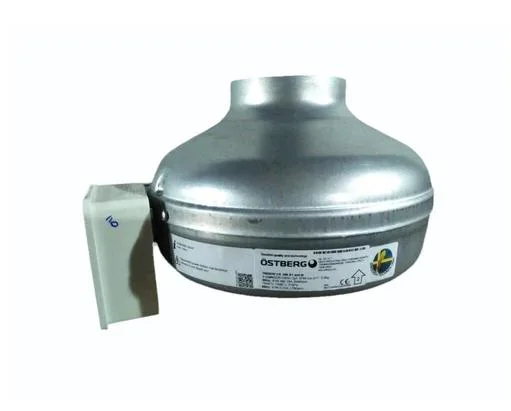
Inline Exhaust Fans
These fans are installed within ductwork to provide ventilation over long distances. They are ideal for spaces where traditional fans cannot be used.
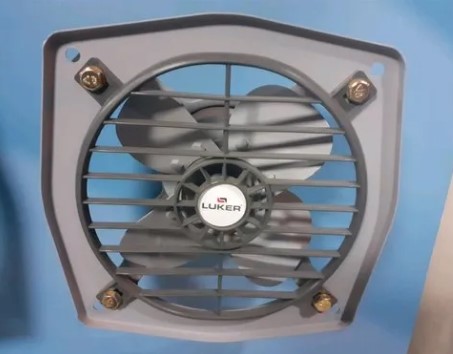
Wall-Mounted Exhaust Fans
These fans are installed on exterior walls to expel stale air efficiently. They are commonly used in warehouses and manufacturing facilities.
Benefits and Advantages
The use of chimneys and exhaust fans offers significant advantages for businesses seeking to improve air quality and operational efficiency.
Key benefits include:
1. Improved Air Quality: These systems remove pollutants and contaminants from the air, creating a healthier environment for employees and customers.
2. Compliance with Regulations: Ensures adherence to local and national air quality standards, reducing the risk of fines and penalties.
3. Enhanced Safety: By controlling fumes and smoke, these products help prevent hazardous situations in the workplace.
4. Energy Efficiency: Modern models are designed to consume less power, leading to reduced operational costs over time.
5. Increased Productivity: A well-ventilated environment enhances employee comfort and focus, contributing to overall productivity.
6. Versatile Applications: Suitable for various industries, making them a valuable investment for diverse businesses.
Buying Guide for B2B Buyers
When sourcing chimneys and exhaust fans, it is crucial for B2B buyers to consider several factors to ensure they choose the right products for their needs.
1. Quality Assessment: Evaluate the quality of materials and construction. Look for products that meet industry standards and have a proven track record of performance.
2. Supplier Verification: Vet suppliers by checking their reputation, customer reviews, and history in the industry. Reliable suppliers should provide certifications and references.
3. Pricing and MOQ: Understand the pricing structure and minimum order quantities (MOQ). Comparing quotes from different suppliers can help in making informed decisions.
4. Delivery and Lead Times: Inquire about delivery schedules and lead times to ensure that products can be obtained when needed without delays.
5. Compliance Requirements: Ensure the products meet local and national regulations. Understanding compliance needs is essential for avoiding legal issues.
Compliance and Certifications
Chimneys and exhaust fans must adhere to various quality standards and certifications to ensure safety and reliability.
ISO 9001 is a key standard that outlines quality management principles, ensuring manufacturers maintain consistent quality in their products.
CE certification indicates that products meet European safety, health, and environmental protection standards, making it a crucial requirement for products sold in Europe.
Safety testing requirements are also vital, as they ensure that products can operate safely under specified conditions without posing risks to users.
Regional compliance considerations may vary, so it is essential to research local regulations and standards that apply to your specific industry and location.
Why Source Chimneys & Exhaust Fans from Pepagora?
Pepagora offers a trusted platform for sourcing chimneys and exhaust fans, providing several advantages to B2B buyers.
Verified Supplier Network: Pepagora connects buyers with a network of verified suppliers, ensuring that businesses can source high-quality products from reputable manufacturers.
Streamlined RFQ Process: The platform features an easy-to-use request for quotation (RFQ) system, allowing buyers to receive competitive quotes from multiple suppliers quickly.
Trade Assurance and Support: Buyers can benefit from trade assurance services, which provide protection in case of disputes. This support enhances buyer confidence in their purchasing decisions.
Regional Coverage: Pepagora serves a diverse geographical area, including India, the GCC, and Southeast Asia, making it easier for businesses to find suppliers that meet their specific regional needs.


 India
Frequently Asked Questions
What are Chimneys & Exhaust Fans?
Chimneys and exhaust fans are ventilation systems used to remove smoke, odors, heat, and moisture from kitchens and industrial settings. Chimneys typically vent smoke from cooking appliances outside, while exhaust fans help circulate air, enhancing indoor air quality.
What are the different types of Chimneys & Exhaust Fans?
Different types of chimneys include wall-mounted, island, and under-cabinet models, each suited for specific kitchen layouts. Exhaust fans can be categorized as ceiling-mounted, wall-mounted, or inline, depending on installation preferences and airflow requirements.
How do I choose the right Chimneys & Exhaust Fans?
To choose the right chimney or exhaust fan, consider factors such as the size of your kitchen, the type of cooking you do, and the fan's airflow capacity. Additionally, look for features like noise levels, ease of cleaning, and energy efficiency.
What are the standard specifications for Chimneys & Exhaust Fans?
Standard specifications for chimneys and exhaust fans include airflow capacity measured in cubic meters per hour (CMH), noise levels in decibels (dB), and power consumption in watts. It's also important to consider the size and mounting type that fits your installation space.
What is the price range for Chimneys & Exhaust Fans?
The price range for chimneys and exhaust fans varies widely based on brand, specifications, and features, typically starting from INR 5,000 and going up to INR 50,000 or more. Factors such as material quality and additional functionalities also influence pricing.
What quality standards apply to Chimneys & Exhaust Fans?
Chimneys and exhaust fans must adhere to various quality standards, including ISI certification in India, which ensures safety and performance. Additionally, manufacturers may follow international standards such as ISO for quality management.
Where can I find Chimneys & Exhaust Fans suppliers in India?
You can find suppliers of chimneys and exhaust fans in India through online B2B marketplaces like Pepagora.com, industry trade shows, and local appliance retailers. It's advisable to compare multiple suppliers to find the best quality and pricing.
Can Chimneys & Exhaust Fans be customized?
Yes, many manufacturers offer customization options for chimneys and exhaust fans, allowing you to select specific dimensions, designs, and features to meet your requirements. Customization may also include materials and finishes that suit your aesthetic preferences.
What is the typical minimum order quantity for Chimneys & Exhaust Fans?
The minimum order quantity (MOQ) for chimneys and exhaust fans can vary between suppliers but generally ranges from 10 to 50 units. It is advisable to check with individual suppliers for their specific MOQs.
What is the typical lead time for Chimneys & Exhaust Fans?
The typical lead time for chimneys and exhaust fans ranges from 2 to 6 weeks, depending on the supplier and whether the products are in stock or require customization. It's recommended to confirm lead times with your supplier before placing an order.
Why Businesses Trust Pepagora
Thousands of companies trust Pepagora to source smarter and sell faster
Expand Your Sales Globally

Source Smarter,Grow Faster
