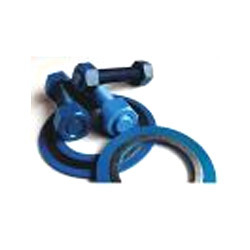
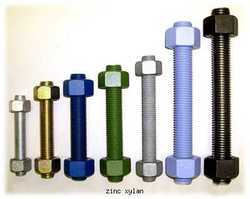
𝗪𝗵𝗮𝘁 𝗮𝗿𝗲 𝗖𝗵𝗲𝗺𝗶𝗰𝗮𝗹 𝗥𝗲𝘀𝗶𝘀𝘁𝗮𝗻𝘁 𝗖𝗼𝗮𝘁𝗶𝗻𝗴𝘀?
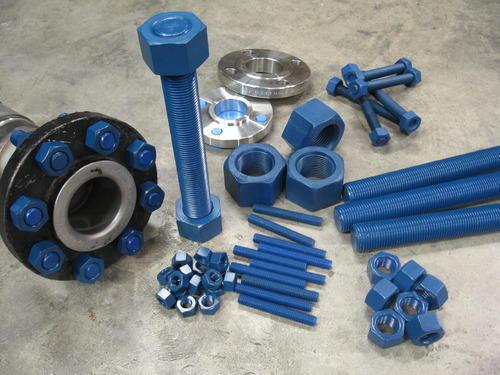
Chemical Resistant Coatings are specialized protective layers applied to surfaces to shield them from corrosive chemicals and harsh environmental conditions. These coatings are formulated with advanced materials that resist degradation caused by exposure to aggressive substances, such as acids, alkalis, solvents, and other reactive chemicals. The primary purpose of these coatings is to enhance the durability of surfaces, extending their lifespan and maintaining their integrity in challenging environments.
These coatings find extensive use in various business applications, including manufacturing, chemical processing, and transportation. Industries such as oil and gas, pharmaceuticals, and food processing rely on Chemical Resistant Coatings to protect equipment, pipelines, and storage tanks from chemical exposure. By implementing these coatings, companies can reduce maintenance costs and downtime, thereby improving productivity and overall safety. The demand for such coatings continues to grow as industries become increasingly aware of the importance of protecting their assets against chemical damage.
In the current market context, Chemical Resistant Coatings are highly relevant due to the increasing regulations on chemical safety and environmental protection. Businesses are seeking reliable solutions that not only comply with these regulations but also offer long-lasting protection against corrosion and chemical attack. As a result, the market for Chemical Resistant Coatings is expected to expand, driven by advancements in coating technologies and the rising need for effective surface protection across various sectors.
𝗞𝗲𝘆 𝗙𝗲𝗮𝘁𝘂𝗿𝗲𝘀 𝗮𝗻𝗱 𝗦𝗽𝗲𝗰𝗶𝗳𝗶𝗰𝗮𝘁𝗶𝗼𝗻𝘀
Chemical Resistant Coatings come with a variety of features that cater to different industrial needs. These features ensure that the coatings provide optimal protection and performance in various applications. Key specifications include:
1. Chemical Resistance
- Ability to withstand exposure to a wide range of chemicals
- Resistance levels can vary based on formulation
2. Temperature Stability
- Performance in extreme temperatures
- Suitable for both high and low-temperature environments
3. Adhesion Strength
- Strong bonding to substrates for enhanced durability
- Ensures long-lasting application without peeling or flaking
4. Application Method
- Available in various formulations for spray, brush, or roll application
- Compatibility with different surface types
5. Curing Time
- Quick-drying options available for reduced downtime
- Typically ranges from a few hours to a full day
6. UV Resistance
- Protection against ultraviolet degradation
- Important for outdoor applications
7. Thickness Options
- Various thickness levels to meet specific protection needs
- Customizable based on the intended use
8. Finish Types
- Available in matte, gloss, or semi-gloss finishes
- Aesthetic options for visible surfaces
In summary, understanding these key features and specifications can help businesses select the right Chemical Resistant Coatings for their specific applications, ensuring optimal performance and protection.
𝗖𝗼𝗺𝗺𝗼𝗻 𝗔𝗽𝗽𝗹𝗶𝗰𝗮𝘁𝗶𝗼𝗻𝘀 𝗮𝗻𝗱 𝗨𝘀𝗲 𝗖𝗮𝘀𝗲𝘀
Chemical Resistant Coatings are utilized across numerous industries, providing essential protection in various contexts.
1. Oil and Gas: These coatings protect pipelines and storage tanks from corrosive substances found in drilling and refining processes. Their durability helps prevent leaks and extends equipment life.
2. Pharmaceuticals: In this sector, coatings are applied to processing equipment and storage containers to prevent contamination and ensure compliance with safety standards.
3. Food Processing: Coatings are used to protect equipment from acidic or caustic cleaning agents, maintaining hygiene and operational efficiency.
4. Automotive: These coatings are applied to components exposed to chemicals, ensuring longevity and performance under harsh conditions.
5. Water Treatment: Coatings protect tanks and pipes from aggressive chemicals used in water purification processes, extending service life and reducing maintenance.
6. Aerospace: In aerospace applications, coatings protect critical components from chemical exposure during manufacturing and operation.
7. Marine: These coatings provide essential protection for vessels against saltwater and chemical exposure, enhancing durability and performance.
𝗣𝗿𝗼𝗱𝘂𝗰𝘁 𝗩𝗮𝗿𝗶𝗮𝗻𝘁𝘀 𝗮𝗻𝗱 𝗦𝘂𝗯𝗰𝗮𝘁𝗲𝗴𝗼𝗿𝗶𝗲𝘀
Chemical Resistant Coatings come in various formulations to meet specific industrial needs. Each variant is designed for distinct applications, offering tailored solutions for businesses.
Epoxy Coatings: Known for their excellent adhesion and chemical resistance, epoxy coatings are ideal for use in industrial environments. They are often used on floors and equipment in chemical plants.
Polyurethane Coatings: These coatings provide flexibility and abrasion resistance, making them suitable for applications that require impact protection along with chemical resistance.
Acrylic Coatings: With good UV resistance and ease of application, acrylic coatings are often used in outdoor settings where exposure to sunlight and chemicals is a concern.
𝗕𝗲𝗻𝗲𝗳𝗶𝘁𝘀 𝗮𝗻𝗱 𝗔𝗱𝘃𝗮𝗻𝘁𝗮𝗴𝗲𝘀
Chemical Resistant Coatings offer significant advantages that contribute to operational efficiency and asset protection.
1. Enhanced Durability: These coatings provide a protective barrier that significantly extends the lifespan of equipment and surfaces.
2. Cost Savings: By reducing the frequency of repairs and replacements, Chemical Resistant Coatings result in lower maintenance costs over time.
3. Improved Safety: Protective coatings help prevent chemical spills and leaks, promoting a safer working environment.
4. Compliance Support: Utilizing these coatings assists businesses in meeting regulatory requirements for chemical safety and environmental protection.
5. Versatility: Chemical Resistant Coatings can be applied to a wide range of materials and surfaces, making them suitable for various applications.
6. Aesthetic Appeal: Available in multiple finishes, these coatings can enhance the appearance of surfaces while providing essential protection.
𝗕𝘂𝘆𝗶𝗻𝗴 𝗚𝘂𝗶𝗱𝗲 𝗳𝗼𝗿 𝗕𝟮𝗕 𝗕𝘂𝘆𝗲𝗿𝘀
When sourcing Chemical Resistant Coatings, it is essential for B2B buyers to consider several important factors to ensure they make informed purchasing decisions.
1. Quality Assessment: Evaluate the quality of coatings based on performance tests and certifications. Look for products that meet industry standards for durability and chemical resistance.
2. Supplier Verification: Vet suppliers to ensure they have a reliable track record and can provide the necessary documentation for their products. Consider suppliers with experience in your specific industry.
3. Pricing and MOQ: Understand the pricing structure and minimum order quantities. Compare quotes from multiple suppliers to find the best value for your needs.
4. Delivery and Lead Times: Assess the supplier's ability to meet your timelines. Confirm lead times for delivery to ensure that your projects remain on schedule.
5. Compliance Requirements: Be aware of any regulatory compliance requirements specific to your industry. Ensure that the coatings meet the necessary safety and environmental standards.
𝗖𝗼𝗺𝗽𝗹𝗶𝗮𝗻𝗰𝗲 𝗮𝗻𝗱 𝗖𝗲𝗿𝘁𝗶𝗳𝗶𝗰𝗮𝘁𝗶𝗼𝗻𝘀
Chemical Resistant Coatings must adhere to relevant quality standards and certifications to ensure reliability and safety in their applications. Common standards include ISO 9001, which outlines quality management systems, and HACCP, which focuses on food safety. Additionally, certifications like CE indicate compliance with European health, safety, and environmental protection standards.
Safety and testing requirements are critical in the development of these coatings. Manufacturers often conduct rigorous testing to determine chemical resistance, adhesion strength, and durability under various conditions. Regional compliance considerations, including regulations specific to different countries or regions, should also be taken into account when selecting coatings for international applications.
𝗪𝗵𝘆 𝗦𝗼𝘂𝗿𝗰𝗲 𝗖𝗵𝗲𝗺𝗶𝗰𝗮𝗹 𝗥𝗲𝘀𝗶𝘀𝘁𝗮𝗻𝘁 𝗖𝗼𝗮𝘁𝗶𝗻𝗴𝘀 𝗳𝗿𝗼𝗺 𝗣𝗲𝗽𝗮𝗴𝗼𝗿𝗮?
Pepagora provides a trusted platform for sourcing Chemical Resistant Coatings, offering several key advantages to B2B buyers.
Verified Supplier Network: Pepagora connects buyers with a network of verified suppliers, ensuring that the products meet high-quality standards and industry regulations. This network provides peace of mind in sourcing reliable coatings.
Streamlined RFQ Process: The request for quotation (RFQ) process is efficient and user-friendly, allowing buyers to quickly obtain quotes from multiple suppliers. This feature saves time and simplifies procurement.
Trade Assurance and Support: Pepagora offers trade assurance, providing buyers with protection against potential issues during the purchasing process. Additionally, dedicated support is available to assist with inquiries and concerns.
Regional Coverage: With a strong presence in India, the GCC, and Southeast Asia, Pepagora ensures that buyers can access Chemical Resistant Coatings that meet regional needs and standards. This geographic reach enhances the convenience of sourcing and logistics for businesses operating in these markets.

 IN
IN
 India
India