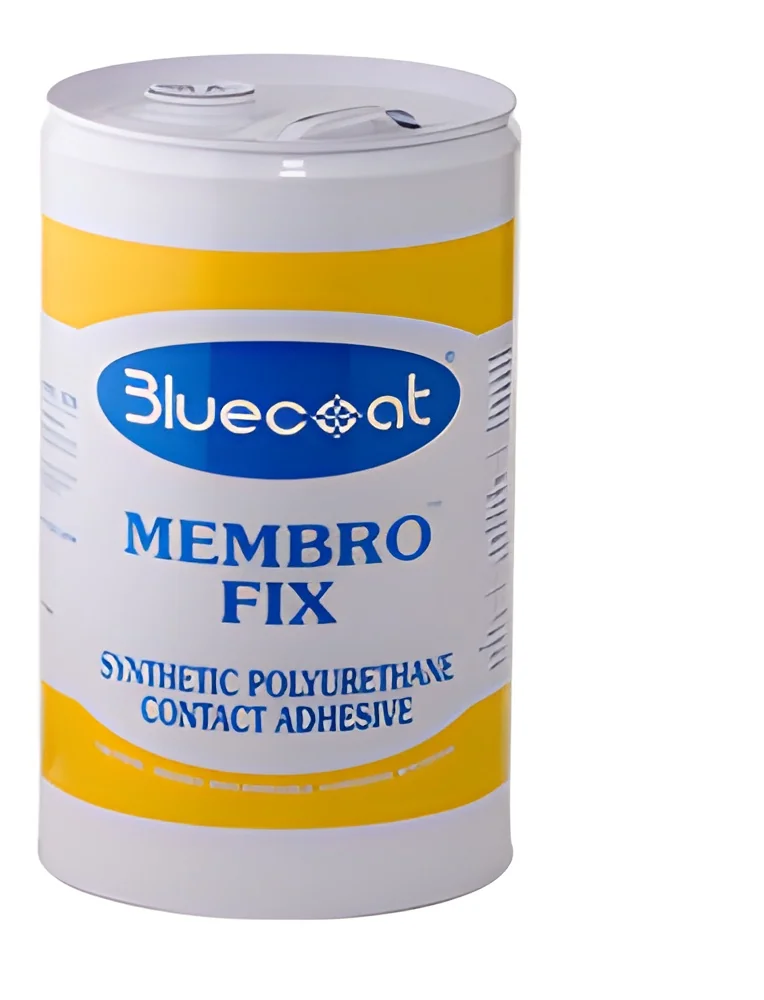
What are Heat Resistant Coatings?
Heat resistant coatings are specialized materials designed to withstand high temperatures while maintaining their structural integrity and protective properties. These coatings are typically formulated from advanced compounds that provide a barrier against heat, corrosion, and wear. By applying these coatings to various surfaces, businesses can enhance the durability and lifespan of their equipment and structures exposed to extreme heat conditions.
These coatings find primary use in industries such as manufacturing, automotive, aerospace, and energy. They are commonly applied to engines, exhaust systems, pipes, and other components that endure significant thermal stress. By utilizing heat resistant coatings, companies can improve the efficiency of their operations, reduce maintenance costs, and enhance safety by preventing failures caused by excessive heat exposure. With a growing focus on sustainability and performance, the market for heat resistant coatings continues to expand, driven by technological advancements and increasing demand for high-performance materials.
Key Features and Specifications
Heat resistant coatings are characterized by several key features that make them suitable for high-temperature applications. These features include exceptional thermal stability, resistance to oxidation, and durability under harsh conditions. The specifications of heat resistant coatings are essential for determining their suitability for specific applications.
Key specifications include:
1. Temperature Resistance
- Coatings can typically withstand temperatures ranging from 200°C to 1000°C.
- Different formulations may offer varying levels of heat resistance.
2. Chemical Resistance
- Resistant to common industrial chemicals and solvents.
- Ensures longevity in harsh environments.
3. Application Method
- Available for application via spraying, brushing, or dipping.
- Adaptable to various surface types.
4. Drying Time
- Fast-drying options available, with times ranging from 30 minutes to several hours.
- Influences production schedules and turnaround times.
5. Adhesion Strength
- High adhesion properties to ensure durability and effectiveness.
- Critical for maintaining integrity under thermal stress.
6. Color and Finish
- Available in various colors and finishes to meet aesthetic or functional requirements.
- Options for matte or glossy appearances.
7. Thickness
- Coating thickness can vary, typically ranging from 25 to 100 microns.
- Thickness affects the durability and thermal protection level.
8. Compliance
- Certain products meet industry standards such as CE certification.
- Ensures safety and reliability in applications.
In summary, heat resistant coatings offer a variety of features and specifications that cater to different industrial needs, providing businesses with reliable solutions for high-temperature environments.
Common Applications and Use Cases
Heat resistant coatings are utilized across multiple industries, each with specific applications that capitalize on their protective properties.
1. Automotive: Used on exhaust systems and engine components to enhance longevity and performance under high heat conditions.
2. Aerospace: Applied to aircraft parts to withstand extreme thermal environments during flight, ensuring safety and functionality.
3. Energy: Utilized in power plants and renewable energy systems, such as solar panels, to protect components from high temperatures and improve efficiency.
4. Manufacturing: Protective coatings for machinery and equipment that operate at elevated temperatures, reducing wear and maintenance needs.
5. Oil and Gas: Applied to pipelines and equipment exposed to high heat and corrosive substances, enhancing durability and safety.
6. Metal Fabrication: Coatings used on metal surfaces to prevent damage from heat and oxidation during fabrication processes.
7. Food Processing: Heat resistant coatings provide a safe and durable surface for equipment that undergoes high-temperature cleaning and operation.
Product Variants and Subcategories
Heat resistant coatings come in various formulations tailored to specific applications and environments. This diversity allows businesses to select the most appropriate variant for their needs.
High-Temperature Silicone Coating
This variant is designed for extreme heat applications, offering excellent flexibility and durability. It is ideal for automotive and industrial applications where thermal expansion and contraction occur.
Ceramic-Based Coating
Known for its superior thermal insulation properties, ceramic-based coatings are perfect for aerospace and high-performance automotive applications. They provide exceptional heat resistance and protect against abrasion and corrosion.
Epoxy Heat Resistant Coating
Epoxy coatings offer a strong and durable finish suitable for industrial equipment and machinery. They are effective in protecting surfaces from high temperatures and chemical exposure.
Thermal Barrier Coating
Designed for applications in aerospace and energy sectors, thermal barrier coatings reduce heat transfer and protect underlying structures from thermal damage.
Benefits and Advantages
Heat resistant coatings offer numerous benefits that enhance operational efficiency and safety across different industries.
1. Extended Equipment Lifespan: By protecting surfaces from heat and corrosion, these coatings significantly prolong the life of machinery and components.
2. Reduced Maintenance Costs: The durability of heat resistant coatings leads to lower maintenance and repair needs, ultimately saving costs for businesses.
3. Improved Safety: Coatings help prevent failures due to heat damage, ensuring safer working environments and reducing the risk of accidents.
4. Enhanced Performance: Equipment coated with heat resistant materials often operates more efficiently, leading to increased productivity.
5. Versatile Applications: These coatings can be used in various industries, making them a flexible solution for many business needs.
6. Environmental Benefits: Durable coatings reduce the frequency of replacements, contributing to sustainability efforts by minimizing waste.
Buying Guide for B2B Buyers
When sourcing heat resistant coatings, it is essential for buyers to consider several key factors to ensure the best fit for their specific applications.
1. Quality Assessment: Look for coatings that meet relevant industry standards and certifications, ensuring reliability and performance in high-temperature environments.
2. Supplier Verification: Vet potential suppliers by checking their reputation, experience, and the quality of their products. A verified supplier network can ensure you receive high-quality coatings.
3. Pricing and MOQ: Understand the pricing structures and minimum order quantities (MOQ) offered by suppliers. This helps in budgeting and planning for procurement.
4. Delivery and Lead Times: Consider the logistics involved in sourcing materials. Evaluate lead times to ensure timely delivery for production schedules.
5. Compliance Requirements: Ensure that the coatings comply with applicable regulatory standards and safety requirements for your industry, which is crucial for maintaining operational integrity.
Compliance and Certifications
Heat resistant coatings must adhere to various quality standards and certifications to ensure safety and effectiveness in industrial applications. Common standards include ISO 9001, which focuses on quality management systems, and CE certification, indicating compliance with European safety standards.
Additionally, safety and testing requirements are vital in assessing the performance of these coatings. They must undergo rigorous testing to verify their heat resistance and durability under specific conditions. Regional compliance considerations may also come into play, depending on local regulations that govern the use of industrial materials.
It is essential for businesses to work with suppliers who understand these requirements and can provide documentation to prove compliance, ensuring that the coatings used will perform as expected and meet safety standards.
Why Source Heat Resistant Coatings from Pepagora?
Pepagora offers a trusted platform for sourcing heat resistant coatings, providing several key advantages to B2B buyers.
Verified Supplier Network: Pepagora connects buyers with a network of verified suppliers, ensuring quality and reliability in the products sourced. This network allows businesses to find trusted manufacturers with a proven track record in the industry.
Streamlined RFQ Process: The platform features a streamlined request for quotation (RFQ) process, enabling buyers to easily compare prices and specifications from multiple suppliers. This efficiency simplifies the procurement process and helps businesses make informed decisions.
Trade Assurance and Support: Pepagora provides trade assurance and support to buyers, offering protection against potential issues and ensuring a smooth transaction experience. This instills confidence in the sourcing process.
Regional Coverage: With a focus on markets in India, the GCC, and Southeast Asia, Pepagora provides extensive geographic reach, helping businesses access quality heat resistant coatings tailored to their specific regional needs. This coverage ensures timely delivery and support for customers across multiple locations.

 IN
IN