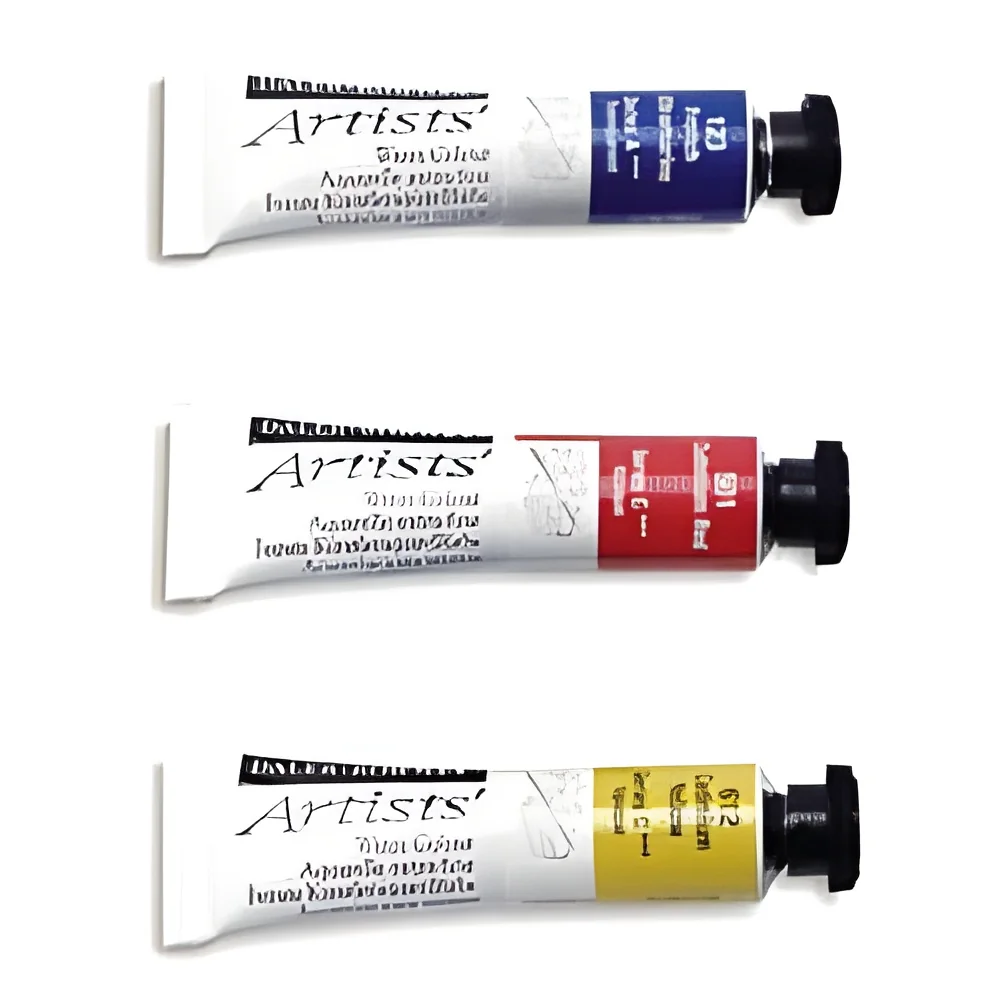
What are Aluminum Paints?
Aluminum paints are specialized coatings that incorporate aluminum flakes suspended in a liquid medium. These paints are designed to provide a metallic finish while enhancing durability and resistance to environmental elements. The aluminum particles in the paint help reflect light and heat, making them suitable for a variety of applications where both aesthetic and functional properties are important.
Aluminum paints are commonly used in industries such as automotive, aerospace, construction, and manufacturing. They serve multiple purposes, from protecting surfaces against corrosion to providing a decorative finish. Their reflective properties can also improve energy efficiency in buildings by reducing heat absorption. In today's market, the demand for aluminum paints continues to grow as industries seek high-performance solutions that meet both functional and aesthetic needs.
Key Features and Specifications
Aluminum paints are characterized by several key features that enhance their performance and application. Understanding these specifications is crucial for selecting the right product for specific needs.
Key specifications include:
1. Finish Type
- Available in various finishes such as matte, semi-gloss, and high-gloss.
- Each finish type is suitable for different aesthetic and functional requirements.
2. Drying Time
- Typically ranges from 30 minutes to several hours depending on the formulation.
- Quick-drying options are available for faster project completion.
3. Coverage Area
- Generally covers 300 to 400 square feet per gallon.
- Coverage may vary based on surface texture and application method.
4. Adhesion Properties
- Designed for strong adhesion to a variety of substrates.
- Ideal for metal, wood, and some plastic surfaces.
5. Temperature Resistance
- Can withstand temperatures ranging from -20°C to +150°C.
- Suitable for both indoor and outdoor applications.
6. VOC Content
- Low to moderate VOC levels, compliant with environmental regulations.
- Options available for low-VOC formulations.
7. Shelf Life
- Typically has a shelf life of 12 to 24 months when stored properly.
- Ensure proper storage conditions to maintain quality.
8. Application Methods
- Can be applied using brushes, rollers, or spray equipment.
- Each method offers different benefits depending on the project.
Aluminum paints combine these features to provide effective solutions for various industrial requirements.
Common Applications and Use Cases
Aluminum paints find applications across numerous industries, highlighting their versatility and effectiveness.
1. Automotive: Used in vehicle body coatings and parts to enhance aesthetics and provide protection against corrosion.
2. Aerospace: Suitable for aircraft components due to their lightweight and heat-reflective properties, enhancing fuel efficiency.
3. Construction: Applied on building exteriors and interiors to improve energy efficiency and protect surfaces from environmental damage.
4. Marine: Used for boat hulls and other marine equipment to prevent corrosion and enhance durability against saltwater exposure.
5. Manufacturing: Ideal for machinery and equipment that require protective coatings to withstand harsh environments.
6. Electrical: Utilized in the coating of electrical enclosures to reduce heat absorption and improve performance.
7. Furniture: Used in decorative finishes for metal furniture, providing both aesthetic appeal and protection.
Product Variants and Subcategories
Aluminum paints are available in various formulations to meet specific industry needs.
Water-Based Aluminum Paint
This variant offers easy cleanup and low VOC emissions, making it environmentally friendly. It is ideal for indoor applications where ventilation may be limited.
Solvent-Based Aluminum Paint
Known for excellent durability and resistance to harsh conditions, this variant is well-suited for outdoor applications and heavy-duty surfaces.
High-Temperature Aluminum Paint
Specifically formulated to withstand extreme heat, this paint is perfect for use on exhaust systems and other high-temperature environments.
Epoxy Aluminum Paint
Combining the benefits of epoxy with aluminum, this variant provides superior adhesion and chemical resistance, making it ideal for industrial applications.
Benefits and Advantages
Aluminum paints offer a range of benefits that make them a preferred choice for various applications.
1. Corrosion Resistance: The aluminum particles provide a protective barrier against moisture and corrosive elements, prolonging the life of surfaces.
2. Reflective Properties: These paints reflect light and heat, reducing energy costs in buildings and enhancing comfort in environments.
3. Aesthetic Appeal: Available in various finishes, aluminum paints can enhance the visual appeal of surfaces, making them suitable for decorative applications.
4. Versatility: Suitable for a wide range of materials, aluminum paints can be used in diverse industries, from automotive to construction.
5. Ease of Application: Aluminum paints can be easily applied using various methods, allowing for flexibility in project execution.
6. Environmentally Friendly Options: Many formulations are available with low VOC content, making them safer for indoor use and compliant with environmental regulations.
Buying Guide for B2B Buyers
When sourcing aluminum paints, it is essential to consider several key factors to ensure the right selection for your business needs.
1. Quality Assessment: Evaluate the quality of aluminum paints based on performance characteristics such as adhesion, drying time, and resistance to environmental factors.
2. Supplier Verification: Vet potential suppliers by checking their credentials, customer reviews, and industry certifications to ensure reliability and product quality.
3. Pricing and MOQ: Understand the cost structure, including pricing per unit and minimum order quantities, to align your budget with purchasing needs.
4. Delivery and Lead Times: Assess logistical aspects, including delivery timelines and shipping options, to ensure timely project execution.
5. Compliance Requirements: Verify that the products meet necessary regulatory standards and certifications, such as CE, to ensure safety and performance.
Compliance and Certifications
Aluminum paints must meet various quality standards and compliance requirements to ensure safety and effectiveness.
Relevant quality standards such as ISO 9001 help ensure consistent quality management systems in manufacturing processes. Compliance with industry certifications, including CE, indicates adherence to essential safety and performance standards.
Moreover, safety and testing requirements are critical, especially for paints that will be used in sensitive environments. Manufacturers must conduct thorough testing to meet these regulations.
Regional compliance considerations may vary, so it is essential to be aware of local regulations governing chemical products and their application.
Why Source Aluminum Paints from Pepagora?
Pepagora provides a trusted platform for sourcing aluminum paints, offering several key advantages for B2B buyers.
Verified Supplier Network: Pepagora connects buyers with a network of verified suppliers, ensuring that you source high-quality aluminum paints from reputable manufacturers.
Streamlined RFQ Process: The request for quotation (RFQ) process is designed to be efficient, allowing buyers to compare multiple offers and make informed purchasing decisions quickly.
Trade Assurance and Support: Pepagora offers trade assurance, providing buyer protection and support throughout the procurement process to ensure satisfactory transactions.
Regional Coverage: With a strong presence in India, the GCC, and Southeast Asia, Pepagora facilitates sourcing across regions, making it easier for businesses to access aluminum paints tailored to their specific needs.

 IN
IN