What are Textured Wall Finishes?
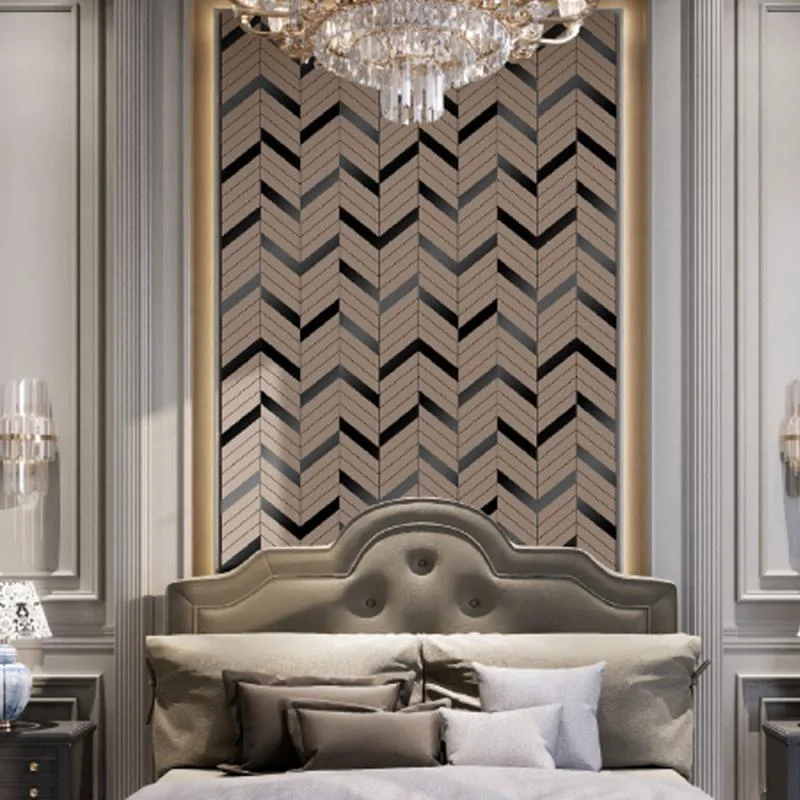
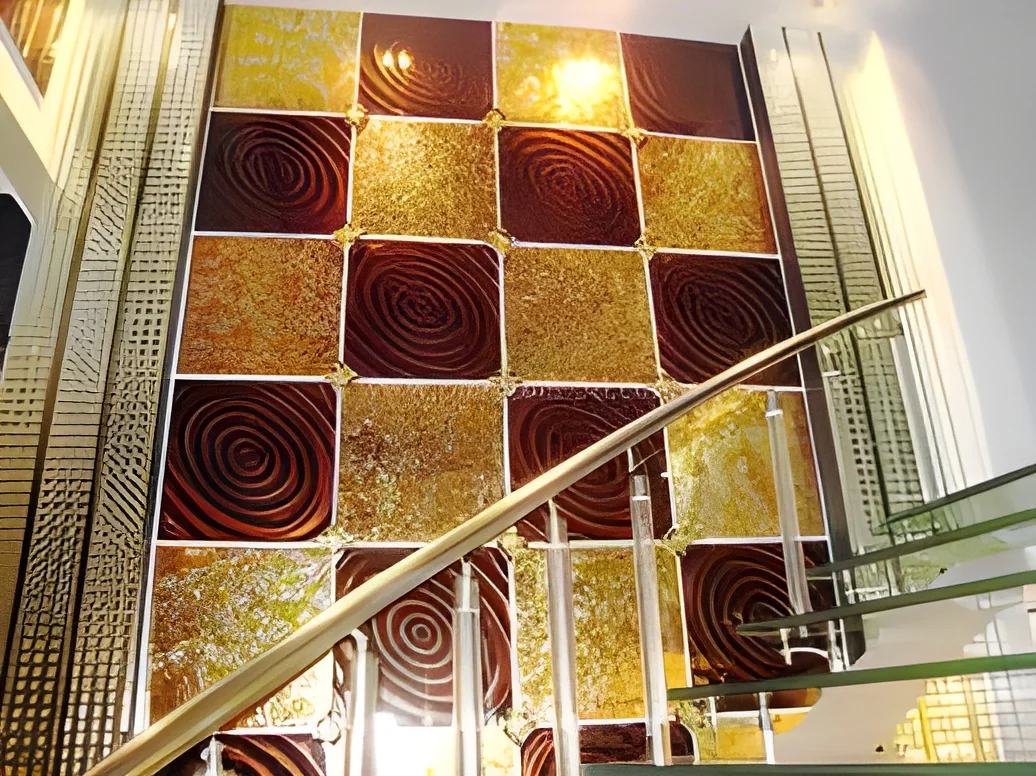
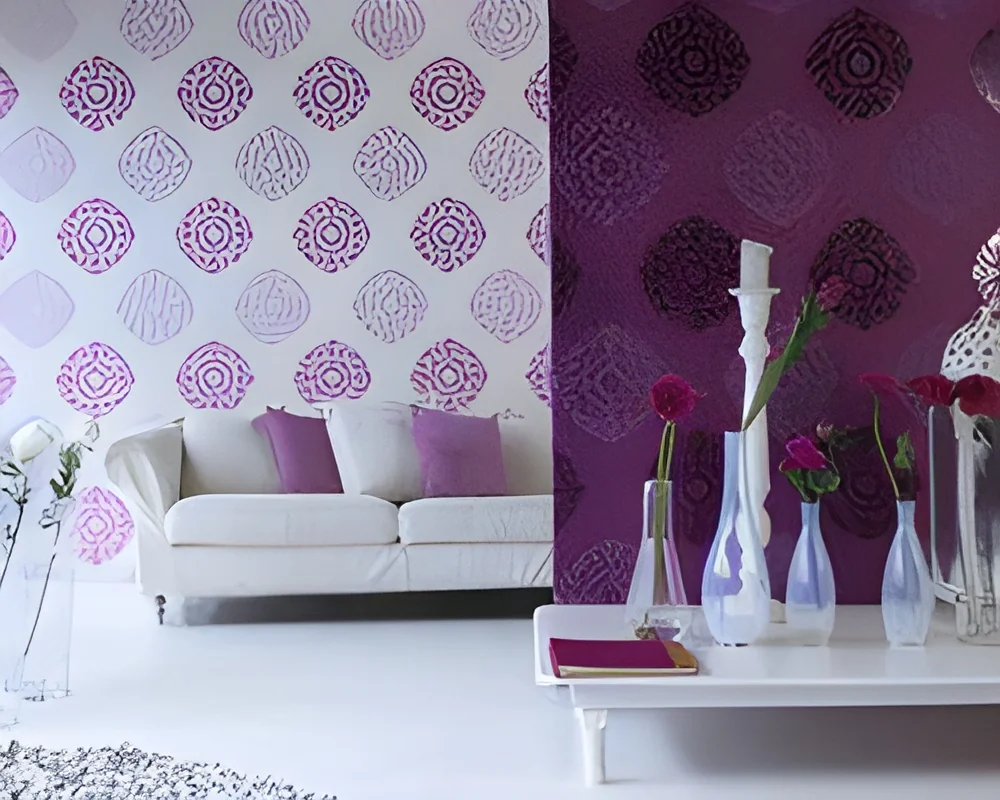
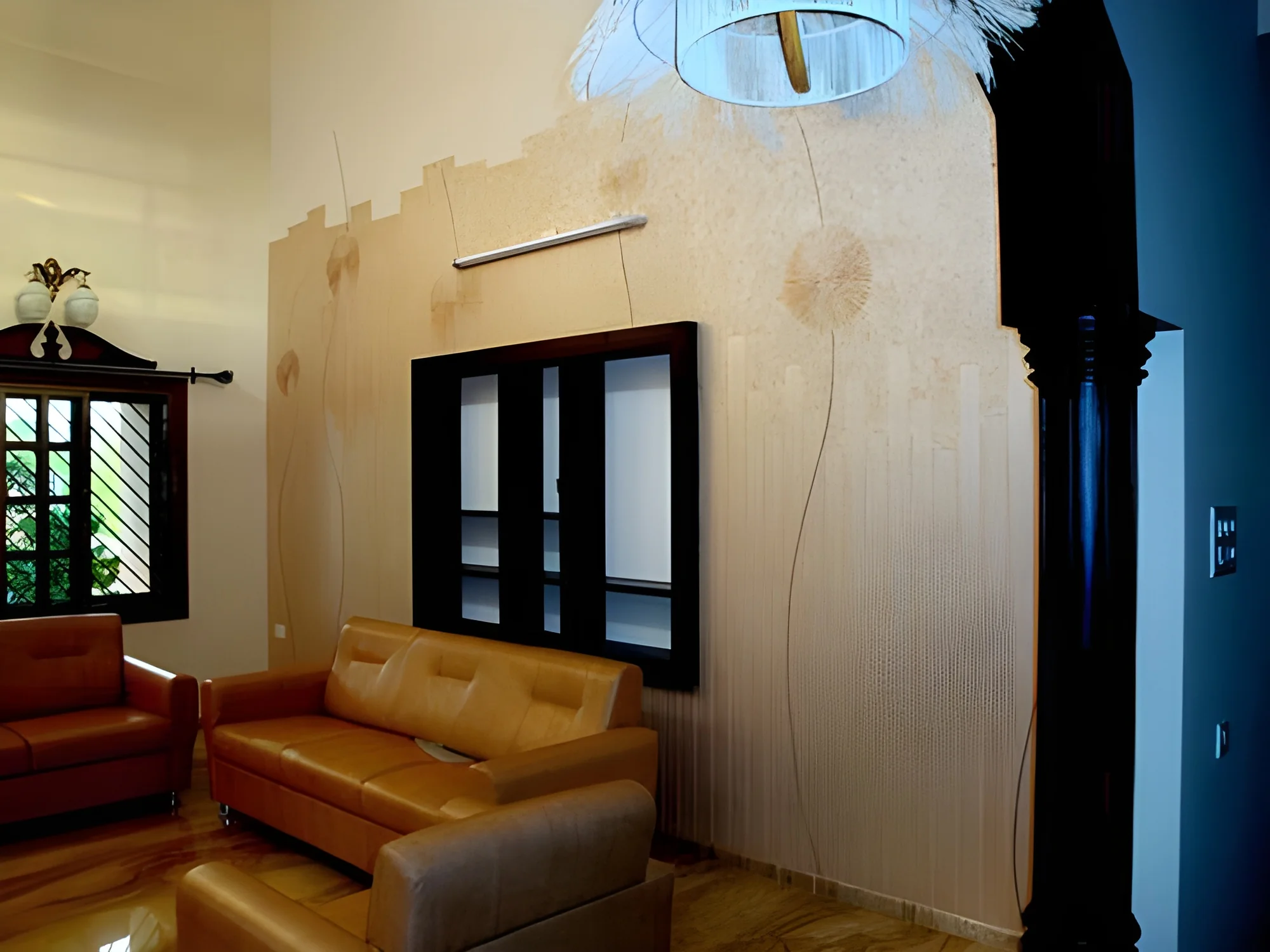
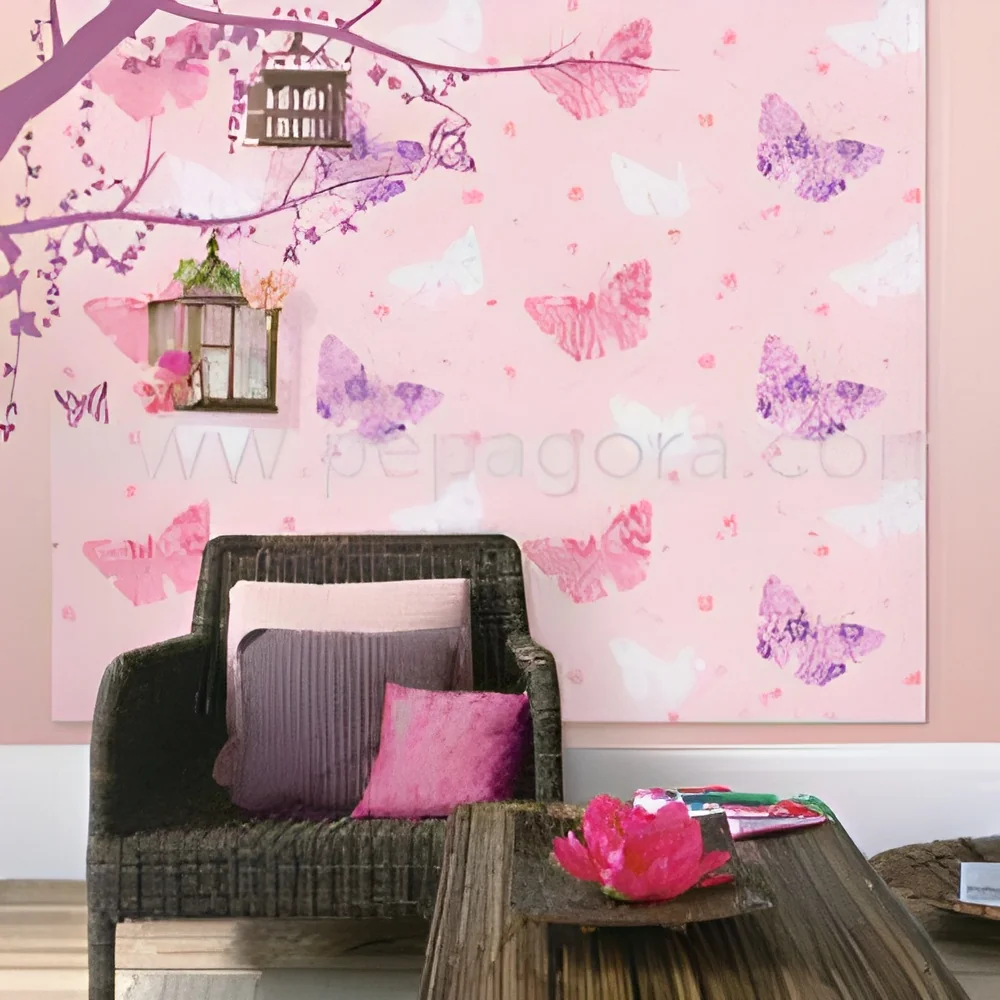
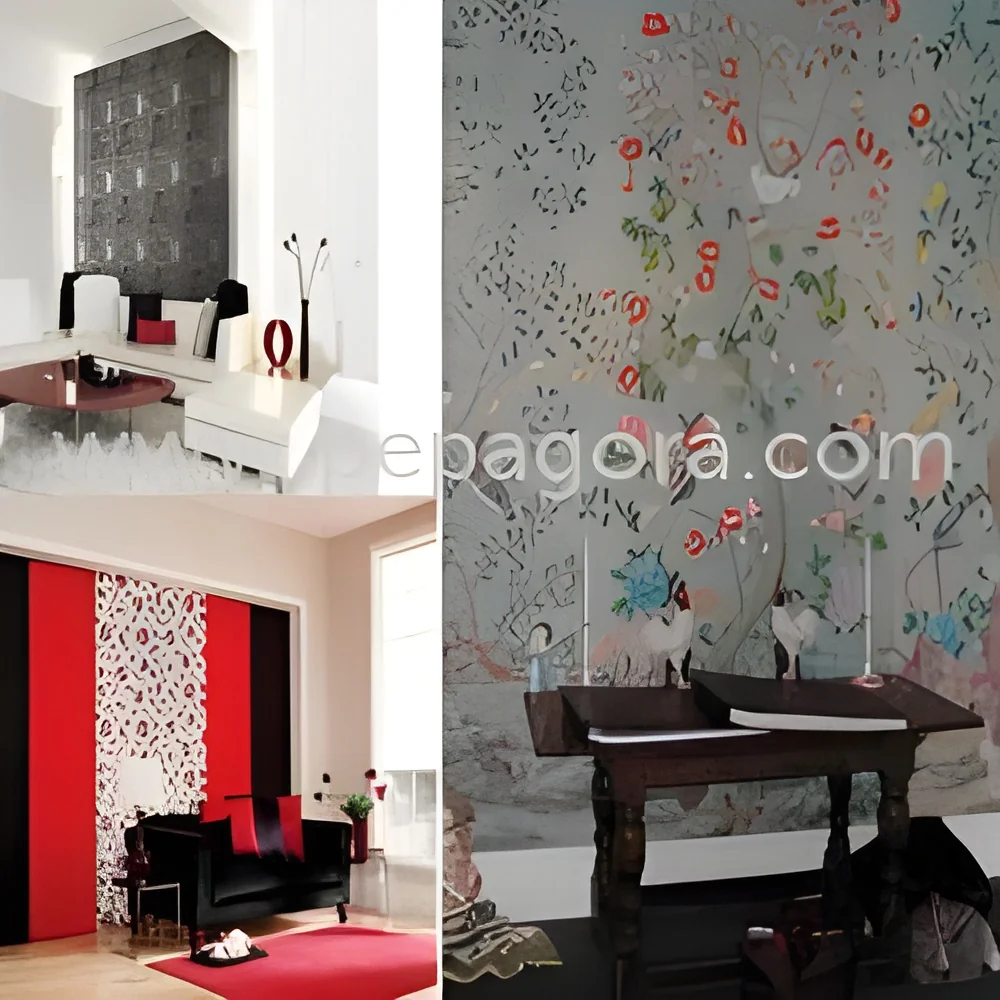
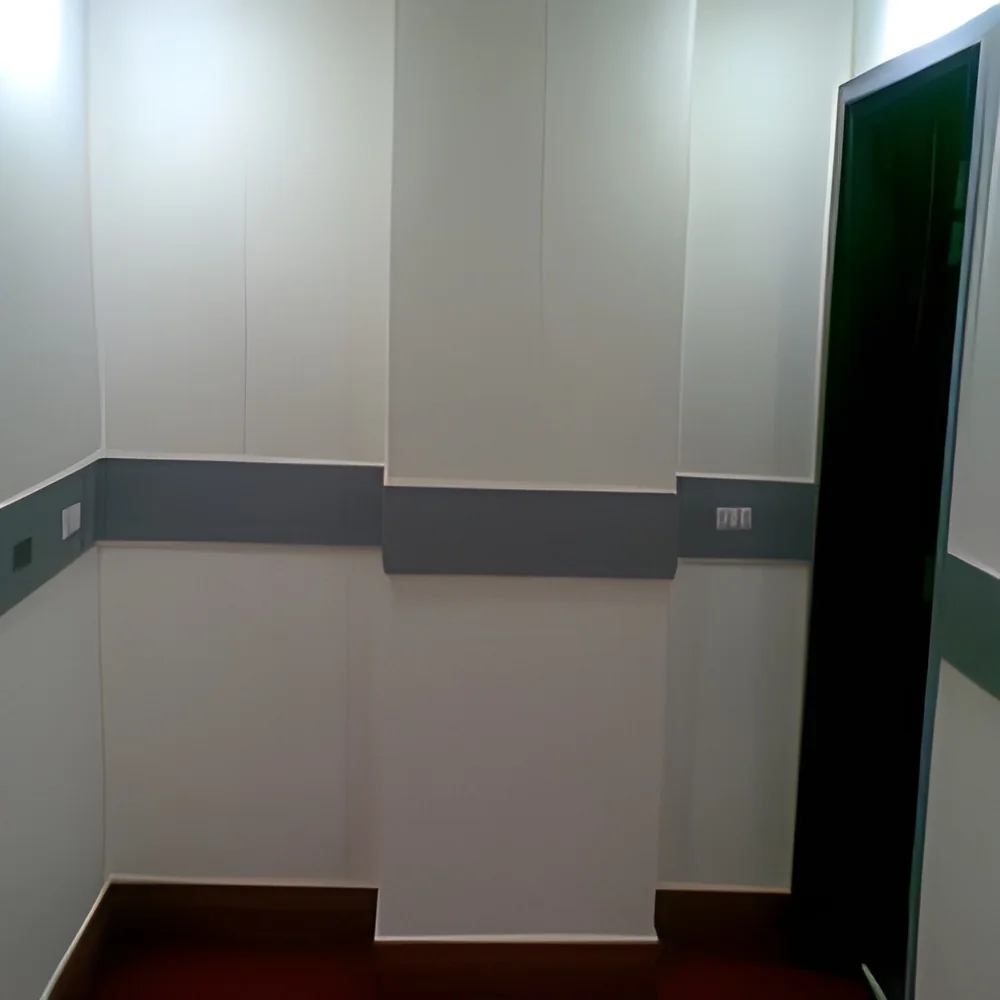
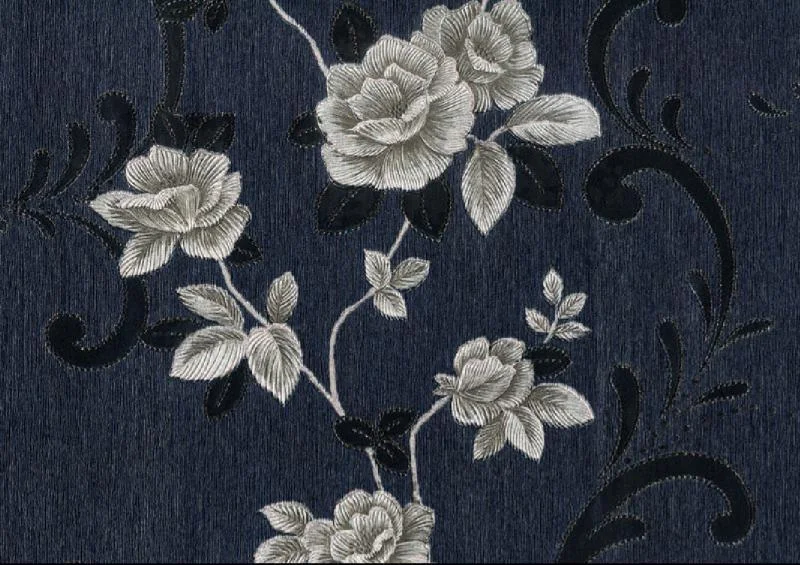
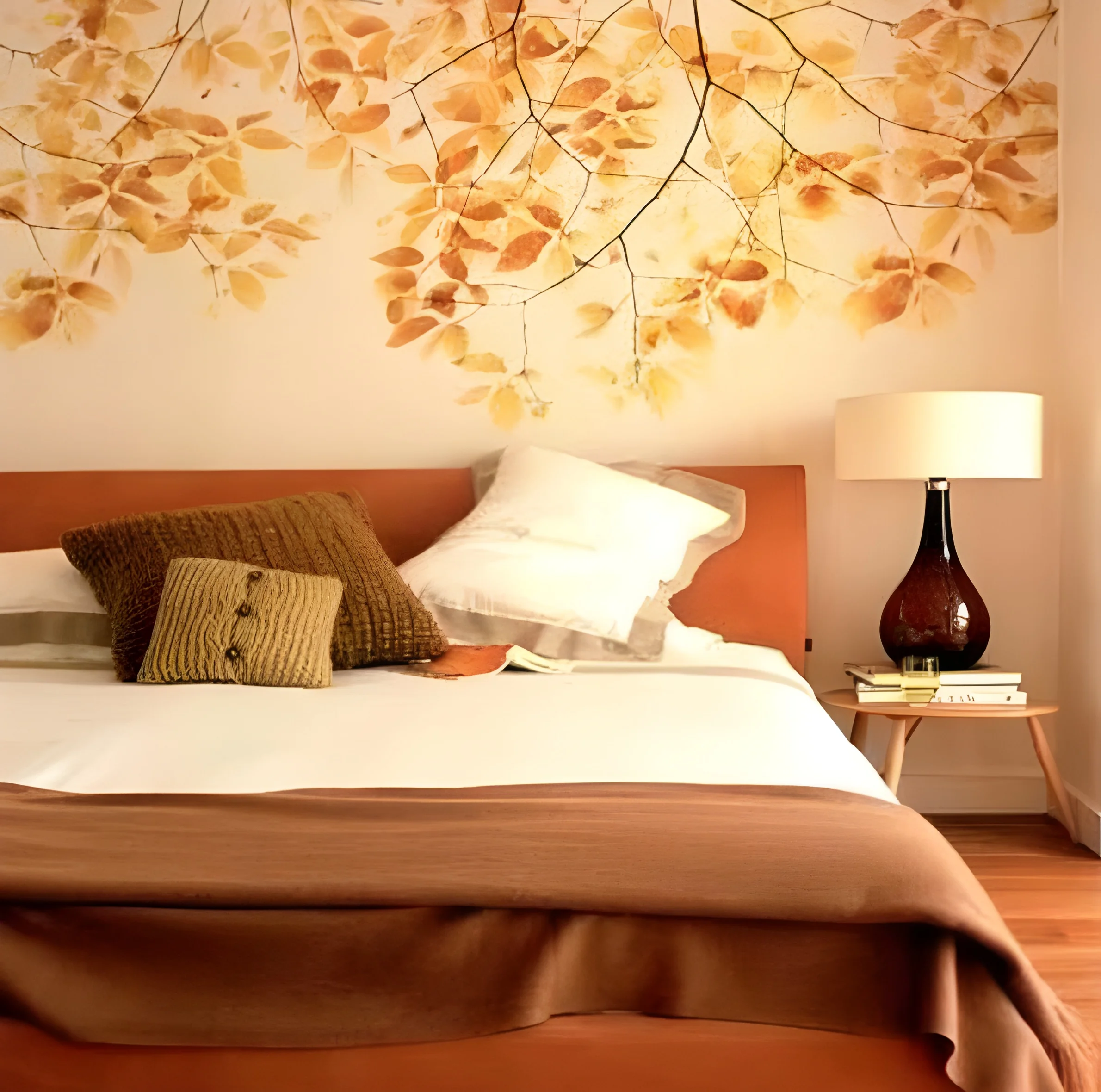
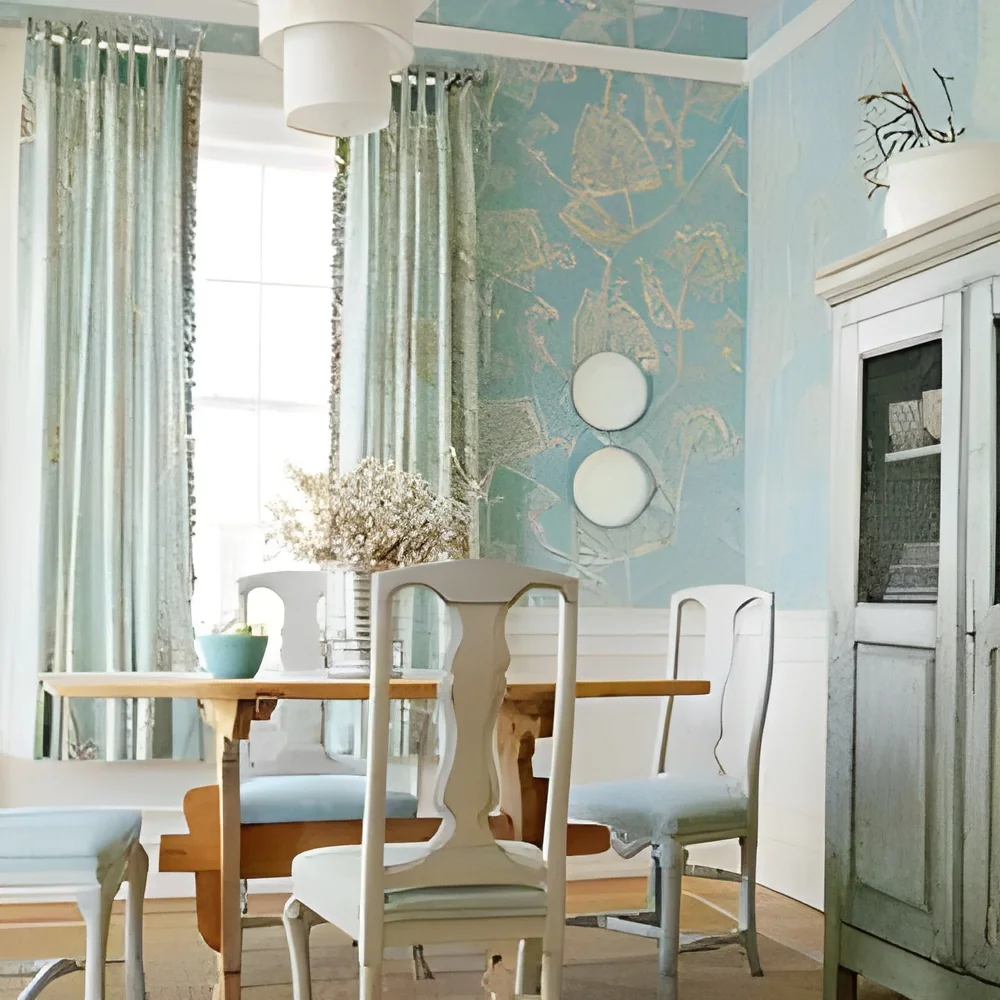
Textured wall finishes refer to a variety of surface treatments applied to walls to create visual interest and enhance aesthetic appeal. These finishes can range from simple patterns to elaborate designs, offering a unique look that standard paint cannot achieve. Textured wall finishes can be made from various materials such as plaster, paint, or wallpaper, and they can be applied in different techniques to achieve desired textures, including smooth, rough, or patterned surfaces.
These finishes are widely used in both commercial and residential settings. In commercial spaces, they help to create an inviting atmosphere, enhance branding, and withstand wear and tear. Common applications include hotels, restaurants, offices, and retail spaces. The relevance of textured wall finishes in today’s market is significant, as businesses seek to differentiate themselves through unique design elements that reflect their identity and enhance customer experience.
Key Features and Specifications
Textured wall finishes are characterized by their diversity in design and application methods. They are often chosen based on aesthetic preferences, durability requirements, and functional needs. The specifications can vary significantly depending on the manufacturer and the specific product line.
Key specifications include:
1. Material Composition
- Common materials include plaster, acrylic, and vinyl.
- Options for eco-friendly or low-VOC formulations are available.
2. Texture Types
- Various textures such as stucco, knockdown, and sand finish.
- Customizable textures to meet specific design requirements.
3. Application Method
- Can be applied by hand or with spray equipment.
- Some finishes require professional installation while others are DIY-friendly.
4. Durability
- Resistance to fading, chipping, and moisture.
- Some finishes are designed for high-traffic areas.
5. Maintenance Requirements
- Easy to clean with standard cleaning solutions.
- Some finishes may require periodic reapplication.
6. Color Options
- Wide range of colors available, including custom color matching.
- Ability to paint over existing textured finishes.
7. Environmental Impact
- Options available that meet sustainability standards.
- Low-emission products for healthier indoor air quality.
8. Compliance Standards
- Compliance with relevant industry standards, such as CE certification.
In summary, textured wall finishes are versatile products that offer a variety of features tailored to meet the needs of different environments and aesthetic preferences.
Common Applications and Use Cases
Textured wall finishes serve a variety of industries with specific applications tailored to their unique environments.
1. Hospitality: Hotels and restaurants use textured finishes to create a warm and inviting atmosphere, enhancing the overall guest experience.
2. Retail: Store interiors utilize these finishes to attract customers and establish a brand identity, making spaces more visually appealing.
3. Office Spaces: Textured wall finishes help create a professional yet comfortable environment, promoting creativity and collaboration among employees.
4. Residential: Homeowners use these finishes to add character to living spaces, including living rooms, bedrooms, and hallways.
5. Healthcare: Facilities often choose textured finishes for their ability to hide imperfections while providing a clean and hygienic environment.
6. Educational Institutions: Schools and universities employ textured walls to create engaging learning environments, stimulating creativity and focus.
7. Industrial: Factories and warehouses may use more robust textured finishes that can endure harsher conditions while maintaining a professional look.
Product Variants and Subcategories
Textured wall finishes come in various forms, catering to different aesthetic and functional needs.
Acrylic Textured Finishes
These finishes are known for their versatility and durability. They can be applied in various textures and are suitable for both interior and exterior applications. Acrylic finishes are resistant to moisture and fading, making them ideal for high-humidity areas.
Plaster Textured Finishes
Plaster finishes offer a classic look and are often used in upscale residential and commercial settings. They can be molded into intricate designs and provide excellent durability. Plaster is also a highly customizable option, allowing for a unique aesthetic.
Vinyl Textured Finishes
Vinyl finishes are popular for their ease of maintenance and wide range of design options. They can mimic other materials while being more cost-effective. Vinyl is ideal for high-traffic areas due to its resilience and ease of cleaning.
Benefits and Advantages
Textured wall finishes provide numerous advantages that make them an appealing choice for businesses and homeowners alike.
1. Aesthetic Appeal: Textured finishes add depth and character to walls, enhancing the overall design of a space.
2. Durability: Many textured finishes are designed to withstand wear and tear, making them suitable for high-traffic areas.
3. Easy Maintenance: Textured surfaces can often be cleaned easily, requiring minimal upkeep to retain their appearance.
4. Customization: These finishes can be tailored to fit specific design requirements, allowing for unique branding or personal expression.
5. Conceal Imperfections: Textured finishes can effectively hide wall imperfections, providing a smoother appearance overall.
6. Improved Acoustics: Certain textured finishes can help absorb sound, making spaces quieter and more comfortable.
Buying Guide for B2B Buyers
When sourcing textured wall finishes, it is essential for buyers to consider several critical factors to ensure they choose the right products for their needs.
1. Quality Assessment: Evaluate the quality of materials used in the finishes. Look for products that meet established industry standards and have positive reviews from previous users.
2. Supplier Verification: Conduct thorough vetting of suppliers. Check their reputation, experience in the industry, and customer feedback to ensure reliability.
3. Pricing and MOQ: Understand the pricing structure and minimum order quantities (MOQ) required by suppliers. This helps in budgeting and planning purchases effectively.
4. Delivery and Lead Times: Inquire about the lead times for delivery. Timely delivery is crucial for project planning and execution.
5. Compliance Requirements: Ensure that the products meet all necessary regulatory and compliance standards relevant to your industry and location.
Compliance and Certifications
Textured wall finishes must adhere to various quality standards and certifications to ensure safety and performance. Key standards include ISO 9001, which focuses on quality management systems, ensuring manufacturers meet customer and regulatory requirements.
Additionally, products may need to comply with safety standards such as CE marking, indicating conformity with European health, safety, and environmental protection standards.
Testing requirements may involve assessing durability, moisture resistance, and fire safety. It is also crucial to consider regional compliance, as different areas may have specific regulations regarding building materials and interior finishes.
Why Source Textured Wall Finishes from Pepagora?
Pepagora is a trusted platform for sourcing textured wall finishes, offering several key advantages for B2B buyers.
Verified Supplier Network: Pepagora has a rigorous supplier verification process that ensures all listed suppliers meet high standards of quality and reliability. This provides buyers with peace of mind when making procurement decisions.
Streamlined RFQ Process: The platform features an efficient request for quotation (RFQ) system, allowing buyers to easily compare offers from multiple suppliers, ensuring they receive the best value for their purchases.
Trade Assurance and Support: Pepagora offers buyer protection through trade assurance programs. This means that buyers can make purchases with confidence, knowing that they are supported throughout the transaction.
Regional Coverage: With a strong presence in India, the GCC, and Southeast Asia, Pepagora provides extensive geographic reach, facilitating access to quality products and suppliers in key markets. This makes it easier for businesses to find suitable textured wall finishes that meet their needs.

 IN
IN