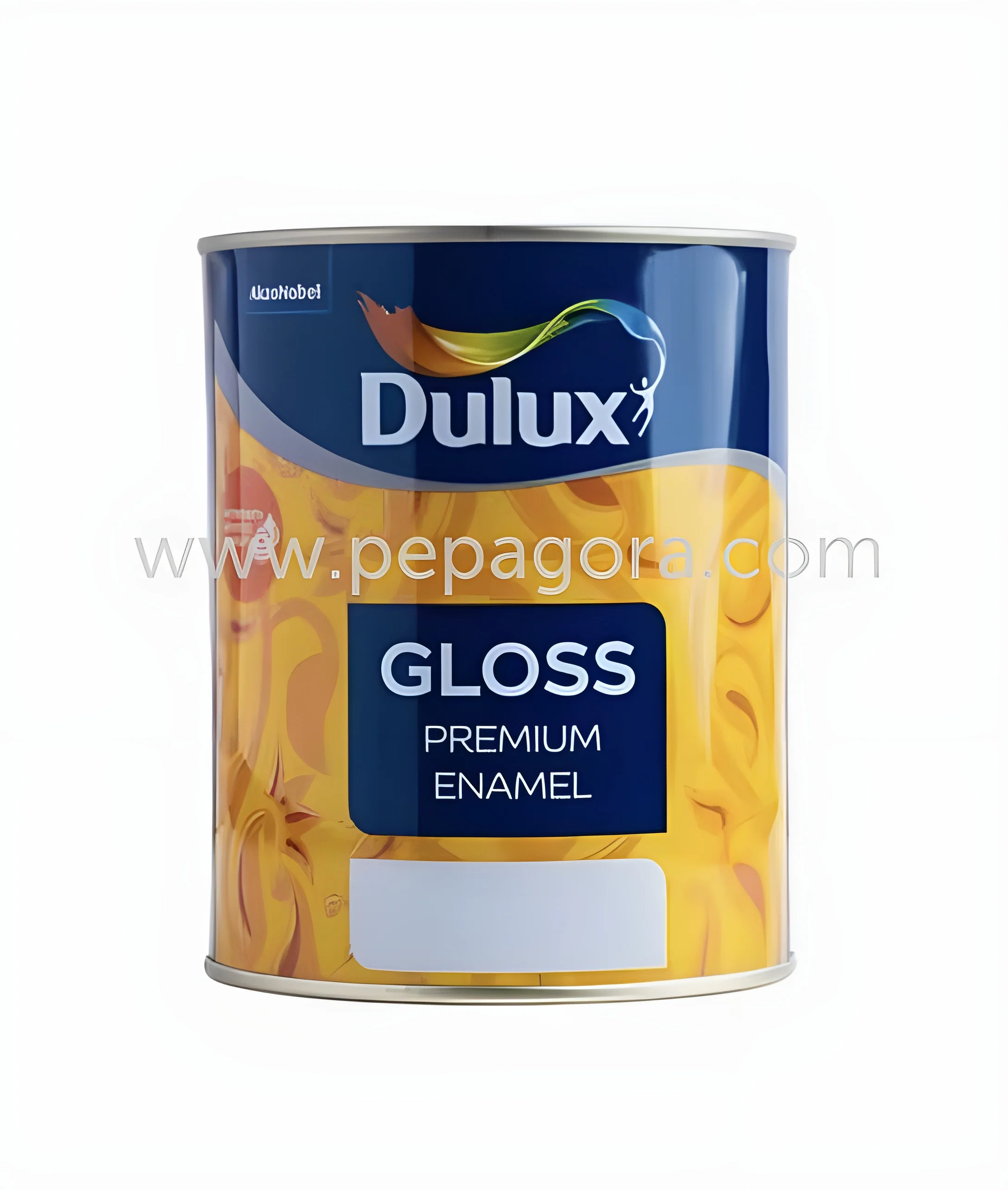
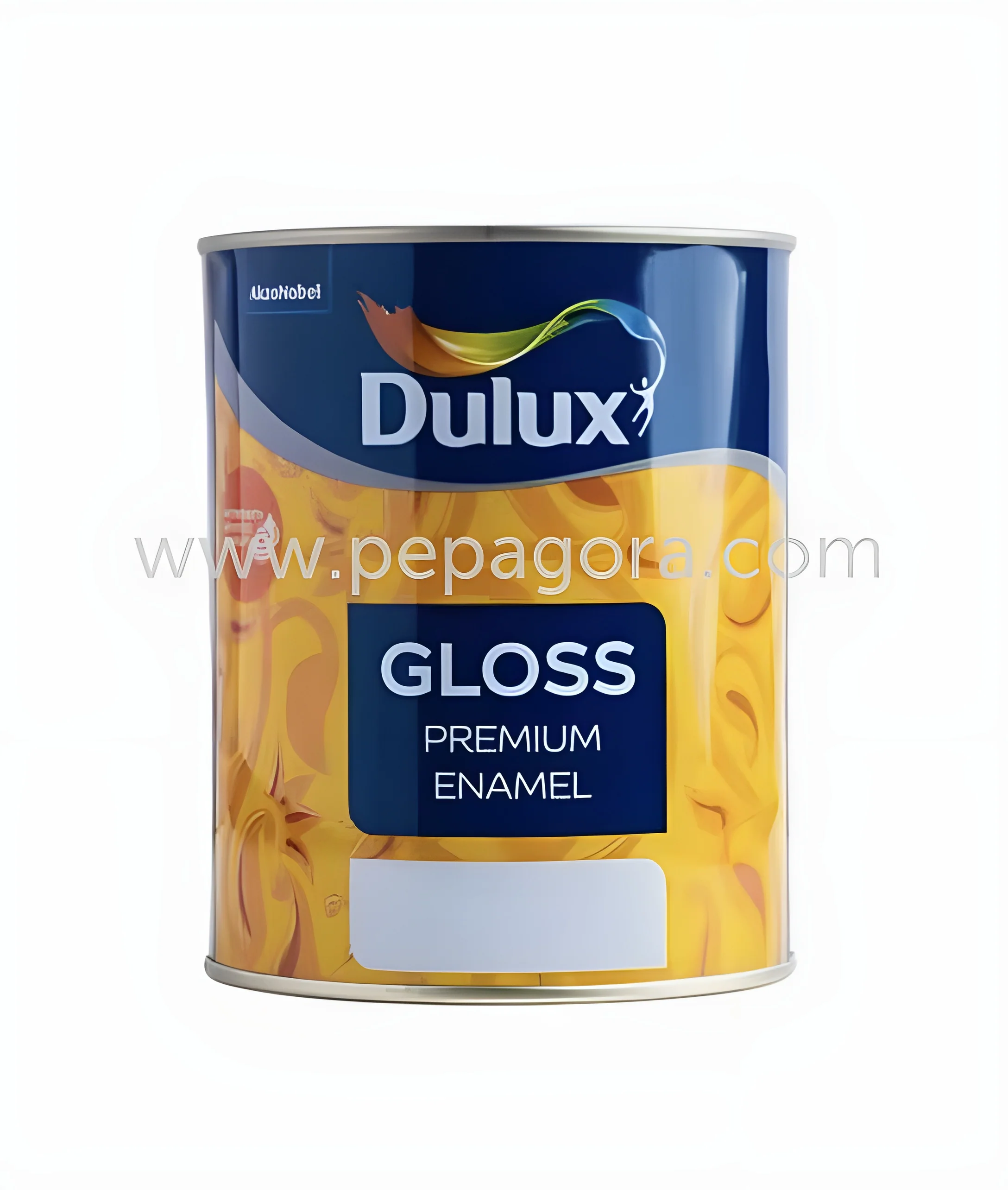
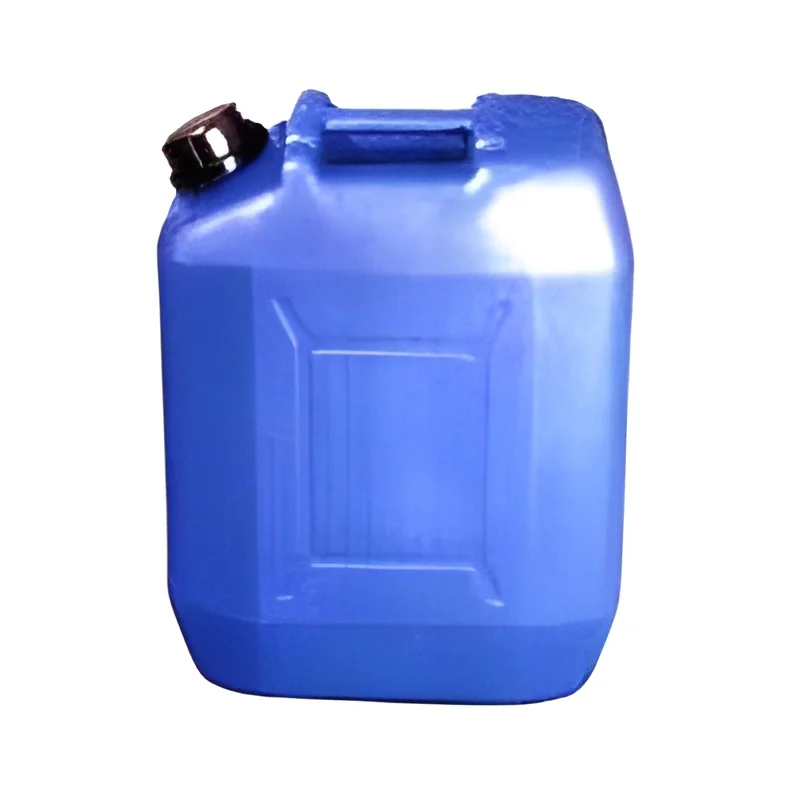
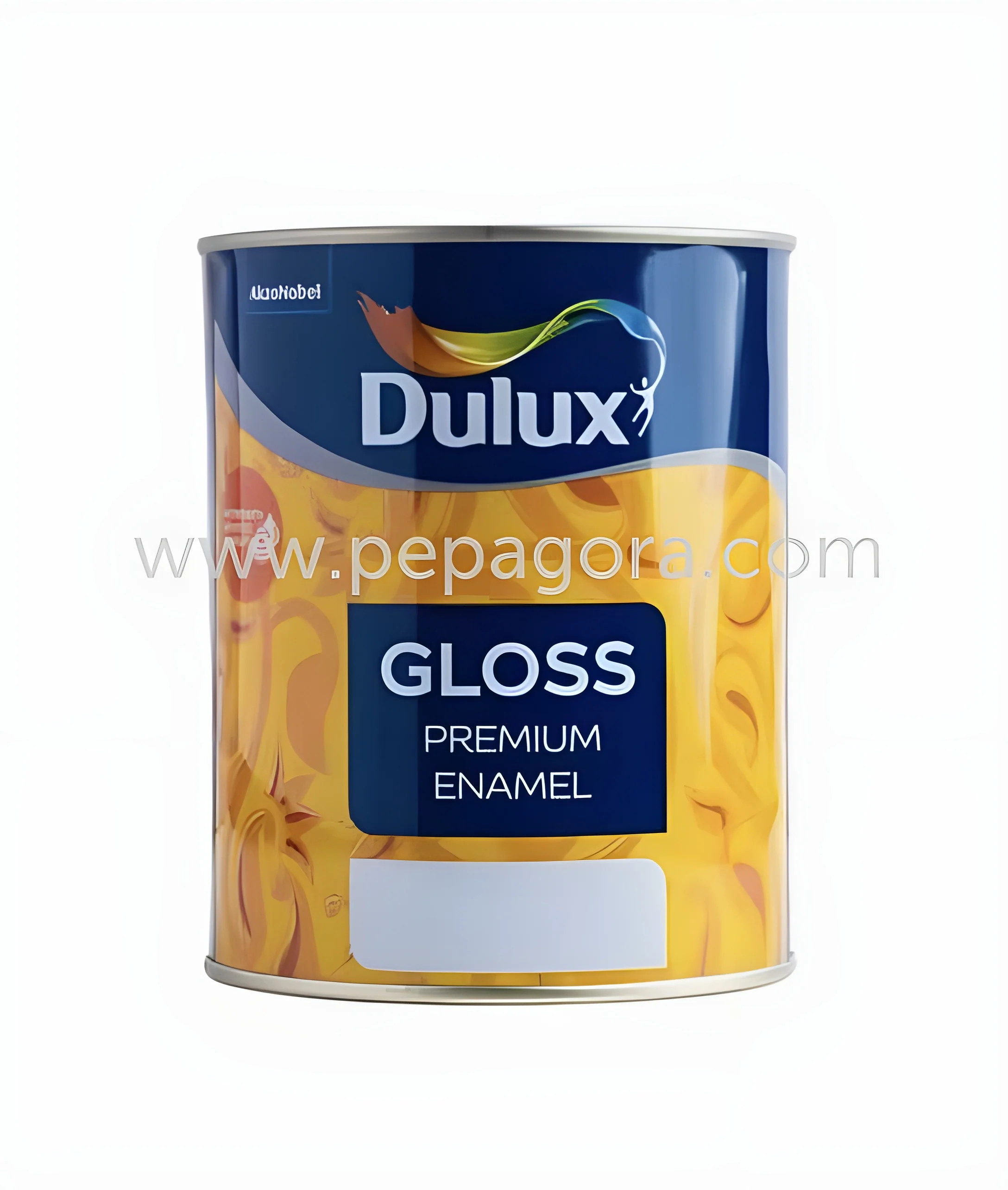
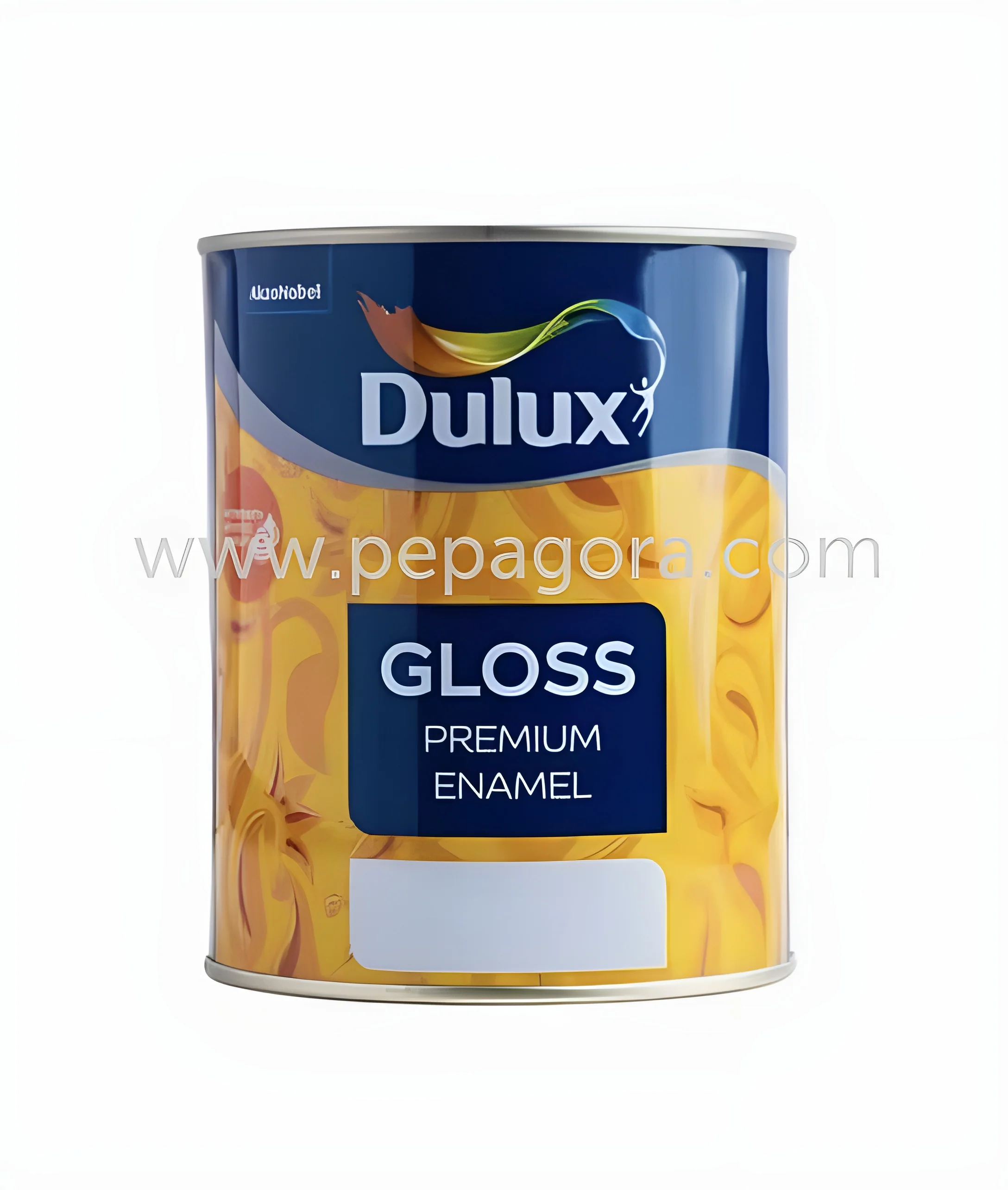
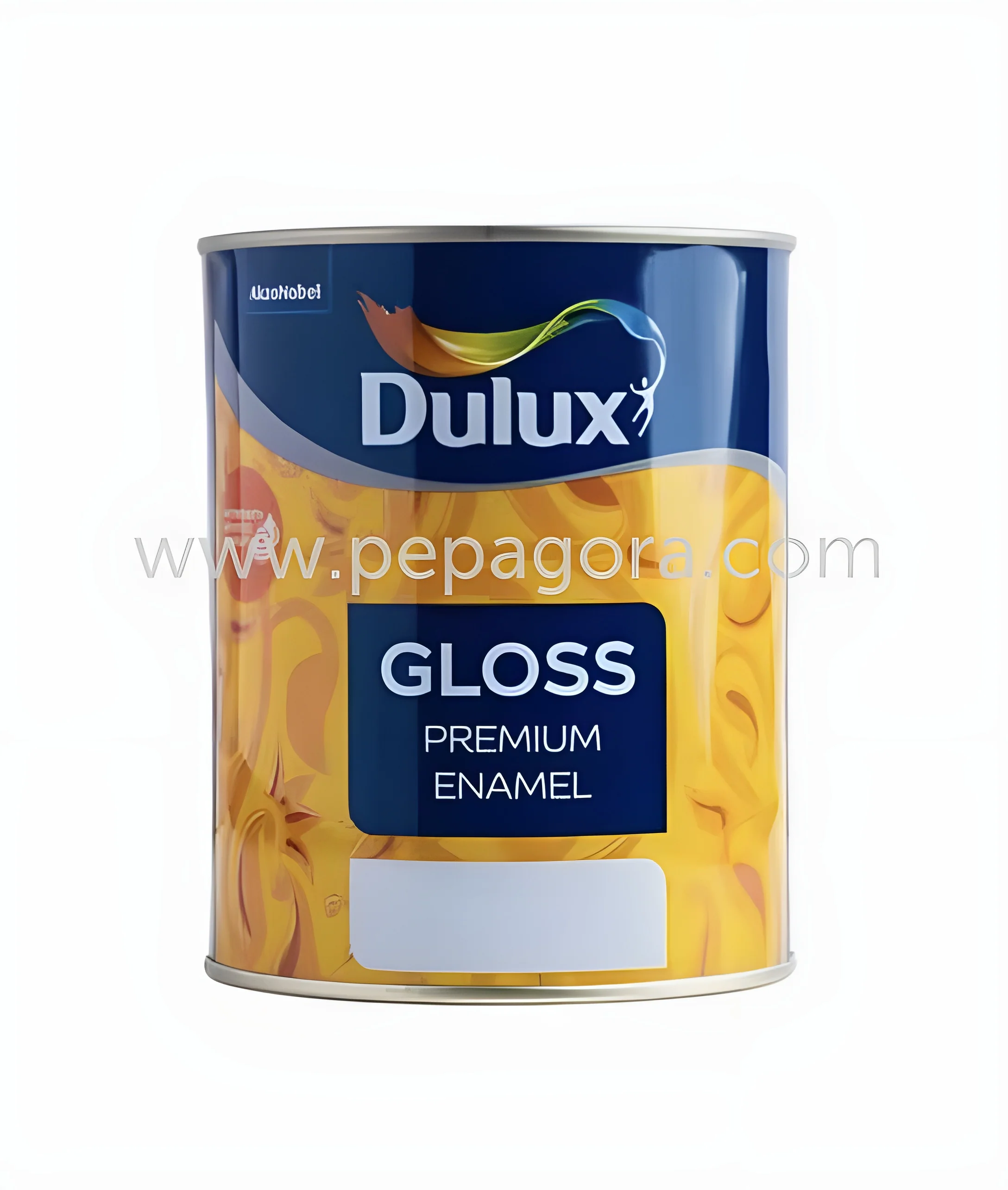
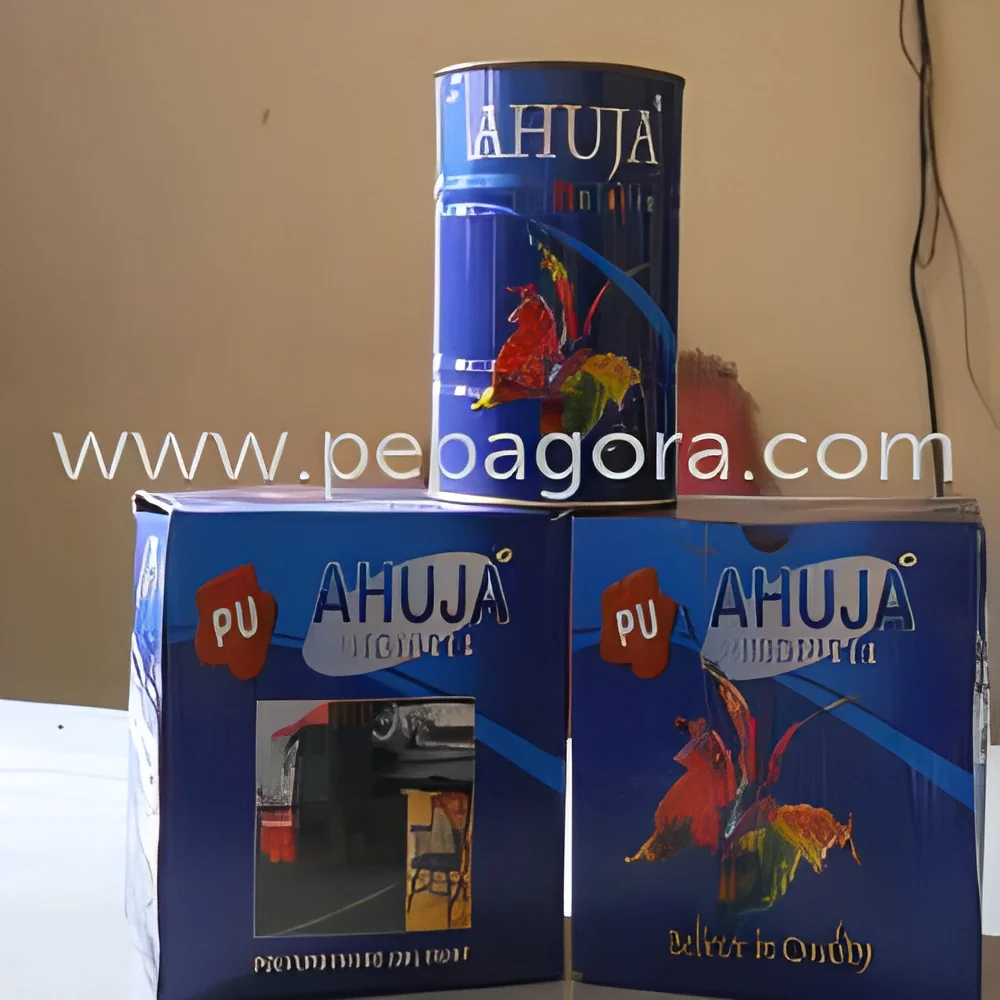
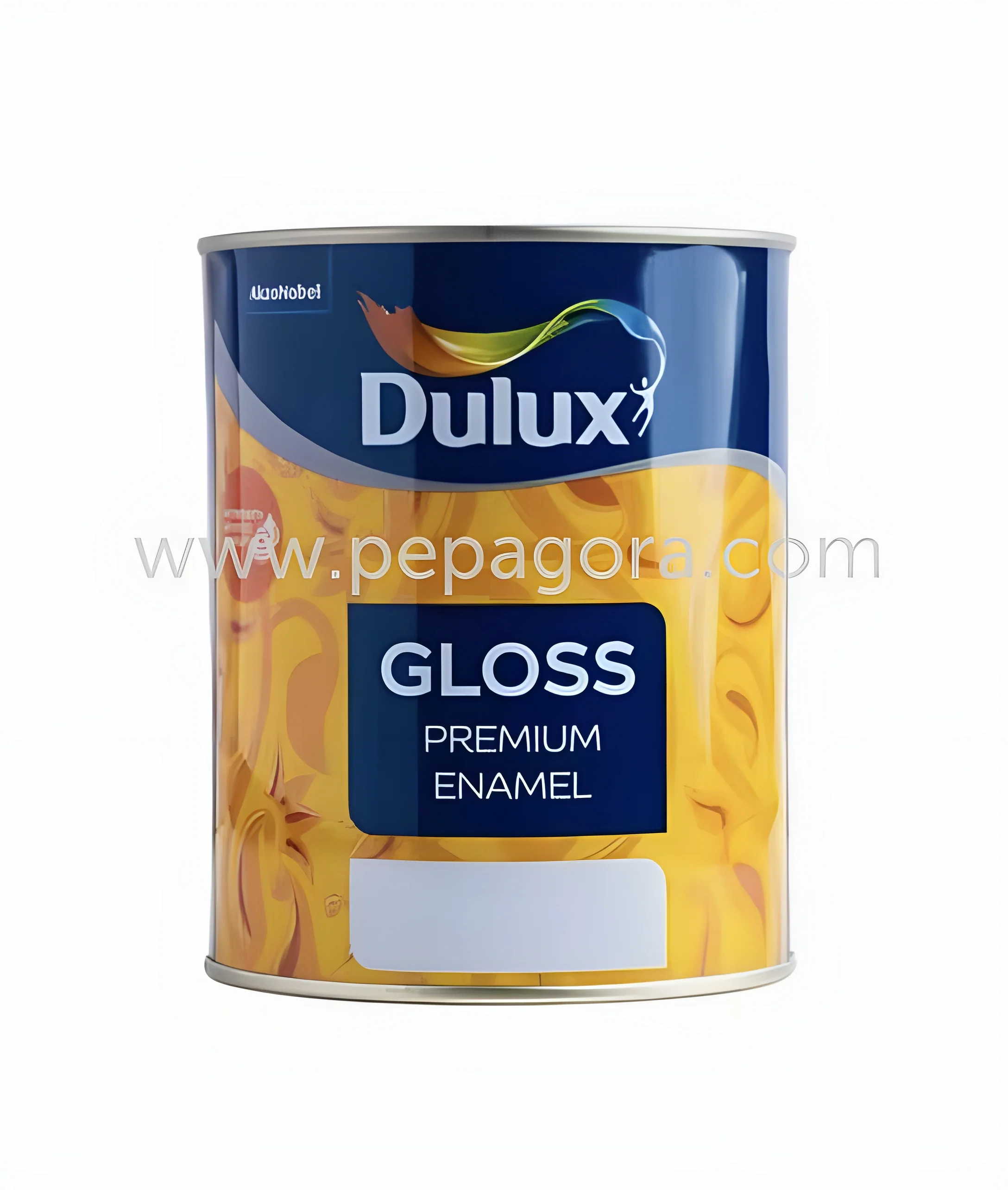
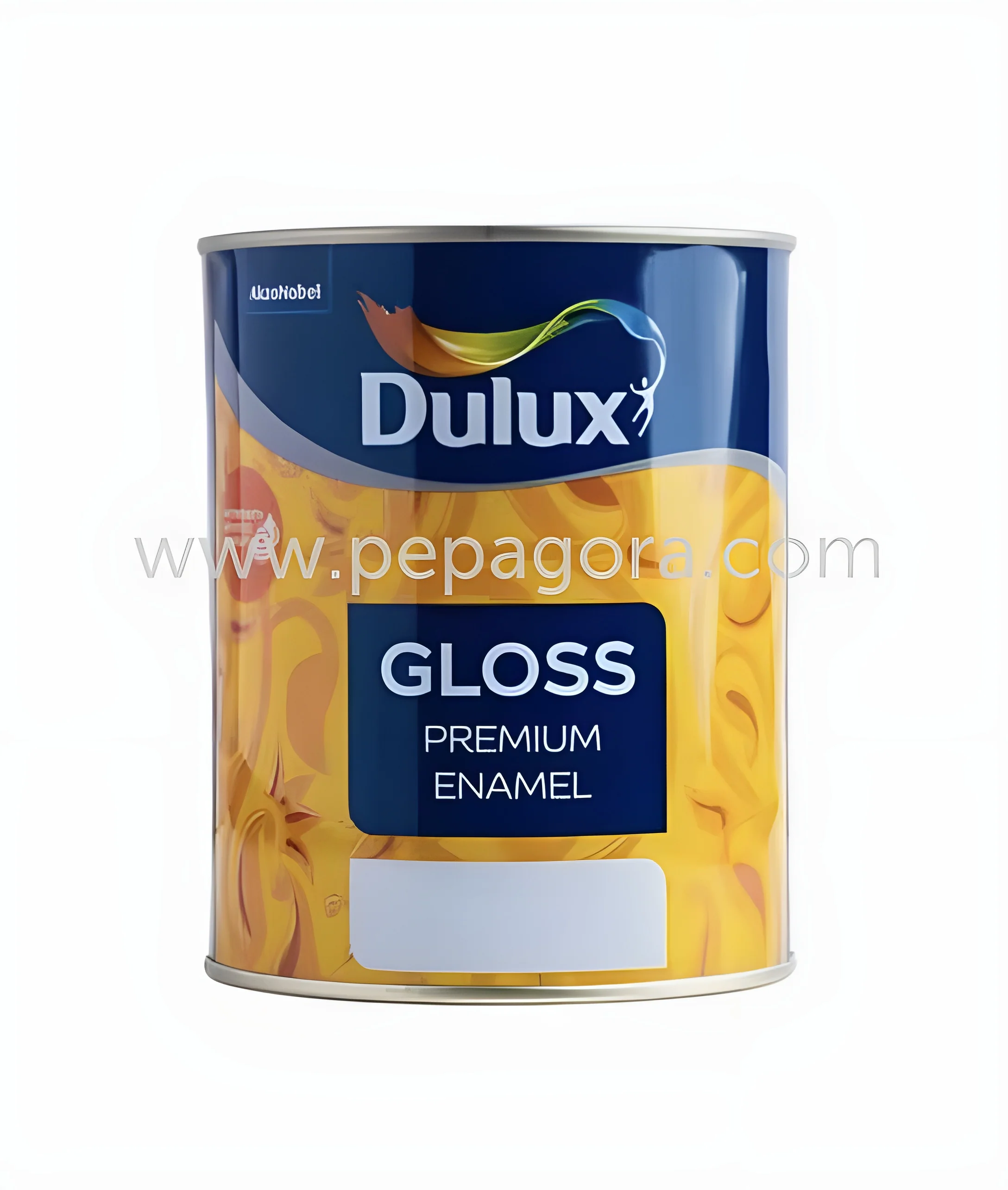
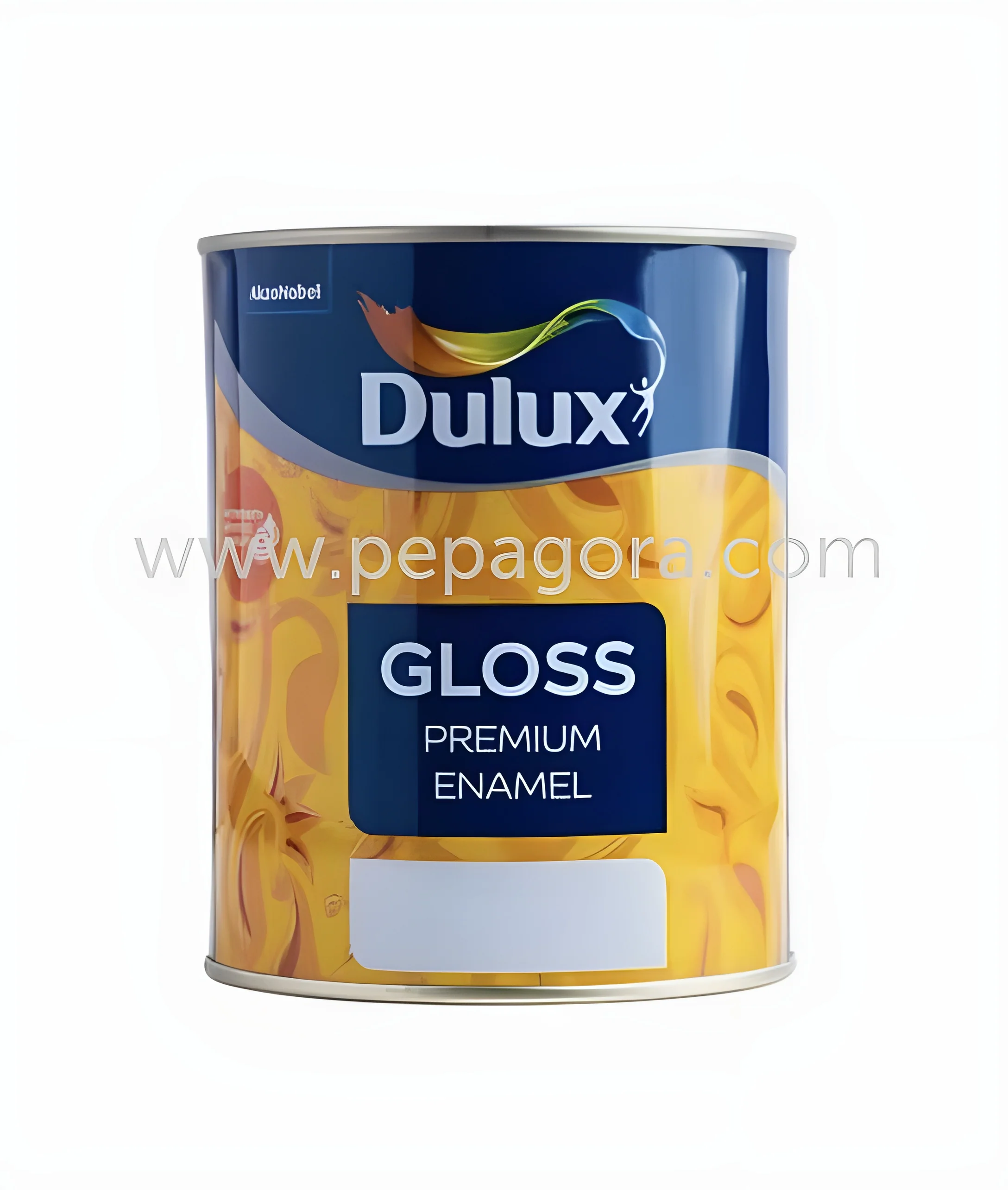
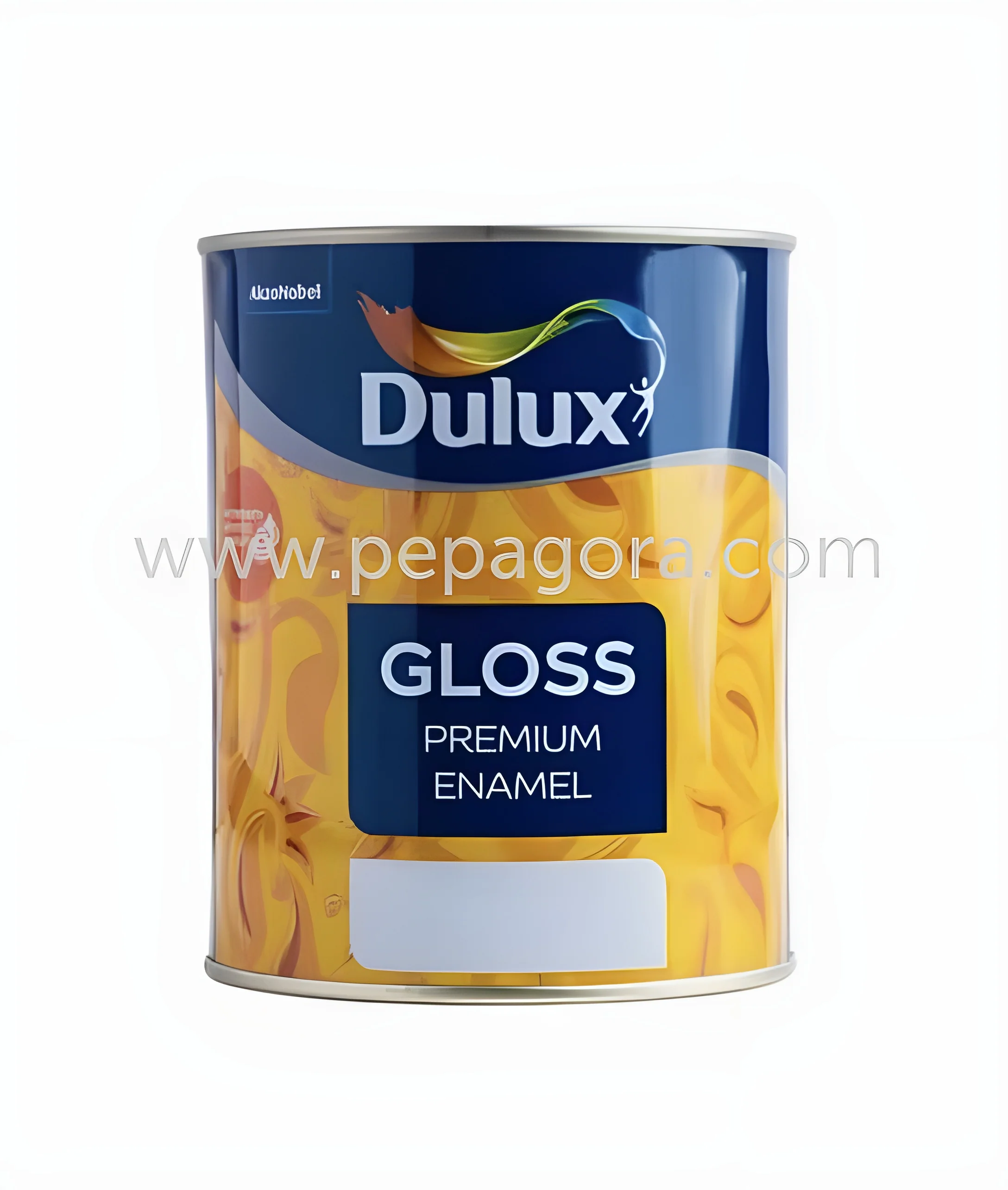
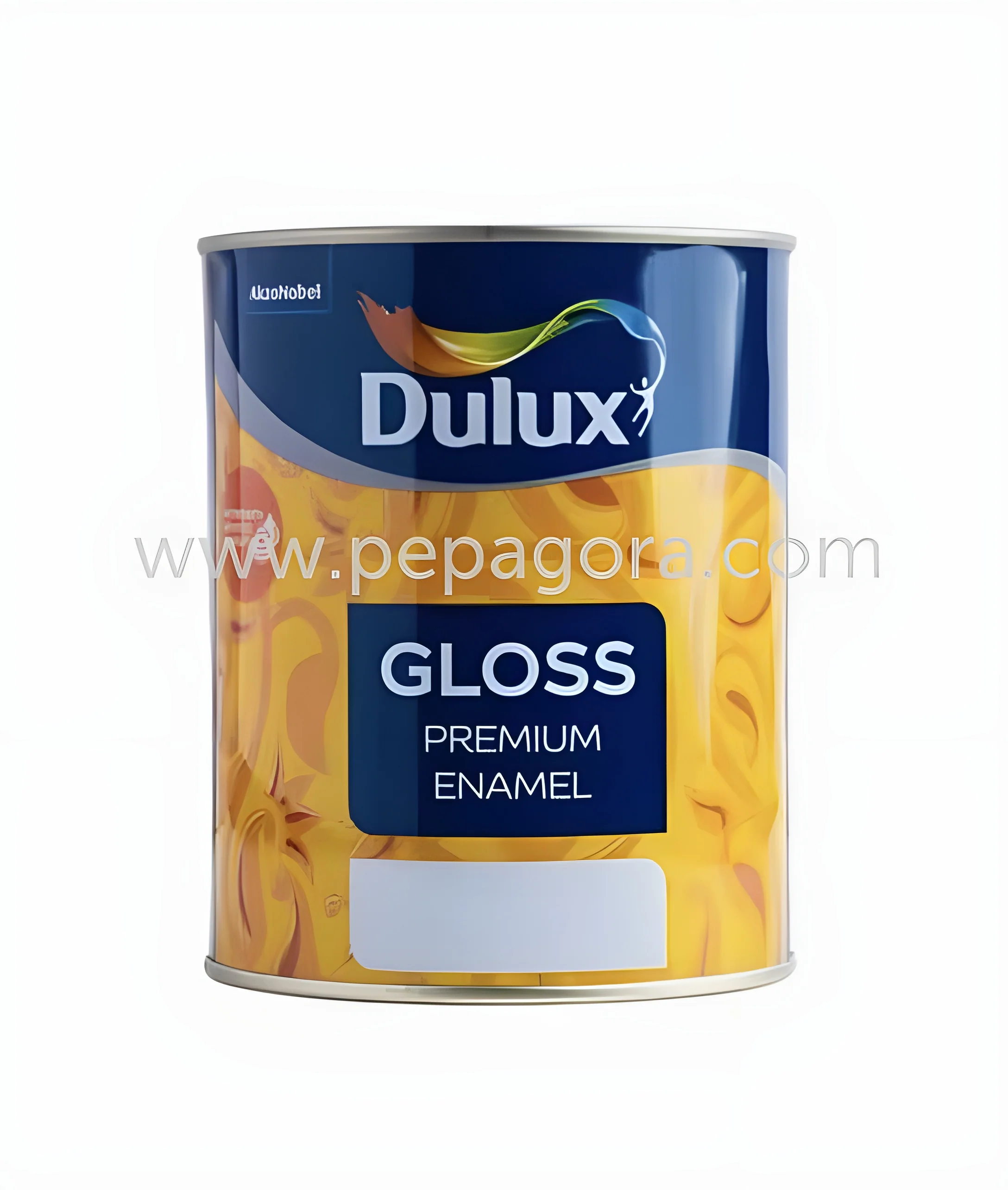
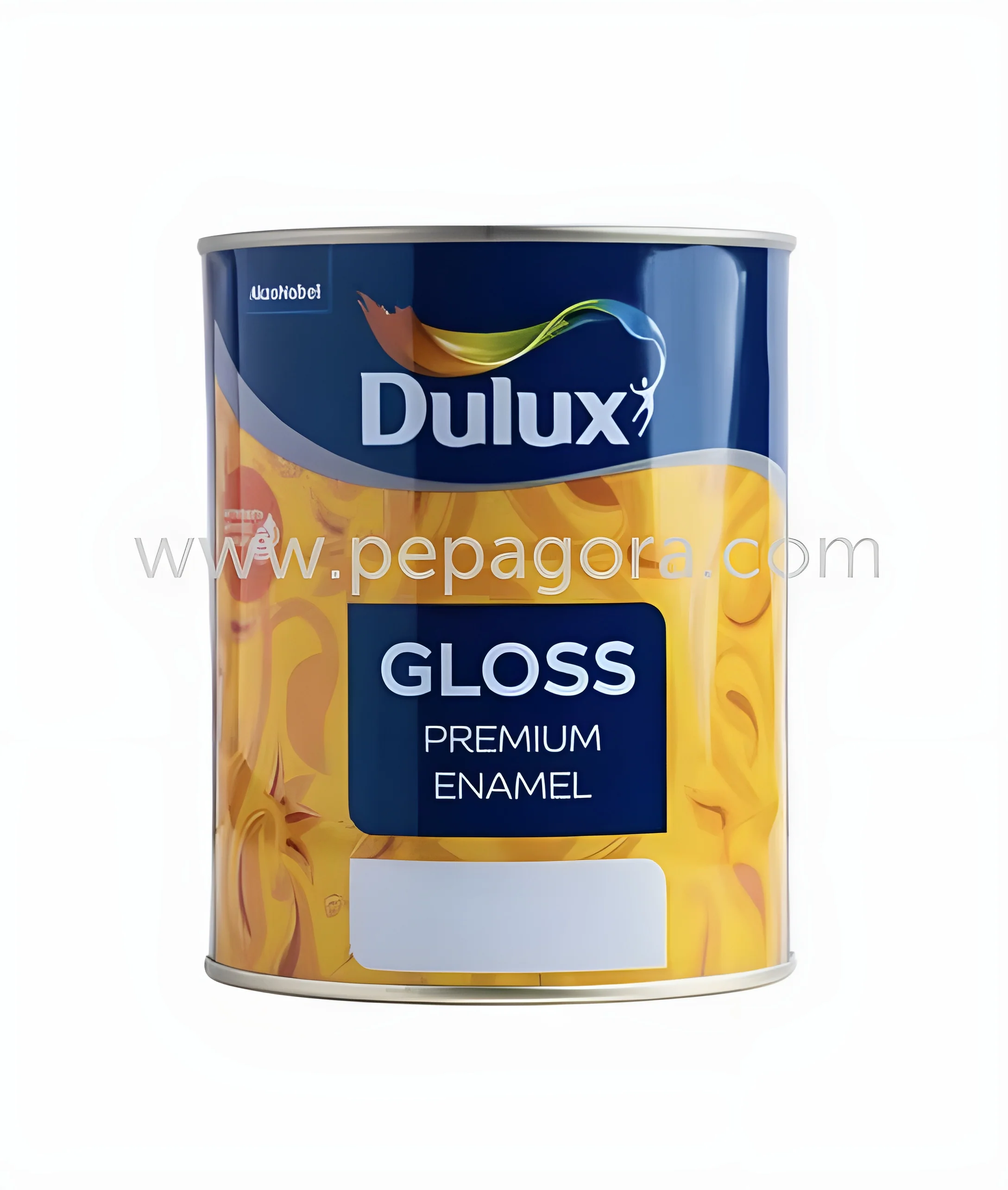
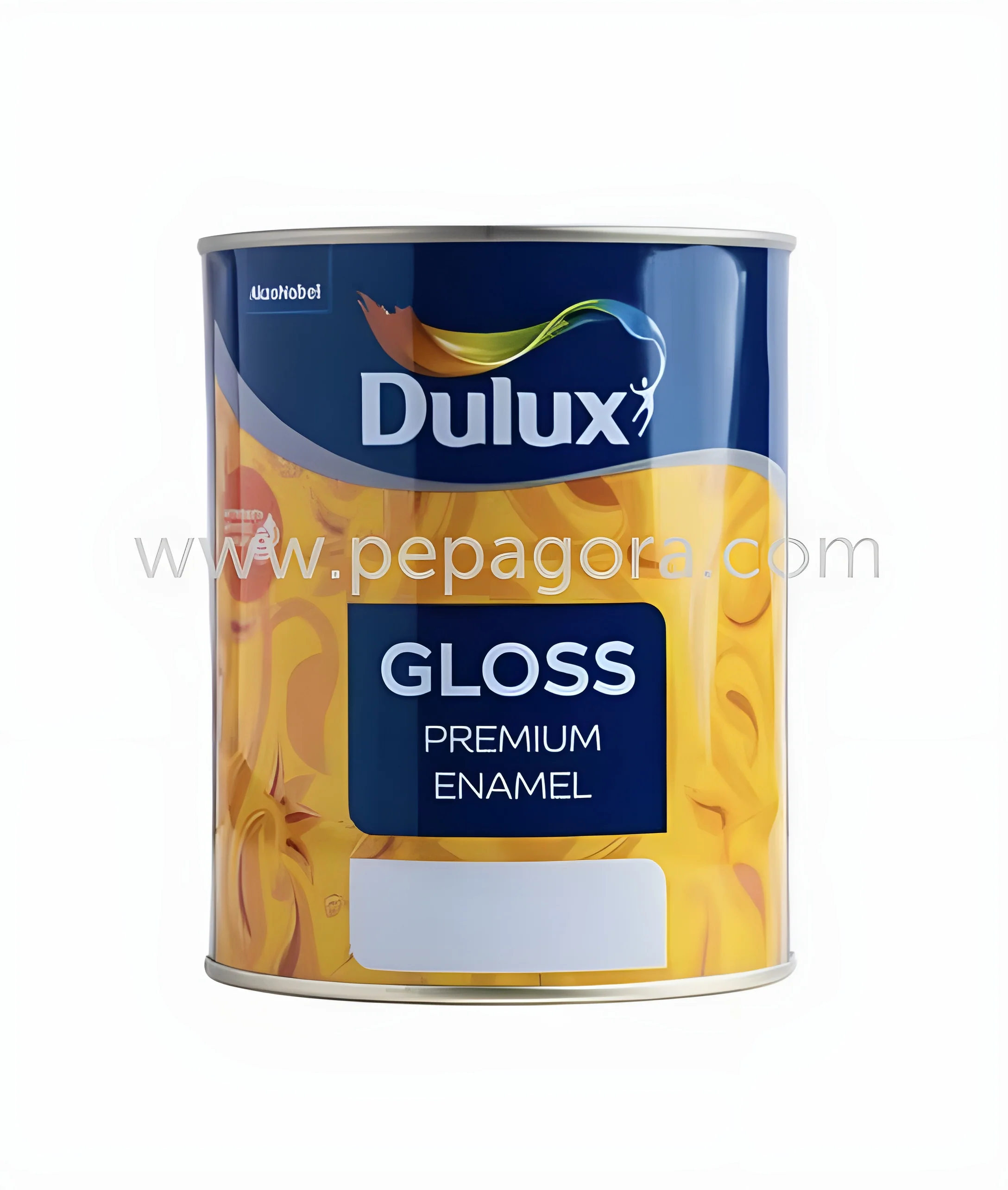
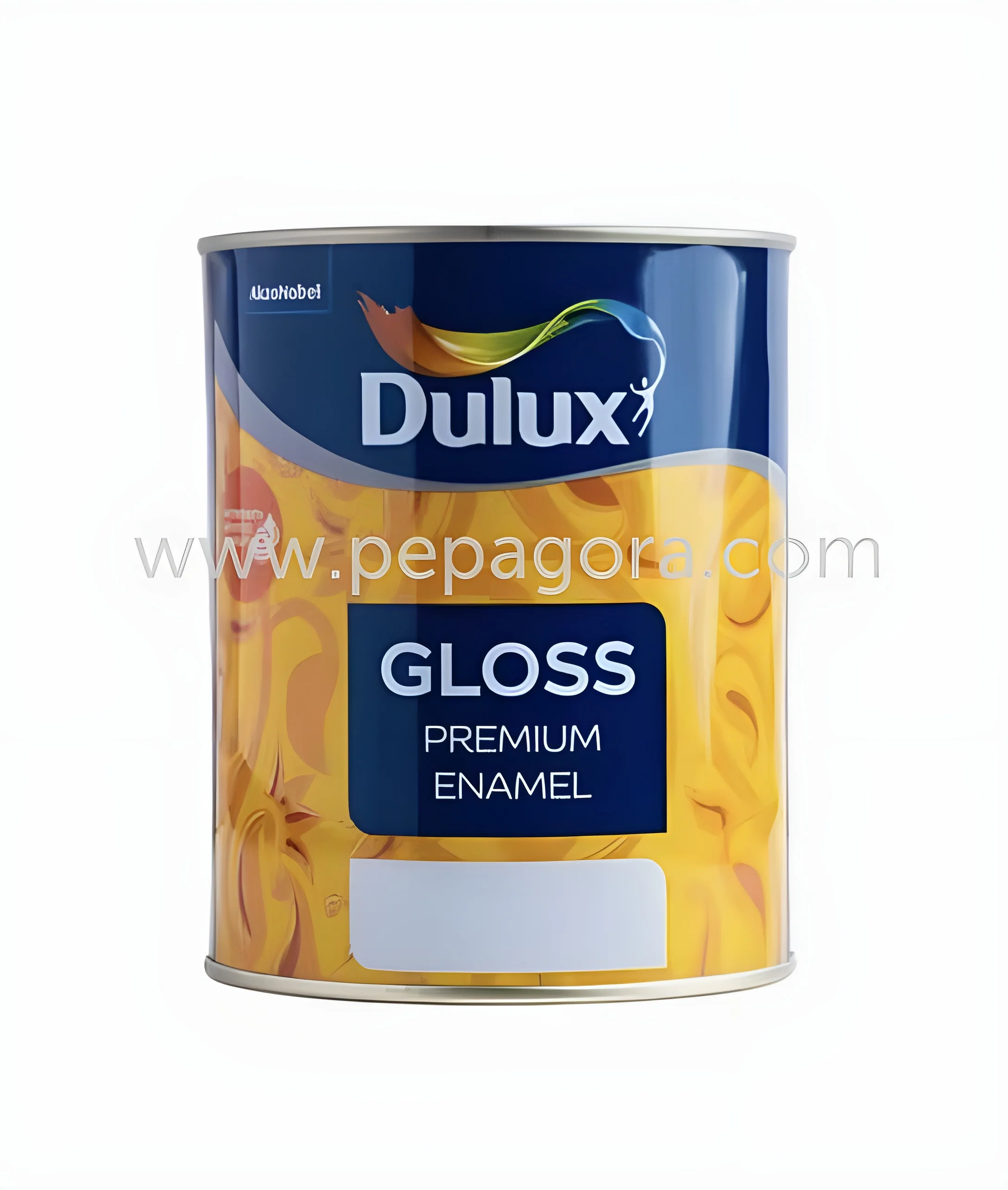
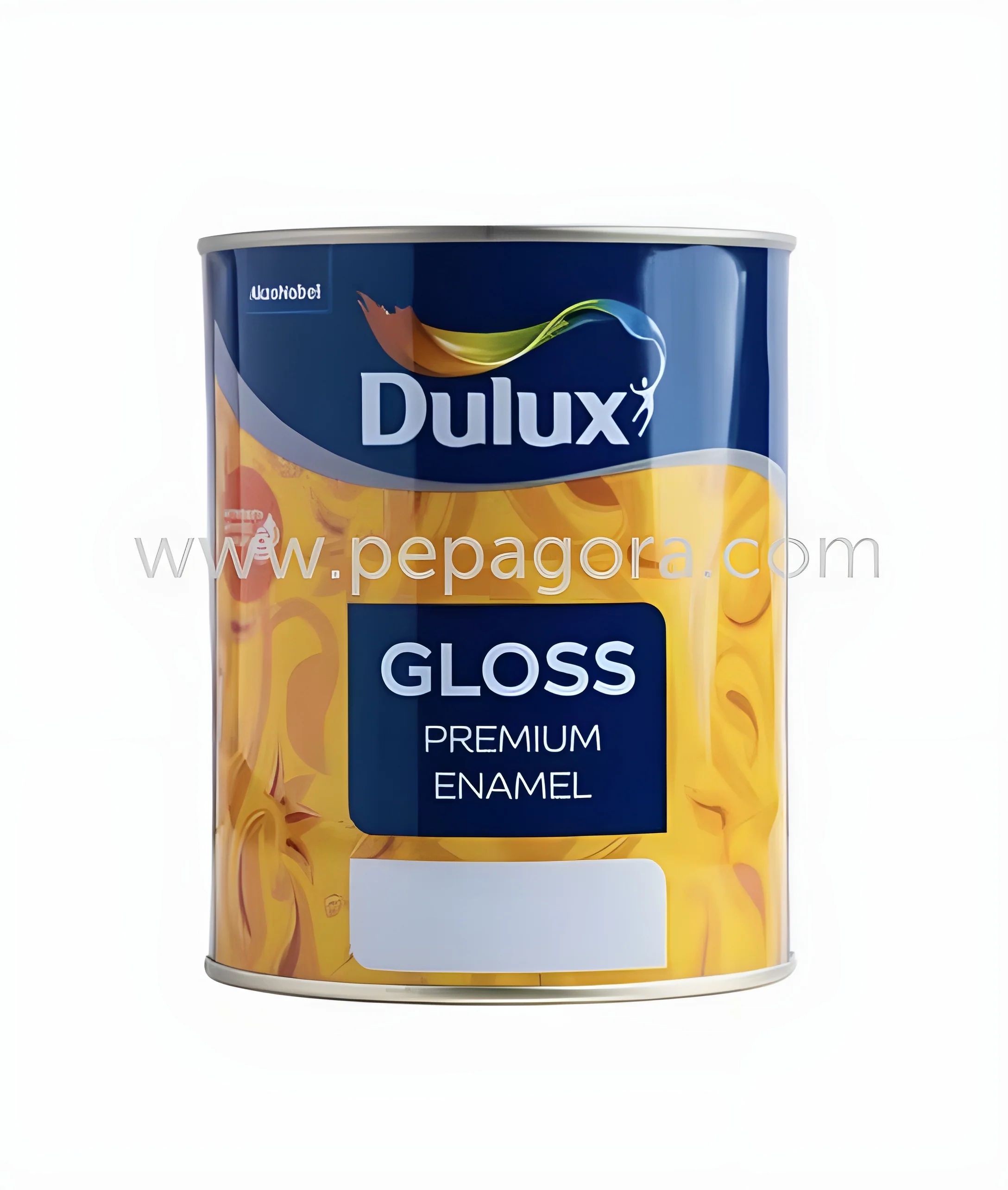
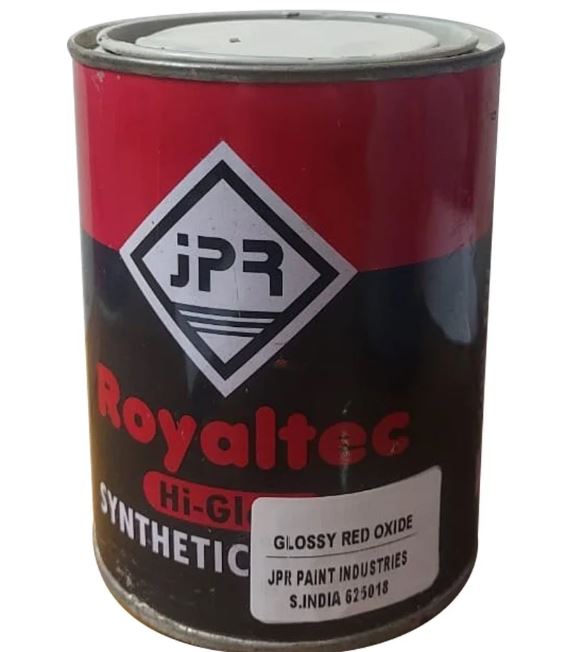
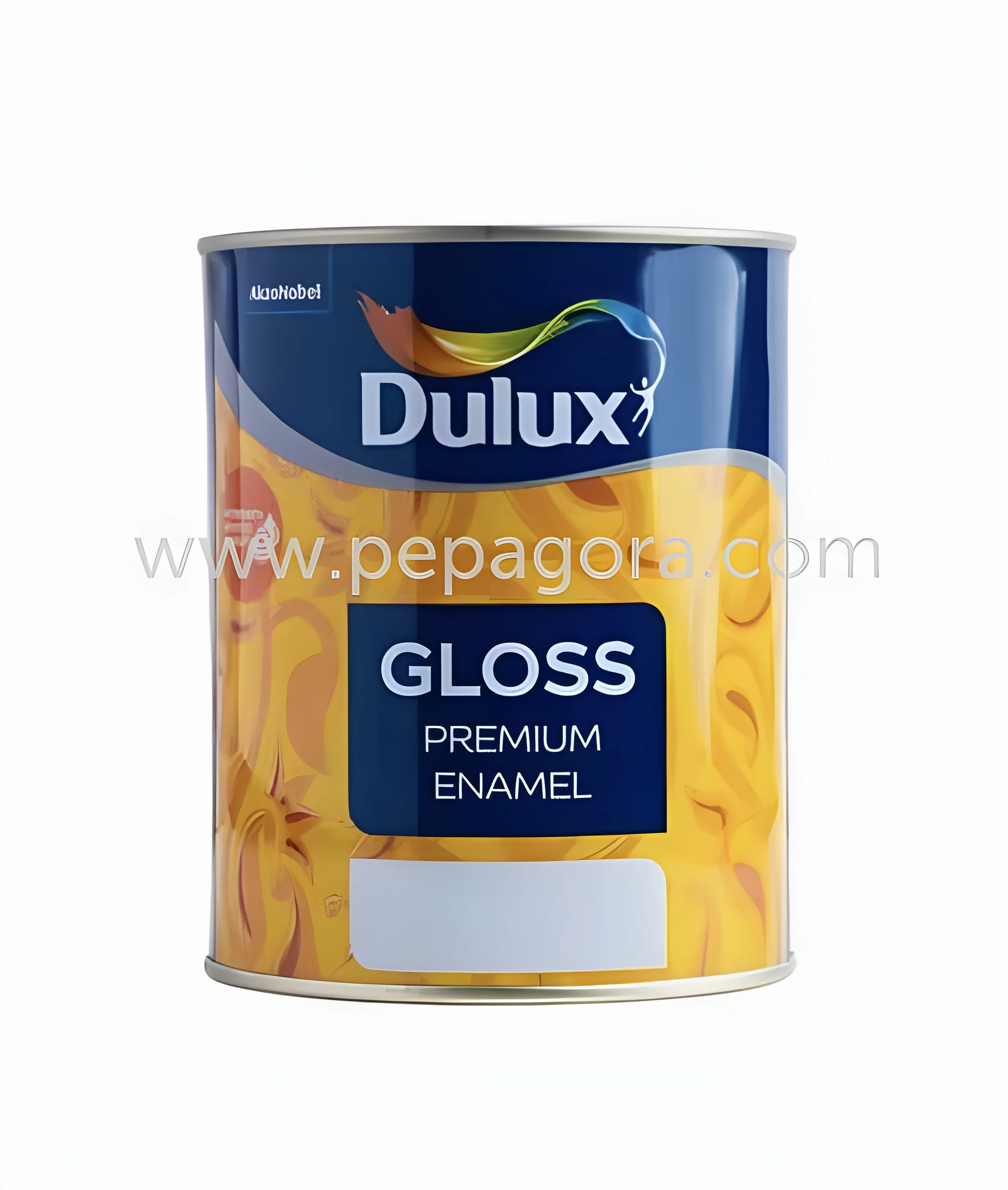
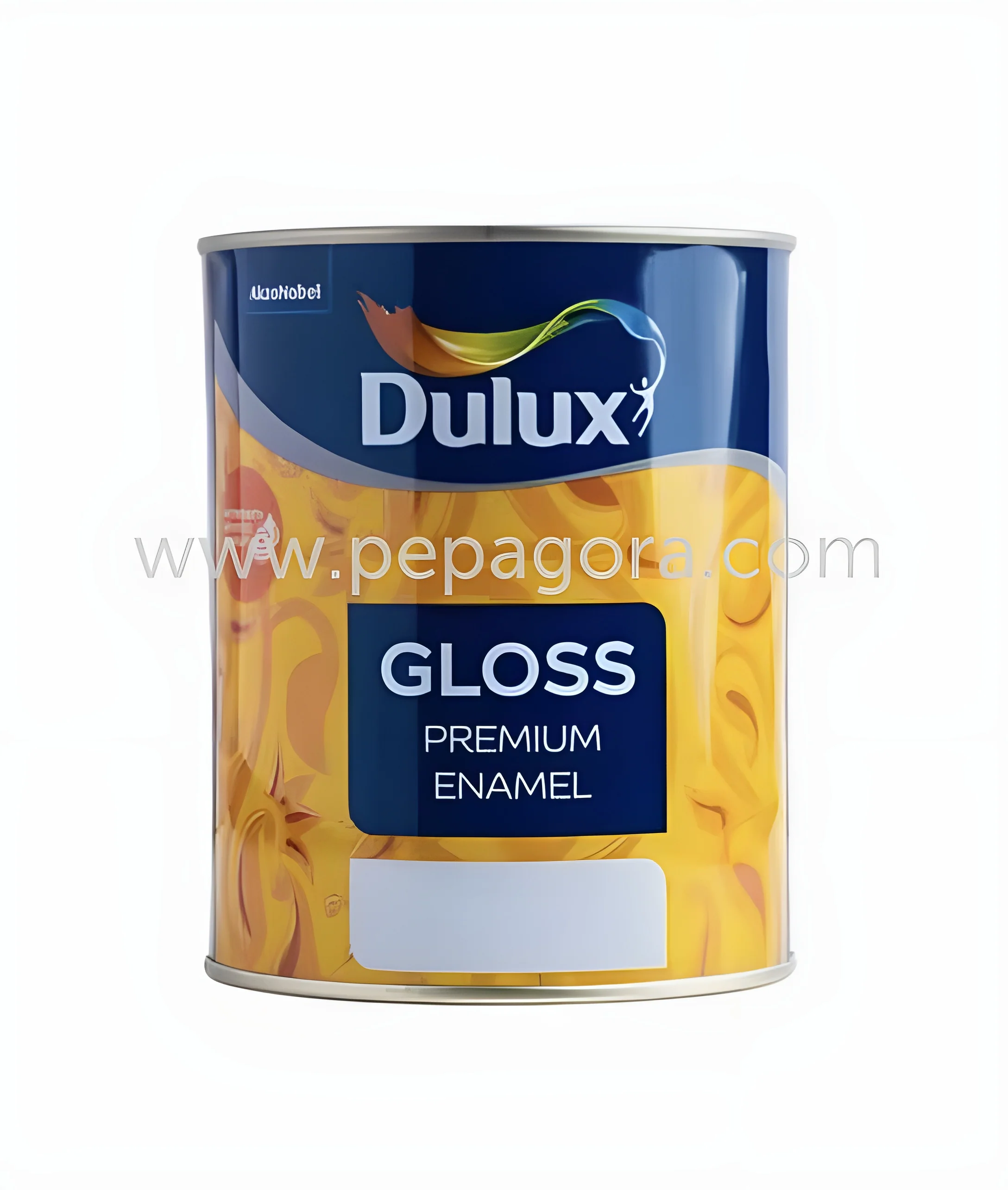
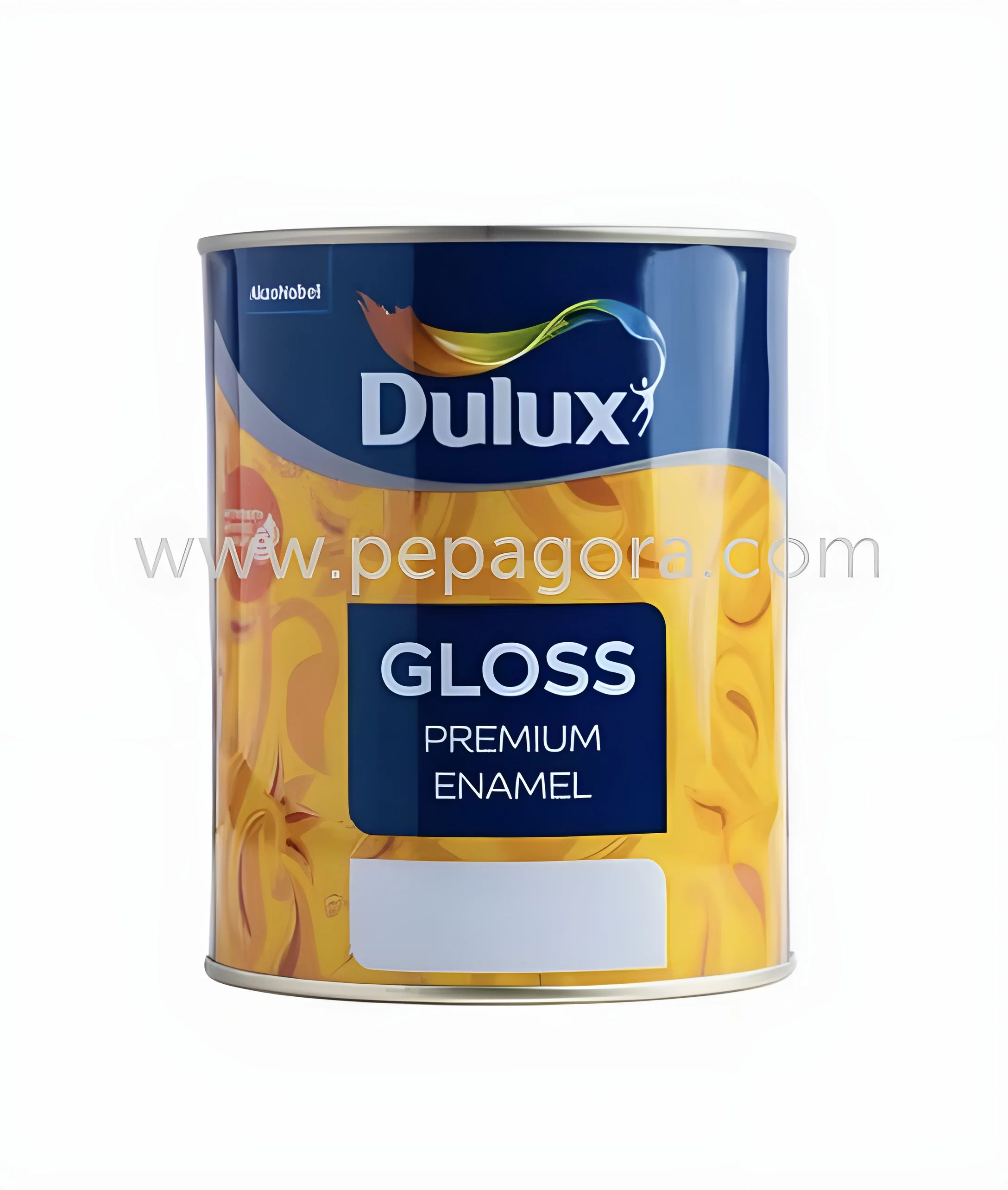
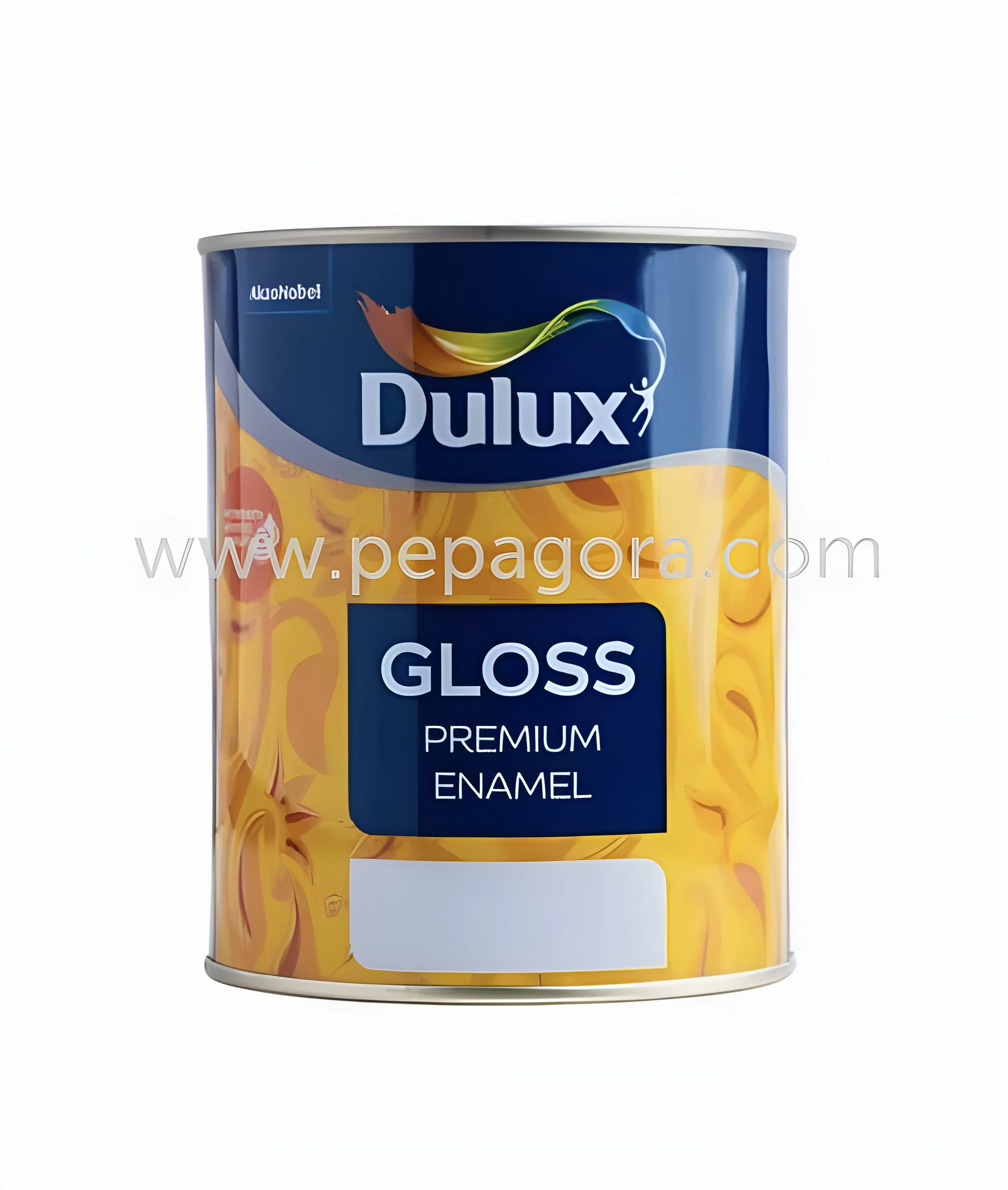
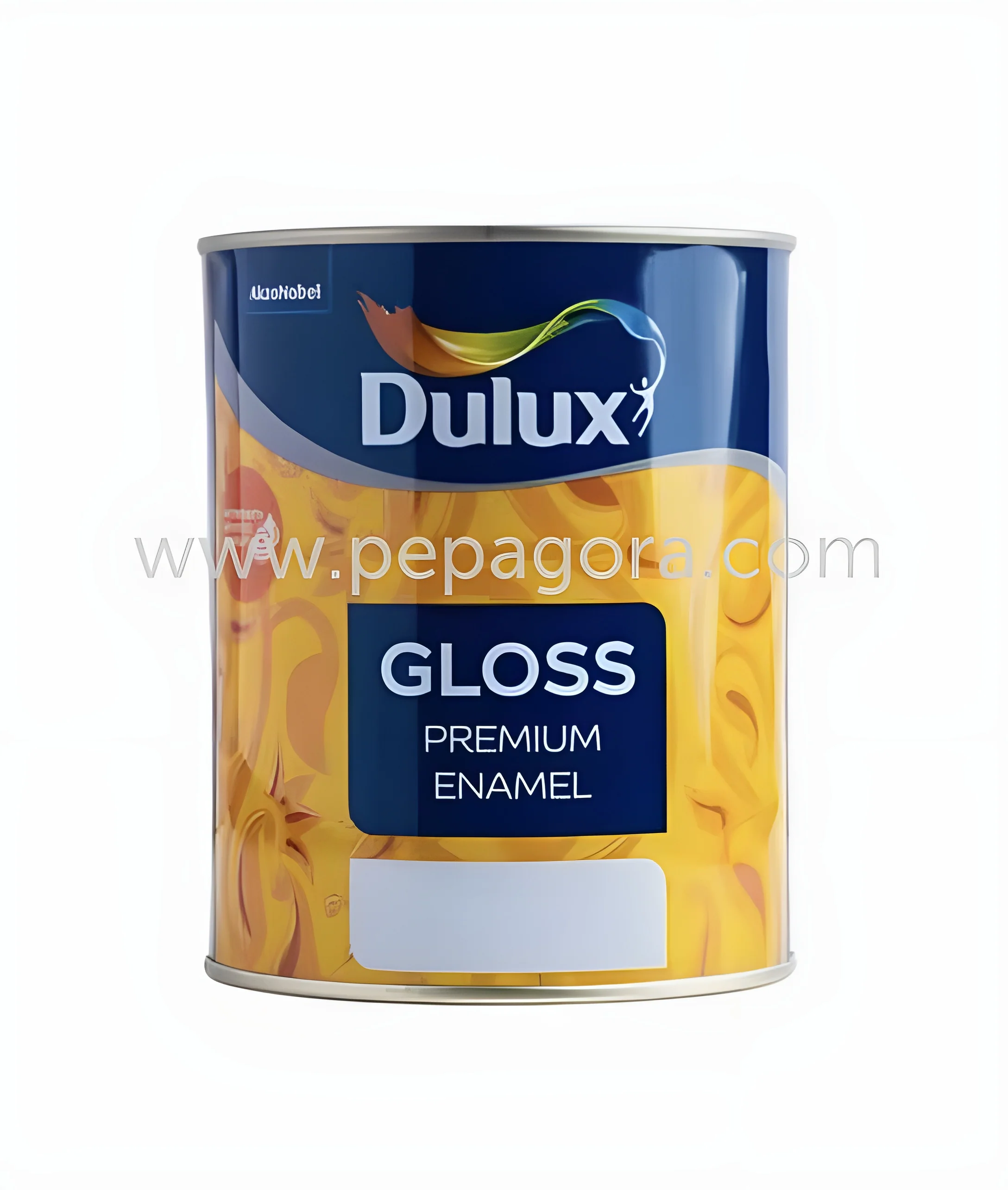
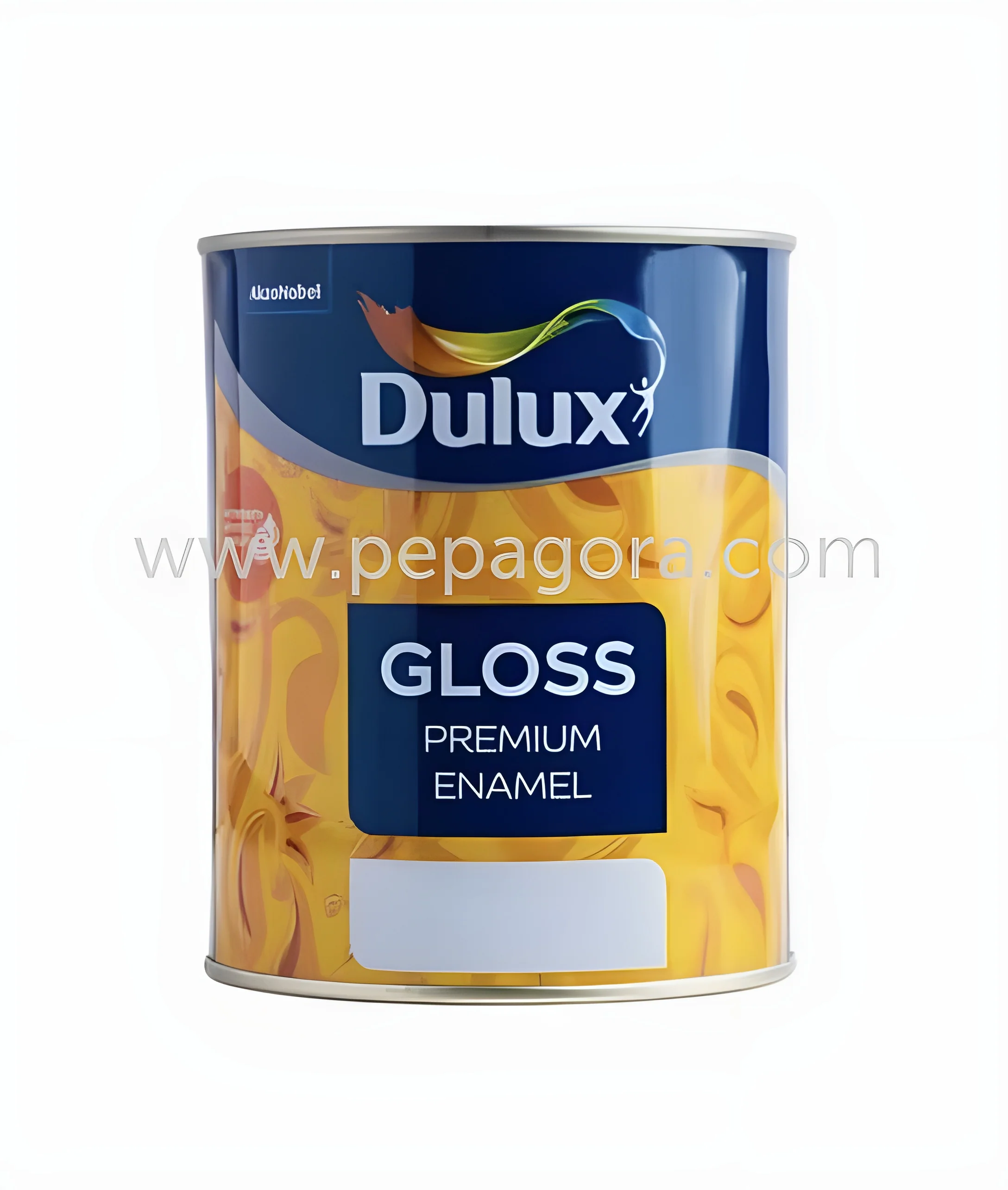
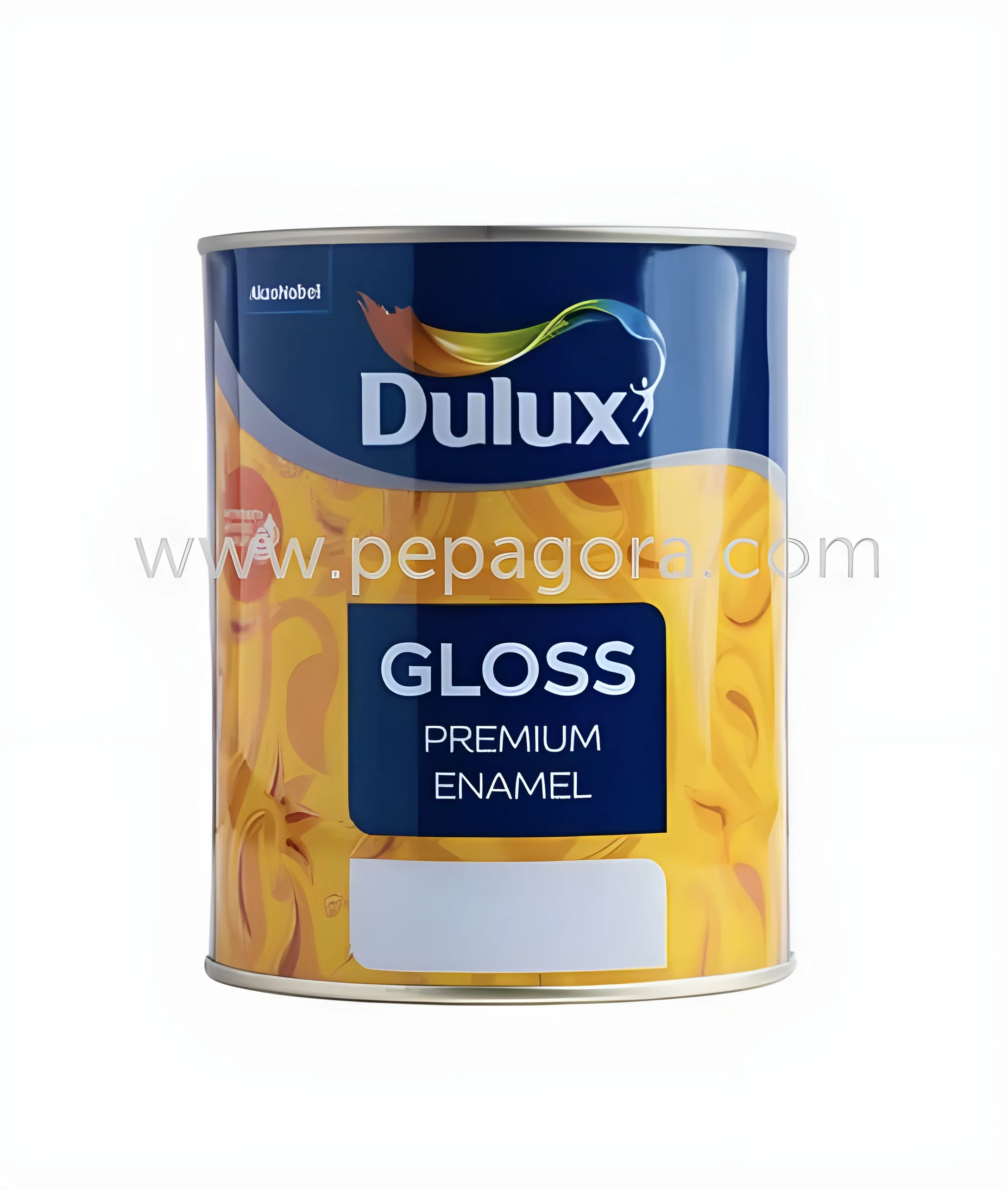
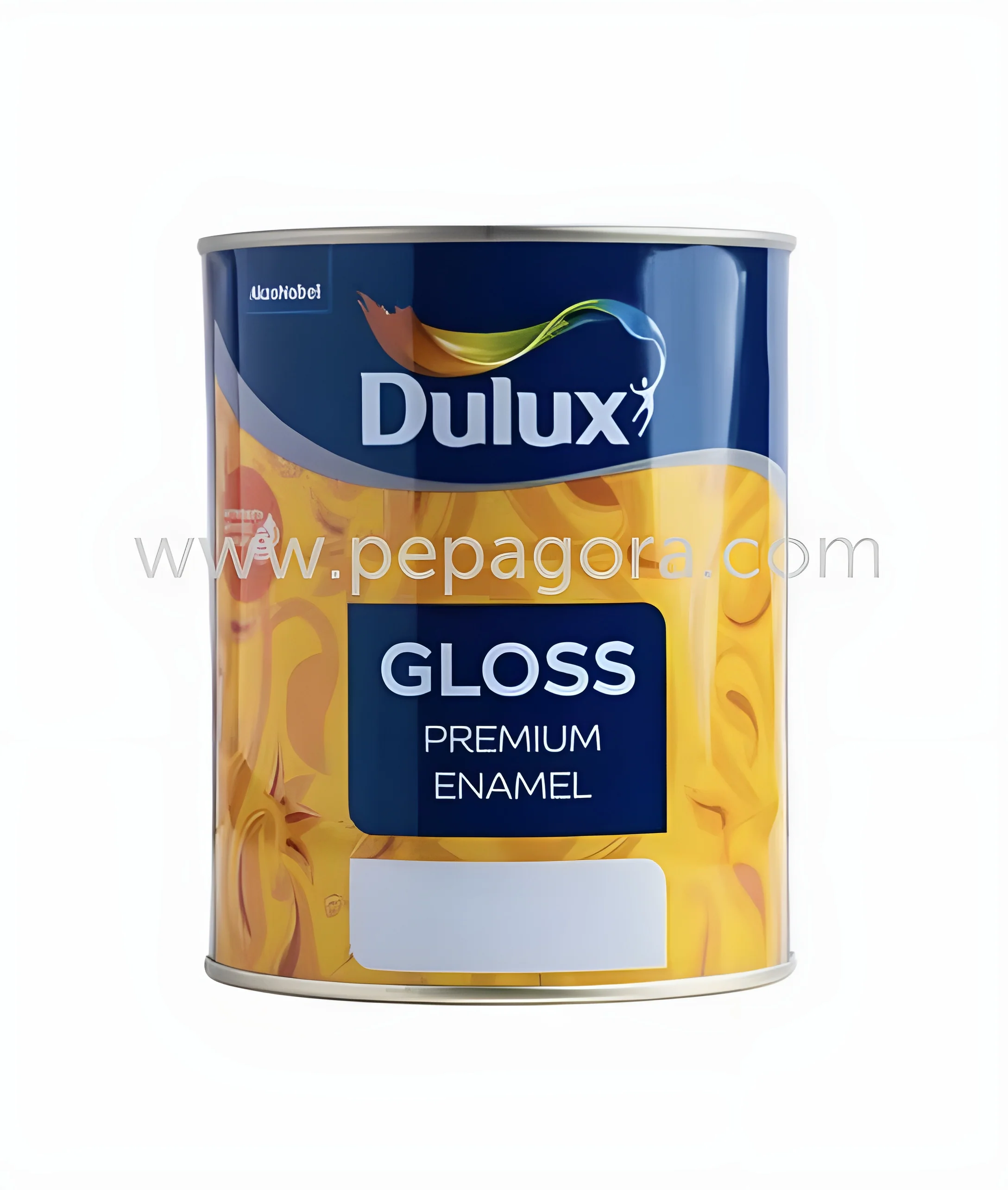
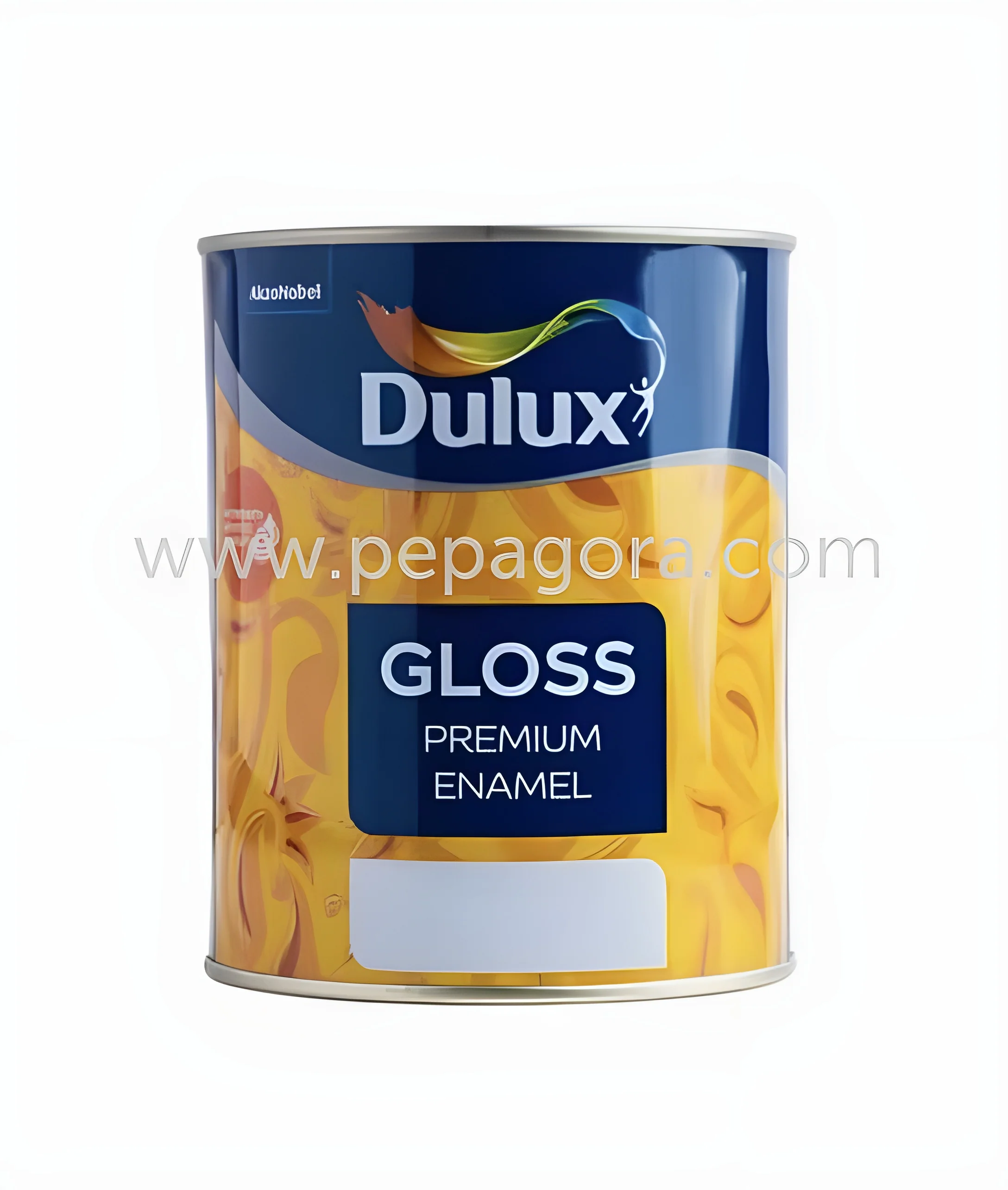
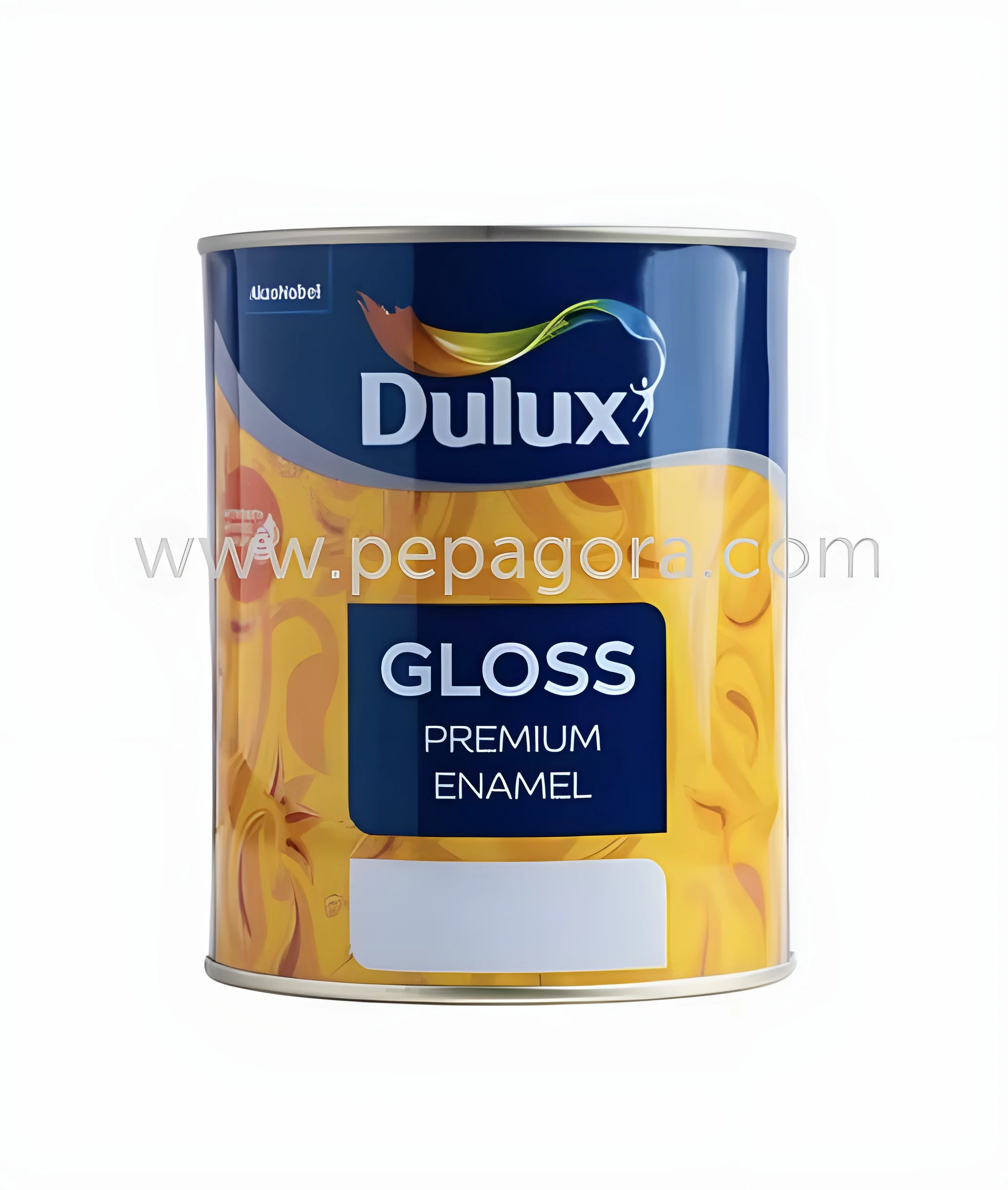
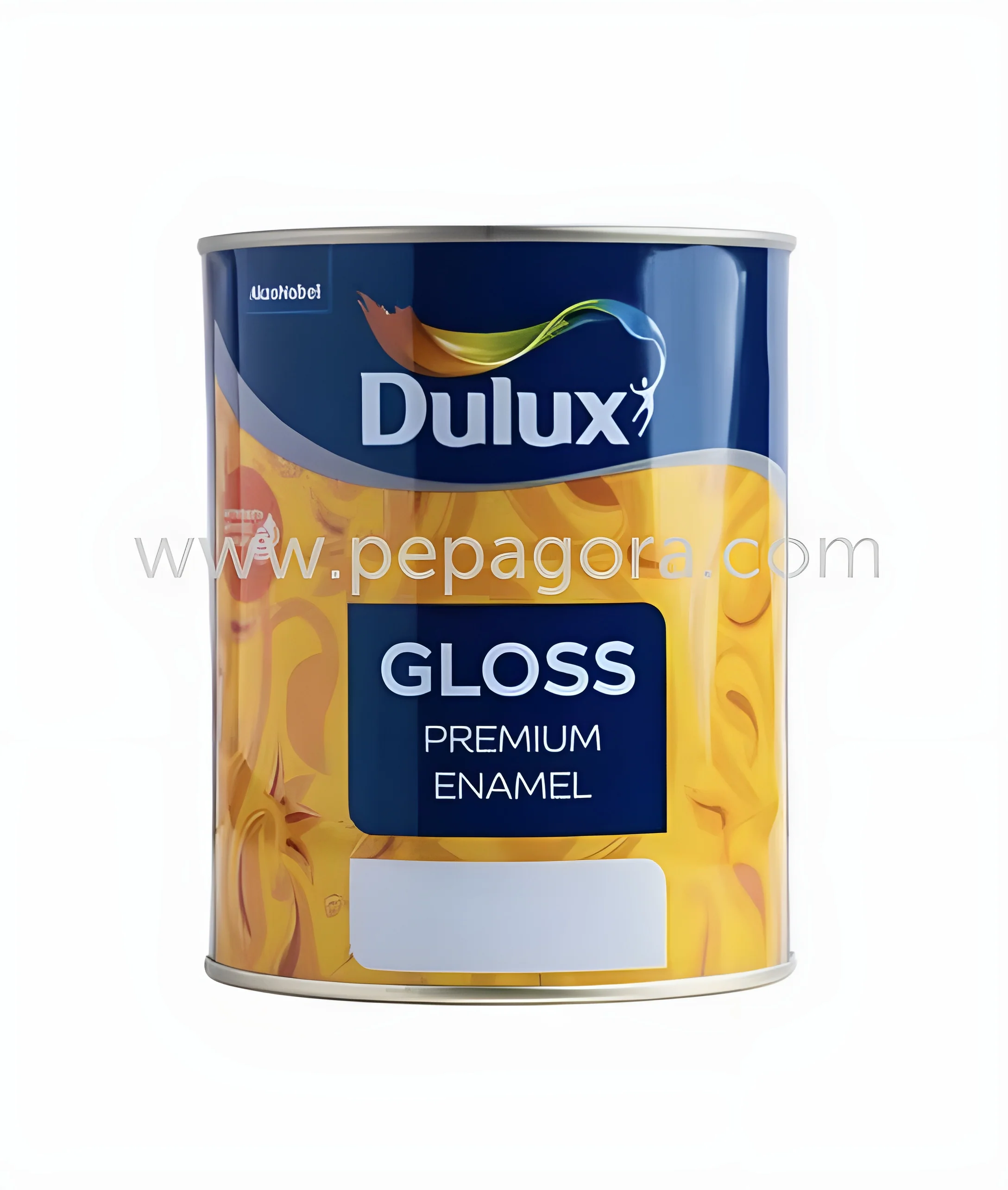
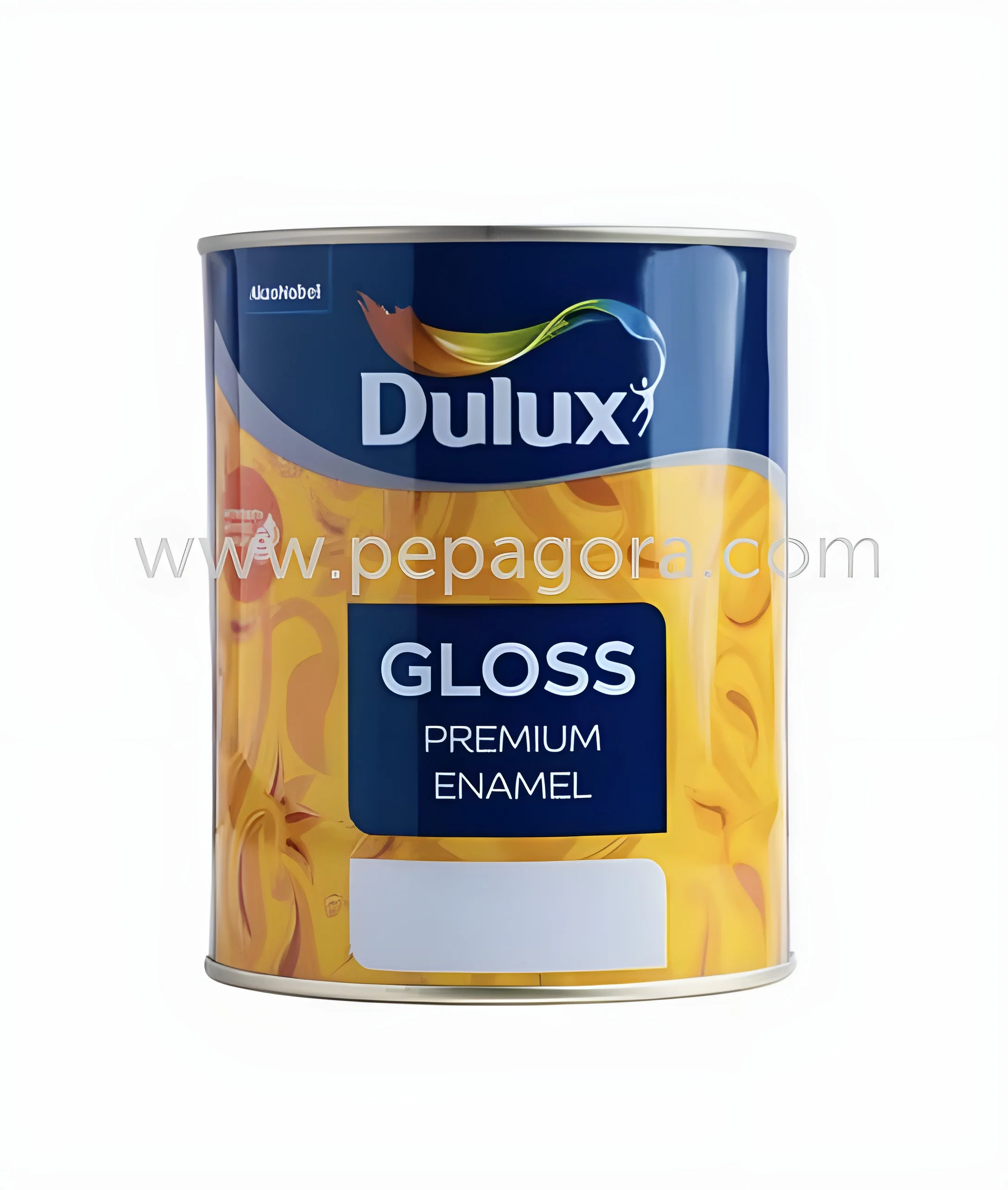
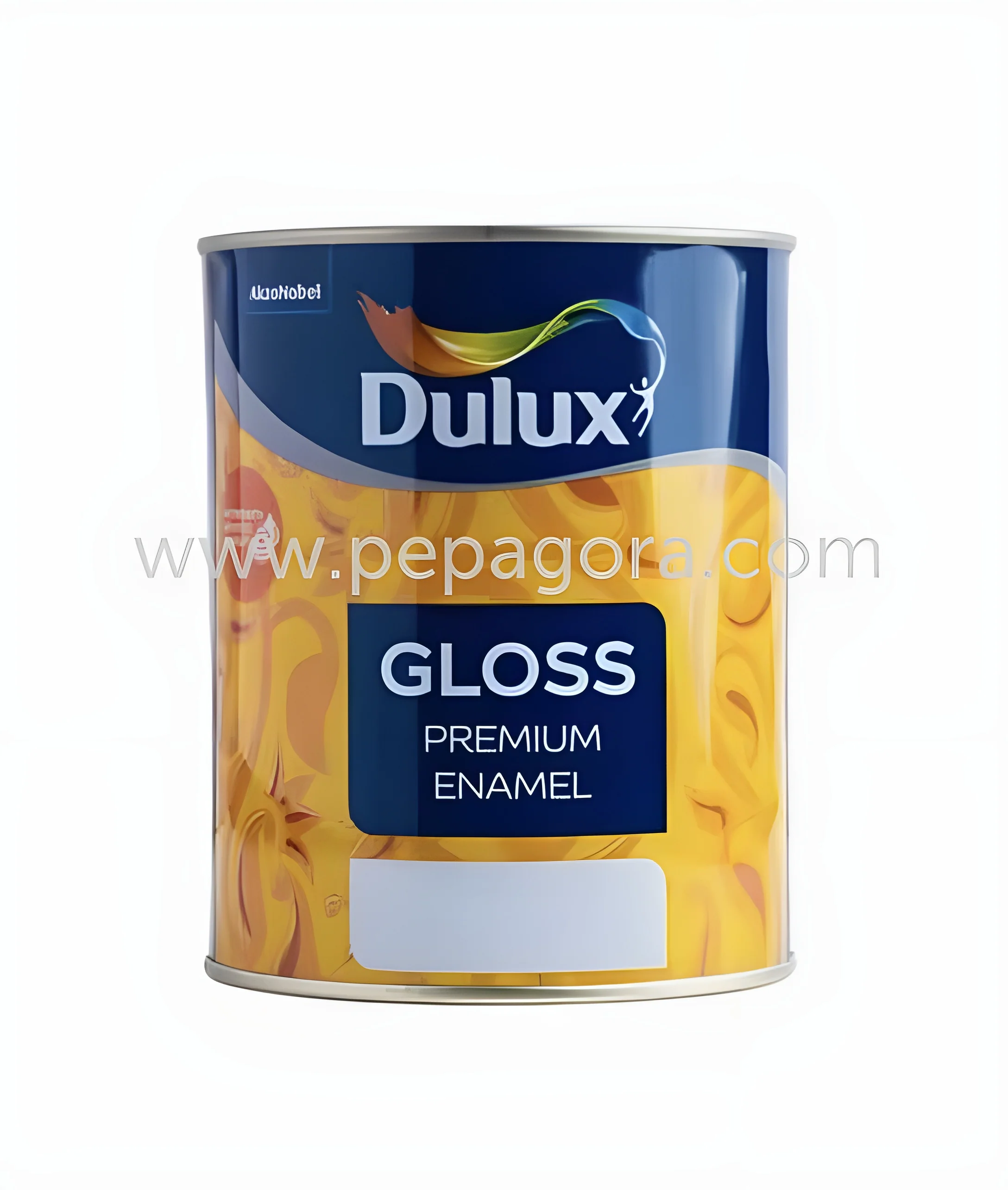
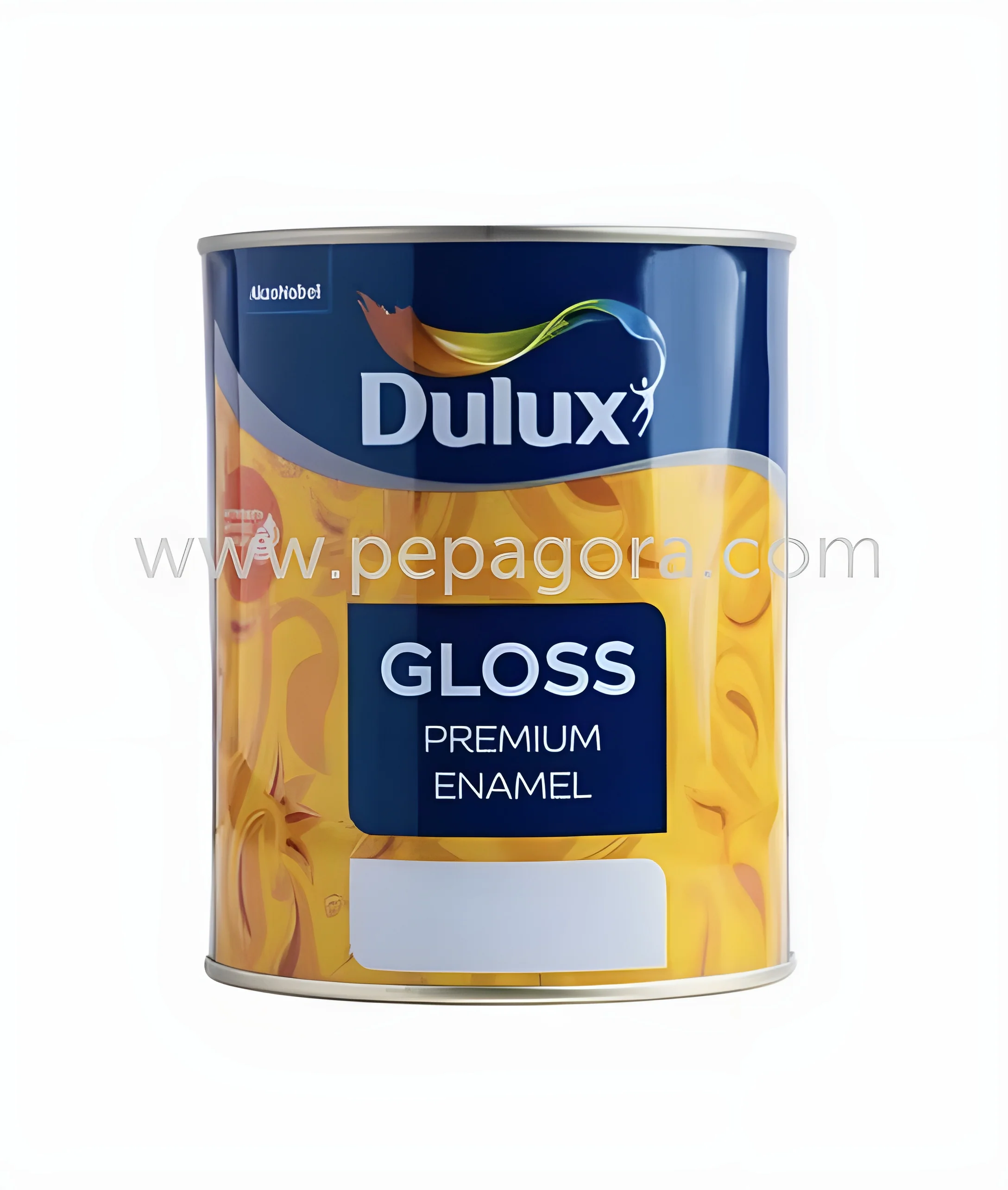
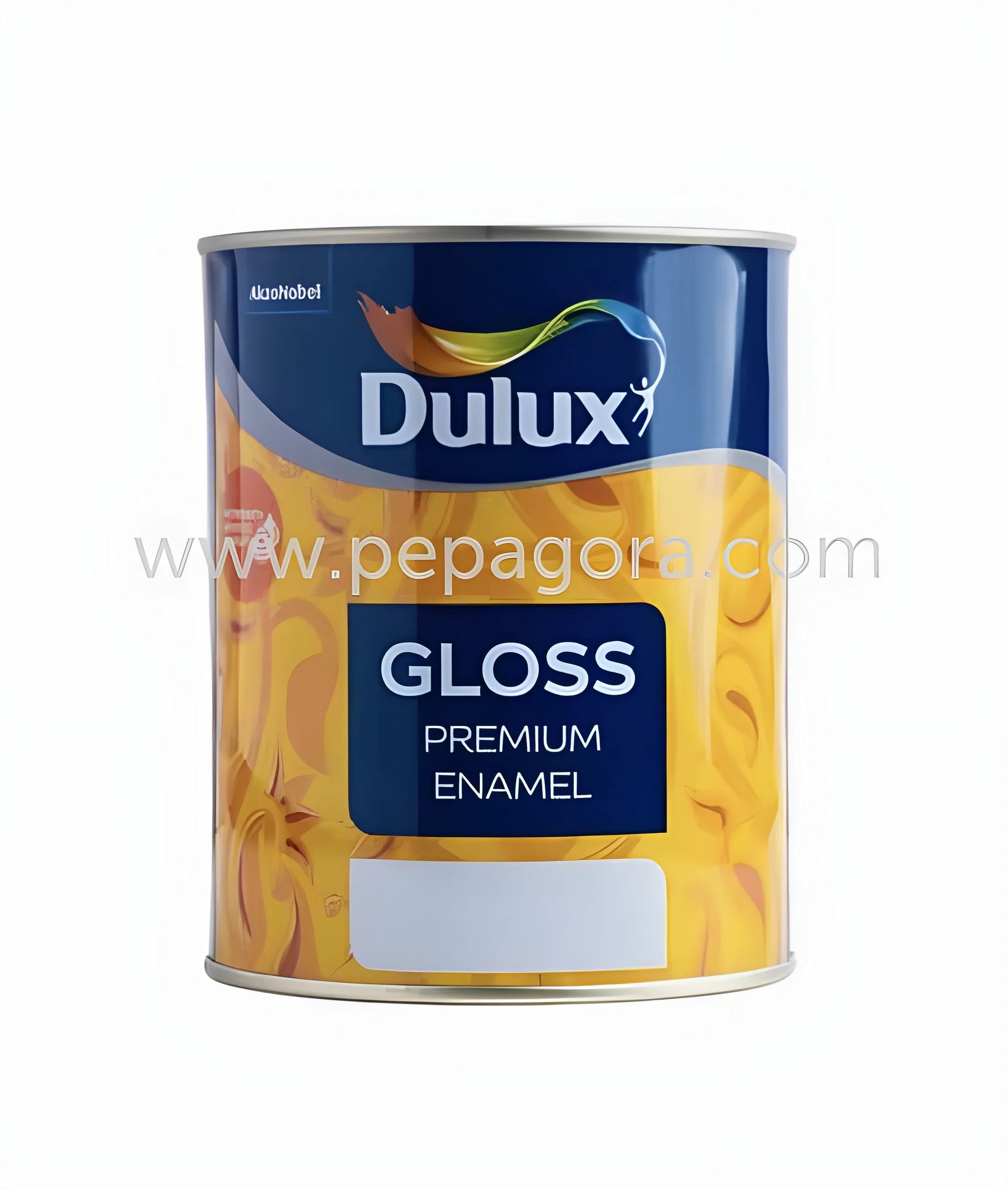
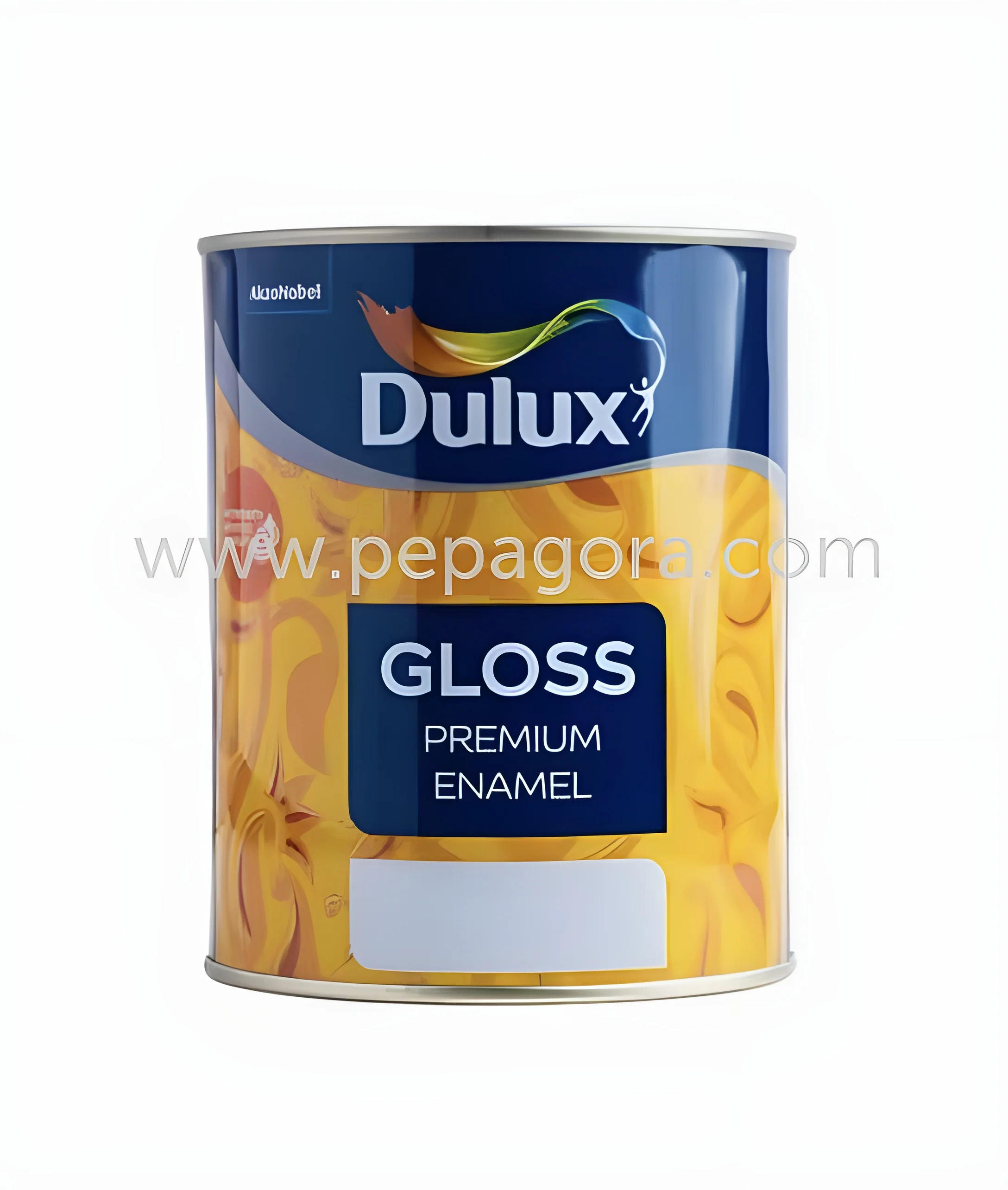
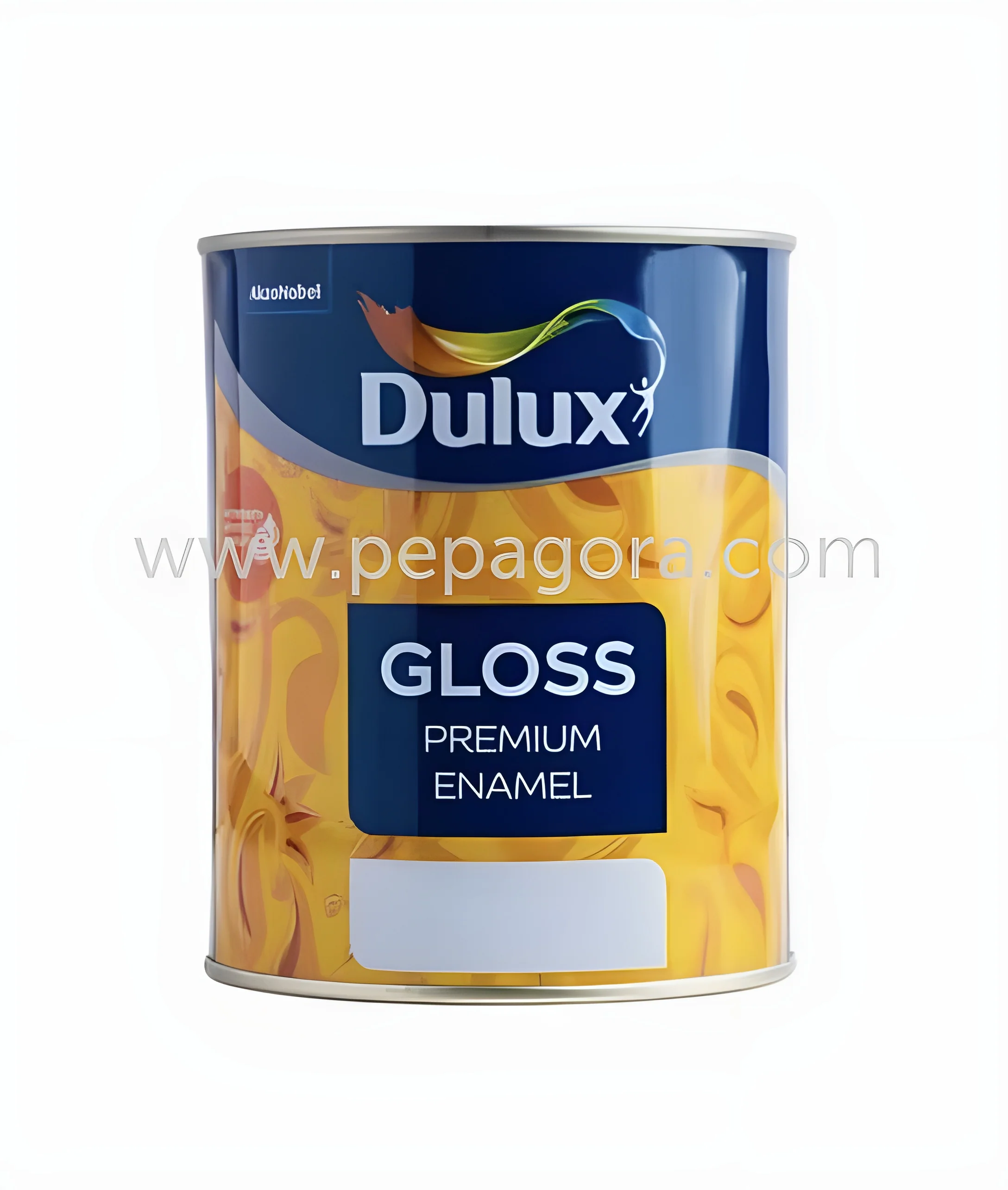
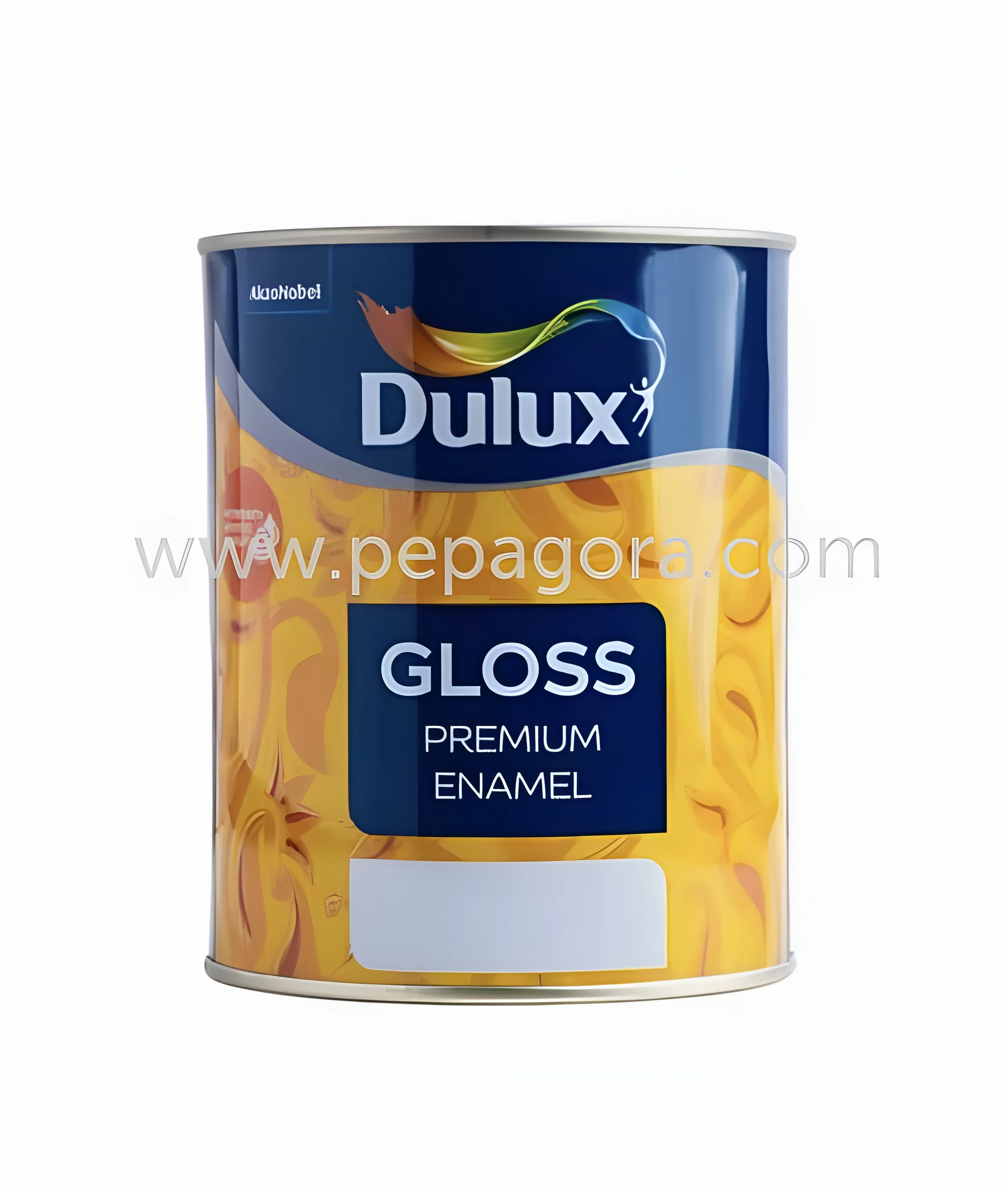
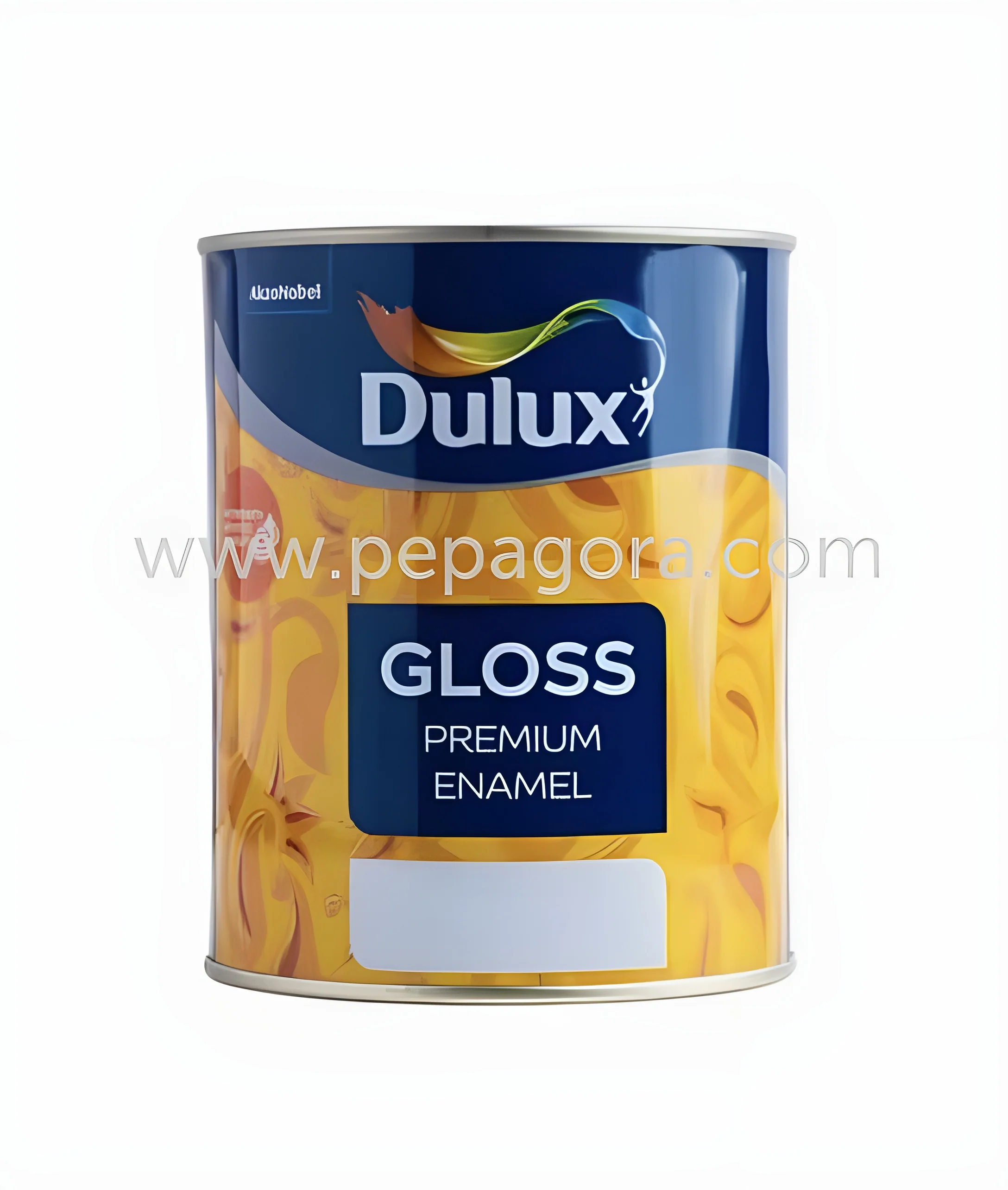
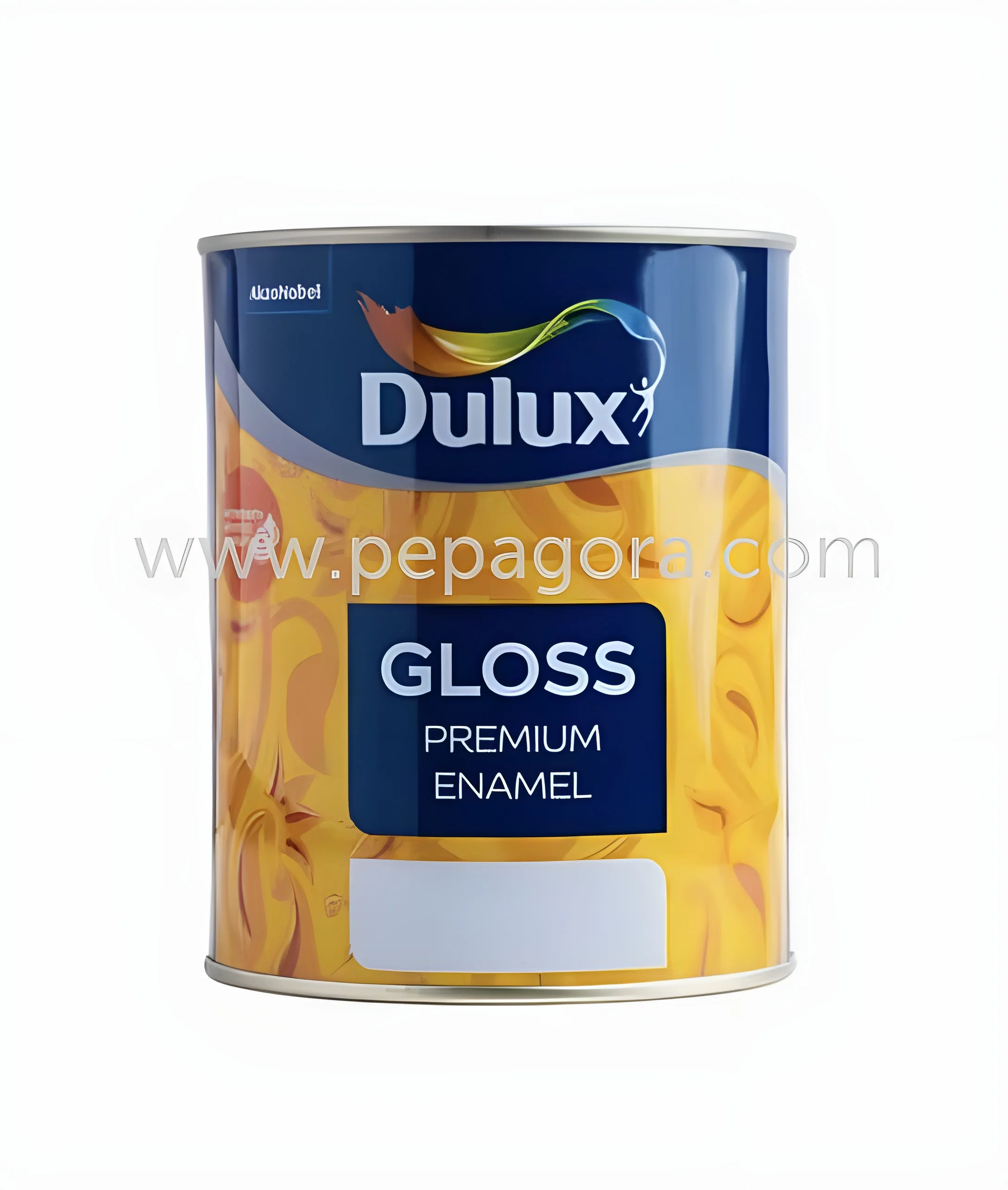
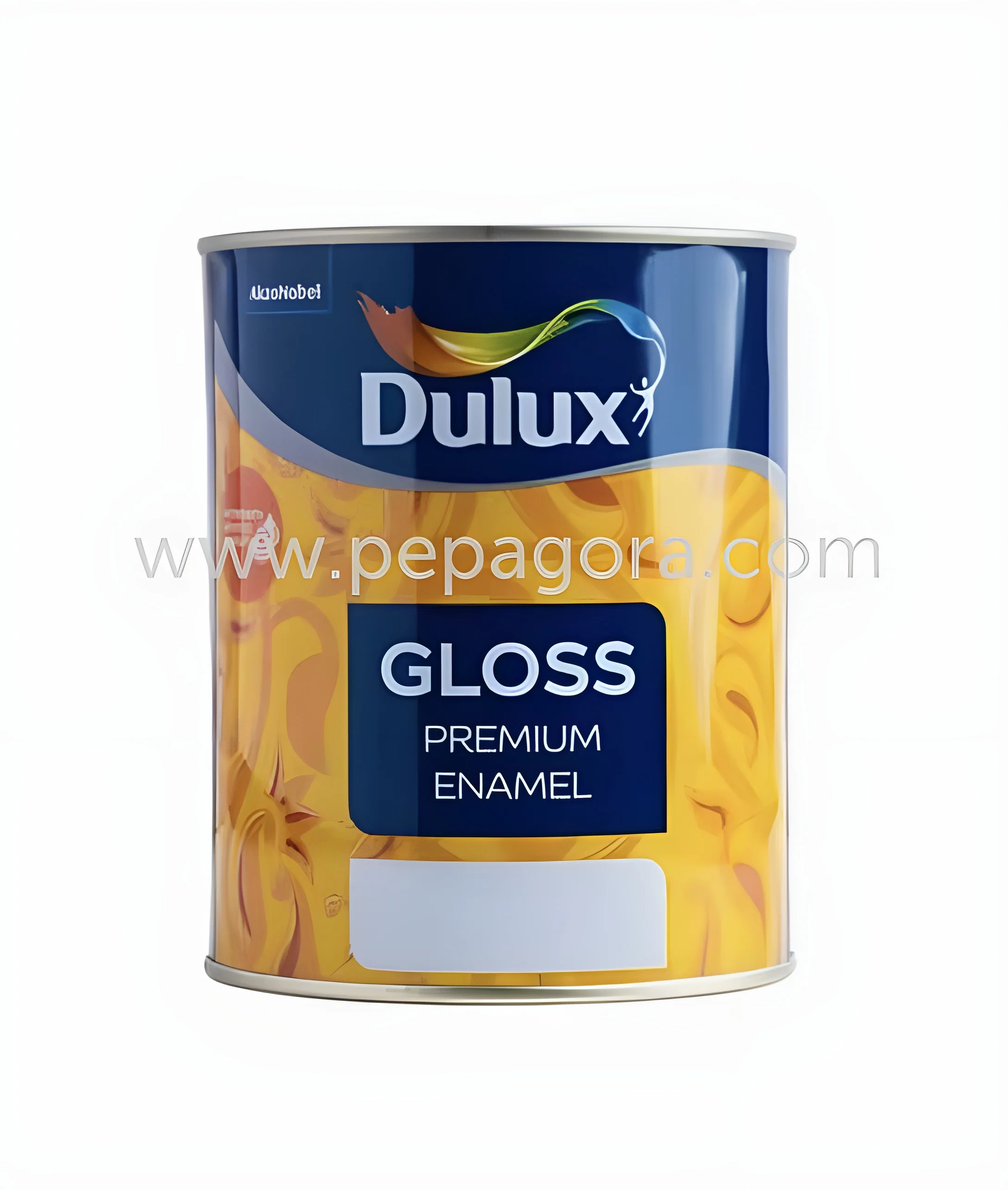
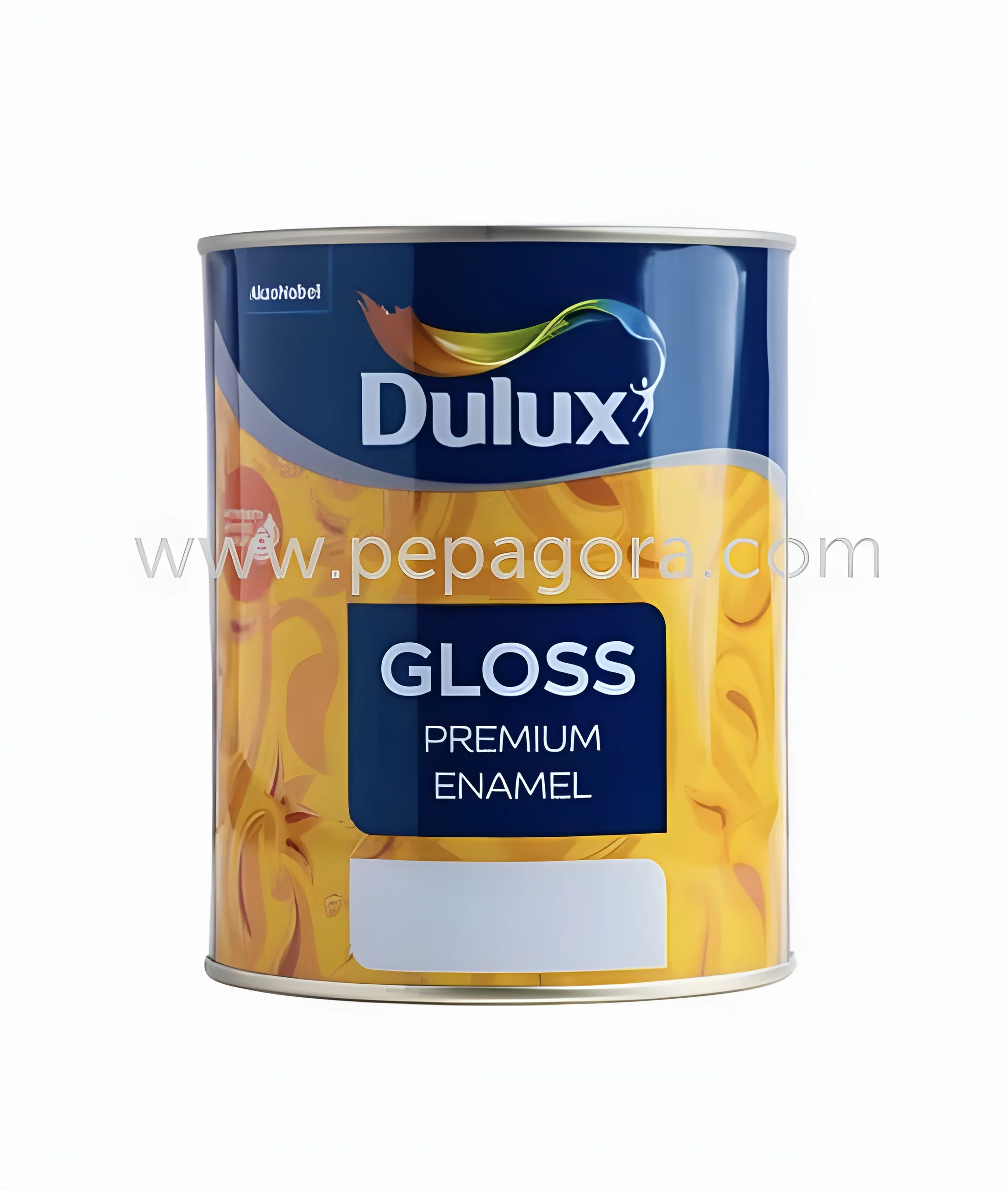
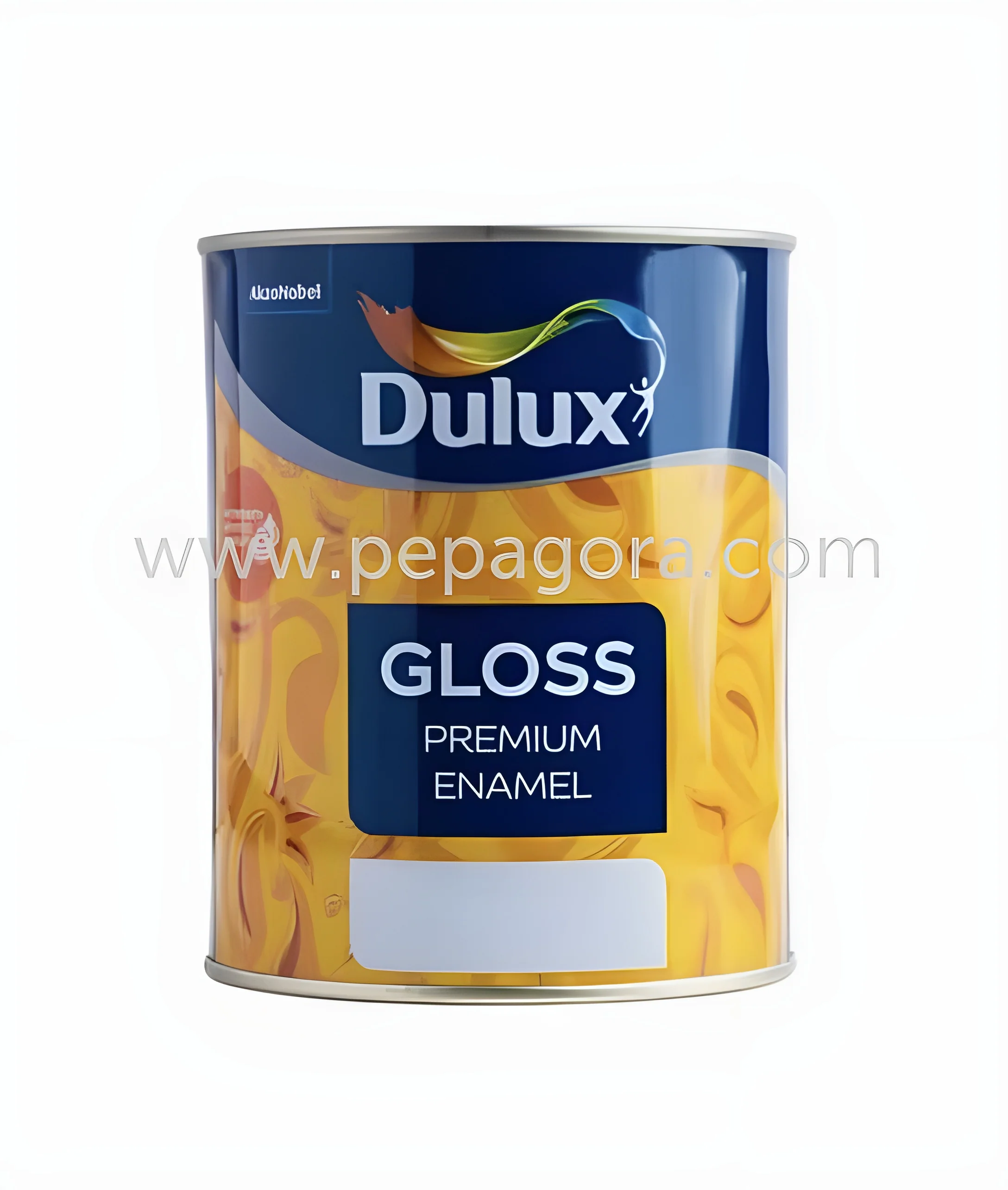
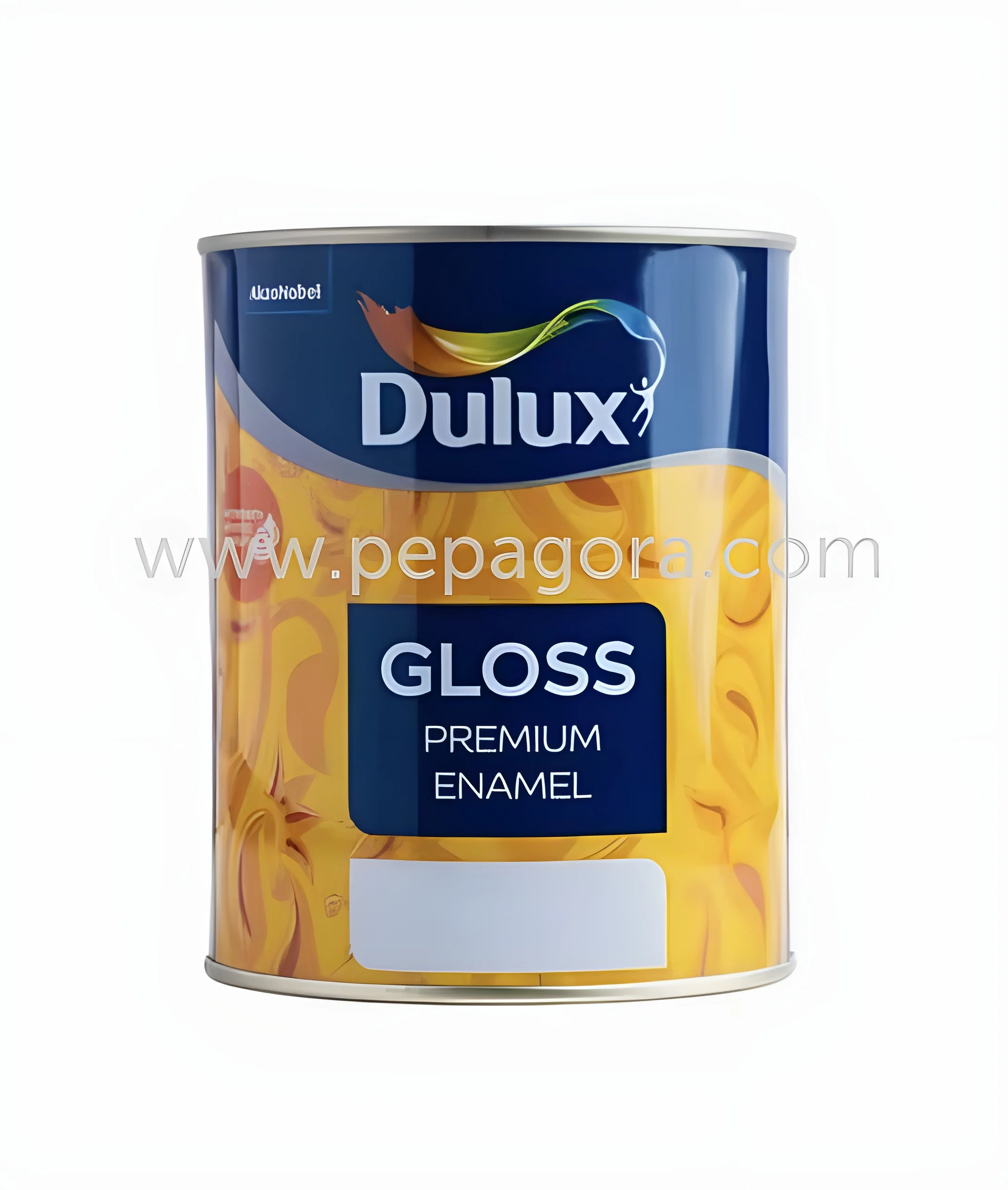
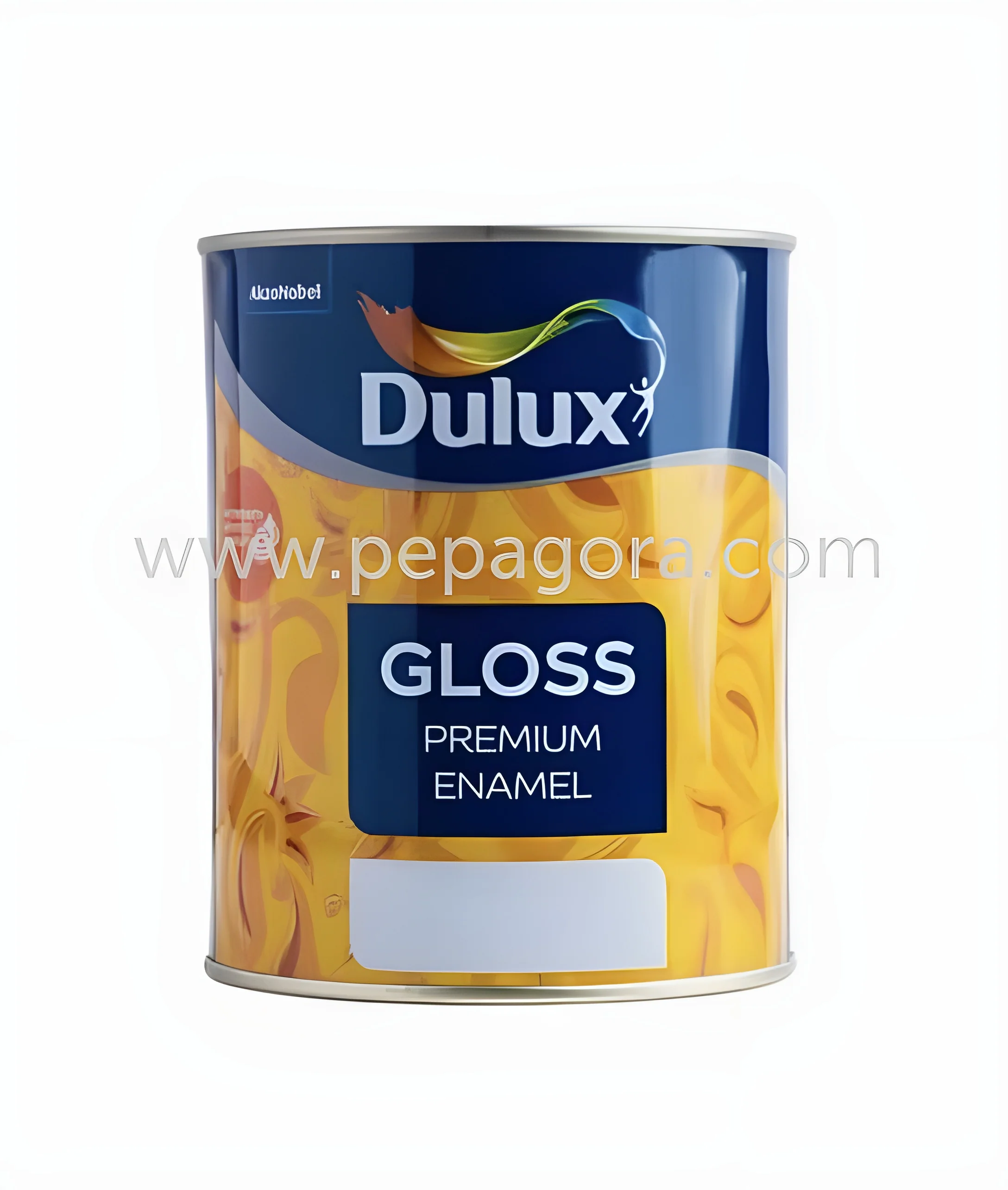
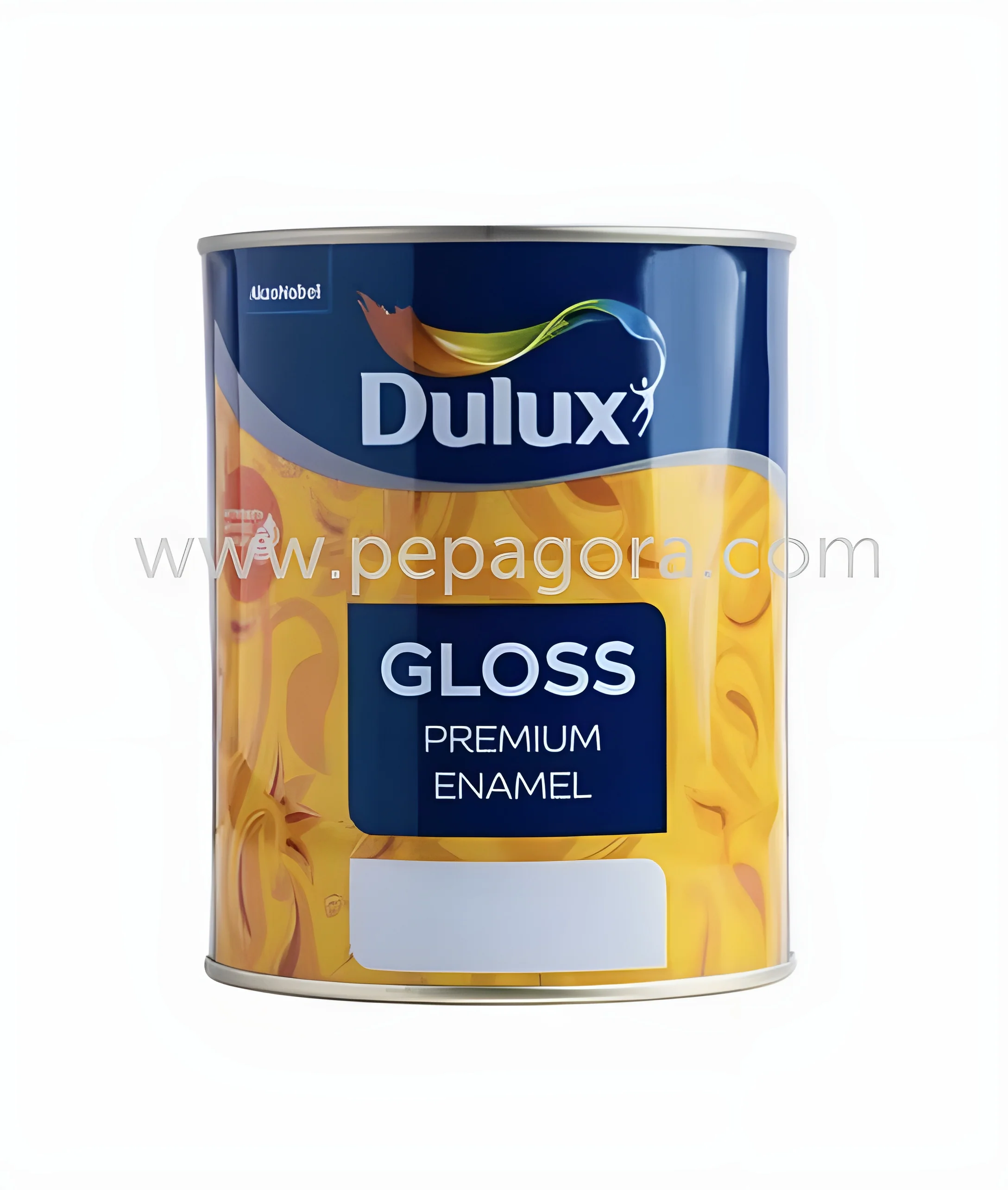
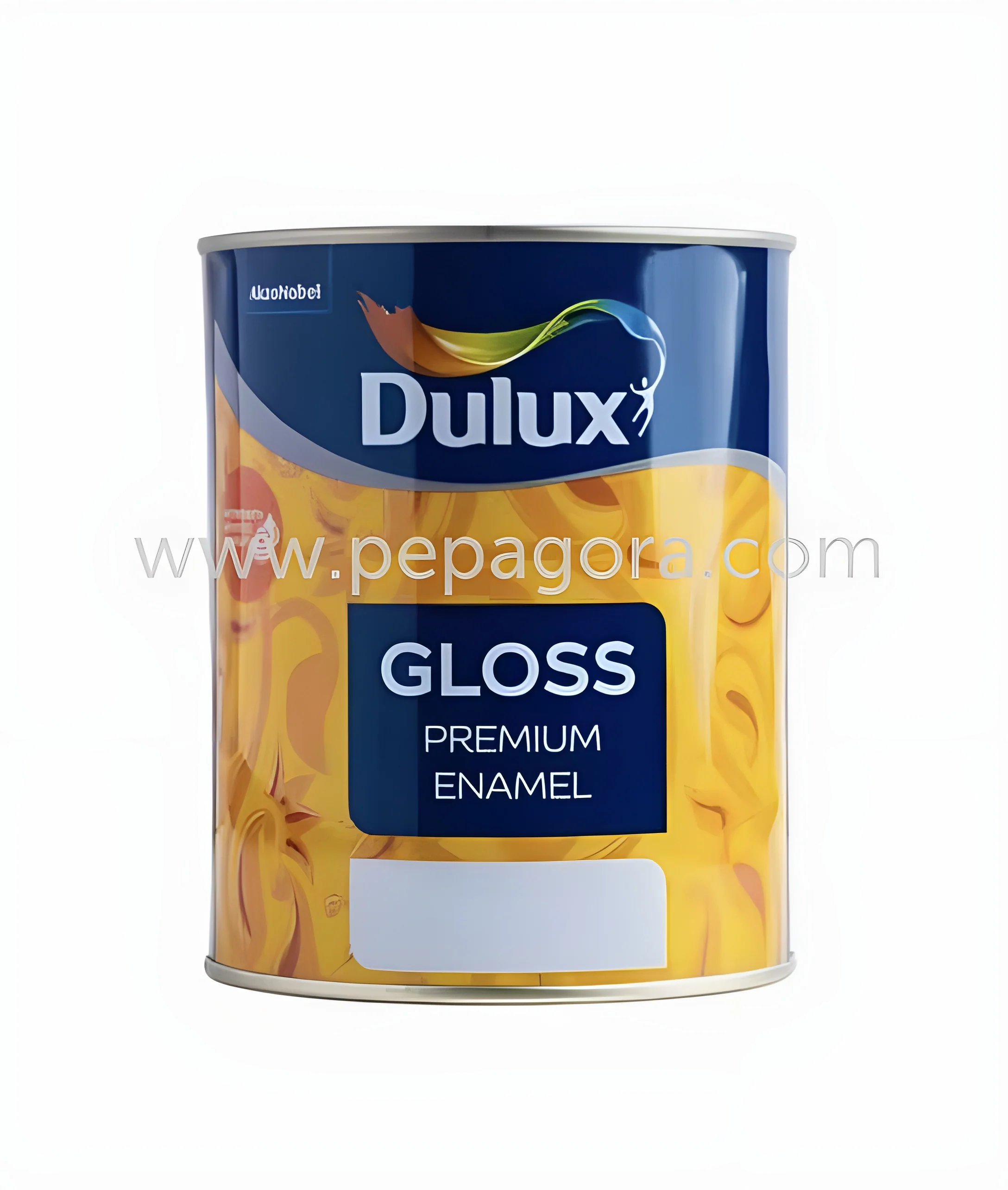
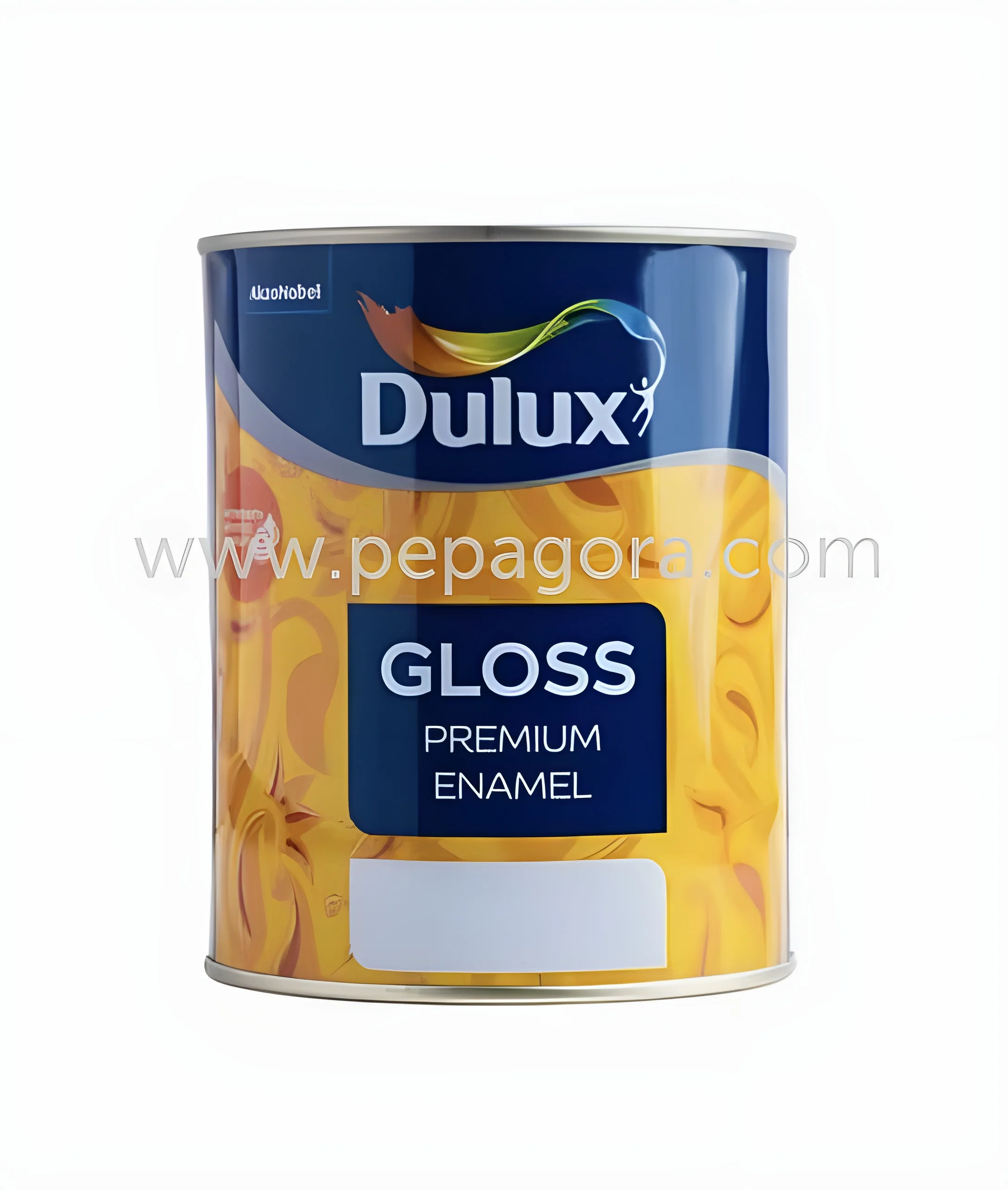
What are Enamel Paints?
Enamel paints are a type of coating known for their durability and glossy finish. They are generally oil-based or water-based paints that provide excellent adhesion and resistance to wear and tear. This makes them suitable for a variety of surfaces, including metal, wood, and plastic. Enamel paints are characterized by their hard, protective finish that dries to a tough, glossy surface. They are often used in both industrial and decorative applications due to their versatility.
The primary uses of enamel paints extend across multiple sectors, including automotive, manufacturing, and construction. In the automotive industry, they are commonly used for painting vehicles and equipment due to their ability to withstand harsh conditions. In manufacturing, enamel paints serve to protect machinery and tools, thus extending their lifespan. Moreover, in construction, they are applied to both interior and exterior surfaces for aesthetic enhancement and protection against environmental factors.
In terms of market relevance, enamel paints continue to be a staple in industries that require long-lasting and robust finishes. The demand for high-quality coatings in emerging markets is driving growth, while technological advancements in paint formulations are leading to improved performance and sustainability. As businesses seek effective solutions for protective coatings, enamel paints remain a key player in the industrial landscape.
Key Features and Specifications
Enamel paints are recognized for their distinctive features that contribute to their effectiveness in various applications. They offer a range of specifications that guide users in selecting the right product for their needs.
Key specifications include:
1. Finish Type
- Glossy or satin finishes available
- Provides aesthetic appeal and protection
2. Drying Time
- Fast-drying options typically available
- Can dry in as little as one hour to overnight, depending on conditions
3. Coverage Area
- Varies by product; typically covers 350 to 400 square feet per gallon
- Coverage may depend on surface texture and porosity
4. Adhesion Properties
- Excellent adherence to multiple substrates
- Ensures durability and longevity of the coating
5. Chemical Resistance
- Resistant to a variety of chemicals and solvents
- Ideal for industrial environments where spills may occur
6. Weather Resistance
- Capable of withstanding extreme weather conditions
- Suitable for both indoor and outdoor use
7. VOC Content
- Low-VOC and high-VOC options available
- Important for environmental and health considerations
8. Color Fastness
- Maintains color integrity over time
- Reduces fading and discoloration from UV exposure
Overall, the diverse specifications of enamel paints make them suitable for a wide range of industrial applications.
Common Applications and Use Cases
Enamel paints are utilized across various industries due to their protective and aesthetic properties.
1. Automotive: Enamel paints are widely used in the automotive sector for painting cars, trucks, and other vehicles. Their durability ensures that the finish can withstand outdoor conditions and frequent washing.
2. Manufacturing: In manufacturing facilities, enamel paints are applied to machinery and equipment to protect against corrosion and wear. This prolongs the life of tools and reduces maintenance costs.
3. Construction: Enamel paints are commonly used in construction to finish both interior and exterior surfaces. They provide an attractive look while protecting surfaces from moisture and environmental factors.
4. Furniture: In furniture production, enamel paints are used to finish wood and metal pieces, offering a durable and appealing final touch that enhances the product's overall appearance.
5. Signage: Enamel paints are frequently used for creating durable signage. Their weather resistance ensures that signs remain visible and intact even when exposed to the elements.
6. Home Decor: Enamel paints are popular in home improvement projects for painting doors, cabinets, and trim. Their glossy finish adds elegance and durability to interior spaces.
7. Marine: In the marine industry, enamel paints are used to coat boats and other watercraft. They provide protection against saltwater corrosion and UV damage.
Product Variants and Subcategories
Enamel paints come in various formulations and types to meet diverse customer needs.
Oil-Based Enamel Paints
These paints are characterized by their excellent durability and glossy finish. They are ideal for exterior applications and surfaces that require a tough coating. Oil-based enamels provide superior adhesion and are resistant to moisture.
Water-Based Enamel Paints
Water-based enamels offer easier cleanup and lower VOC emissions compared to their oil-based counterparts. They dry quickly and are suitable for indoor applications, making them a popular choice for residential and commercial projects.
Acrylic Enamel Paints
Acrylic enamels combine the benefits of acrylic and enamel paints, providing a fast-drying, durable finish. They are versatile for both indoor and outdoor use and are resistant to fading and chipping.
Epoxy Enamel Paints
These paints provide superior chemical and abrasion resistance. They are ideal for industrial applications where heavy wear is expected, such as factory floors and manufacturing equipment.
High-Temperature Enamel Paints
Specially formulated to withstand elevated temperatures, these enamels are used in environments such as automotive engines and industrial equipment. They maintain their color and finish even under extreme heat.
Benefits and Advantages
Enamel paints offer several key benefits that make them ideal for industrial applications.
1. Durability: Enamel paints are known for their long-lasting properties, making them suitable for high-traffic areas and harsh environments.
2. Aesthetic Appeal: The glossy finish of enamel paints enhances the visual appeal of surfaces, elevating the overall look of products and structures.
3. Versatility: With various formulations available, enamel paints can be used across numerous applications, from automotive to furniture.
4. Easy Maintenance: Surfaces coated with enamel paints are easy to clean and maintain, which is crucial for industries requiring high hygiene standards.
5. Weather Resistance: Enamel paints provide excellent protection against environmental elements, ensuring surfaces remain intact over time.
6. Chemical Resistance: The ability to withstand exposure to various chemicals makes enamel paints ideal for industrial settings.
Buying Guide for B2B Buyers
When sourcing enamel paints, it is essential to consider several factors to ensure you choose the right product for your needs.
1. Quality Assessment: Look for paints that meet industry standards for durability and performance. Review technical data sheets and seek samples to assess quality.
2. Supplier Verification: Ensure suppliers are reputable and have a history of providing reliable products. Check for certifications and customer testimonials.
3. Pricing and MOQ: Understand the pricing structure and minimum order quantities (MOQ) to align with your budget and project needs.
4. Delivery and Lead Times: Consider the supplier's ability to meet your delivery requirements. Discuss lead times to avoid project delays.
5. Compliance Requirements: Ensure that the enamel paints comply with local and international regulations regarding safety and environmental standards.
Compliance and Certifications
Enamel paints are subject to various compliance standards to ensure quality and safety in industrial applications.
Adhering to quality standards such as ISO 9001 ensures that manufacturers maintain high levels of quality control throughout the production process. This certification signifies that the products consistently meet customer and regulatory requirements.
The CE marking indicates that products meet European health, safety, and environmental protection standards. This certification is essential for businesses operating in or exporting to the European market.
Safety and testing requirements for enamel paints include assessments for VOC content, flammability, and chemical resistance. These tests help ensure that products are safe for use in various environments.
Regional compliance considerations may vary depending on local regulations. It is crucial to stay informed about the specific requirements in your region to avoid any legal issues.
Why Source Enamel Paints from Pepagora?
Pepagora provides a trusted platform for sourcing enamel paints, offering several key advantages to B2B buyers.
Verified Supplier Network: The platform connects buyers with a network of verified suppliers, ensuring that products meet quality and safety standards. This reduces the risk associated with sourcing from unknown manufacturers.
Streamlined RFQ Process: Pepagora simplifies the request for quotation (RFQ) process, allowing buyers to easily compare prices and specifications from multiple suppliers. This efficiency helps buyers make informed decisions.
Trade Assurance and Support: Buyers benefit from trade assurance programs that protect their purchases. The platform provides support throughout the sourcing process, ensuring a smooth transaction and peace of mind.
Regional Coverage: Pepagora has a strong presence in key markets, including India, the GCC, and Southeast Asia. This geographic reach allows buyers to access a broad range of products and suppliers tailored to their specific needs.

 IN
IN