
 IN
Heat Reflective Coatings
6 products available
What are Heat Reflective Coatings?
Heat Reflective Coatings are specialized materials designed to reflect radiant heat away from surfaces. These coatings are typically applied to roofs, walls, and various structures to enhance energy efficiency by reducing heat absorption. By minimizing the amount of heat that penetrates into buildings, they help maintain cooler indoor temperatures, leading to reduced reliance on air conditioning systems.
These coatings find extensive applications across various industries, including construction, automotive, and manufacturing. In the construction sector, they are commonly used on rooftops to lower energy costs and improve building comfort. In the automotive industry, heat reflective coatings are applied to vehicles to enhance thermal management. As global awareness of energy efficiency grows, the market for these coatings continues to expand, driven by regulatory requirements and consumer demand for sustainable building solutions.
Key Features and Specifications
Heat Reflective Coatings are characterized by several key features that enhance their performance and applicability across different sectors. These features include high reflectivity, durability, and resistance to environmental factors.
Key specifications include:
1. Reflectivity Rate
- High-performance coatings typically exhibit reflectivity rates exceeding 80%.
- This specification ensures maximum heat rejection.
2. Durability
- Coatings are engineered for long-lasting performance under various weather conditions.
- Expected lifespan can range from 5 to 15 years, depending on environmental exposure.
3. Application Method
- Can be applied via spraying, rolling, or brushing.
- Versatility in application ensures compatibility with different surfaces.
4. Color Options
- Available in a variety of colors while maintaining heat reflective properties.
- Customization allows for aesthetic integration with building designs.
5. Low VOC Content
- Complies with environmental regulations by minimizing volatile organic compounds.
- Ensures safer application and healthier indoor air quality.
6. Temperature Resistance
- Designed to withstand high temperatures without degradation.
- Suitable for use in extreme climates.
7. Adhesion Properties
- Exceptional adhesion to various substrates, including metal, concrete, and wood.
- Ensures longevity and effectiveness of the coating.
8. Ease of Maintenance
- Requires minimal upkeep, making it cost-effective over time.
- Regular cleaning is sufficient to maintain reflective performance.
In summary, these specifications demonstrate the robust performance and versatility of Heat Reflective Coatings, making them a valuable investment for businesses seeking energy efficiency.
Common Applications and Use Cases
Heat Reflective Coatings have diverse applications across multiple industries, each benefiting from their unique properties.
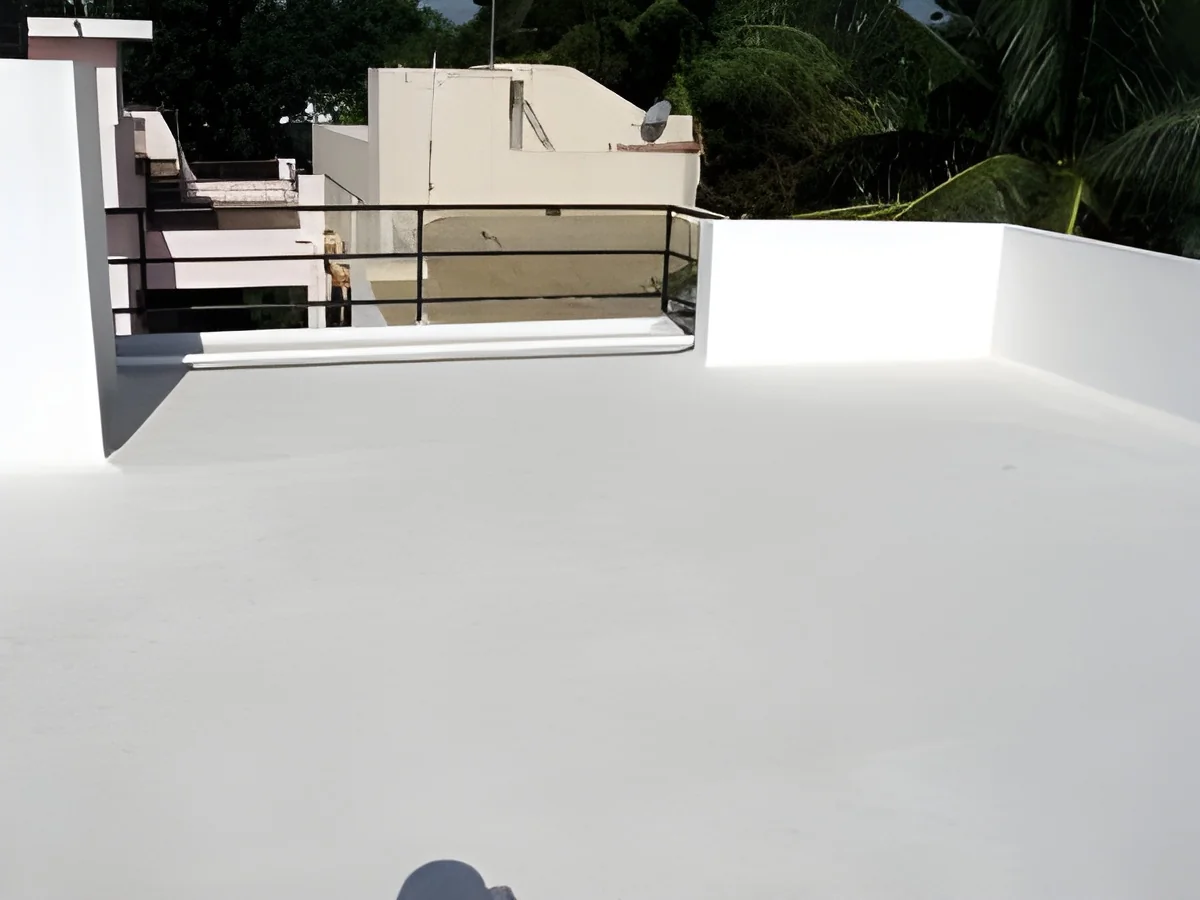
1. Construction: In the construction industry, these coatings are applied to flat and sloped roofs to reduce heat build-up, helping to lower energy costs and improve occupant comfort in commercial and residential buildings.
2. Automotive: Automotive manufacturers use heat reflective coatings on vehicles to enhance thermal management, improving fuel efficiency and passenger comfort by reducing the heat absorbed by surfaces.
3. Aerospace: In aerospace applications, heat reflective coatings are utilized to protect aircraft surfaces from extreme temperatures, contributing to overall safety and performance.
4. Electronics: Heat reflective coatings are also used in the electronics industry to manage heat dissipation in devices, ensuring reliability and longevity of products.
5. Marine: The marine industry applies these coatings to boats and ships to protect surfaces from sun damage and reduce interior temperatures.
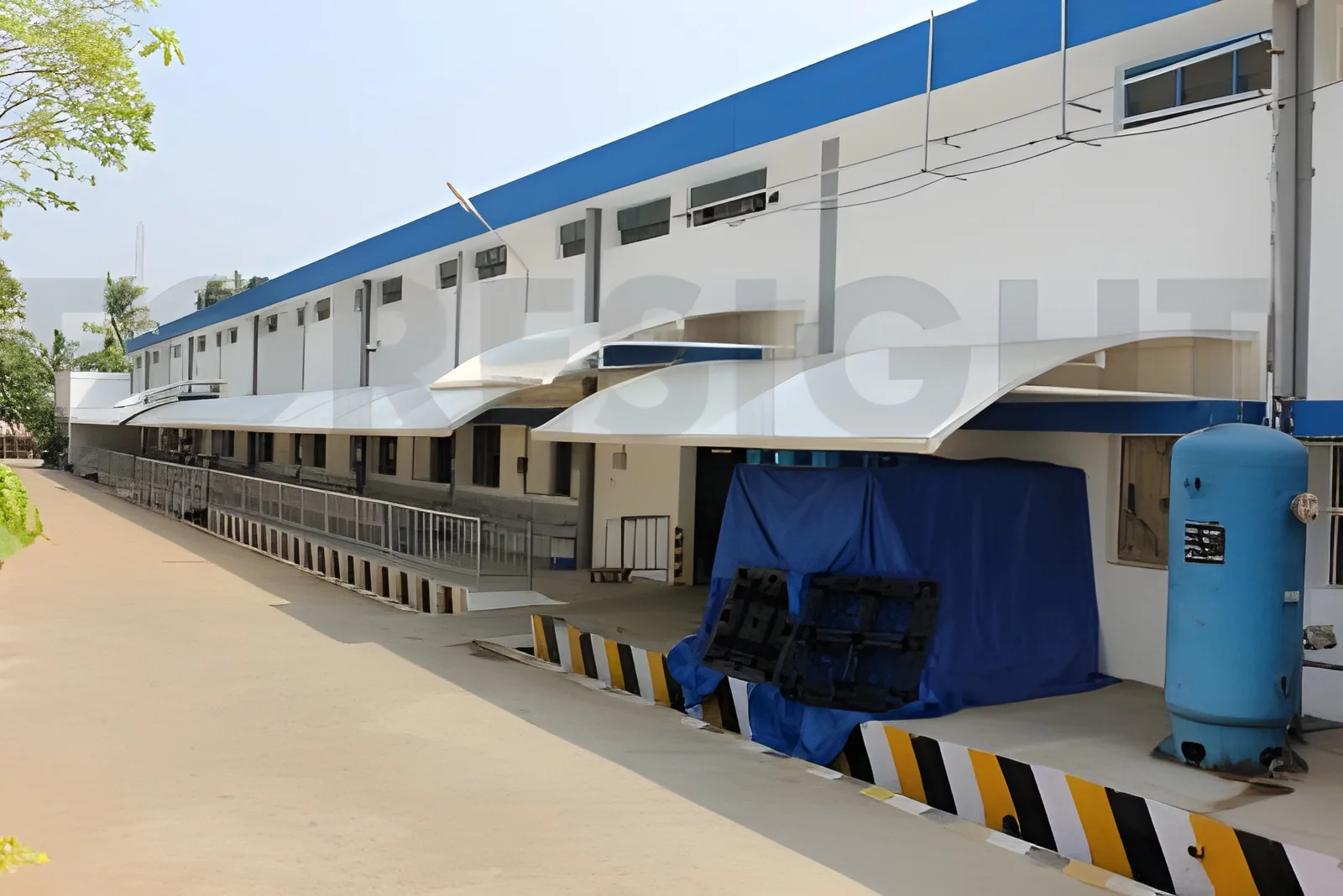
6. Industrial Equipment: Many industrial applications involve the use of heat reflective coatings to protect equipment and improve energy efficiency in manufacturing processes.
7. Agricultural Structures: Farmers utilize these coatings on barns and greenhouses to maintain optimal temperatures for livestock and crops.
Product Variants and Subcategories
Heat Reflective Coatings come in various forms to meet the specific needs of different applications.
Water-Based Coatings
These eco-friendly options are easy to apply and clean up with water. They offer excellent heat reflectivity and are suitable for a range of surfaces, including roofs and walls.
Solvent-Based Coatings
Designed for high-performance applications, solvent-based coatings provide superior adhesion and durability. They are ideal for extreme environments and are commonly used in industrial settings.
Elastomeric Coatings
These coatings offer flexibility and resistance to cracking. They are perfect for areas subject to movement and are often used on roofs to extend their lifespan.
Acrylic Coatings
Acrylic-based options provide good reflectivity and ease of application. They are often utilized in residential applications where aesthetic considerations are important.
Benefits and Advantages
Heat Reflective Coatings offer numerous advantages that make them a smart choice for businesses.
1. Energy Savings: By reflecting heat, these coatings significantly reduce cooling costs, leading to lower energy bills for businesses.
2. Improved Comfort: Maintaining lower indoor temperatures enhances occupant comfort, which can lead to increased productivity in work environments.
3. Environmental Impact: Using heat reflective coatings contributes to reduced energy consumption, aligning with sustainability goals and regulatory compliance.
4. Enhanced Durability: These coatings protect surfaces from UV damage and weathering, extending the life of roofs and walls.
5. Versatility: They can be applied to a variety of surfaces and in different environments, making them suitable for diverse industries.
6. Aesthetic Options: Available in multiple colors and finishes, heat reflective coatings can enhance the visual appeal of buildings while maintaining functionality.
Buying Guide for B2B Buyers
When sourcing Heat Reflective Coatings, buyers should consider several key factors to ensure they make informed decisions.
1. Quality Assessment: Evaluate the quality of coatings by reviewing technical data sheets and performance certifications. Look for high reflectivity rates and durability metrics.
2. Supplier Verification: It is crucial to vet suppliers for reliability and reputation in the market. Check for customer reviews and industry certifications to ensure credibility.
3. Pricing and MOQ: Understand the pricing structure and minimum order quantities (MOQ) required by suppliers. This will help in budgeting and ensuring adequate supply.
4. Delivery and Lead Times: Discuss logistics with suppliers to determine delivery schedules and lead times. Timely delivery is essential for project planning.
5. Compliance Requirements: Be aware of any regulatory requirements that may apply to the coatings being purchased. Ensure that products meet local and international standards.
Compliance and Certifications
Heat Reflective Coatings are subject to various compliance and certification standards, ensuring quality and safety across applications.
ISO 9001 is a quality management standard that many manufacturers adhere to, ensuring that products consistently meet customer and regulatory requirements.
CE certification indicates that the coatings conform to European safety, health, and environmental protection standards, which is crucial for businesses operating in or exporting to Europe.
Manufacturers must also comply with safety and testing requirements to ensure that their products are safe for use in various environments.
Regional compliance considerations may vary, so it is important for businesses to understand local regulations regarding the use of heat reflective coatings.
Why Source Heat Reflective Coatings from Pepagora?
Pepagora is a trusted platform for sourcing Heat Reflective Coatings, offering several key advantages for buyers.
Verified Supplier Network: Pepagora connects buyers with verified suppliers, ensuring that you can source high-quality coatings with confidence. This network is built on trust and reliability.
Streamlined RFQ Process: The Request for Quotation (RFQ) system simplifies the procurement process, allowing buyers to easily compare options and choose the best fit for their needs.
Trade Assurance and Support: Pepagora provides trade assurance, protecting buyer interests and ensuring a safe purchasing experience. Comprehensive support is available to address any concerns.
Regional Coverage: With a focus on markets in India, the GCC, and Southeast Asia, Pepagora offers extensive regional coverage, making it easy to find suppliers that meet your geographic and logistical needs.
By choosing Pepagora, businesses can confidently source heat reflective coatings tailored to their specific applications and requirements.



Frequently Asked Questions
What are Heat Reflective Coatings?
Heat Reflective Coatings are specialized coatings designed to reflect a significant amount of solar radiation, reducing heat absorption on surfaces. These coatings are commonly used on roofs, walls, and other structures to improve energy efficiency and comfort.
What are the different types of Heat Reflective Coatings?
There are several types of Heat Reflective Coatings, including acrylic, silicone, and elastomeric coatings. Each type offers unique properties and benefits, making them suitable for various applications and environments.
How do I choose the right Heat Reflective Coatings?
Choosing the right Heat Reflective Coating involves considering factors such as the specific application, environmental conditions, and desired reflectivity. It is also important to evaluate the durability and longevity of the coating to ensure it meets your needs.
What are the standard specifications for Heat Reflective Coatings?
Standard specifications for Heat Reflective Coatings typically include reflectivity percentage, durability against weathering, and adhesion properties. Additionally, these coatings should comply with relevant industry standards for performance and safety.
What is the price range for Heat Reflective Coatings?
The price range for Heat Reflective Coatings can vary widely based on factors such as type, quality, and supplier. Generally, prices can start from a few hundred to several thousand Indian Rupees per unit, depending on the specifications and quantities ordered.
What quality standards apply to Heat Reflective Coatings?
Quality standards for Heat Reflective Coatings may include compliance with ISO and ASTM standards, which ensure that the coatings meet specific performance criteria. Checking for certifications from recognized organizations can also help verify the quality of the coatings.
Where can I find Heat Reflective Coatings suppliers in India?
You can find Heat Reflective Coatings suppliers in India through online B2B marketplaces such as Pepagora, industry trade shows, and local manufacturers. It is advisable to compare suppliers based on their product offerings and customer reviews.
Can Heat Reflective Coatings be customized?
Yes, many manufacturers offer customization options for Heat Reflective Coatings to meet specific project requirements. Customization can include variations in color, formulation, and application techniques.
What is the typical minimum order quantity for Heat Reflective Coatings?
The typical minimum order quantity (MOQ) for Heat Reflective Coatings can range from small batches to larger volumes depending on the supplier. It is best to check with individual suppliers for their specific MOQ requirements.
What is the typical lead time for Heat Reflective Coatings?
The typical lead time for Heat Reflective Coatings can vary based on the supplier and order volume. Generally, lead times can range from a few days to several weeks, particularly if customization is involved.
Why Businesses Trust Pepagora
Thousands of companies trust Pepagora to source smarter and sell faster
Expand Your Sales Globally

Source Smarter,Grow Faster
