
 IN
Ceiling Suspension Systems
3 products available
What are Ceiling Suspension Systems?
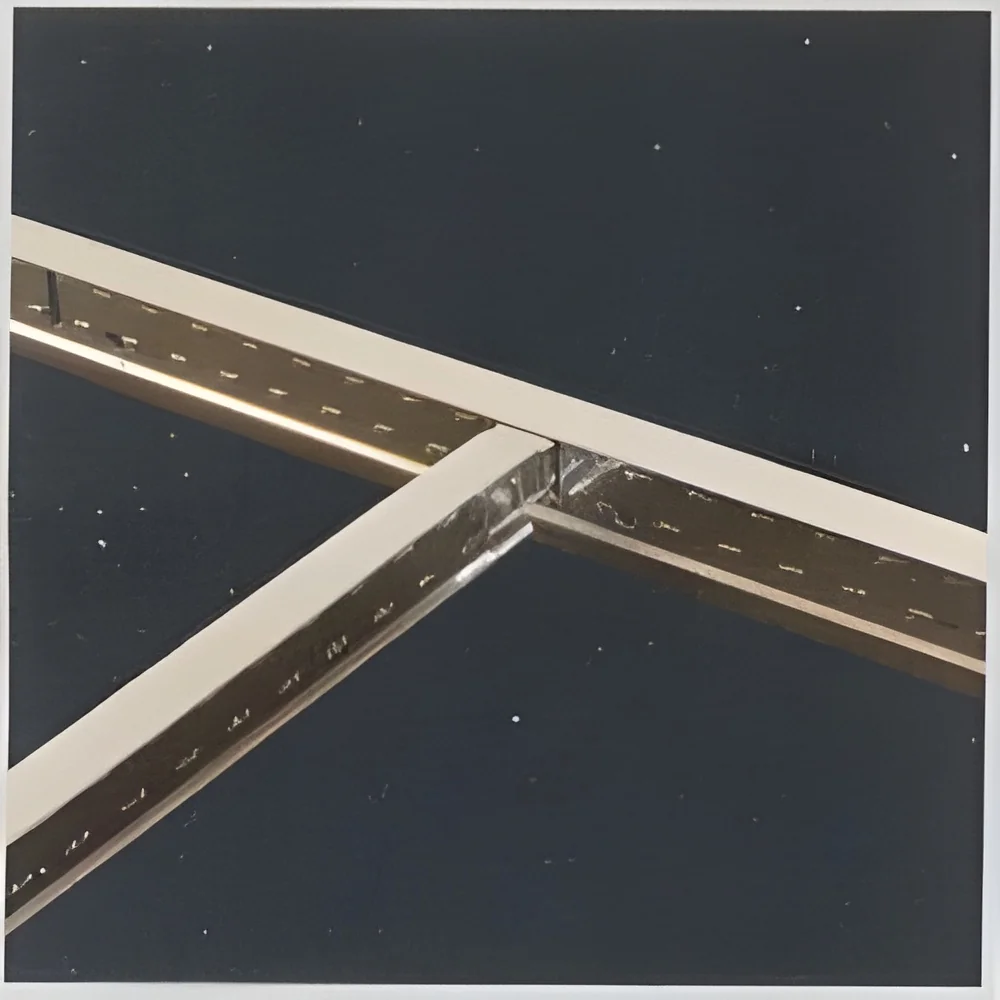
Ceiling suspension systems are structural frameworks designed to support ceilings in various commercial and industrial environments. These systems typically consist of a grid of metal supports that hold ceiling tiles or panels in place, allowing for easy access to wiring, plumbing, and HVAC systems above the ceiling. They are essential for creating aesthetically pleasing interiors while also providing functionality and flexibility in design.
These systems are commonly used in offices, hospitals, schools, and retail spaces where acoustic control, thermal insulation, and fire safety are critical. They facilitate the installation of different ceiling types, from basic tiles to more advanced modular systems. As businesses seek to create versatile workspaces, the demand for ceiling suspension systems continues to grow, driving innovation and diversity in product offerings.
In the current market, the relevance of ceiling suspension systems is underscored by the increasing focus on sustainable building practices and energy efficiency. Manufacturers are continually developing solutions that meet industry standards while ensuring ease of installation and maintenance. This has opened up opportunities for suppliers to provide high-quality products that cater to various business needs.
Key Features and Specifications
Ceiling suspension systems come with various features tailored to meet the demands of different environments. Understanding these specifications can help businesses select the right system for their needs.
Key specifications include:
1. Load Capacity
- Ceiling suspension systems must support specific weights based on the materials used and the design.
- Typical load capacities vary from 15 to 40 pounds per square foot.
2. Material Composition
- Most systems are made from galvanized steel or aluminum for durability and corrosion resistance.
- Options may also include powder-coated finishes for aesthetic appeal.
3. Grid Configuration
- Systems can feature various grid layouts, including 2x2 or 2x4 configurations.
- The grid type affects installation methods and ceiling aesthetics.
4. Acoustic Performance
- Many systems are designed to enhance sound insulation, reducing noise transfer between spaces.
- Noise reduction coefficients (NRC) can range from 0.60 to 0.95.
5. Fire Resistance
- Some ceiling systems are rated for fire resistance, crucial for safety in commercial applications.
- Compliance with local fire codes is essential for installation.
6. Ease of Installation
- Systems are engineered for straightforward assembly and adjustment.
- Quick-connect features may be available for faster deployment.
7. Compatibility
- Ceiling suspension systems should be compatible with various ceiling tiles, panels, and accessories.
- This flexibility allows for customized designs.
8. Aesthetic Options
- Systems can be designed to accommodate a range of finishes and styles.
- Choices include lay-in tiles, curved panels, or decorative features.
In summary, selecting the right ceiling suspension system involves evaluating these specifications to ensure compatibility with specific business requirements and regulatory standards.
Common Applications and Use Cases
Ceiling suspension systems are versatile and applicable across numerous industries, each with unique requirements.
1. Offices: These systems enhance the aesthetics of office environments while providing acoustic control, essential for maintaining productivity and privacy.
2. Healthcare: In hospitals and clinics, ceiling suspension systems support essential utilities while ensuring compliance with hygiene and infection control standards.
3. Education: Schools utilize these systems to create adaptable learning spaces with appropriate soundproofing and lighting options.
4. Retail: In retail environments, ceiling suspension systems can help showcase products effectively while maintaining an inviting atmosphere.
5. Hospitality: Hotels and restaurants use these systems to create elegant interiors that enhance guest experiences while allowing for easy maintenance of essential services.
6. Industrial: Factories and warehouses employ ceiling suspension systems to support heavy lighting and ventilation while ensuring safety and efficiency.
7. Entertainment: Theaters and concert halls utilize these systems to optimize acoustics and integrate lighting solutions for performances.
Product Variants and Subcategories
Ceiling suspension systems offer a range of variants designed to meet specific needs and applications.
Standard Grid Systems
These are the most common type, featuring a simple grid layout that supports standard ceiling tiles. They are easy to install and widely used in various environments.
Acoustic Grid Systems
Designed specifically for sound control, these systems incorporate features that enhance noise reduction. They are ideal for environments where acoustics are a priority, such as offices and schools.
Decorative Systems
These systems provide aesthetic enhancements while maintaining functionality. They often feature unique designs and finishes, suitable for retail and hospitality sectors.
Modular Systems
Modular ceiling suspension systems allow for greater flexibility in design and installation. They can be easily adjusted or expanded to accommodate changing needs.
Benefits and Advantages
Ceiling suspension systems offer numerous advantages that make them a valuable choice for businesses.
1. Enhanced Aesthetics: These systems allow for a variety of design options, improving the overall appearance of a space.
2. Improved Acoustics: Many systems are designed to reduce noise, making environments more comfortable for occupants.
3. Easy Maintenance: Ceiling suspension systems provide access to utilities above the ceiling, facilitating maintenance and repairs.
4. Flexibility: Their modular nature allows for easy reconfiguration as business needs evolve.
5. Compliance with Standards: Quality systems meet industry regulations, ensuring safety and reliability.
6. Cost-Effectiveness: Investing in durable systems can lead to long-term savings through reduced maintenance and replacement costs.
Buying Guide for B2B Buyers
When sourcing ceiling suspension systems, it is essential to consider several critical factors to ensure the right choice for your business.
1. Quality Assessment: Evaluate the materials and construction of the systems to ensure they meet durability and performance standards suitable for your environment.
2. Supplier Verification: Vet suppliers to confirm their reliability and track record in delivering high-quality products on time.
3. Pricing and MOQ: Understand the pricing structures and minimum order quantities (MOQ) to make informed purchasing decisions.
4. Delivery and Lead Times: Discuss logistics with suppliers to ensure timely delivery that aligns with your project timelines.
5. Compliance Requirements: Verify that the systems meet all relevant local regulations and industry standards, including fire safety and acoustic performance.
Compliance and Certifications
Compliance and certification are essential aspects of ceiling suspension systems. Relevant quality standards ensure that products meet specific performance criteria. ISO 9001 is a common standard that reflects a commitment to quality management systems. Businesses should also consider certifications such as CE, which indicates conformity with European health, safety, and environmental protection standards.
Safety and testing requirements play a critical role in determining the reliability of ceiling suspension systems. These may include fire testing, load-bearing assessments, and acoustic performance evaluations. Regional compliance considerations are also vital, as different areas may have unique regulations affecting ceiling construction and installation.
Why Source Ceiling Suspension Systems from Pepagora?
Pepagora offers a trusted platform for sourcing ceiling suspension systems, ensuring businesses have access to high-quality products and reliable suppliers.
Verified Supplier Network: Pepagora connects buyers with a network of verified suppliers, ensuring that all products meet industry standards and quality expectations. This reduces the risk of subpar purchases and enhances supply chain reliability.
Streamlined RFQ Process: The platform features a user-friendly request for quotation (RFQ) system, simplifying the process of obtaining quotes from multiple suppliers. This efficiency allows businesses to make informed decisions quickly.
Trade Assurance and Support: Pepagora provides trade assurance, protecting buyers throughout the procurement process. The platform also offers support to address any challenges or questions that may arise.
Regional Coverage: With a strong presence in India, the GCC, and Southeast Asia, Pepagora caters to a wide geographic area, making it easy for businesses to find suppliers that meet their specific needs. This broad reach enhances access to diverse products and competitive pricing, benefiting the overall procurement process.


Frequently Asked Questions
What are Ceiling Suspension Systems?
Ceiling Suspension Systems are frameworks designed to support and secure ceiling panels and tiles in commercial and residential spaces. These systems are essential for creating a stable and aesthetically pleasing ceiling while also providing access to building infrastructure like wiring and ductwork.
What are the different types of Ceiling Suspension Systems?
There are several types of Ceiling Suspension Systems, including T-bar systems, grid systems, and direct-hung systems. Each type varies in terms of installation method and the type of ceiling panels they support, catering to different design and functional requirements.
How do I choose the right Ceiling Suspension Systems?
Choosing the right Ceiling Suspension System depends on factors such as the weight of the ceiling panels, the type of environment, and aesthetic preferences. It's important to assess your specific needs and consult with manufacturers or suppliers to find the most suitable option.
What are the standard specifications for Ceiling Suspension Systems?
Standard specifications for Ceiling Suspension Systems typically include load-bearing capacity, material type (such as steel or aluminum), and dimensions of the grid or support framework. Compliance with local building codes and standards is also crucial.
What is the price range for Ceiling Suspension Systems?
The price range for Ceiling Suspension Systems can vary widely based on the type, materials used, and manufacturer. Generally, prices can start from a few hundred rupees per square meter and can go up to several thousand rupees for premium systems.
What quality standards apply to Ceiling Suspension Systems?
Ceiling Suspension Systems should adhere to various quality standards, including those set by organizations like ISO, ASTM, and local building codes. Ensuring that the systems meet these standards is essential for safety, durability, and performance.
Where can I find Ceiling Suspension Systems suppliers in India?
You can find suppliers of Ceiling Suspension Systems in India through B2B marketplaces like Pepagora.com, trade shows, and industry directories. It's advisable to compare multiple suppliers to find those that offer quality products and favorable terms.
Can Ceiling Suspension Systems be customized?
Yes, many manufacturers offer customization options for Ceiling Suspension Systems to meet specific project requirements. Customization can include adjustments in design, materials, and dimensions to fit unique architectural needs.
What is the typical minimum order quantity for Ceiling Suspension Systems?
The typical minimum order quantity (MOQ) for Ceiling Suspension Systems varies by supplier and product type, but it often ranges from 50 to 100 units. It's advisable to check with the supplier for specific MOQ details.
What is the typical lead time for Ceiling Suspension Systems?
The typical lead time for Ceiling Suspension Systems can range from a few days to several weeks, depending on the supplier, the complexity of the order, and whether customization is required. It's important to confirm lead times with the supplier at the time of ordering.
Why Businesses Trust Pepagora
Thousands of companies trust Pepagora to source smarter and sell faster
Expand Your Sales Globally

Source Smarter,Grow Faster
