What are CCTV Surveillance Cameras (Analog, IP)?
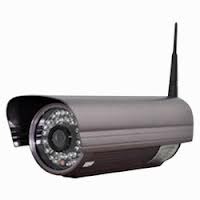
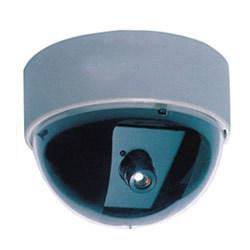
CCTV surveillance cameras, both analog and IP, serve as essential tools for monitoring and securing various environments. Analog cameras capture video footage using traditional coaxial cables and can be connected to a digital video recorder (DVR) for storage. In contrast, IP cameras transmit data over a network, allowing for higher resolution images and remote access capabilities. This technology enables businesses to maintain a watchful eye over their premises in real-time or through recorded footage.
These cameras find widespread usage across different sectors, including retail, manufacturing, and transportation. Businesses leverage them for security purposes, such as crime prevention and monitoring employee activities. Additionally, they are used for operational efficiency, helping to streamline processes by providing valuable insights through recorded footage. The growing need for security solutions has resulted in a robust market for CCTV surveillance cameras, reflecting their relevance in today’s safety-conscious environment.
𝗞𝗲𝘆 𝗙𝗲𝗮𝘁𝘂𝗿𝗲𝘀 𝗮𝗻𝗱 𝗦𝗽𝗲𝗰𝗶𝗳𝗶𝗰𝗮𝘁𝗶𝗼𝗻𝘀
CCTV surveillance cameras come with a range of features and specifications that cater to diverse security needs. Understanding these specifications is crucial for businesses to choose the right camera for their requirements.
Key specifications include:
1. Resolution
- Refers to the clarity of the image, measured in megapixels.
- Common ranges include 720p, 1080p, and 4MP or 8MP for IP cameras.
2. Lens Type
- Determines the field of view and depth of image.
- Options include fixed, varifocal, and PTZ (pan-tilt-zoom).
3. Night Vision
- Enables visibility in low-light conditions.
- Common technologies include infrared (IR) and color night vision.
4. Connectivity
- Indicates how the camera connects to a network or a DVR.
- Options include wired (coaxial) for analog and wireless or Ethernet for IP cameras.
5. Compression Standards
- Refers to how video data is compressed for storage.
- Common standards include H.264 and H.265 for IP cameras.
6. Power Supply
- Indicates how the camera is powered.
- Options include PoE (Power over Ethernet) for IP cameras or traditional power adapters for analog cameras.
7. Weather Resistance
- Defines the camera's ability to withstand environmental conditions.
- Ratings are often indicated by the IP rating system.
8. Storage Capacity
- Refers to the amount of footage that can be stored.
- Dependent on the type of recorder used and the storage medium.
These specifications are vital for ensuring that businesses select a CCTV system that meets their unique security needs.
𝗖𝗼𝗺𝗺𝗼𝗻 𝗔𝗽𝗽𝗹𝗶𝗰𝗮𝘁𝗶𝗼𝗻𝘀 𝗮𝗻𝗱 𝗨𝘀𝗲 𝗖𝗮𝘀𝗲𝘀
CCTV surveillance cameras are utilized across various industries, each with specific applications tailored to their needs.
1. Retail: In retail environments, CCTV cameras help deter theft and monitor customer behavior, enhancing security and improving customer service.
2. Manufacturing: Factories use surveillance cameras to monitor production lines, ensuring safety compliance and operational efficiency.
3. Transportation: Airports and bus stations deploy CCTV cameras for passenger safety, monitoring crowd movements, and managing emergency situations.
4. Education: Schools and universities utilize cameras to ensure student safety and monitor campus activities.
5. Healthcare: Hospitals use surveillance to secure patient areas and ensure compliance with safety regulations.
6. Banking: Financial institutions deploy CCTV cameras for security against theft and fraud, protecting both customers and staff.
7. Hospitality: Hotels and resorts leverage cameras to enhance guest safety and monitor service areas for operational improvements.
𝗣𝗿𝗼𝗱𝘂𝗰𝘁 𝗩𝗮𝗿𝗶𝗮𝗻𝘁𝘀 𝗮𝗻𝗱 𝗦𝘂𝗯𝗰𝗮𝘁𝗲𝗴𝗼𝗿𝗶𝗲𝘀
CCTV surveillance cameras are available in various forms, ensuring adaptability to different security needs.
Analog CCTV Cameras: These cameras use traditional technology and are typically cost-effective for basic monitoring needs. They are suitable for businesses that require straightforward security solutions without advanced features.
IP CCTV Cameras: These modern cameras offer high-definition video quality and advanced features such as remote access and cloud storage. They are ideal for businesses looking for comprehensive surveillance solutions with scalability.
Wireless CCTV Cameras: These cameras provide flexibility in installation due to their lack of wired connections. They are suitable for locations where running cables may be challenging.
PTZ Cameras: Pan-tilt-zoom cameras allow users to control the direction and zoom level remotely. They are particularly useful for large areas that require extensive monitoring.
𝗕𝗲𝗻𝗲𝗳𝗶𝘁𝘀 𝗮𝗻𝗱 𝗔𝗱𝘃𝗮𝗻𝘁𝗮𝗴𝗲𝘀
Investing in CCTV surveillance cameras brings numerous advantages to businesses.
1. Enhanced Security: CCTV cameras deter criminal activities by providing visual surveillance, making it less likely for crimes to occur.
2. Remote Monitoring: IP cameras allow businesses to monitor their premises from anywhere, providing peace of mind.
3. Evidence Collection: Recorded footage can serve as essential evidence in case of incidents, aiding investigations.
4. Improved Employee Accountability: Monitoring employee activity can enhance productivity and ensure compliance with company policies.
5. Operational Insights: CCTV footage can provide valuable data regarding foot traffic and customer behavior, aiding in business decisions.
6. Versatility: With various models and features available, businesses can select cameras that best fit their specific requirements.
𝗕𝘂𝘆𝗶𝗻𝗴 𝗚𝘂𝗶𝗱𝗲 𝗳𝗼𝗿 𝗕𝟮𝗕 𝗕𝘂𝘆𝗲𝗿𝘀
When sourcing CCTV surveillance cameras, several factors should be considered to ensure a suitable purchase.
1. Quality Assessment: Evaluate the camera quality, including resolution and lens specifications. High-definition images are essential for effective surveillance.
2. Supplier Verification: Vet suppliers to ensure they provide reliable products and after-sales support. Look for established brands with good reputations.
3. Pricing and MOQ: Understand the pricing structure and minimum order quantities (MOQ) required by suppliers to ensure alignment with budget constraints.
4. Delivery and Lead Times: Inquire about delivery timelines to ensure that the products can be received when needed for timely installation.
5. Compliance Requirements: Ensure that the cameras meet local regulations and industry standards, such as safety certifications and environmental compliance.
𝗖𝗼𝗺𝗽𝗹𝗶𝗮𝗻𝗰𝗲 𝗮𝗻𝗱 𝗖𝗲𝗿𝘁𝗶𝗳𝗶𝗰𝗮𝘁𝗶𝗼𝗻𝘀
CCTV surveillance cameras must adhere to various quality standards and certifications to ensure safety and reliability. Many manufacturers comply with ISO 9001, which signifies a commitment to quality management principles. Additionally, certification such as CE indicates that the products meet European safety and health requirements.
Testing requirements often include assessments for environmental durability, ensuring that cameras can withstand varying conditions. Regional compliance considerations may vary, requiring buyers to be aware of local regulations that could affect installation and operational capabilities.
Why Source CCTV Surveillance Cameras (Analog, IP) from Pepagora?
Pepagora offers a trusted platform for sourcing CCTV surveillance cameras, providing numerous advantages for B2B buyers.
Verified Supplier Network: Pepagora ensures that all suppliers undergo thorough vetting, assuring buyers of quality products and reliable service.
Streamlined RFQ Process: The platform simplifies the request for quotation (RFQ) process, enabling buyers to quickly obtain competitive pricing from multiple suppliers.
Trade Assurance and Support: Buyers receive protective measures that safeguard their transactions, enhancing confidence in their purchases.
Regional Coverage: With a strong presence in India, the GCC, and Southeast Asia, Pepagora enables businesses to easily access a wide range of CCTV solutions tailored to their specific security needs.

 IN
IN

 India
India