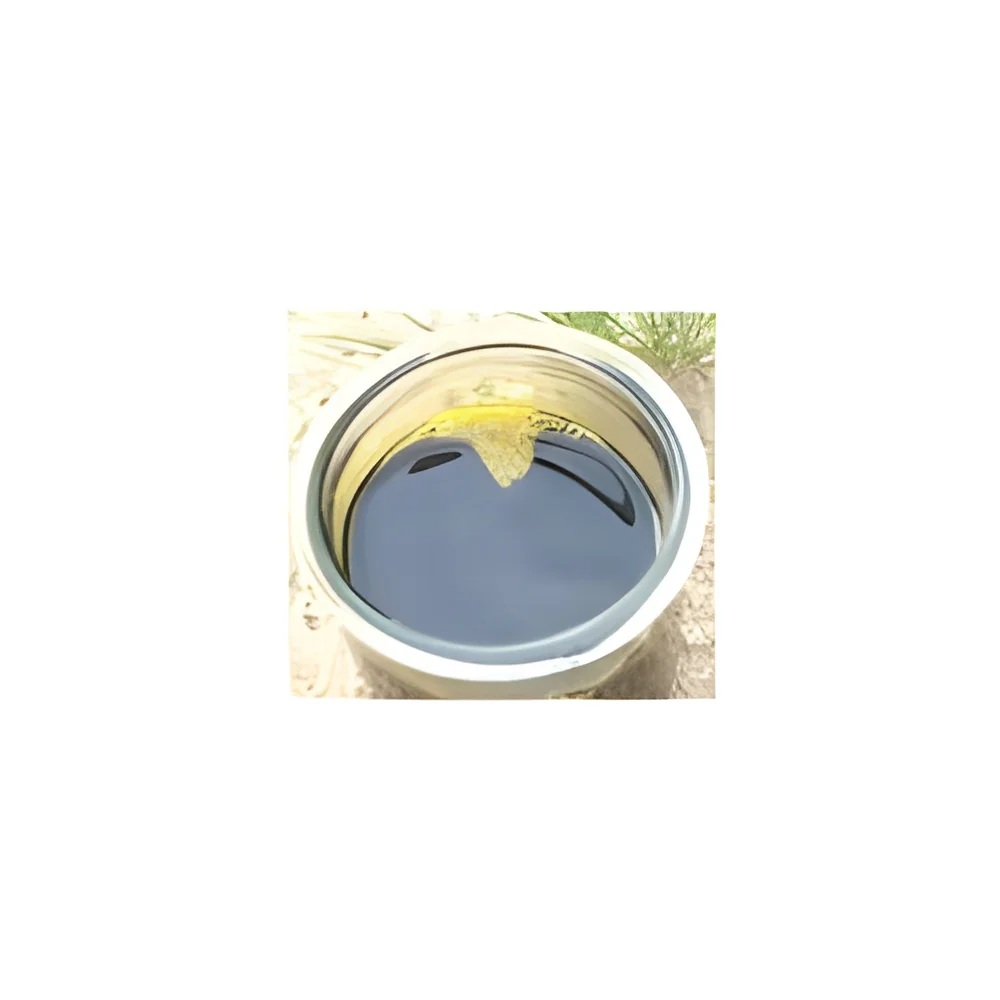
What are Canola Oil?
Canola oil is a vegetable oil derived from the seeds of the canola plant, which is specifically bred from rapeseed. This oil is known for its light flavor and high smoke point, making it a popular choice in both cooking and food processing. Canola oil is rich in monounsaturated fats and omega-3 fatty acids, which contribute to its health benefits. It is often regarded as one of the healthiest cooking oils available due to its low levels of saturated fat.
In business applications, canola oil is primarily used in the food industry, including frying, baking, salad dressings, and margarine production. Its versatility extends to non-food applications as well, such as in biodiesel production and as an ingredient in cosmetics and personal care products. The growing demand for healthy cooking oils and sustainable products has positioned canola oil as a significant player in the global edible oils market, with increasing market penetration in various regions.
Key Features and Specifications
Canola oil is characterized by its unique composition and usability across multiple sectors. The following specifications highlight the essential aspects of this product.
Key specifications include:
1. Fatty Acid Profile
- High in monounsaturated fatty acids
- Contains omega-3 and omega-6 fatty acids
2. Smoke Point
- High smoke point of approximately 400°F (204°C)
- Suitable for high-temperature cooking methods
3. Flavor Profile
- Light and neutral flavor
- Does not overpower other ingredients in recipes
4. Shelf Life
- Generally has a shelf life of about 12 months
- Requires proper storage to maintain quality
5. Viscosity
- Low viscosity, which aids in easy application in various processes
- Allows for smooth mixing in formulations
6. Nutritional Content
- Contains vitamin E and K
- Low in saturated fat, promoting heart health
7. Color
- Pale yellow to light golden color
- Typically clear and free from impurities
Canola oil is an essential ingredient in many culinary and industrial applications, making its specifications critical for buyers.
Common Applications and Use Cases
Canola oil finds a diverse range of applications across various industries.
1. Food Industry: Widely used for frying, baking, and salad dressings due to its neutral flavor and high smoke point. It is also a key ingredient in margarine and other processed foods.
2. Biodiesel Production: Canola oil is increasingly being utilized in the renewable energy sector as a feedstock for biodiesel, contributing to sustainable energy solutions.
3. Personal Care Products: Used in cosmetics and skincare formulations due to its moisturizing properties and lightweight texture.
4. Pharmaceutical Industry: Employed as a carrier oil in various formulations, enhancing the bioavailability of active ingredients.
5. Animal Feed: Canola meal, a byproduct of oil extraction, is used as a high-protein ingredient in animal feed formulations.
6. Industrial Lubricants: Canola oil is also used in the production of biodegradable lubricants, promoting environmentally friendly options.
7. Food Processing: Acts as an emulsifier in sauces and dressings, ensuring stability and improved texture.
Product Variants and Subcategories
While there are no specific subcategories available for canola oil, it is important to note the diversity in production and refinement methods that can cater to different business needs.
Refined Canola Oil
This variant undergoes extensive refining processes to remove impurities, making it suitable for high-temperature cooking and food processing. Its neutral flavor ensures it does not alter the taste of dishes.
Cold-Pressed Canola Oil
Extracted without the use of heat, this variant retains more nutrients and flavor. It is often preferred in gourmet cooking and specialty food products.
Organic Canola Oil
Sourced from non-GMO seeds and produced without synthetic pesticides, this variant appeals to health-conscious consumers and businesses looking for organic certifications.
Benefits and Advantages
Canola oil offers several advantages that make it a preferred choice for businesses and consumers.
1. Health Benefits: Rich in healthy fats, canola oil supports heart health and is low in saturated fats, making it a healthier option compared to other cooking oils.
2. Versatility: Its neutral flavor and high smoke point make canola oil suitable for a wide range of cooking methods, from frying to baking.
3. Cost-Effectiveness: Generally priced competitively, canola oil provides a cost-effective solution for food manufacturers and restaurants.
4. Sustainability: Canola oil can be produced sustainably, supporting the demand for environmentally friendly products.
5. Nutritional Value: It contains essential nutrients, including omega-3 fatty acids, which contribute to overall health and well-being.
6. Stability: Canola oil has good oxidative stability, allowing for longer shelf life compared to other oils.
Buying Guide for B2B Buyers
When sourcing canola oil, businesses should consider various factors to ensure they make informed purchasing decisions.
1. Quality Assessment: Buyers should evaluate the quality of canola oil through its fatty acid profile and refining process. High-quality oil should have a balanced composition and minimal impurities.
2. Supplier Verification: It is essential to vet suppliers for reliability and reputation. Look for certifications and customer reviews to ensure a trustworthy partnership.
3. Pricing and MOQ: Understanding the pricing structure and minimum order quantities (MOQ) is critical for budgeting and inventory management. Compare different suppliers to find competitive pricing.
4. Delivery and Lead Times: Assess delivery options and lead times to ensure timely supply and to avoid disruptions in production.
5. Compliance Requirements: Buyers must be aware of regulatory standards and certifications applicable to canola oil in their region, including food safety regulations.
Compliance and Certifications
Canola oil must meet several compliance standards to ensure quality and safety in various applications. Key industry certifications include CE, which signifies adherence to European safety standards.
Relevant quality standards such as ISO 9001 ensure that manufacturers maintain consistent quality control processes. Additionally, HACCP (Hazard Analysis and Critical Control Points) is crucial for food safety management, particularly in food-related applications.
Safety requirements dictate that canola oil undergoes rigorous testing to ensure it is free from contaminants and suitable for consumption. Depending on the region, compliance with local regulations may vary, necessitating a thorough understanding of specific market needs.
Why Source Canola Oil from Pepagora?
Pepagora offers a reliable platform for sourcing canola oil, ensuring businesses have access to quality products and trusted suppliers.
Verified Supplier Network: Pepagora connects buyers with a network of verified suppliers, providing peace of mind regarding the quality and reliability of products.
Streamlined RFQ Process: The quotation system enables buyers to request multiple quotes effortlessly, promoting competitive pricing and better negotiation opportunities.
Trade Assurance and Support: Buyers are protected through trade assurance programs that safeguard transactions, ensuring that they receive the expected quantity and quality of products.
Regional Coverage: With a broad geographic reach across India, the GCC, and Southeast Asia, Pepagora facilitates sourcing for businesses in various regions, ensuring timely access to canola oil and other essential products.

 IN
IN