Key Features and Specifications
Canned tomatoes come with several key features and specifications that make them suitable for various applications. These specifications help buyers assess the quality and usability of the product.
Key specifications include:
1. Product Type
- Whole, diced or pureed tomatoes
- Available in different pack sizes and can types
2. Quality Standards
- Compliance with industry standards such as CE
- Ensures safety and quality throughout the supply chain
3. Shelf Life
- Typically ranges from 1 to 3 years when stored properly
- Allows for long-term inventory management
4. Nutritional Content
- Rich in vitamins A and C, potassium, and lycopene
- No added preservatives or artificial ingredients
5. Packaging Options
- Available in cans, jars, or bulk packaging
- Various sizes to meet different customer needs
6. Flavor Profile
- Packed during peak ripeness to ensure optimal taste
- Varieties may include organic or non-GMO options
7. Source of Tomatoes
- Sourced from reputable growers
- Ensures consistency in quality and taste
8. Customization Options
- Potential for private labeling or branded packaging
- Flexibility in order sizes and formulations
These specifications are crucial for determining the best fit for a business’s culinary needs and ensuring product quality.
Common Applications and Use Cases
Canned tomatoes have diverse applications across multiple industries. They are a versatile ingredient that enhances many dishes.
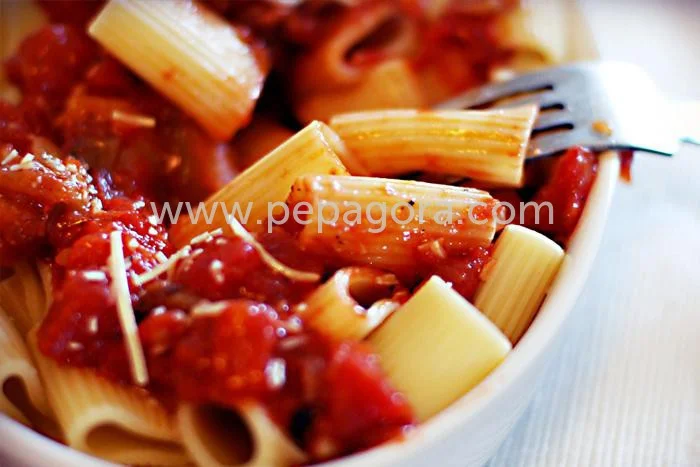
1. Food Service: Restaurants and catering services use canned tomatoes in sauces, soups, and pasta dishes for their consistency and flavor.
2. Food Manufacturing: Processors utilize canned tomatoes as base ingredients in products such as pizza sauce, salsa, and ready-to-eat meals.
3. Retail: Supermarkets and grocery stores offer canned tomatoes as a convenient option for home cooks, promoting ease of use in meal preparation.
4. Hospitality: Hotels and resorts incorporate canned tomatoes into their menus, allowing chefs to create a variety of Italian and Mediterranean dishes.
5. Meal Kit Companies: These businesses use canned tomatoes in their meal solutions, providing customers with pre-measured ingredients for easy cooking at home.
6. Catering Events: Canned tomatoes are a reliable ingredient for large-scale cooking, ensuring consistent taste and quality across numerous servings.
7. Health Food Brands: Organic canned tomato options are popular among health-conscious consumers, appealing to those seeking natural ingredients without additives.
Product Variants and Subcategories
Canned tomatoes come in various forms to meet distinct culinary needs.
Whole Canned Tomatoes: These are packed in juice or puree and retain their shape. They are ideal for sauces and dishes requiring a rich tomato flavor.
Diced Canned Tomatoes: Cut into small pieces, these tomatoes are perfect for salsas, soups, and stews, providing texture and flavor.
Pureed Canned Tomatoes: With a smooth consistency, pureed tomatoes are often used in sauces, providing a base for many recipes and enhancing the overall taste.
Benefits and Advantages
Canned tomatoes offer numerous benefits that make them a valuable ingredient in various applications.
Key benefits include:
1. Convenience: Canned tomatoes eliminate the need for peeling and chopping, saving preparation time for chefs and home cooks alike.
2. Long Shelf Life: With a shelf life of 1 to 3 years, canned tomatoes can be stored for extended periods without compromising quality.
3. Consistent Quality: Canned tomatoes are harvested and processed at peak ripeness, ensuring a consistent flavor profile for each batch.
4. Nutritional Value: They retain essential vitamins and minerals, making them a healthy addition to various dishes.
5. Cost-Effective: Canned tomatoes often have a lower price point compared to fresh tomatoes, especially during off-seasons.
6. Versatility: They can be used in multiple cuisines and recipes, making them a staple ingredient in both commercial and home kitchens.
Buying Guide for B2B Buyers
When sourcing canned tomatoes, businesses should consider several factors to ensure they select the right product for their needs.
1. Quality Assessment: Evaluate the quality of canned tomatoes based on their taste, color, and texture. Request samples for testing before placing a bulk order.
2. Supplier Verification: It is essential to vet suppliers by reviewing their certifications, reputation, and previous customer feedback to guarantee reliability.
3. Pricing and MOQ: Understand the pricing structure and minimum order quantities required by suppliers to manage costs effectively.
4. Delivery and Lead Times: Inquire about logistics and shipping times to ensure that products arrive when needed to avoid disruptions in operations.
5. Compliance Requirements: Familiarize yourself with any relevant regulatory standards or certifications that canned tomatoes must meet in your region.
Compliance and Certifications
Canned tomatoes must adhere to various quality and safety standards to ensure consumer safety and product integrity.
Relevant quality standards include ISO 9001, which focuses on maintaining consistent quality management systems. Additionally, Hazard Analysis Critical Control Point (HACCP) guidelines help identify potential hazards in food production processes.
Industry certifications such as CE indicate compliance with European health and safety regulations, ensuring that the products meet established quality benchmarks.
Safety and testing requirements often involve checks for contaminants and ensuring that products are free from harmful additives.
Regional compliance considerations may vary, so it is crucial for suppliers to be aware of local regulations regarding food safety and labeling.
Why Source Canned Tomatoes (Whole, Diced, Puree) from Pepagora?
Pepagora offers a reliable platform for sourcing canned tomatoes with several key advantages that benefit B2B buyers.
Verified Supplier Network: Pepagora connects buyers with verified suppliers, ensuring that all listed products meet stringent quality standards. This network helps mitigate risks associated with sourcing.
Streamlined RFQ Process: The request for quotation (RFQ) system simplifies the procurement process, allowing buyers to easily compare prices and specifications from multiple suppliers.
Trade Assurance and Support: Buyers benefit from trade assurance policies that provide protection in case of discrepancies, ensuring a smooth purchasing experience.
Regional Coverage: Pepagora has a strong presence in key markets including India, the Gulf Cooperation Council (GCC), and Southeast Asia, facilitating easier access to local suppliers and products.

 IN
IN

 India
India