Key Features and Specifications
Canned soups offer several features that make them appealing to both consumers and businesses. They are designed for long shelf life, providing flexibility in inventory management. The characteristics of these products vary based on the type of soup and its ingredients.
Key specifications include:
1. Shelf Life
- Typically ranges from 1 to 5 years, depending on the type of soup and storage conditions.
2. Packaging Size
- Available in various can sizes, commonly ranging from 10.5 oz to 15 oz, catering to different serving needs.
3. Ingredients
- Made with a variety of vegetables, meats, and seasonings, with options for organic or non-GMO ingredients available.
4. Nutritional Content
- Varies by product, usually includes information on calories, protein, fats, and sodium levels.
5. Allergen Information
- Clearly labeled for common allergens, ensuring safety for consumers with dietary restrictions.
6. Preparation Method
- Ready to heat and serve, allowing for quick meal solutions with minimal preparation time.
7. Flavor Profiles
- Diverse options available, including classic flavors like creamy tomato, hearty vegetable, and savory chicken.
8. Compliance with Regulations
- Produced under strict food safety standards to ensure quality and safety for consumers.
In summary, canned soups provide a versatile and convenient meal solution for various businesses, supported by specifications that cater to diverse consumer needs.
Common Applications and Use Cases
Canned soups are utilized across a range of industries, serving different needs and applications.
1. Food Service: Restaurants and cafes frequently use canned soups as starters or main dishes, providing quick meal options for customers.
2. Catering Services: Catering companies often include canned soups in their menus for events, as they offer easy serving and consistent quality.
3. Healthcare Facilities: Hospitals and nursing homes use canned soups as part of meal plans, taking advantage of their ease of preparation and nutritional value.
4. Educational Institutions: Schools and colleges rely on canned soups to provide nutritious meals to students, ensuring quick and easy food options.
5. Convenience Stores: These products are popular in convenience stores, allowing customers to purchase quick meals for on-the-go consumption.
6. Retail Outlets: Supermarkets and grocery stores stock a variety of canned soups, catering to consumer demand for quick meal solutions at home.
7. Emergency Preparedness: Canned soups are often included in emergency food supplies due to their long shelf life and easy storage.
Product Variants and Subcategories
Canned soups offer a wide range of flavors and varieties, making them suitable for diverse consumer preferences.
Tomato Soup
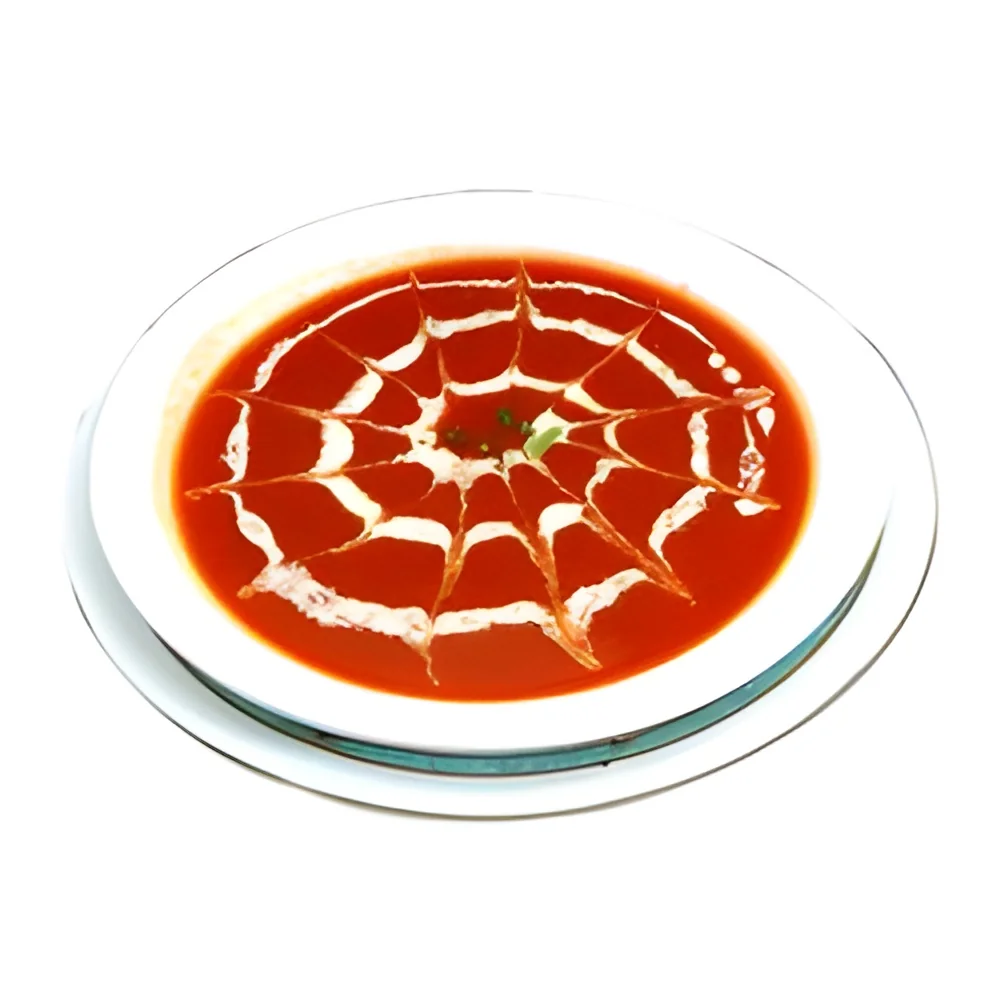
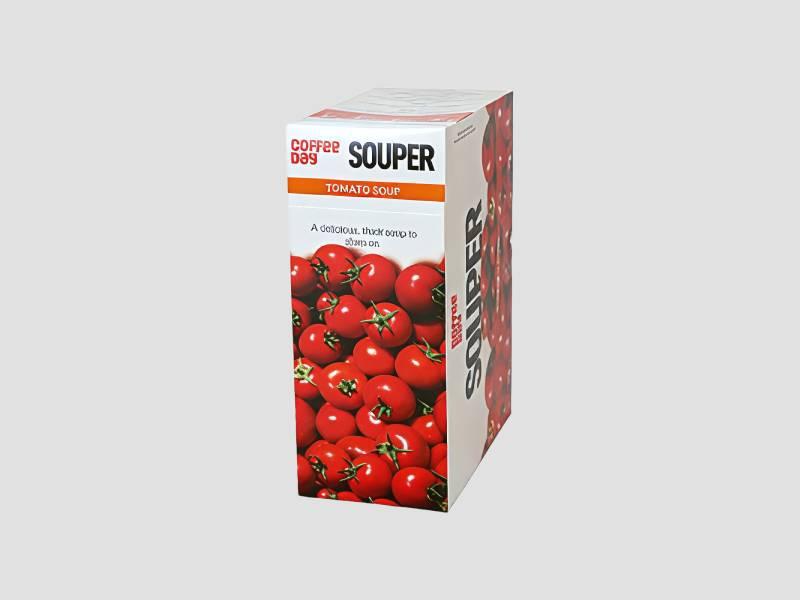
Tomato soup is a classic favorite, known for its rich and tangy flavor. It can be served as a standalone dish or used as a base for other recipes, such as pasta sauces or casseroles.
Vegetable Soup
Vegetable soup is packed with a variety of vegetables and herbs, providing a hearty and nutritious option. It caters to health-conscious consumers and those looking for vegetarian or vegan meals.
Chicken Soup
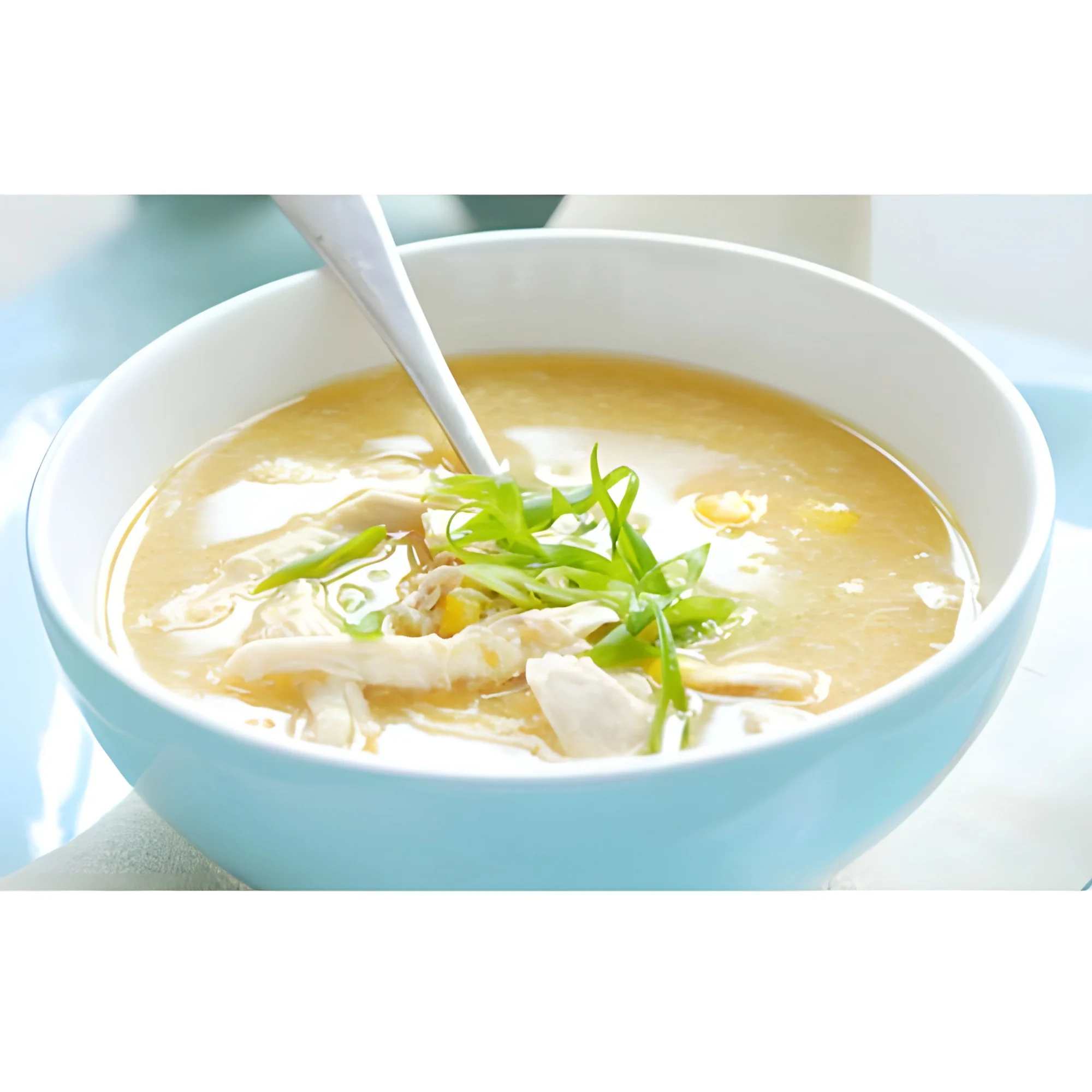
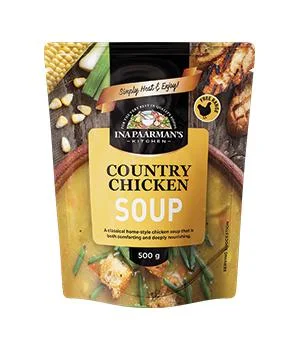
Chicken soup is a comforting choice, often made with tender pieces of chicken and flavorful broth. It is popular for its homey appeal and is frequently used in meal prep for its versatility.
Benefits and Advantages
Canned soups present several benefits that make them an attractive choice for consumers and businesses.
1. Convenience: Canned soups are easy to store and prepare, allowing for quick meal solutions without extensive cooking.
2. Long Shelf Life: These products can be stored for extended periods, reducing waste and ensuring availability during emergencies.
3. Nutritional Value: Many canned soups are fortified with vitamins and minerals, providing essential nutrients in a convenient form.
4. Versatility: Canned soups can be used in various dishes, enhancing flavors in recipes or served alone.
5. Cost-Effectiveness: Purchasing canned soups in bulk can lead to significant savings for food service operations and retailers.
6. Consistency: Canned soups offer a reliable taste and quality, ensuring that every serving meets customer expectations.
Buying Guide for B2B Buyers
When sourcing canned soups, businesses should consider several important factors to ensure they meet their needs effectively.
1. Quality Assessment: Evaluate the quality of the soups by reviewing ingredients, nutritional information, and taste tests to ensure they align with your standards.
2. Supplier Verification: Vet potential suppliers by checking their backgrounds, customer reviews, and compliance with industry standards to ensure reliability.
3. Pricing and MOQ: Understand the pricing structure and minimum order quantities (MOQ) to make informed purchasing decisions that fit your budget.
4. Delivery and Lead Times: Discuss logistics with suppliers to determine lead times for delivery, ensuring that products arrive when needed.
5. Compliance Requirements: Ensure that the products meet local and international food safety regulations, including certifications and labeling requirements.
Compliance and Certifications
Canned soups must adhere to various compliance and certification standards to ensure safety and quality in the food industry.
Relevant quality standards, such as ISO 9001, ensure that manufacturers maintain consistent quality management systems. HACCP (Hazard Analysis and Critical Control Points) is crucial for identifying and managing food safety risks during production. GDP (Good Distribution Practice) guidelines are also essential to ensure that food products are stored and transported under appropriate conditions.
Industry certifications, such as CE marking, indicate that products meet European safety and health requirements. Additionally, safety and testing requirements must be satisfied to protect consumers, ensuring that the products are free from contaminants and safe for consumption.
Regional compliance considerations may vary based on local laws and regulations, making it essential for manufacturers and suppliers to stay informed about the requirements in the markets they serve.
Why Source Canned Soups (Tomato, Vegetable, Chicken) from Pepagora?
Pepagora offers a comprehensive platform for businesses looking to source canned soups, providing numerous advantages for buyers.
Verified Supplier Network: Pepagora has a robust network of verified suppliers, ensuring that businesses can source high-quality canned soups with confidence. The platform conducts thorough background checks, providing peace of mind regarding supplier reliability.
Streamlined RFQ Process: The platform features a user-friendly Request for Quotation (RFQ) system that simplifies the sourcing process. Buyers can easily submit requests and receive competitive quotations from multiple suppliers, enabling informed decision-making.
Trade Assurance and Support: Pepagora prioritizes buyer protection through trade assurance programs, ensuring that transactions are secure and that buyers receive the products as promised. This added layer of support fosters trust and encourages successful business partnerships.
Regional Coverage: With a focus on key markets such as India, the GCC, and Southeast Asia, Pepagora provides extensive geographic reach. This enables businesses to find local suppliers and streamline their supply chains effectively.

 IN
IN

 India
India