What are Calcium & Iron-Rich Foods?
Calcium and iron-rich foods are essential dietary components that provide vital nutrients to support various bodily functions. Calcium is crucial for building and maintaining strong bones and teeth, while iron is necessary for the production of hemoglobin, which carries oxygen in the blood. These foods are typically sourced from both animal and plant origins, offering a variety of options for consumers. Common sources of calcium include dairy products, leafy greens, and fortified foods. Iron can be found in red meat, poultry, fish, beans, and fortified cereals.
These foods are widely used in various sectors, including healthcare, nutrition, and food production. In the healthcare industry, they are often recommended as part of dietary supplements for individuals at risk of deficiencies. In the food production sector, manufacturers focus on fortifying products with these nutrients to enhance their nutritional value. The growing awareness of nutritional health has led to an increased demand for calcium and iron-rich foods, positioning them as a critical component in both consumer diets and industry offerings.
With the rising global health consciousness, the market for calcium and iron-rich foods is expanding. Many businesses are investing in these products to cater to health-focused consumers. Additionally, regulatory standards are being developed to ensure the quality and safety of these foods, making them increasingly relevant in today’s health-driven marketplace.
Key Features and Specifications
Calcium and iron-rich foods come with several key features that make them valuable for consumers and businesses alike. These specifications help in understanding the nutritional content and quality of the products being sourced.
Key specifications include:
1. Nutritional Content
- High levels of calcium and iron
- Specific values vary by food type
2. Source Quality
- Derived from organic or conventional farming
- Verification of source through certifications
3. Shelf Life
- Varies based on processing and packaging
- Generally ranges from several months to years
4. Fortification Options
- Availability of fortified varieties
- Enhanced with additional vitamins or minerals
5. Compliance Standards
- Adherence to food safety regulations
- Must meet local and international standards
6. Packaging
- Options for bulk or retail packaging
- Eco-friendly packaging solutions available
7. Storage Conditions
- Recommendations for temperature and humidity
- Ensures optimal shelf life and quality
8. Customizability
- Potential for tailored formulations
- Ability to meet specific dietary needs
In summary, understanding these features and specifications is vital for businesses looking to source high-quality calcium and iron-rich foods that meet their consumers' health needs.
Common Applications and Use Cases
Calcium and iron-rich foods serve various industries, each utilizing these nutrients in unique ways.
1. Healthcare: These foods are often included in dietary recommendations for patients with deficiencies or specific health conditions, such as osteoporosis or anemia.
2. Food Production: Manufacturers use calcium and iron-rich ingredients to fortify products like cereals, snacks, and dairy alternatives, enhancing their nutritional profiles.
3. Nutrition Services: Dietitians and nutritionists recommend these foods in meal plans for individuals, especially children and pregnant women, who require higher nutrient levels.
4. Education: Schools incorporate calcium and iron-rich foods into meal programs to promote better nutrition among students.
5. Fitness and Wellness: Gyms and wellness centers include these foods in their dietary guidelines to support muscle recovery and overall health.
6. Retail: Grocery stores and health food shops market these foods as part of health-oriented products to cater to growing consumer demand.
7. Catering: Restaurants and catering services design menus that highlight calcium and iron-rich options to appeal to health-conscious diners.
Product Variants and Subcategories
The diversity of calcium and iron-rich foods allows businesses to choose from various variants that cater to different consumer needs.
Dairy Products
Dairy products such as milk, yogurt, and cheese are rich sources of calcium. These products can be found in both regular and low-fat options, offering versatility for consumers.
Leafy Greens
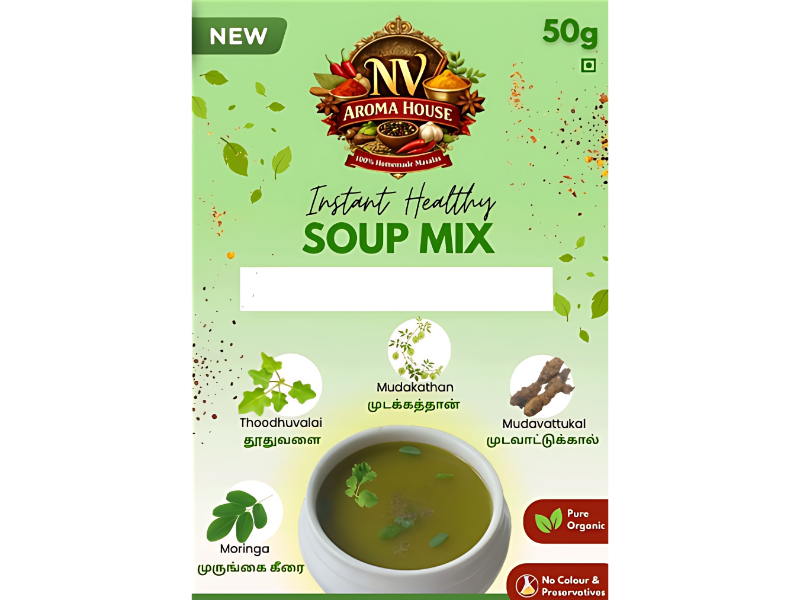
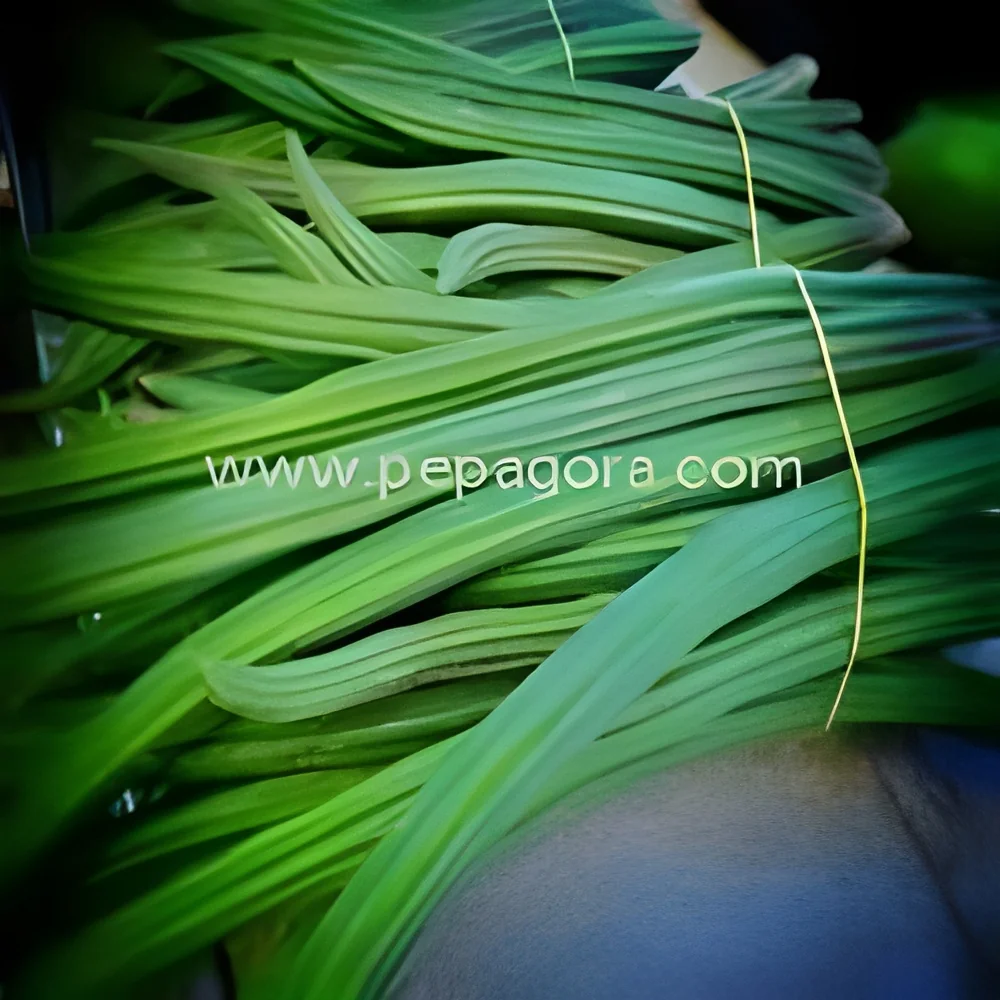
Leafy greens like kale, collard greens, and spinach provide plant-based sources of calcium and iron. They can be used in salads, smoothies, or cooked dishes.
Fortified Cereals
Many breakfast cereals are fortified with additional calcium and iron, making them an easy choice for consumers looking to boost their nutrient intake.
Legumes
Beans, lentils, and chickpeas are excellent plant-based sources of iron. They can be included in various cuisines and are popular among vegetarian and vegan consumers.
Benefits and Advantages
Sourcing calcium and iron-rich foods offers several advantages for businesses and consumers alike.
Key benefits include:
1. Nutritional Enhancement: These foods help improve overall dietary quality by providing essential nutrients that are often lacking in modern diets.
2. Health Promotion: Regular consumption can lead to better health outcomes, such as stronger bones and improved energy levels.
3. Market Demand: There is a growing consumer demand for health-oriented products, making these foods a strategic addition to product lines.
4. Versatility: Calcium and iron-rich foods can be incorporated into various recipes, making them appealing to a wide range of customers.
5. Customization: Businesses can tailor their offerings to meet specific dietary needs, such as gluten-free or vegan options.
6. Compliance Assurance: Sourcing from certified suppliers helps ensure that products meet safety and quality standards, reducing risk for businesses.
Buying Guide for B2B Buyers
When sourcing calcium and iron-rich foods, several key factors should be considered to ensure quality and reliability.
1. Quality Assessment: Look for products that meet established nutritional standards. Consider third-party certifications that verify the quality of the food.
2. Supplier Verification: Vet suppliers to ensure they have a good reputation and track record. Check for certifications and customer reviews.
3. Pricing and MOQ: Understand the pricing structure and minimum order quantities. This can help in budgeting and inventory management.
4. Delivery and Lead Times: Discuss logistics and delivery schedules with suppliers to ensure timely receipt of products.
5. Compliance Requirements: Be aware of local and international regulations regarding food safety and labeling. Compliance can affect marketability and sales.
Compliance and Certifications
Compliance and certifications play a critical role in ensuring the safety and quality of calcium and iron-rich foods. Relevant quality standards such as ISO 9001 and HACCP help manufacturers maintain consistent quality control processes. These standards are designed to minimize risks during production and handling.
Industry certifications, like the CE mark, indicate that products meet European safety and health requirements. This certification can increase market access and consumer trust. It's essential for companies to stay updated on safety and testing requirements to ensure their products are compliant.
Regional compliance considerations vary by market. Businesses must understand the specific regulations applicable in their region, including labeling and nutritional claims. Adhering to these requirements is crucial to avoid penalties and to maintain a good reputation in the market.
Why Source Calcium & Iron-Rich Foods from Pepagora?
Pepagora provides a trusted platform for sourcing calcium and iron-rich foods, offering several key advantages for B2B buyers.
The verified supplier network ensures that businesses gain access to reputable sources of high-quality products. This network is crucial for maintaining trust and reliability in sourcing decisions.
The streamlined RFQ process simplifies procurement, allowing buyers to quickly obtain quotations from multiple suppliers. This efficiency can lead to better pricing and faster decision-making.
Trade assurance and support services provide an additional layer of protection for buyers. This includes guarantees on product quality and delivery, which is essential for maintaining supply chain integrity.
Finally, Pepagora's regional coverage spans key markets such as India, the GCC region, and Southeast Asia. This geographic reach allows businesses to tap into diverse markets and meet the needs of a broad customer base.

 IN
IN