
 IN
Bumpers
13 products available
What are Bumpers?
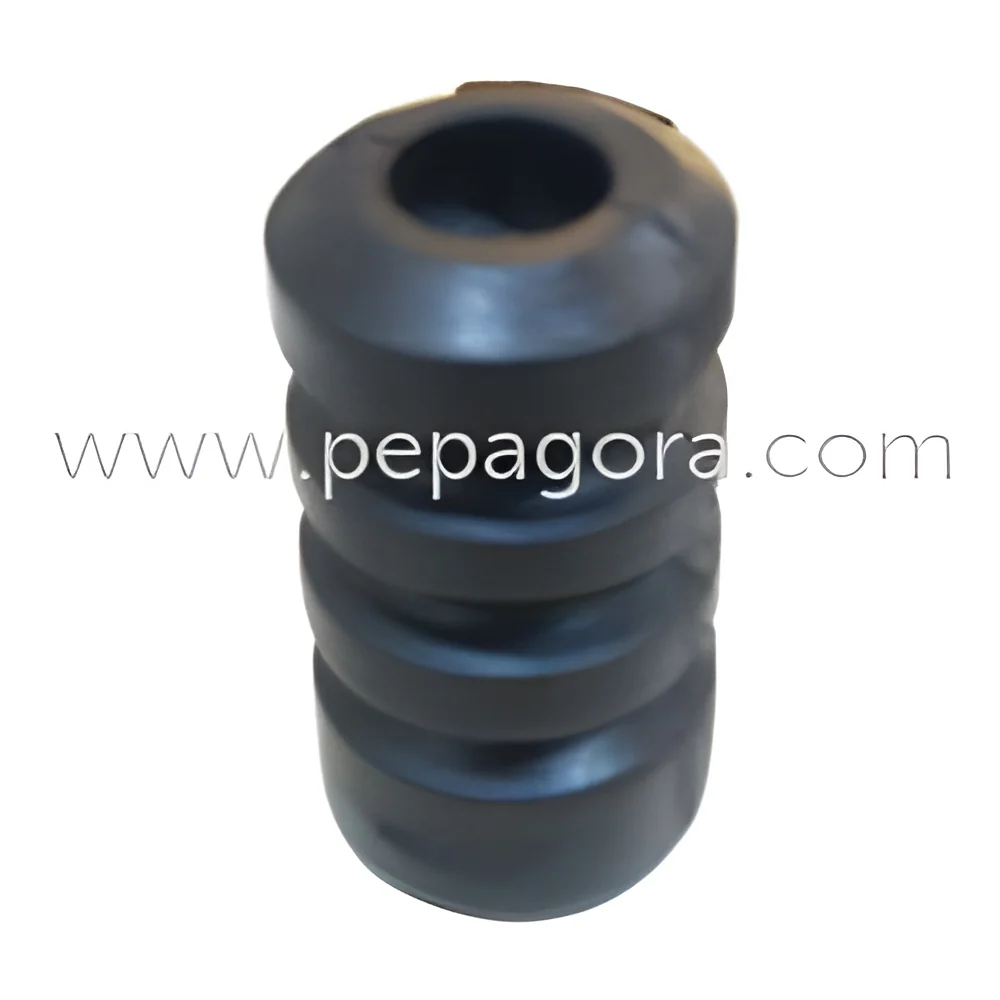
Bumpers are protective components designed to absorb impact and protect equipment, machinery, and structures in various industrial settings. They serve as buffers that prevent damage during collisions or contact, mitigating the risk of injury and equipment failure. Typically made from durable materials such as rubber, polyurethane, or metal, bumpers can be found in a range of shapes and sizes, tailored to specific applications.
In business applications, bumpers are commonly used in warehouses, manufacturing plants, and transportation facilities. They protect loading docks, machinery, and vehicles from damage during operations. By absorbing shock and reducing wear and tear, bumpers enhance safety and prolong the lifespan of equipment. Industries such as logistics, manufacturing, and construction benefit from incorporating bumpers into their operational processes, ensuring that their environments remain safe and efficient.
The relevance of bumpers in industry cannot be overstated, as they play a critical role in safeguarding valuable assets. The market for bumpers is growing, driven by increasing safety regulations and a heightened awareness of workplace safety. Companies are recognizing the importance of investing in quality bumpers to minimize risks and reduce costs associated with equipment repairs and replacements.
Key Features and Specifications
Bumpers are characterized by a variety of features and specifications that determine their suitability for different applications. Understanding these specifications is crucial for selecting the appropriate bumper for your needs.
Key specifications include:
1. Material Composition
- Bumpers can be made from rubber, polyurethane, or metal.
- Each material offers different levels of durability, flexibility, and impact resistance.
2. Size and Shape
- Available in various dimensions, bumpers can be customized to fit specific equipment or areas.
- Common shapes include cylindrical, rectangular, and L-shaped.
3. Shore Hardness
- This specification indicates the softness or hardness of the bumper material.
- A higher Shore A value denotes a harder material, while a lower value indicates a softer bumper.
4. Load Capacity
- Refers to the maximum weight the bumper can withstand without deforming or failing.
- Essential for determining suitability for heavy machinery or high-traffic areas.
5. Temperature Resistance
- Bumpers should remain effective within a specified temperature range to ensure performance.
- Data not available on specific temperature ranges for bumpers.
6. Compliance Certifications
- Many bumpers are CE certified, indicating adherence to European safety standards.
- Ensures quality and safety for use in industrial applications.
7. Installation Type
- Bumpers can be surface-mounted, embedded, or free-standing.
- The installation method impacts ease of use and effectiveness.
8. Color Options
- Available in various colors for visibility and aesthetic purposes.
- High-visibility colors are often preferred for safety applications.
In summary, understanding the features and specifications of bumpers is essential for making an informed purchasing decision. Selecting the right bumper based on these specifications can enhance safety and operational efficiency.
Common Applications and Use Cases
Bumpers serve a wide range of industries, providing essential protection and safety features.
1. Logistics: In warehouses, bumpers protect loading docks and shelving units from damage caused by forklifts and other machinery. Their use minimizes repair costs and enhances operational efficiency.
2. Manufacturing: In manufacturing plants, bumpers safeguard machinery and assembly lines, reducing downtime caused by equipment failures. They also help maintain a safe working environment for employees.
3. Transportation: Bumpers are crucial in transportation settings, protecting vehicles and cargo from damage during loading and unloading. They ensure safe and efficient transit of goods.
4. Construction: In construction sites, bumpers protect equipment and structures from impacts, especially in high-traffic areas. Their presence reduces the risk of accidents and equipment failures.
5. Retail: Retail environments use bumpers to safeguard display units and product shelves from damage caused by customer traffic and restocking activities. This helps maintain a professional appearance.
6. Food Processing: In food processing facilities, bumpers protect sensitive equipment from damage and contamination. They are often made from materials that meet hygiene and safety standards.
7. Aviation: Bumpers are utilized in hangars and maintenance areas to protect aircraft from damage during maintenance and storage. This enhances safety for both personnel and equipment.
Product Variants and Subcategories
Bumpers are available in diverse variants to accommodate different industrial needs. Understanding these variants helps in selecting the right type for specific applications.
Standard Bumpers
Standard bumpers are designed for general use in various industrial settings. They are available in multiple sizes and materials, making them versatile for different applications. Their construction allows for effective impact absorption and protection.
Heavy-Duty Bumpers
Heavy-duty bumpers are constructed from robust materials suitable for high-impact applications. They are ideal for environments where heavy machinery operates, providing superior protection against damage and wear.
Custom Bumpers
Custom bumpers can be tailored to meet specific requirements, including size, shape, and material. These bumpers are designed to fit unique applications, ensuring optimal performance and protection.
Benefits and Advantages
Investing in bumpers offers numerous advantages for businesses seeking to enhance safety and efficiency.
1. Reduced Damage: Bumpers absorb impacts, minimizing damage to equipment and structures during operation. This leads to lower repair costs and longer equipment lifespan.
2. Enhanced Safety: By providing a protective barrier, bumpers reduce the risk of accidents and injuries in the workplace. Their use promotes a safer environment for employees.
3. Improved Efficiency: With the protection that bumpers offer, operations can run smoothly without interruptions caused by equipment failure. This enhances overall productivity.
4. Customization Options: Bumpers can be customized to fit specific needs, ensuring they meet the requirements of various applications. This flexibility makes them suitable for different industries.
5. Compliance Assurance: Many bumpers meet industry standards and certifications, ensuring they are safe and reliable for use. This compliance helps businesses adhere to regulations.
6. Long-Term Cost Savings: By preventing damage and promoting safety, bumpers contribute to long-term cost savings through reduced maintenance and repair expenses.
Buying Guide for B2B Buyers
When sourcing bumpers, it is essential to consider several key factors to ensure the best selection for your needs.
1. Quality Assessment: Evaluate the quality of materials and construction. Look for certifications like CE to ensure compliance with safety standards, which can impact durability and performance.
2. Supplier Verification: Vet potential suppliers to confirm their reliability and reputation within the industry. This ensures that you are sourcing from reputable manufacturers that provide quality products.
3. Pricing and MOQ: Understand the pricing structure and minimum order quantities (MOQ) offered by suppliers. This helps in budgeting and planning your inventory effectively.
4. Delivery and Lead Times: Consider the logistics involved in sourcing bumpers, including delivery times and shipping options. Timely delivery is crucial for maintaining operational efficiency.
5. Compliance Requirements: Be aware of any regional compliance regulations that may apply to bumpers. This ensures that the products meet local safety and quality standards.
Compliance and Certifications
Bumpers must adhere to various quality standards and certifications to ensure safety and reliability. One of the primary standards is ISO 9001, which focuses on quality management systems. Companies that achieve this certification demonstrate their commitment to maintaining high-quality products.
Additionally, some bumpers are CE certified, indicating compliance with European safety requirements. This certification assures buyers that the products meet specific standards for performance and safety.
Safety and testing requirements are also vital in the production of bumpers. Manufacturers must conduct rigorous testing to ensure that their products can withstand the intended applications and impacts.
Regional compliance considerations may vary, so it is essential for purchasers to verify that the bumpers meet local regulations in their respective markets. This attention to compliance helps prevent legal issues and enhances operational safety.
Why Source Bumpers from Pepagora?
Pepagora provides a trusted platform for sourcing bumpers, offering several key advantages that benefit B2B buyers.
Verified Supplier Network: Pepagora connects buyers with a network of verified suppliers who have been vetted for quality and reliability. This ensures that buyers can source bumpers with confidence.
Streamlined RFQ Process: The quotation system at Pepagora simplifies the process of requesting quotes from multiple suppliers. This allows buyers to compare prices and options efficiently, saving time and effort.
Trade Assurance and Support: Pepagora offers trade assurance features to protect buyers, ensuring that transactions are secure and that products meet quality expectations. This support fosters trust between buyers and suppliers.
Regional Coverage: With a broad geographic reach, including India, the GCC, and Southeast Asia, Pepagora enables buyers to access a wide range of bumper options. This regional coverage supports various industries and applications, making it easier to find the right products for specific needs.


 India

 India
 India
 India
 India
 India
 India
Frequently Asked Questions
What are Bumpers?
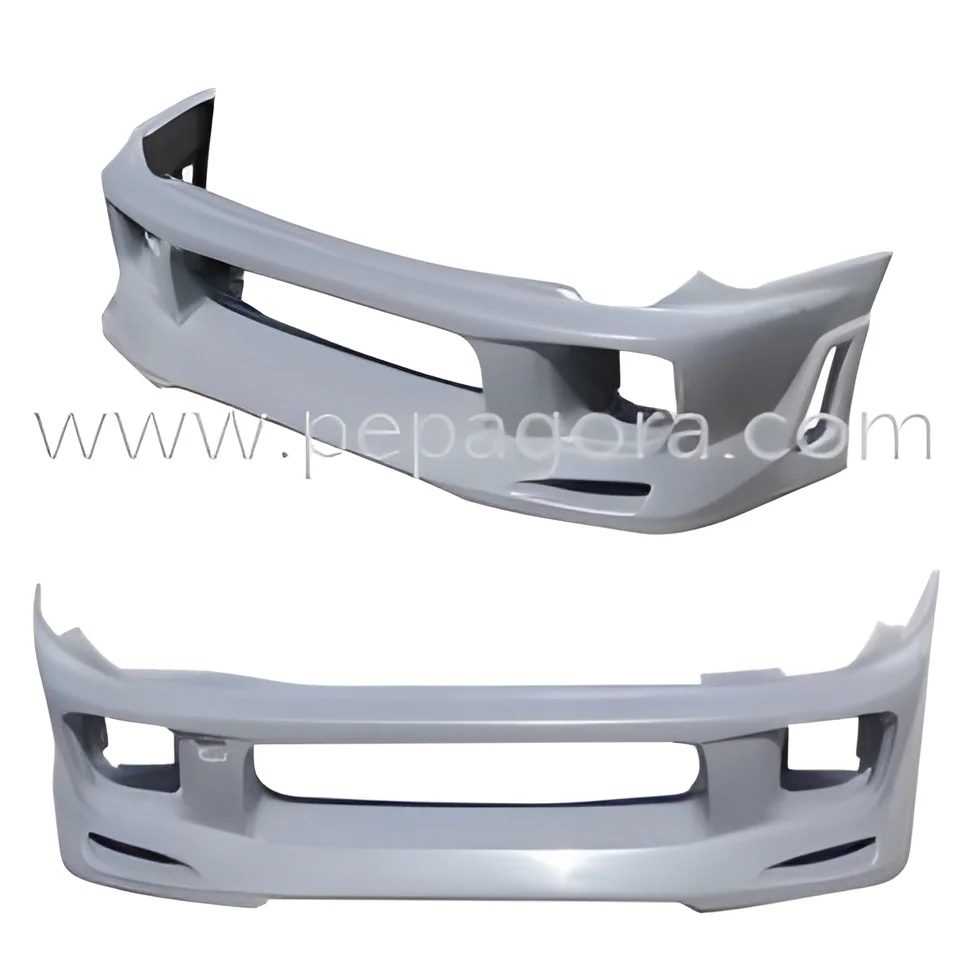
Bumpers are protective components found on vehicles, designed to absorb impact and prevent damage to the vehicle's body during low-speed collisions. They are typically located at the front and rear ends of vehicles and can be made from various materials such as plastic, metal, or rubber.
What are the different types of Bumpers?
There are several types of bumpers, including front bumpers, rear bumpers, and specialized bumpers like off-road or racing bumpers. Each type serves a specific purpose and may come with features such as integrated lights, sensors, or styling options tailored for different vehicle models.
How do I choose the right Bumpers?
Selecting the right bumpers involves considering the vehicle model, the intended use (e.g., off-road, street), and compliance with safety standards. Additionally, it's important to assess the material quality and design features that align with your preferences and needs.
What are the standard specifications for Bumpers?
Standard specifications for bumpers typically include dimensions, weight capacity, impact resistance, and material composition. These specifications ensure that the bumpers fit properly and provide adequate protection in case of collisions.
What is the price range for Bumpers?
The price range for bumpers can vary widely based on the type, material, and manufacturer. Generally, you can expect prices to range from a few thousand to tens of thousands of rupees, depending on the complexity and features of the bumper.
What quality standards apply to Bumpers?
Bumpers must meet various quality standards, which may include compliance with safety regulations set by automotive authorities. Common quality benchmarks include impact resistance, durability, and environmental resistance, ensuring they perform effectively under different conditions.
Where can I find Bumpers suppliers in India?
You can find bumpers suppliers in India through various channels, including online B2B marketplaces like Pepagora, trade shows, and automotive parts distributors. Conducting a thorough search will help you identify reliable manufacturers and suppliers in your area.
Can Bumpers be customized?
Yes, bumpers can often be customized to meet specific design and functional requirements. Customization options may include alterations in size, material, color, and additional features such as integrated lighting or styling elements.
What is the typical minimum order quantity for Bumpers?
The typical minimum order quantity (MOQ) for bumpers can vary depending on the manufacturer or supplier. Generally, MOQs can range from a single unit for retail purchases to larger quantities for bulk orders, often starting around 50 to 100 units.
What is the typical lead time for Bumpers?
The typical lead time for bumpers can vary based on factors such as the supplier's location, customization requirements, and order size. Generally, lead times may range from a few days for readily available stock to several weeks for custom-made bumpers.
Why Businesses Trust Pepagora
Thousands of companies trust Pepagora to source smarter and sell faster
Expand Your Sales Globally

Source Smarter,Grow Faster
