
 IN
Buffalo Leather
4 products available
What are Buffalo Leather?
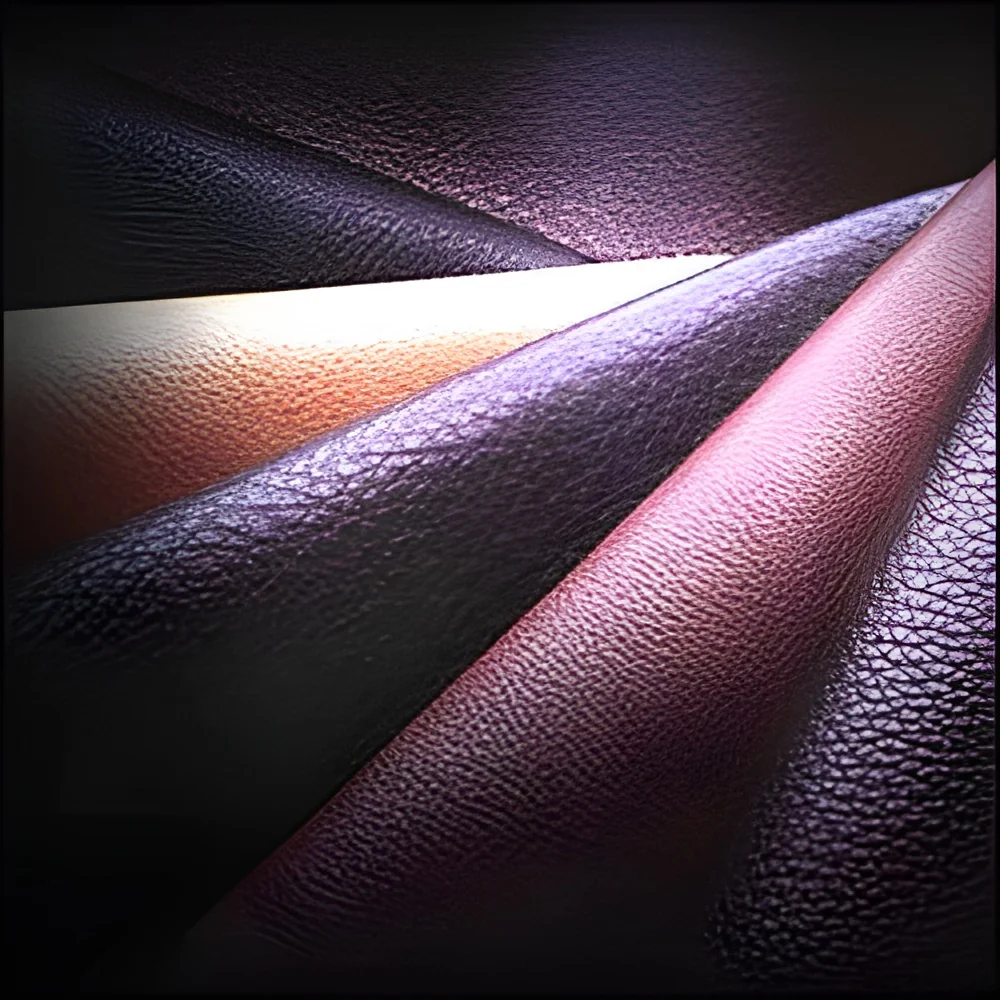
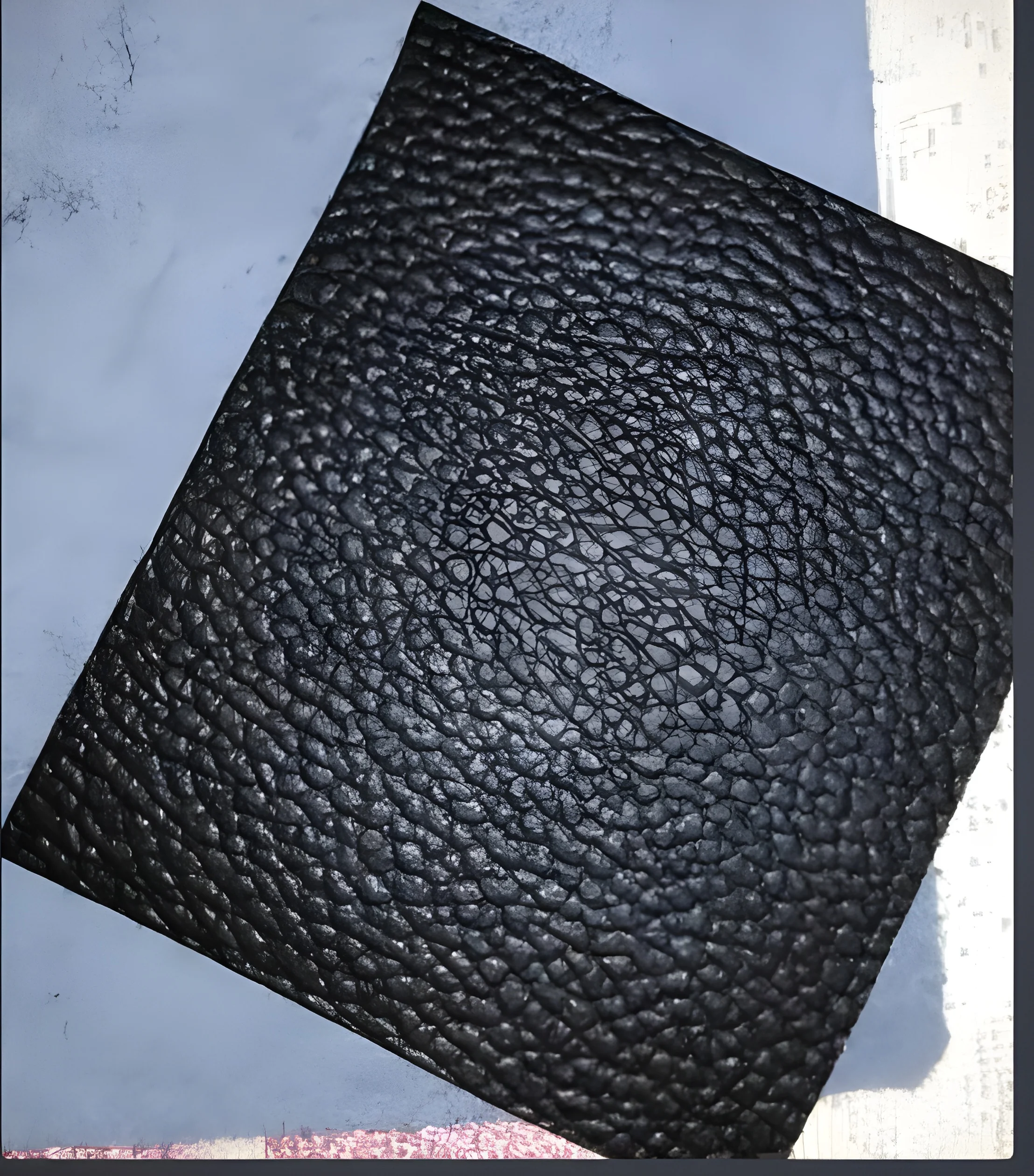
Buffalo leather is a type of hide derived from the water buffalo, known for its strength and durability. It is thicker and more robust than traditional cow leather, making it an ideal choice for a variety of industrial applications. The unique grain texture and natural markings add to its aesthetic appeal, while the inherent toughness ensures longevity in demanding environments.
In terms of business applications, buffalo leather is widely used in the manufacturing of high-quality goods such as bags, belts, and upholstery. Its resistance to wear and tear makes it suitable for heavy-duty items that require both functionality and style. Industries ranging from fashion to automotive leverage the benefits of buffalo leather, as it provides a premium alternative to other types of leather in various products.
With the growing demand for sustainable and high-quality materials, buffalo leather has carved a niche in the market. Its production often involves eco-friendly practices, appealing to companies that prioritize sustainability. As a result, buffalo leather is increasingly relevant in sectors that value quality and environmental responsibility.
Key Features and Specifications
Buffalo leather is characterized by its unique features and specifications that set it apart from other leathers. Its robust properties make it suitable for numerous applications across different industries.
Key specifications include:
1. Thickness
- Typically ranges from 1.4 mm to 2.4 mm.
- Provides enhanced durability for heavy-use items.
2. Grain Finish
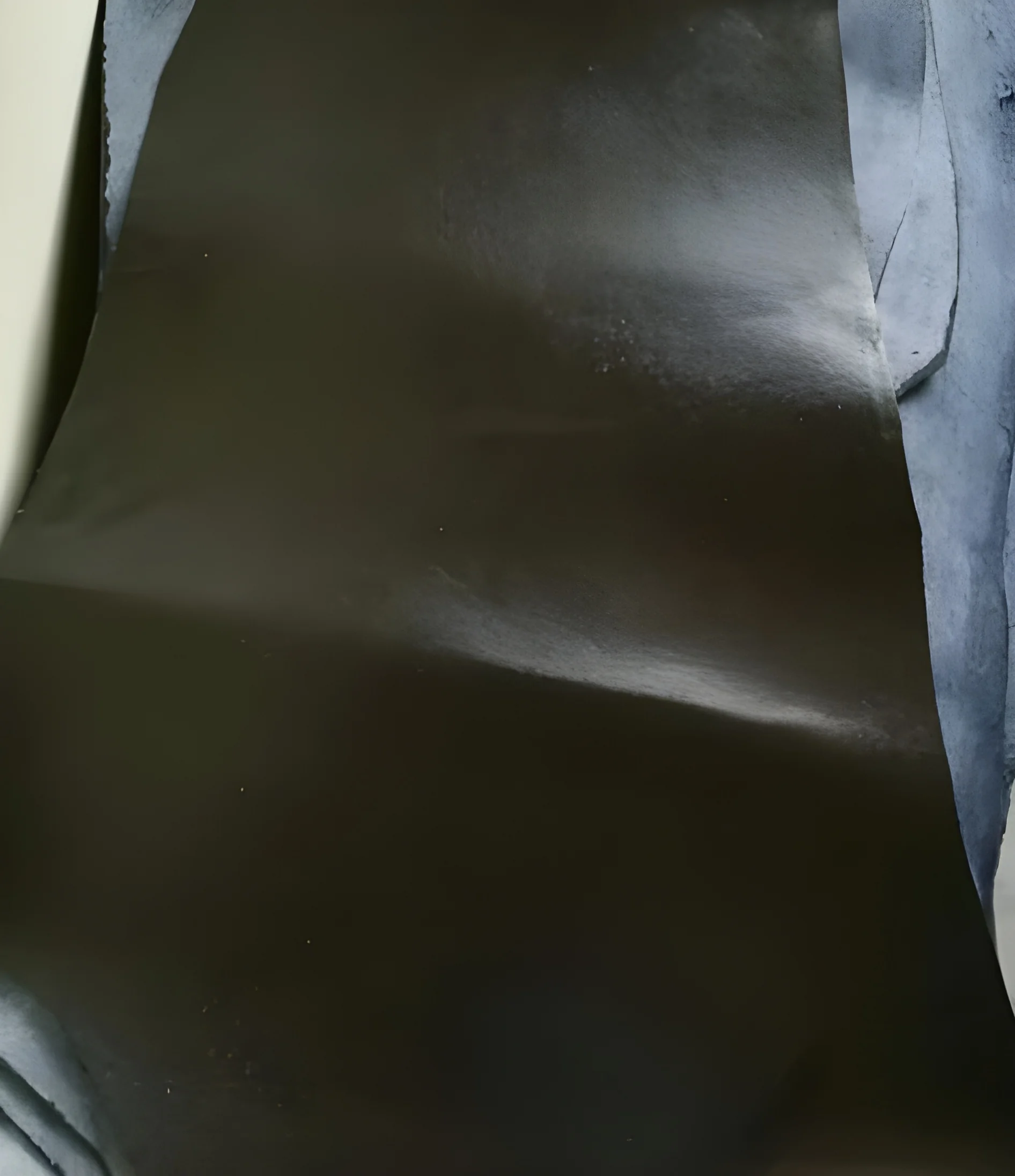
- Available in various finishes including pebble grain and smooth.
- Offers options for aesthetic preferences in product design.
3. Color Variability
- Can be dyed in a wide range of colors.
- Allows for customization according to brand requirements.
4. Water Resistance
- Naturally water-resistant properties.
- Enhances the longevity of products used in outdoor applications.
5. Breathability
- Maintains a level of air permeability.
- Ideal for items requiring comfort and moisture control.
6. Tear Strength
- Exhibits high tear resistance.
- Suitable for products that undergo rigorous use.
7. Aging Characteristics
- Develops a patina over time, adding character.
- Preferred by consumers seeking unique, long-lasting products.
In summary, buffalo leather offers a combination of strength, versatility, and aesthetic appeal, making it a preferred choice for many applications.
Common Applications and Use Cases
Buffalo leather is utilized in various industries due to its durability and visual appeal.
1. Fashion Industry: Buffalo leather is popular for manufacturing handbags, wallets, and belts. Its rich texture and durability make it a favored material among luxury brands.
2. Automotive Industry: It is commonly used for upholstery in vehicles, providing a sophisticated look while ensuring longevity under daily wear and tear.
3. Furniture Manufacturing: Buffalo leather is often employed in high-end furniture pieces, offering both comfort and style in sofas, chairs, and other upholstery.
4. Footwear: Many premium shoe brands incorporate buffalo leather for its durability and comfort, making it a top choice for quality footwear.
5. Sporting Goods: Buffalo leather is utilized in the production of various sporting equipment, including gloves and protective gear, due to its resilience.
6. Luggage: The strength of buffalo leather makes it an excellent material for suitcases and travel bags that need to withstand rigorous handling.
7. Industrial Applications: Its robustness allows buffalo leather to be used in industrial equipment and protective gear, ensuring safety and durability in challenging environments.
Product Variants and Subcategories
Buffalo leather comes in various forms, catering to diverse needs across industries.
Full Grain Buffalo Leather: This variant retains the original grain of the hide, providing a natural look and increased durability. It is often used in luxury goods that require a premium finish.
Top Grain Buffalo Leather: Slightly processed, this variant offers a softer feel while maintaining strength. It is commonly used in products where comfort is a priority.
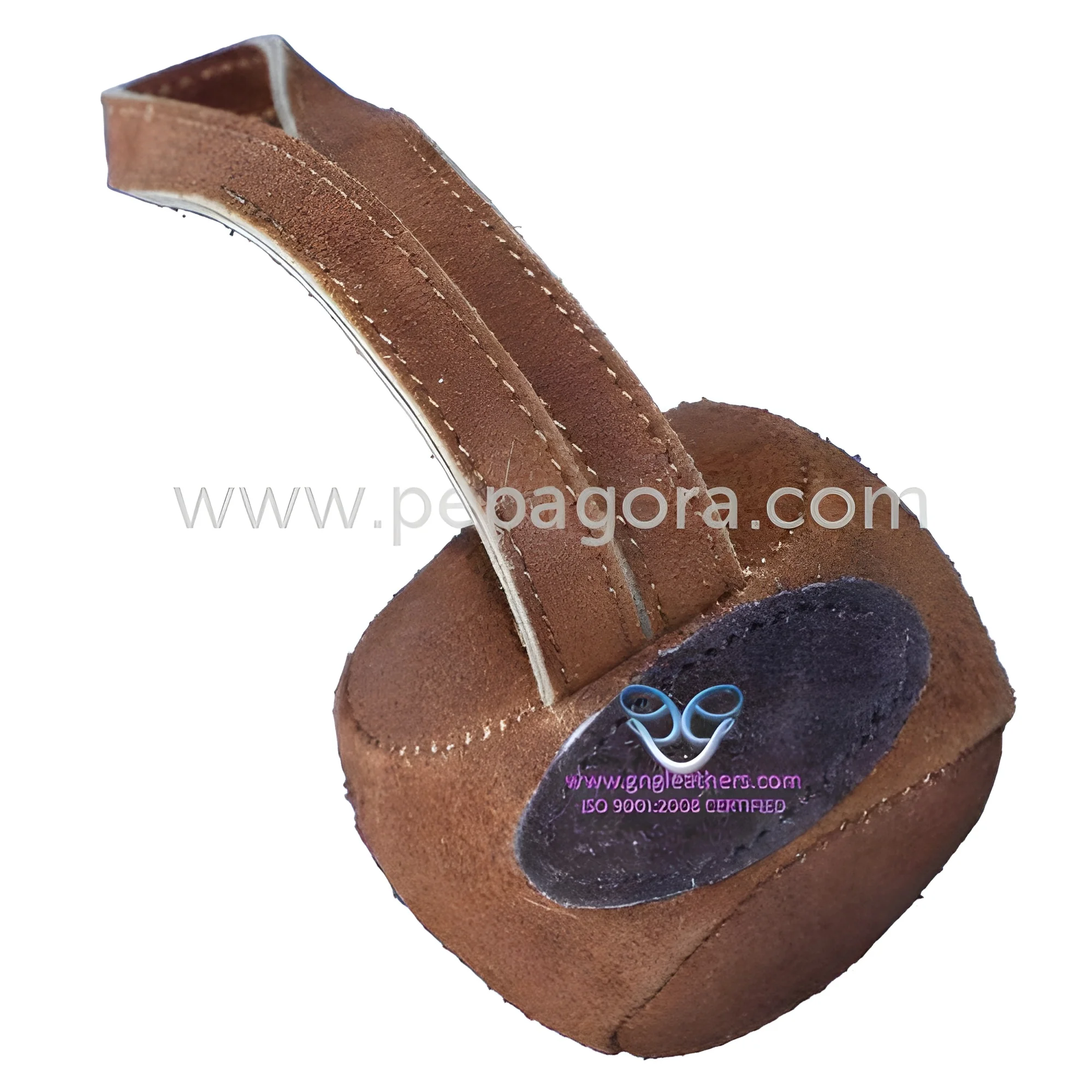
Buffalo Suede: A softer, napped finish variant that is popular for fashion items and interior applications. It provides a different texture while retaining the durability of buffalo leather.
Benefits and Advantages
Buffalo leather offers numerous benefits that make it a superior choice for various applications.
1. Durability: Buffalo leather is known for its strength, making it less prone to wear and tear compared to other leathers.
2. Unique Aesthetic: The natural grain and texture provide a distinctive appearance, allowing products made from buffalo leather to stand out.
3. Sustainability: Often sourced from eco-friendly practices, buffalo leather aligns with the growing demand for sustainable materials in manufacturing.
4. Comfort: The natural properties of buffalo leather allow for breathability, enhancing user comfort in products such as footwear and upholstery.
5. Customization Options: Buffalo leather can be dyed and finished in various ways, providing flexibility for brands looking to create unique products.
6. Aging Gracefully: Buffalo leather develops a unique patina over time, adding character and appeal to items, making them more desirable to consumers.
Buying Guide for B2B Buyers
When sourcing buffalo leather, several key factors should be considered to ensure quality and suitability for specific applications.
1. Quality Assessment: Buyers should look for specific indicators of quality, including thickness, grain consistency, and overall appearance. It is essential to request samples to evaluate these qualities firsthand.
2. Supplier Verification: Vetting suppliers is crucial for ensuring that they adhere to ethical and quality standards. Buyers should research supplier reputations and seek references from other businesses.
3. Pricing and MOQ: Understanding the pricing structure and minimum order quantities (MOQ) is vital for budgeting. Buyers should compare prices among suppliers while considering the quality offered.
4. Delivery and Lead Times: Logistics play a significant role in supply chain management. Buyers need to confirm lead times and delivery schedules to align with their production timelines.
5. Compliance Requirements: It is essential to ensure that the buffalo leather meets industry-specific compliance and regulatory standards, including certifications such as CE.
Compliance and Certifications
Buffalo leather is subject to various compliance and certification standards that ensure quality and safety in its production and use.
Relevant quality standards such as ISO 9001 provide frameworks for maintaining consistent quality management systems in the leather industry. Adhering to these standards helps suppliers ensure that their products meet customer expectations.
The CE certification indicates that buffalo leather products comply with European safety, health, and environmental protection standards. This certification is particularly important for products entering European markets.
Safety and testing requirements often necessitate assessments for harmful substances, ensuring that buffalo leather is safe for consumer use. These requirements help mitigate risks associated with the use of chemical treatments in leather processing.
Regional compliance considerations may vary across different markets. Buyers should be aware of local regulations regarding leather sourcing and processing, which can impact supply chain decisions.
Why Source Buffalo Leather from Pepagora?
Pepagora provides a trusted platform for sourcing buffalo leather with several key advantages that cater to B2B buyers.
Verified Supplier Network: Pepagora maintains a network of verified suppliers who are committed to quality and ethical sourcing. This ensures that buyers can access reliable products with confidence.
Streamlined RFQ Process: The request for quotation (RFQ) system simplifies the procurement process, allowing buyers to easily compare offers from multiple suppliers. This efficiency helps businesses make informed purchasing decisions.
Trade Assurance and Support: Pepagora offers trade assurance to protect buyers throughout the sourcing process. This includes support for resolving disputes and ensuring timely delivery of high-quality products.
Regional Coverage: With a geographic reach that includes India, the GCC, and Southeast Asia, Pepagora connects buyers with suppliers across key markets, facilitating access to buffalo leather tailored to diverse needs.


 India
 India
Frequently Asked Questions
What are Buffalo Leather?
Buffalo leather is a type of leather made from the hide of water buffalo. It is known for its durability, strength, and unique texture, making it suitable for a variety of applications including bags, jackets, and upholstery.
What are the different types of Buffalo Leather?
There are several types of buffalo leather, including full-grain, top-grain, and corrected-grain leather. Full-grain leather retains the original surface and is the most durable, while top-grain leather is sanded and finished for a smoother appearance. Corrected-grain leather has an artificial grain applied to it for a uniform look.
How do I choose the right Buffalo Leather?
When choosing buffalo leather, consider factors such as the intended use, thickness, and finish. It's important to assess the leather's grain, as well as its color and texture to ensure it meets your requirements.
What are the standard specifications for Buffalo Leather?
Standard specifications for buffalo leather include thickness, which typically ranges from 1.0 to 3.0 mm, and tensile strength, which should be above 15 MPa. Additionally, moisture content and colorfastness are important specifications to consider.
What is the price range for Buffalo Leather?
The price of buffalo leather can vary widely based on quality, thickness, and type. Generally, prices can range from INR 200 to INR 800 per square foot, depending on the supplier and market conditions.
What quality standards apply to Buffalo Leather?
Buffalo leather should meet certain quality standards, including ISO certification for tanning processes and adherence to environmental regulations. The leather should also be free from defects and have consistent texture and color.
Where can I find Buffalo Leather suppliers in India?
You can find buffalo leather suppliers in India through various B2B marketplaces like Pepagora.com, trade shows, and industry directories. It's advisable to research and compare suppliers based on their reputation and product offerings.
Can Buffalo Leather be customized?
Yes, buffalo leather can be customized in terms of color, finish, and thickness to meet specific requirements. Many manufacturers offer customization options for bulk orders to cater to unique client needs.
What is the typical minimum order quantity for Buffalo Leather?
The typical minimum order quantity (MOQ) for buffalo leather can vary by supplier, but it generally ranges from 50 to 100 square feet. It's important to confirm the MOQ with the supplier before placing an order.
What is the typical lead time for Buffalo Leather?
The typical lead time for buffalo leather orders can range from 2 to 6 weeks, depending on the supplier and order size. It's advisable to discuss lead times with the supplier to ensure timely delivery.
Why Businesses Trust Pepagora
Thousands of companies trust Pepagora to source smarter and sell faster
Expand Your Sales Globally

Source Smarter,Grow Faster
