
 IN
Biometric Access Control Systems
25 products available
What are Biometric Access Control Systems?
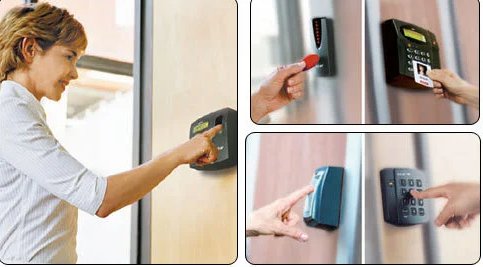
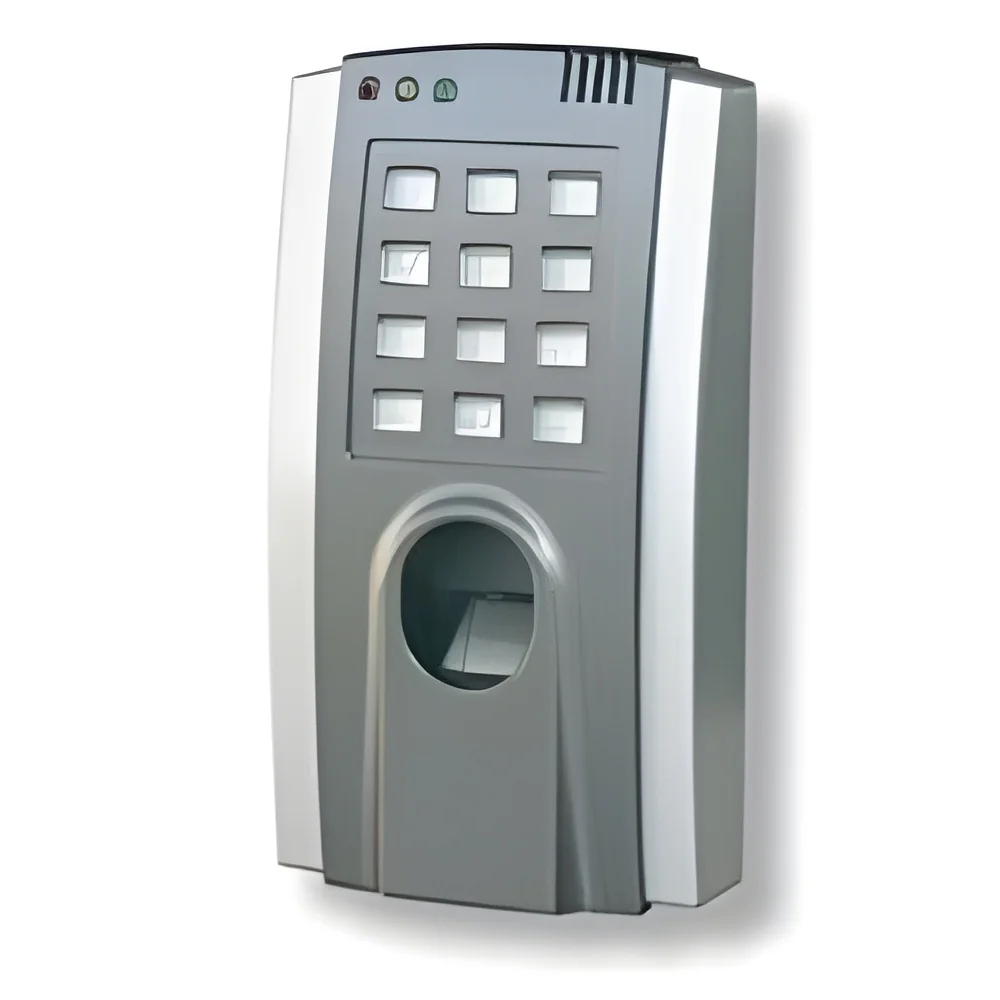
Biometric Access Control Systems are advanced security solutions that use unique biological characteristics, such as fingerprints, facial recognition, or iris patterns, to verify an individual's identity. These systems provide a high level of security by ensuring that only authorized personnel can access secured areas or information. Unlike traditional access control methods, such as keycards or PIN codes, biometric systems offer a more reliable and tamper-proof solution, as biometric traits are inherently unique to each individual.
These systems are widely used in various business applications, including corporate offices, government facilities, data centers, and healthcare environments. By implementing biometric access control, organizations can enhance their security protocols, minimize the risk of unauthorized access, and streamline the authentication process. The growing demand for heightened security measures across industries has led to an increased focus on biometric technology, making it a relevant choice for organizations looking to safeguard sensitive information and assets.
As security threats evolve, the market for biometric access control systems continues to expand. Industries are increasingly adopting these technologies to comply with regulatory standards and improve their overall security posture. The integration of biometric systems into existing security frameworks reflects a broader trend towards the adoption of smart technologies in the industrial sector, highlighting their relevance in today’s rapidly changing security landscape.
Key Features and Specifications
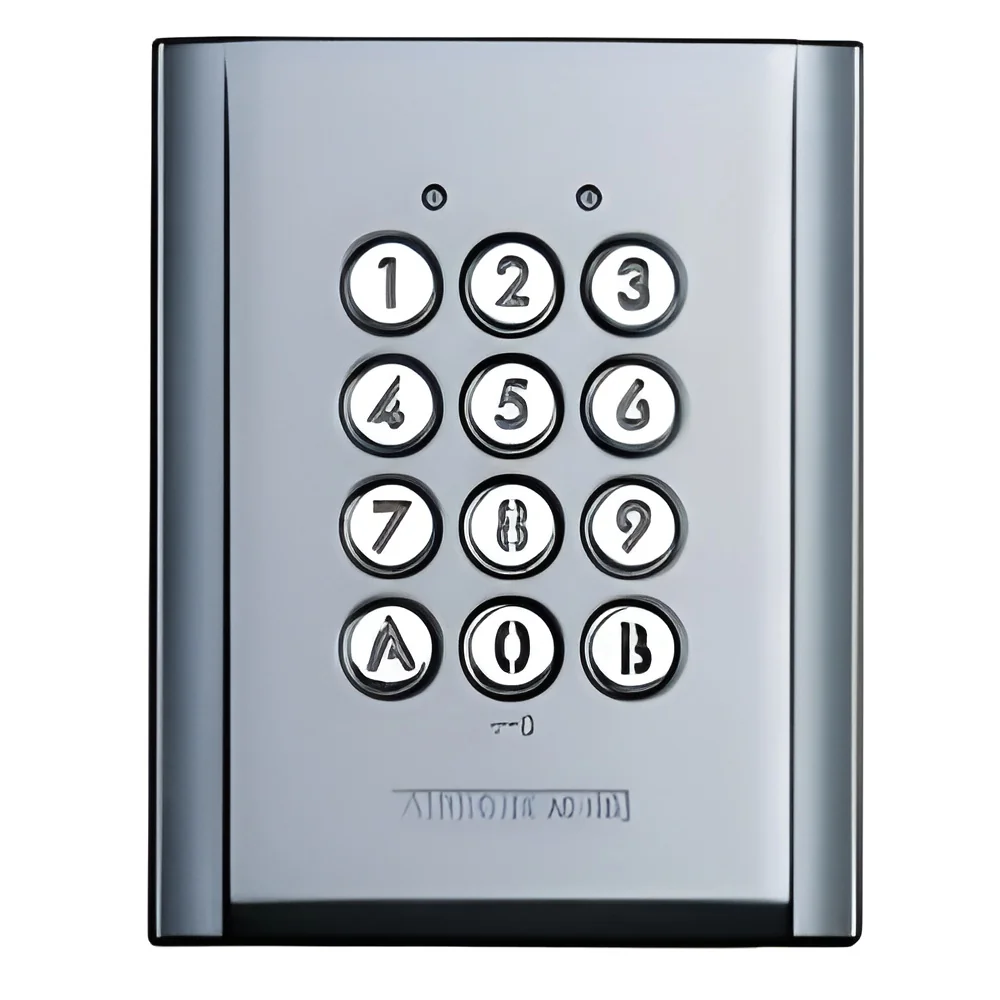
Biometric Access Control Systems come equipped with a variety of features designed to enhance security and user experience. These features typically include advanced biometric recognition technology, user-friendly interfaces, and integration capabilities with existing security systems.
Key specifications include:
1. Recognition Technology
- Utilizes fingerprint, facial, or iris recognition
- High accuracy and speed of identification
2. User Capacity
- Supports multiple users, ranging from hundreds to thousands
- Scalable to accommodate organizational growth
3. Communication Protocols
- Compatible with various communication standards, such as TCP/IP
- Allows for seamless integration with existing security systems
4. Data Encryption
- Ensures secure transmission of biometric data
- Protects against unauthorized access and data breaches
5. Audit Trails
- Generates detailed logs of access attempts
- Facilitates monitoring and reporting for security audits
6. Environmental Endurance
- Designed to operate under varying conditions
- Resistant to tampering and environmental factors
7. Power Supply Options
- Available in both AC and DC power configurations
- Ensures reliability in different operational settings
8. Customization Options
- Capable of being tailored to specific industry needs
- Supports integration with third-party software solutions
These specifications highlight the versatility and robustness of biometric access control systems, making them a valuable asset for security-conscious organizations.
Common Applications and Use Cases
Biometric Access Control Systems are versatile and can be employed across numerous industries to enhance security measures.
1. Corporate Offices: Many businesses use biometric systems to restrict access to sensitive areas such as server rooms and executive offices, ensuring that only authorized personnel can enter.
2. Government Facilities: Biometric systems are essential in government buildings for secure access to classified information and restricted zones, helping to maintain national security.
3. Healthcare: Hospitals and medical facilities utilize biometric access to safeguard patient records and pharmaceuticals, ensuring that only qualified medical professionals can access sensitive data.
4. Financial Institutions: Banks and financial organizations implement biometric technology to protect customer data and secure vaults, reducing the risk of fraud and unauthorized transactions.
5. Educational Institutions: Schools and universities are increasingly adopting biometric systems to control access to campuses and laboratories, ensuring safety for students and staff.
6. Manufacturing: Factories and production facilities use biometric access control to regulate entry to sensitive areas and protect intellectual property.
7. Transportation: Airports and seaports leverage biometric systems for passenger verification and secure access to restricted areas, enhancing overall security in the transportation sector.
Product Variants and Subcategories
Biometric Access Control Systems come in various forms, catering to different security needs and applications.
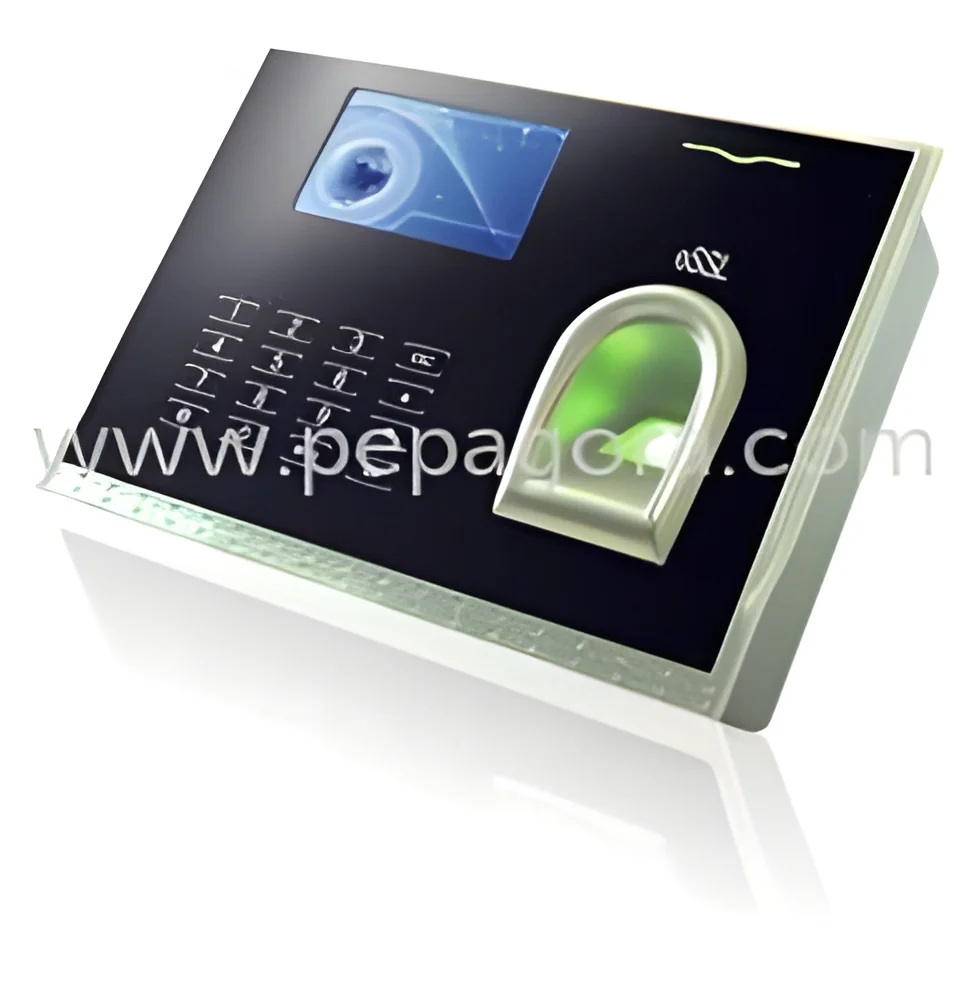
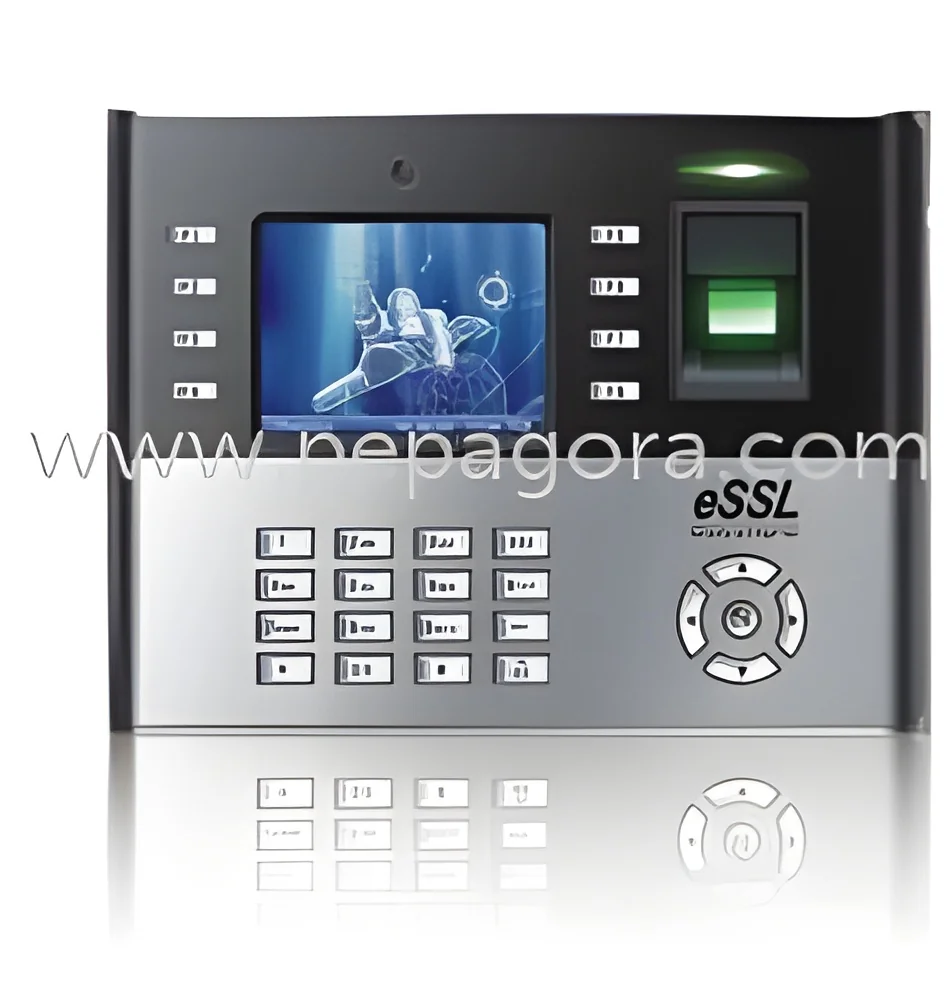
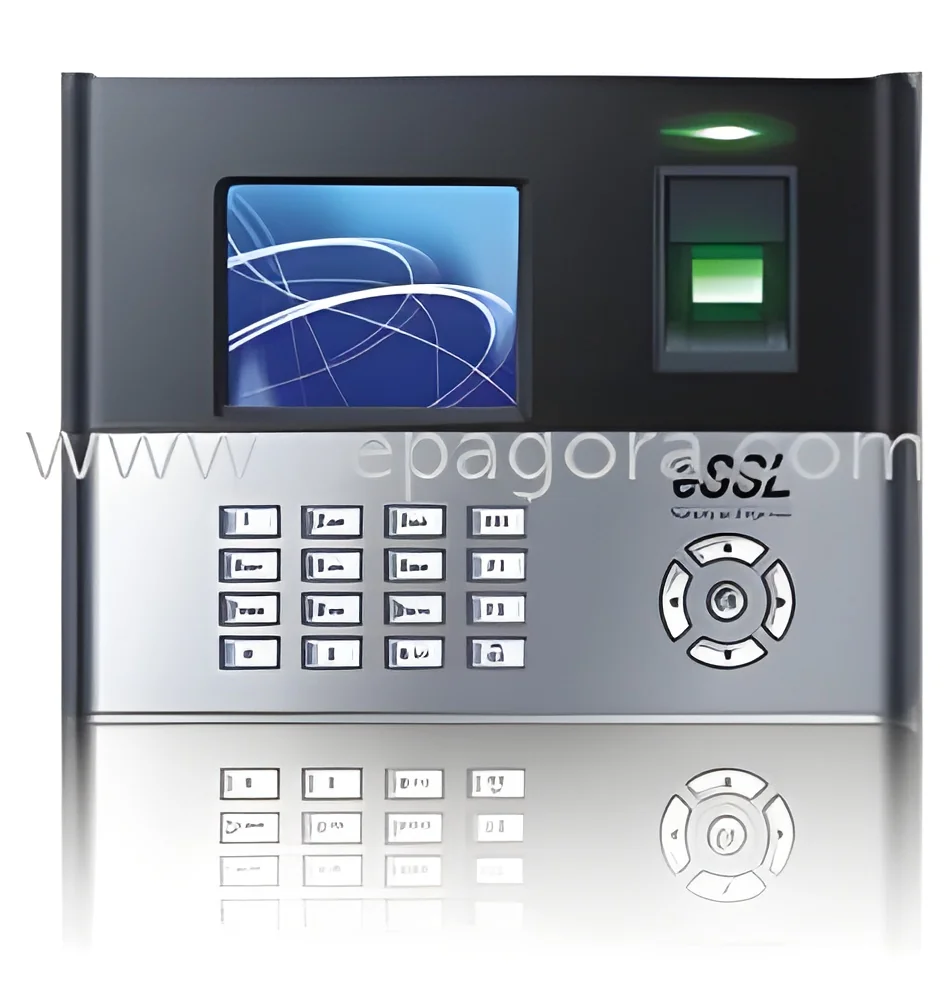
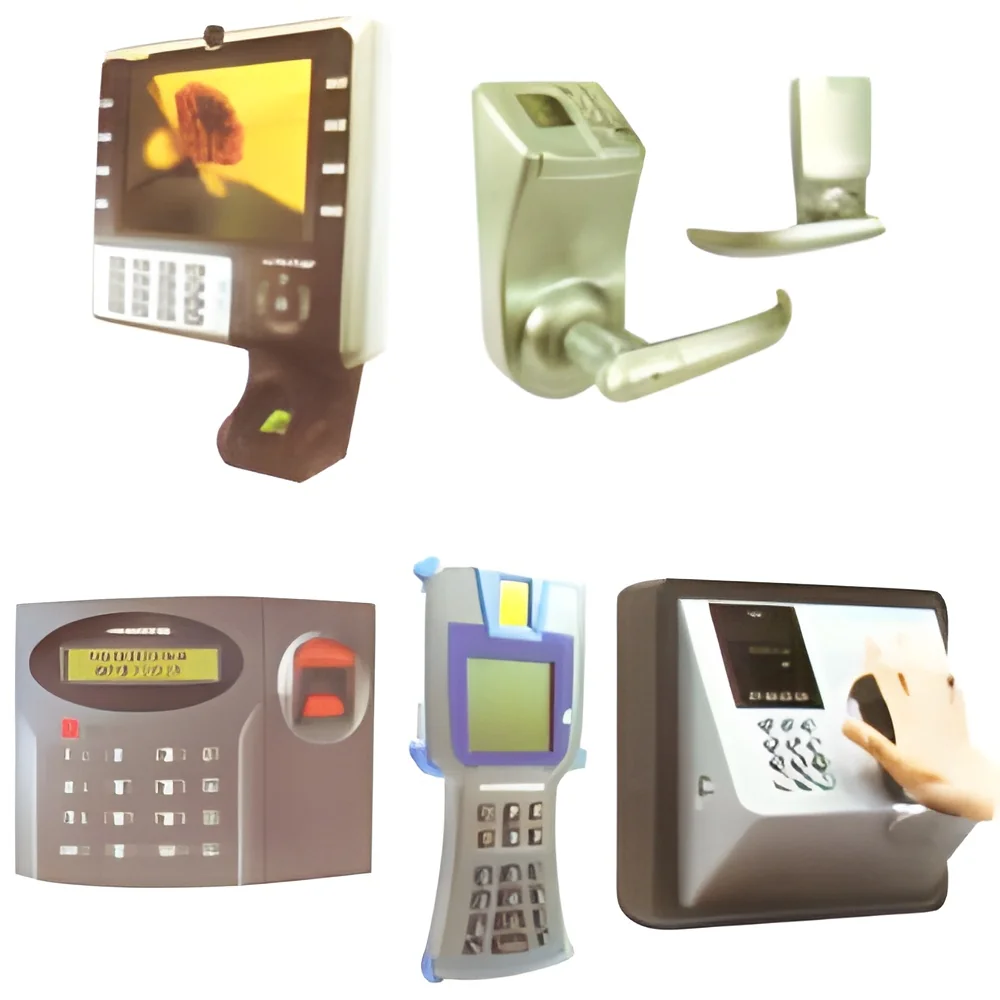
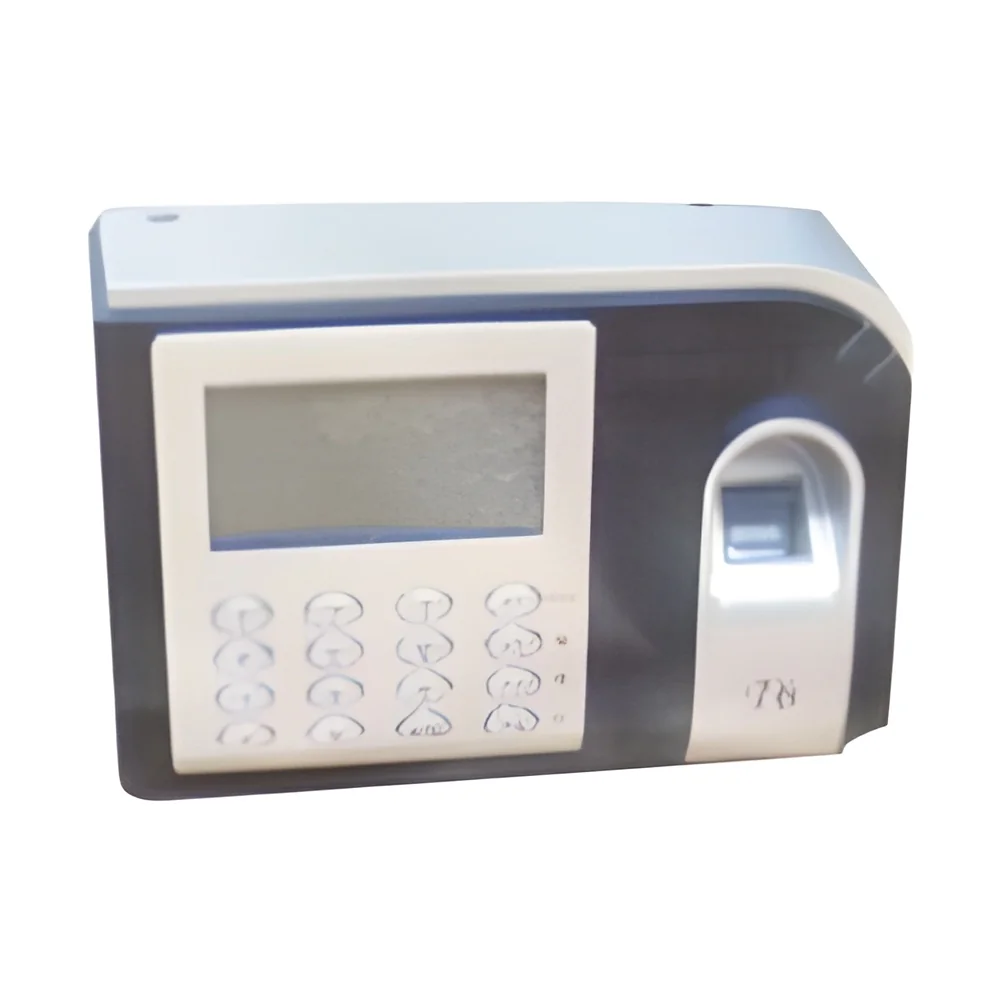
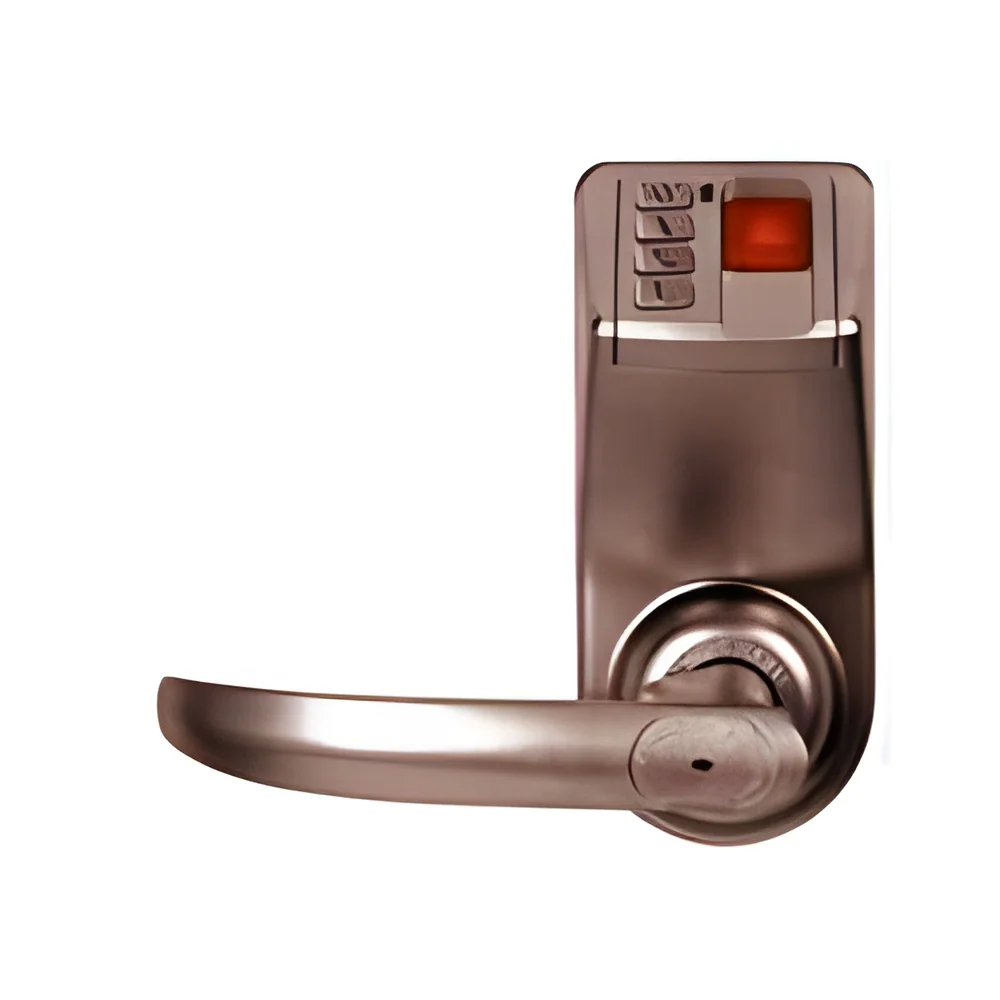
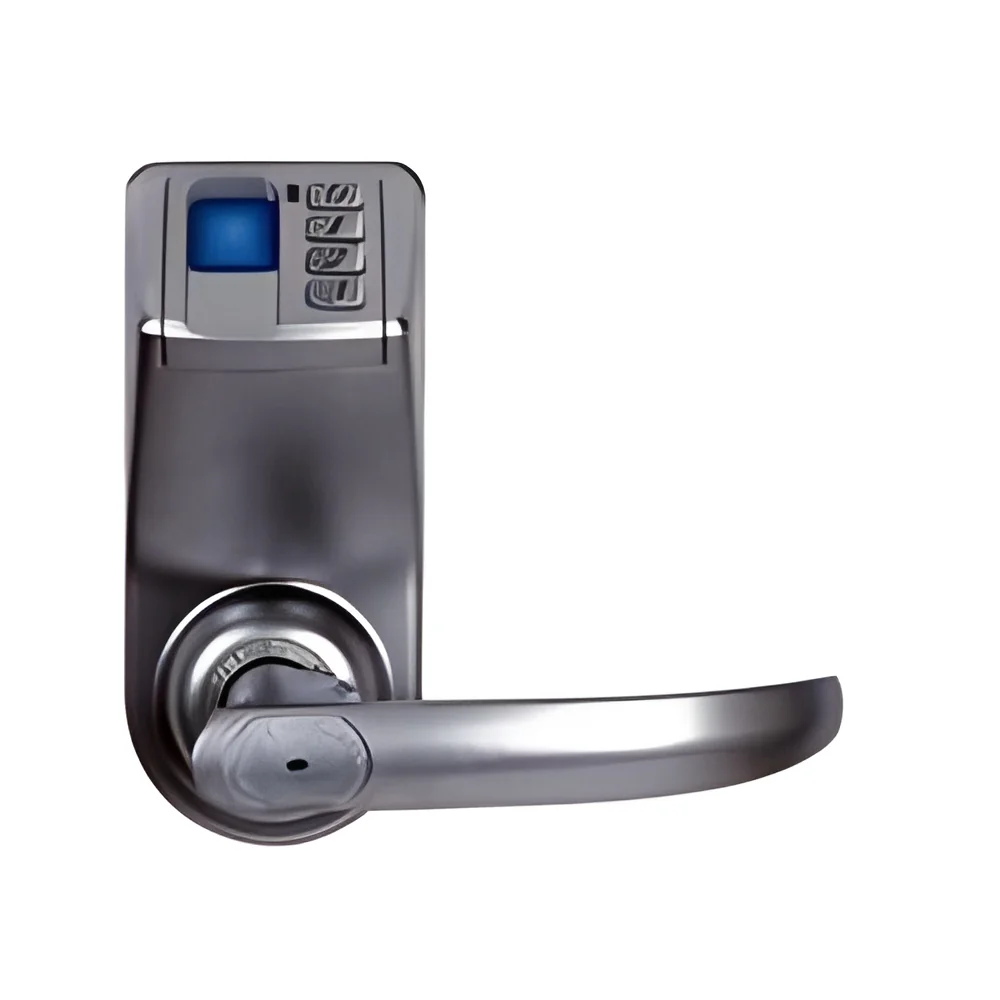
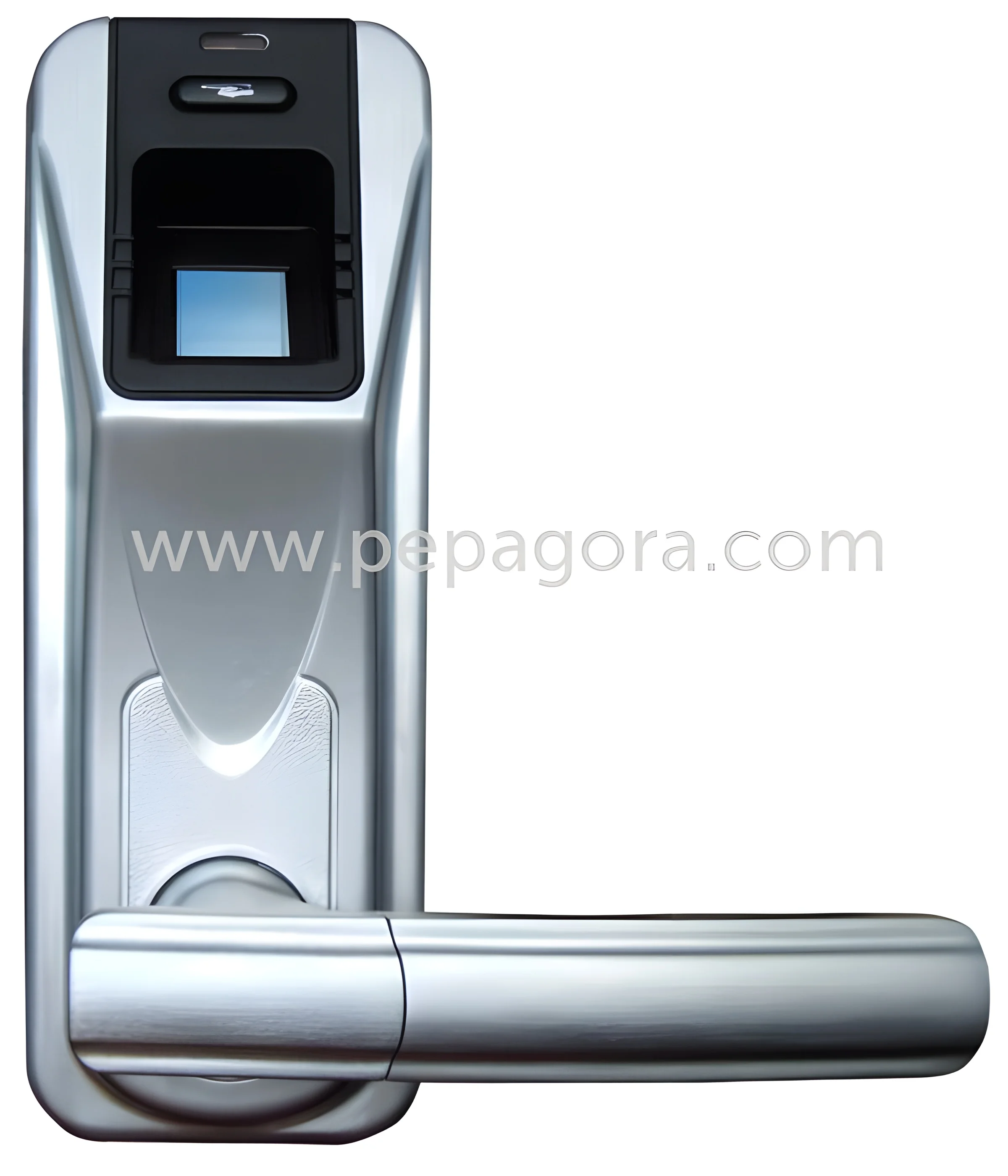
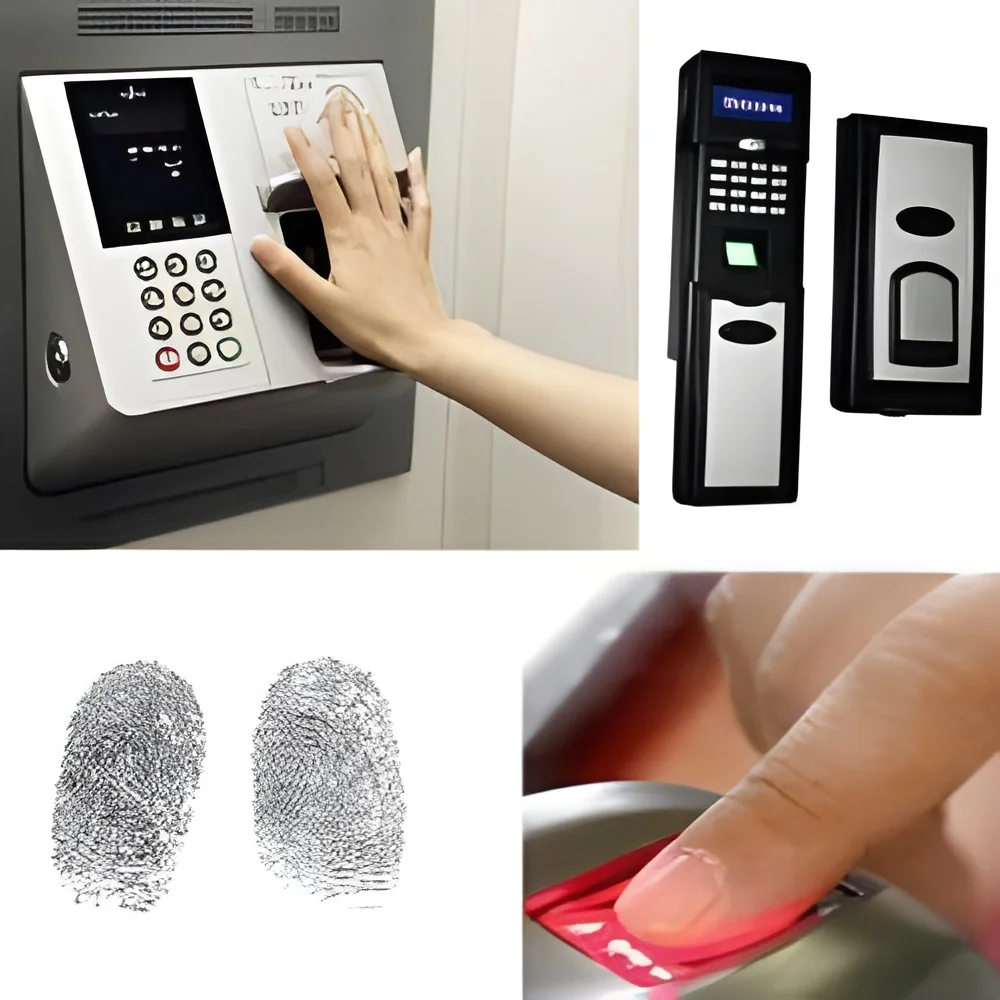
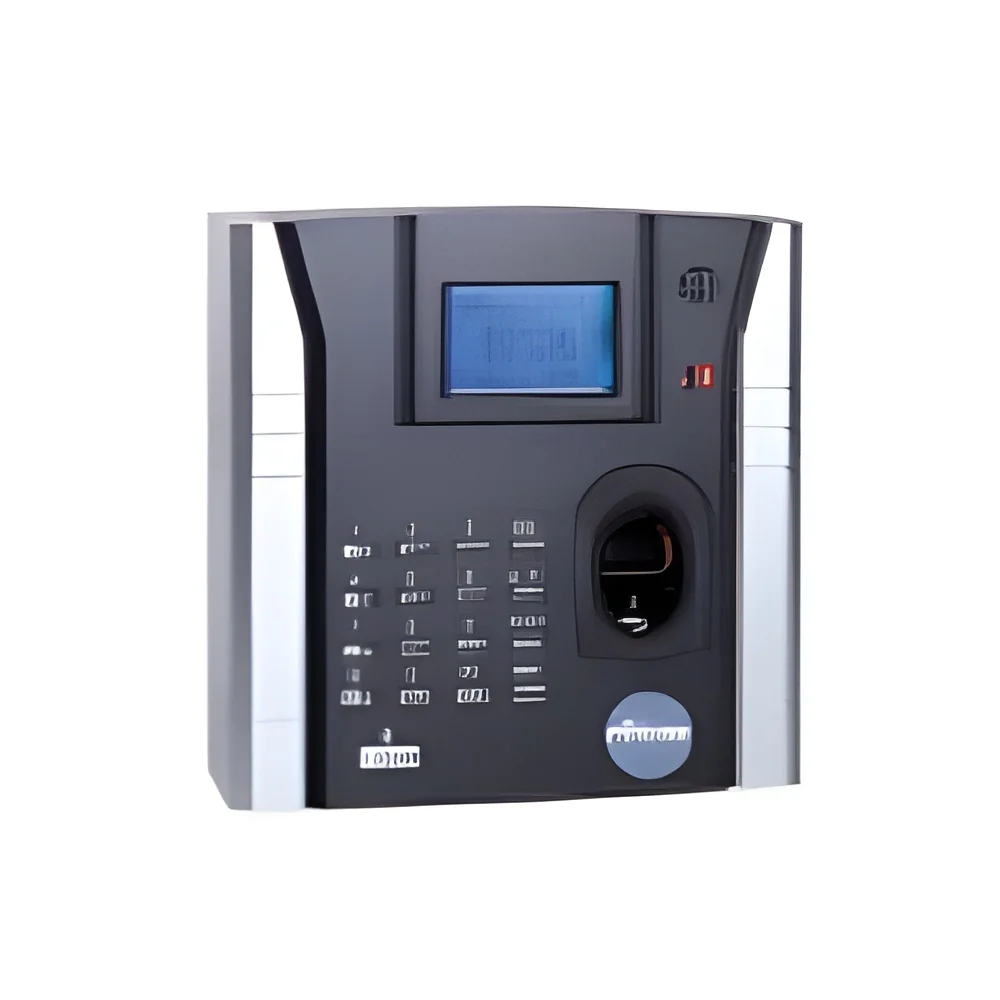
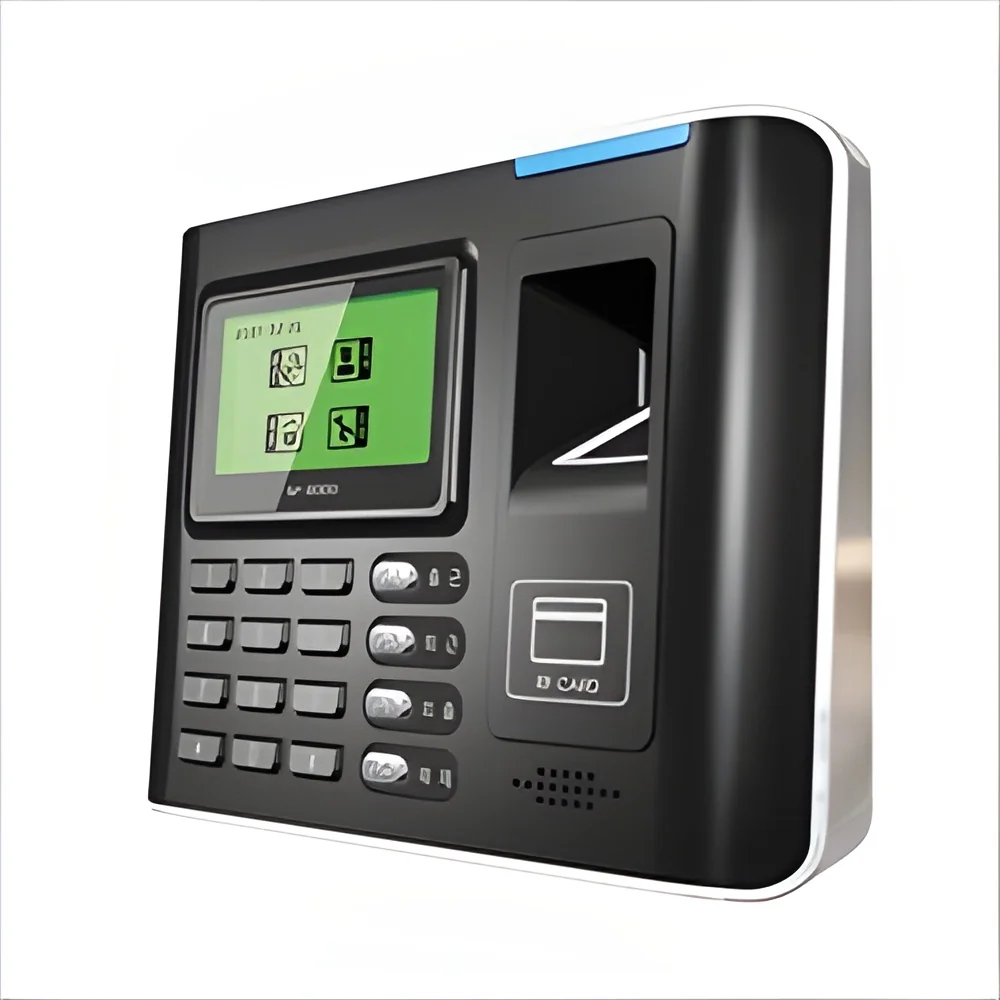
Fingerprint Access Control Systems: These systems use unique fingerprint patterns for identification. They are widely adopted due to their accuracy and ease of use. Ideal for high-traffic environments, they provide quick authentication.
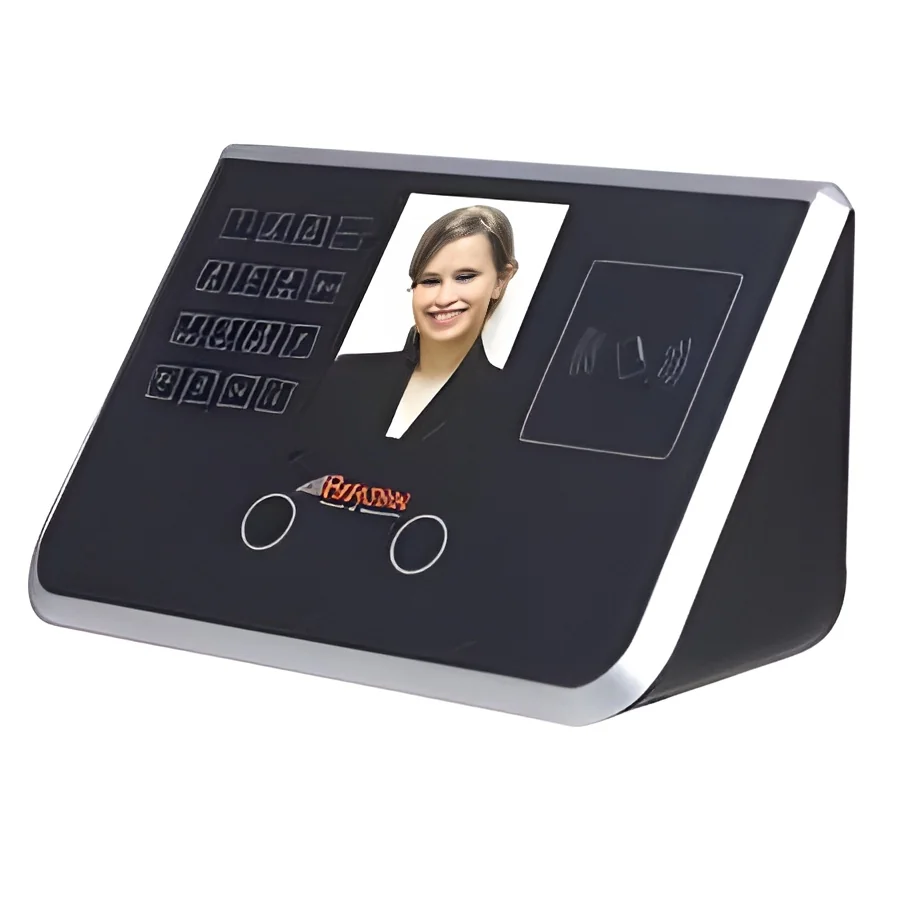
Facial Recognition Systems: These systems analyze facial features to identify individuals. They are highly effective in settings where contactless access is preferred, such as airports and public buildings. They offer a seamless user experience.
Iris Recognition Systems: These systems use patterns in the iris for identification. They are known for their high security and low false acceptance rates. Ideal for high-security areas, they provide robust protection against unauthorized access.
Mobile Biometric Solutions: These portable solutions allow for biometric verification on the go. They are useful for temporary access control during events or in field operations, providing flexibility and convenience.
Benefits and Advantages
Biometric Access Control Systems offer numerous advantages that enhance security and improve operational efficiency.
1. Enhanced Security: Biometric systems provide a higher level of security compared to traditional methods, as biometric traits are difficult to replicate or forge.
2. Increased Accountability: These systems generate detailed logs of access attempts, making it easier to track and identify unauthorized access.
3. User Convenience: Biometric systems streamline the authentication process, allowing for quick access without the need for physical keys or cards.
4. Cost-Effective: By reducing the risk of unauthorized access and potential security breaches, biometric systems can lead to significant cost savings over time.
5. Scalability: Biometric access control systems can easily adapt to the needs of growing organizations, allowing for the addition of new users without significant changes to the infrastructure.
6. Compliance Support: Many industries have regulatory requirements for access control. Biometric systems can help organizations meet these compliance standards effectively.
Buying Guide for B2B Buyers
When considering Biometric Access Control Systems, it is essential for B2B buyers to evaluate several factors to make an informed decision.
1. Quality Assessment: Look for systems that meet industry standards and have a proven track record. Assess the reliability and performance of the technology through reviews and case studies.
2. Supplier Verification: Vet suppliers to ensure they have a solid reputation and experience in the biometric security field. Check for certifications and customer testimonials.
3. Pricing and MOQ: Understand the pricing structure and minimum order quantities. Compare quotes from multiple suppliers to find the best value for your investment.
4. Delivery and Lead Times: Inquire about logistics and lead times for product delivery. Ensure that the supplier can meet your project timelines.
5. Compliance Requirements: Familiarize yourself with any relevant regulatory standards that the biometric systems must adhere to in your industry, ensuring full compliance.
Compliance and Certifications
Biometric Access Control Systems are subject to various quality standards and certifications that ensure their effectiveness and reliability.
Adherence to ISO 9001 is crucial as it focuses on quality management systems and emphasizes customer satisfaction and continuous improvement. This standard helps guarantee that products meet customer and regulatory requirements.
The CE marking is essential for products sold in the European Economic Area, indicating that they comply with health, safety, and environmental protection standards. This certification provides assurance to buyers regarding the quality and safety of the systems.
Safety and testing requirements are also vital, as these systems must undergo rigorous evaluation to ensure they function correctly and securely. Manufacturers should provide documentation proving compliance with relevant safety standards.
Regional compliance considerations vary, depending on geographic location. Buyers should be aware of local regulations that may impact the deployment of biometric systems and ensure that their chosen solutions align with these standards.
Why Source Biometric Access Control Systems from Pepagora?
Pepagora provides a trusted platform for sourcing Biometric Access Control Systems, offering several key advantages to B2B buyers.
Verified Supplier Network: Pepagora ensures that all suppliers in its network are thoroughly vetted. This verification process helps buyers access reliable products and services from reputable manufacturers.
Streamlined RFQ Process: The platform simplifies the request for quotation (RFQ) process. Buyers can easily communicate their needs and receive competitive quotes from multiple suppliers, saving time and effort.
Trade Assurance and Support: Pepagora offers trade assurance to protect buyers throughout the purchasing process. This includes buyer protection mechanisms that ensure product quality and timely delivery.
Regional Coverage: With a strong presence in India, the Gulf Cooperation Council (GCC), and Southeast Asia, Pepagora provides extensive geographic reach. This allows buyers to source biometric systems tailored to their specific regional requirements and preferences.
By choosing Pepagora, businesses can confidently invest in biometric access control systems that enhance security and meet their operational needs.


 India
 India
 India
 India
 India
 India
 India
 India
 India
 India

Frequently Asked Questions
What are Biometric Access Control Systems?
Biometric Access Control Systems are security solutions that use unique biological traits, such as fingerprints, facial recognition, or iris patterns, to grant or deny access to physical spaces or digital assets. These systems enhance security by ensuring that only authorized individuals can enter secured areas.
What are the different types of Biometric Access Control Systems?
The different types of Biometric Access Control Systems include fingerprint scanners, facial recognition systems, iris recognition devices, and palm vein identification systems. Each type utilizes specific biometric data to authenticate users, catering to various security needs and environments.
How do I choose the right Biometric Access Control Systems?
To choose the right Biometric Access Control System, consider factors such as the level of security required, the environment where it will be used, and the types of biometric data you prefer. Additionally, assess the system's compatibility with existing security infrastructure and its user-friendliness.
What are the standard specifications for Biometric Access Control Systems?
Standard specifications for Biometric Access Control Systems typically include biometric recognition accuracy, processing speed, user capacity, and connectivity options. Other important specifications may involve environmental resistance, durability, and integration capabilities with other security systems.
What is the price range for Biometric Access Control Systems?
The price range for Biometric Access Control Systems can vary widely, typically ranging from a few thousand to several lakhs of Indian Rupees, depending on the technology used, features offered, and brand reputation. Customization and installation services may also affect the overall cost.
What quality standards apply to Biometric Access Control Systems?
Biometric Access Control Systems are subject to several quality standards, including ISO/IEC 19795 for biometric performance testing and ISO 9001 for quality management systems. Compliance with these standards ensures reliability and effectiveness in security applications.
Where can I find Biometric Access Control Systems suppliers in India?
You can find Biometric Access Control Systems suppliers in India through various online B2B marketplaces, industry trade shows, and networking events. Platforms like Pepagora.com also provide a comprehensive list of manufacturers and suppliers in the biometric technology sector.
Can Biometric Access Control Systems be customized?
Yes, many Biometric Access Control Systems can be customized to meet specific security needs and organizational requirements. Customization options may include software modifications, hardware configurations, and integration with other security systems.
What is the typical minimum order quantity for Biometric Access Control Systems?
The typical minimum order quantity (MOQ) for Biometric Access Control Systems varies by supplier and product type, often ranging from 1 to 50 units. It's advisable to check with individual manufacturers or suppliers for their specific MOQ policies.
What is the typical lead time for Biometric Access Control Systems?
The typical lead time for Biometric Access Control Systems can range from a few weeks to several months, depending on factors such as product availability, customization requirements, and supplier location. It's best to confirm lead times directly with the supplier before placing an order.
Why Businesses Trust Pepagora
Thousands of companies trust Pepagora to source smarter and sell faster
Expand Your Sales Globally

Source Smarter,Grow Faster
