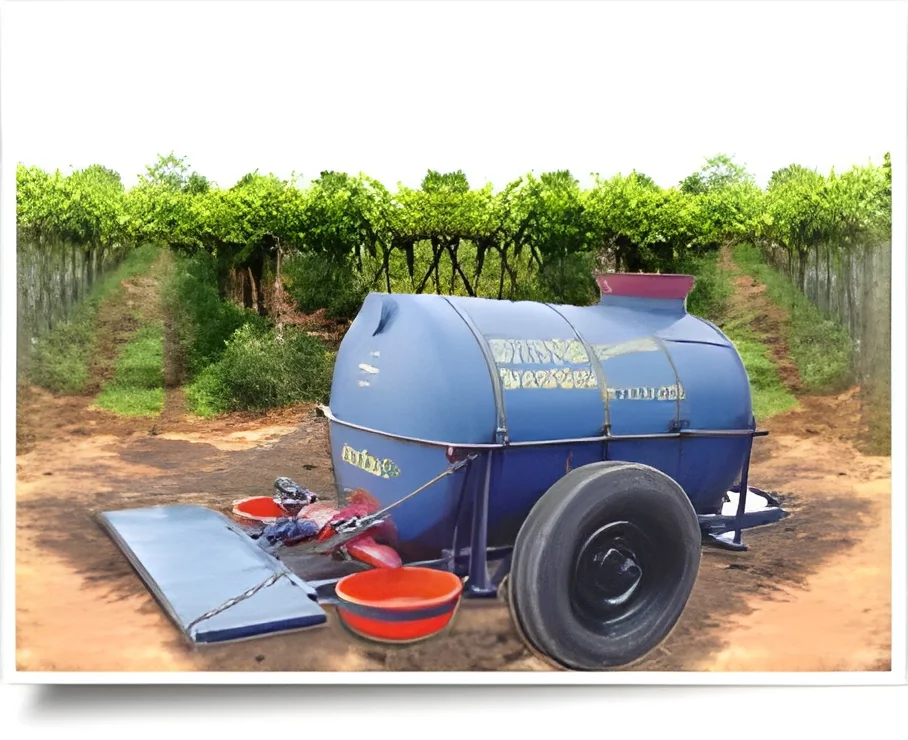
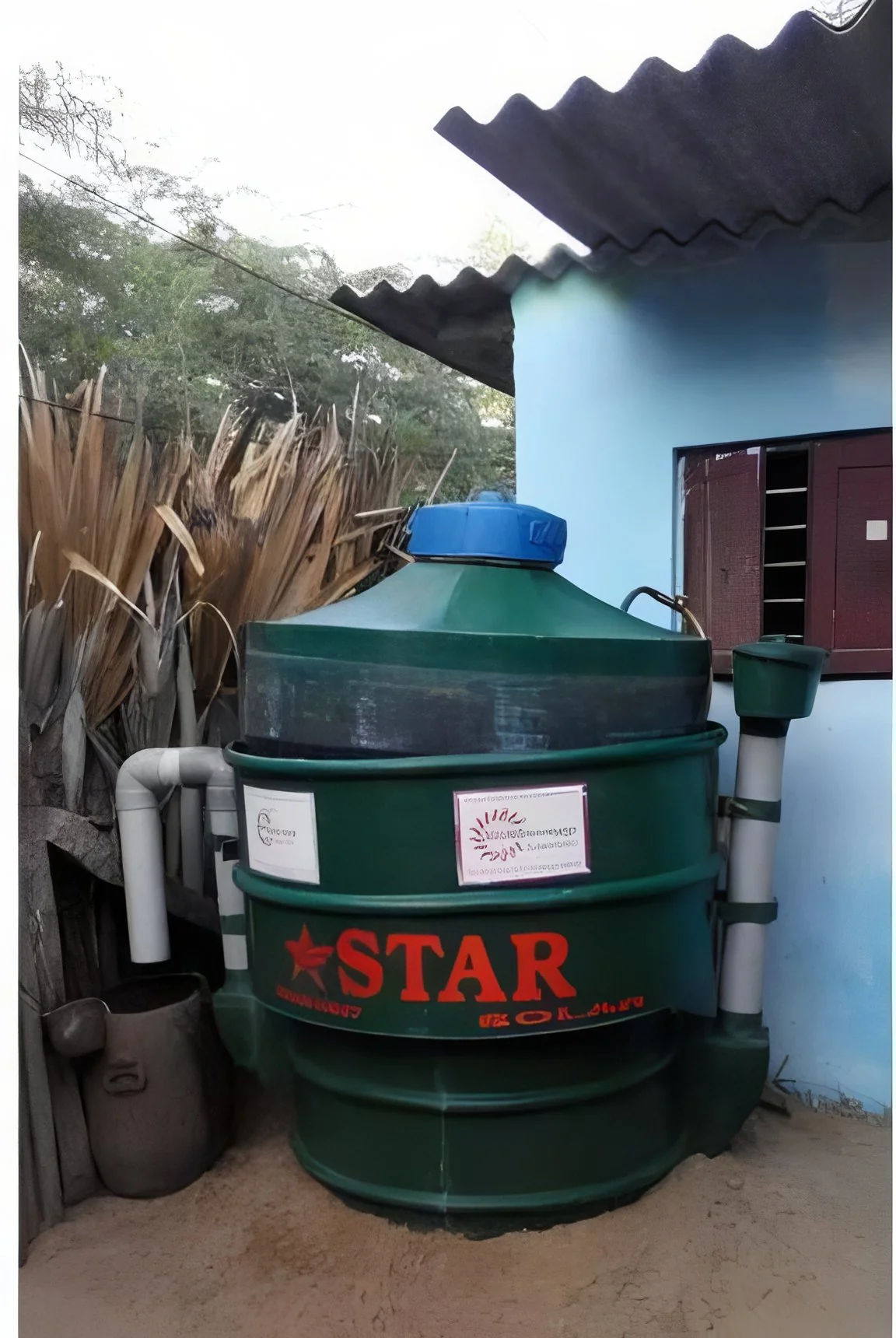
What are Biogas Plant Equipment?
Biogas Plant Equipment refers to the specialized machinery and systems used in the production of biogas through the anaerobic digestion of organic materials. This equipment plays a crucial role in transforming waste into renewable energy. The core components typically include digesters, gas storage systems, and gas treatment units. Each piece of equipment is designed to optimize the biogas production process while ensuring safety and efficiency.
The primary uses of biogas plant equipment extend to various industries, including agriculture, waste management, and energy production. Businesses leverage this technology to convert organic waste into valuable resources, thereby reducing landfill use and greenhouse gas emissions. The equipment also supports the generation of heat and electricity, contributing to energy independence and sustainability goals.
In the context of the growing emphasis on renewable energy sources, biogas plant equipment has become increasingly relevant. Market trends indicate a rising demand for clean energy solutions, driven by regulatory pressures and consumer preferences for sustainable practices. As industries seek innovative ways to manage waste and produce energy, the demand for efficient biogas plant equipment continues to increase.
Key Features and Specifications
Biogas plant equipment is characterized by several essential features tailored to maximize efficiency and safety in biogas production processes. Understanding these specifications is vital for businesses looking to invest in this technology.
Key specifications include:
1. Digester Capacity
- Determines the volume of organic material that can be processed
- Common ranges vary from small-scale (10 m³) to large-scale (over 1,000 m³) digesters
2. Biogas Yield
- Represents the volume of biogas generated per unit of organic material
- Typical yields can range from 60 to 100 m³ of biogas per ton of organic waste
3. Gas Storage System
- Designed to safely store produced biogas
- Types include gas holders and membrane storage systems
4. Gas Quality Control
- Systems to ensure biogas meets quality standards for use
- Includes filtration and desulfurization units
5. Temperature Control
- Essential for maintaining optimal digestion conditions
- Standard operating temperatures range from 30°C to 55°C
6. Monitoring Systems
- Allows continuous tracking of biogas production and system performance
- Common features include flow meters, pressure gauges, and temperature sensors
7. Construction Material
- Equipment often made of corrosion-resistant materials to handle digestive processes
- Common materials include stainless steel and reinforced concrete
8. Safety Features
- Includes emergency shut-off systems and gas detection units
- Ensures safe operation of the biogas plant
In summary, the specifications of biogas plant equipment are critical in determining the efficiency and safety of biogas production. Businesses must consider these detailed factors when selecting equipment for their operations.
Common Applications and Use Cases
Biogas plant equipment serves various industries, each benefiting from the conversion of organic waste into renewable energy.
1. Agriculture: Farmers utilize biogas equipment to process livestock manure and crop residues. This not only reduces waste but also provides a sustainable source of energy for farm operations.
2. Waste Management: Municipalities and waste management companies employ biogas plants to treat organic waste, significantly reducing landfill contributions while generating energy.
3. Food Processing: The food industry generates substantial organic waste. Biogas equipment helps process this waste, turning it into biogas while minimizing environmental impact.
4. Energy Production: Energy companies increasingly invest in biogas technology to diversify their energy sources. The equipment provides a reliable way to produce renewable energy from waste materials.
5. Sewage Treatment: Wastewater treatment facilities incorporate biogas plants to manage sludge and produce biogas, improving the overall efficiency of wastewater treatment processes.
6. Landfills: Landfill operators install biogas recovery systems to capture methane emissions. This equipment helps turn waste into energy while mitigating greenhouse gas emissions.
7. Industrial Applications: Various industries, including paper and pulp, use biogas technology to manage organic by-products. This equipment helps in energy recovery and waste reduction.
Product Variants and Subcategories
Biogas plant equipment comes in various configurations to meet the diverse needs of different users. Each variant is designed with specific features tailored to unique applications.
Anaerobic Digesters
These are the core components of biogas plants. They facilitate the breakdown of organic material in the absence of oxygen, producing biogas. They are available in different sizes and technologies, including batch and continuous systems.
Gas Storage Tanks
These tanks are essential for storing the biogas produced. They can be designed as fixed or flexible storage systems, accommodating varying production levels and ensuring safe storage of biogas.
Gas Treatment Systems
These systems are responsible for purifying biogas to meet quality standards for use. They often include scrubbers and filters, ensuring that the gas is suitable for energy generation.
Mixing Systems
These are used within digesters to maintain uniform consistency of the feedstock. Effective mixing enhances digestion efficiency and maximizes biogas production.
Piping and Distribution Systems
These components transport biogas from production to storage and utilization points. They are designed to handle specific pressures and flow rates, ensuring safe and efficient operation.
Benefits and Advantages
Investing in biogas plant equipment offers numerous benefits for businesses and the environment.
1. Renewable Energy Generation: This equipment converts waste into clean energy, contributing to energy independence and sustainability.
2. Waste Reduction: By processing organic waste, biogas plants significantly reduce landfill use and associated environmental impacts.
3. Economic Savings: Businesses can save on energy costs by utilizing produced biogas for their operations, while also potentially generating revenue from excess energy.
4. Regulatory Compliance: Utilizing biogas technology helps businesses meet environmental regulations and sustainability goals.
5. Enhanced Soil Health: The digestate produced from biogas processes can be used as a nutrient-rich fertilizer, promoting better soil health and crop yields.
6. Job Creation: The establishment and operation of biogas plants can lead to new job opportunities in the renewable energy sector.
Buying Guide for B2B Buyers
When sourcing biogas plant equipment, several critical factors must be considered to ensure a successful investment.
1. Quality Assessment: Evaluate the quality of the equipment by reviewing manufacturer certifications, production processes, and customer feedback.
2. Supplier Verification: It's vital to vet suppliers thoroughly to ensure they are reputable and capable of delivering reliable equipment. Look for references and case studies.
3. Pricing and MOQ: Understand the price ranges for different equipment types and be aware of minimum order quantities (MOQ) that suppliers may impose.
4. Delivery and Lead Times: Confirm the delivery schedules and lead times for the equipment to avoid operational delays. This includes understanding shipping logistics and installation timelines.
5. Compliance Requirements: Ensure that the equipment meets all relevant regulatory standards and certifications required in your region to avoid legal complications.
Compliance and Certifications
Compliance with quality standards and certifications is crucial for biogas plant equipment. Key standards include ISO 9001, which ensures quality management systems, and HACCP for food safety management. Additionally, CE certification indicates that the equipment meets European safety and health regulations.
Safety and testing requirements are also essential. Manufacturers must adhere to stringent safety protocols to ensure that the equipment operates without risks to users or the environment. Regional compliance considerations may vary, so it's important for businesses to stay informed about local regulations related to biogas technology.
Why Source Biogas Plant Equipment from Pepagora?
Pepagora provides a trusted platform for sourcing biogas plant equipment, offering several key advantages to B2B buyers.
Verified Supplier Network: Pepagora features a robust network of verified suppliers, ensuring that buyers can access high-quality equipment from reputable manufacturers. This verification process helps mitigate risks associated with sourcing.
Streamlined RFQ Process: The platform offers a streamlined Request for Quotation (RFQ) process, making it easier for buyers to compare options and find the best solutions for their needs. This efficiency saves time and enhances decision-making.
Trade Assurance and Support: Buyers benefit from trade assurance mechanisms that provide protection throughout the purchasing process. This includes support for negotiation and dispute resolution, ensuring a smooth transaction experience.
Regional Coverage: With a focus on markets in India, the GCC, and Southeast Asia, Pepagora offers extensive geographic reach. This allows businesses across these regions to access the latest biogas plant technology tailored to their specific needs.

 IN
IN
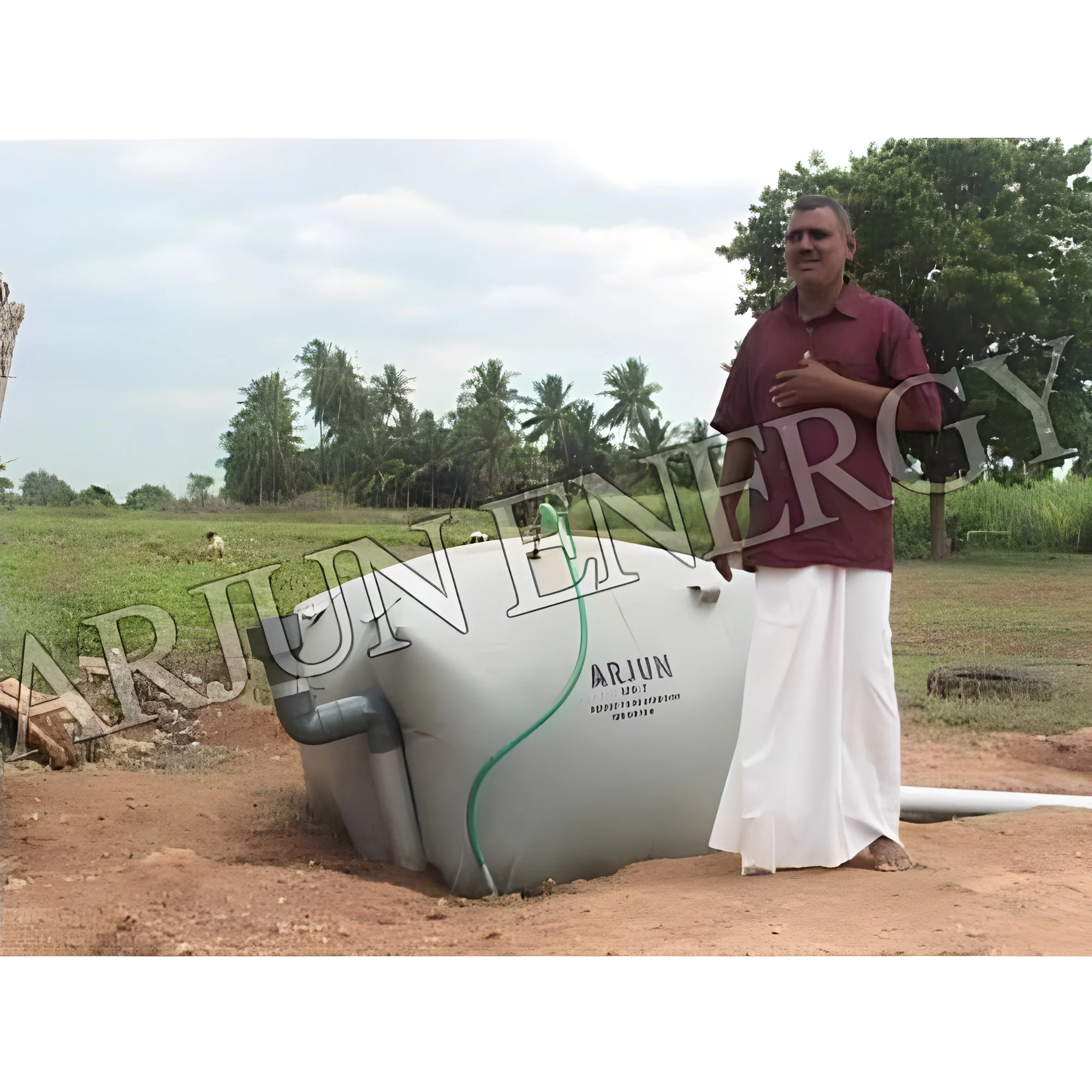

 India
India