What are Automotive Grade Leather?
Automotive Grade Leather is a specialized type of leather designed specifically for use in the automotive industry. This material is engineered to meet the rigorous demands of vehicle interiors, including durability, comfort, and aesthetic appeal. Automotive Grade Leather undergoes various treatments to enhance its performance characteristics, making it suitable for high-traffic areas in vehicles.
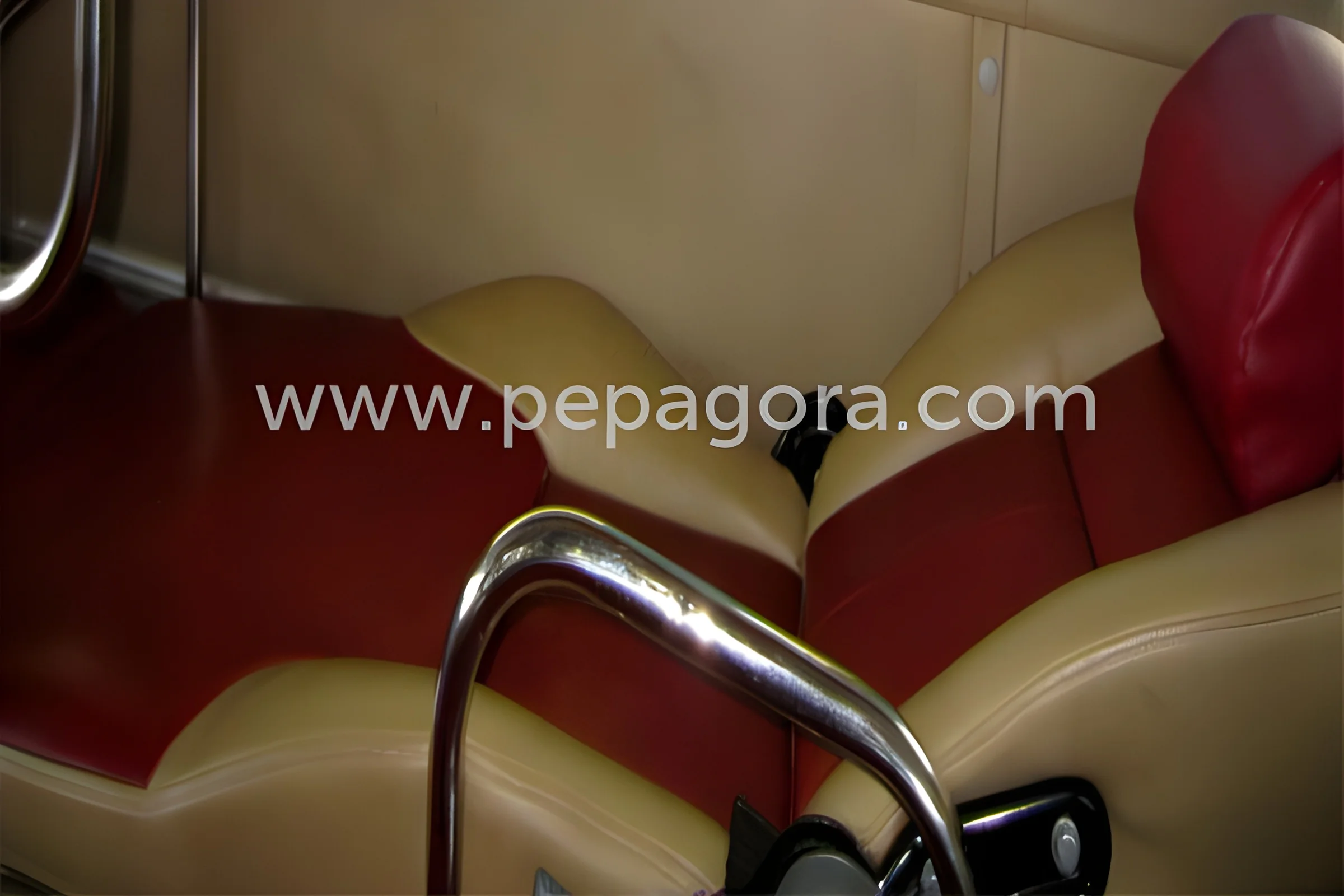
The primary uses of Automotive Grade Leather include seat coverings, dashboard finishes, door panels, and other interior components. Its unique properties allow it to withstand environmental factors such as UV exposure, temperature fluctuations, and moisture. This leather is widely used by automotive manufacturers and aftermarket suppliers to provide luxury and comfort in vehicle interiors.
In the current market context, Automotive Grade Leather holds significant relevance as consumer preferences shift toward high-quality materials in vehicles. As the automotive industry evolves, the demand for sustainable and durable leather options is increasing. Manufacturers are compelled to adopt innovative technologies and processes to produce leather that meets both aesthetic and functional requirements.
Key Features and Specifications
Automotive Grade Leather is characterized by a range of features and specifications that make it suitable for automotive applications. These features are designed to ensure longevity, comfort, and safety in vehicle interiors.
Key specifications include:
1. Durability
- Designed to withstand wear and tear
- Resistant to cracking and fading
2. UV Resistance
- Protects against sun damage
- Maintains color integrity over time
3. Moisture Resistance
- Prevents water absorption
- Reduces the risk of mold and mildew
4. Breathability
- Allows air circulation
- Enhances comfort for passengers
5. Chemical Resistance
- Resists staining from oils and cleaners
- Ensures easy maintenance
6. Fire Retardant Properties
- Meets safety standards for flame resistance
- Enhances passenger safety in the event of a fire
7. Customization Options
- Available in various colors and finishes
- Can be tailored to meet specific design requirements
8. Environmental Compliance
- Must adhere to regulations regarding production processes
- Often sourced from sustainable practices
In summary, the specifications of Automotive Grade Leather reflect its suitability for automotive applications, combining durability, comfort, and safety.
Common Applications and Use Cases
Automotive Grade Leather is utilized across various industries, primarily within the automotive sector.
1. Automotive Manufacturing: This leather is extensively used in the production of luxury vehicle interiors, providing a premium look and feel.
2. Aftermarket Accessories: Automotive Grade Leather is popular for custom seat covers and interior upgrades in older vehicles.
3. Commercial Vehicles: Used in the interiors of buses and trucks, this leather offers durability and easy maintenance for high-usage applications.
4. Aircraft Interiors: Some aircraft utilize Automotive Grade Leather for seating and interior finishes, ensuring comfort and style.
5. Marine Applications: This leather is also applicable in marine environments, providing resistance to moisture and UV rays.
6. Public Transport: Buses and trains use Automotive Grade Leather for seats and panels to improve passenger comfort and durability.
7. Electric Vehicles: New electric vehicle manufacturers are adopting this leather to enhance the interior experience while maintaining eco-friendly standards.
Product Variants and Subcategories
Automotive Grade Leather comes in various forms to cater to different applications and preferences within the automotive industry.
Variant 1 Name: Perforated Automotive Leather
This variant features small holes that allow for breathability, often used in seating surfaces to enhance comfort during long drives. It is popular in sports cars and luxury vehicles for its stylish appearance and functional benefits.
Variant 2 Name: Embossed Automotive Leather
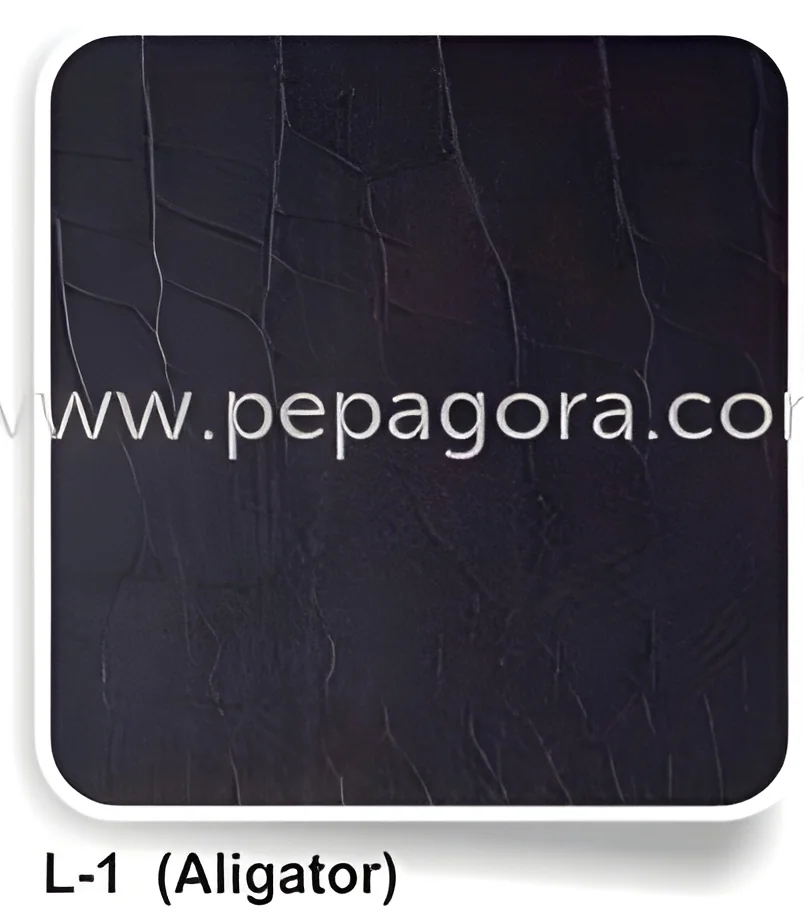
Embossed leather offers textured patterns that are visually appealing. It is commonly used in high-end vehicles, adding a sophisticated look while maintaining durability and ease of cleaning.
Variant 3 Name: Synthetic Automotive Leather
Also known as faux leather, this variant mimics the appearance of natural leather while being more affordable and easier to maintain. It is often used in budget vehicles and for eco-conscious consumers.
Benefits and Advantages
Sourcing Automotive Grade Leather provides several key benefits for manufacturers and suppliers.
1. High Durability: Automotive Grade Leather is designed to withstand daily wear and tear, ensuring longevity in automotive applications.
2. Aesthetic Appeal: The luxurious appearance of leather enhances the overall look of vehicle interiors, attracting consumers.
3. Comfort: The material provides a comfortable seating experience, contributing to passenger satisfaction.
4. Easy Maintenance: Automotive Grade Leather is resistant to stains and moisture, making it easier to maintain compared to other materials.
5. Customization: The ability to customize colors and finishes allows manufacturers to meet specific market demands and trends.
6. Eco-Friendly Options: Many suppliers offer sustainably sourced automotive leather, appealing to environmentally conscious consumers.
Buying Guide for B2B Buyers
When sourcing Automotive Grade Leather, B2B buyers should consider various factors to ensure they select the best material for their applications.
1. Quality Assessment: Buyers should evaluate the leather's durability, finish, and overall quality. Requesting samples can help in making an informed decision.
2. Supplier Verification: It is crucial to vet suppliers for reliability and compliance with industry standards. Checking references and reviews can provide insights into their reputation.
3. Pricing and MOQ: Understanding the pricing structure and minimum order quantities is essential for budget planning and procurement.
4. Delivery and Lead Times: Buyers should clarify logistics and lead times to ensure timely delivery of materials for production schedules.
5. Compliance Requirements: Buyers must be aware of regulatory compliance related to automotive leather, including environmental and safety standards.
Compliance and Certifications
Automotive Grade Leather must adhere to various quality standards and certifications to ensure safety and performance. Relevant quality standards include ISO 9001, which emphasizes quality management systems, and HACCP, which focuses on food safety when applicable.
Industry certifications like CE are essential for products sold within the European market, ensuring they meet safety and environmental regulations. Additionally, safety and testing requirements are critical, especially concerning fire retardancy and chemical resistance.
Regional compliance considerations vary, and buyers must ensure that the leather used meets local regulations in the markets they intend to serve. This compliance ensures not only product safety but also marketability in competitive environments.
Why Source Automotive Grade Leather from Pepagora?
Pepagora provides a trusted platform for sourcing Automotive Grade Leather, offering several key advantages to B2B buyers.
Verified Supplier Network: Pepagora has established a network of reliable suppliers who undergo rigorous vetting processes. This ensures that buyers receive high-quality products from reputable sources.
Streamlined RFQ Process: The Request for Quotation (RFQ) system simplifies the procurement process, allowing buyers to receive competitive quotes quickly and efficiently, facilitating informed purchasing decisions.
Trade Assurance and Support: Pepagora offers trade assurance to protect buyers during transactions. This support includes dispute resolution and quality assurance checks, enhancing buyer confidence.
Regional Coverage: With a strong presence in India, GCC, and Southeast Asia, Pepagora provides extensive geographic reach. This allows buyers to access Automotive Grade Leather tailored to their regional market needs while benefiting from local suppliers.

 IN
IN
 India
India