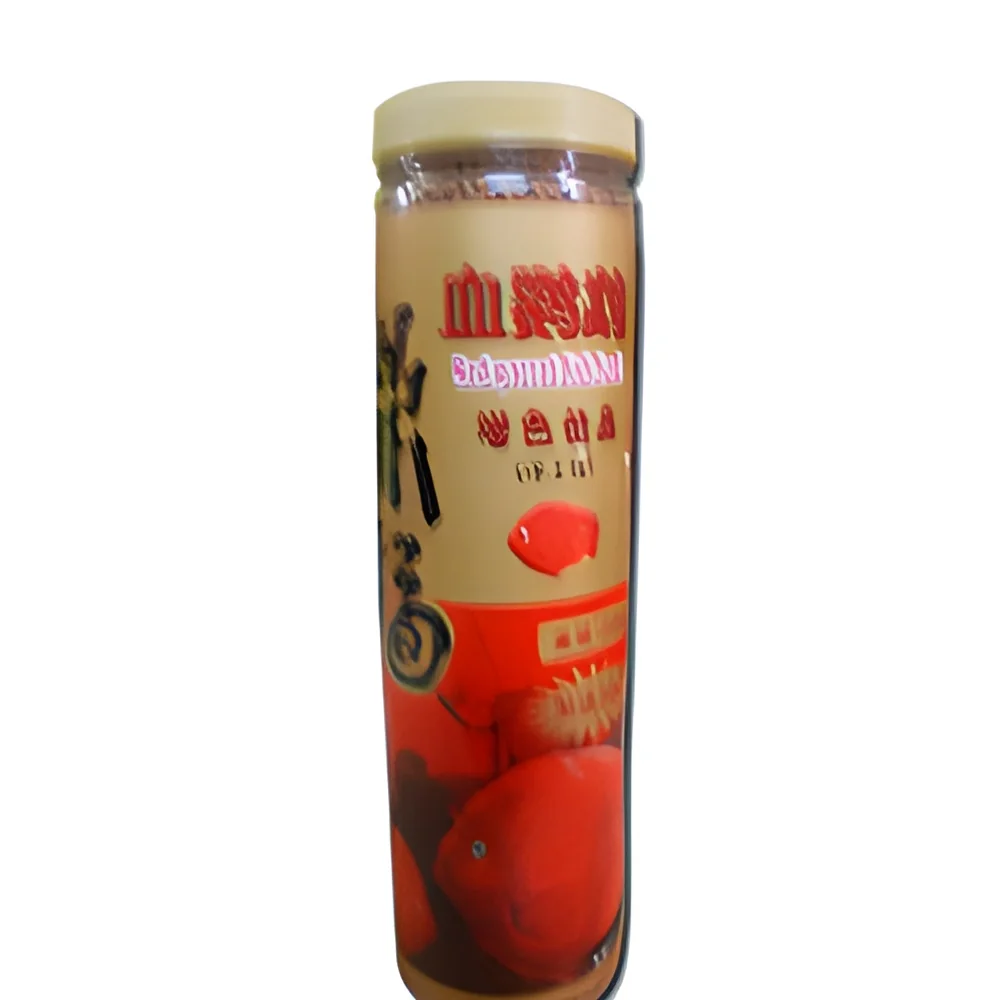
What are Aqua Probiotics?
Aqua Probiotics are specialized microbial products designed to enhance water quality and promote aquatic health. They contain live beneficial bacteria that help to balance the ecosystem in aquatic environments. These probiotics can improve nutrient cycling, reduce harmful pathogens, and support the growth of healthy aquatic organisms.
The primary applications for Aqua Probiotics include aquaculture, aquaponics, and wastewater treatment, where they contribute to maintaining optimal conditions for fish and plant growth. Businesses in these sectors utilize Aqua Probiotics to enhance productivity, ensure sustainability, and improve overall water quality. Given the increasing focus on sustainable practices in aquaculture and environmental management, the relevance of Aqua Probiotics continues to grow in various industries.
As the global demand for sustainable seafood and cleaner waterways rises, Aqua Probiotics are becoming a critical component in achieving these goals. Companies are turning to these solutions to meet regulatory standards and consumer expectations for environmentally responsible practices. The market for Aqua Probiotics is expanding, driven by the need for innovative solutions in managing aquatic ecosystems.
Key Features and Specifications
Aqua Probiotics are characterized by several important features that enhance their effectiveness in various applications. Understanding these specifications is vital for businesses looking to implement these products effectively.
Key specifications include:
1. Live Bacterial Content
- High concentration of beneficial bacteria strains
- Typical ranges of 10^8 to 10^10 CFU per gram
2. pH Stability
- Maintains effectiveness across a range of pH levels
- Optimal pH range of 6.5 to 8.5
3. Temperature Tolerance
- Stability in various temperature conditions
- Effective within a temperature range of 15°C to 30°C
4. Shelf Life
- Extended shelf life for ease of storage and usage
- Generally ranges from 12 to 24 months when stored properly
5. Application Versatility
- Suitable for aquaculture, aquaponics, and wastewater treatment
- Can be applied in both freshwater and saltwater environments
6. Packaging Options
- Available in various packaging sizes to meet different needs
- Bulk options for large-scale applications
In summary, understanding these features and specifications is essential for businesses to leverage Aqua Probiotics effectively and achieve desired outcomes in their applications.
Common Applications and Use Cases
Aqua Probiotics serve a wide range of industries, and their applications are diverse.
1. Aquaculture: Aqua Probiotics are utilized to enhance fish health and growth by improving water quality and reducing disease outbreaks.
2. Aquaponics: In aquaponics systems, these probiotics support the symbiotic relationship between plants and fish, promoting nutrient cycling and plant growth.
3. Wastewater Treatment: Aqua Probiotics play a crucial role in the biological treatment of wastewater, helping to break down organic matter and improve effluent quality.
4. Recreational Water Bodies: They are used to maintain clean and healthy conditions in ponds, lakes, and swimming pools, reducing algae blooms and pathogens.
5. Agriculture: Aqua Probiotics can also benefit agricultural practices by improving irrigation water quality and enhancing soil health.
6. Fish Farming: In fish farms, these probiotics help to optimize growth rates and feed conversion ratios by fostering a balanced aquatic environment.
7. Environmental Remediation: Aqua Probiotics can aid in the bioremediation of contaminated water bodies, promoting the degradation of pollutants.
Product Variants and Subcategories
Aqua Probiotics come in various formulations tailored to specific needs and environments.
Freshwater Probiotics
These are designed specifically for freshwater applications, enhancing the health of freshwater fish and plant systems. They promote beneficial bacterial populations that support overall ecosystem balance.
Saltwater Probiotics
Formulated for saltwater environments, these probiotics are ideal for marine aquaculture and help maintain water quality in ocean-based farming systems.
Granulated Formulations
These formulations are easy to apply and are designed for large-scale use in aquaculture and wastewater treatment, offering convenience and effectiveness.
Liquid Probiotics
Available in liquid form for ease of application, these probiotics are suitable for both aquaculture and environmental management, allowing for targeted distribution in aquatic systems.
Benefits and Advantages
Aqua Probiotics provide numerous benefits that enhance their value in industrial applications.
1. Improved Water Quality: They help maintain optimal water conditions by reducing harmful pathogens and organic waste.
2. Enhanced Aquatic Health: By promoting beneficial bacterial growth, Aqua Probiotics support the overall health and growth of aquatic organisms.
3. Increased Productivity: Businesses experience higher production rates in aquaculture and aquaponics due to improved ecosystem balance.
4. Sustainable Practices: The use of Aqua Probiotics aligns with environmentally friendly practices, aiding in the reduction of chemical treatments.
5. Cost-Effective Solutions: These probiotics can reduce the need for expensive medications and treatments in aquaculture, leading to cost savings.
6. Regulatory Compliance: Using Aqua Probiotics helps businesses meet regulatory standards for water quality and environmental management.
Buying Guide for B2B Buyers
When sourcing Aqua Probiotics, it is crucial for businesses to consider several factors to ensure they make informed decisions.
1. Quality Assessment: Evaluate the quality of Aqua Probiotics through lab testing and certifications. Look for products with proven efficacy and stability.
2. Supplier Verification: Conduct thorough research to verify the credentials of suppliers. Check for industry reputation and customer reviews to ensure reliability.
3. Pricing and MOQ: Understand the pricing structure and minimum order quantities. Compare quotes from multiple suppliers to get the best value.
4. Delivery and Lead Times: Inquire about logistics, including delivery schedules and lead times, to ensure timely availability of products.
5. Compliance Requirements: Ensure that the chosen Aqua Probiotics comply with relevant industry regulations and safety standards to avoid legal issues.
Compliance and Certifications
Aqua Probiotics must adhere to various quality standards and certifications to ensure safety and efficacy. Key compliance measures include adherence to ISO 9001 standards, which guarantee consistent quality management systems.
Additionally, certifications such as CE demonstrate that products meet European safety requirements. Ensuring that Aqua Probiotics undergo rigorous testing for safety and effectiveness is essential for maintaining industry standards.
Regional compliance considerations may vary, so businesses should be aware of local regulations regarding microbial products and environmental impact. Compliance with Good Manufacturing Practices (GMP) is also critical to ensure the safety and quality of Aqua Probiotics.
Why Source Aqua Probiotics from Pepagora?
Pepagora offers a trusted platform for sourcing Aqua Probiotics, providing several advantages for businesses.
Verified Supplier Network: Pepagora connects buyers with a network of verified suppliers, ensuring that only reputable manufacturers are accessible. This reduces the risk of sourcing subpar products and enhances buyer confidence.
Streamlined RFQ Process: The platform simplifies the request for quotation (RFQ) process, allowing buyers to easily compare offers from various suppliers. This saves time and effort in finding suitable products.
Trade Assurance and Support: Pepagora provides trade assurance and dedicated support for buyers, protecting their investments and ensuring a smooth purchasing experience.
Regional Coverage: With a broad geographic reach, including India, the GCC, and Southeast Asia, Pepagora facilitates access to Aqua Probiotics across diverse markets, catering to a wide range of industrial needs.

 IN
IN