What are Anti-Corrosive Industrial Coatings?
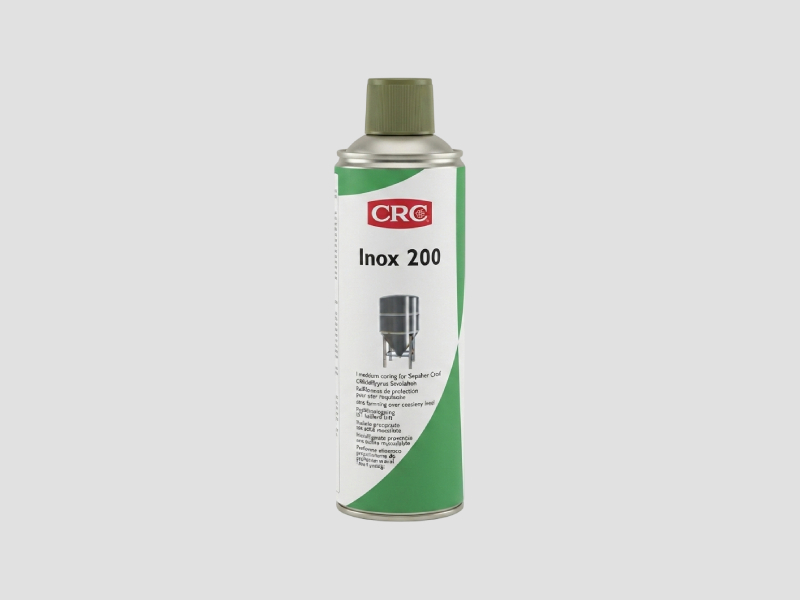
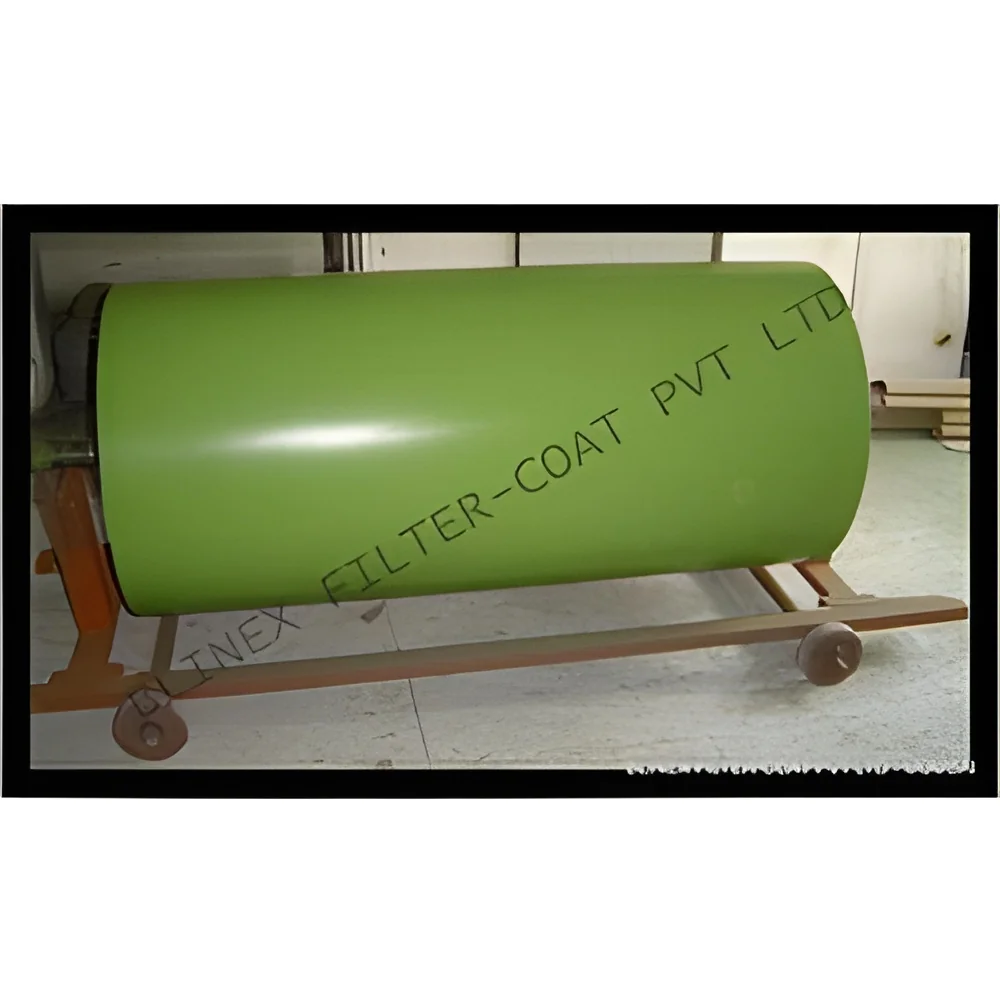
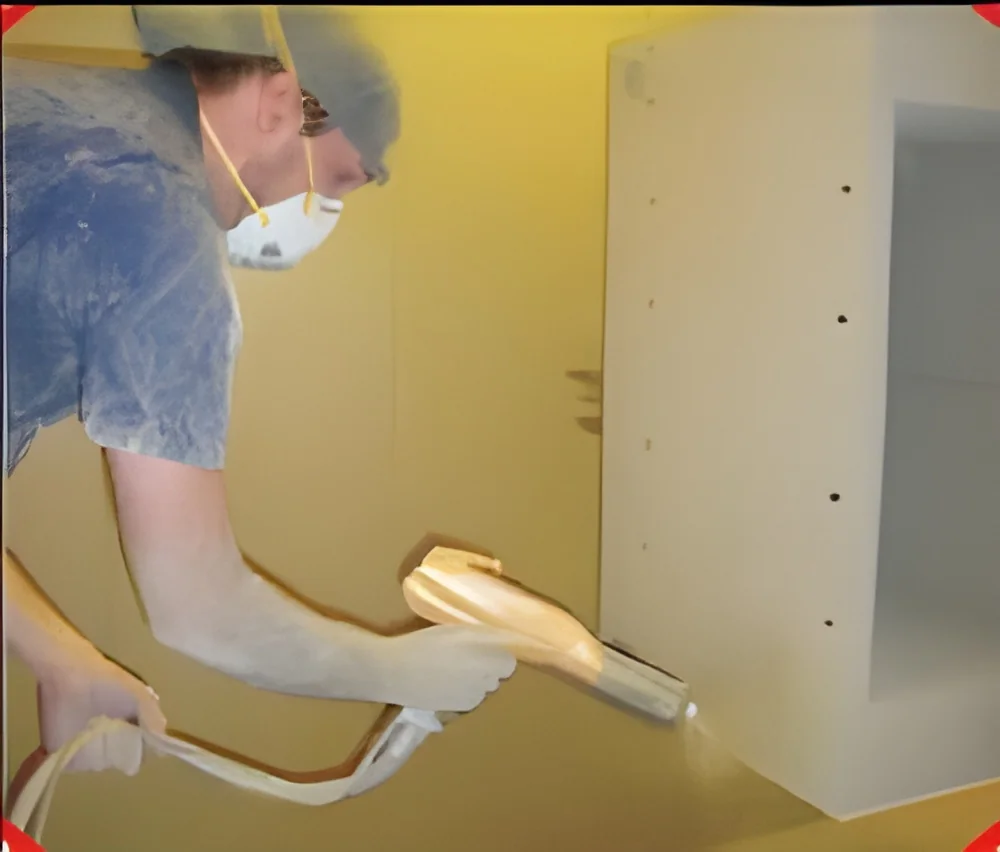
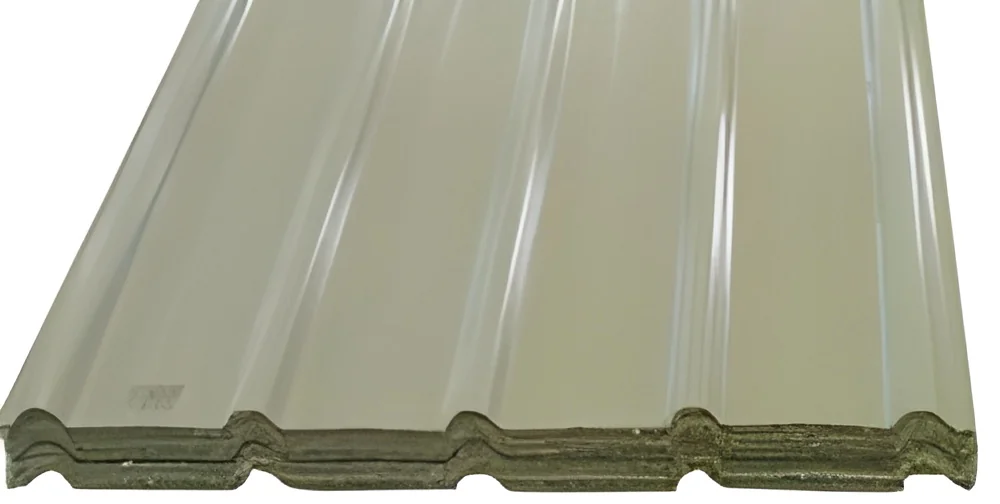
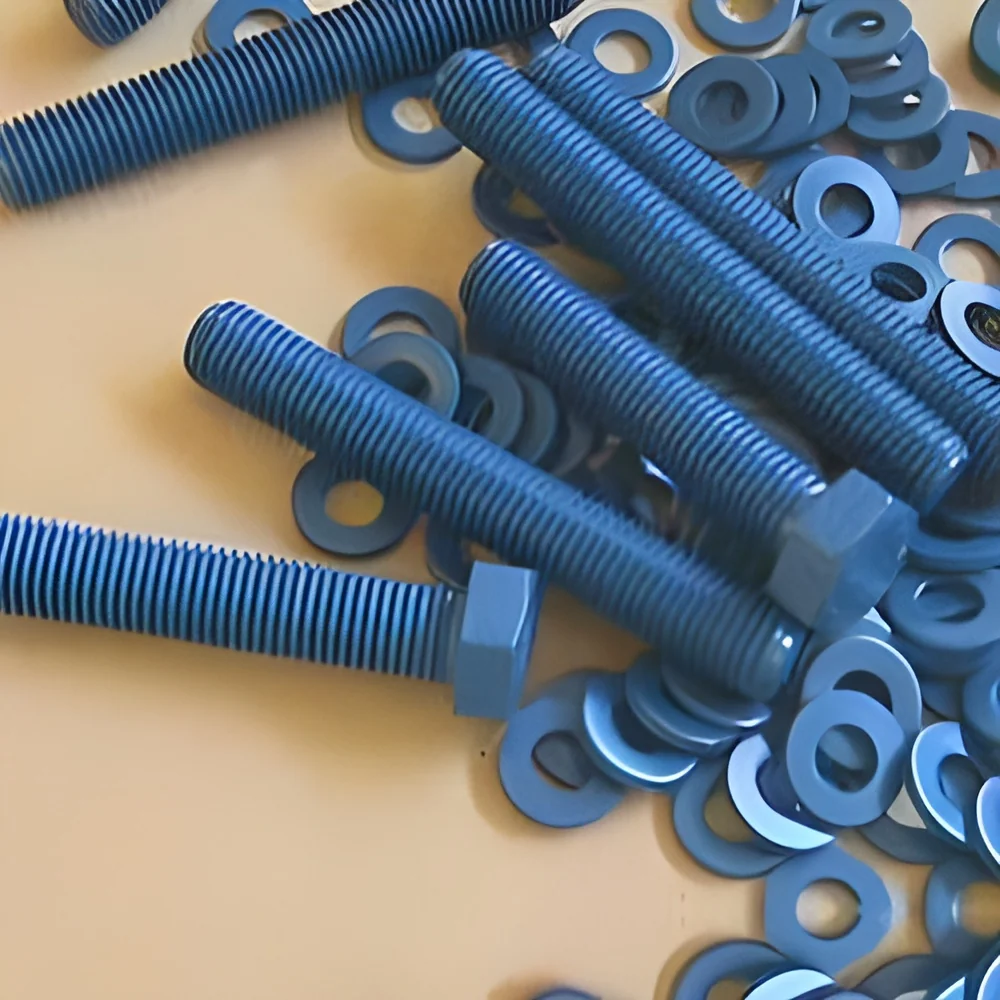
Anti-Corrosive Industrial Coatings are specialized protective finishes designed to prevent corrosion on metal surfaces. These coatings create a barrier that shields the substrate from environmental factors such as moisture, chemicals, and oxygen, which can lead to rust and degradation. The formulation of these coatings varies widely, incorporating various resins, pigments, and additives to enhance their protective properties.
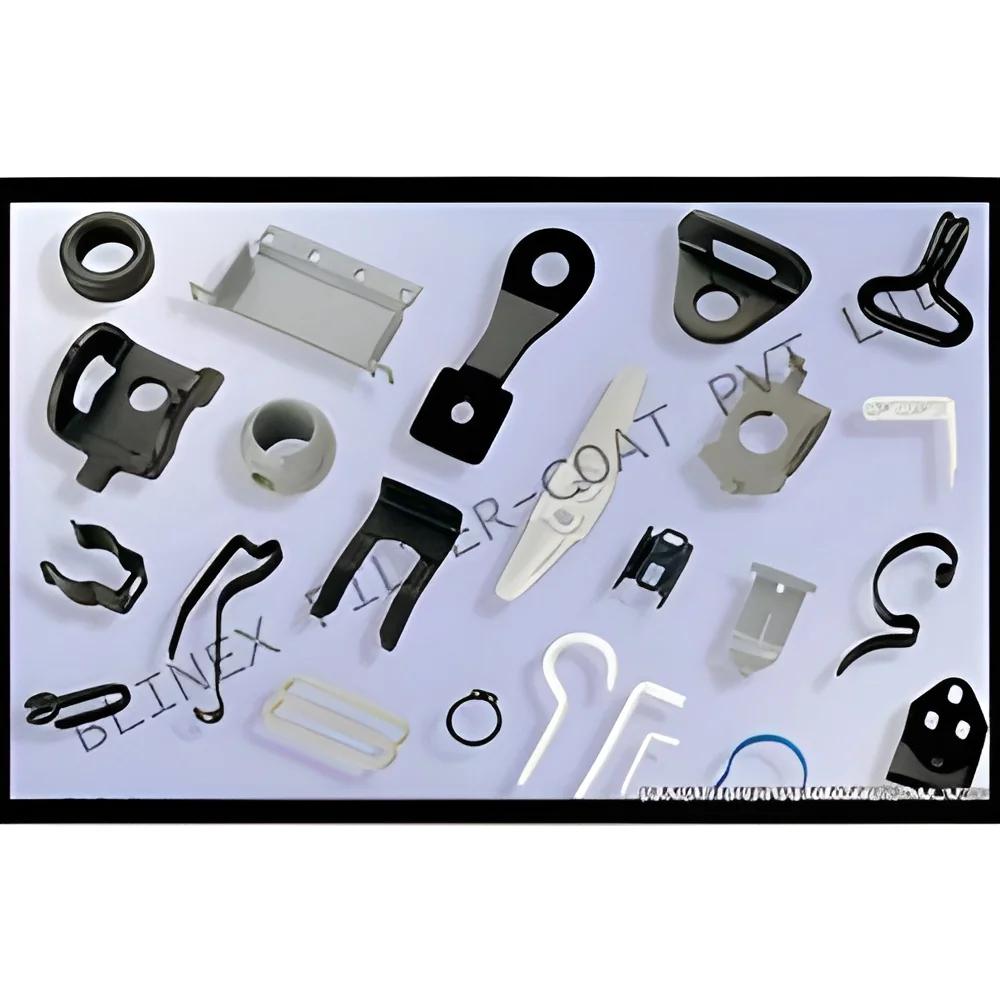
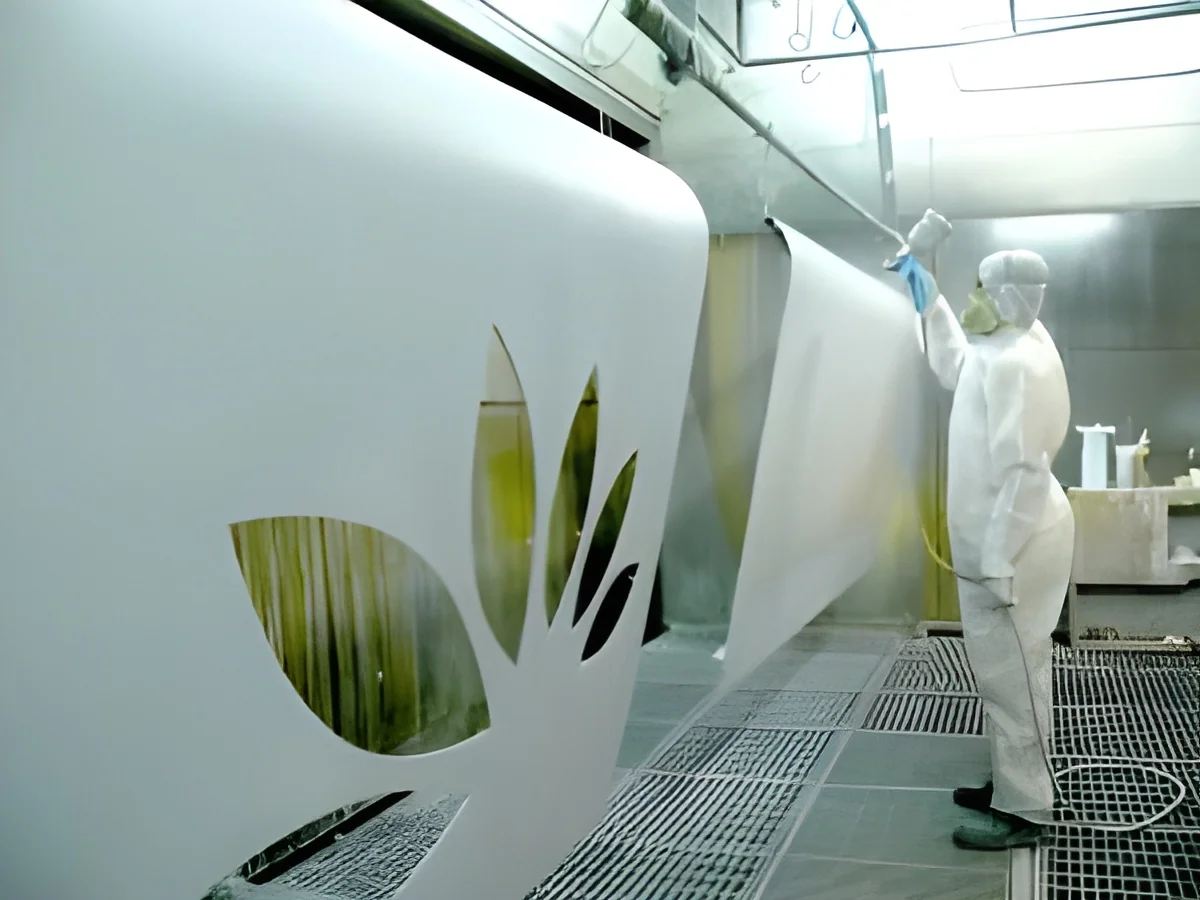
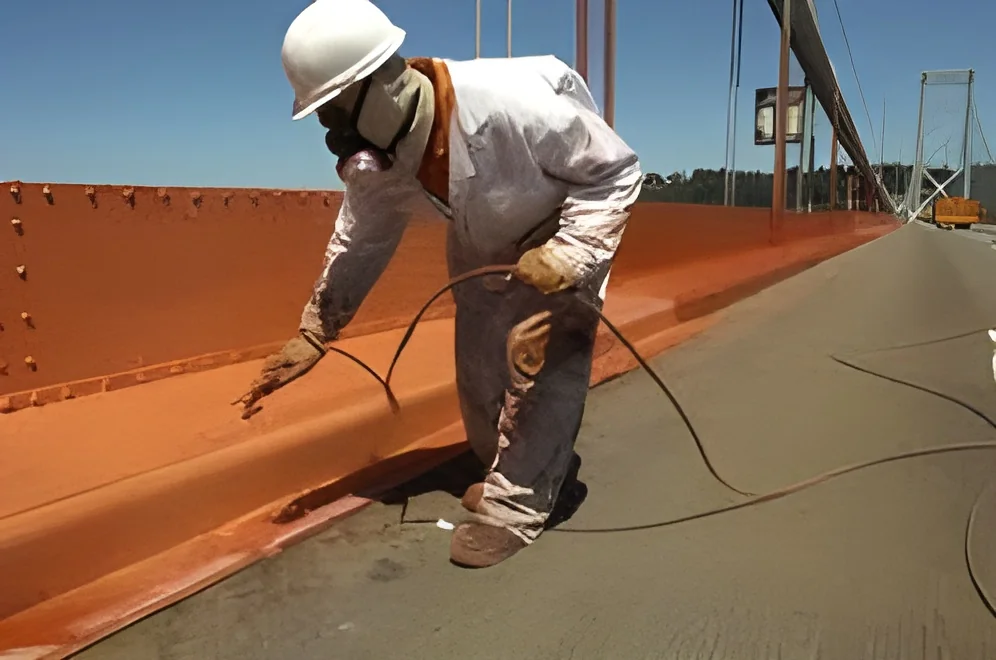
These coatings find primary use in industries where metal surfaces are exposed to harsh conditions. Common applications include oil and gas, marine, construction, and manufacturing. By applying anti-corrosive coatings, businesses can prolong the lifespan of their equipment and structures, resulting in significant cost savings on maintenance and replacements. The demand for these coatings is rising in response to increasing regulations and the need for sustainable practices in various sectors.
Key Features and Specifications
Anti-Corrosive Industrial Coatings are characterized by their durability, resistance to chemicals, and ability to withstand extreme temperatures. The right specification can tailor the coating to specific applications and environmental conditions.
Key specifications include:
1. Adhesion Strength
- Determines how well the coating bonds to the substrate.
- Typically measured in pounds per square inch (psi).
2. Drying Time
- Refers to the time taken for the coating to dry to touch and achieve full cure.
- Usually ranges from 30 minutes to several hours depending on the formula.
3. Chemical Resistance
- Measures the coating's ability to withstand exposure to various chemicals.
- Rated against specific substances such as acids, bases, and solvents.
4. Temperature Tolerance
- Indicates the maximum and minimum temperatures the coating can withstand.
- Can vary widely based on formulation but often ranges from -20°C to 120°C.
5. Color Retention
- Evaluates the coating’s ability to maintain its color when exposed to sunlight and weather conditions.
- Important for aesthetic applications.
6. Thickness
- Refers to the applied layer's thickness, which impacts protection and durability.
- Typically measured in mils or micrometers.
7. Flexibility
- Assesses how much the coating can stretch and bend without cracking.
- Important in applications subject to mechanical stress.
8. VOC Content
- Volatile Organic Compounds content must be considered for environmental compliance.
- Lower VOC levels are preferred for indoor applications.
In summary, selecting the right anti-corrosive industrial coating requires an understanding of these specifications to ensure optimal performance and longevity.
Common Applications and Use Cases
Anti-Corrosive Industrial Coatings serve a wide array of industries, each with specific applications that highlight the versatility of the product.
1. Oil and Gas: These coatings protect pipelines and storage tanks from corrosive environments, ensuring operational safety and integrity.
2. Marine: In marine applications, coatings prevent rust and deterioration of ships and offshore structures exposed to saltwater.
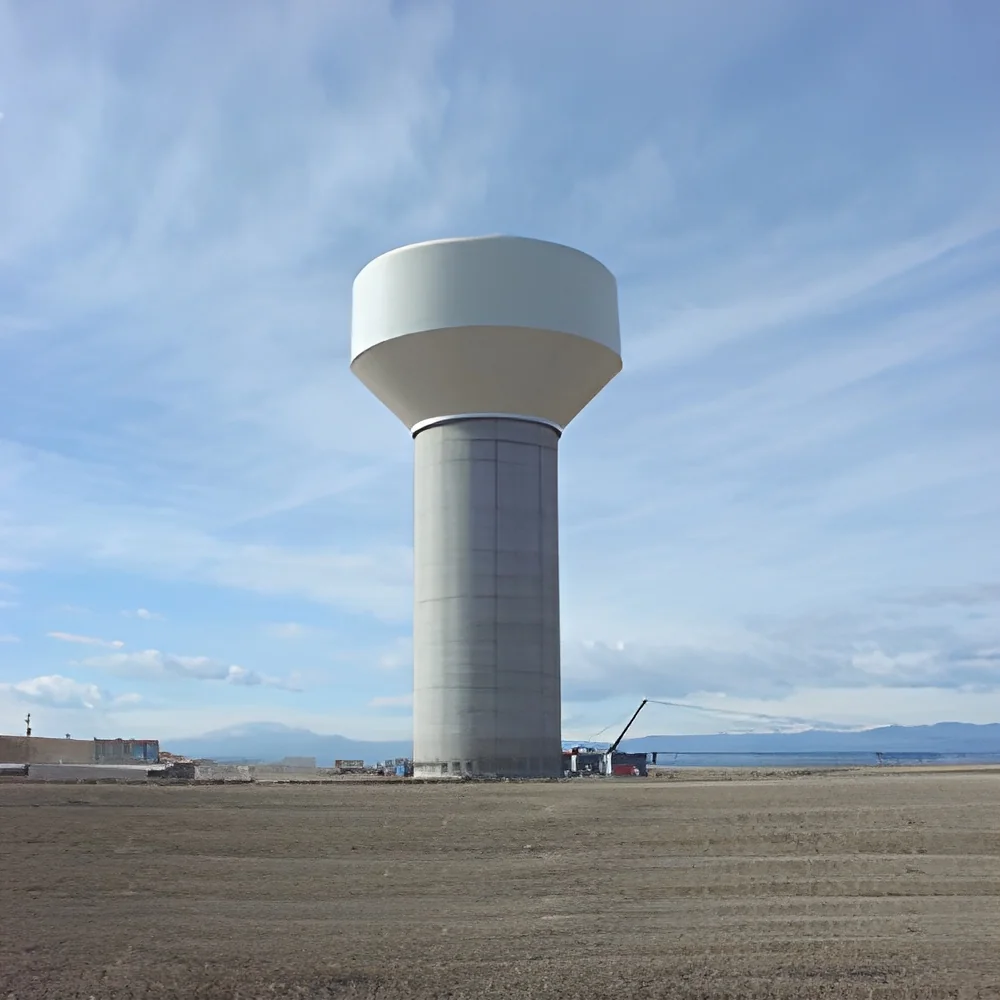
3. Construction: Coatings are used on structural steel and concrete, protecting buildings and infrastructure from weathering and corrosion.
4. Manufacturing: Equipment and machinery in manufacturing plants benefit from these coatings, reducing downtime and maintenance costs.
5. Transportation: Anti-corrosive coatings are essential for vehicles and transportation infrastructure, ensuring longevity and performance.
6. Power Generation: Coatings protect critical components in power plants from harsh chemical environments, enhancing reliability.
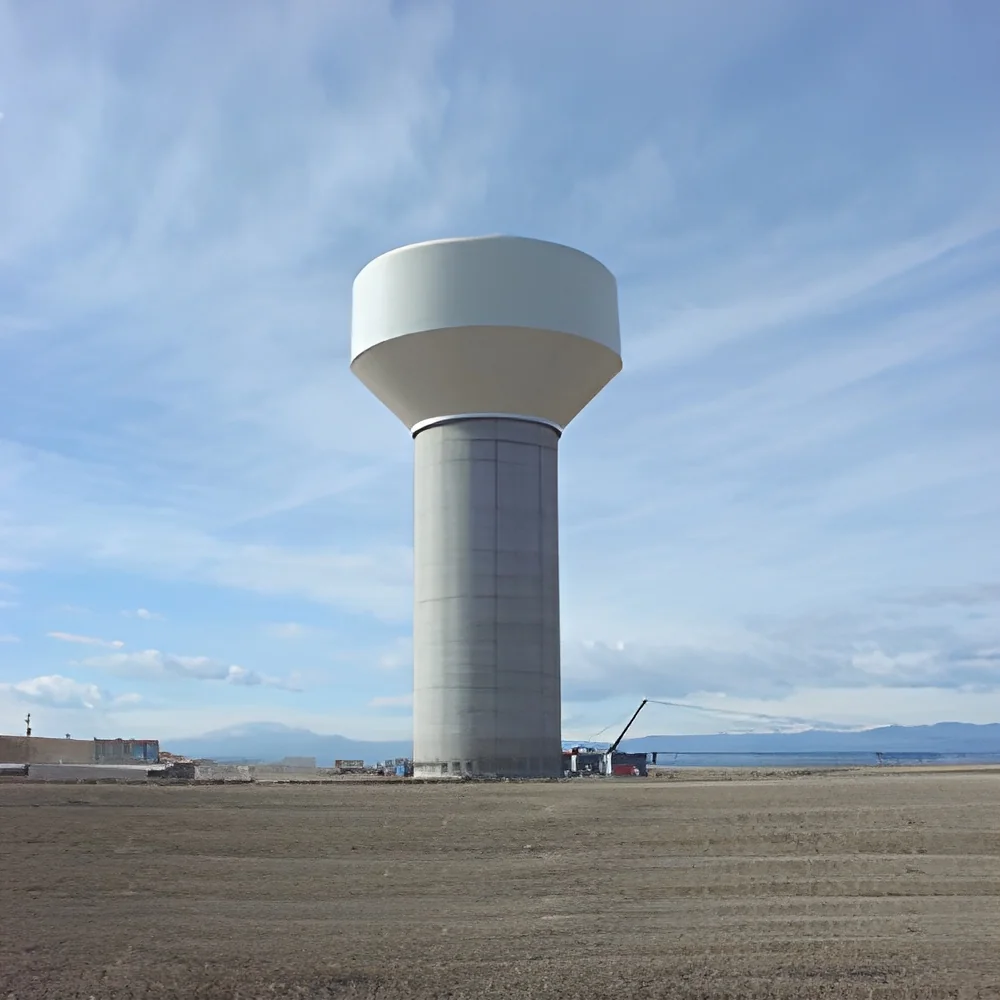
7. Water Treatment: These coatings help maintain the integrity of tanks and pipelines in wastewater treatment facilities.
Product Variants and Subcategories
Anti-Corrosive Industrial Coatings come in various formulations to address specific needs across different industries.
Epoxy Coatings: Known for their exceptional adhesion and chemical resistance, epoxy coatings are widely used in industrial environments, particularly where heavy machinery is present.
Polyurethane Coatings: These coatings provide a high gloss finish and excellent UV resistance, making them ideal for applications exposed to sunlight.
Acrylic Coatings: Fast-drying and easy to apply, acrylic coatings are often used for indoor applications due to their low VOC content.
Zinc-Rich Coatings: These coatings contain a high percentage of zinc, offering galvanic protection and are commonly used in steel fabrication.
Alkyd Coatings: Designed for environments with moderate exposure, alkyd coatings provide a good balance of durability and ease of application.
Benefits and Advantages
Anti-Corrosive Industrial Coatings offer numerous benefits that contribute to operational efficiency and cost-effectiveness.
1. Extended Lifespan: These coatings significantly extend the life of metal surfaces, reducing the frequency of replacements.
2. Cost Savings: By minimizing maintenance and repair costs, businesses can allocate resources more effectively.
3. Enhanced Safety: Coatings help prevent structural failures caused by corrosion, ensuring a safer working environment.
4. Environmental Protection: Many formulations are designed to meet strict environmental regulations, promoting sustainability.
5. Versatility: Available in various types and formulations, these coatings can be tailored to meet the specific needs of different industries.
6. Improved Aesthetics: High-quality coatings can enhance the appearance of surfaces, which is crucial for customer-facing applications.
Buying Guide for B2B Buyers
When sourcing Anti-Corrosive Industrial Coatings, buyers should consider several key factors.
1. Quality Assessment: Ensure that coatings meet relevant quality standards and have undergone rigorous testing for performance.
2. Supplier Verification: Vet suppliers to confirm their reliability and ability to deliver consistent quality and service.
3. Pricing and MOQ: Understand the pricing structure and minimum order quantities to align with budget and inventory needs.
4. Delivery and Lead Times: Assess logistics to ensure timely delivery, which is crucial for project schedules.
5. Compliance Requirements: Verify that coatings comply with industry regulations and standards to avoid legal complications.
Compliance and Certifications
Anti-Corrosive Industrial Coatings must adhere to various quality standards and certifications.
ISO 9001 certification ensures that manufacturers maintain high-quality management practices throughout production.
CE marking indicates compliance with European health, safety, and environmental protection standards, making it crucial for products sold in the European market.
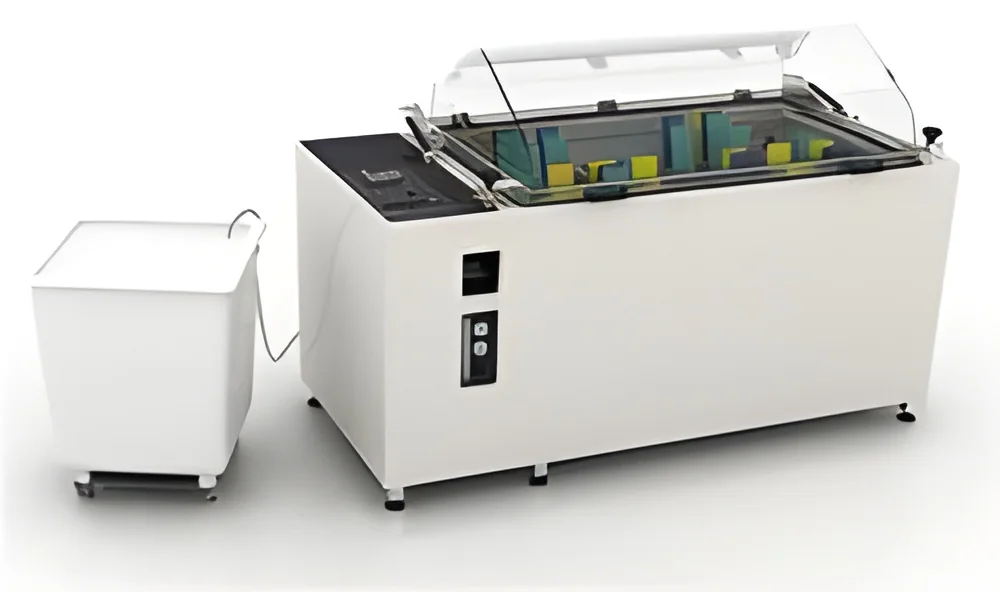
Safety and testing requirements are essential to demonstrate that coatings perform effectively under specified conditions.
Regional compliance considerations may vary, so it is important for manufacturers to be aware of local regulations that may affect product specifications.
Why Source Anti-Corrosive Industrial Coatings from Pepagora?
Pepagora provides a trusted platform for sourcing Anti-Corrosive Industrial Coatings, offering several key advantages to B2B buyers.
Verified Supplier Network: Pepagora features a robust network of verified suppliers, ensuring that buyers can find reputable sources for high-quality coatings.
Streamlined RFQ Process: The Request for Quotation process is designed to be efficient, allowing buyers to receive multiple quotes quickly and compare options.
Trade Assurance and Support: Pepagora offers buyer protection through trade assurance, giving businesses confidence in their purchasing decisions.
Regional Coverage: With a strong presence in India, the GCC, and Southeast Asia, Pepagora facilitates access to a wide range of suppliers, catering to diverse market needs.

 IN
IN