IN
₹
Apparel & Fashion
Description
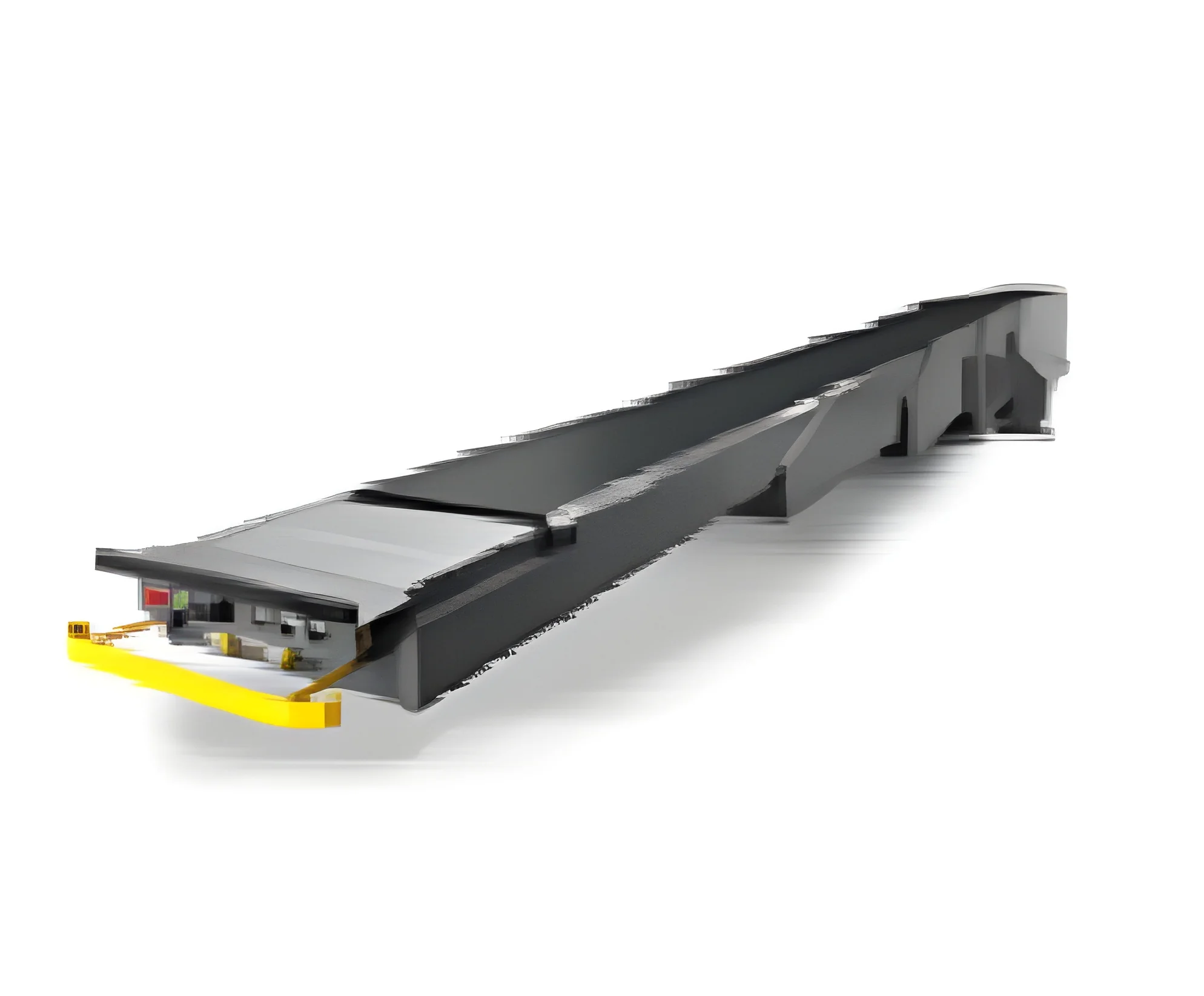
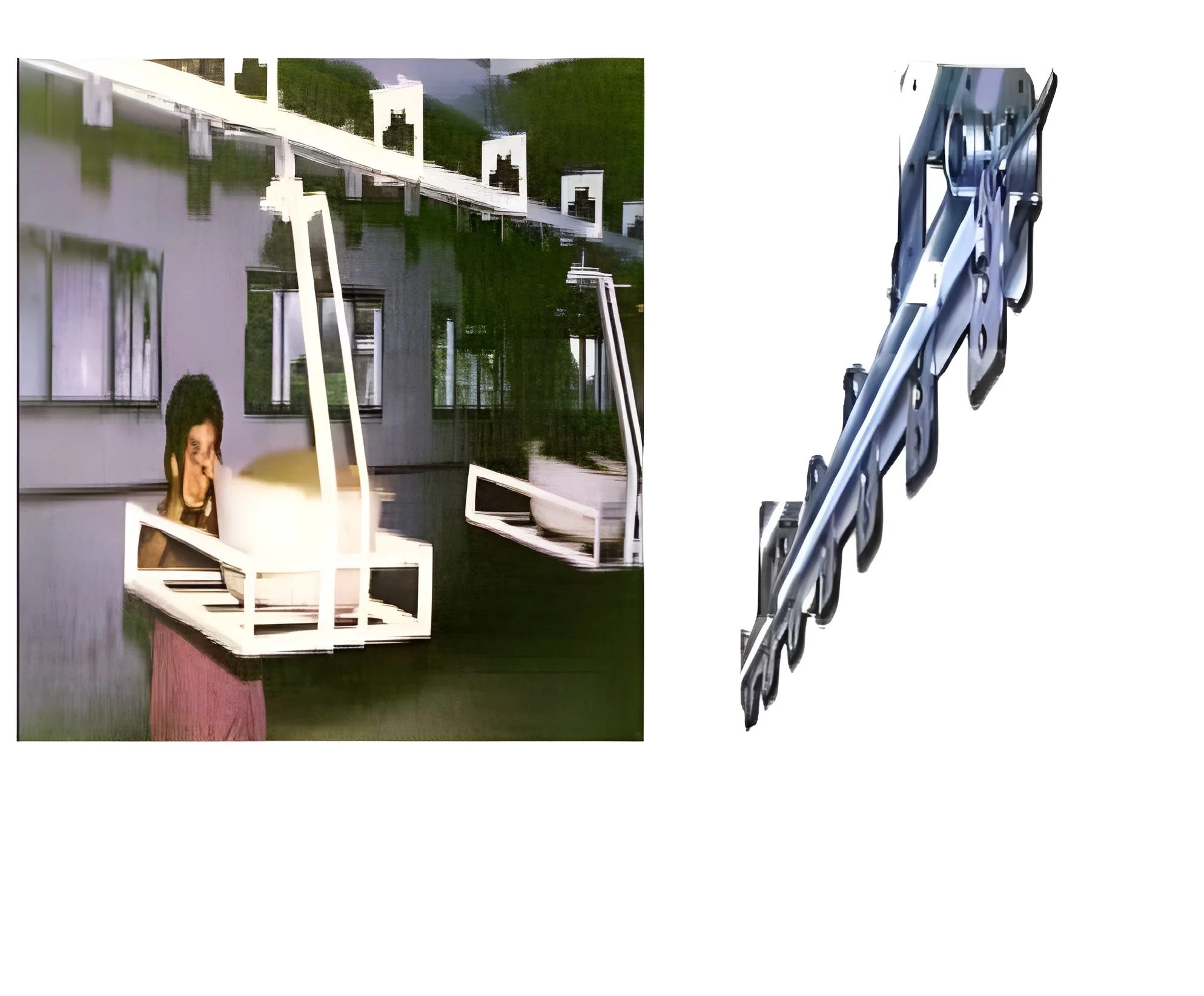
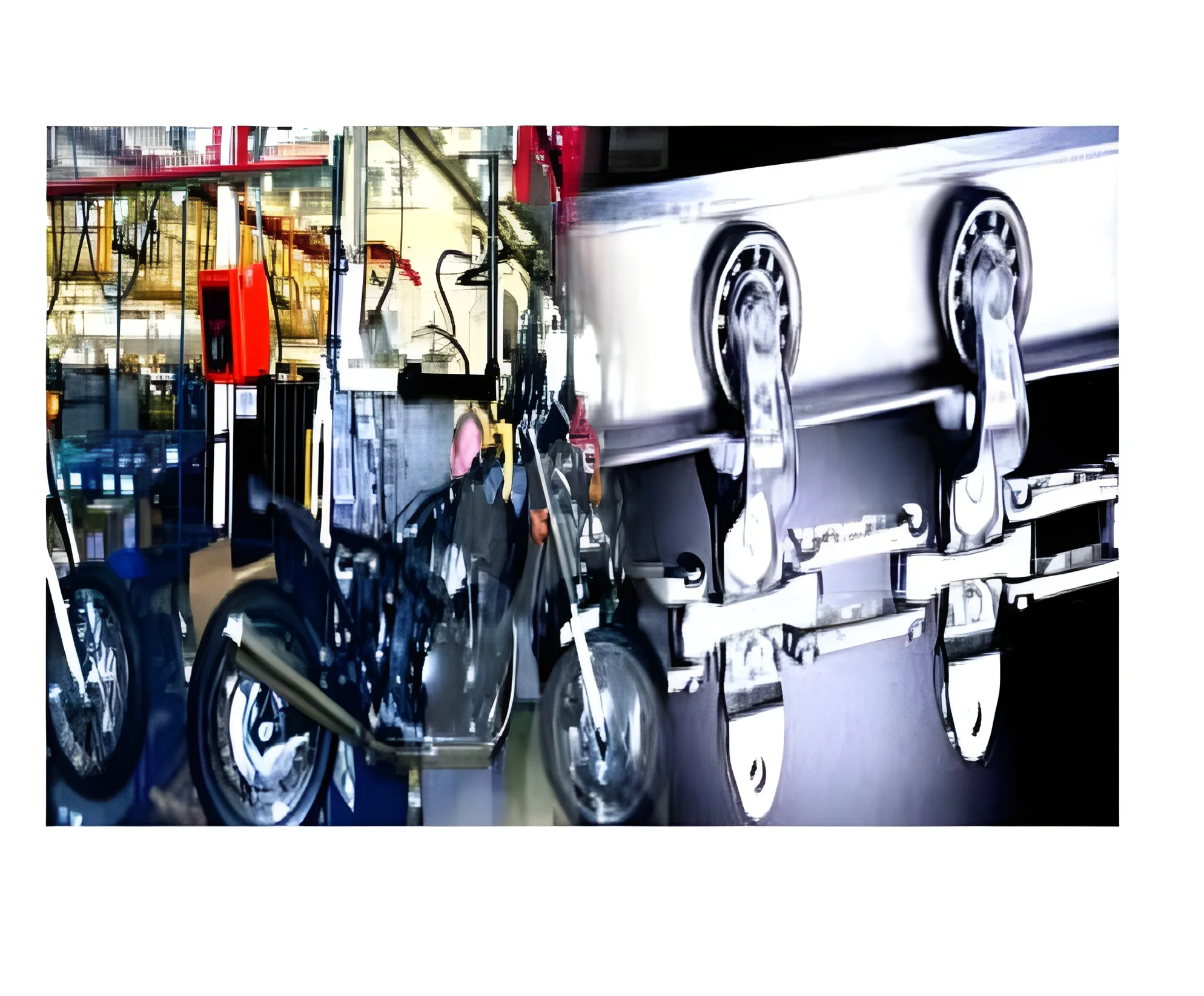
Industrial two wheel overhead conveyors represent advanced material handling solutions engineered for maximum efficiency and reliability in demanding industrial environments. These systems feature a robust two-wheel design that ensures smooth transportation of materials while maintaining consistent performance across various operational conditions. The overhead configuration optimizes facility space utilization by moving materials above ground level, freeing up valuable floor space for other critical operations. Built with durability as a core principle, these conveyors handle diverse load capacities and operational demands while requiring minimal maintenance intervention. Their straightforward design eliminates complex mechanisms that often lead to breakdowns, ensuring continuous operation and reducing the need for specialized technical support.

These overhead conveyor systems serve essential functions across multiple industrial sectors where efficient material movement is crucial fo...
Industrial two wheel overhead conveyors represent advanced material handling solutions engineered for maximum efficiency and reliability in demanding industrial environments. These systems feature a robust two-wheel design that ensures smooth transportation of materials while maintaining consistent performance across various operational conditions. The overhead configuration optimizes facility space utilization by moving materials above ground level, freeing up valuable floor space for other critical operations. Built with durability as a core principle, these conveyors handle diverse load capacities and operational demands while requiring minimal maintenance intervention. Their straightforward design eliminates complex mechanisms that often lead to breakdowns, ensuring continuous operation and reducing the need for specialized technical support.

These overhead conveyor systems serve essential functions across multiple industrial sectors where efficient material movement is crucial for productivity. In automobile manufacturing facilities, they facilitate the seamless transfer of components between assembly stations, maintaining production flow without interruptions. Tea processing plants utilize these conveyors to transport leaves through various stages including drying, sorting, and packaging operations while preserving product quality. Leather manufacturing facilities benefit from their ability to move hides between tanning, finishing, and quality control processes efficiently. The systems also prove invaluable in warehousing operations and distribution centers where consistent material movement directly impacts operational throughput and order fulfillment capabilities.

The business value delivered by these two wheel overhead conveyors extends well beyond basic material transportation, providing substantial operational advantages and cost efficiencies. Their minimal maintenance requirements significantly reduce downtime and lower long-term operational expenses, while their reliable performance ensures consistent production flow without unexpected interruptions. The quality construction and proven reliability guarantee years of trouble-free operation, making them a strategic investment for businesses focused on optimizing their material handling processes. These systems enhance workplace safety by moving materials overhead, reducing floor-level congestion and minimizing potential hazards associated with ground-level transportation. The efficiency gains achieved through optimized material flow contribute directly to improved productivity and enhanced overall operational performance across various industrial applications.

Key Features:
- Robust two-wheel design ensuring smooth and reliable material transportation
- Overhead configuration that maximizes valuable floor space utilization
- Durable construction providing long-term performance and reliability
- Minimal maintenance requirements reducing operational downtime
- Efficient material handling capabilities for various industrial applications

Benefits:
- Enhanced operational efficiency through optimized material flow
- Reduced maintenance costs and minimal operational downtime
- Improved workplace safety with overhead material transportation
- Long-term reliability ensuring consistent production performance
- Space optimization by utilizing overhead facility areas
Specifications
| Additional Information | |
|---|---|
| Country of Origin | India |
Application
Two wheel overhead conveyors provide versatile material transport solutions for manufacturing and processing facilities. Their overhead design maximizes floor space while moving materials efficiently between production stages, assembly lines, or storage areas with consistent reliability and minimal maintenance requirements for continuous operation.
These conveyor systems excel in environments requiring dependable material flow between different processing stages. The simple two-wheel mechanism ensures smooth transportation of various loads while maintaining operational efficiency. Industries benefit from their ability to handle diverse materials and adapt to different production layouts without compromising performance or reliability.
- Automobile manufacturing plants for moving chassis components between assembly stations
- Tea processing facilities for transporting leaves through drying and sorting processes
- Leather factories for moving hides between tanning and finishing operations
- Warehousing and distribution centers for efficient goods movement
- Packaging facilities for transporting products through labeling and sealing processes
Trade Details
| Available Stock | In Stock |
| Sample Availability | No |
Payment Terms
| Payment Terms |
|
Company Profile
Loknath Engineering, West Bengal
 West Bengal, India
Industrial Equipment & Machinery•Manufacturer•Importer / Exporter
Factory Details
Factory SizeBelow 1000 sqm
Annual Production Capacity0
Industrial Material Handling Two Wheel Overhead Conveyors For Efficiency
Industrial two wheel overhead conveyors deliver efficient material handling with reliable performance and minimal maintenance requirements. These systems optimize production workflows across manufacturing and processing facilities while reducing operational costs through durable construction and smooth operation.
Min. Order Quantity: 1 unit
Shipping
Shipping fee and delivery date to be negotiated. Contact supplier now for more details.
Loknath Engineering
 West Bengal, India
Industrial Equipment & MachineryManufacturer