IN
IN₹
Apparel & Fashion
Description
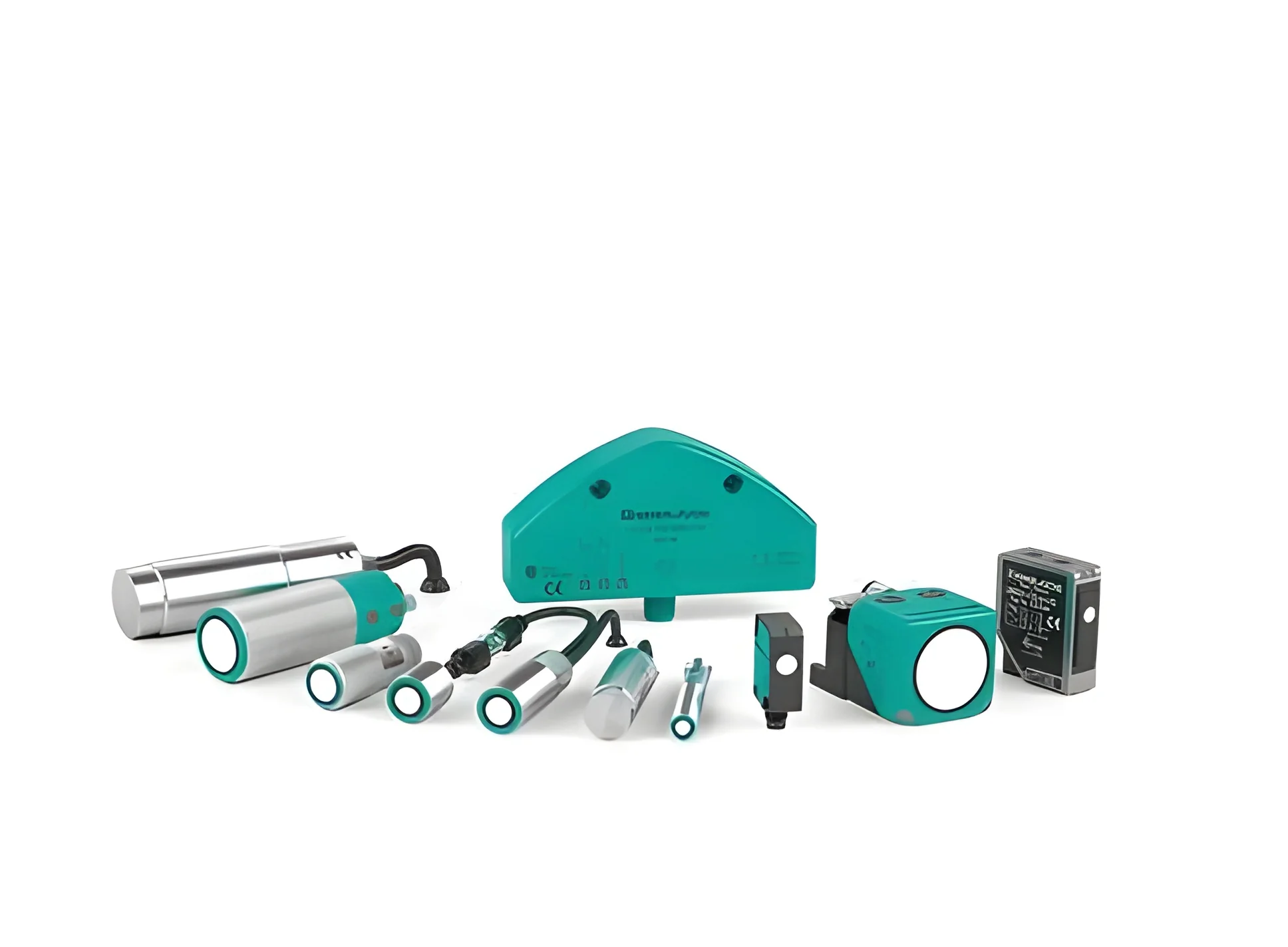
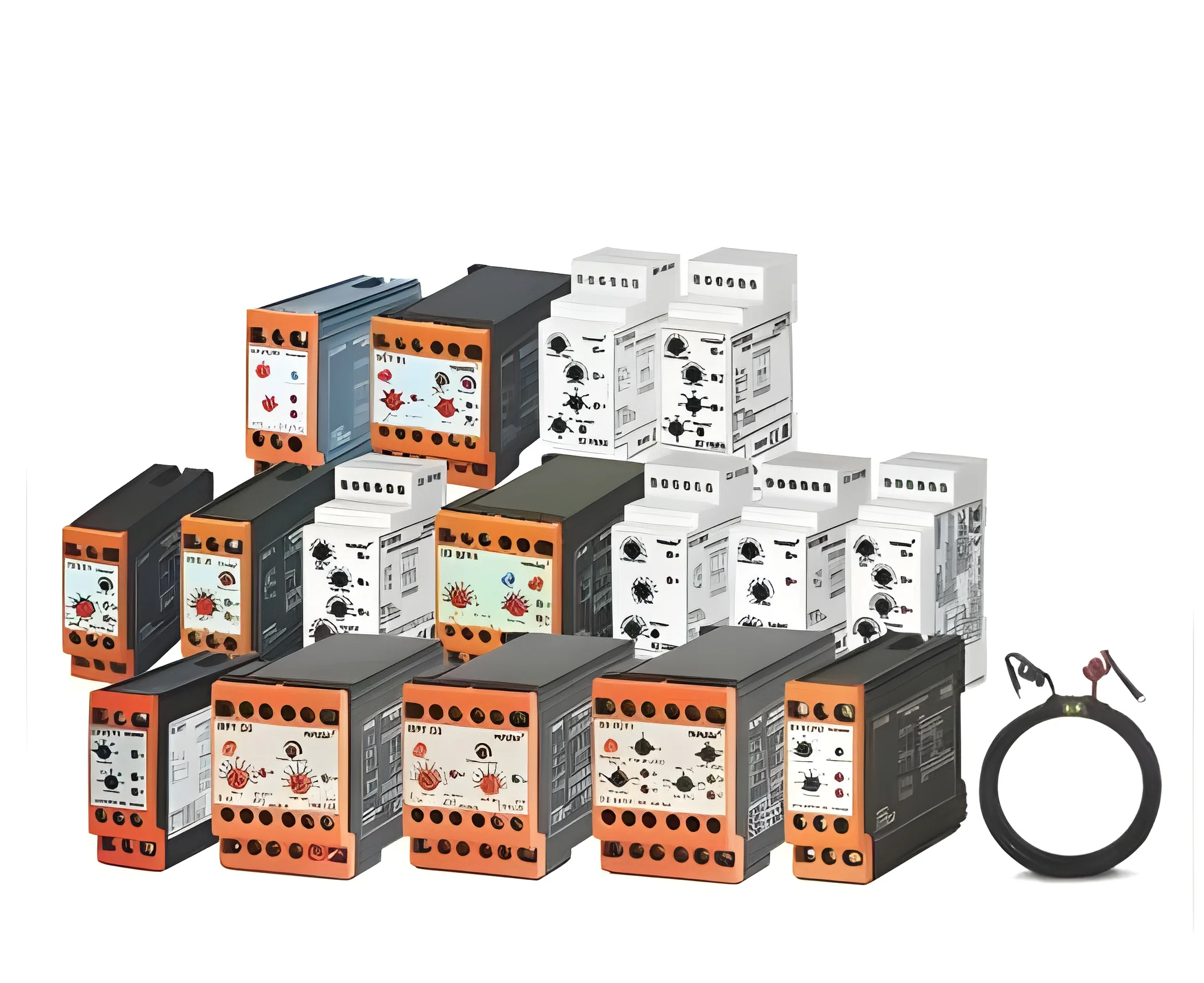
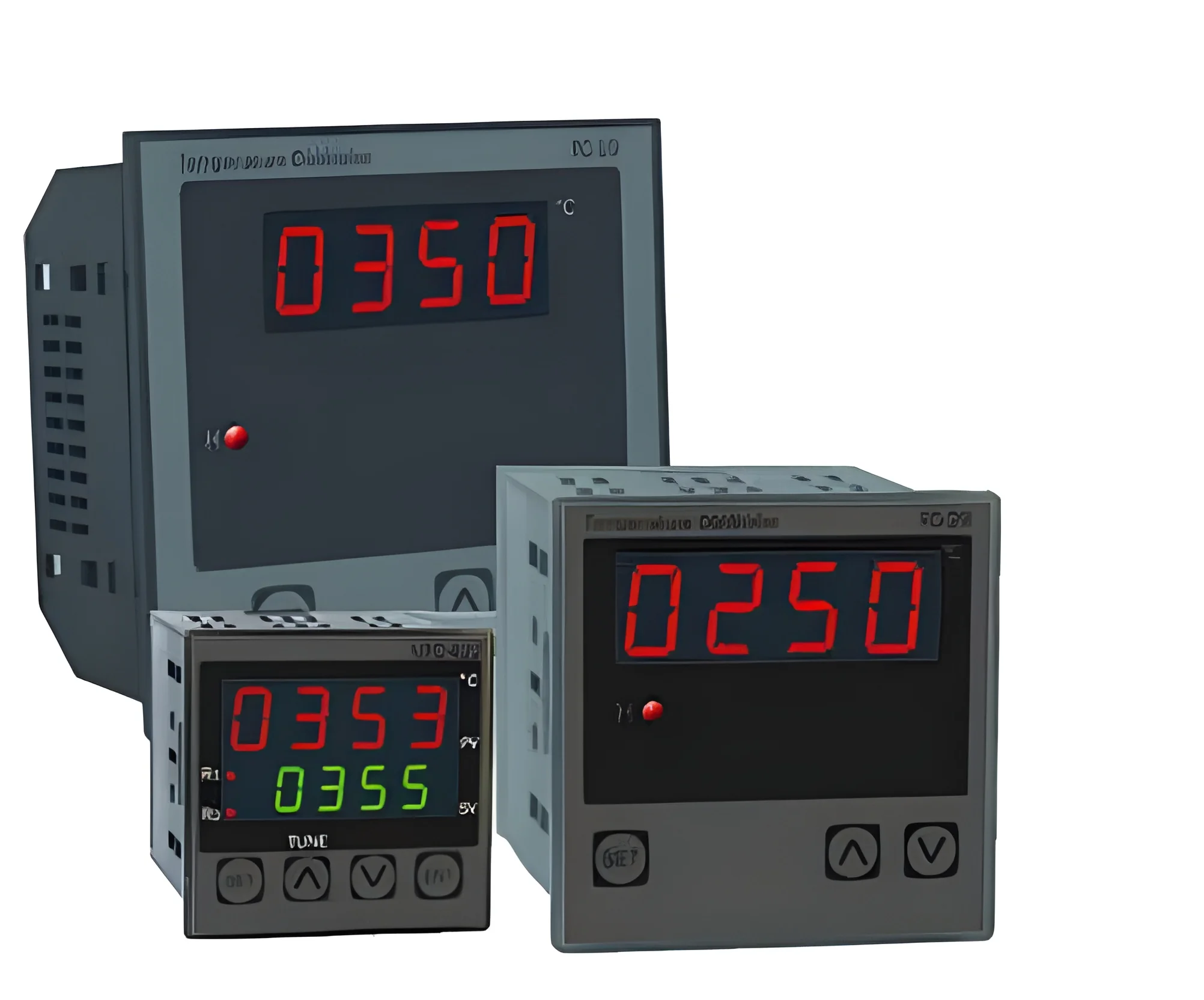
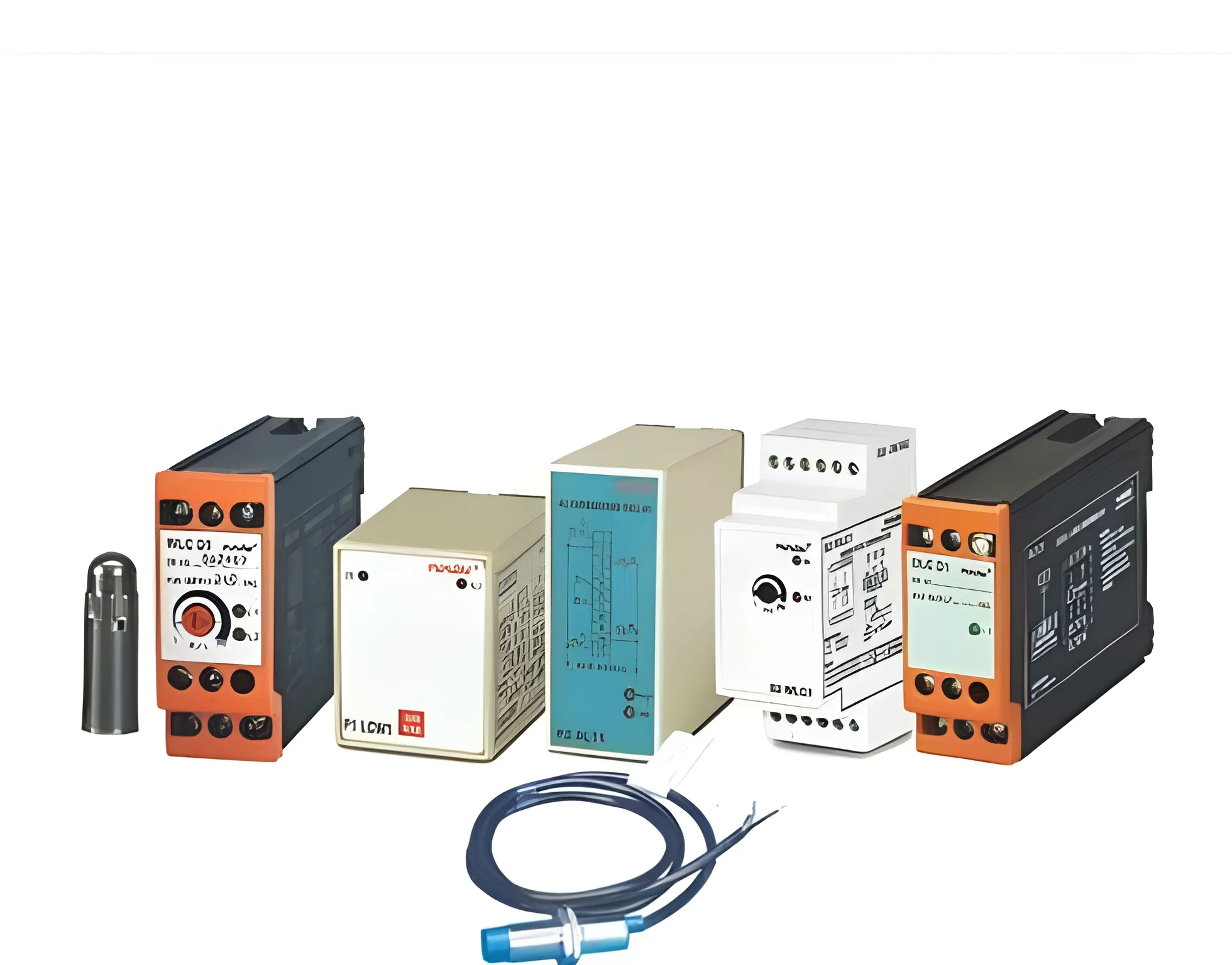
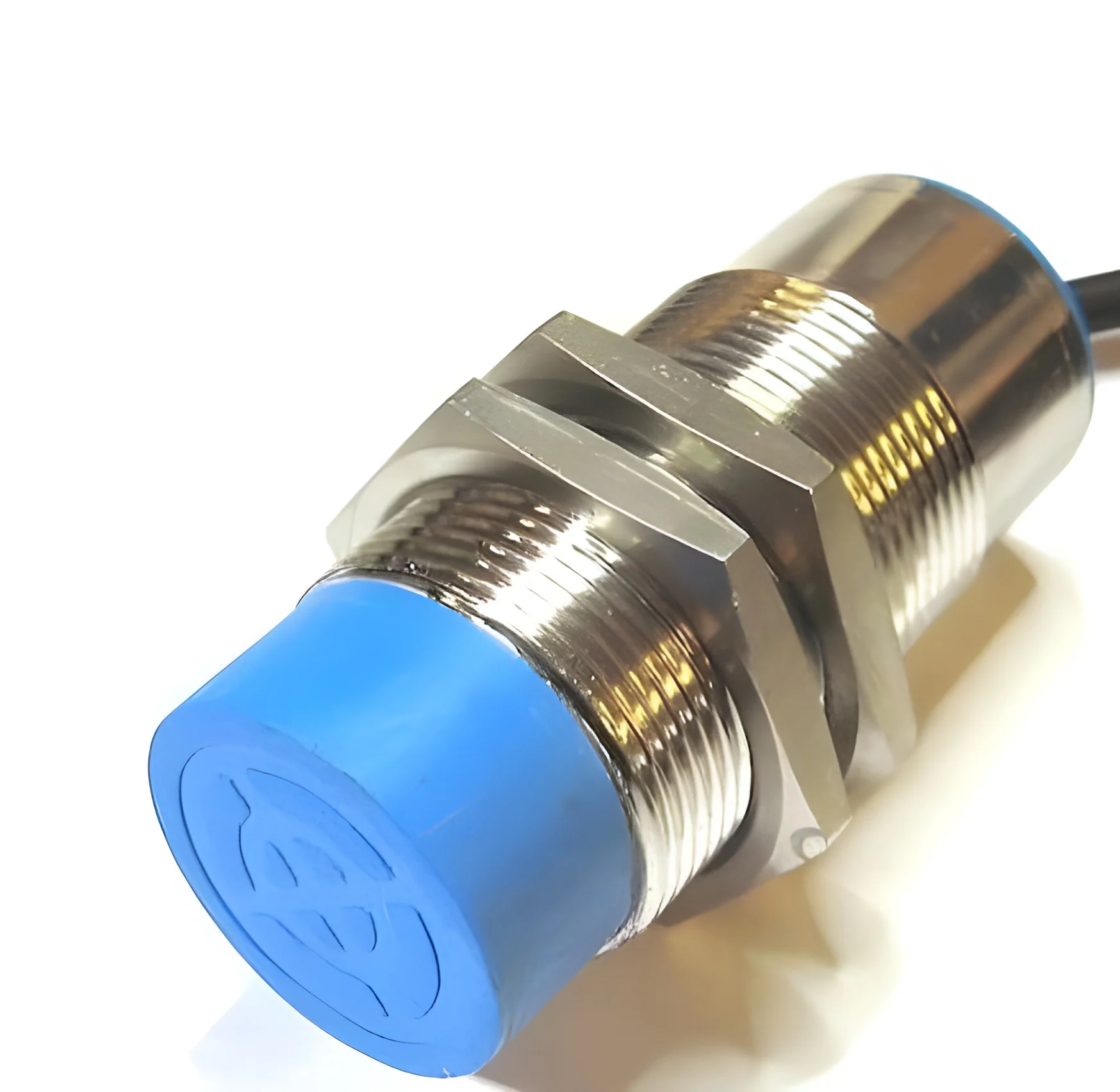
Proximity sensors are advanced electronic devices that detect the presence, absence, or position of nearby objects without any physical contact, using technologies including inductive, capacitive, ultrasonic, and optical methods. These sensors provide reliable, real-time feedback for automation systems by emitting electromagnetic fields or beams and detecting changes when objects enter their sensing range. Designed for durability and precision, they operate effectively in various environmental conditions while maintaining consistent performance. Their contactless operation eliminates mechanical wear, significantly reducing maintenance requirements and extending equipment lifespan across industrial applications. The sensors seamlessly integrate with programmable logic controllers (PLCs), microcontrollers, and industrial control systems, making them versatile solutions for modern automation needs.

These sensors serve critical functions across multiple industries including manufacturing,...
Proximity sensors are advanced electronic devices that detect the presence, absence, or position of nearby objects without any physical contact, using technologies including inductive, capacitive, ultrasonic, and optical methods. These sensors provide reliable, real-time feedback for automation systems by emitting electromagnetic fields or beams and detecting changes when objects enter their sensing range. Designed for durability and precision, they operate effectively in various environmental conditions while maintaining consistent performance. Their contactless operation eliminates mechanical wear, significantly reducing maintenance requirements and extending equipment lifespan across industrial applications. The sensors seamlessly integrate with programmable logic controllers (PLCs), microcontrollers, and industrial control systems, making them versatile solutions for modern automation needs.

These sensors serve critical functions across multiple industries including manufacturing, automotive, packaging, and consumer electronics. In industrial automation, they enable precise positioning of components on assembly lines and ensure proper sequencing in manufacturing processes. The automotive sector utilizes them for robotic welding, part detection, and safety systems in production facilities. Packaging industries rely on proximity sensors for product counting, sorting, and quality control operations. Consumer electronics manufacturers incorporate them into devices for touchless interfaces and power conservation features. Their adaptability makes them suitable for harsh industrial environments as well as precision applications requiring sensitive detection capabilities.

Businesses benefit from proximity sensors through improved operational efficiency, enhanced safety protocols, and reduced downtime. The reliability of these components ensures consistent production quality and minimizes errors in automated processes. Their non-contact nature eliminates mechanical wear, leading to lower maintenance costs and longer service life compared to mechanical switches. Customization options allow for tailored solutions that address specific application requirements, providing competitive advantages in specialized industries. The sensors' compatibility with existing control systems facilitates easy integration without major infrastructure changes, delivering quick return on investment through increased productivity and reduced operational expenses.

Key Features:
- Non-contact object detection using electromagnetic fields
- Multiple technology options including inductive and capacitive
- Durable construction for industrial environments
- Easy integration with PLCs and control systems
- Customizable sensing ranges and output configurations

Benefits:
- Reduces mechanical wear and maintenance costs
- Enhances operational safety and prevents collisions
- Improves production efficiency and automation
- Provides reliable performance in harsh conditions
- Enables precise positioning and quality control
Specifications
| Additional Information | |
|---|---|
| Country of Origin | India |
Application
Proximity sensors are essential components in modern industrial automation, providing non-contact detection for machinery, robotics, and assembly lines. They enhance operational efficiency by enabling precise object positioning, automated control, and safety interlocks without physical touch, reducing wear and maintenance costs across various applications.
These sensors are widely used in consumer electronics, automotive manufacturing, and packaging industries for their reliability and versatility. They support quality control, inventory management, and automated processes by detecting presence, absence, or position of objects, ensuring smooth and uninterrupted production flows in diverse industrial environments. Real-world applications:
Real-world applications:
- Automated assembly lines for part presence verification and positioning
- Robotics for obstacle detection and precise movement control
- Conveyor systems for object counting and sorting operations
- Safety systems in machinery for operator protection and emergency stops
- Consumer devices like smartphones for screen activation and gesture recognition
Trade Details
| Available Stock | In Stock |
| Sample Availability | No |
Payment Terms
| Payment Terms |
|
Company Profile

Advancve Power Controls, Gujarat
 Gujarat, India
Gujarat, IndiaElectronics & Electrical•Manufacturer•Retailer
Factory Details
Factory SizeBelow 1000 sqm
Industrial Automation Proximity Sensors Non Contact Detection
Proximity sensors detect objects without contact, enabling automation, safety, and control in industrial machinery, robotics, and consumer electronics with reliable performance.
Min. Order Quantity: 1
Shipping
Shipping fee and delivery date to be negotiated. Contact supplier now for more details.
Advancve Power Controls
 Gujarat, India
Gujarat, IndiaElectronics & ElectricalManufacturer