IN
IN₹
Description
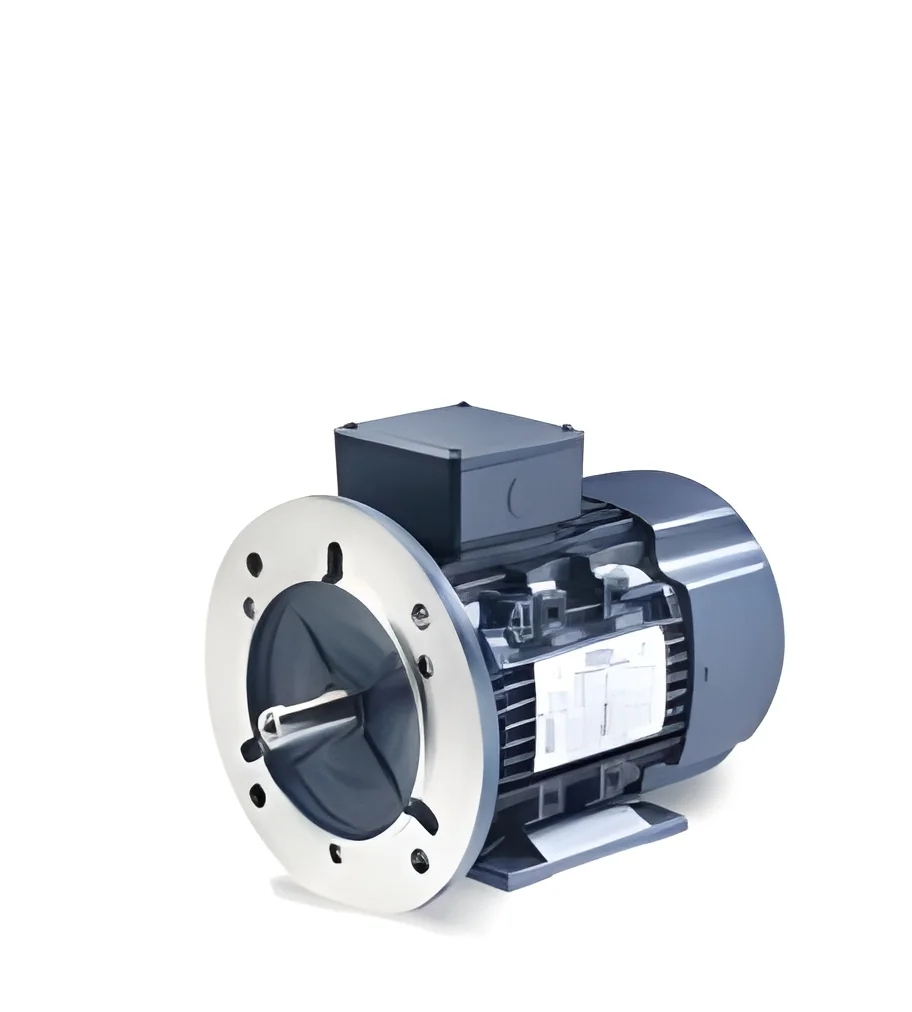
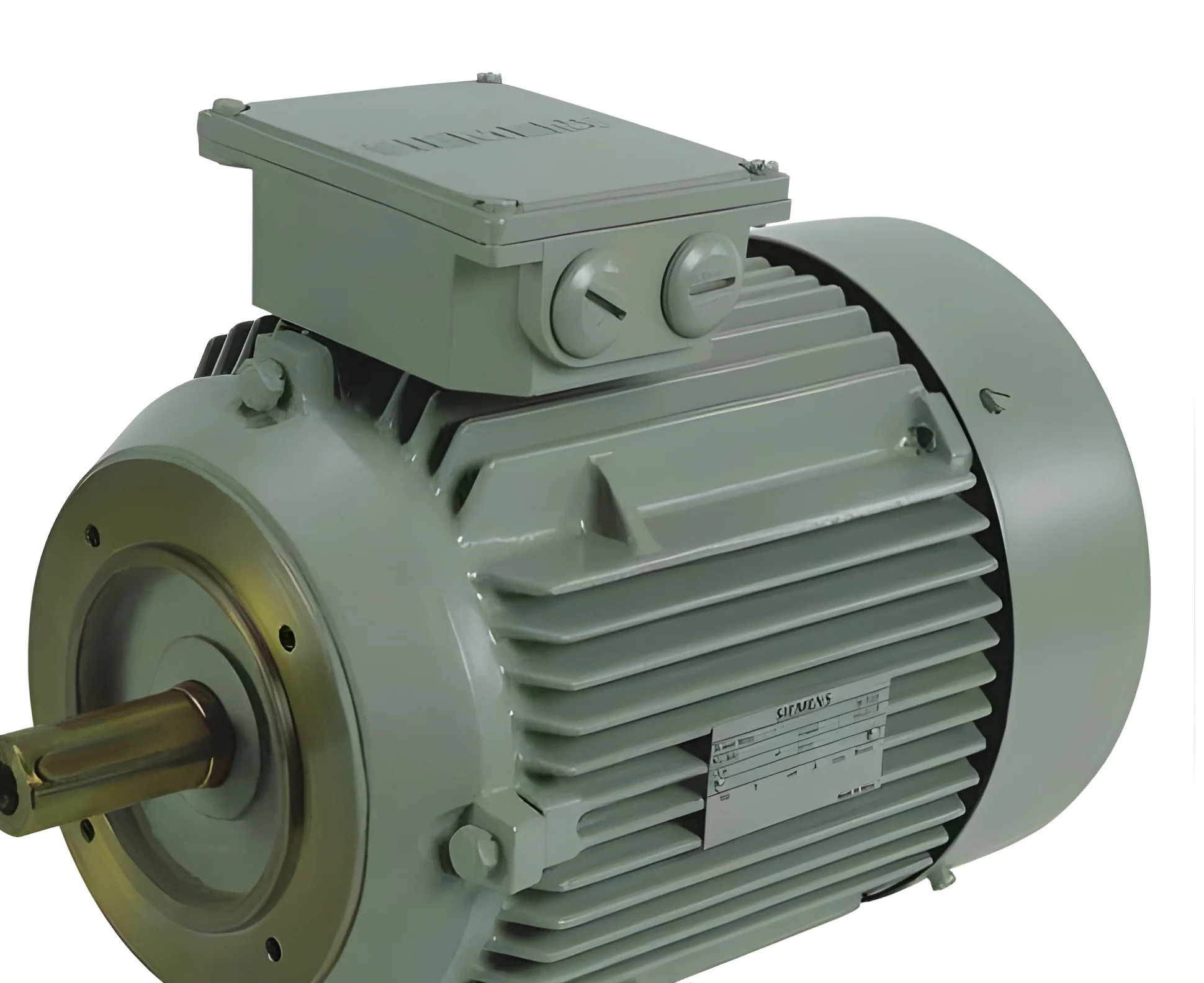
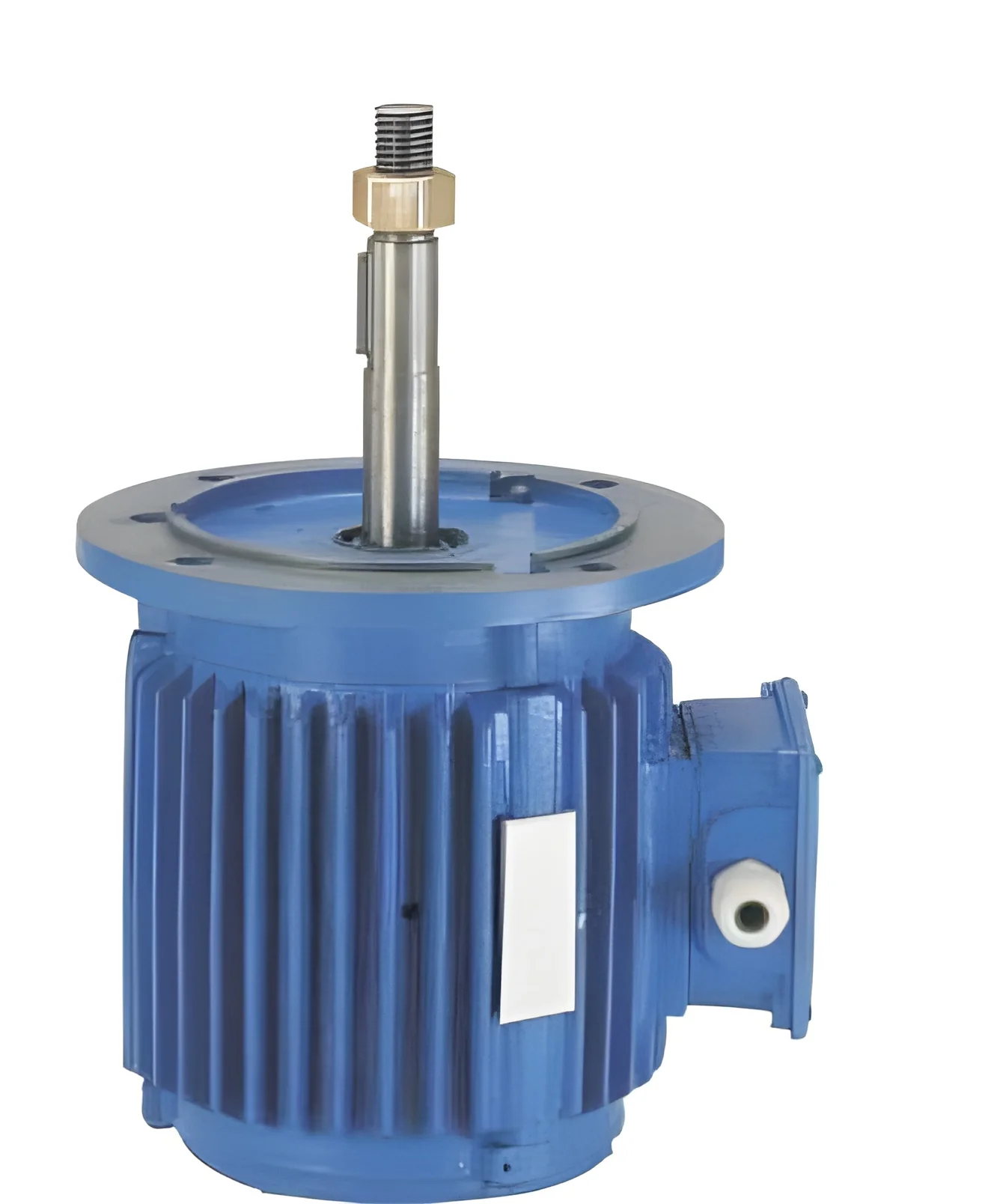
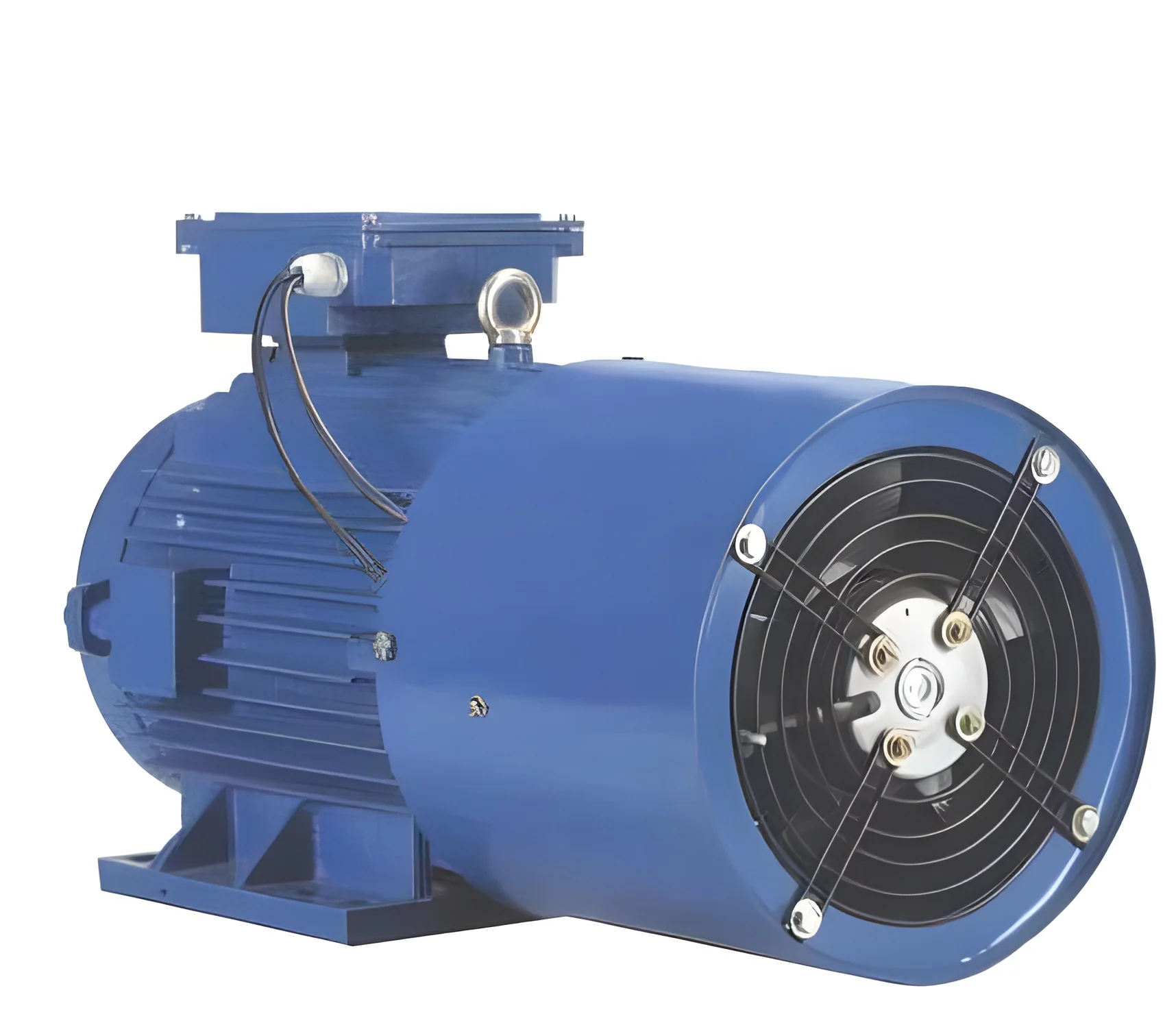
Multi speed motors represent a sophisticated solution for industrial applications requiring multiple fixed operational speeds. These AC induction motors are specifically engineered to deliver two or more discrete speeds through advanced pole-changing or dual-winding configurations. Unlike variable frequency drives that offer continuous speed variation, multi speed motors provide predetermined speed options that match specific operational requirements of industrial equipment. This design approach combines mechanical simplicity with electrical efficiency, offering reliable speed selection without the complexity and cost of external speed controllers. The motors maintain consistent torque characteristics at each speed setting, ensuring stable performance whether operating at high speed for rapid processes or low speed for precision tasks. Their construction follows industrial standards for durability, with robust enclosures protecting internal components from environmental factors common ...
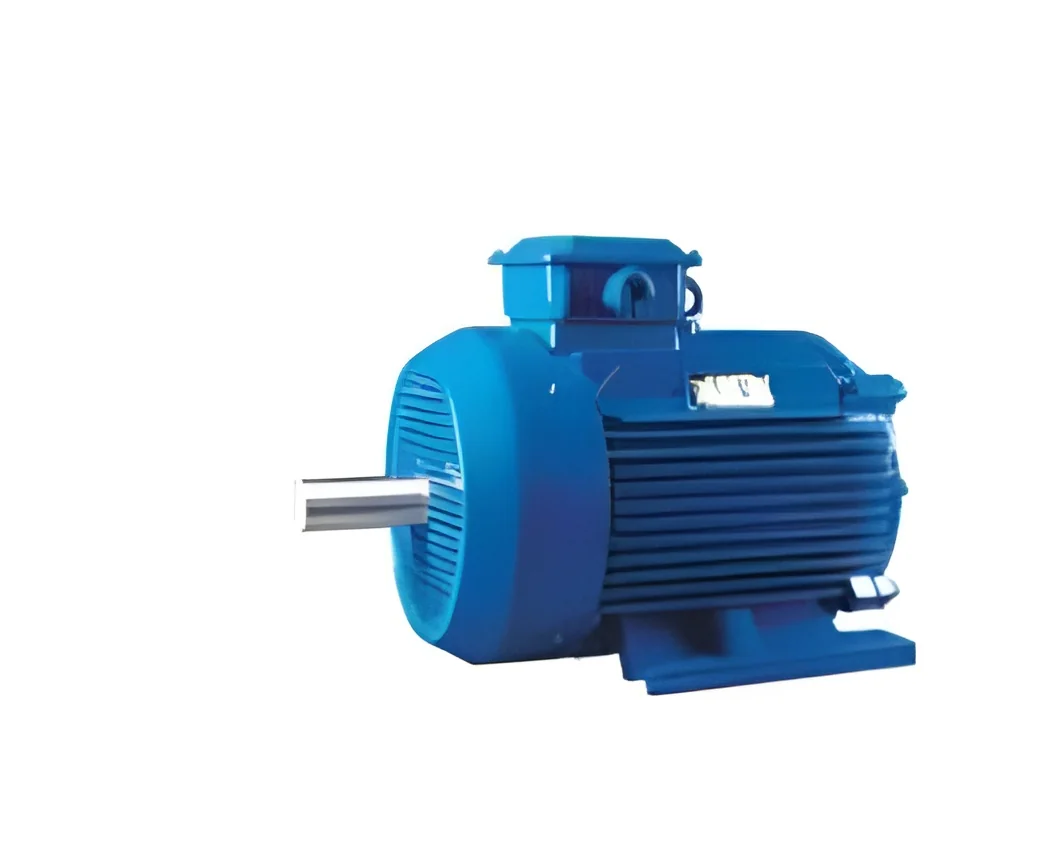
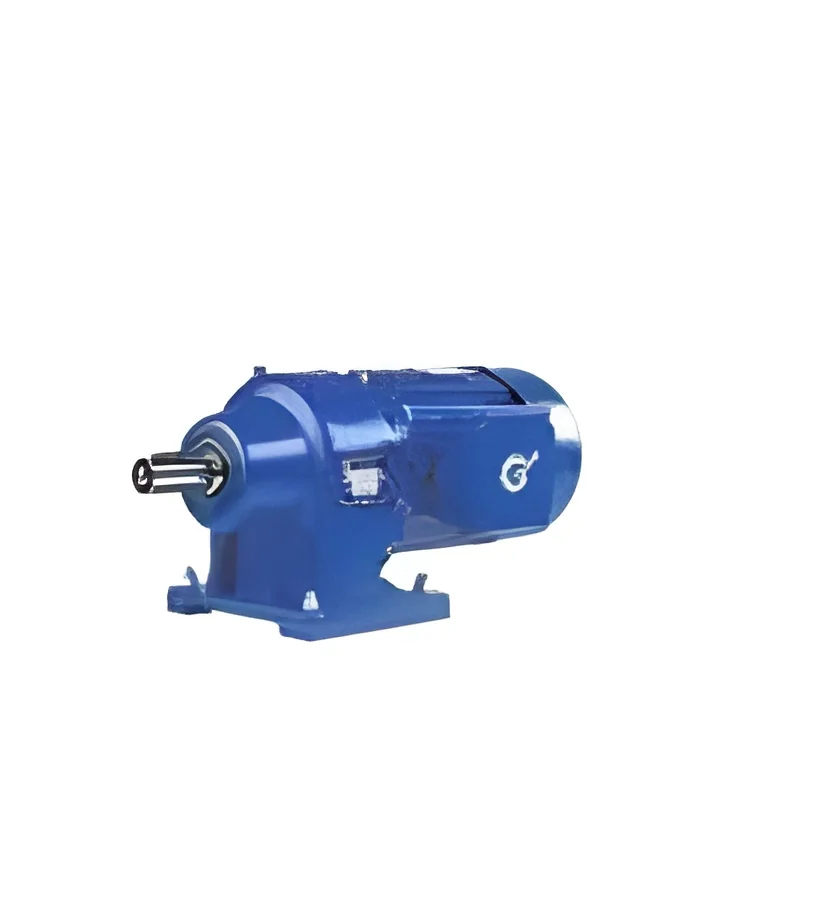
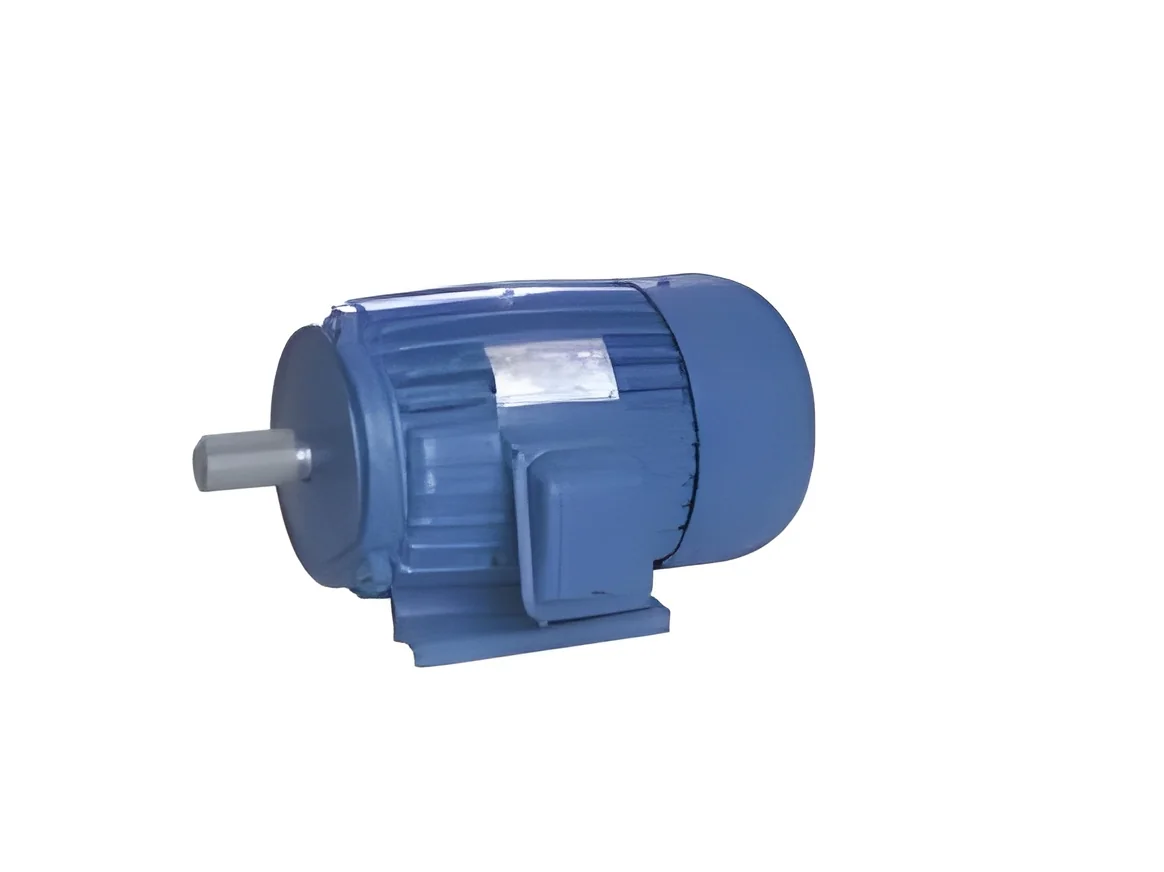
Multi speed motors represent a sophisticated solution for industrial applications requiring multiple fixed operational speeds. These AC induction motors are specifically engineered to deliver two or more discrete speeds through advanced pole-changing or dual-winding configurations. Unlike variable frequency drives that offer continuous speed variation, multi speed motors provide predetermined speed options that match specific operational requirements of industrial equipment. This design approach combines mechanical simplicity with electrical efficiency, offering reliable speed selection without the complexity and cost of external speed controllers. The motors maintain consistent torque characteristics at each speed setting, ensuring stable performance whether operating at high speed for rapid processes or low speed for precision tasks. Their construction follows industrial standards for durability, with robust enclosures protecting internal components from environmental factors common in manufacturing settings.

These motors serve diverse industries where equipment must adapt to different operational phases without compromising performance or efficiency. In manufacturing, they power machine tools that require distinct speeds for rough cutting and fine finishing operations. Material handling systems utilize them for conveyor belts that need different speeds for loading, processing, and unloading stages. HVAC systems employ multi speed motors in large fans and blowers to adjust airflow based on ventilation requirements. The water treatment industry relies on them for pump systems that must handle varying flow rates throughout processing cycles. Agricultural equipment uses these motors for irrigation pumps that adjust to different field requirements. Their versatility extends to textile machinery, packaging equipment, and industrial mixers where different production stages demand specific rotational speeds for optimal results.

The business value of multi speed motors lies in their ability to optimize both operational efficiency and energy consumption. By eliminating the need for multiple single-speed motors or complex gear systems, they reduce initial equipment costs and simplify maintenance requirements. Their energy-saving potential is significant—running at lower speeds when full power isn't needed can reduce electricity consumption by substantial margins compared to single-speed alternatives. Reliability is built into their design with fewer moving parts than mechanical speed-changing systems, resulting in lower failure rates and reduced downtime. The motors offer operational flexibility that allows businesses to adapt processes without major equipment changes. Their predictable performance at each speed setting enables precise process control, improving product quality and consistency across manufacturing operations. These factors combine to deliver a compelling return on investment through reduced energy bills, lower maintenance costs, and increased production efficiency.

Key Features:
- AC induction motor design with two or more discrete speed options for flexible operation
- Pole-changing or dual-winding configurations enabling speed selection without external drives
- Robust industrial construction suitable for demanding manufacturing environments
- Consistent torque delivery at each speed setting for stable equipment performance
- Standard industrial mounting and connection compatibility for easy integration

Benefits:
- Reduces energy consumption by operating only at required speeds for each task
- Eliminates need for multiple motors or complex gear systems, lowering equipment costs
- Provides reliable performance with fewer moving parts than mechanical speed changers
- Enables precise process control through predictable speed options for different operations
- Simplifies maintenance with straightforward electrical speed selection mechanisms
Specifications
| Additional Information | |
|---|---|
| Country of Origin | India |
Application
Multi speed motors are engineered for industrial systems requiring distinct operational speeds without complex variable frequency drives. Their internal pole-changing windings or separate winding configurations allow seamless switching between preset speeds, making them ideal for equipment with fast and slow operational modes. This design eliminates the need for multiple motors or additional gearboxes, simplifying system architecture while maintaining precise speed control across different production phases.
These motors excel in applications where energy efficiency and operational flexibility are critical. By running only at the required speed for each task, they significantly reduce power consumption compared to single-speed motors operating at maximum capacity continuously. Their robust construction ensures reliable performance in demanding industrial environments, from manufacturing floors to material handling systems, where consistent torque and speed accuracy are essential for productivity and process control.
- Industrial fans and blowers requiring different airflow rates for ventilation, exhaust, or process cooling systems.
- Pump systems in water treatment, chemical processing, or irrigation needing variable flow rates without complex controls.
- Conveyor systems in manufacturing and warehouses that require different speeds for loading, processing, and unloading operations.
- Machine tools and production equipment with distinct operational phases like rapid positioning and precise machining speeds.
- Material handling equipment including hoists, cranes, and elevators needing controlled ascent and descent speeds for safety and efficiency.
Trade Details
| Available Stock | In Stock |
| Sample Availability | No |
Payment Terms
| Payment Terms |
|
Company Profile

ELCEN MACHINES PVT. LTD., Gujarat
 Gujarat, India
Gujarat, IndiaManufacturer•Importer / Exporter
Factory Details
Factory SizeBelow 1000 sqm
Multi Speed Motors
Multi Speed Motors deliver two or more discrete speeds via pole-changing or dual-winding configurations, providing flexible operation and optimized power usage for industrial equipment and machinery.
Min. Order Quantity: 1
Shipping
Shipping fee and delivery date to be negotiated. Contact supplier now for more details.
ELCEN MACHINES PVT. LTD.
 Gujarat, India
Gujarat, IndiaManufacturer