IN
IN₹
Apparel & Fashion
Loading subcategories...
View More

Description
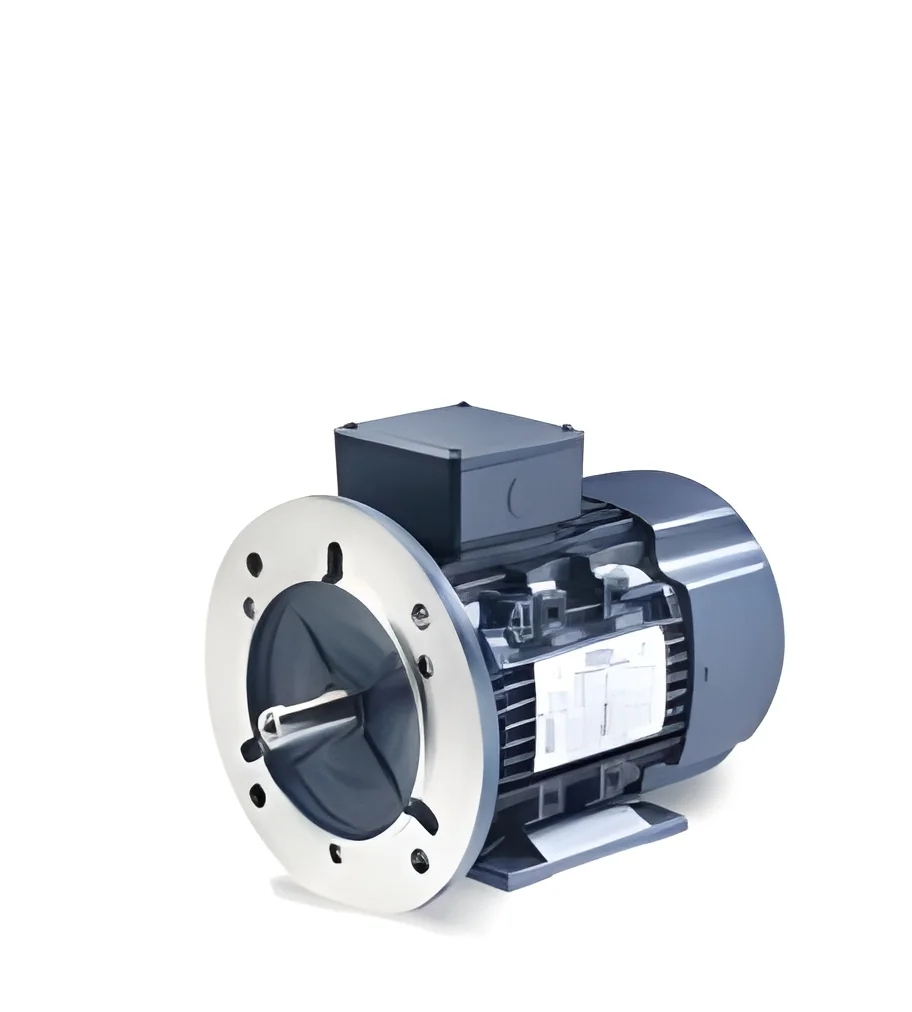
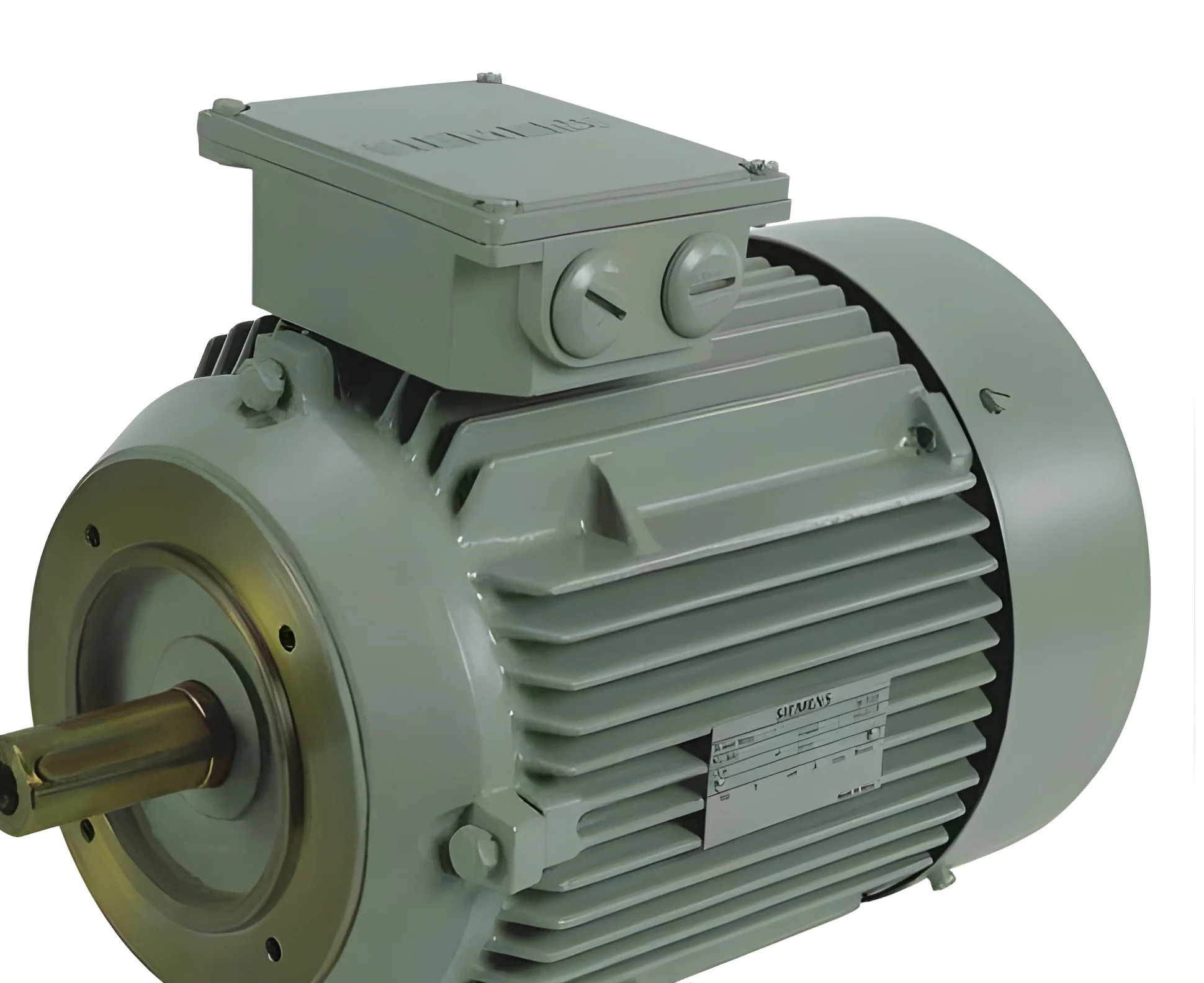
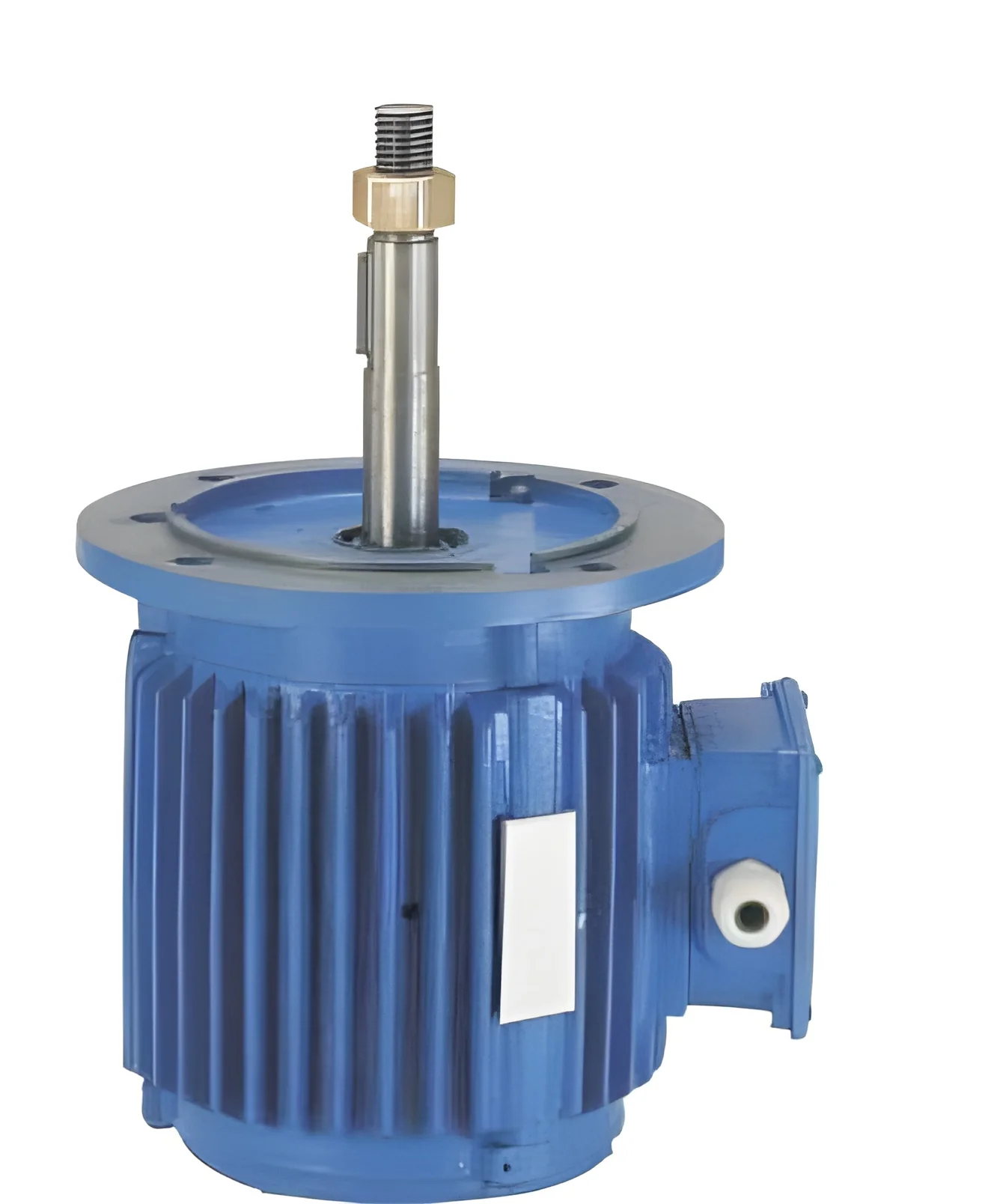
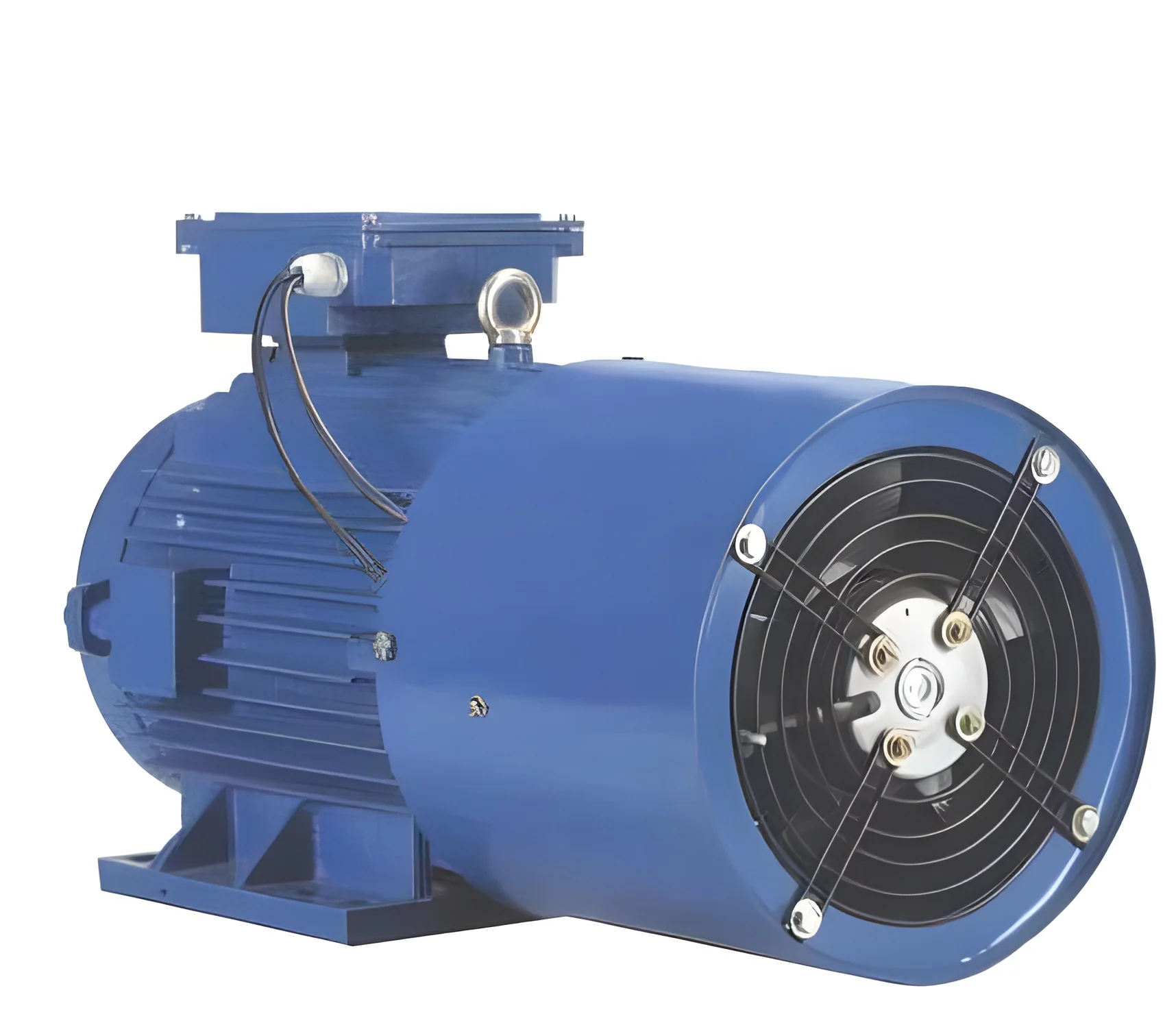
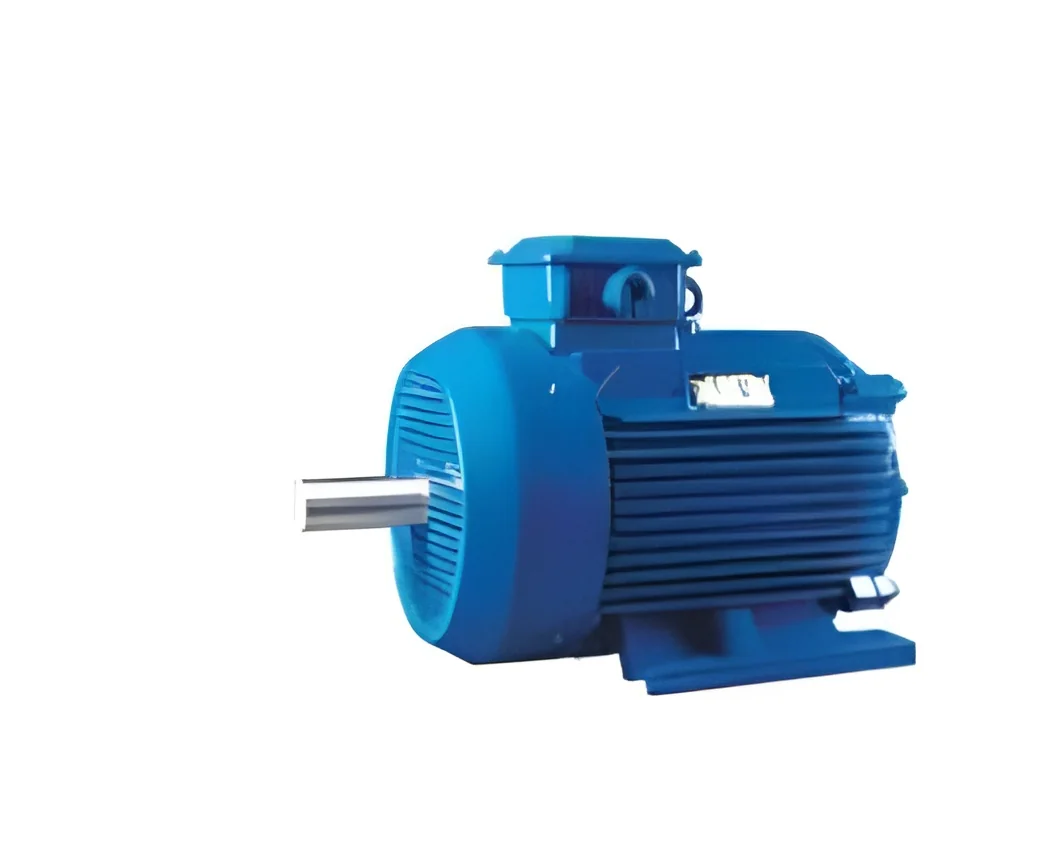
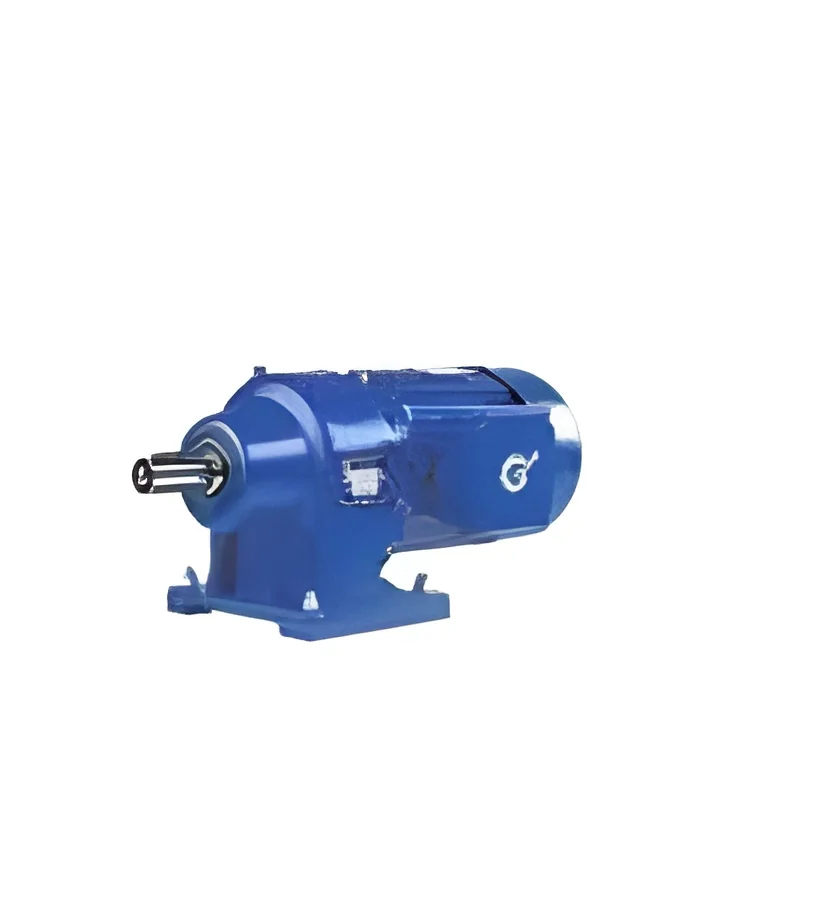
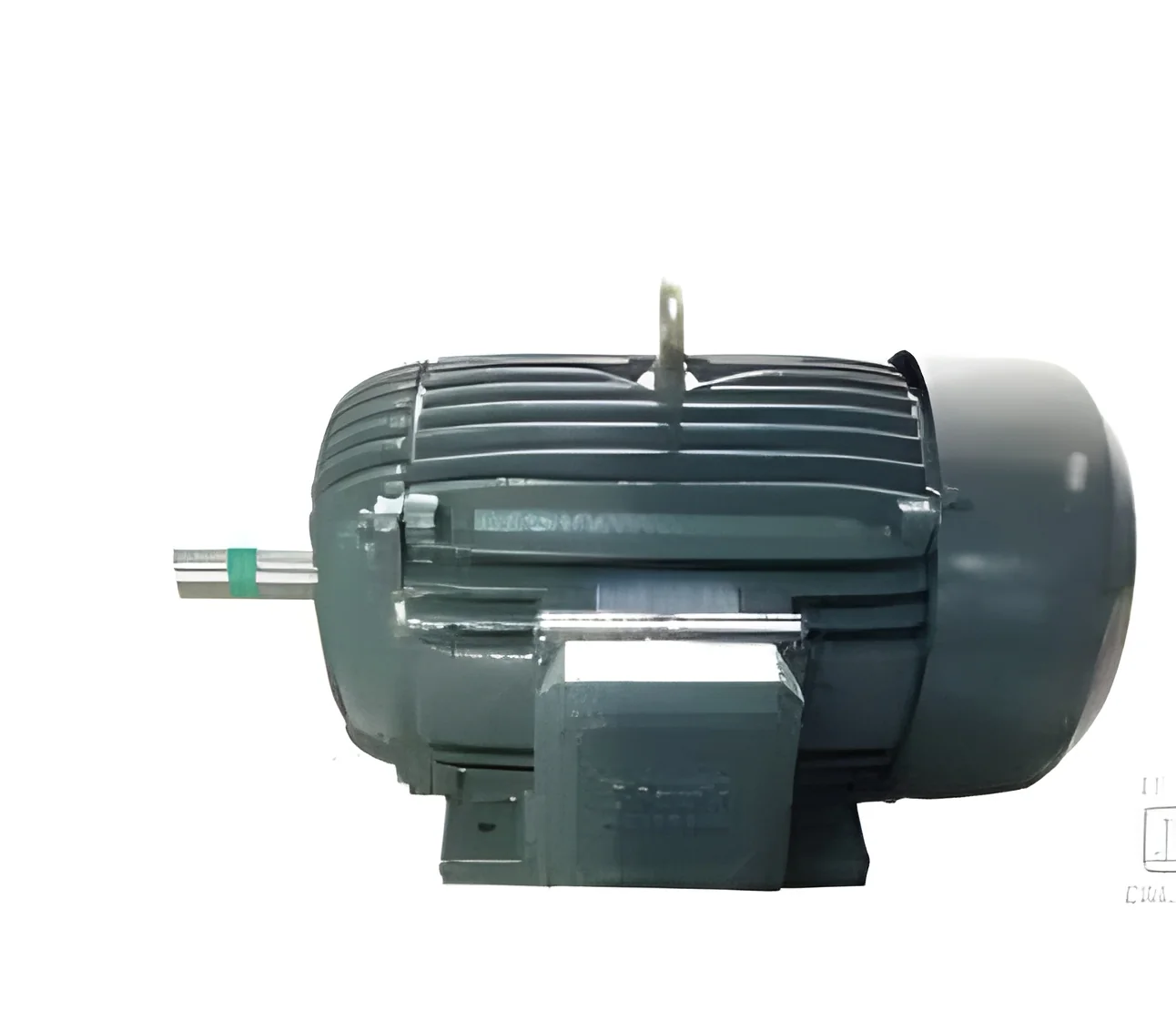
Dual voltage motors are engineered to deliver consistent performance across two distinct voltage levels, such as 230/415V or 380/660V, through simple wiring adjustments. This design addresses the challenge of varying electrical standards encountered in global operations, providing a single motor solution that adapts to different power supplies without compromising efficiency. Built with robust insulation and precision components, these motors ensure reliable operation in demanding environments, reducing the complexity of inventory management and installation. Their versatility makes them an ideal choice for equipment that may be relocated or deployed in regions with inconsistent grid voltages, offering peace of mind through enhanced compatibility and reduced dependency on auxiliary devices like transformers.

Industries ranging from manufacturing and agriculture to commercial infrastructure rely on dual voltage motors for critical applications. In manufacturing, they power pumps, fans,...
Dual voltage motors are engineered to deliver consistent performance across two distinct voltage levels, such as 230/415V or 380/660V, through simple wiring adjustments. This design addresses the challenge of varying electrical standards encountered in global operations, providing a single motor solution that adapts to different power supplies without compromising efficiency. Built with robust insulation and precision components, these motors ensure reliable operation in demanding environments, reducing the complexity of inventory management and installation. Their versatility makes them an ideal choice for equipment that may be relocated or deployed in regions with inconsistent grid voltages, offering peace of mind through enhanced compatibility and reduced dependency on auxiliary devices like transformers.

Industries ranging from manufacturing and agriculture to commercial infrastructure rely on dual voltage motors for critical applications. In manufacturing, they power pumps, fans, and conveyor systems that must operate seamlessly across facilities with differing electrical setups. Agricultural operations use them for irrigation pumps and processing equipment where rural power supplies can fluctuate. Commercial buildings integrate these motors into HVAC and ventilation systems to maintain climate control regardless of local voltage standards. Their adoption is also prevalent in water treatment plants, material handling, and food processing lines, where uninterrupted operation is essential for productivity and safety.

The business value of dual voltage motors lies in their ability to reduce operational costs and enhance reliability. By eliminating the need for multiple motor types or external voltage converters, they streamline procurement and maintenance processes, lowering capital expenditure and inventory overhead. Their robust construction minimizes downtime due to voltage mismatches, ensuring consistent machinery performance and extending equipment lifespan. This reliability translates into fewer disruptions, higher output quality, and improved return on investment for businesses operating in multi-regional or variable-power environments. With a focus on durability and adaptability, these motors offer a future-proof solution that supports scalability and operational flexibility.

Key Features:
- Operates efficiently at two voltage levels, such as 230/415V or 380/660V, via configurable wiring.
- Built with high-grade insulation and materials for durability in industrial environments.
- Designed for easy installation and integration into existing electrical systems.
- Compatible with a wide range of industrial equipment including pumps, fans, and compressors.
- Engineered to maintain consistent performance and torque across both voltage settings.

Benefits:
- Reduces inventory costs by serving as a single motor solution for different voltage requirements.
- Enhances operational flexibility for equipment used across multiple regions or facilities.
- Minimizes downtime caused by voltage incompatibility or power supply fluctuations.
- Lowers energy consumption through efficient design, contributing to cost savings.
- Simplifies maintenance and replacement processes with standardized, adaptable components.
Specifications
| Additional Information | |
|---|---|
| Country of Origin | India |
| Customisable | No |
Application
Dual voltage motors are essential for machinery that must operate reliably in environments with fluctuating or inconsistent power supply. Their ability to switch between voltage levels, such as 230/415V or 380/660V, ensures seamless integration into diverse electrical infrastructures, reducing downtime and simplifying logistics for operations across different regions. This adaptability makes them a practical choice for facilities that source equipment globally or face variable grid conditions.
These motors are widely deployed in sectors where equipment mobility and power compatibility are critical. From manufacturing plants with legacy systems to modern automated lines, dual voltage motors provide a dependable solution that eliminates the need for voltage transformers or separate motor inventories. They support continuous operation in applications ranging from material handling to processing, ensuring performance stability regardless of local voltage standards.
- Powering industrial fans and ventilation systems in factories with mixed voltage supply networks.
- Driving water pumps and irrigation equipment in agricultural settings where power sources may vary.
- Operating conveyor belts and assembly line machinery in manufacturing facilities that export equipment internationally.
- Running compressors and HVAC systems in commercial buildings across regions with different electrical grids.
- Energizing machine tools and CNC equipment in workshops that require flexible power input options.
Trade Details
| Available Stock | In Stock |
| Sample Availability | No |
Payment Terms
| Payment Terms |
|
Company Profile

ELCEN MACHINES PVT. LTD., Gujarat
 Gujarat, India
Gujarat, IndiaManufacturer•Importer / Exporter
Factory Details
Factory SizeBelow 1000 sqm
Dual Voltage Motors
Dual voltage motors operate efficiently at two voltage levels, offering flexibility and reliability for industrial equipment, pumps, and fans in varied power systems.
Min. Order Quantity: 1
Shipping
Shipping fee and delivery date to be negotiated. Contact supplier now for more details.
ELCEN MACHINES PVT. LTD.
 Gujarat, India
Gujarat, IndiaManufacturer