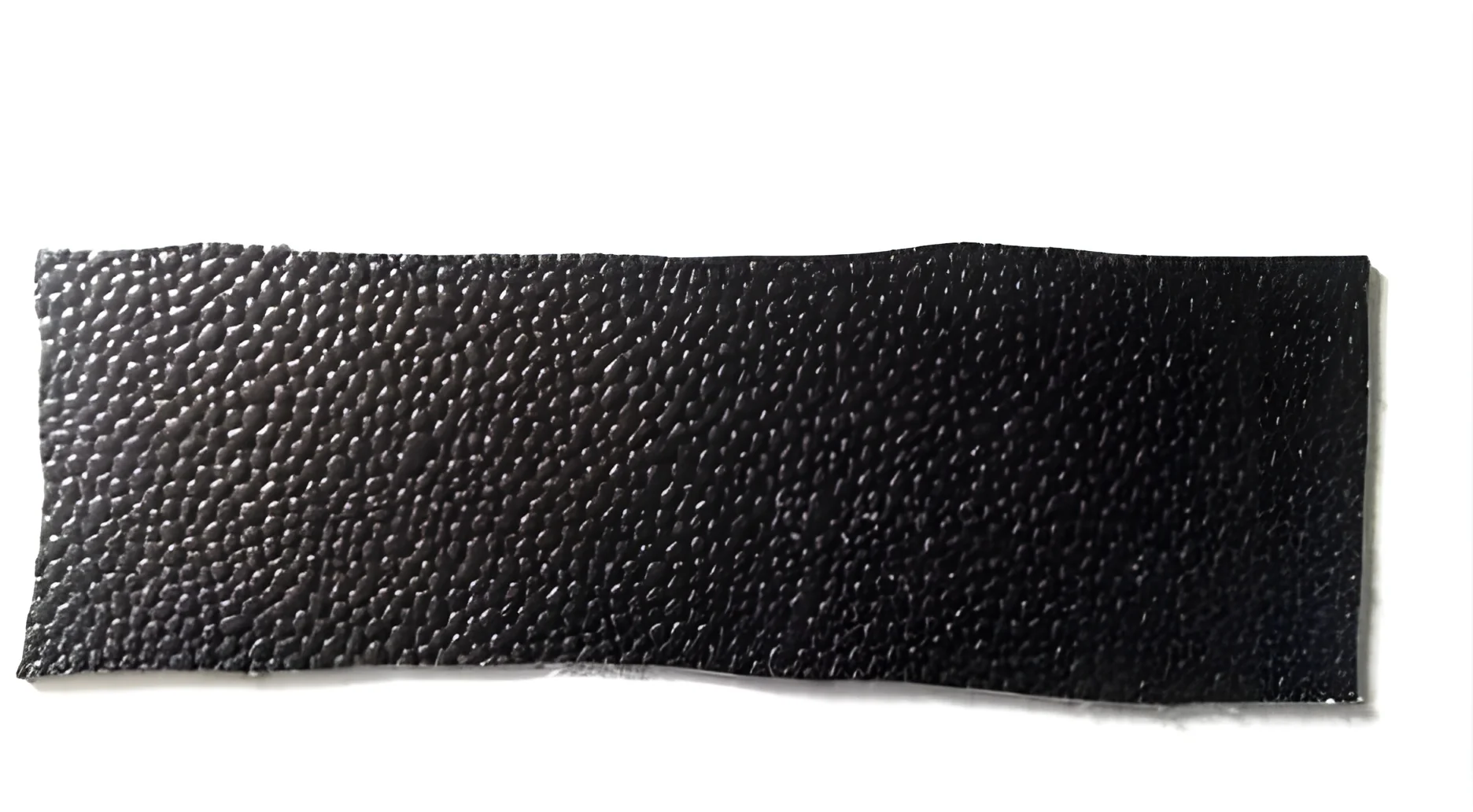
𝗪𝗵𝗮𝘁 𝗮𝗿𝗲 𝗟𝗲𝗮𝘁𝗵𝗲𝗿 & 𝗛𝗶𝗱𝗲𝘀?
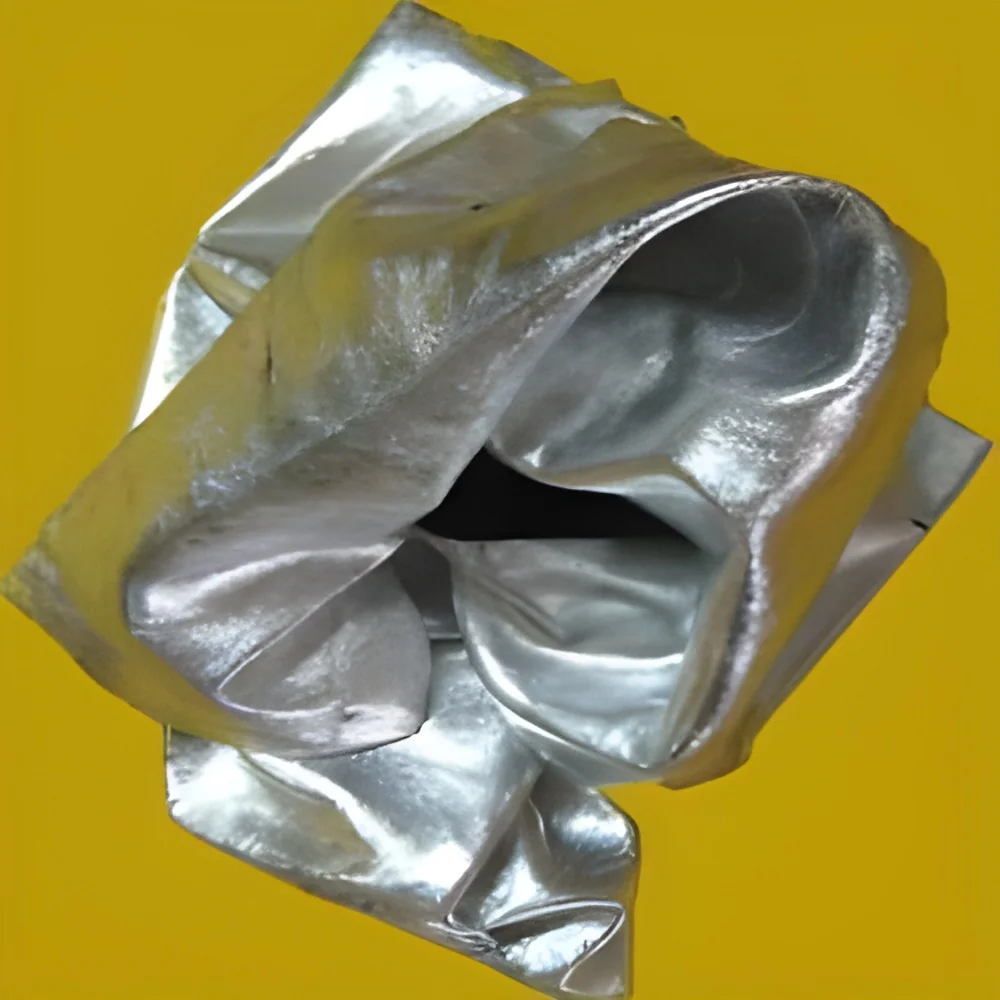
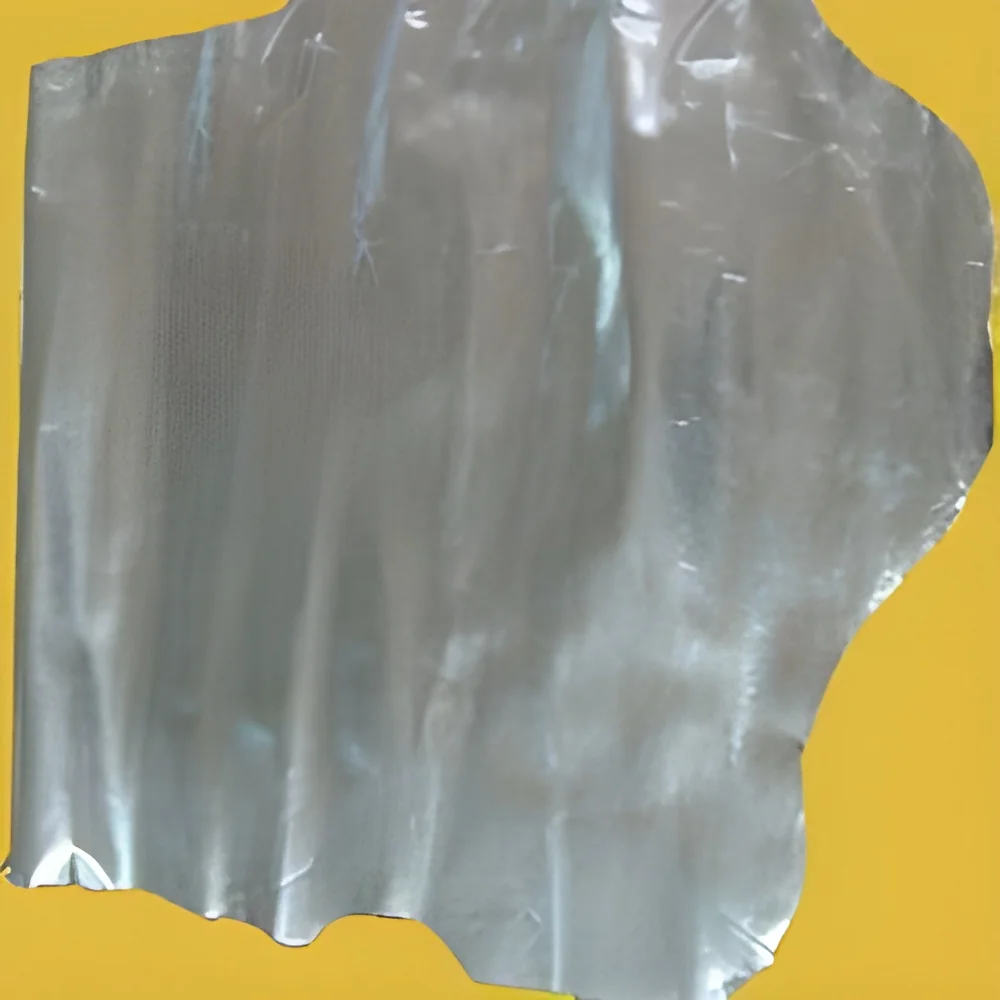
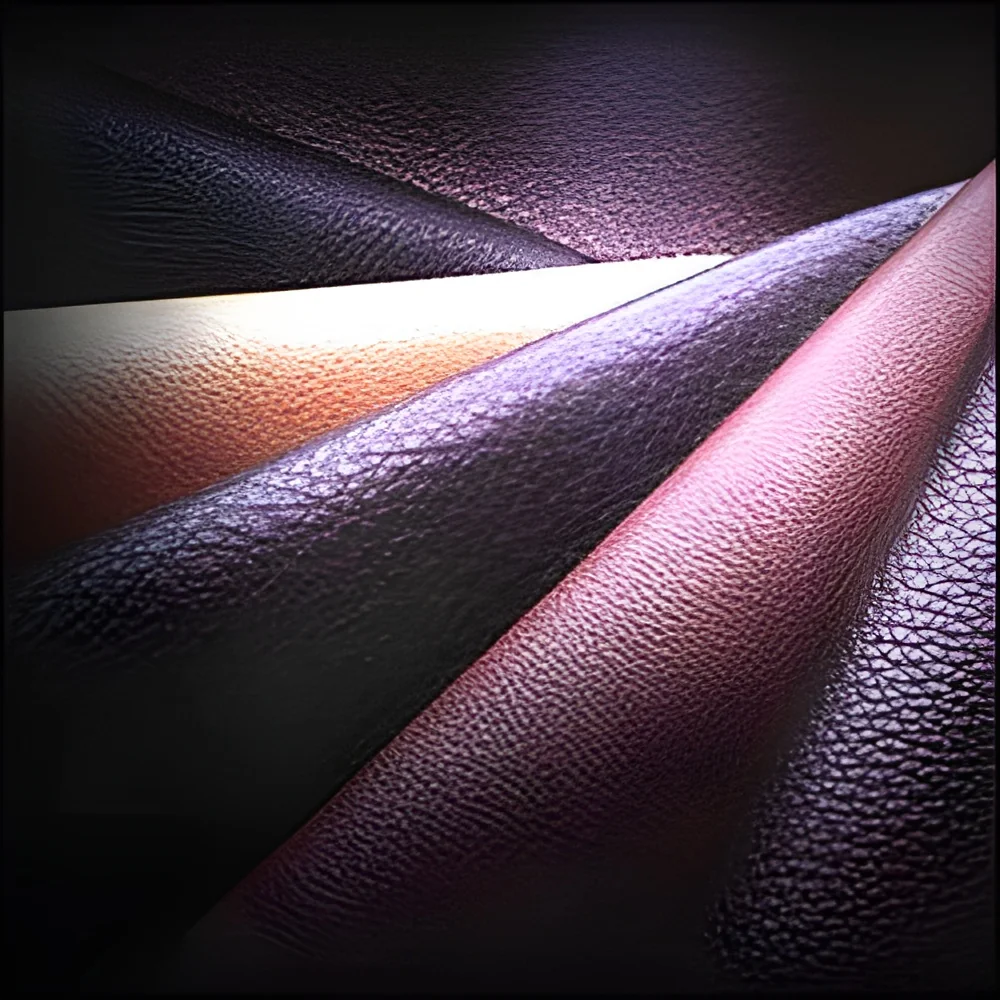
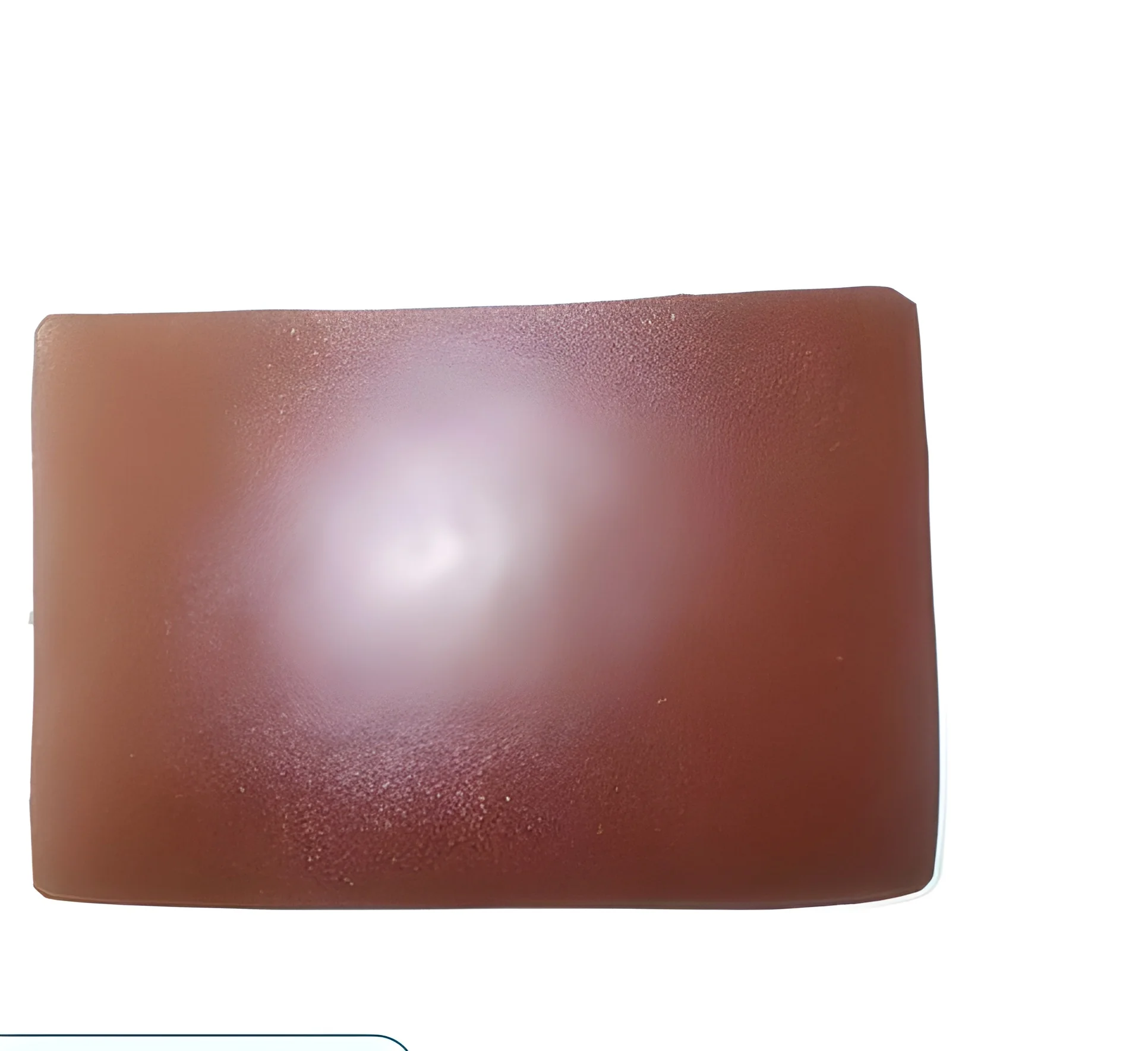
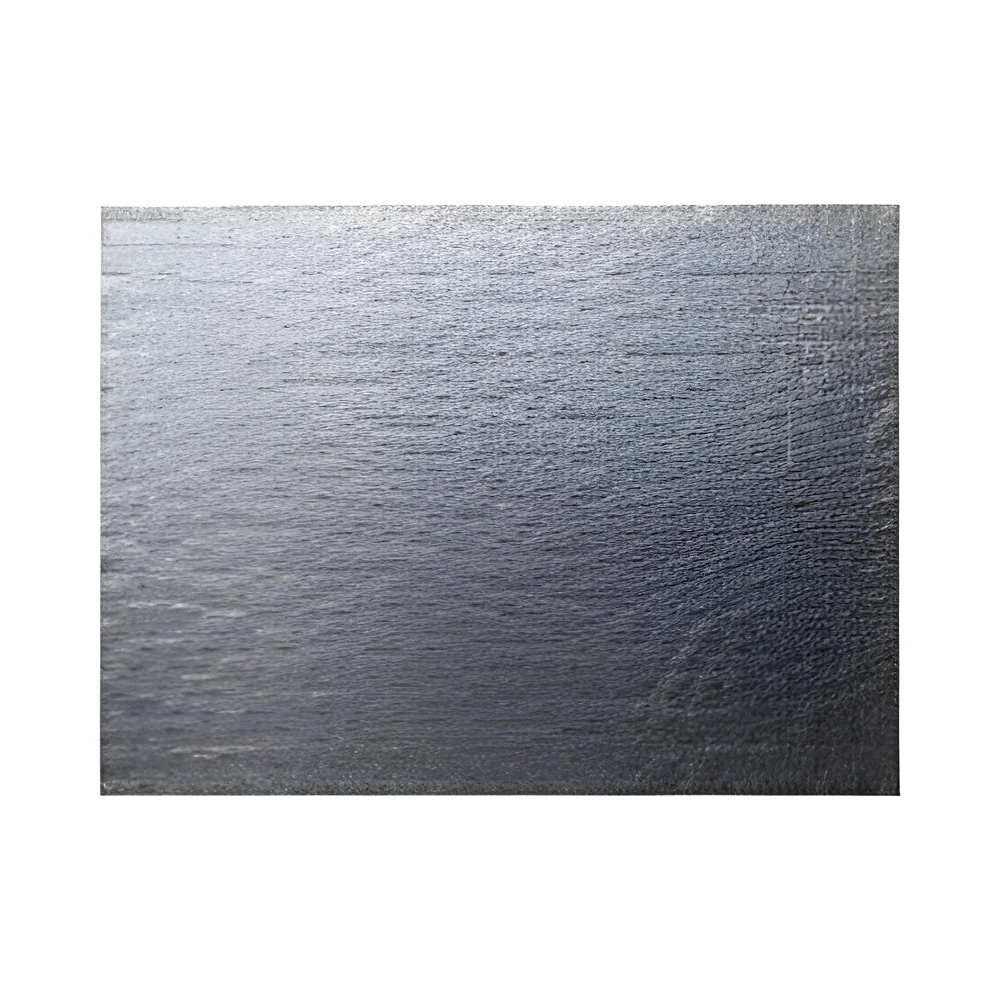
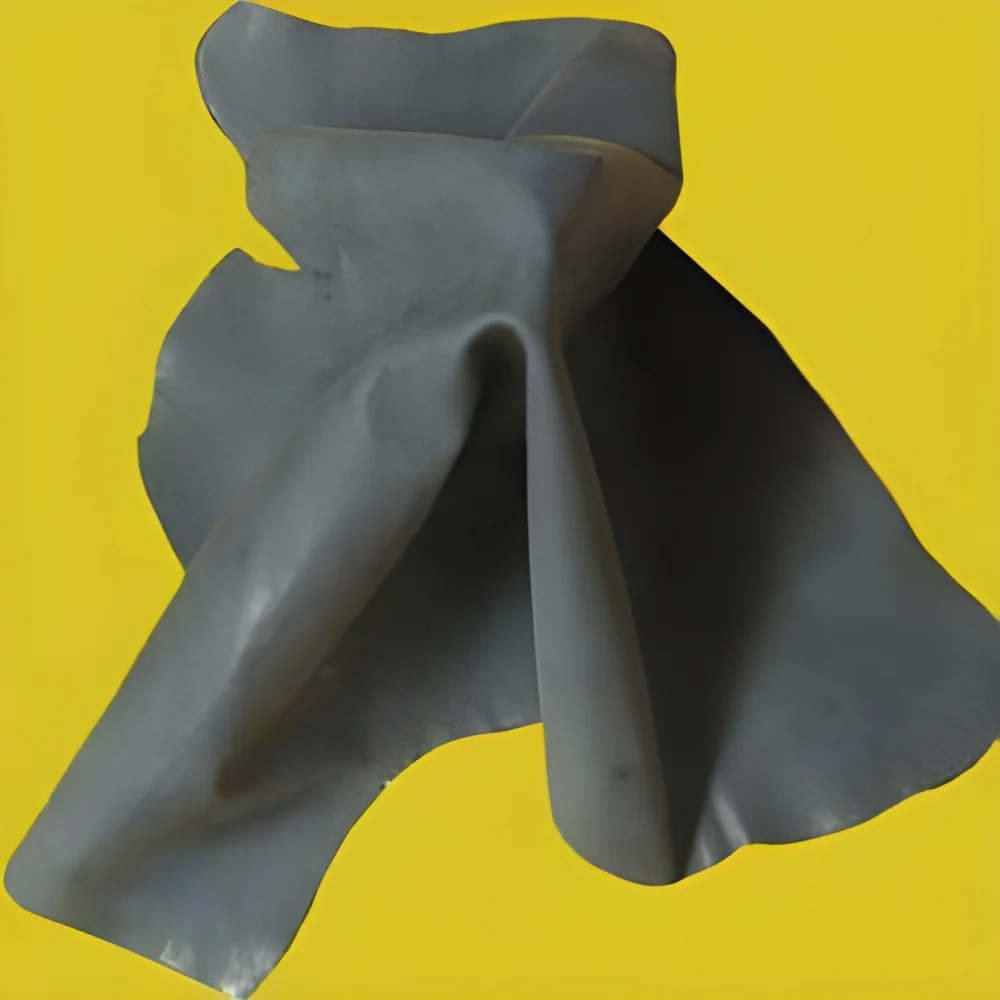
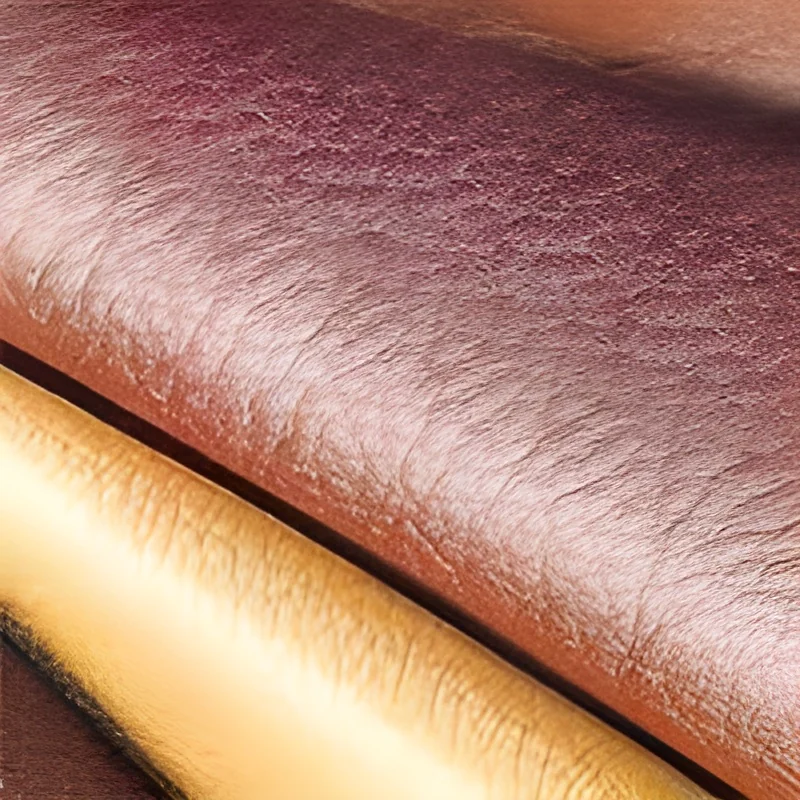
Leather and hides are animal skins that have been processed to create durable and flexible materials used in a wide range of products. The tanning process transforms raw animal skins into leather by treating them with various chemicals or natural substances. This process enhances the material's durability, flexibility, and aesthetic appeal. Hides typically refer to the skins of larger animals, while leather can come from various sources, including cows, pigs, goats, and exotic animals.
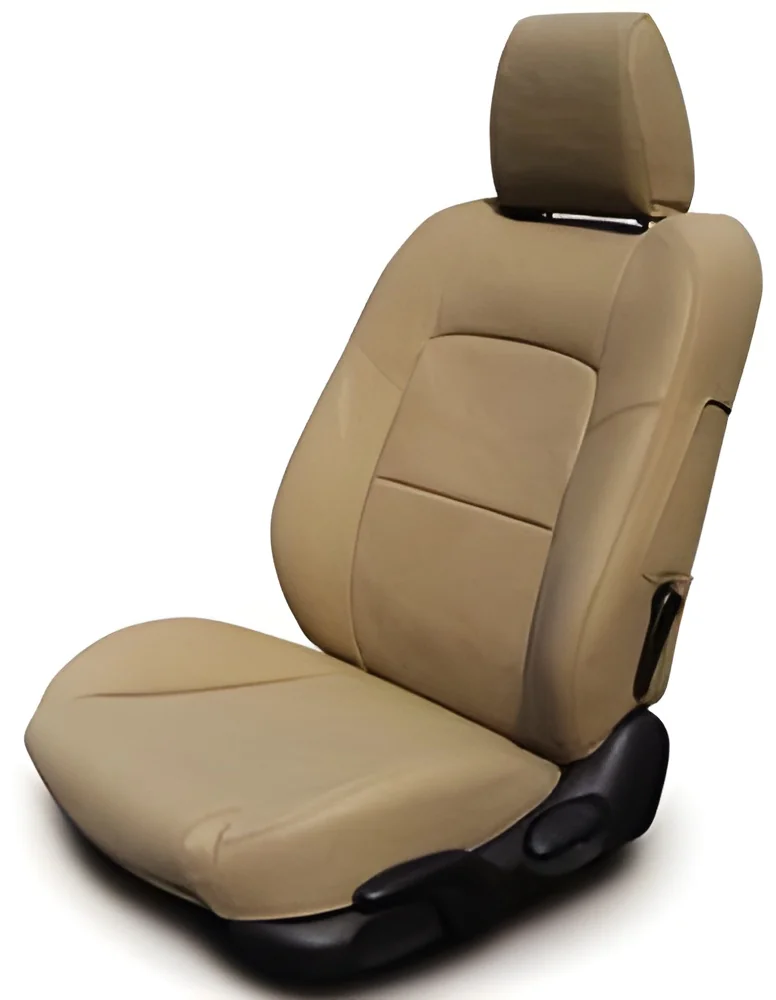
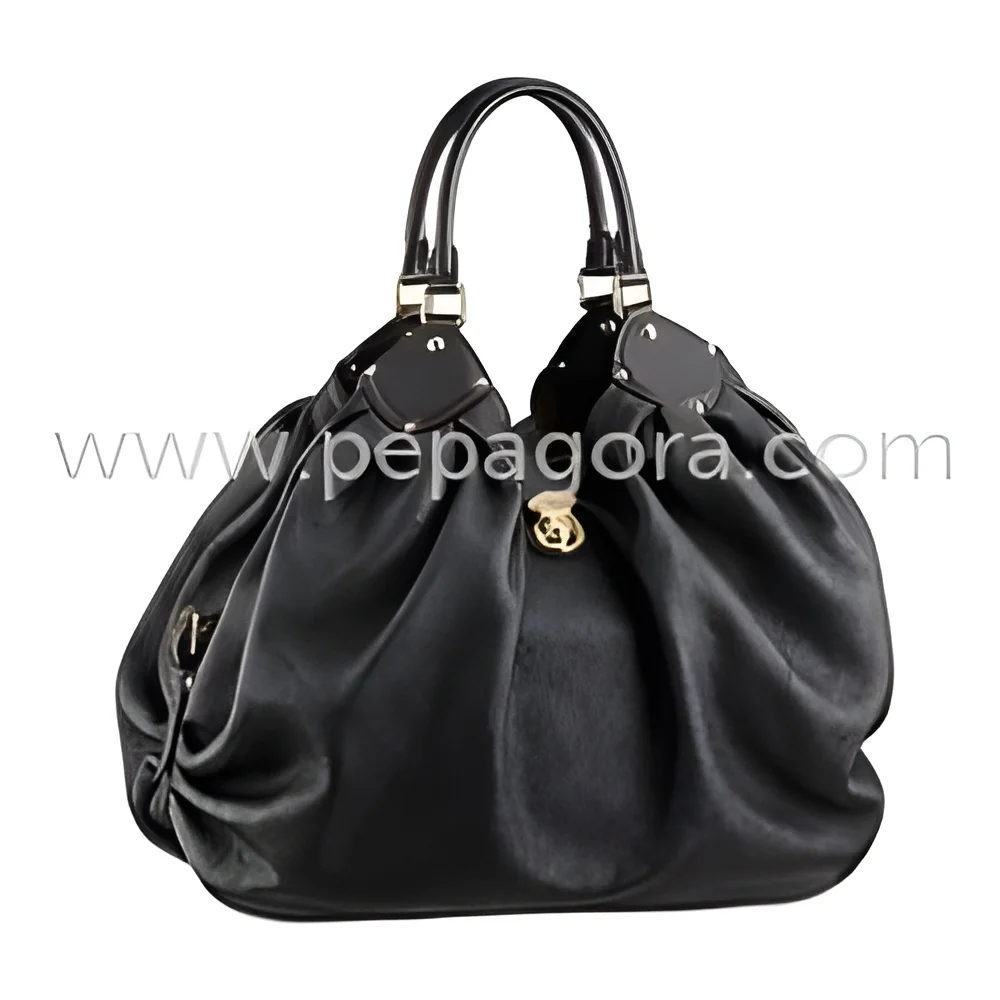
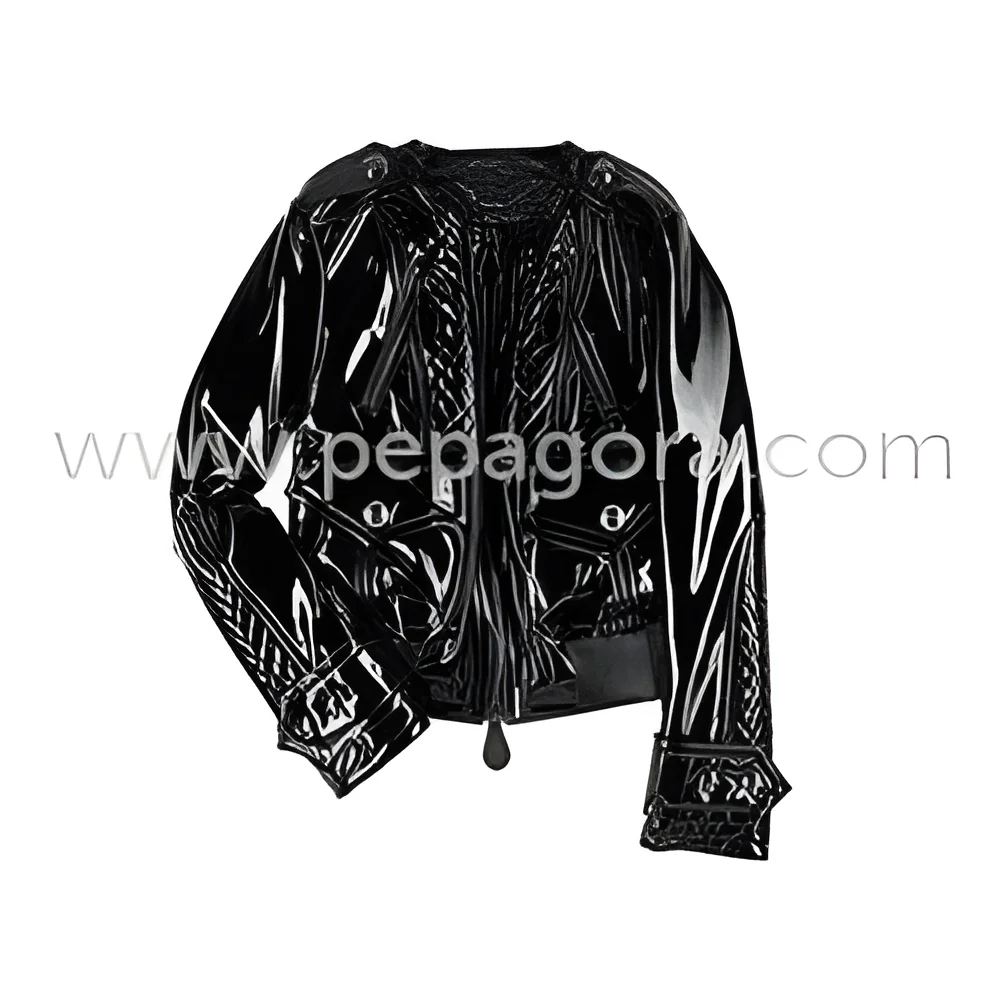
The primary uses of leather and hides span multiple industries, including fashion, automotive, upholstery, and industrial applications. In fashion, leather is highly sought after for clothing, footwear, and accessories due to its luxurious feel and versatility. In the automotive industry, leather is often used for interior finishes, providing both comfort and aesthetic value. Additionally, leather and hides are essential in manufacturing goods such as belts, bags, furniture, and protective gear.
The leather industry is a significant contributor to the global economy, with a growing demand for high-quality and sustainable materials. As consumers become more environmentally conscious, the industry is adapting by exploring sustainable sourcing and production methods. This shift is critical for businesses looking to remain competitive and relevant in the market.
𝗞𝗲𝘆 𝗙𝗲𝗮𝘁𝘂𝗿𝗲𝘀 𝗮𝗻𝗱 𝗦𝗽𝗲𝗰𝗶𝗳𝗶𝗰𝗮𝘁𝗶𝗼𝗻𝘀
Leather and hides come with a variety of features and specifications that cater to different applications. Understanding these specifications is crucial for buyers seeking quality materials.
Key specifications include:
1. Thickness
- Ranges from 0.5 mm to 5 mm depending on the type of leather
- Affects durability and application suitability
2. Grain Type
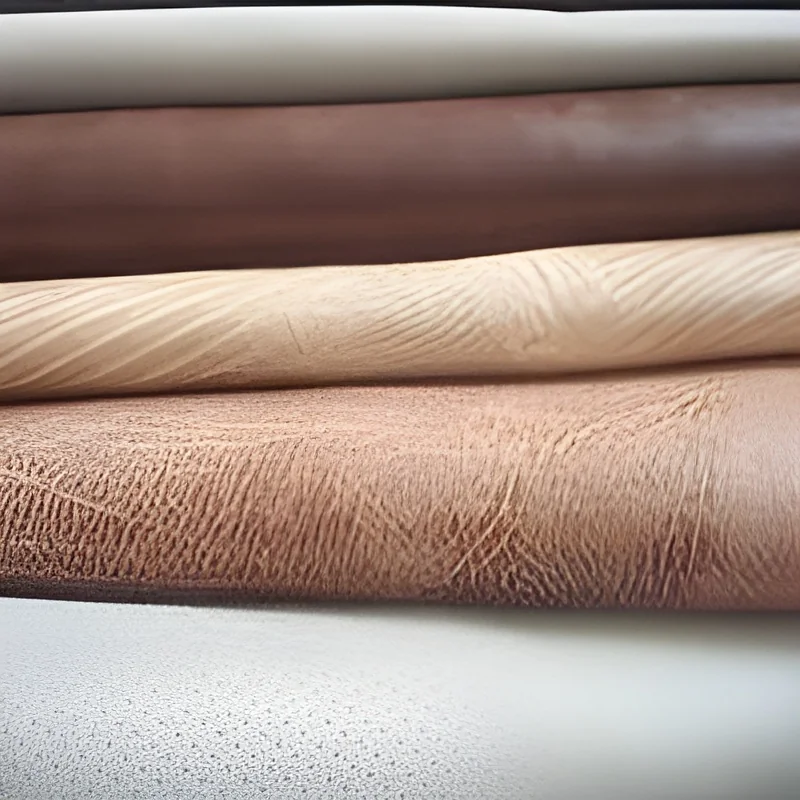
- Full grain, top grain, corrected grain, and suede
- Determines texture, appearance, and handling properties
3. Finish Type
- Aniline, semi-aniline, pigmented, and nubuck
- Influences color, texture, and maintenance requirements
4. Tanning Process
- Vegetable tanning, chrome tanning, and synthetic tanning
- Affects environmental impact, durability, and feel
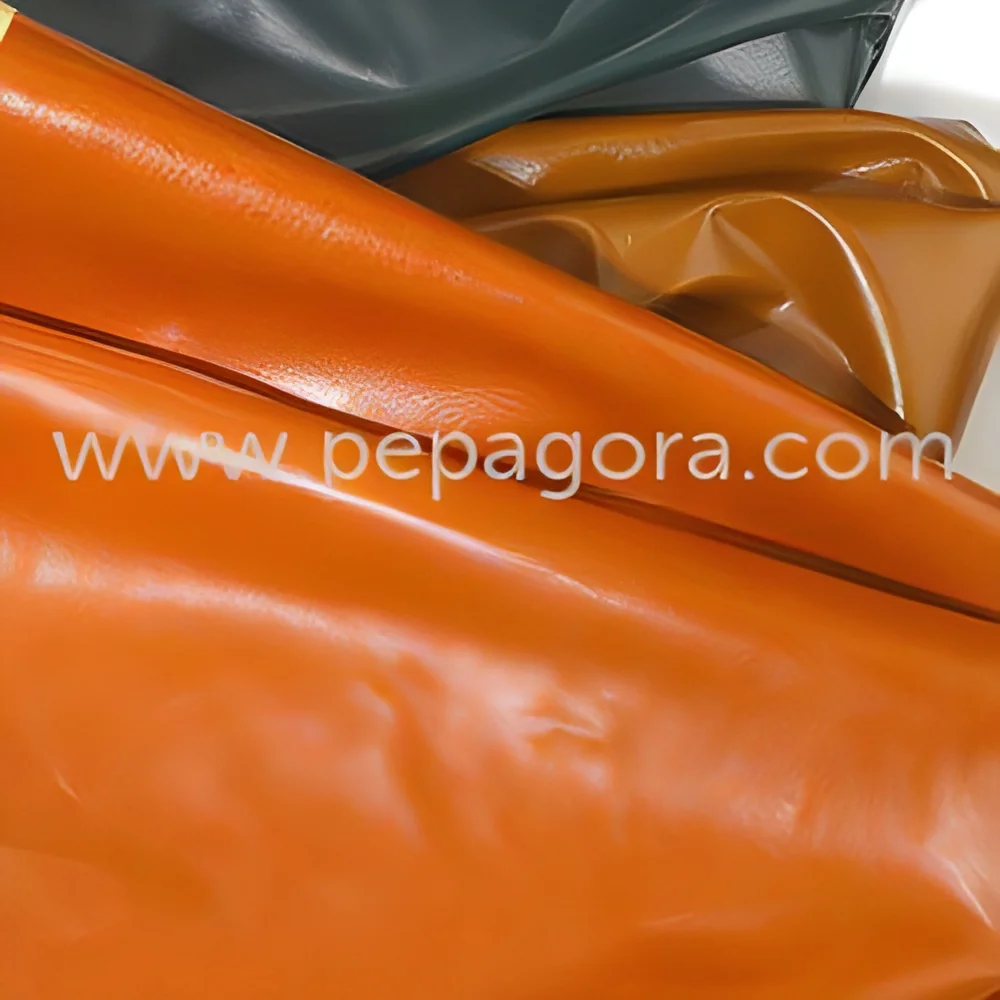
5. Color Options
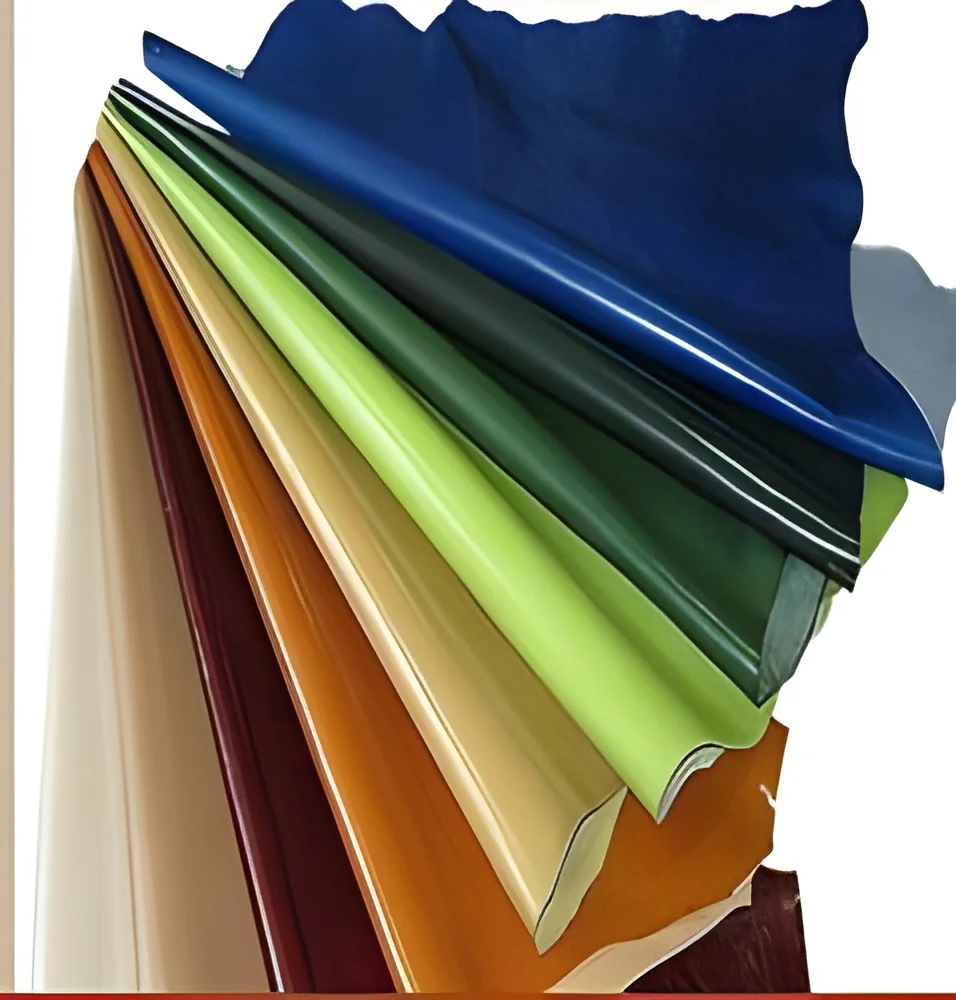
- Available in a wide range of colors, including natural shades
- Provides versatility for design and branding
6. Weight
- Typically measured in ounces per square foot
- Important for applications where weight is a concern
7. Breathability
- Varies based on grain type and finish
- Essential for comfort in clothing and upholstery
8. Durability Rating
- Rated based on abrasion resistance and tensile strength
- Indicates suitability for high-wear applications
Understanding these specifications allows businesses to make informed decisions based on their specific needs and applications.
𝗖𝗼𝗺𝗺𝗼𝗻 𝗔𝗽𝗽𝗹𝗶𝗰𝗮𝘁𝗶𝗼𝗻𝘀 𝗮𝗻𝗱 𝗨𝘀𝗲 𝗖𝗮𝘀𝗲𝘀
Leather and hides serve various industries, each with unique applications.
1. Fashion: Leather is widely used in apparel, footwear, and accessories. Its versatility allows for a range of styles, from casual to high-end luxury items.
2. Automotive: Leather is a popular choice for car interiors. It provides comfort, durability, and a premium look, enhancing the overall driving experience.
3. Furniture: Upholstered leather furniture is favored for its elegance and longevity. It is commonly used in sofas, chairs, and office furniture.
4. Industrial: Leather is utilized in manufacturing protective gear, tool belts, and safety equipment due to its durability and resistance to wear.
5. Sporting Goods: Many sporting goods, such as gloves and balls, are made from leather due to its ability to withstand rigorous use.
6. Accessories: Leather is often used for belts, wallets, and bags, appealing to consumers seeking quality and style.
7. Home Décor: Leather accents in home décor can add sophistication and warmth to living spaces, often used in cushions and wall panels.
𝗣𝗿𝗼𝗱𝘂𝗰𝘁 𝗩𝗮𝗿𝗶𝗮𝗻𝘁𝘀 𝗮𝗻𝗱 𝗦𝘂𝗯𝗰𝗮𝘁𝗲𝗴𝗼𝗿𝗶𝗲𝘀
Leather and hides offer a diverse range of variants to meet different customer needs.
Vegetable-Tanned Leather
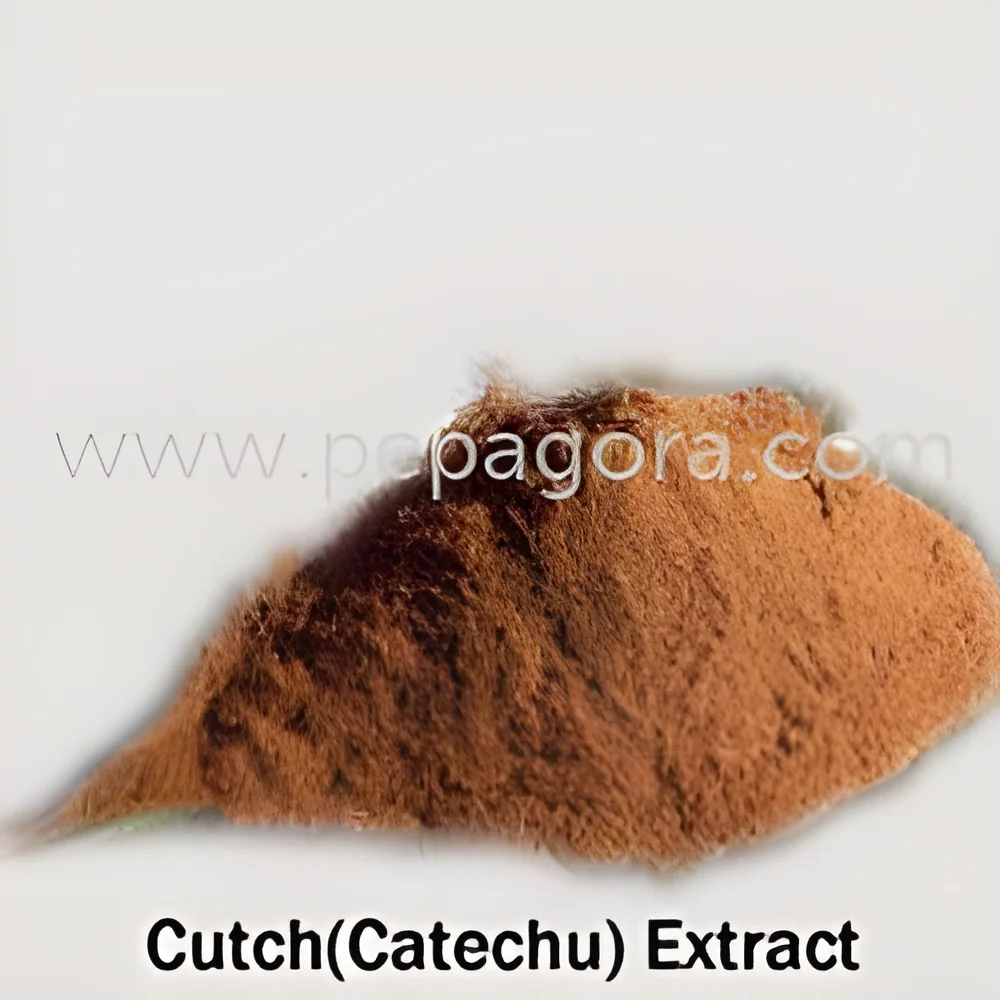
This type of leather is tanned using natural tannins from plants. It is known for its eco-friendly properties and develops a unique patina over time, making it ideal for high-end products and custom leather goods.
Chrome-Tanned Leather
This variant is tanned using chromium salts, resulting in a more uniform color and enhanced durability. It is commonly used in mass-produced items such as clothing and upholstery.
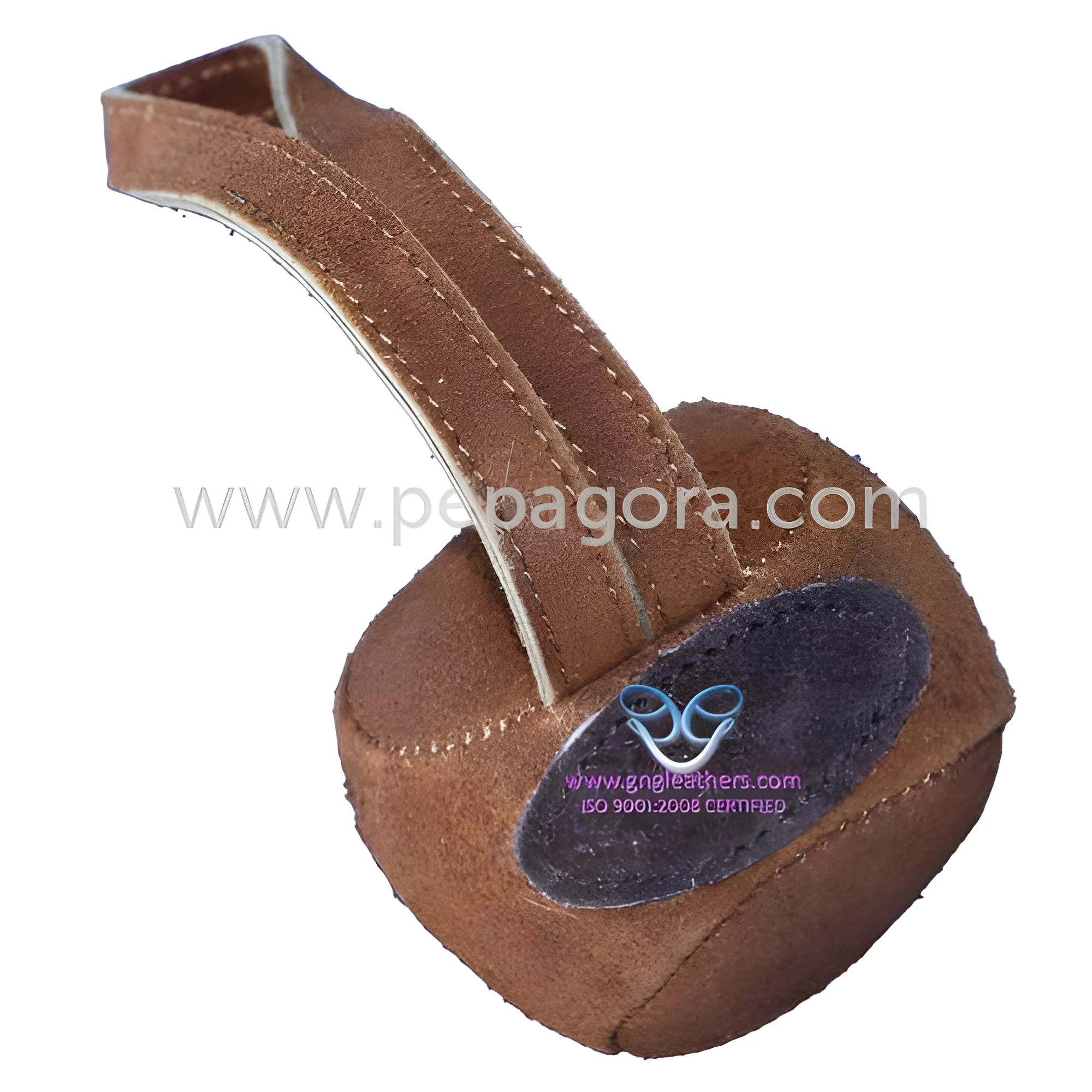
Suede
Suede is made from the inner layer of animal hides, offering a soft texture and luxurious feel. It is often used in fashion for jackets, shoes, and accessories.
Nubuck
Nubuck is similar to suede but is sanded on the grain side, resulting in a velvety surface. It is popular in footwear and high-quality upholstery.
𝗕𝗲𝗻𝗲𝗳𝗶𝘁𝘀 𝗮𝗻𝗱 𝗔𝗱𝘃𝗮𝗻𝘁𝗮𝗴𝗲𝘀
Sourcing leather and hides provides numerous benefits for businesses.
1. Durability: Leather is known for its strength and longevity, making it a cost-effective choice for products that require durability.
2. Aesthetic Appeal: Leather offers a luxurious look and feel, enhancing the overall quality and desirability of products.
3. Versatility: Available in various types, finishes, and colors, leather can be adapted to many different applications.
4. Comfort: Leather has natural breathability, providing comfort in clothing and seating applications.
5. Eco-Friendliness: With sustainable tanning processes, leather can be sourced responsibly, appealing to environmentally conscious consumers.
6. Customization: Leather can be easily dyed, embossed, or treated, allowing for customization to meet specific design requirements.
𝗕𝘂𝘆𝗶𝗻𝗴 𝗚𝘂𝗶𝗱𝗲 𝗳𝗼𝗿 𝗕𝟮𝗕 𝗕𝘂𝘆𝗲𝗿𝘀
When sourcing leather and hides, businesses should consider several important factors.
1. Quality Assessment: Evaluate the leather based on thickness, grain type, and finish. Ensure it meets the specific needs of your application.
2. Supplier Verification: Vet suppliers for reliability and reputation. Look for certifications and customer reviews to ensure quality and service.
3. Pricing and MOQ: Understand the pricing structure and minimum order quantities. This information helps in budgeting and planning.
4. Delivery and Lead Times: Confirm delivery schedules and lead times to ensure timely fulfillment of orders.
5. Compliance Requirements: Be aware of any regulatory requirements related to sourcing leather, including environmental and safety standards.
𝗖𝗼𝗺𝗽𝗹𝗶𝗮𝗻𝗰𝗲 𝗮𝗻𝗱 𝗖𝗲𝗿𝘁𝗶𝗳𝗶𝗰𝗮𝘁𝗶𝗼𝗻𝘀
Leather and hides must adhere to various quality standards and regulations. Key standards include ISO 9001, which ensures a focus on quality management systems. HACCP is relevant for food-related applications, ensuring safety and hygiene. Compliance with CE standards indicates that products meet EU safety requirements.
Safety and testing requirements are crucial for leather used in protective gear and industrial applications. Manufacturers must conduct appropriate testing to ensure that products meet necessary safety benchmarks.
Regional compliance considerations vary, with different countries imposing specific regulations on the leather industry. Understanding these requirements is essential for businesses operating in multiple regions.
𝗪𝗵𝘆 𝗦𝗼𝘂𝗿𝗰𝗲 𝗟𝗲𝗮𝘁𝗵𝗲𝗿 & 𝗛𝗶𝗱𝗲𝘀 𝗳𝗿𝗼𝗺 𝗣𝗲𝗽𝗮𝗴𝗼𝗿𝗮?
Pepagora provides a trusted platform for sourcing leather and hides, offering several key advantages to B2B buyers.
Verified Supplier Network: Pepagora works with a network of verified suppliers, ensuring that businesses have access to high-quality materials from reputable sources. This verification process builds trust and reliability in the sourcing process.
Streamlined RFQ Process: The platform features a streamlined request for quotation (RFQ) system, making it easier for buyers to obtain competitive pricing and terms from multiple suppliers. This efficiency helps save time and resources.
Trade Assurance and Support: Pepagora offers trade assurance and support services that protect buyers throughout the purchasing process. This assurance includes safeguards against non-compliance and quality issues.
Regional Coverage: With a focus on regions such as India, the GCC, and Southeast Asia, Pepagora provides extensive geographic reach. This allows businesses to tap into a diverse market and find suitable suppliers that meet their specific needs.

 IN
IN