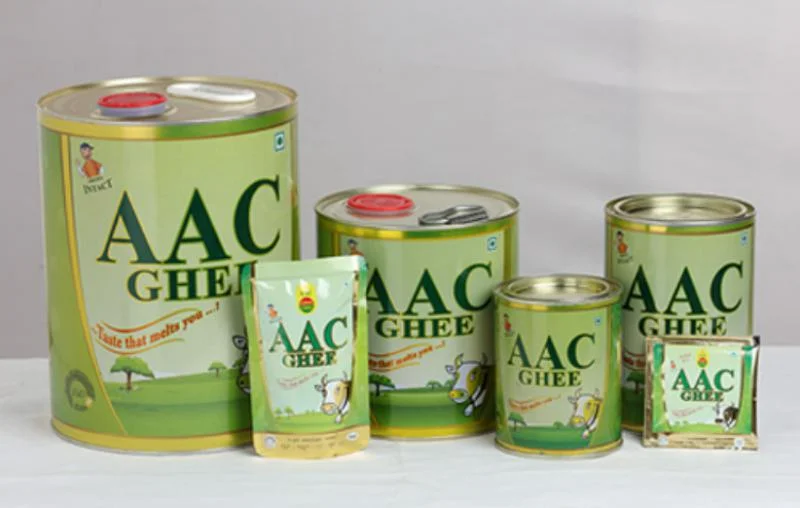
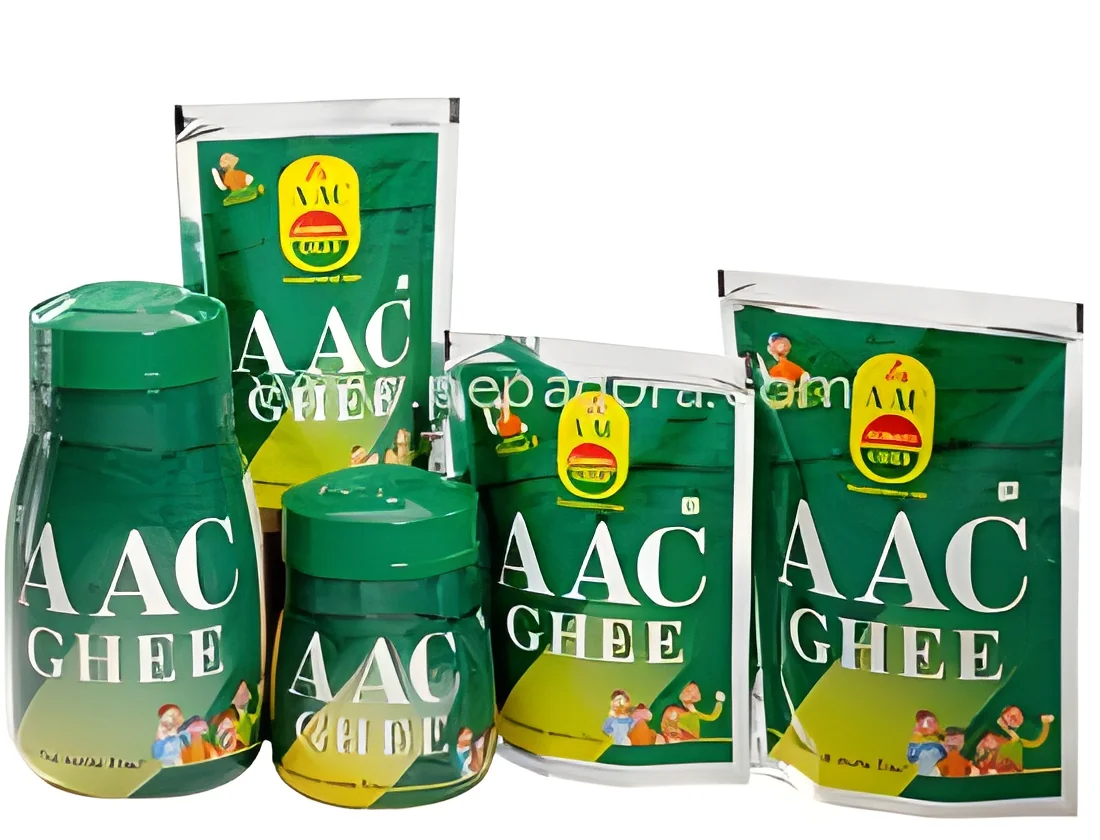
𝗪𝗵𝗮𝘁 𝗮𝗿𝗲 𝗗𝗮𝗶𝗿𝘆 𝗣𝗿𝗼𝗱𝘂𝗰𝘁𝘀 & 𝗔𝗹𝘁𝗲𝗿𝗻𝗮𝘁𝗶𝘃𝗲𝘀?
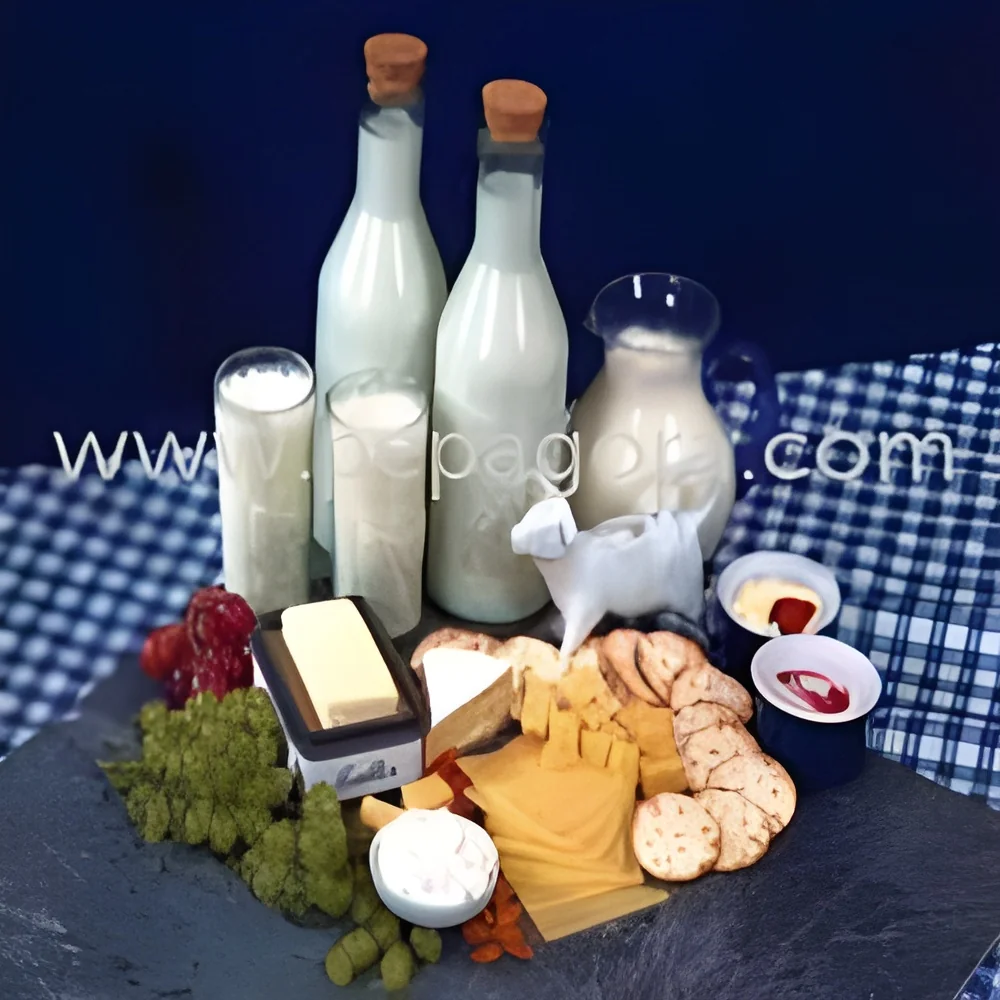
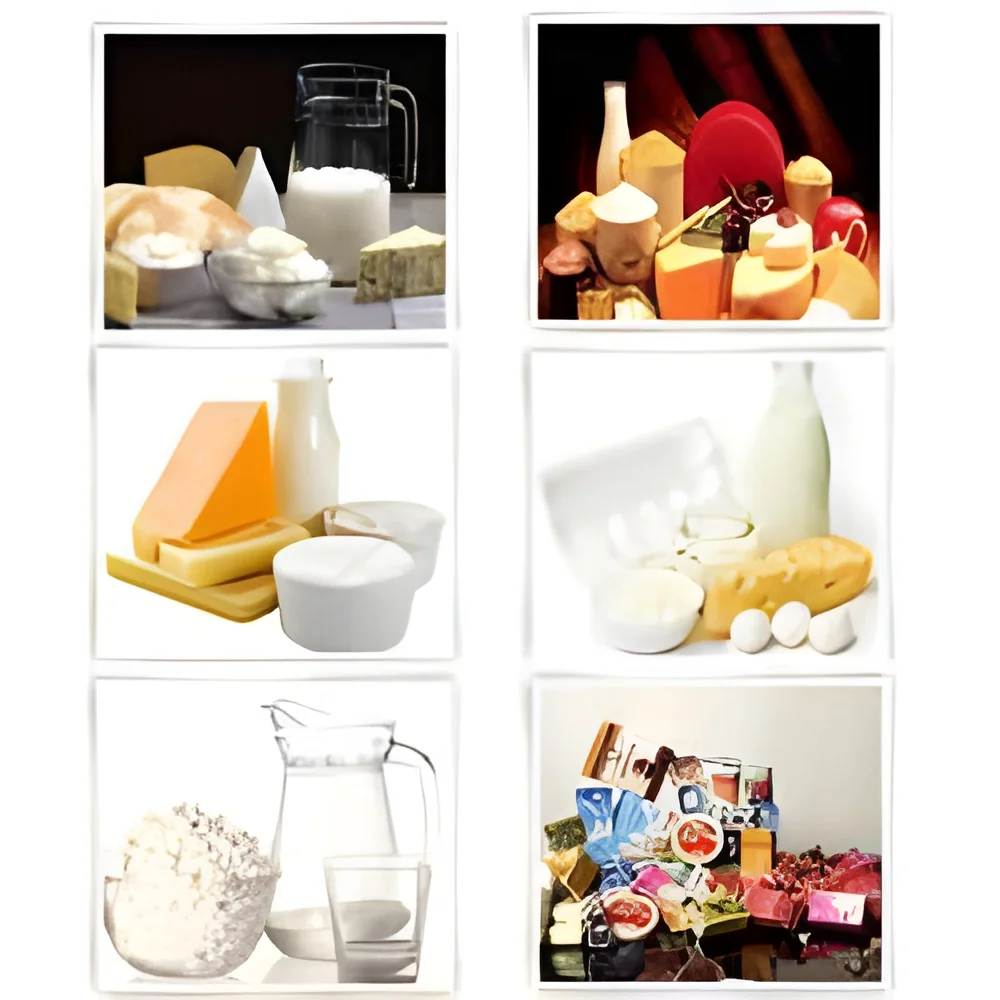
Dairy products are food items produced from the milk of mammals, primarily cows, goats, and sheep. These products include milk, cheese, yogurt, butter, and cream. Alternatives to dairy products are food items made from plant sources, such as soy, almond, coconut, and oat, which mimic the taste and texture of traditional dairy products. These alternatives have gained popularity among consumers looking for lactose-free options or those following vegan diets.
In a business context, dairy products and their alternatives are used in various industries, including food service, retail, and manufacturing. They are essential ingredients in many recipes and products, ranging from baked goods to sauces. The market for dairy alternatives is expanding rapidly as consumer preferences shift towards plant-based diets, making it vital for businesses to adapt to these changes.
The dairy industry plays a significant role in the global economy, valued at hundreds of billions of dollars. The rise of lactose intolerance and the popularity of plant-based diets have created a robust market for dairy alternatives, leading to innovation and new product development. This dynamic landscape presents opportunities for companies to expand their offerings and cater to diverse consumer needs.
𝗞𝗲𝘆 𝗙𝗲𝗮𝘁𝘂𝗿𝗲𝘀 𝗮𝗻𝗱 𝗦𝗽𝗲𝗰𝗶𝗳𝗶𝗰𝗮𝘁𝗶𝗼𝗻𝘀
Dairy products and alternatives come with a diverse range of features and specifications tailored to various consumer preferences and industry standards. Understanding these specifications is crucial for businesses seeking to make informed purchasing decisions.
Key specifications include:
1. Quality Standards
- Compliance with ISO 9001 and HACCP guidelines to ensure food safety and quality.
- Regular testing for contaminants and shelf-life stability.
2. Nutritional Content
- Varied levels of protein, fat, and carbohydrates depending on the product type.
- Fortification options available for added vitamins and minerals.
3. Packaging Options
- Available in bulk or retail packaging to suit different market needs.
- Eco-friendly packaging solutions increasingly in demand.
4. Shelf Life
- Varies based on product type, from short shelf life for fresh dairy to extended shelf life for processed alternatives.
- Storage conditions impact longevity and quality.
5. Taste and Texture
- Dairy products typically have rich, creamy textures.
- Alternatives strive to mimic these characteristics, with varying degrees of success.
6. Allergen Information
- Clear labeling for allergens such as lactose, soy, or nuts.
- Important for consumer safety and compliance with labeling regulations.
In summary, understanding key features and specifications is essential for both producers and buyers in the dairy market. Companies must align their products with industry standards to ensure quality and meet consumer demands.
𝗖𝗼𝗺𝗺𝗼𝗻 𝗔𝗽𝗽𝗹𝗶𝗰𝗮𝘁𝗶𝗼𝗻𝘀 𝗮𝗻𝗱 𝗨𝘀𝗲 𝗖𝗮𝘀𝗲𝘀
Dairy products and alternatives serve a broad array of industries, each with unique applications.
1. Food Service: Dairy products are staples in restaurants, cafes, and catering services for cooking and baking. Alternatives are increasingly used in vegan and lactose-free menus.
2. Retail: Supermarkets and grocery stores sell both dairy and plant-based alternatives, catering to diverse consumer preferences and dietary needs.
3. Food Manufacturing: Many processed foods, such as snacks and ready-to-eat meals, incorporate dairy products or alternatives for added flavor and nutrition.
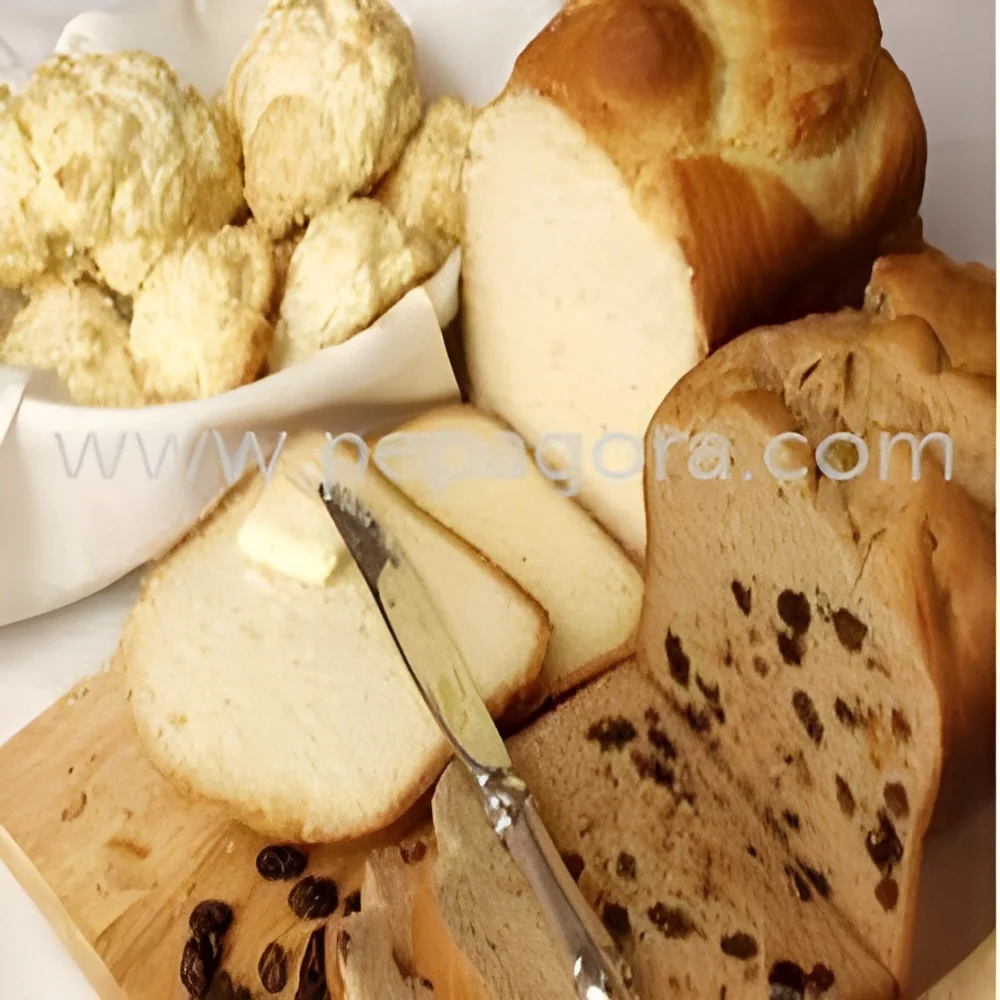
4. Bakery: Dairy products like butter and cream are foundational in baking, while alternatives provide options for gluten-free and dairy-free recipes.
5. Nutritional Supplements: Dairy alternatives are often fortified with vitamins and minerals, making them popular in health-oriented products.
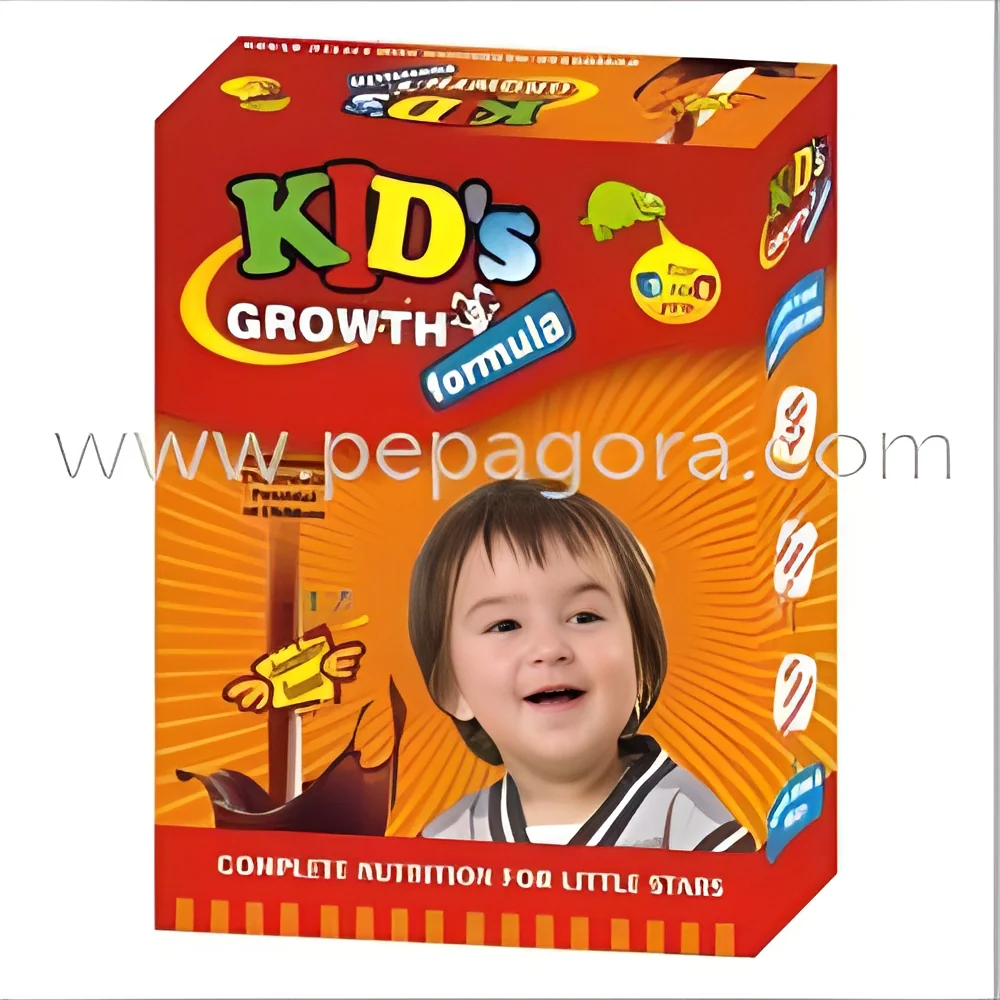
6. Infant Nutrition: Specialized dairy and plant-based products are available for infants, providing essential nutrients while accommodating dietary restrictions.
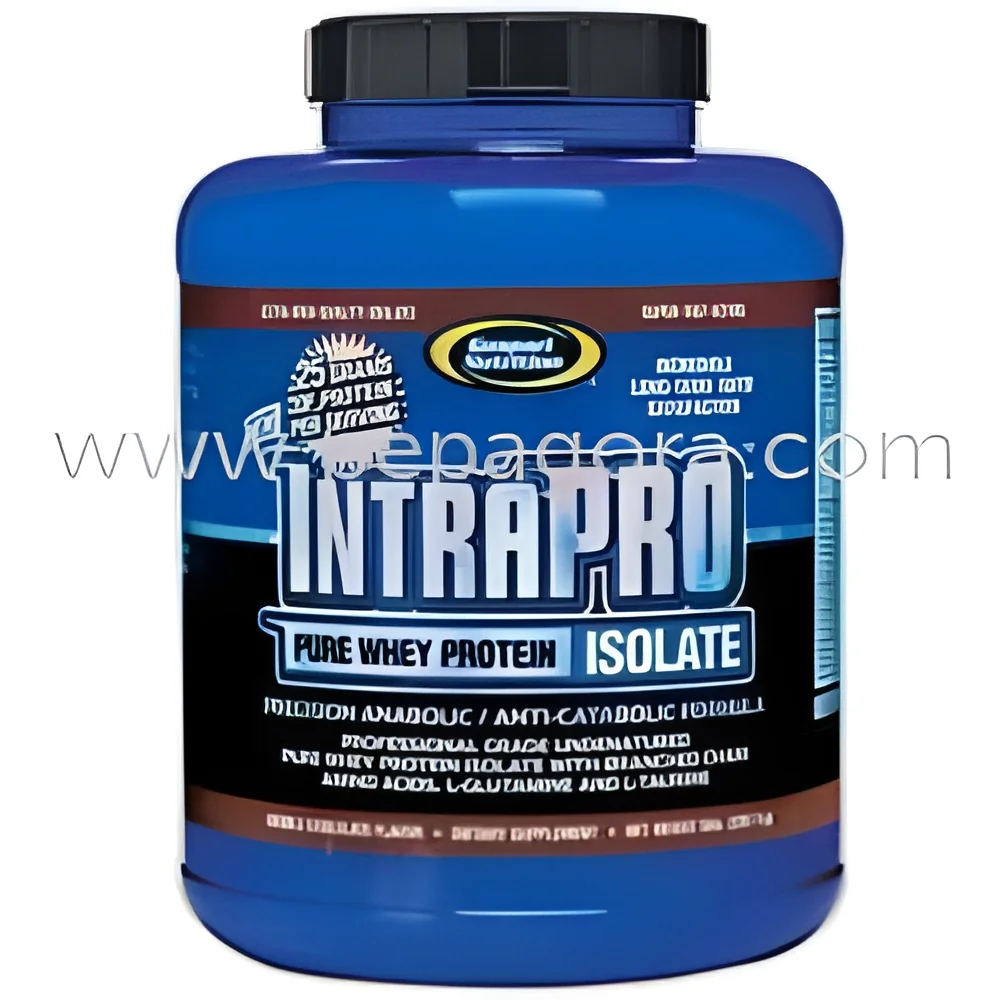
7. Sports Nutrition: Protein-rich dairy products and alternatives are used in supplements and meal replacements for athletes and fitness enthusiasts.
𝗣𝗿𝗼𝗱𝘂𝗰𝘁 𝗩𝗮𝗿𝗶𝗮𝗻𝘁𝘀 𝗮𝗻𝗱 𝗦𝘂𝗯𝗰𝗮𝘁𝗲𝗴𝗼𝗿𝗶𝗲𝘀
The range of dairy products and alternatives is diverse, offering various options to meet specific consumer needs.
Cow's Milk
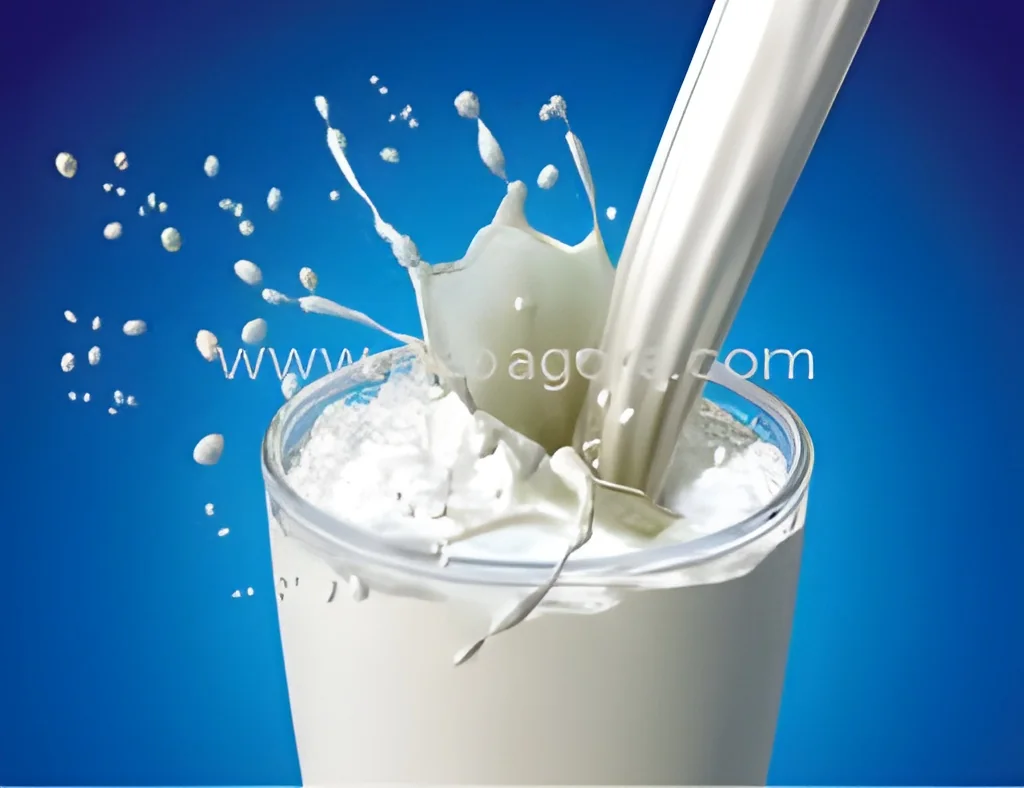
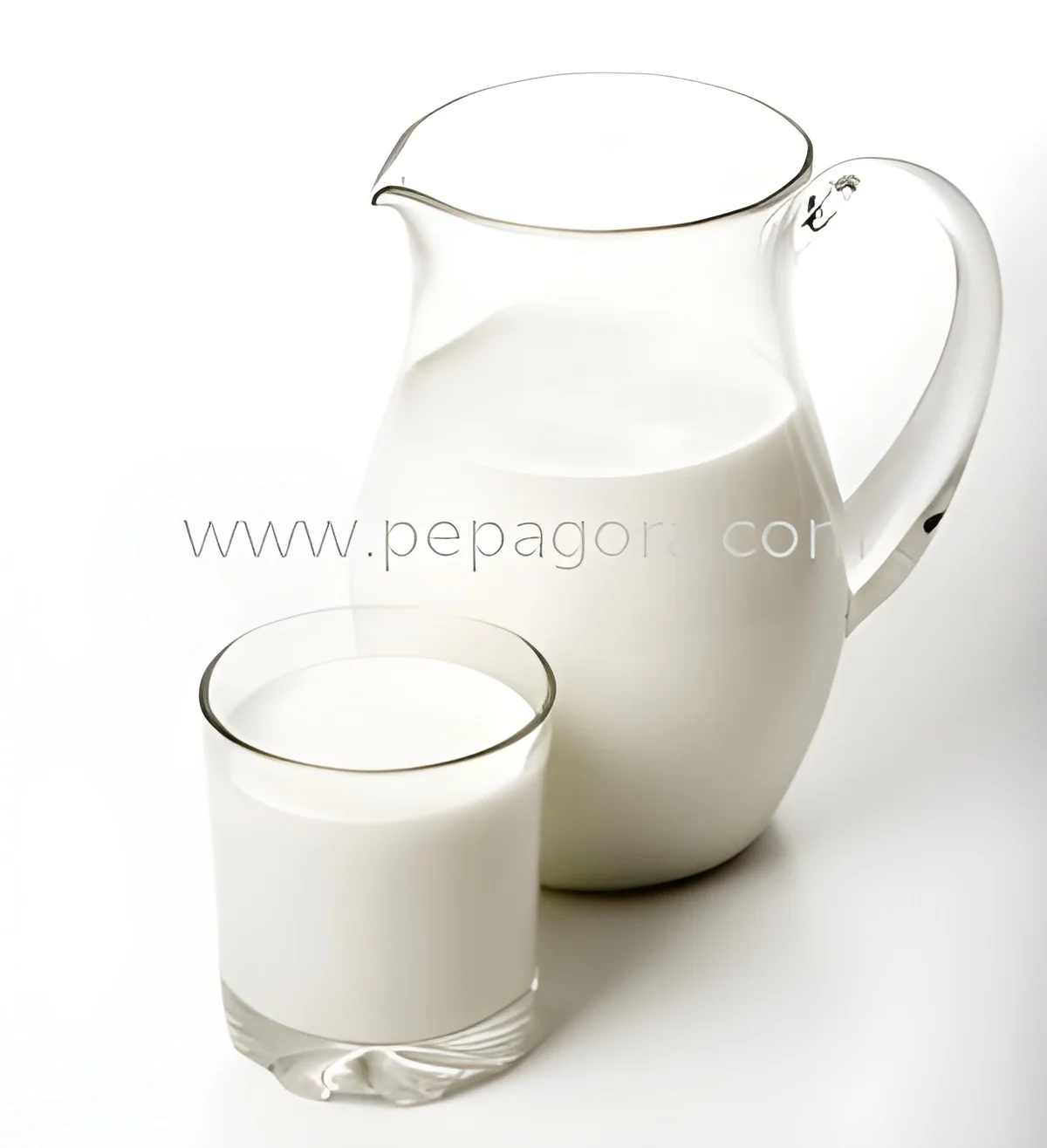
This traditional dairy product is rich in calcium and protein, making it a popular choice for daily consumption and cooking. It is available in whole, low-fat, and skim varieties.
Soy Milk
A leading dairy alternative, soy milk is made from soybeans and is often fortified with calcium and vitamins. It is a versatile option for cooking and baking.
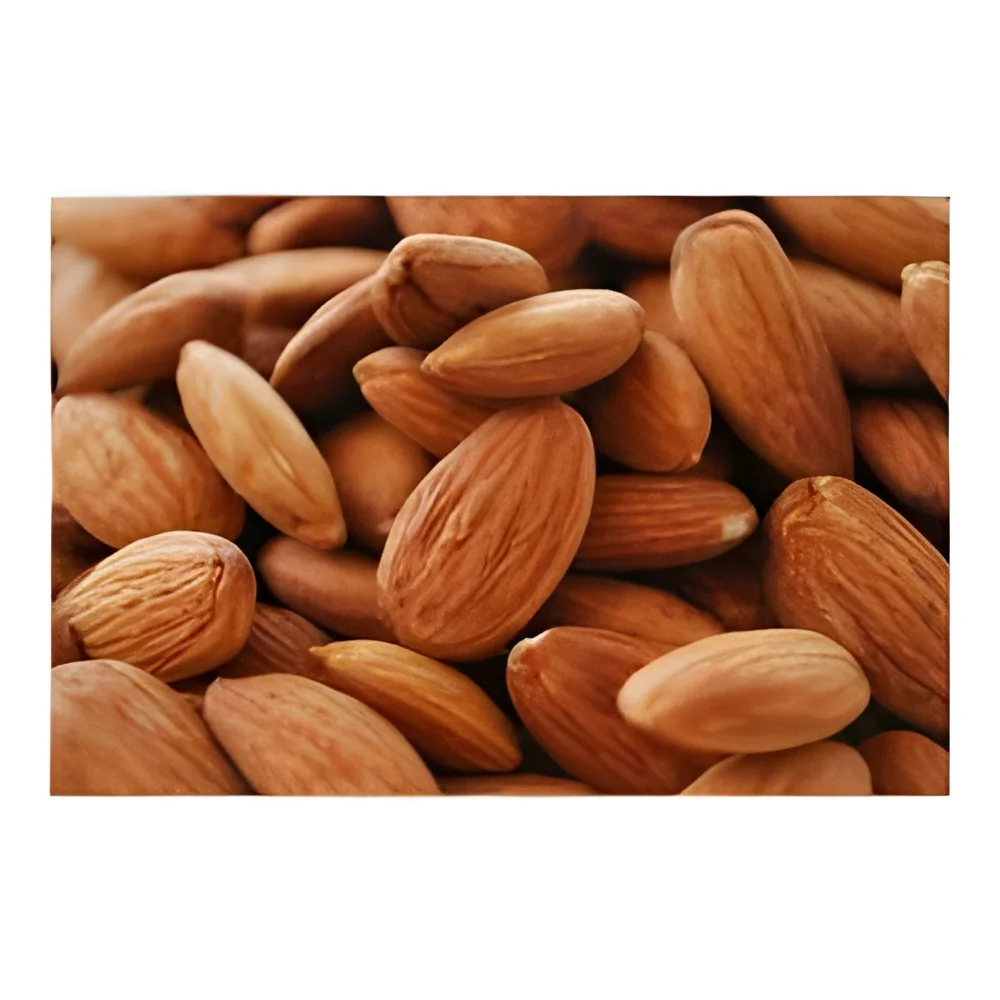
Almond Milk
This dairy alternative is made from ground almonds and is lower in calories than cow's milk. It is widely used in smoothies and cereals.
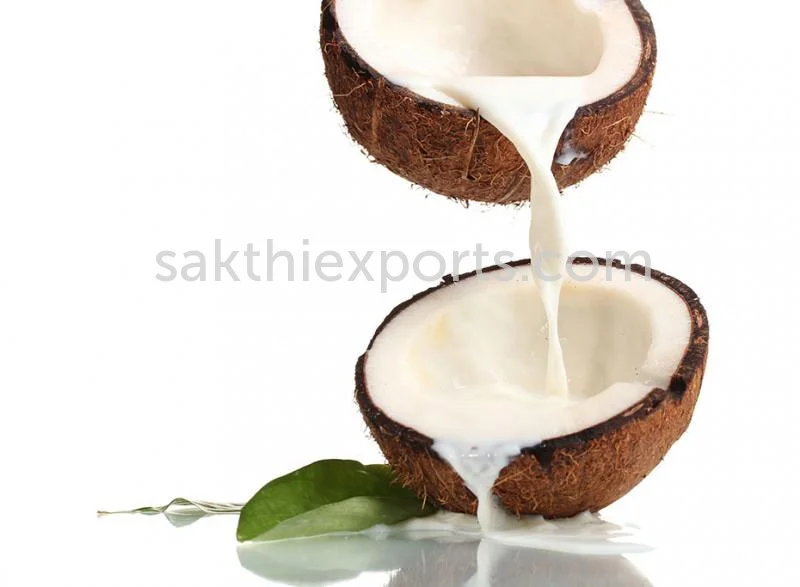
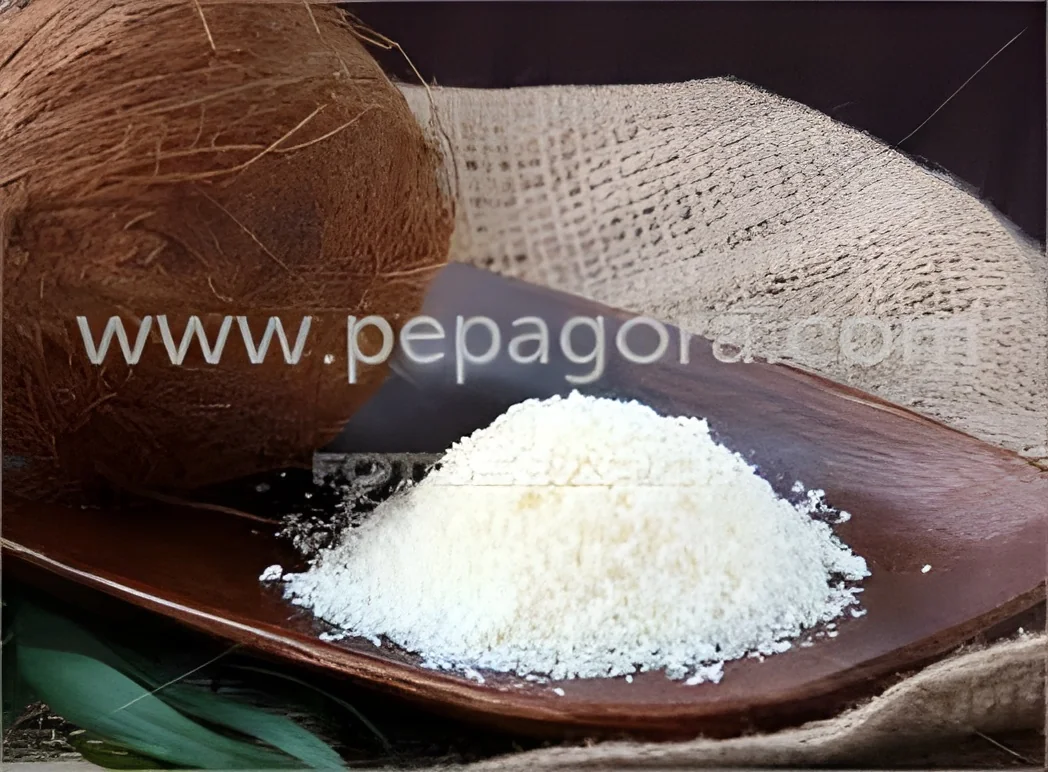
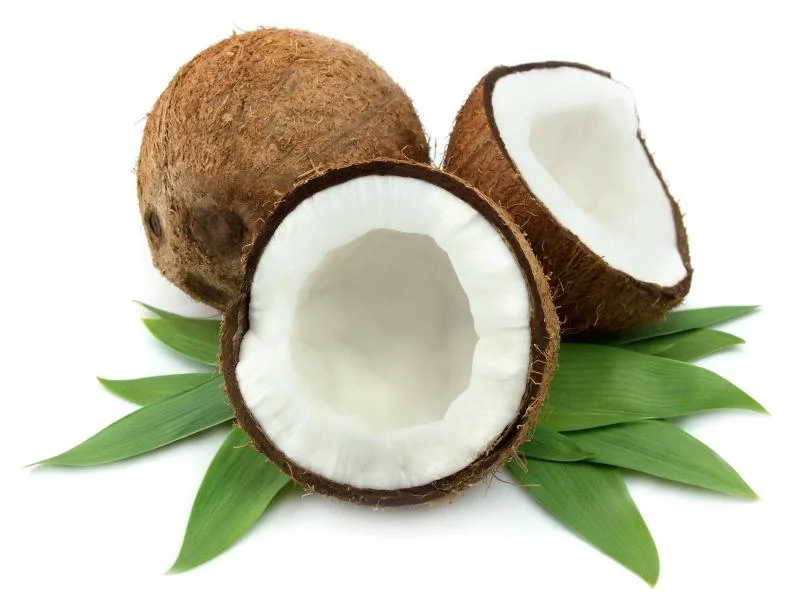
Coconut Milk
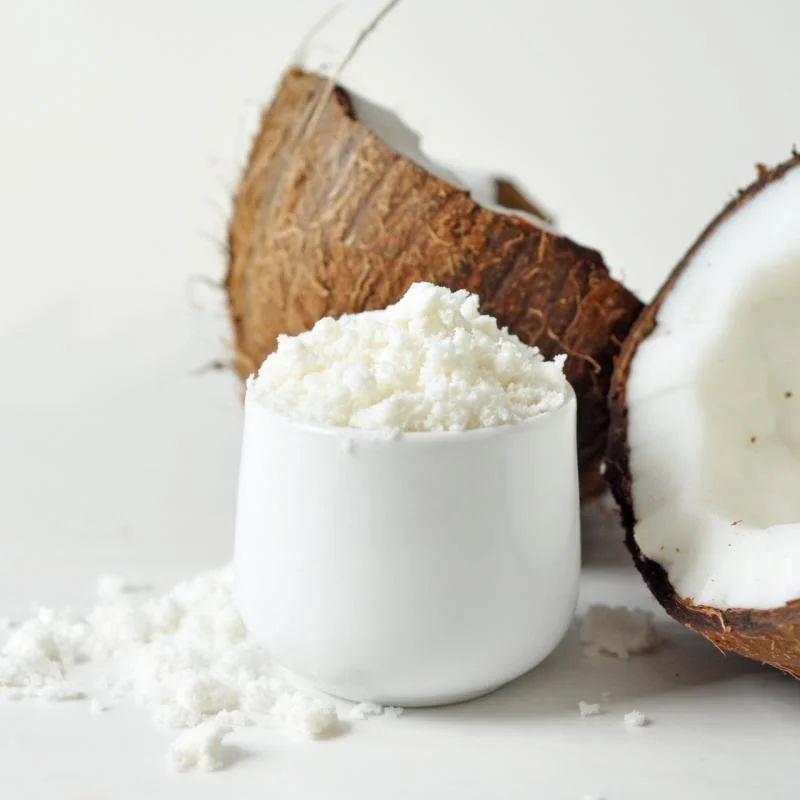
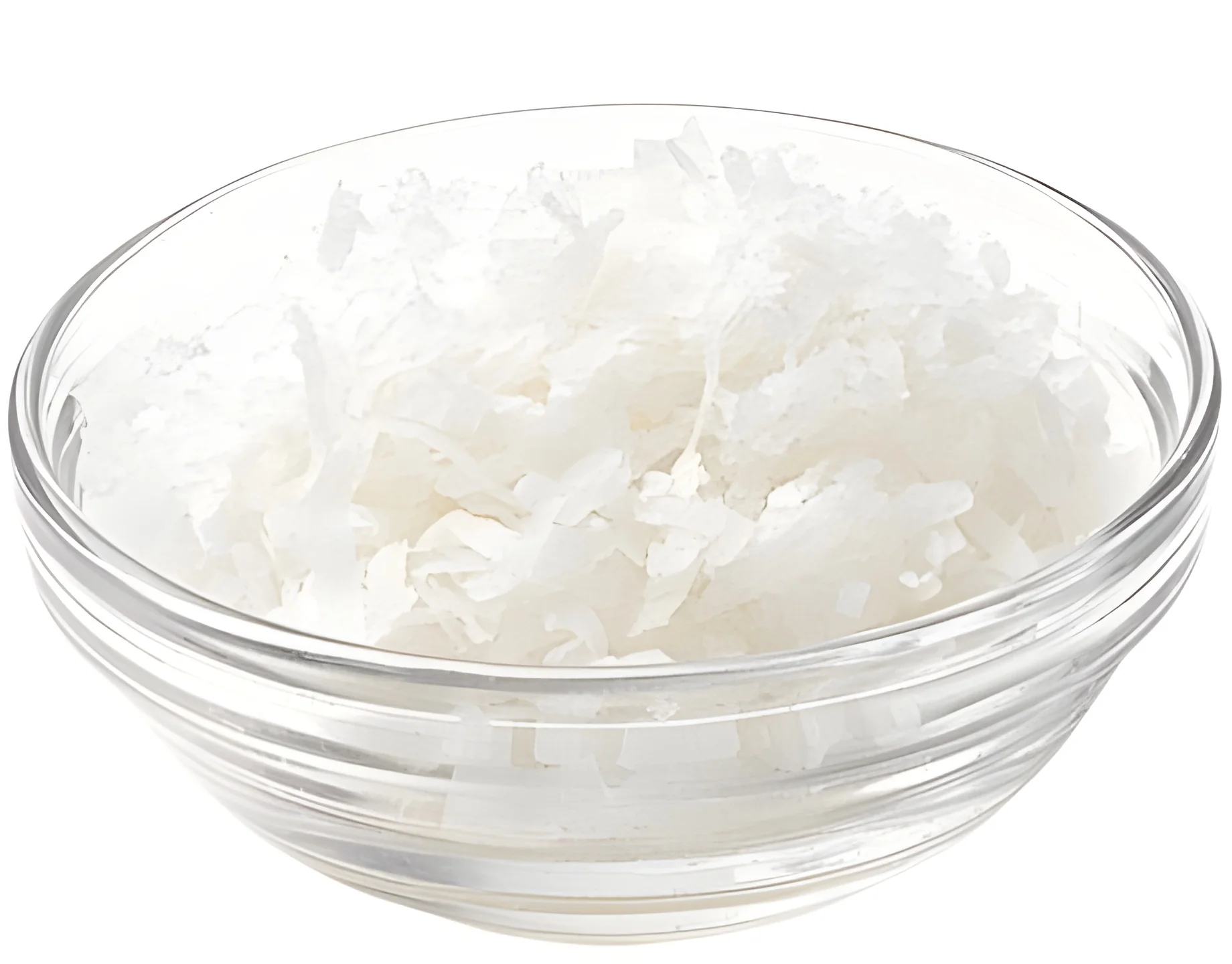
Extracted from the flesh of coconuts, coconut milk adds a rich flavor to dishes and is popular in tropical recipes as well as dairy-free desserts.
Oat Milk
Gaining popularity for its creamy texture and mild flavor, oat milk is often used in coffee shops for lattes and is a suitable option for those with nut allergies.
𝗕𝗲𝗻𝗲𝗳𝗶𝘁𝘀 𝗮𝗻𝗱 𝗔𝗱𝘃𝗮𝗻𝘁𝗮𝗴𝗲𝘀
Dairy products and alternatives offer numerous benefits that appeal to both consumers and businesses.
1. Nutritional Value: Dairy products are rich in essential nutrients such as calcium, protein, and vitamins, crucial for maintaining health.
2. Lactose-Free Options: Dairy alternatives provide lactose-intolerant individuals with options that do not compromise taste or nutrition.
3. Versatility: Both dairy products and alternatives can be used in a variety of culinary applications, making them essential ingredients in many recipes.
4. Health Consciousness: The rise of plant-based diets has led to increased demand for alternatives, appealing to health-conscious consumers.
5. Sustainability: Many dairy alternatives are produced with lower environmental impact compared to traditional dairy farming, attracting eco-minded consumers.
6. Flavor Variety: The wide range of flavors and textures available in dairy alternatives allows for creative culinary uses and consumer satisfaction.
𝗕𝘂𝘆𝗶𝗻𝗴 𝗚𝘂𝗶𝗱𝗲 𝗳𝗼𝗿 𝗕𝟮𝗕 𝗕𝘂𝘆𝗲𝗿𝘀
When sourcing dairy products and alternatives, B2B buyers should consider several key factors to ensure they make informed choices.
1. Quality Assessment: Look for products that meet established quality standards, such as ISO 9001 and HACCP. Conduct regular quality checks to ensure product consistency.
2. Supplier Verification: Vet suppliers thoroughly to confirm their credibility and reliability. Assess their production practices and compliance with industry standards.
3. Pricing and MOQ: Understand the pricing structures and minimum order quantities (MOQ) required by suppliers. Compare different suppliers to find the best value.
4. Delivery and Lead Times: Evaluate logistics capabilities, including delivery times and shipping methods. Timely delivery is crucial for maintaining inventory levels.
5. Compliance Requirements: Ensure that all products comply with local and international regulations, including labeling and safety standards. Awareness of these requirements is vital for market entry.
𝗖𝗼𝗺𝗽𝗹𝗶𝗮𝗻𝗰𝗲 𝗮𝗻𝗱 𝗖𝗲𝗿𝘁𝗶𝗳𝗶𝗰𝗮𝘁𝗶𝗼𝗻𝘀
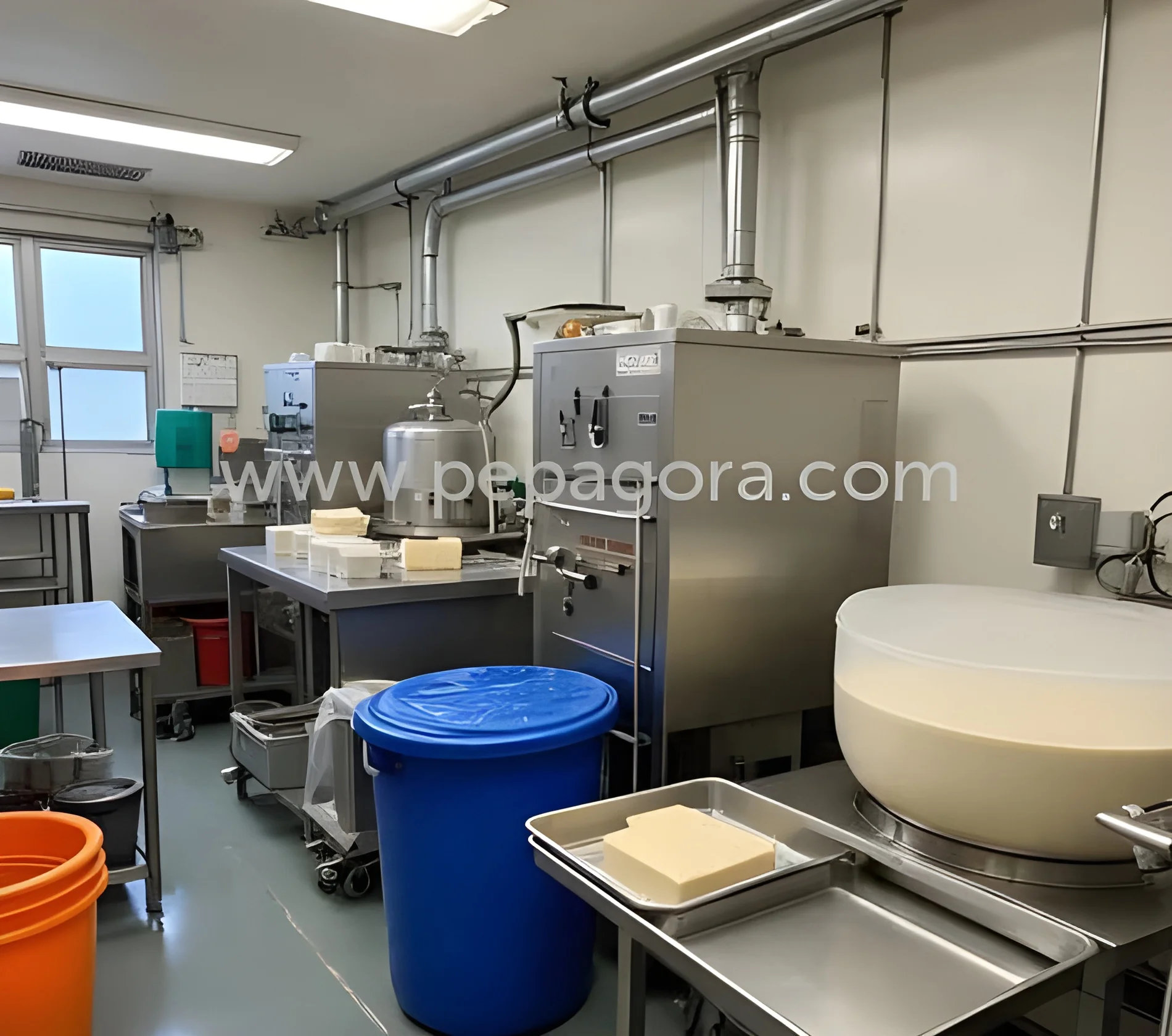
Compliance with industry standards is critical in the dairy products and alternatives market. Key quality standards include ISO 9001, which ensures a framework for quality management systems, and HACCP, which focuses on food safety. These standards help businesses maintain product integrity and consumer safety.
Additionally, certifications like CE indicate that products meet European safety, health, and environmental protection standards. Compliance with regional regulations is essential, as different regions may have specific requirements for dairy products and their alternatives.
Safety and testing requirements also play a vital role in ensuring that products are free from harmful contaminants. Regular testing and quality checks are necessary to maintain compliance and uphold consumer trust.
𝗪𝗵𝘆 𝗦𝗼𝘂𝗿𝗰𝗲 𝗗𝗮𝗶𝗿𝘆 𝗣𝗿𝗼𝗱𝘂𝗰𝘁𝘀 & 𝗔𝗹𝘁𝗲𝗿𝗻𝗮𝘁𝗶𝘃𝗲𝘀 𝗳𝗿𝗼𝗺 𝗣𝗲𝗽𝗮𝗴𝗼𝗿𝗮?
Pepagora offers a trusted platform for sourcing dairy products and alternatives with several key advantages that benefit B2B buyers.
Verified Supplier Network: Pepagora connects buyers with a network of verified suppliers, ensuring product quality and reliability. This network facilitates better sourcing decisions.
Streamlined RFQ Process: The platform features a streamlined request for quotation (RFQ) process, allowing buyers to easily compare offers from multiple suppliers. This system simplifies the procurement process.
Trade Assurance and Support: Pepagora provides trade assurance, protecting buyers through secure transactions and dispute resolution support. This assurance builds confidence in sourcing activities.
Regional Coverage: With a strong presence in India, the GCC, and Southeast Asia, Pepagora offers extensive geographic reach. This regional coverage provides buyers with a wide selection of products and suppliers tailored to their needs.

 IN
IN