
 IN
Woodworking Tools
34 products available
𝗪𝗵𝗮𝘁 𝗮𝗿𝗲 𝗪𝗼𝗼𝗱𝘄𝗼𝗿𝗸𝗶𝗻𝗴 𝗧𝗼𝗼𝗹𝘀?
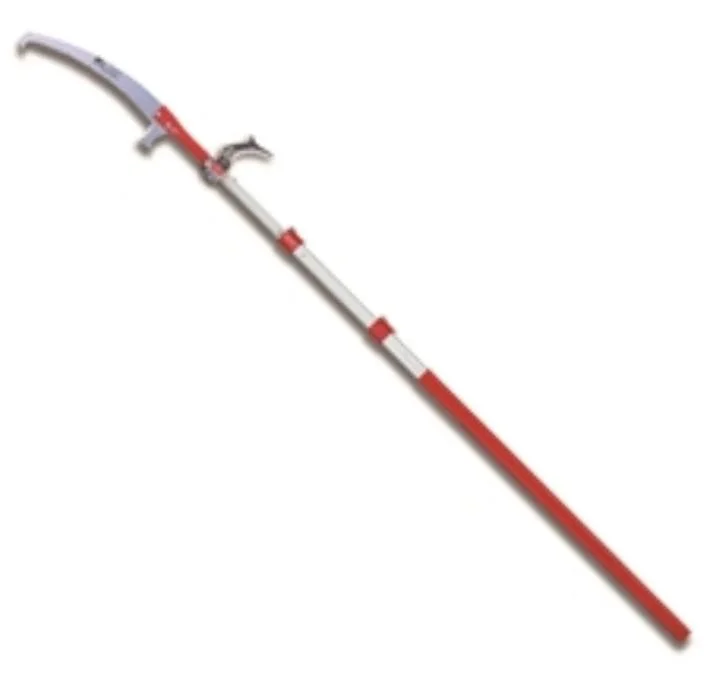
Woodworking tools are essential instruments used in the shaping, cutting, and assembling of wood. These tools can be manual or powered and are designed to help craftsmen and manufacturers create precise wood products. Woodworking tools encompass a wide range of devices, including saws, chisels, planes, and routers, each serving a specific purpose in the woodworking process. The evolution of these tools has greatly enhanced efficiency and precision in wood-related tasks.
The primary uses of woodworking tools extend across various sectors, including furniture manufacturing, construction, and cabinetry. In businesses, these tools are crucial for creating everything from intricate furniture designs to structural components in buildings. A solid understanding of woodworking tools is vital for professionals in these industries to ensure quality craftsmanship and effective project execution. The woodworking tools market continues to grow, driven by increasing demand for custom wood products and sustainable building materials.
𝗞𝗲𝘆 𝗙𝗲𝗮𝘁𝘂𝗿𝗲𝘀 𝗮𝗻𝗱 𝗦𝗽𝗲𝗰𝗶𝗳𝗶𝗰𝗮𝘁𝗶𝗼𝗻𝘀
Woodworking tools come with a variety of features and specifications tailored to meet the needs of different applications. When selecting woodworking tools, it is important to consider their technical details to ensure they match your business requirements.
Key specifications include:
1. Tool Type
- Each tool serves a specific function, such as cutting, shaping, or joining wood.
- Categories include hand tools, power tools, and specialized equipment.
2. Material Quality
- Tools are often made from materials like high-carbon steel, stainless steel, or durable plastics.
- Material quality impacts tool longevity and performance.
3. Size and Weight
- Tools vary in size and weight, affecting maneuverability and ease of use.
- Considerations may include compact designs for portability or heavier tools for stability.
4. Power Source
- Woodworking tools can be manual, electric, or battery-operated.
- The power source affects the efficiency and type of work that can be performed.
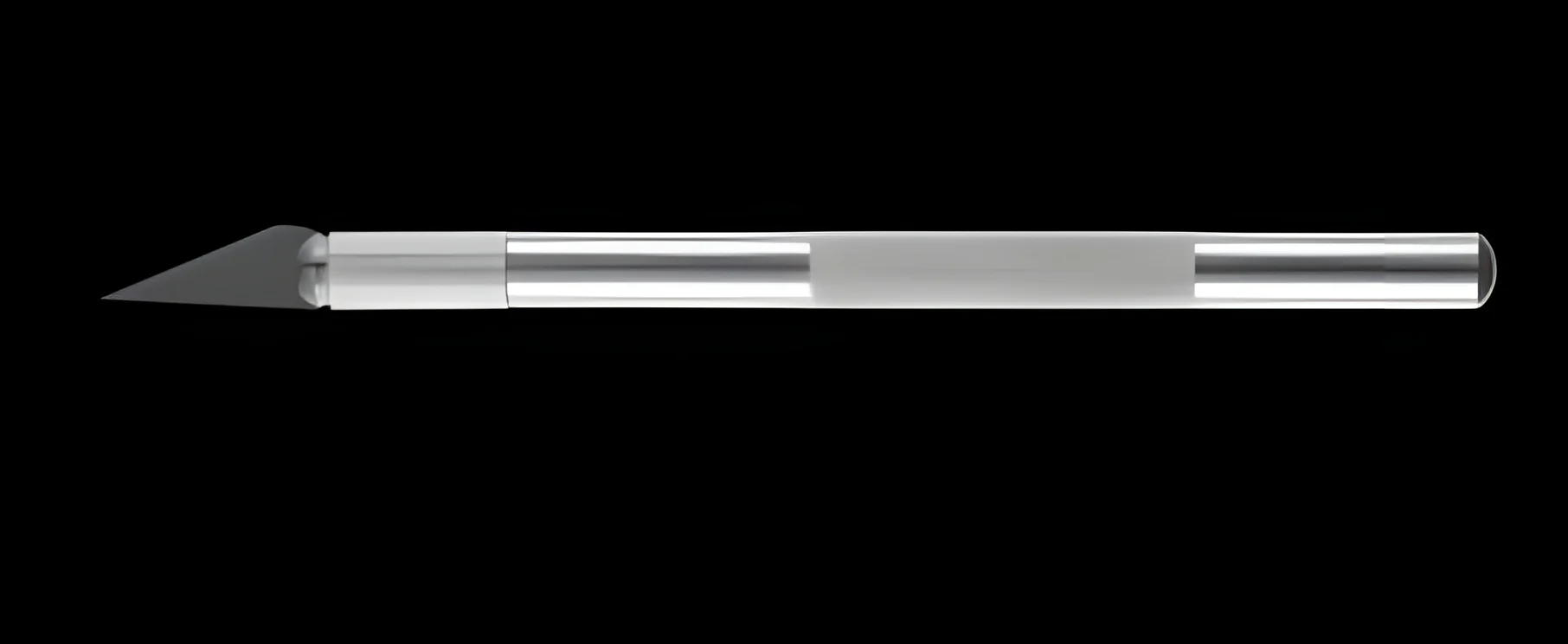
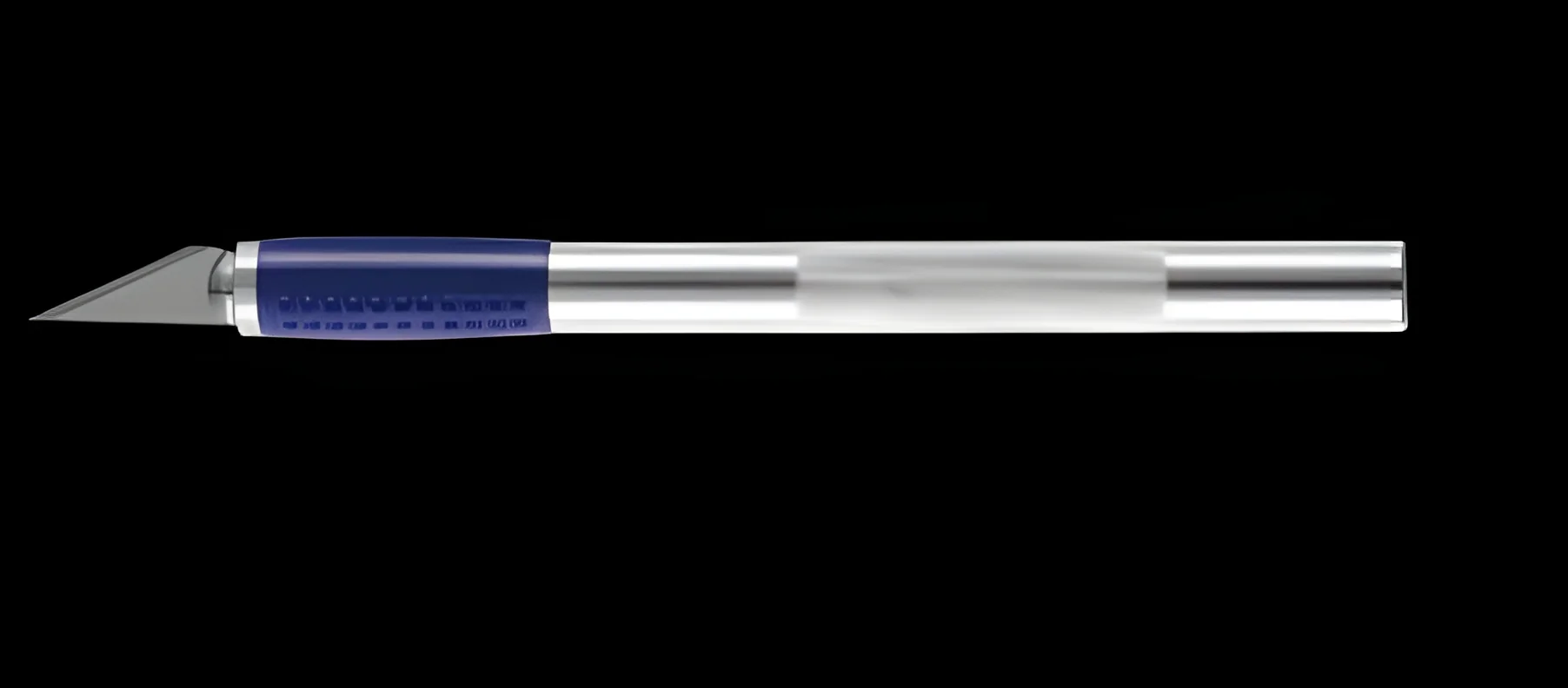
5. Blade and Cutting Features
- Many tools have interchangeable blades or bits for versatile applications.
- Cutting features may include tooth count, angle, and material compatibility.
6. Ergonomics
- Tools are designed with user comfort in mind, featuring grips and control options.
- Ergonomic designs help reduce fatigue during extended use.
7. Safety Features
- Many tools incorporate safety mechanisms such as guards and automatic shutoff.
- Safety features are crucial for protecting users during operation.
In summary, understanding the features and specifications of woodworking tools allows businesses to select the right equipment that meets their specific needs and ensures operational efficiency.
𝗖𝗼𝗺𝗺𝗼𝗻 𝗔𝗽𝗽𝗹𝗶𝗰𝗮𝘁𝗶𝗼𝗻𝘀 𝗮𝗻𝗱 𝗨𝘀𝗲 𝗖𝗮𝘀𝗲𝘀
Woodworking tools serve a diverse range of industries, making them integral to numerous applications.
1. Furniture Manufacturing: Woodworking tools are essential for crafting furniture, from cutting and shaping raw materials to assembling finished products. Precision tools ensure high-quality outcomes in design and construction.
2. Construction: In the construction industry, woodworking tools are used for framing, roofing, and interior finishing. They help create structural elements and aesthetic touches in buildings, enhancing overall quality.
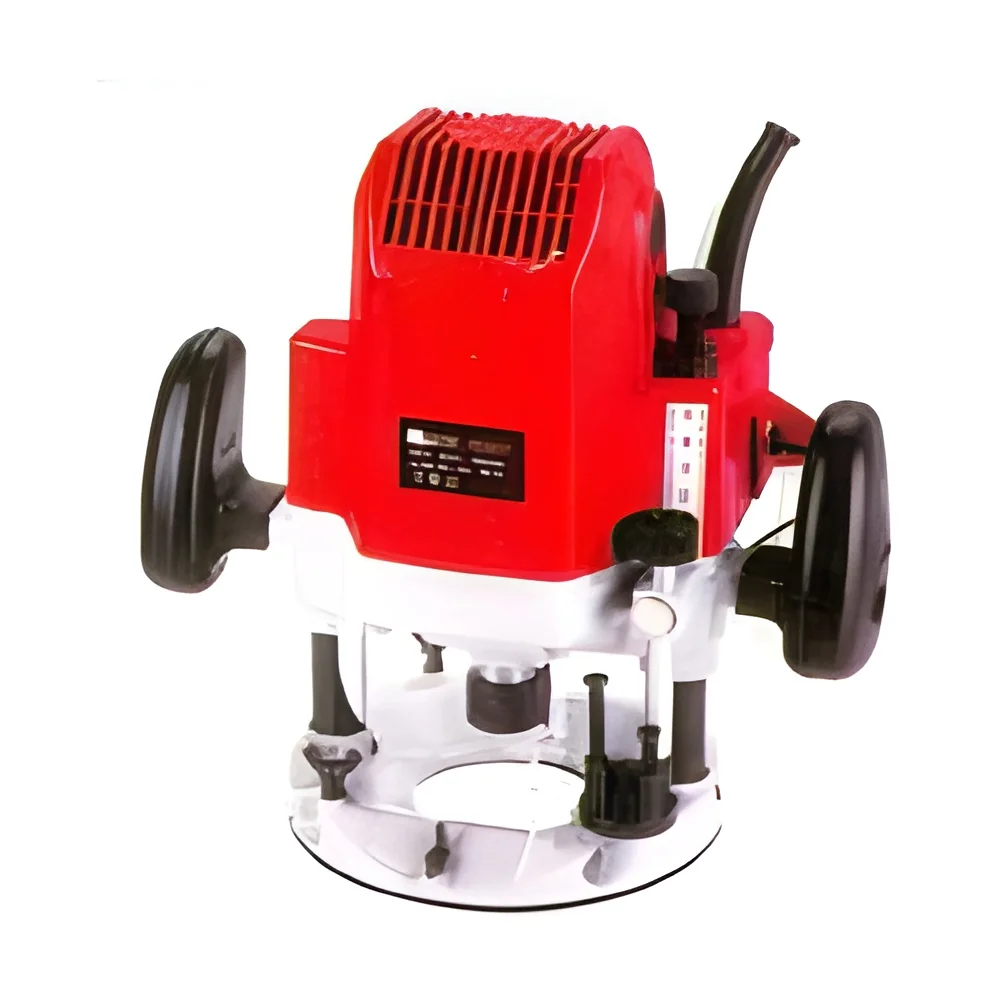
3. Cabinetry: In the cabinetry sector, woodworking tools are crucial for producing custom cabinets and storage solutions. Tools like routers and saws are used to create intricate designs and precise fittings.
4. Woodcraft and Hobby: DIY enthusiasts and woodworkers use a variety of tools for personal projects and crafts. These tools enable creativity and the production of unique wooden items.
5. Musical Instrument Making: Crafting musical instruments requires specialized woodworking tools to shape and join wood precisely. These tools are vital for achieving the desired sound quality and aesthetics.
6. Joinery: In joinery, woodworking tools are used to create strong joints between wood pieces. This includes tools for cutting dovetails, mortises, and tenons, ensuring durability in structures.
7. Restoration and Repair: Woodworking tools are also employed in the restoration and repair of wooden items. These tools help restore furniture and fixtures to their original condition, preserving their value and appearance.
𝗣𝗿𝗼𝗱𝘂𝗰𝘁 𝗩𝗮𝗿𝗶𝗮𝗻𝘁𝘀 𝗮𝗻𝗱 𝗦𝘂𝗯𝗰𝗮𝘁𝗲𝗴𝗼𝗿𝗶𝗲𝘀
Woodworking tools come in a variety of types and configurations to cater to different needs and preferences.
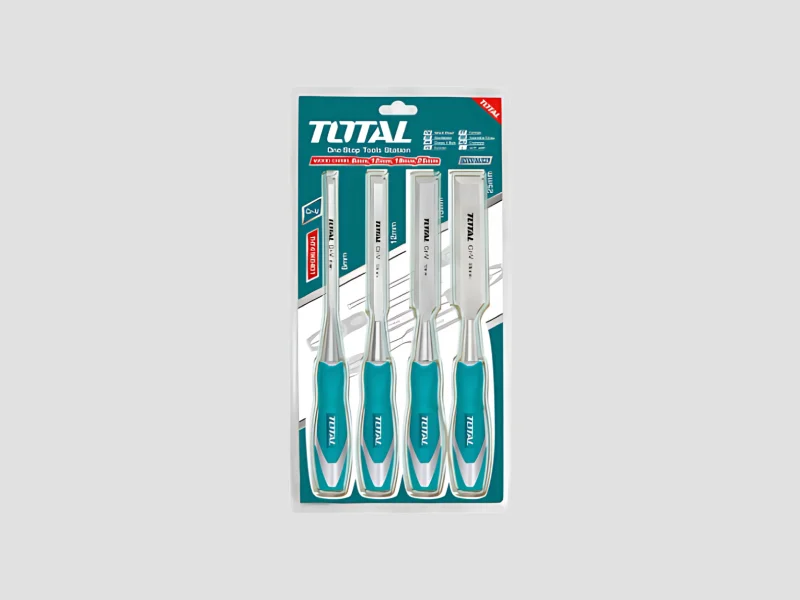
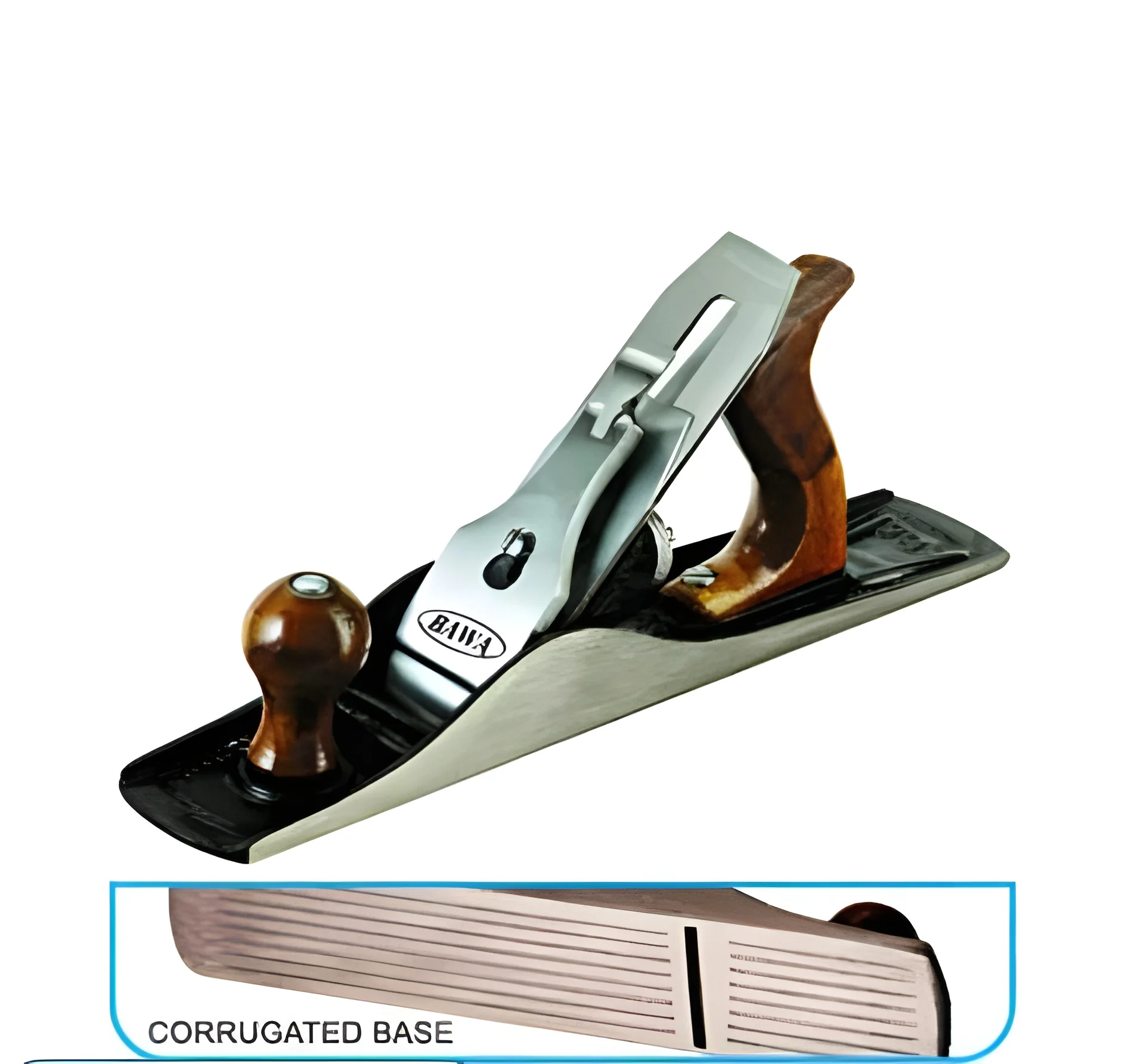
Hand Tools: Hand tools include chisels, hand saws, and planes. They provide high levels of control for detailed work, making them ideal for fine woodworking and intricate designs.
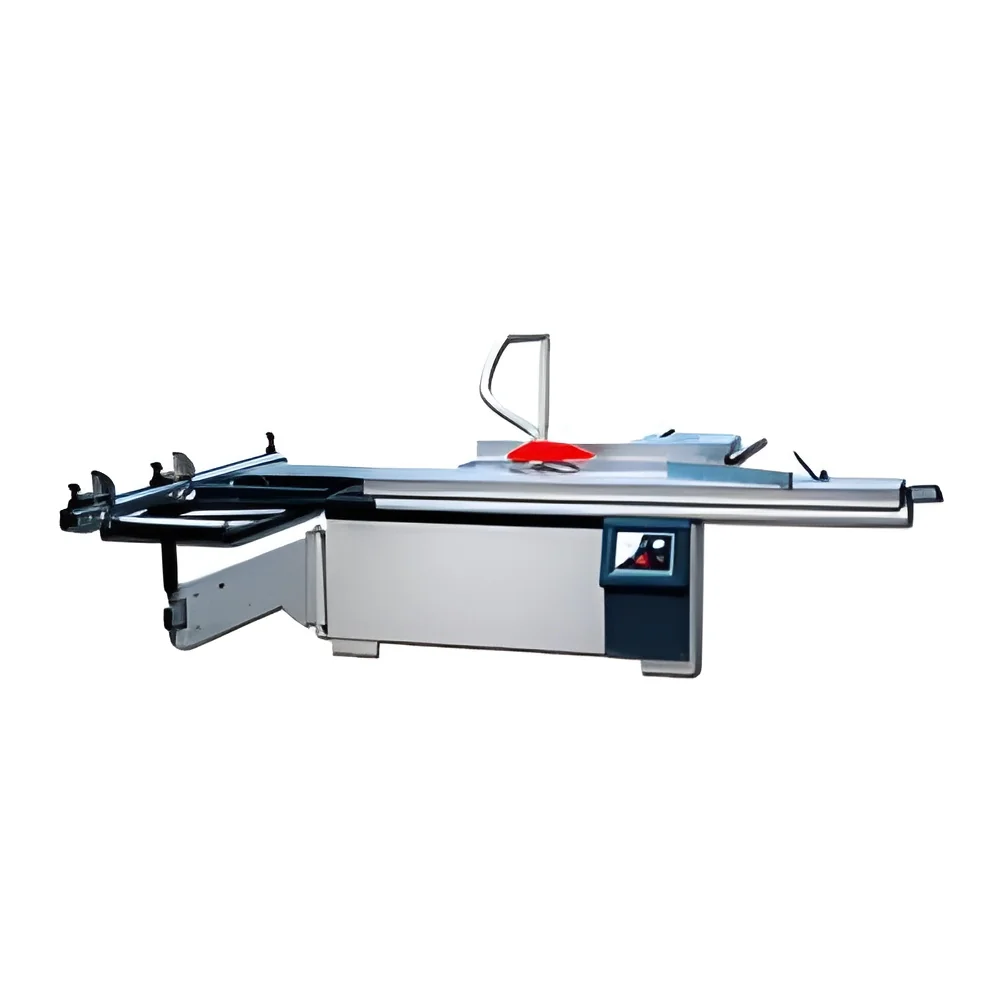
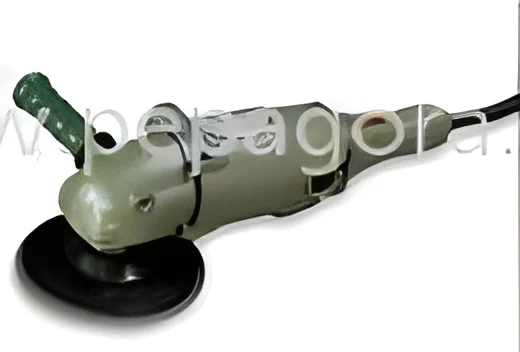
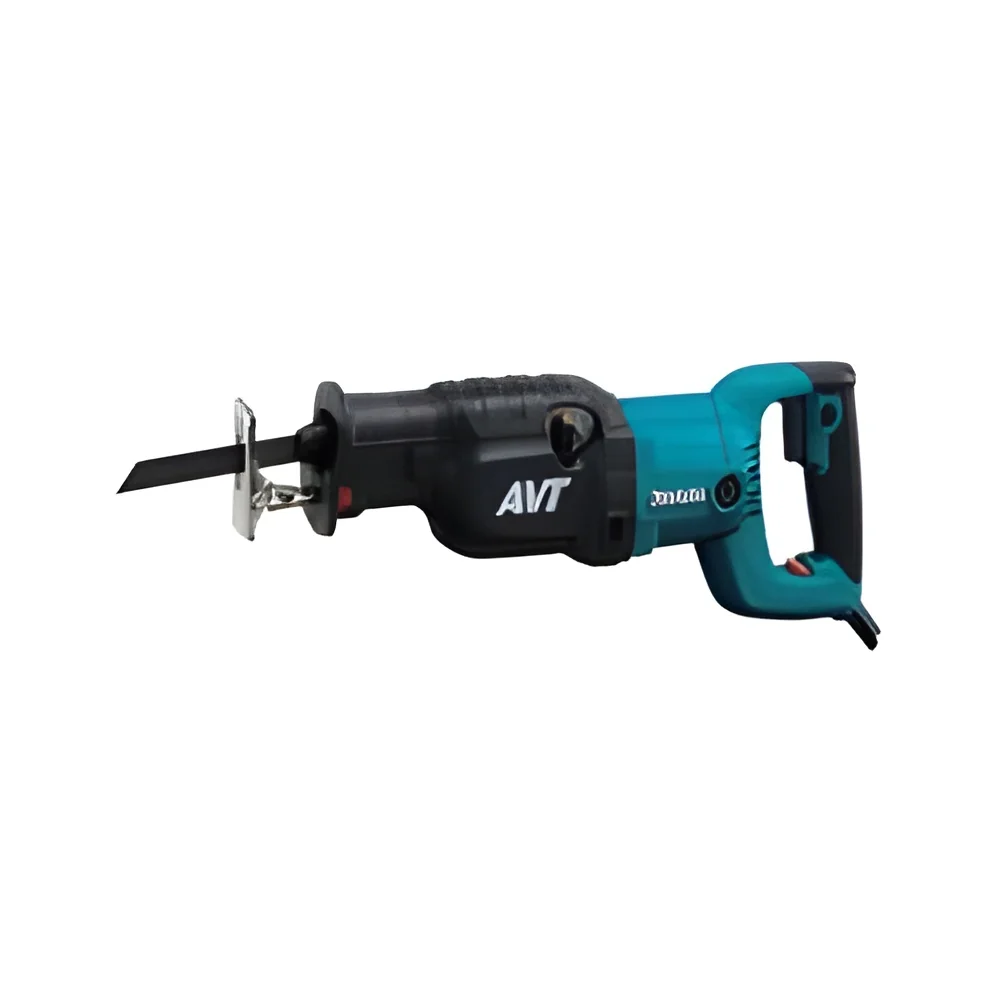
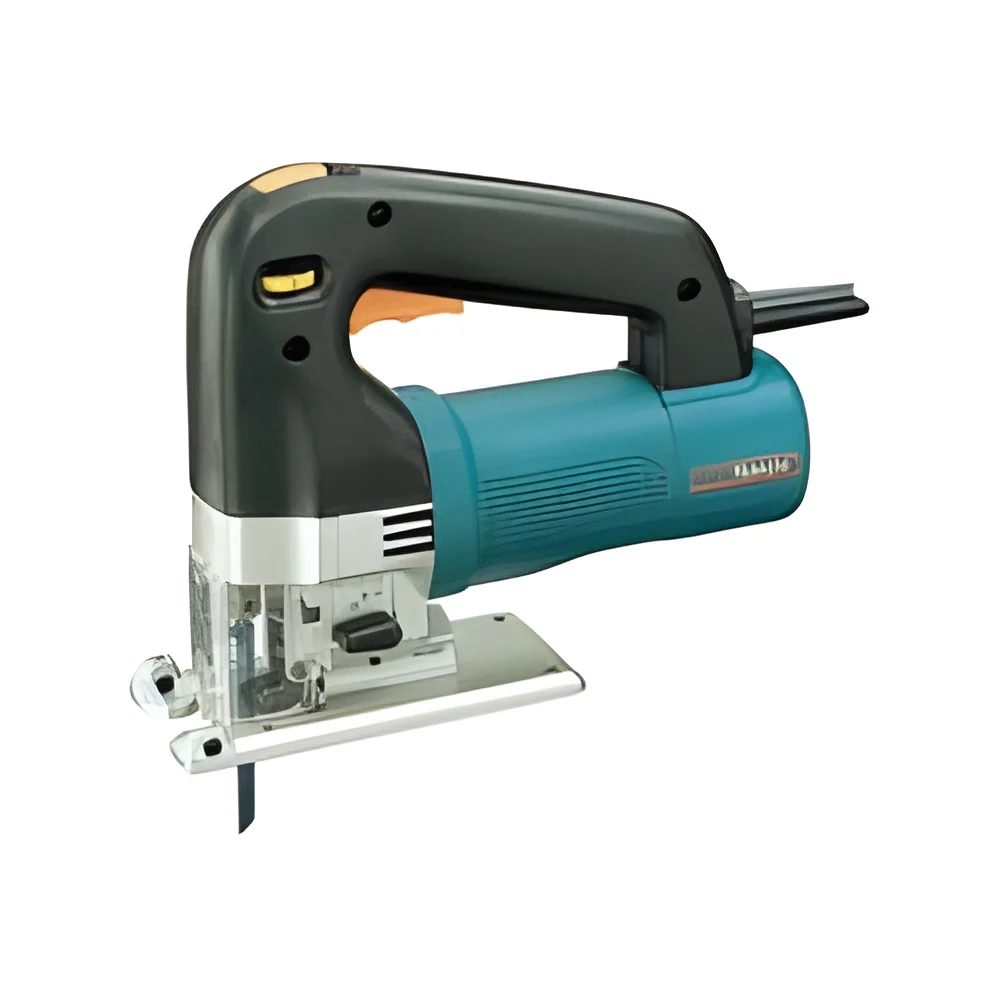
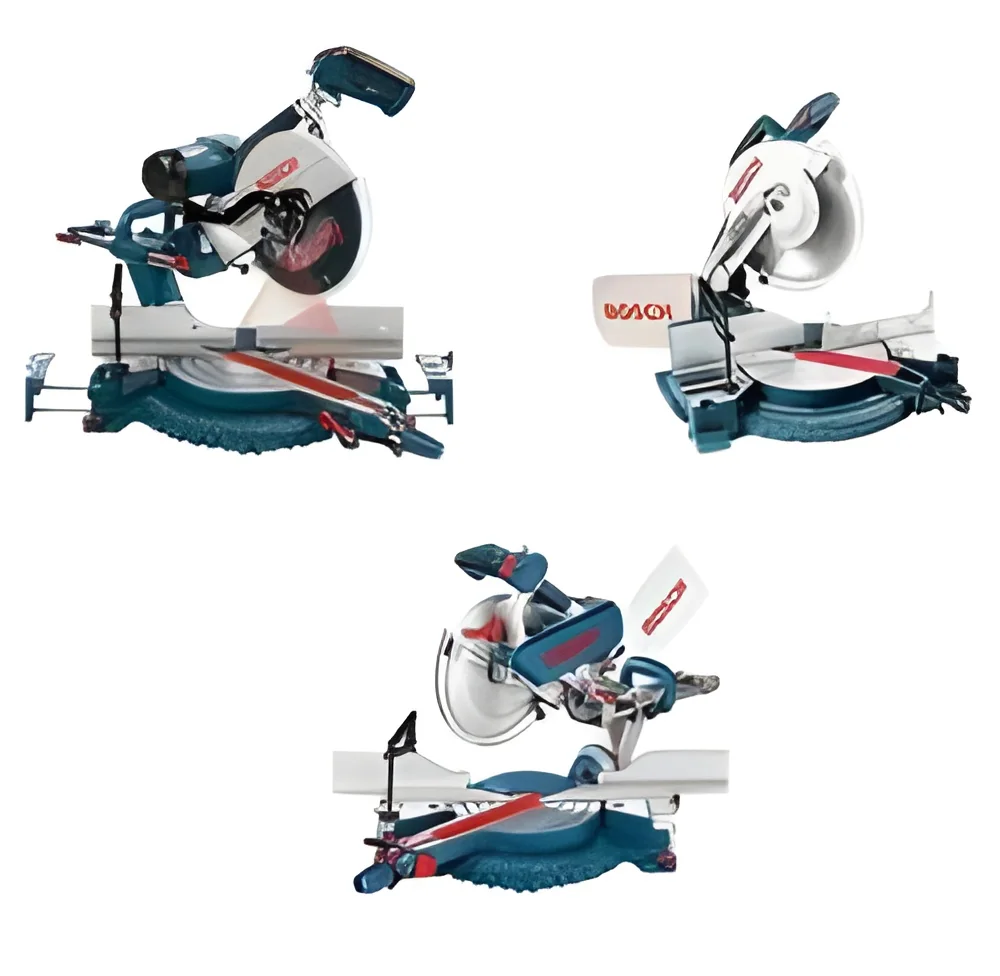
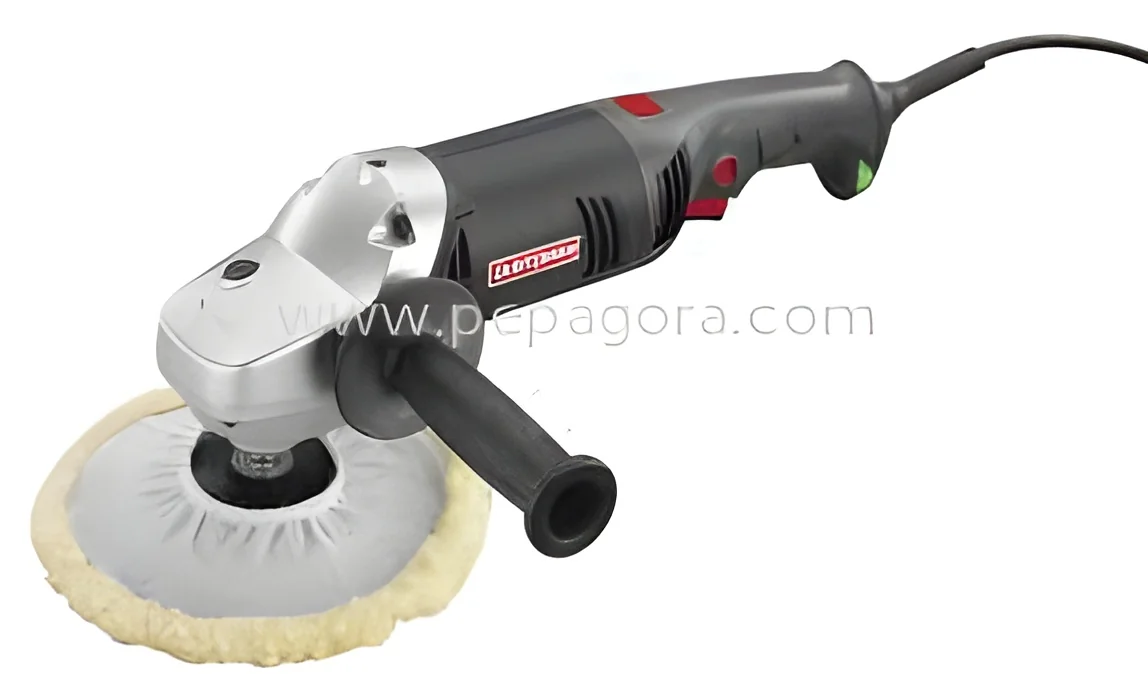
Power Tools: Power tools, such as electric saws, routers, and drills, enhance efficiency and speed in woodworking tasks. They are designed for larger projects and offer various power settings for different applications.
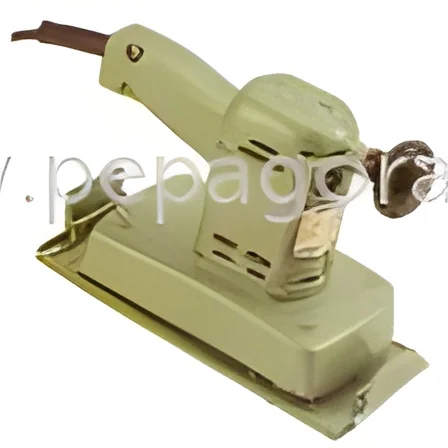
Specialized Tools: Specialized woodworking tools include tools for specific tasks, such as mortisers for joinery or spindle sanders for finishing. These tools provide unique capabilities that standard tools may not offer.
𝗕𝗲𝗻𝗲𝗳𝗶𝘁𝘀 𝗮𝗻𝗱 𝗔𝗱𝘃𝗮𝗻𝘁𝗮𝗴𝗲𝘀
Investing in quality woodworking tools offers several significant advantages for businesses.
1. Enhanced Precision: High-quality tools provide better accuracy in cuts and shapes, resulting in superior finished products. This precision is essential for meeting client specifications.
2. Increased Efficiency: Power tools can significantly reduce the time needed for tasks, allowing businesses to complete projects faster and take on more work.
3. Improved Safety: Tools designed with safety features reduce the risk of accidents, protecting workers and minimizing liability for businesses. Safety is a critical consideration in any workshop.
4. Cost-Effectiveness: Investing in durable tools can lead to long-term cost savings by reducing the need for frequent replacements. Quality tools often outperform cheaper alternatives over time.
5. Versatility: Many woodworking tools offer versatility through interchangeable blades and attachments, allowing for a broader range of applications without the need for multiple tools.
6. Professional Quality: Using high-quality woodworking tools enhances the overall quality of work, leading to satisfied customers and potential repeat business.
𝗕𝘂𝘆𝗶𝗻𝗴 𝗚𝘂𝗶𝗱𝗲 𝗳𝗼𝗿 𝗕𝟮𝗕 𝗕𝘂𝘆𝗲𝗿𝘀
When sourcing woodworking tools, businesses should consider several important factors to ensure they make informed purchasing decisions.
1. Quality Assessment: Look for tools that meet industry standards and are built from durable materials. Quality tools lead to better performance and longer life, which is essential for maintaining productivity.
2. Supplier Verification: Vetting suppliers is crucial. Ensure they have a proven track record of reliability, quality, and customer service. Check for certifications and reviews from other businesses.
3. Pricing and MOQ: Understand pricing structures and minimum order quantities. Competitive pricing can help manage budgets, but ensure that lower costs do not compromise quality.
4. Delivery and Lead Times: Discuss delivery options and lead times with suppliers. Timely delivery is essential for project scheduling, and delays can impact overall business operations.
5. Compliance Requirements: Be aware of any regulatory requirements related to woodworking tools, including safety standards and certifications. Compliance ensures that tools meet necessary safety and quality benchmarks.
𝗖𝗼𝗺𝗽𝗹𝗶𝗮𝗻𝗰𝗲 𝗮𝗻𝗱 𝗖𝗲𝗿𝘁𝗶𝗳𝗶𝗰𝗮𝘁𝗶𝗼𝗻𝘀
Woodworking tools must adhere to various quality standards and certifications to ensure safety and reliability in their applications. One significant standard is ISO 9001, which outlines requirements for a quality management system. Compliance with this standard indicates that the manufacturer has established processes to ensure product quality and consistency.
Additionally, many woodworking tools carry the CE certification, demonstrating compliance with European health, safety, and environmental protection standards. This certification is crucial for suppliers looking to sell their products in the European market.
Safety and testing requirements for woodworking tools involve rigorous checks and assessments to ensure that tools are safe for use. This includes evaluating features such as blade guards and safety switches. Regional compliance considerations may vary, so businesses should be aware of local regulations governing woodworking tools.
𝗪𝗵𝘆 𝗦𝗼𝘂𝗿𝗰𝗲 𝗪𝗼𝗼𝗱𝘄𝗼𝗿𝗸𝗶𝗻𝗴 𝗧𝗼𝗼𝗹𝘀 𝗳𝗿𝗼𝗺 𝗣𝗲𝗽𝗮𝗴𝗼𝗿𝗮?
Pepagora provides a trusted platform for sourcing woodworking tools with several key advantages that appeal to B2B buyers.
The verified supplier network ensures that buyers can connect with reputable manufacturers and distributors. Each supplier is thoroughly vetted for quality and reliability, giving buyers peace of mind when making purchasing decisions.
The streamlined RFQ process simplifies the sourcing of woodworking tools. Buyers can quickly request quotes from multiple suppliers, allowing them to compare options and choose the best fit for their needs.
Trade assurance and support are essential features offered by Pepagora. This includes buyer protection policies that help safeguard investments and ensure satisfaction with purchases.
Lastly, Pepagora boasts regional coverage across India, the GCC, and Southeast Asia. This geographic reach enables businesses to access a diverse range of woodworking tools from various suppliers, supporting their specific market needs and preferences.





 India
 India
 India
 India
 India



 India

 India

 India
 India
 India
 India

 India

Frequently Asked Questions
What are Woodworking Tools?
Woodworking tools are instruments used in the shaping, cutting, and assembly of wood. They can be manual or powered and are essential for tasks ranging from basic carpentry to intricate furniture making.
What are the different types of Woodworking Tools?
Woodworking tools can be categorized into hand tools and power tools. Hand tools include chisels, saws, and planes, while power tools encompass drills, sanders, and table saws, each serving specific functions in the woodworking process.
How do I choose the right Woodworking Tools?
Choosing the right woodworking tools depends on your project requirements, skill level, and budget. Consider the types of materials you will be working with and the precision needed for your tasks before making a selection.
What are the standard specifications for Woodworking Tools?
Standard specifications for woodworking tools often include material quality, power rating (for power tools), and safety features. It is important to check the manufacturer's guidelines for specific tools to ensure compliance with industry standards.
What is the price range for Woodworking Tools?
The price range for woodworking tools can vary significantly based on type and quality, typically ranging from a few hundred to several thousand Indian Rupees. Entry-level hand tools may start at lower prices, while high-end power tools can be more expensive.
What quality standards apply to Woodworking Tools?
Quality standards for woodworking tools often include compliance with safety regulations and performance benchmarks. Common certifications include ISO and ANSI, which ensure that the tools are safe and reliable for professional use.
Where can I find Woodworking Tools suppliers in India?
You can find woodworking tools suppliers in India through various B2B marketplaces, trade shows, and directories. Websites like Pepagora.com provide a comprehensive listing of manufacturers and suppliers in the woodworking tools sector.
Can Woodworking Tools be customized?
Yes, many woodworking tools can be customized based on specific user requirements. Customization options may include alterations to sizes, materials, and additional features to suit particular tasks.
What is the typical minimum order quantity for Woodworking Tools?
The typical minimum order quantity (MOQ) for woodworking tools can vary by supplier and product type, usually ranging from 10 to 100 units. It is advisable to check with individual suppliers for their specific MOQs.
What is the typical lead time for Woodworking Tools?
The typical lead time for woodworking tools can range from a few days to several weeks, depending on the supplier and the complexity of the order. Factors such as customization and stock availability can also influence the delivery time.
Why Businesses Trust Pepagora
Thousands of companies trust Pepagora to source smarter and sell faster
Expand Your Sales Globally

Source Smarter,Grow Faster
