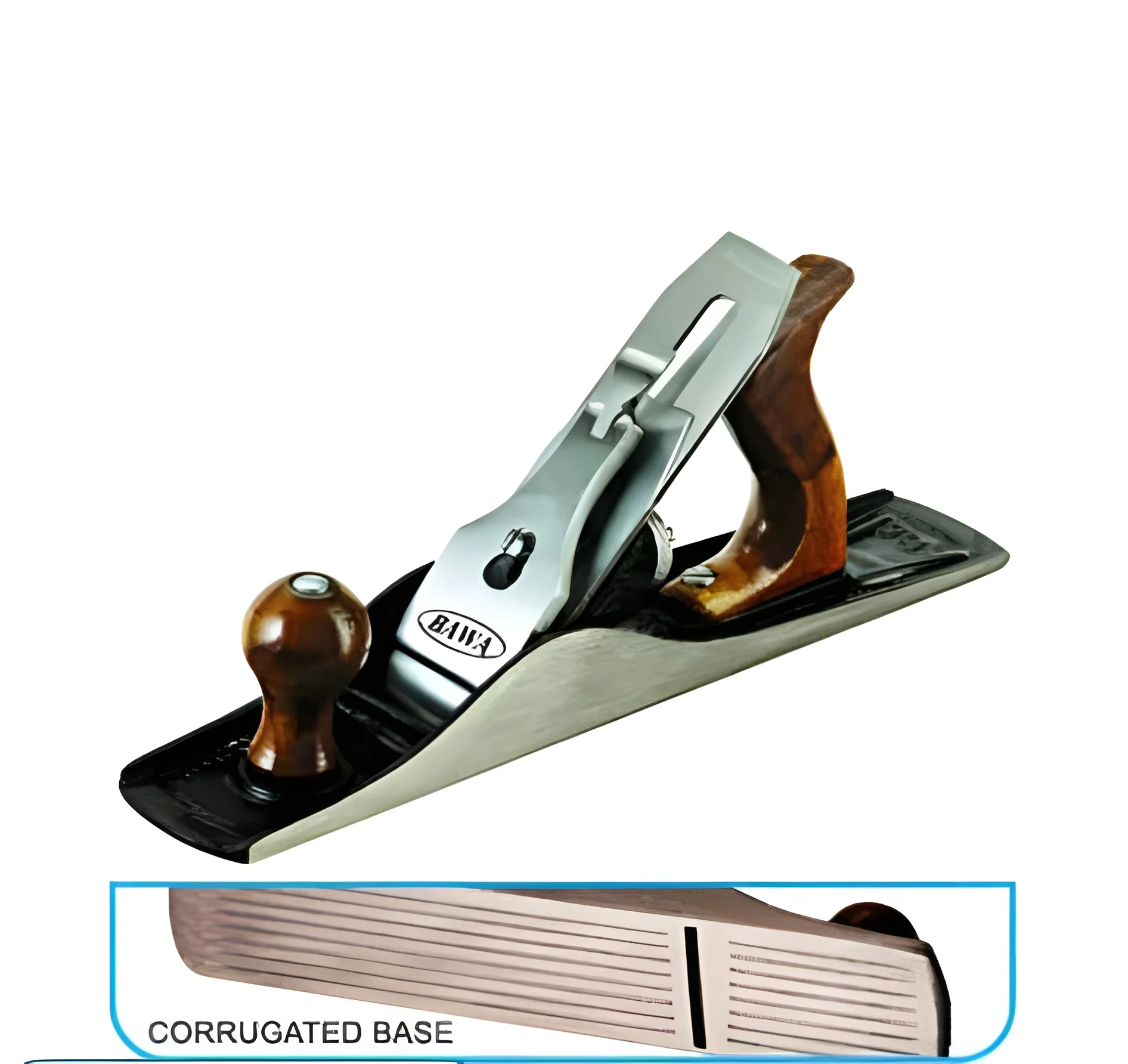
What are Wood Planes?
Wood planes are essential hand tools used in woodworking for shaping, smoothing, and finishing surfaces of wood. They work by shaving thin layers off the wood to create a flat, even surface. The blade, or iron, is adjustable and can be set to different depths depending on the desired finish. Wood planes come in various types and sizes, each designed for specific tasks in woodworking.
These tools are primarily used in carpentry, furniture making, and cabinetry. They help woodworkers achieve precise dimensions, eliminate imperfections, and prepare wood for further processing or finishing. Wood planes are relevant in both small-scale workshops and large manufacturing facilities, making them a staple in the woodworking industry. The market for wood planes is robust, driven by the ongoing demand for quality craftsmanship in furniture and construction.
Key Features and Specifications
Wood planes are designed with a range of features that enhance their performance and usability. Understanding these specifications helps buyers select the appropriate tool for their needs.
Key specifications include:
1. Blade Material
- Typically made from high-carbon steel or stainless steel
- Provides durability and sharpness
2. Body Material
- Usually crafted from hardwood or cast iron
- Ensures stability and longevity
3. Blade Width
- Common widths range from 1 inch to 3 inches
- Wider blades are used for larger surfaces, while narrower blades are ideal for detail work
4. Adjustment Mechanism
- Features may include a lever cap or screw system for blade depth adjustments
- Allows for precise control over the thickness of shavings
5. Handle Design
- Ergonomically designed for comfort during extended use
- May include front and rear handles for better grip
6. Type of Plane
- Includes bench planes, block planes, smoothing planes, and jointer planes
- Each type serves a specific function in woodworking tasks
7. Weight
- Heavier planes provide more stability, while lighter models are easier to maneuver
- Weights typically range from 1 to 5 pounds
8. Certification
- Many models come with CE certification for quality assurance
- Ensures compliance with international safety standards
In summary, understanding the features and specifications of wood planes helps buyers make informed decisions and select the right tools for their woodworking projects.
Common Applications and Use Cases
Wood planes are versatile tools used across various industries, each benefiting from their unique capabilities.
1. Carpentry: Wood planes are used to shape and smooth lumber, ensuring precise fitting during construction projects.
2. Furniture Making: Craftsmen use wood planes to create fine finishes on tabletops and cabinet doors, enhancing the quality of the final product.
3. Cabinetry: Wood planes help in preparing wood for cabinetry, allowing for clean joints and seamless edges.
4. Flooring: Wood planes are utilized to ensure that floorboards are flat and level, which is crucial for installation.
5. Musical Instruments: Luthiers use specialized planes to shape and finish wood components, contributing to the instrument's sound quality.
6. Boat Building: Wood planes are essential in shaping and finishing wooden components, ensuring water-tight joints and smooth surfaces.
7. Restoration: Antique restorers employ wood planes to remove old finishes and prepare surfaces for refinishing.
Product Variants and Subcategories
Wood planes come in various types, each designed for specific applications and user preferences.
Block Plane: This small, versatile plane is ideal for trimming and shaping end grain. Its low-angle blade makes it perfect for delicate tasks.
Smooth Plane: Designed for finishing surfaces, the smooth plane provides a fine finish on wood. It is essential for achieving a polished look on furniture.
Jointer Plane: This longer plane is used to flatten edges of boards and create straight surfaces. It is crucial for preparing wood for joinery.
Rabbet Plane: Specialized for cutting rabbets, or grooves, this plane is commonly used in cabinetry and furniture making.
Bevel-Up Plane: Known for its versatility, this plane allows for various blade angles, making it suitable for different types of wood and grain.
Benefits and Advantages
Wood planes offer numerous benefits that make them essential tools for woodworkers.
1. Precision: Wood planes provide a high level of accuracy in shaping and finishing, ensuring quality craftsmanship.
2. Versatility: With various types available, wood planes can be used for multiple applications, from smoothing to jointing.
3. Ease of Use: Hand planes are straightforward to operate, making them accessible to both novice and experienced woodworkers.
4. Cost-Effective: Compared to electric tools, hand planes are often more affordable and require less maintenance.
5. Portability: Wood planes are lightweight and easy to transport, ideal for on-site work.
6. Eco-Friendly: As a hand tool, wood planes do not consume electricity, making them a sustainable choice for woodworking.
Buying Guide for B2B Buyers
When sourcing wood planes for business needs, several key factors should be considered to ensure a successful purchase.
1. Quality Assessment: Evaluate the material and craftsmanship of the planes. High-quality blades and robust construction contribute to better performance and longevity.
2. Supplier Verification: Research suppliers to verify their reputation and reliability. Look for reviews and recommendations to ensure you are working with a trusted source.
3. Pricing and MOQ: Understand the price range for wood planes and inquire about minimum order quantities. This helps in budgeting and planning inventory.
4. Delivery and Lead Times: Discuss logistics with suppliers to determine delivery schedules and lead times. Timely delivery is crucial for maintaining production schedules.
5. Compliance Requirements: Ensure that the wood planes meet relevant industry standards and regulations. Certifications, such as CE, can indicate compliance with necessary safety standards.
Compliance and Certifications
Compliance with quality standards is crucial in the manufacturing and use of wood planes. Many manufacturers adhere to ISO 9001, which focuses on quality management systems. This standard ensures that products meet customer expectations and regulatory requirements.
Additionally, wood planes often carry CE certification. This certification indicates that the products comply with European health, safety, and environmental protection standards. It assures buyers that the tools have been tested for safety and performance.
Safety and testing requirements are also essential in the production of wood planes. Manufacturers must ensure that their products do not pose hazards during use. Regular testing for durability and performance helps maintain high safety standards.
Furthermore, regional compliance considerations may vary. It is important for suppliers to be aware of local regulations that apply to woodworking tools to ensure all products meet necessary legal standards.
Why Source Wood Planes from Pepagora?
Pepagora provides a trusted platform for sourcing wood planes, designed to meet the diverse needs of B2B buyers. One of the key advantages is the verified supplier network. Each supplier is thoroughly vetted to ensure they meet quality and reliability standards, giving buyers confidence in their purchases.
The streamlined RFQ process allows buyers to request quotes efficiently from multiple suppliers. This saves time and helps in comparing options to find the best value for money.
Trade assurance and support are further benefits of sourcing through Pepagora. This system protects buyers from potential risks, ensuring that payments are secure and that vendors fulfill their commitments.
Finally, Pepagora offers regional coverage across India, the GCC, and Southeast Asia. This broad geographic reach ensures that buyers can access quality wood planes regardless of their location, facilitating smooth transactions and efficient supply chain management.

 IN
IN