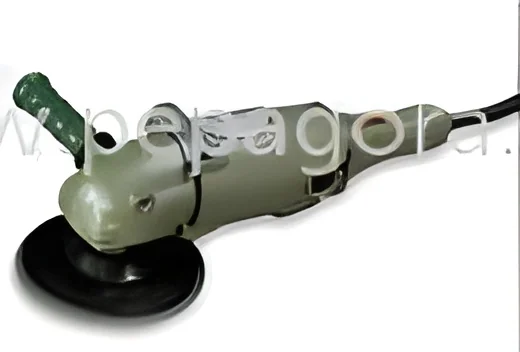
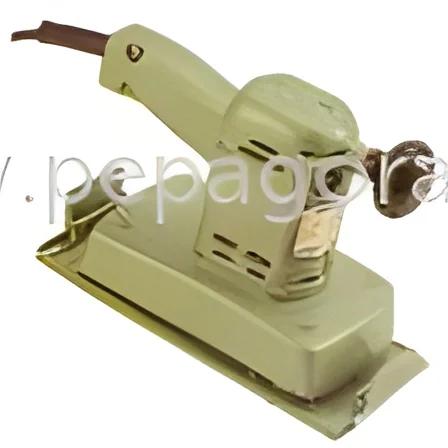
What are Wood Finishing Tools?
Wood finishing tools are specialized instruments designed to enhance, protect, and preserve wooden surfaces. These tools facilitate various finishing techniques such as sanding, staining, sealing, and polishing. The proper use of wood finishing tools not only improves the aesthetic appeal of wood products but also extends their lifespan by providing a protective barrier against environmental factors.
These tools are essential in multiple industries, including woodworking, furniture production, and construction. Professionals in these fields utilize wood finishing tools for tasks ranging from crafting intricate furniture pieces to preparing surfaces for flooring installations. The application of these tools is crucial for achieving high-quality finishes that meet both aesthetic and functional requirements.
In the current market context, the demand for wood finishing tools is driven by trends towards sustainability and craftsmanship. With an increasing emphasis on high-quality wooden products, businesses are investing in advanced wood finishing tools to enhance their offerings. This makes it vital for suppliers to provide reliable and efficient tools that cater to the evolving needs of the industry.
Key Features and Specifications
Wood finishing tools come equipped with various features and specifications that enhance their performance and usability. Understanding these specifications is essential for selecting the right tools for specific projects.
Key specifications include:
1. Tool Type
- Various types include sanders, polishers, and sprayers.
- Each type serves a unique purpose in the finishing process.
2. Power Source
- Tools may be electric, battery-operated, or manual.
- Electric tools typically offer more power and efficiency.
3. Speed Settings
- Adjustable speed settings allow for versatility in finishing tasks.
- Higher speeds are often used for sanding, while lower speeds are used for polishing.
4. Material Compatibility
- Tools are designed to work on different wood types and finishes.
- Some tools may be suitable for both softwoods and hardwoods.
5. Ergonomics
- Many tools feature ergonomic designs for comfort during prolonged use.
- Lightweight models reduce fatigue and improve control.
6. Dust Collection
- Integrated dust collection systems help maintain a clean workspace.
- Effective dust control enhances visibility and reduces health risks.
7. Warranty and Service
- Most manufacturers offer warranties ranging from one to five years.
- Service availability can impact long-term tool usability.
In summary, understanding the features and specifications of wood finishing tools is crucial for making informed purchasing decisions that align with project requirements.
Common Applications and Use Cases
Wood finishing tools are utilized across various industries, making them versatile assets in the woodworking sector.
1. Furniture Manufacturing: These tools are essential for achieving smooth finishes on wooden furniture. They help in sanding, staining, and sealing, ensuring high-quality products that meet consumer expectations.
2. Flooring Installation: Professionals use wood finishing tools to prepare and finish wooden floors. Proper finishing enhances durability and aesthetics, making these tools indispensable in flooring projects.
3. Cabinet Making: In cabinet production, wood finishing tools are used to ensure surfaces are flawlessly finished. This process involves sanding and applying protective coatings for longevity.
4. Musical Instrument Production: Craftsmen rely on wood finishing tools to achieve the desired finish on instruments. The right tools contribute to both the look and sound quality of the final product.
5. DIY Projects: Hobbyists and DIY enthusiasts use wood finishing tools for personal projects, including home decor and furniture restoration. These tools enable them to achieve professional results at home.
6. Boat Building: In the marine industry, wood finishing tools are used to protect wooden boat surfaces from moisture and wear. Proper finishing is critical for maintaining the integrity of marine vessels.
7. Artisanal Woodworking: Artisans employ wood finishing tools to create unique handcrafted items. Attention to detail in the finishing process is vital for the quality of artistic wooden products.
Product Variants and Subcategories
Wood finishing tools encompass a variety of types and models, catering to different needs and preferences in the market.
Electric Sanders: These are widely used for sanding surfaces quickly and efficiently. They come in various designs, such as orbital and belt sanders, to suit different applications.
Manual Sanding Tools: Handheld sanding tools are preferred for fine work and detailed finishing. They allow for greater control and precision, especially in intricate projects.
Spray Finishing Equipment: This category includes spray guns and systems designed for applying finishes evenly. They are ideal for large surfaces and provide a smooth, professional look.
Polishing Machines: These tools are used to achieve a high-gloss finish on wood surfaces. They work effectively on both finished and unfinished wood, enhancing the final appearance.
Finishing Brushes: Brushes designed for applying stains and sealants are essential for detailed work. They come in various sizes to accommodate different project needs.
Benefits and Advantages
Utilizing wood finishing tools offers numerous benefits to businesses and professionals in the woodworking industry.
1. Enhanced Aesthetic Appeal: Proper finishing improves the visual quality of wood products, making them more attractive to consumers.
2. Increased Durability: Finishing provides a protective layer that guards against moisture, UV rays, and wear, extending the lifespan of wooden items.
3. Improved Surface Quality: Wood finishing tools help achieve smooth, even surfaces that enhance the tactile experience of wooden products.
4. Time Efficiency: Advanced tools can speed up the finishing process, allowing for quicker project completion without compromising quality.
5. Versatility: Many wood finishing tools are designed to accommodate various wood types and finishes, making them suitable for diverse applications.
6. Professional Results: Utilizing the right tools ensures that finished products meet high industry standards, enhancing reputation and customer satisfaction.
Buying Guide for B2B Buyers
When sourcing wood finishing tools for business use, it is essential to consider several key factors to ensure the right purchase.
1. Quality Assessment: Evaluate the quality of tools based on materials, construction, and user reviews. High-quality tools tend to last longer and perform better.
2. Supplier Verification: Conduct thorough research on potential suppliers. Verify their credibility, customer service, and warranty offerings to ensure reliability.
3. Pricing and MOQ: Understand the pricing structure and minimum order quantities (MOQ) for bulk purchases. This helps in budgeting and managing inventory.
4. Delivery and Lead Times: Confirm the expected delivery schedules and lead times. Timely delivery is crucial for maintaining project timelines.
5. Compliance Requirements: Ensure that the tools meet relevant safety and regulatory standards. Compliance with industry regulations is essential for legal and operational reasons.
Compliance and Certifications
Wood finishing tools must adhere to various quality and safety standards to ensure reliability and performance. ISO 9001 is a widely recognized standard that focuses on quality management systems. Adherence to this standard indicates that a manufacturer maintains consistent quality in their products.
In addition, the CE marking signifies compliance with European health, safety, and environmental protection standards. This certification is important for businesses looking to trade in European markets.
Safety and testing requirements are crucial in the manufacturing of wood finishing tools. Tools should be tested for safety to prevent accidents during use. Regular inspections and quality checks can help maintain these standards.
Regional compliance considerations may vary. Businesses should be aware of local regulations governing the use of wood finishing tools to ensure adherence to safety and operational guidelines.
Why Source Wood Finishing Tools from Pepagora?
Pepagora offers a reliable platform for sourcing wood finishing tools, providing several key advantages for B2B buyers.
Verified Supplier Network: Pepagora ensures that all suppliers on the platform are thoroughly vetted. This verification process guarantees that buyers can trust the quality and reliability of the tools they purchase.
Streamlined RFQ Process: The request for quotation (RFQ) system simplifies the procurement process. Buyers can easily request quotes from multiple suppliers, allowing for better comparison and decision-making.
Trade Assurance and Support: Pepagora offers trade assurance to protect buyers in their transactions. This support provides peace of mind that purchases are secure and that the purchasing process is well-managed.
Regional Coverage: With a geographic reach that includes India, the GCC, and Southeast Asia, Pepagora connects buyers with suppliers across major markets. This broad coverage enhances accessibility to quality wood finishing tools, catering to diverse business needs.

 IN
IN