
 IN
Miter Saws
1 products available
What are Miter Saws?
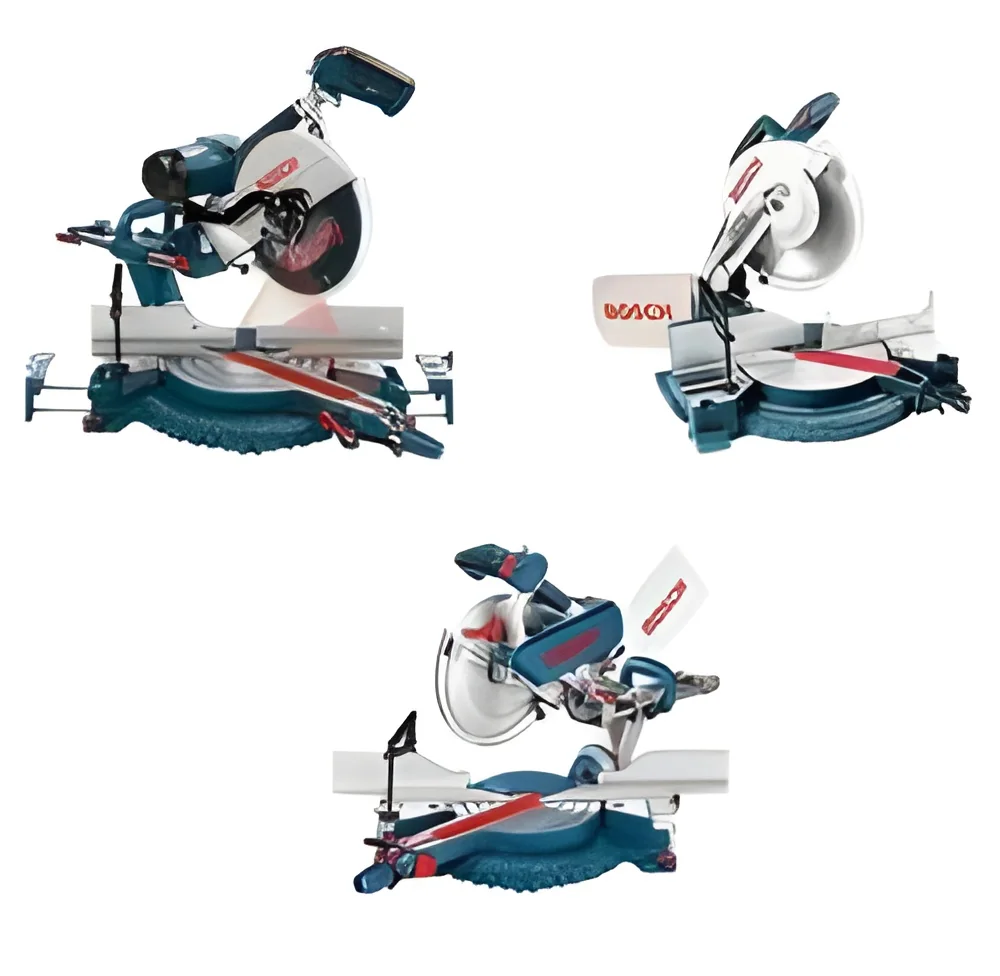
Miter saws are versatile power tools designed primarily for making precise crosscuts and angled cuts in various materials, including wood, metal, and plastic. These saws utilize a circular blade that rotates on a horizontal axis, allowing users to set the desired angle for cuts. The most common type is the compound miter saw, which can make both miter and bevel cuts, enhancing its functionality for complex projects.
Miter saws are widely used in construction, carpentry, and cabinetry, where precise cutting is essential. They are invaluable for tasks such as framing, molding installation, and furniture making. Their ability to make quick and accurate cuts significantly improves productivity in workshop settings and job sites. As industries continue to demand high precision and efficiency, the relevance of miter saws in the market remains strong, with various innovations enhancing their performance.
Key Features and Specifications
Miter saws come equipped with several features that enhance their usability and performance. When selecting a miter saw, it's essential to consider the following specifications:
1. Blade Size
- Common sizes range from 10 inches to 12 inches.
- Larger blades can cut through thicker materials.
2. Cutting Capacity
- Refers to the maximum width and thickness of material that can be cut.
- Varies by model, typically ranging from 6 to 16 inches.
3. Bevel Angles
- Most miter saws offer bevel adjustments from 0 to 45 degrees.
- Dual bevel options allow for cuts in both directions.
4. Miter Angles
- Adjustable miter angles typically range from 0 to 50 degrees.
- Allows for versatile cutting applications.
5. Motor Power
- Common motor power ratings are between 10 to 15 amps.
- Higher power ratings ensure smoother cuts in dense materials.
6. Weight
- Weight can vary significantly, typically ranging from 30 to 70 pounds.
- Heavier models offer stability, while lighter ones enhance portability.
7. Safety Features
- Includes blade guards, electric brakes, and laser guides.
- Enhances user safety during operation.
8. Dust Collection
- Integrated dust collection systems help maintain a clean workspace.
- Efficient dust removal improves visibility and safety.
In summary, understanding these specifications is crucial for choosing the right miter saw for specific tasks and ensuring optimal performance.
Common Applications and Use Cases
Miter saws find applications across various industries due to their precision and versatility.
1. Construction: Miter saws are essential for framing and roofing tasks where accurate cuts are required for beams and trusses.
2. Carpentry: Carpenters use miter saws for crafting furniture and cabinetry, making detailed cuts for joints and fittings.
3. Electrical: In electrical installations, miter saws are used to cut conduit and other materials at precise angles.
4. Plumbing: Plumbing professionals also utilize miter saws to cut pipes and fittings, ensuring accurate and clean cuts.
5. Landscaping: Landscape designers use miter saws for creating custom garden structures, such as trellises and planters.
6. Flooring: Miter saws are invaluable for cutting laminate and hardwood flooring at the correct angles for seamless installation.
7. DIY Projects: Hobbyists and DIY enthusiasts appreciate miter saws for their ease of use in a variety of home improvement tasks.
Product Variants and Subcategories
Miter saws come in various types, each designed to cater to specific cutting needs.
Compound Miter Saw
This variant allows for both miter and bevel cuts, making it ideal for complex angles. It is widely used in carpentry and cabinet making for precise angle cuts.
Sliding Miter Saw
Featuring a sliding mechanism, this type increases the cutting capacity, enabling users to cut wider materials with ease. It is particularly useful for larger projects.
Dual Bevel Miter Saw
This advanced variant allows for bevel cuts in both directions, saving time and effort. It is favored by professionals who require high efficiency in their work.
Benefits and Advantages
Investing in a miter saw provides several key benefits that enhance workflow and productivity.
1. Precision Cuts: Miter saws deliver accurate cuts, ensuring high-quality results in woodworking and construction projects.
2. Increased Efficiency: The ability to make quick cuts reduces project time, allowing for more tasks to be completed in less time.
3. Versatility: Miter saws can handle various materials, making them suitable for different industries and applications.
4. User-Friendly: Many models feature intuitive controls and safety features, making them accessible for both beginners and experienced users.
5. Portability: Several miter saws are designed to be lightweight and portable, making them easy to transport between job sites.
6. Cost-Effective: Their durability and efficiency mean that miter saws can be seen as a long-term investment for businesses.
Buying Guide for B2B Buyers
When sourcing miter saws, B2B buyers should consider several crucial factors to ensure they make informed decisions.
1. Quality Assessment: Look for reputable brands known for reliability and durability. Checking reviews and product specifications can help gauge quality.
2. Supplier Verification: Vet suppliers thoroughly to ensure they provide quality products and adhere to industry standards. Consider supplier reputation and customer support services.
3. Pricing and MOQ: Understand pricing structures and minimum order quantities. This ensures alignment with budget constraints and project needs.
4. Delivery and Lead Times: Evaluate suppliers' logistics capabilities to ensure timely delivery, especially for projects with strict deadlines.
5. Compliance Requirements: Be aware of any regulatory compliance required for miter saws, including safety standards and certifications that may apply in your region.
Compliance and Certifications
Miter saws must meet various compliance and safety standards to ensure their effectiveness and safety in industrial applications. Relevant quality standards include ISO 9001, which emphasizes quality management systems, and CE certification, indicating compliance with European safety standards.
Manufacturers often adhere to safety and testing requirements to guarantee that miter saws perform reliably under different conditions. Additionally, regional compliance considerations may vary, necessitating that buyers check local regulations and standards specific to their location.
Why Source Miter Saws from Pepagora?
Pepagora offers a reliable platform for sourcing miter saws, providing several key advantages for businesses.
Verified Supplier Network: Pepagora ensures that all suppliers meet stringent verification processes, giving buyers confidence in the quality and reliability of the products offered.
Streamlined RFQ Process: The platform simplifies the request for quotation process, allowing buyers to receive multiple bids quickly and compare offers easily.
Trade Assurance and Support: Pepagora provides buyer protection through trade assurance, ensuring that transactions are secure and that support is available throughout the purchasing process.
Regional Coverage: With a strong presence in India, GCC, and Southeast Asia, Pepagora connects buyers with local suppliers, facilitating convenient and efficient sourcing of miter saws tailored to regional needs.

Frequently Asked Questions
What are Miter Saws?
Miter saws are power tools used primarily for making precise crosscuts and miters in a workpiece. They have a circular blade that is mounted on a swing arm, allowing the user to make angled cuts, which is essential for projects such as framing, molding, and furniture making.
What are the different types of Miter Saws?
The main types of miter saws include standard miter saws, compound miter saws, and sliding compound miter saws. Standard miter saws are suitable for basic cutting tasks, compound miter saws allow for angled cuts in both directions, and sliding compound miter saws feature a sliding arm for wider cuts.
How do I choose the right Miter Saws?
Choosing the right miter saw depends on the type of projects you plan to undertake, the material you will be cutting, and your budget. Consider factors such as blade size, power rating, and features like laser guides or dust collection systems to find a saw that meets your needs.
What are the standard specifications for Miter Saws?
Standard specifications for miter saws typically include blade diameter, motor power, bevel capacity, and miter angle range. Most miter saws come with a 10 to 12-inch blade diameter and a motor power ranging from 10 to 15 amps.
What is the price range for Miter Saws?
The price range for miter saws can vary significantly based on brand, features, and specifications. Generally, you can expect to pay anywhere from INR 5,000 to INR 30,000 or more for high-end models.
What quality standards apply to Miter Saws?
Miter saws must meet specific quality and safety standards to ensure reliable performance and user safety. Look for tools that comply with international standards such as ISO or ANSI, which can indicate a level of quality in manufacturing.
Where can I find Miter Saws suppliers in India?
You can find miter saw suppliers in India through various online B2B marketplaces, trade shows, and industry directories. Websites like Pepagora.com offer a platform to connect with reputable manufacturers and suppliers of miter saws.
Can Miter Saws be customized?
Yes, many manufacturers are willing to customize miter saws according to specific requirements, such as blade size or additional features. It is advisable to discuss customization options directly with suppliers to find a suitable solution.
What is the typical minimum order quantity for Miter Saws?
The typical minimum order quantity (MOQ) for miter saws can vary by supplier but generally ranges from 5 to 10 units. It is essential to check with individual suppliers for their specific MOQ policies.
What is the typical lead time for Miter Saws?
The typical lead time for miter saws can vary based on the manufacturer and order size but usually ranges from 2 to 4 weeks. For customized orders, the lead time may be longer, so it is advisable to confirm with the supplier.
Why Businesses Trust Pepagora
Thousands of companies trust Pepagora to source smarter and sell faster
Expand Your Sales Globally

Source Smarter,Grow Faster
