
 IN
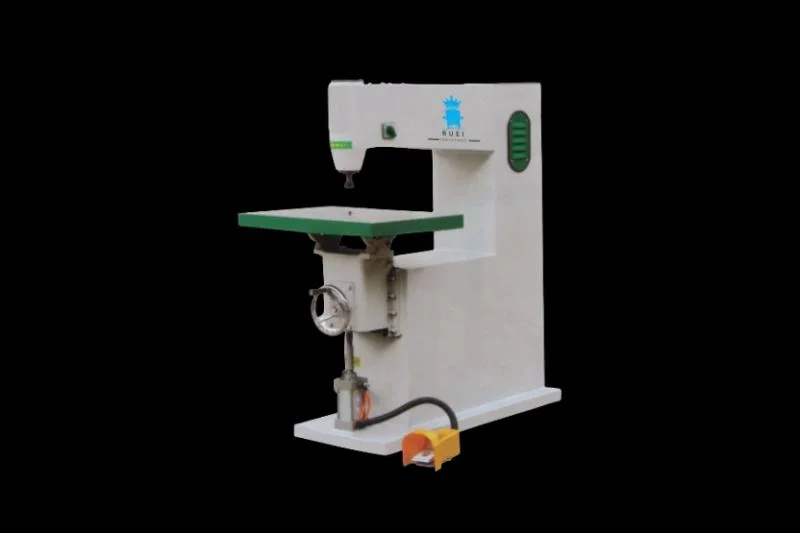
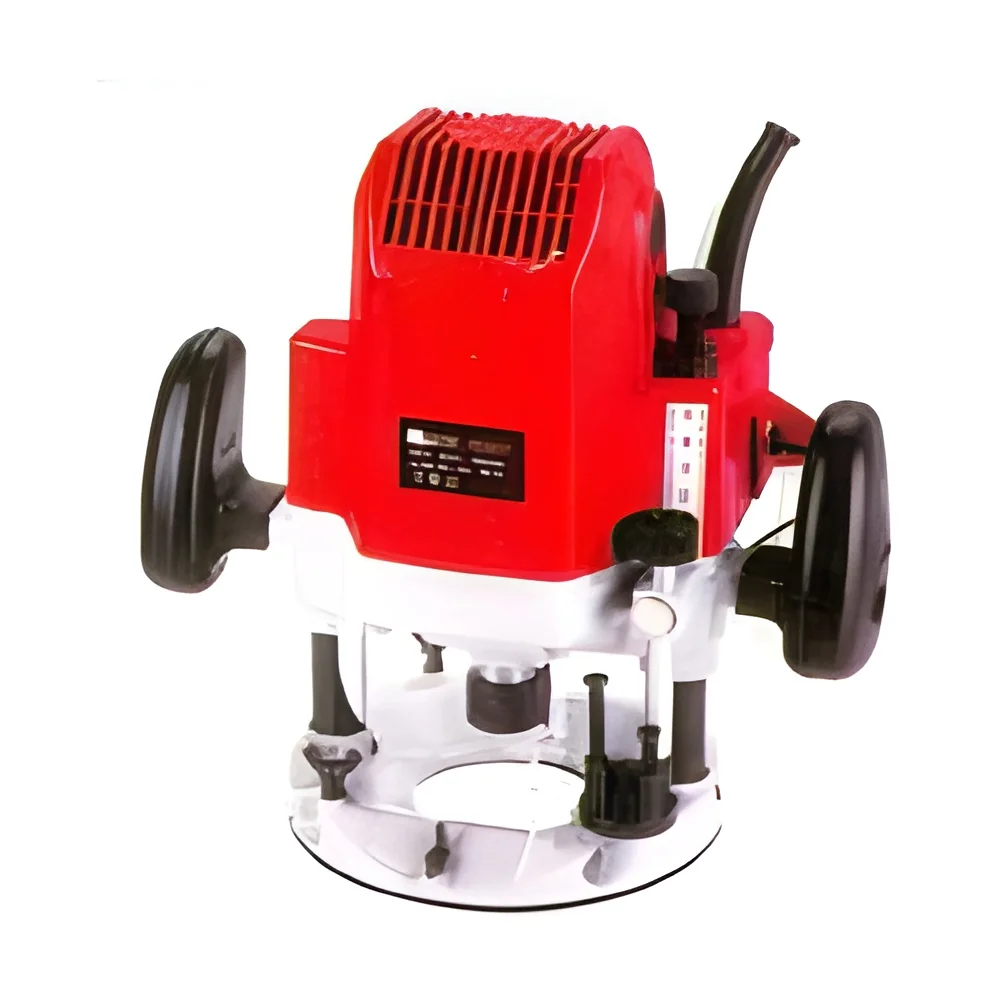
Wood Routers
2 products available
What are Wood Routers?
Wood routers are versatile power tools used primarily for shaping, cutting, and hollowing out wood materials. They are equipped with a high-speed motor that drives a rotating bit, allowing users to create intricate designs, edges, and grooves in wooden surfaces. Wood routers come in various sizes and configurations, enabling them to perform tasks ranging from simple trimming to complex woodworking projects.
These tools are essential in multiple industries, including woodworking, furniture manufacturing, and cabinet making. Wood routers help craftsmen and manufacturers achieve precise cuts and detailed finishes that are often required in custom woodworking applications. The ability to use different bits further enhances their functionality, making them suitable for various tasks such as mortising, joinery, and decorative edging.
In the current market, wood routers are crucial for both small-scale artisans and large manufacturing facilities. As the demand for custom woodwork increases, so does the relevance of wood routers in producing high-quality finished products efficiently. Companies investing in modern wood routers can achieve better productivity and precision, positioning themselves competitively within the woodworking industry.
Key Features and Specifications
Wood routers are characterized by a range of features that enhance their performance and usability. Understanding these specifications is vital for selecting the right router for specific applications.
Key specifications include:
1. Motor Power
- Wood routers typically range from 1.5 to 3.5 horsepower.
- Higher horsepower allows for better performance on dense materials.
2. Speed Settings
- Variable speed settings from 8,000 to 25,000 RPM are common.
- Adjusting speed helps optimize results for different materials and bit types.
3. Router Base Type
- Fixed base and plunge base are the two main types.
- Fixed bases provide stability, while plunge bases allow for depth adjustments.
4. Collet Size
- Common collet sizes include 1/4 inch and 1/2 inch.
- Collet size determines the compatibility with various router bits.
5. Weight
- Weights can range from 5 to 15 pounds.
- Heavier routers may provide more stability, while lighter ones are easier to maneuver.
6. Dust Collection
- Many routers feature built-in dust collection systems.
- Effective dust control enhances visibility and cleanliness during operation.
7. Ergonomic Design
- Features such as soft grips and balanced weight distribution improve user comfort.
- A good design helps reduce fatigue during extended use.
8. Safety Features
- Safety locks and electronic brake systems are standard in many models.
- These features help prevent accidental starts and enhance user safety.
In summary, wood routers offer a combination of power, precision, and versatility, making them essential tools in woodworking applications.
Common Applications and Use Cases
Wood routers serve various industries, demonstrating their versatility and essential role in woodworking.
1. Furniture Manufacturing: Wood routers are used to create intricate designs and profiles on furniture pieces, enhancing aesthetics and functionality.
2. Cabinet Making: These routers are ideal for producing precise cuts and joints in cabinetry, ensuring a perfect fit for components.
3. Sign Making: Wood routers facilitate the engraving of letters and designs in wood signage, allowing for customized and detailed work.
4. Flooring Installation: Routers can be utilized to cut grooves for tongue-and-groove flooring, providing seamless installations.
5. Boat Building: In marine applications, wood routers are essential for shaping and finishing wooden parts, ensuring durability and performance.
6. Musical Instrument Making: Craftsmen use wood routers to shape and refine the bodies of instruments, contributing to both sound quality and craftsmanship.
7. Decorative Woodworking: Artists and hobbyists employ routers to create unique patterns and designs in wood art projects.
Product Variants and Subcategories
Wood routers come in various configurations to meet specific needs within the woodworking industry.
Plunge Router
A plunge router allows users to adjust the depth of cuts while the bit is in motion. This feature is ideal for making grooves and mortises.
Fixed Base Router
Fixed base routers provide a stable platform for consistent and precise cuts. They are commonly used for edge work and trimming.
Combination Router
Combination routers offer both fixed and plunge base capabilities, giving users flexibility for different tasks.
Benefits and Advantages
Utilizing wood routers in the woodworking process provides numerous advantages.
1. Precision: Wood routers offer high accuracy, enabling detailed work that meets professional standards.
2. Versatility: With interchangeable bits and settings, routers can perform a wide range of tasks, from simple cuts to complex designs.
3. Time Efficiency: Wood routers significantly speed up the woodworking process, allowing for increased productivity.
4. Ease of Use: Many modern routers are designed with user-friendly features, making them accessible for both beginners and professionals.
5. Enhanced Finish: The ability to create smooth edges and intricate patterns contributes to a superior final product.
6. Cost-Effectiveness: Investing in a quality wood router can reduce labor costs by increasing efficiency and reducing material waste.
Buying Guide for B2B Buyers
When sourcing wood routers, several critical factors should be considered to ensure a wise investment.
1. Quality Assessment: Evaluate the build quality and performance specifications of the routers. Look for durability and reliability, which are essential for frequent use.
2. Supplier Verification: Vet potential suppliers by checking their reputation and customer reviews. This helps ensure you are dealing with a reliable source.
3. Pricing and MOQ: Understand the pricing structure and minimum order quantities. Comparing prices across different suppliers can help in making a cost-effective decision.
4. Delivery and Lead Times: Consider the logistics involved in the delivery process. Ensure that suppliers can meet your timelines for project completion.
5. Compliance Requirements: Familiarize yourself with any regulatory standards relevant to your industry, such as safety certifications and quality standards.
Compliance and Certifications
Wood routers must meet various compliance and certification standards to ensure safety and quality.
ISO 9001 is a widely recognized quality management standard that ensures products consistently meet customer requirements and quality standards. Compliance with this standard is essential for manufacturers producing wood routers.
CE marking indicates that a product meets European safety, health, and environmental protection standards. This certification is crucial for wood routers sold in the European market.
Safety and testing requirements are also critical. Manufacturers must conduct rigorous testing to ensure that their routers operate safely under various conditions. This includes evaluating electrical safety and mechanical durability.
Regional compliance considerations may vary. It is essential to research local regulations that apply to woodworking tools, ensuring that all products meet necessary legal requirements.
Why Source Wood Routers from Pepagora?
Pepagora provides a trusted platform for sourcing wood routers, offering several key advantages to buyers.
Verified Supplier Network: Pepagora maintains a robust network of verified suppliers, ensuring that businesses can find reliable sources for high-quality wood routers. Each supplier undergoes a thorough vetting process to guarantee credibility.
Streamlined RFQ Process: The request for quotation (RFQ) process on Pepagora is designed to be quick and efficient, enabling buyers to receive competitive pricing and options tailored to their needs. This simplifies the procurement process significantly.
Trade Assurance and Support: Pepagora offers trade assurance to protect buyers during transactions. This includes support for resolving issues related to product quality or delivery, ensuring a smooth purchasing experience.
Regional Coverage: With a broad geographic reach, including India, GCC, and Southeast Asia, Pepagora connects buyers with suppliers across diverse markets, facilitating international trade in wood routers.

Frequently Asked Questions
What are Wood Routers?
Wood routers are power tools used to hollow out or shape wood. They are commonly employed for creating edges, grooves, and decorative patterns in wood surfaces.
What are the different types of Wood Routers?
The main types of wood routers include fixed-base routers, plunge routers, and combination routers. Each type serves different purposes and offers various features suited for specific woodworking tasks.
How do I choose the right Wood Routers?
When selecting a wood router, consider the type of projects you will be working on, the power and speed of the router, and the ease of use. It's also important to look for additional features such as variable speed settings and ergonomic design.
What are the standard specifications for Wood Routers?
Standard specifications for wood routers typically include power ratings (measured in watts or horsepower), speed ranges (in RPM), and collet sizes (usually 1/4" or 1/2"). Other important specifications may include weight, dimensions, and dust collection capabilities.
What is the price range for Wood Routers?
The price range for wood routers can vary widely based on brand, type, and features. Generally, you can expect prices to range from around INR 3,000 to INR 25,000 or more for high-end models.
What quality standards apply to Wood Routers?
Wood routers must adhere to various quality standards, including safety certifications and performance benchmarks. Common standards include ISI certifications in India and international standards such as ISO or CE.
Where can I find Wood Routers suppliers in India?
You can find wood router suppliers in India through B2B marketplaces like Pepagora.com, industry trade shows, and online directories. It is advisable to compare suppliers based on product quality, pricing, and customer reviews.
Can Wood Routers be customized?
Yes, wood routers can often be customized based on specific requirements, such as power specifications, collet sizes, and branding options. It is best to discuss customization options directly with the manufacturer or supplier.
What is the typical minimum order quantity for Wood Routers?
The minimum order quantity (MOQ) for wood routers can vary by supplier but typically ranges from 10 to 50 units. It's advisable to check with individual suppliers for their specific MOQ policies.
What is the typical lead time for Wood Routers?
The typical lead time for wood routers can vary based on the supplier, order volume, and customization requests. Generally, lead times can range from 2 to 6 weeks depending on these factors.
Why Businesses Trust Pepagora
Thousands of companies trust Pepagora to source smarter and sell faster
Expand Your Sales Globally

Source Smarter,Grow Faster
