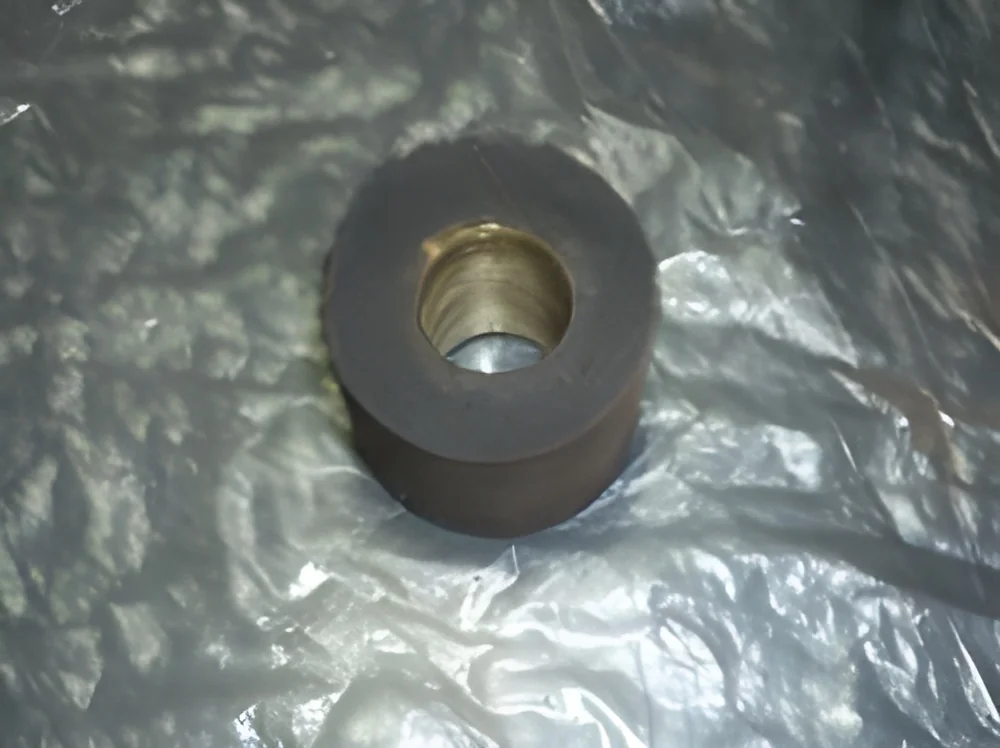
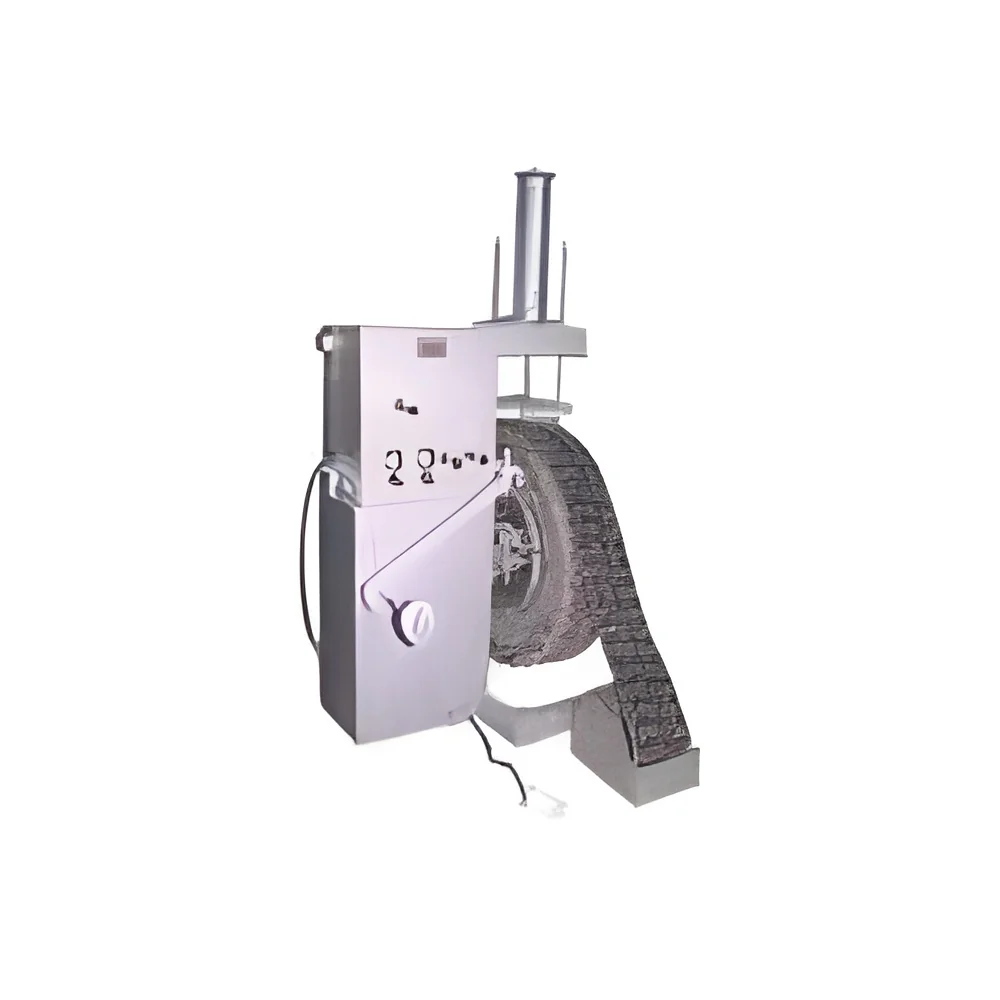
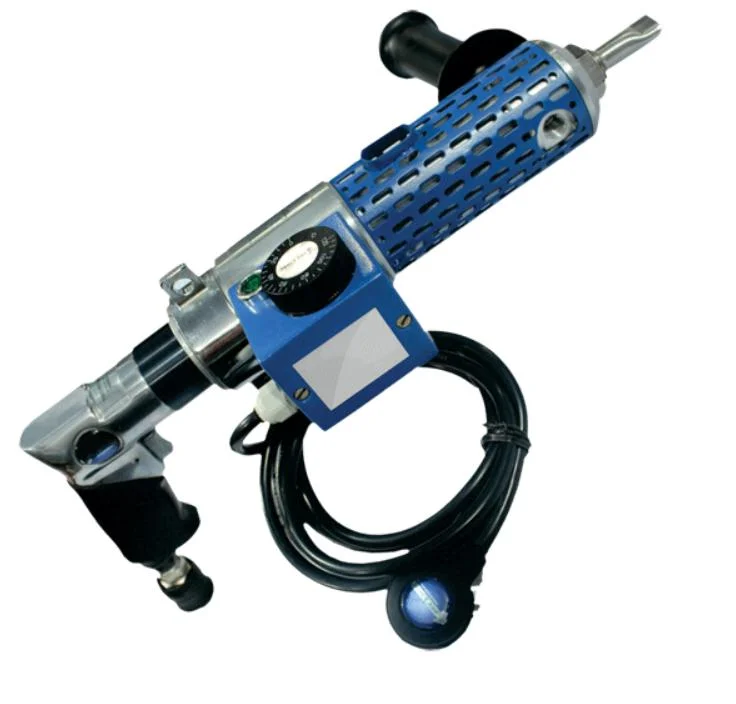
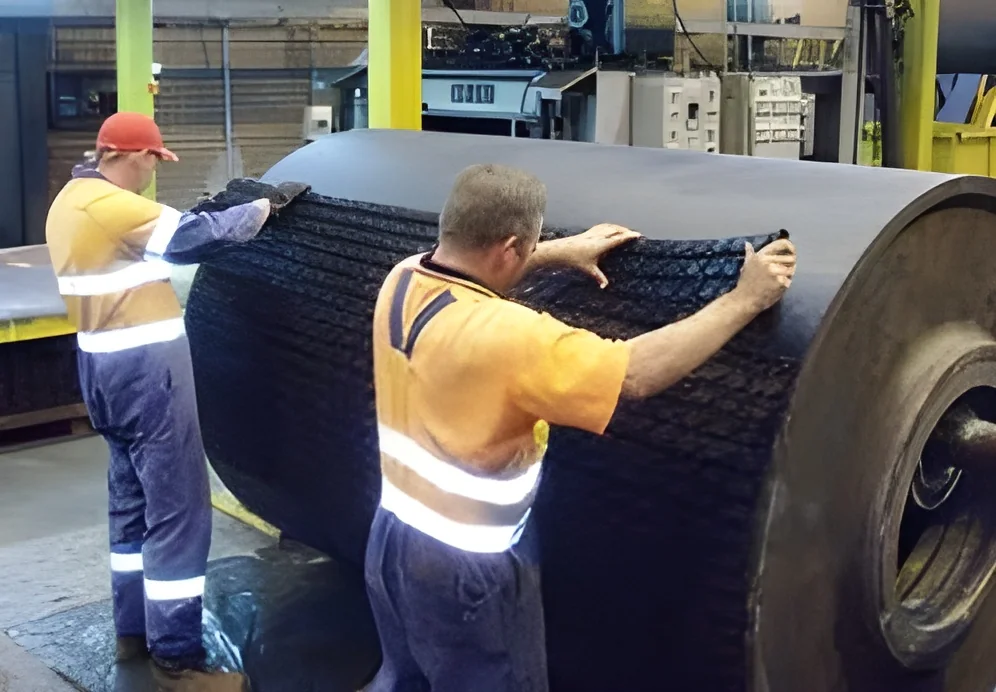
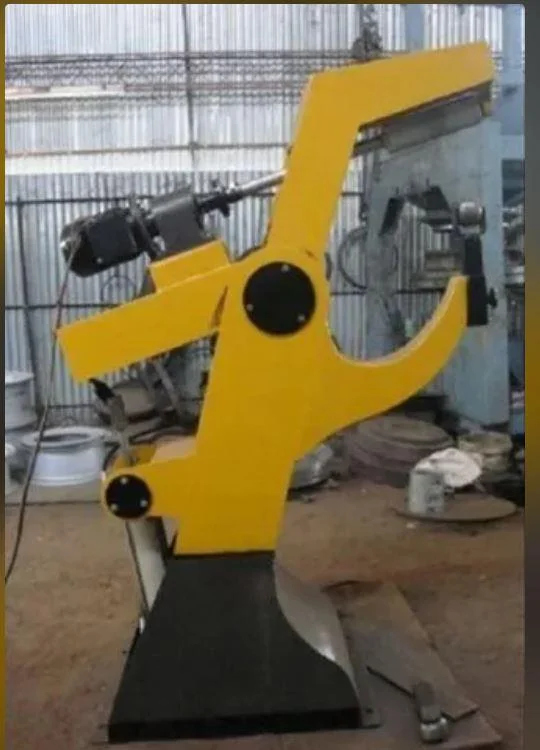
𝗪𝗵𝗮𝘁 𝗮𝗿𝗲 𝗧𝘆𝗿𝗲 𝗥𝗲𝘁𝗿𝗲𝗮𝗱𝗶𝗻𝗴 & 𝗥𝗲𝗰𝘆𝗰𝗹𝗶𝗻𝗴?
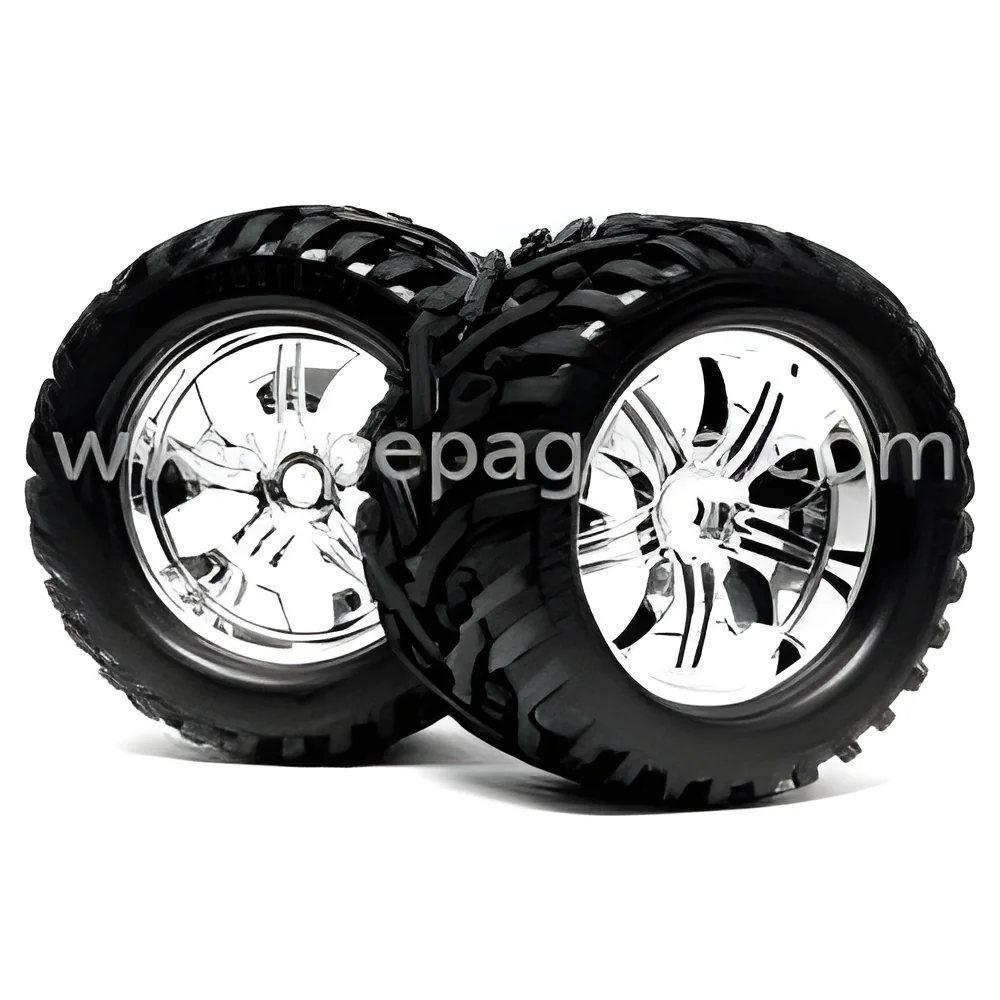
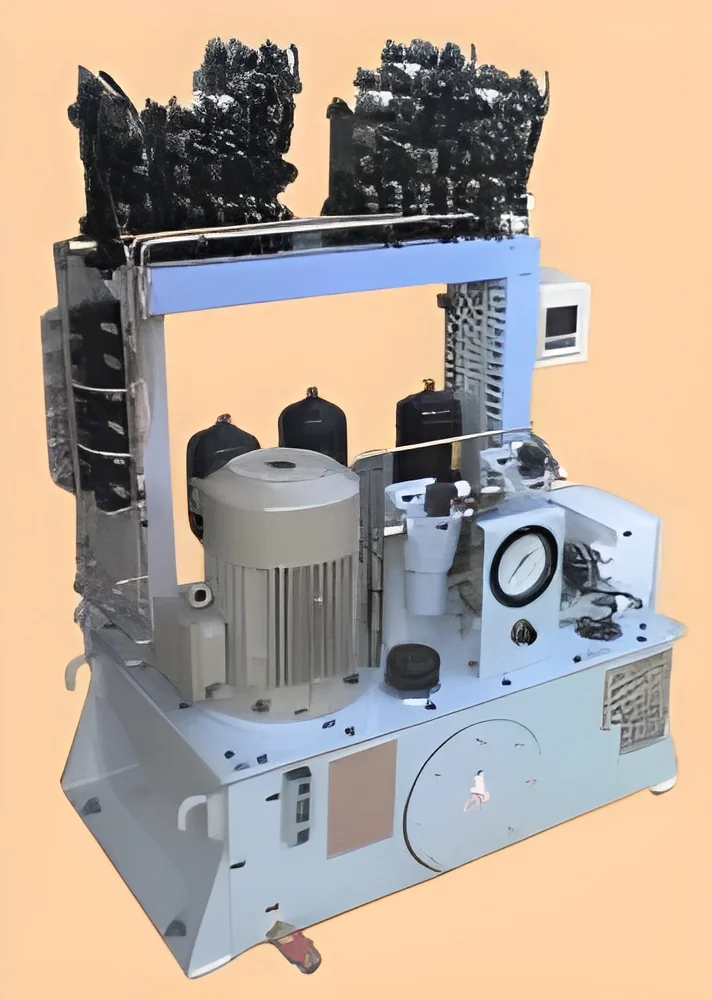
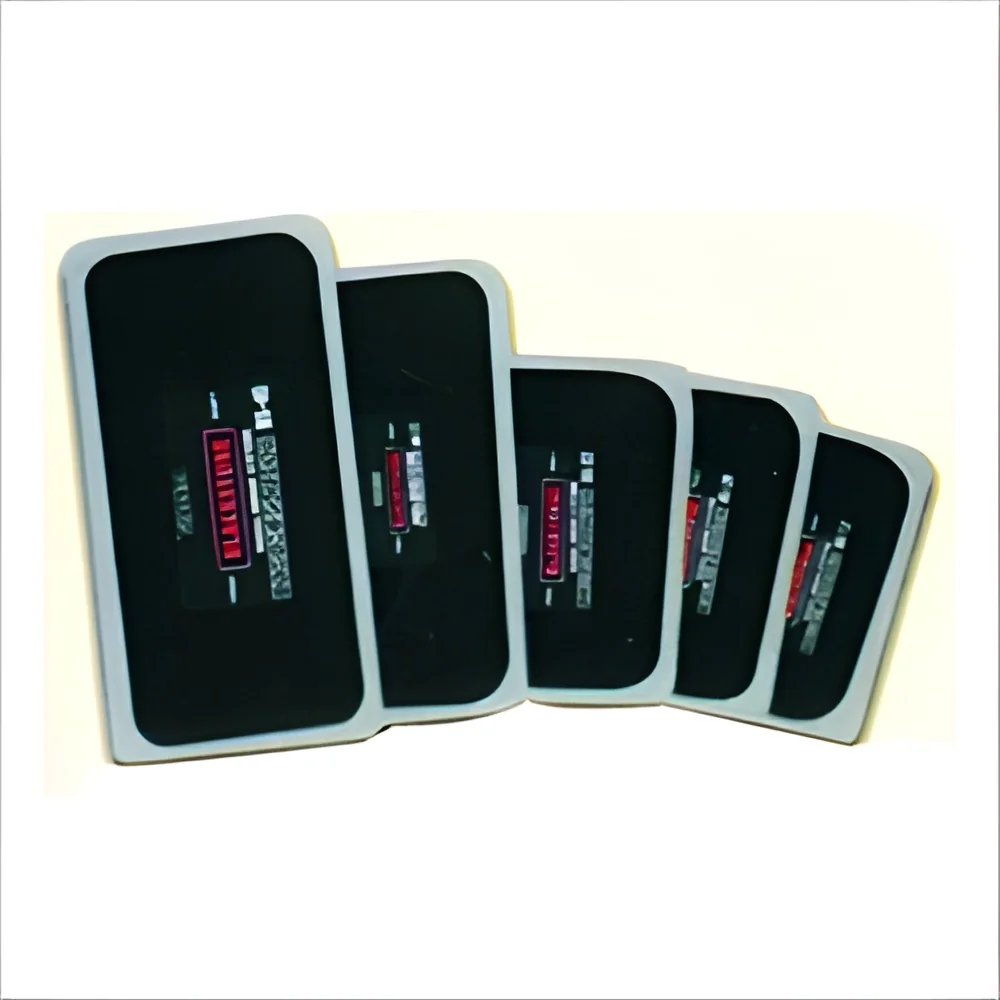
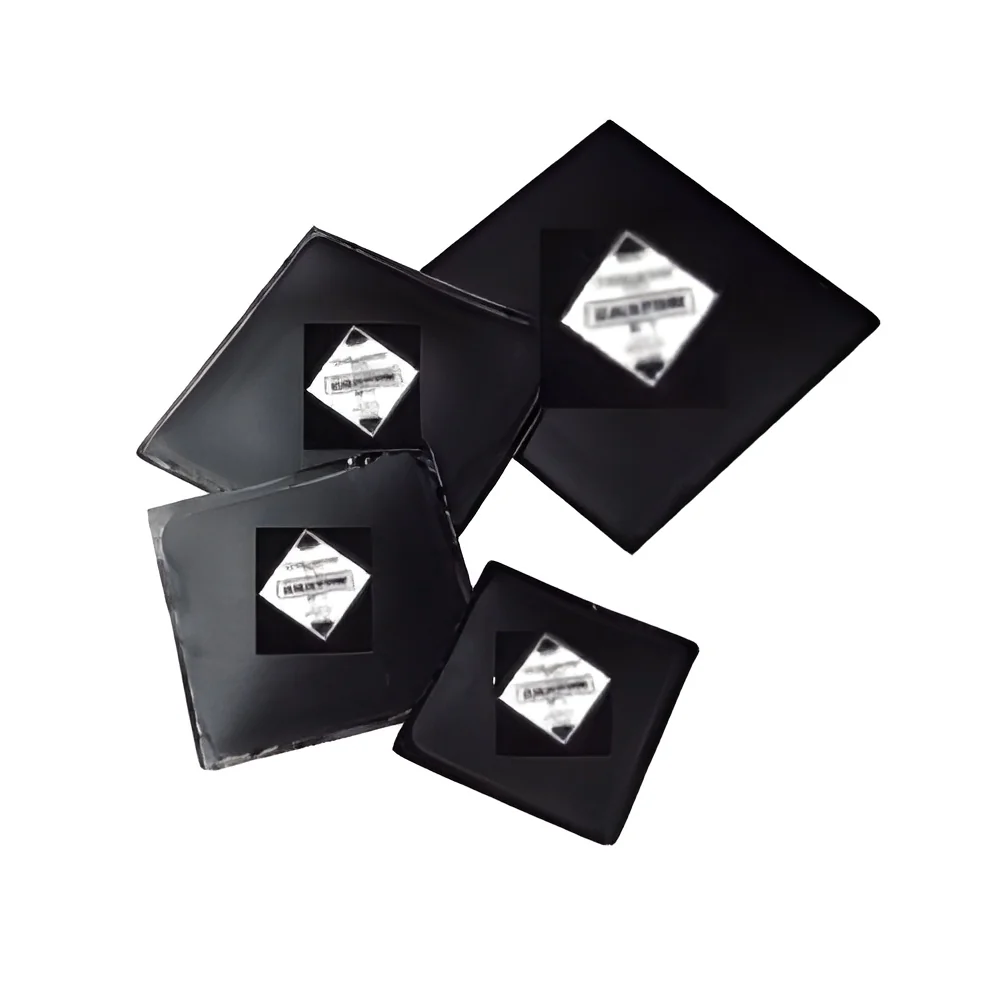
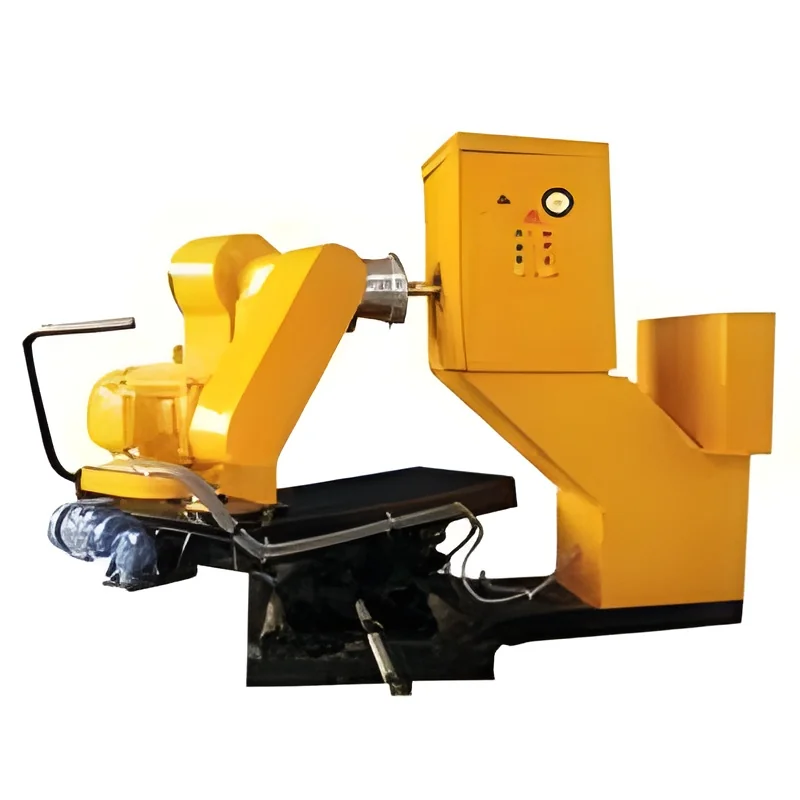
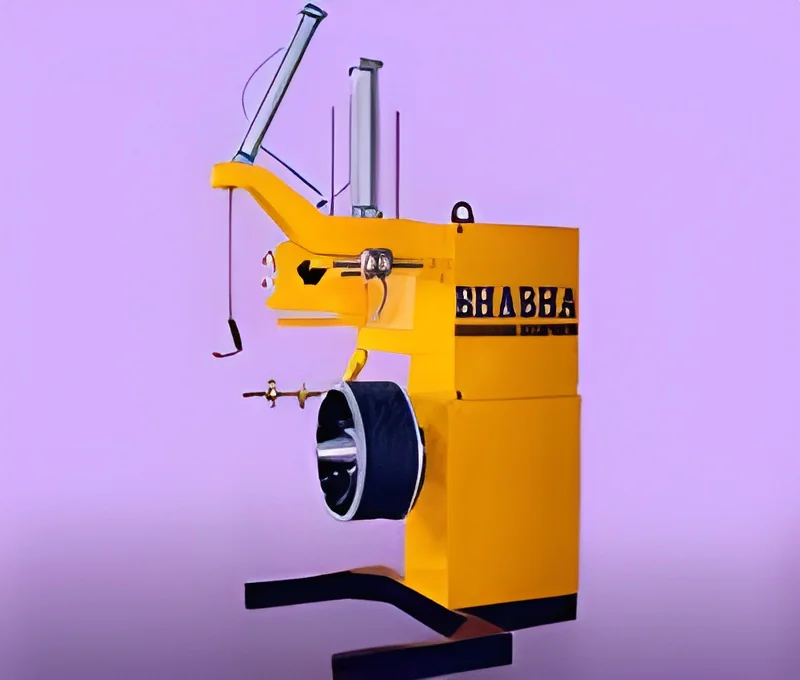
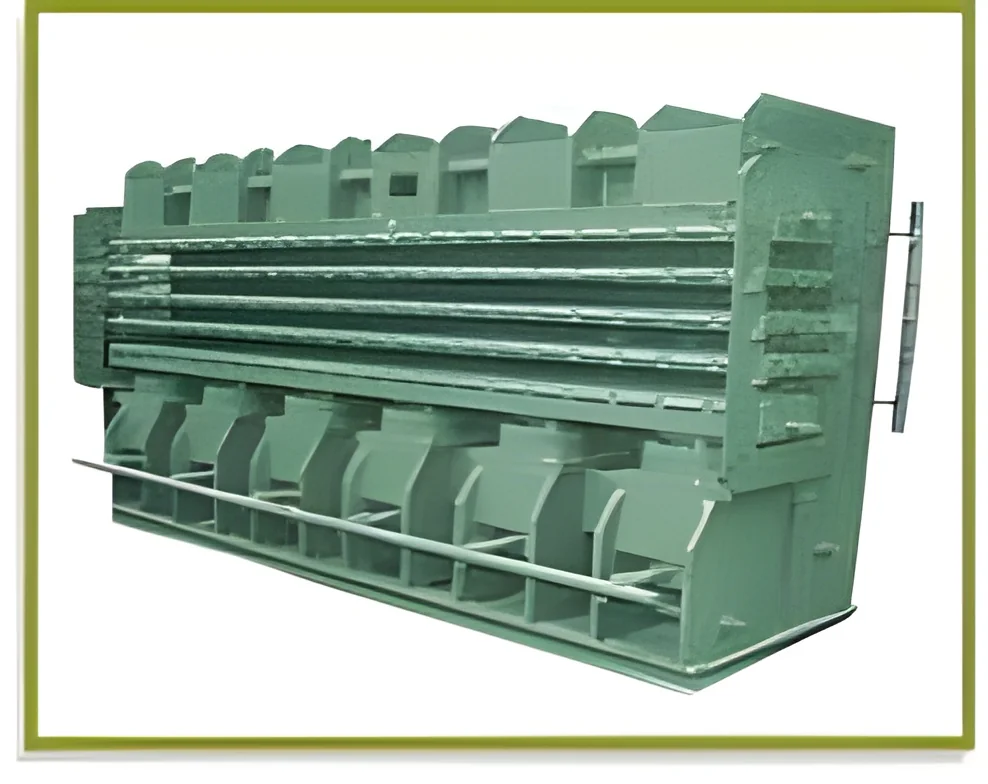
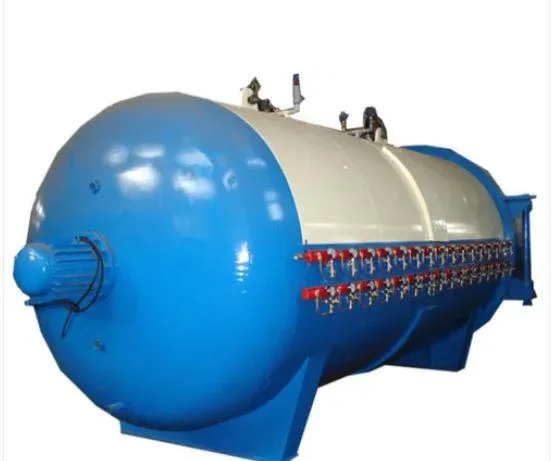
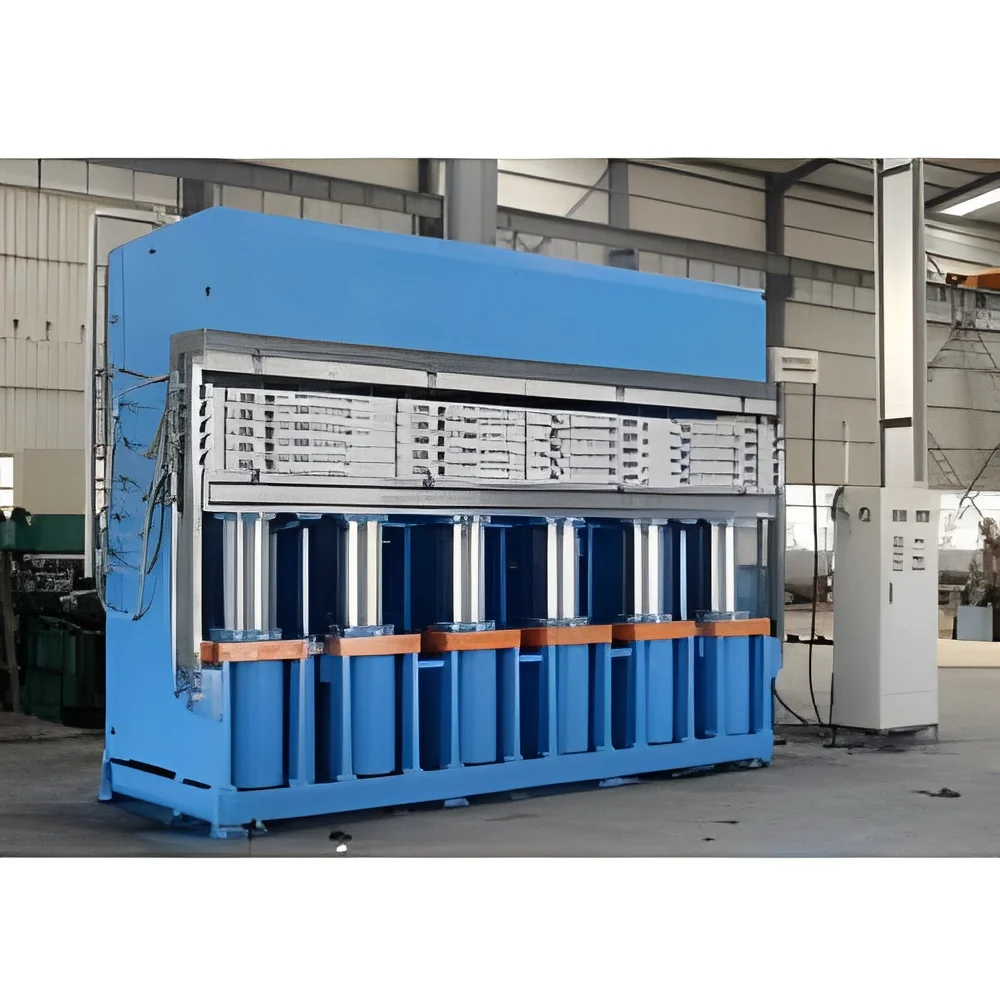
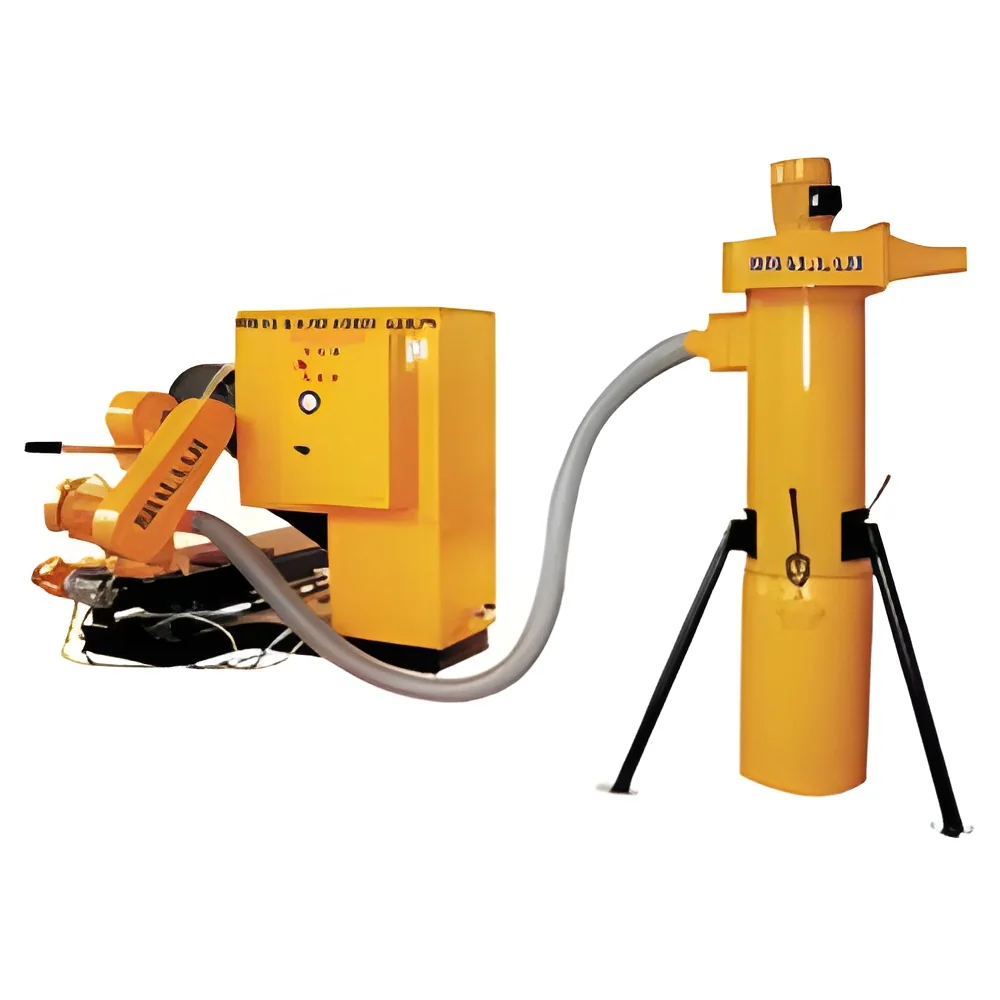
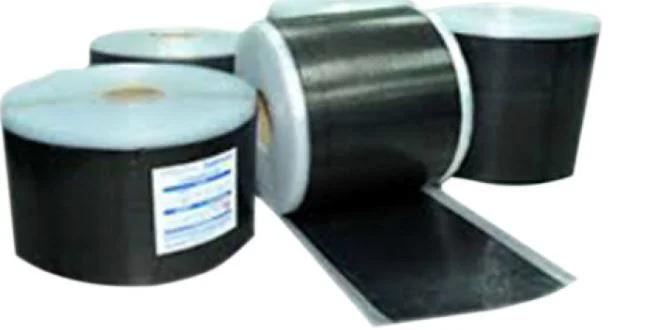
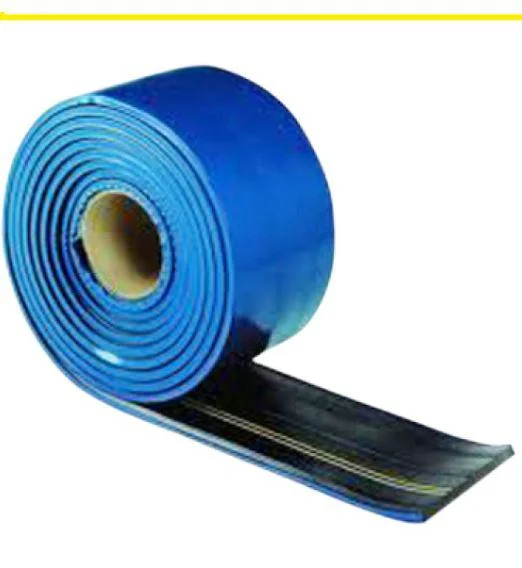
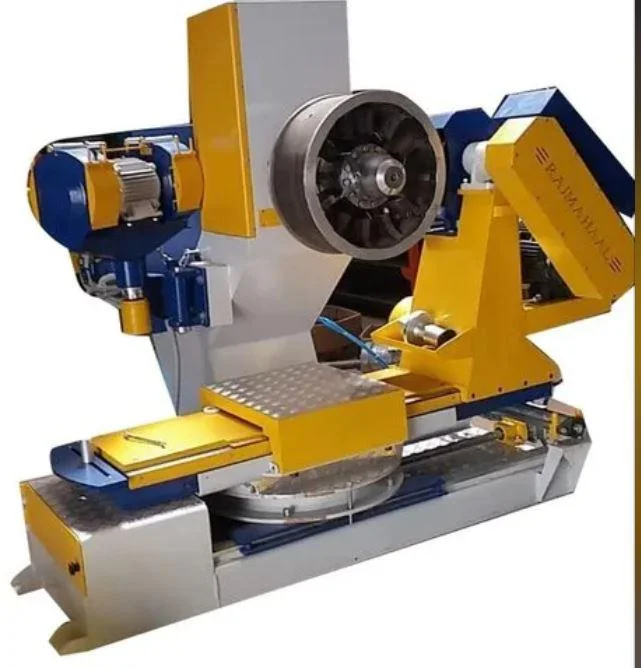
Tyre retreading and recycling is a process that involves restoring used tyres to a usable state while also promoting environmental sustainability. The retreading process typically includes inspecting, cleaning, and applying new tread to the tyre, allowing it to be used for a longer period. Recycling, on the other hand, involves breaking down tyres to recover materials such as rubber, steel, and fabric, which can then be repurposed for various applications.
This process is particularly significant in industries with high tyre usage, including transportation, construction, and agriculture. Businesses utilize retreaded tyres for commercial vehicles, as they offer a cost-effective alternative to purchasing new tyres. Additionally, recycled tyre materials can be used in manufacturing products such as rubber mats, playground surfaces, and road surfaces, enhancing the circular economy.
In the context of the market, tyre retreading and recycling is becoming increasingly relevant due to rising environmental concerns and regulatory pressures. The tyre industry faces challenges related to waste management, and retreading and recycling present viable solutions that align with sustainability goals. As businesses seek to minimize their environmental footprint, the demand for retreaded and recycled tyres continues to grow.
𝗞𝗲𝘆 𝗙𝗲𝗮𝘁𝘂𝗿𝗲𝘀 𝗮𝗻𝗱 𝗦𝗽𝗲𝗰𝗶𝗳𝗶𝗰𝗮𝘁𝗶𝗼𝗻𝘀
Tyre retreading and recycling processes come with specific features and specifications that ensure quality and performance. These specifications are crucial for businesses looking to source reliable products.
Key specifications include:
1. Material Quality
- High-grade rubber compounds are used in the retreading process.
- Ensures durability and performance in various conditions.
2. Tread Pattern Variety
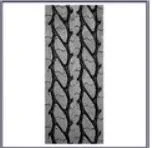
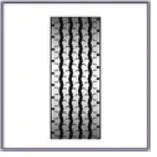
- Different tread patterns available for specific applications.
- Optimized designs for traction, wear resistance, and fuel efficiency.
3. Inspection Standards
- Rigorous inspection processes to assess tyre integrity.
- Compliance with industry safety standards.
4. Environmental Compliance
- Adherence to regulations regarding waste management and recycling.
- Certification for eco-friendly practices.
5. Manufacturing Process
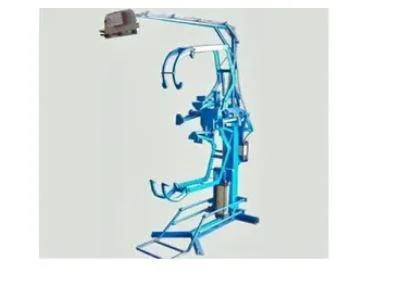
- State-of-the-art technology used in retreading.
- Quality control measures in place throughout production.
6. Performance Testing
- Comprehensive testing to evaluate performance under various conditions.
- Assurance of reliability and safety.
In summary, understanding the key specifications of tyre retreading and recycling is essential for businesses to make informed purchasing decisions.
𝗖𝗼𝗺𝗺𝗼𝗻 𝗔𝗽𝗽𝗹𝗶𝗰𝗮𝘁𝗶𝗼𝗻𝘀 𝗮𝗻𝗱 𝗨𝘀𝗲 𝗖𝗮𝘀𝗲𝘀
Tyre retreading and recycling serve a wide range of industries, making them versatile solutions for many applications.
1. Transportation: Retreaded tyres are commonly used in commercial vehicles, such as trucks and buses, providing a cost-effective alternative to new tyres while maintaining safety and performance.
2. Construction: Heavy machinery and construction vehicles often utilize retreaded tyres due to their durability and ability to withstand harsh conditions.
3. Agriculture: Farmers use retreaded tyres on equipment like tractors and harvesters, benefiting from reduced costs and extended tyre life.
4. Waste Management: Recycled tyre materials are utilized in landfill liners and road construction, contributing to sustainable waste management practices.
5. Sports and Recreation: Recycled rubber is frequently used in playground surfaces and athletic tracks, providing safe and durable surfaces for recreational activities.
6. Automotive: Retreaded tyres are also suitable for passenger vehicles, offering a balance between cost and performance.
7. Manufacturing: Reclaimed materials from tyre recycling can be used in producing various rubber products, enhancing sustainability in manufacturing processes.
𝗣𝗿𝗼𝗱𝘂𝗰𝘁 𝗩𝗮𝗿𝗶𝗮𝗻𝘁𝘀 𝗮𝗻𝗱 𝗦𝘂𝗯𝗰𝗮𝘁𝗲𝗴𝗼𝗿𝗶𝗲𝘀
The diversity of tyre retreading and recycling products allows businesses to select options that best meet their needs.
Retreaded Heavy-Duty Tyres
These tyres are designed for commercial vehicles and are reinforced for enhanced durability. They are ideal for long-haul trucking and construction equipment, providing extended service life and cost savings.
Retreaded Passenger Tyres
Targeted towards personal vehicles, these tyres offer a reliable and economical choice for everyday drivers. They maintain performance standards while being more affordable than new tyres.
Recycled Rubber Products
This variant includes materials repurposed from used tyres, such as rubber mats and playground surfaces. These products cater to various sectors, including construction and recreation, promoting sustainability.
𝗕𝗲𝗻𝗲𝗳𝗶𝘁𝘀 𝗮𝗻𝗱 𝗔𝗱𝘃𝗮𝗻𝘁𝗮𝗴𝗲𝘀
Choosing tyre retreading and recycling offers numerous advantages for businesses.
1. Cost-Effectiveness: Retreaded tyres are significantly less expensive than new tyres, allowing businesses to reduce operational costs.
2. Environmental Sustainability: Recycling tyres minimizes waste and promotes the use of reclaimed materials, contributing to a greener planet.
3. Extended Tyre Life: Retreading can extend the usable life of tyres, reducing the frequency of replacements and associated costs.
4. Safety Assurance: Retreaded tyres undergo rigorous inspection and testing, ensuring they meet industry safety standards.
5. Performance Reliability: Quality retreading processes maintain the performance characteristics of new tyres, ensuring optimal traction and durability.
6. Versatile Applications: Retreaded and recycled products can be adapted for various industries, enhancing their usability across different sectors.
𝗕𝘂𝘆𝗶𝗻𝗴 𝗚𝘂𝗶𝗱𝗲 𝗳𝗼𝗿 𝗕𝟮𝗕 𝗕𝘂𝘆𝗲𝗿𝘀
When sourcing tyre retreading and recycling products, B2B buyers should consider several crucial factors.
1. Quality Assessment: Evaluate the quality of materials and processes used in retreading and recycling. Look for suppliers with a strong reputation for producing high-quality products.
2. Supplier Verification: Conduct thorough research to verify the credibility of suppliers. Check for certifications and customer reviews to ensure reliability.
3. Pricing and MOQ: Understand the pricing structure and minimum order quantities (MOQ) required by suppliers. This will help in budgeting and planning purchases effectively.
4. Delivery and Lead Times: Discuss delivery options and lead times with suppliers to ensure timely availability of products based on your operational needs.
5. Compliance Requirements: Familiarize yourself with any regulatory compliance matters relevant to tyre retreading and recycling in your region, ensuring that your suppliers meet these standards.
𝗖𝗼𝗺𝗽𝗹𝗶𝗮𝗻𝗰𝗲 𝗮𝗻𝗱 𝗖𝗲𝗿𝘁𝗶𝗳𝗶𝗰𝗮𝘁𝗶𝗼𝗻𝘀
In the tyre retreading and recycling industry, compliance and certifications play a vital role in ensuring quality and safety.
Key relevant quality standards include ISO 9001, which focuses on maintaining effective quality management systems. This certification assures buyers that products meet international quality standards.
Additionally, industry certifications such as CE indicate compliance with safety and environmental regulations. This certification is essential for products being sold within the European market.
Safety and testing requirements are also critical. Tyres must undergo rigorous testing to ensure they can withstand various operational stresses while maintaining safety standards.
Regional compliance considerations may vary, and it is essential for businesses to be aware of local regulations governing tyre recycling and retreading to ensure legal compliance and avoid penalties.
𝗪𝗵𝘆 𝗦𝗼𝘂𝗿𝗰𝗲 𝗧𝘆𝗿𝗲 𝗥𝗲𝘁𝗿𝗲𝗮𝗱𝗶𝗻𝗴 & 𝗥𝗲𝗰𝘆𝗰𝗹𝗶𝗻𝗴 𝗳𝗿𝗼𝗺 𝗣𝗲𝗽𝗮𝗴𝗼𝗿𝗮?
Pepagora is a trusted platform for sourcing tyre retreading and recycling products, providing several significant advantages for B2B buyers.
Verified Supplier Network: Pepagora connects buyers with a network of verified suppliers, ensuring that businesses can source products from credible and reliable sources. This network provides peace of mind regarding product quality and supplier integrity.
Streamlined RFQ Process: The platform facilitates an efficient request for quotation (RFQ) process, allowing buyers to easily compare offers from various suppliers. This streamlining enhances decision-making and reduces the time spent sourcing products.
Trade Assurance and Support: Pepagora offers trade assurance and support to protect buyers during transactions. This includes safeguarding payments and providing customer service assistance throughout the sourcing process.
Regional Coverage: With a strong presence in India, the GCC, and Southeast Asia, Pepagora ensures that buyers have access to suppliers across these regions. This geographic reach allows businesses to tap into local markets and meet their specific needs effectively.

 IN
IN