What are Tyre Vulcanizing Systems?
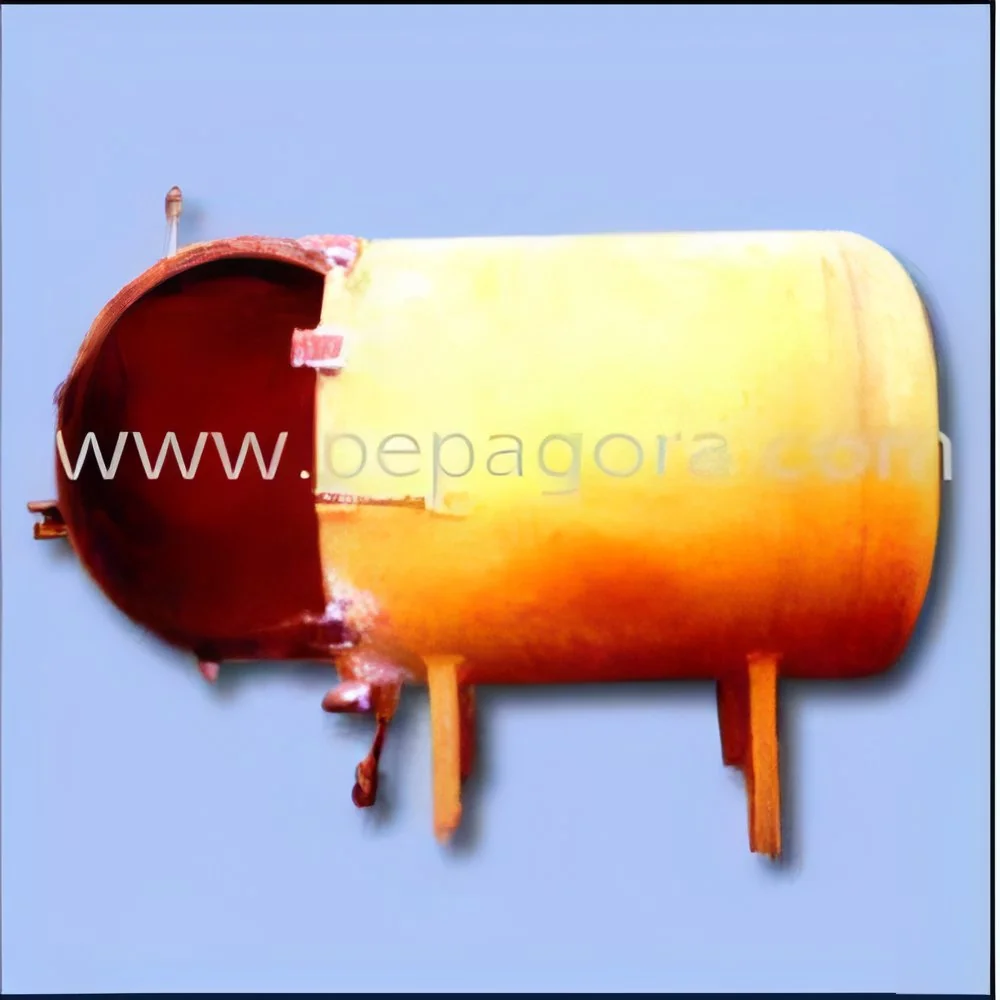
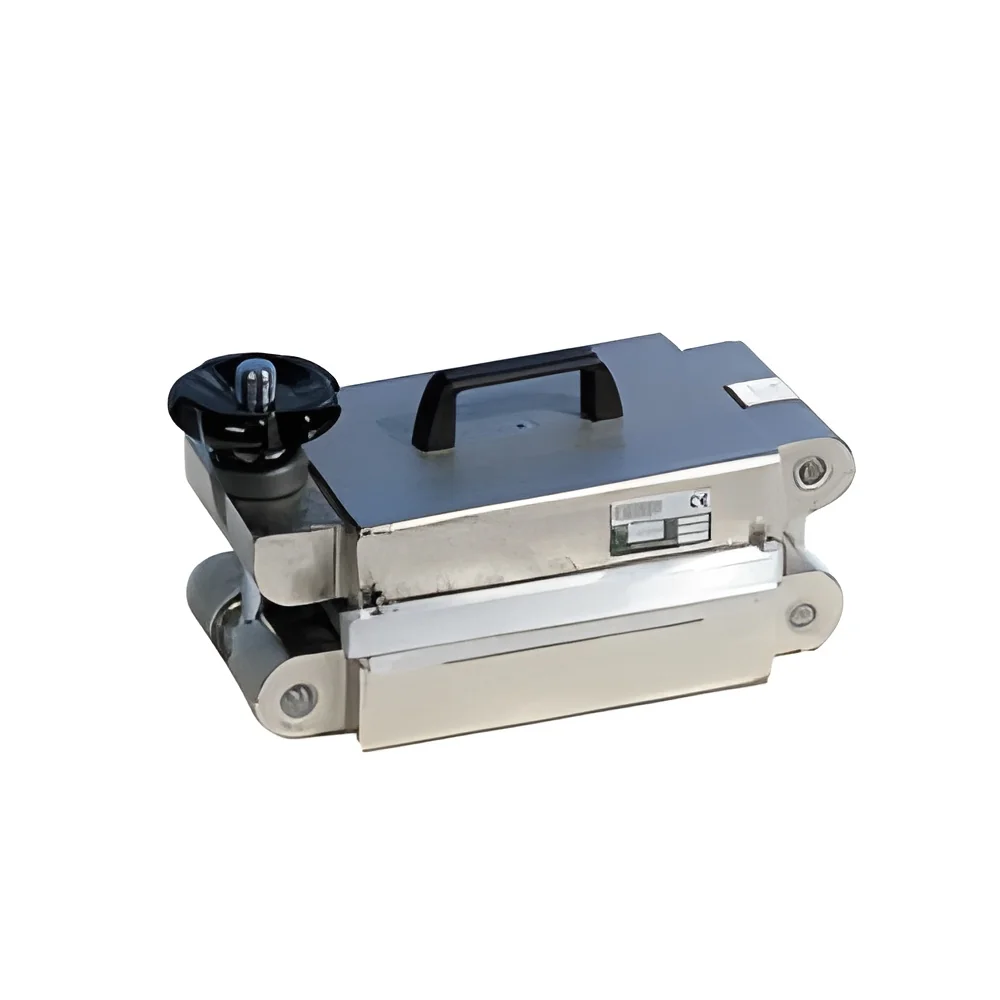
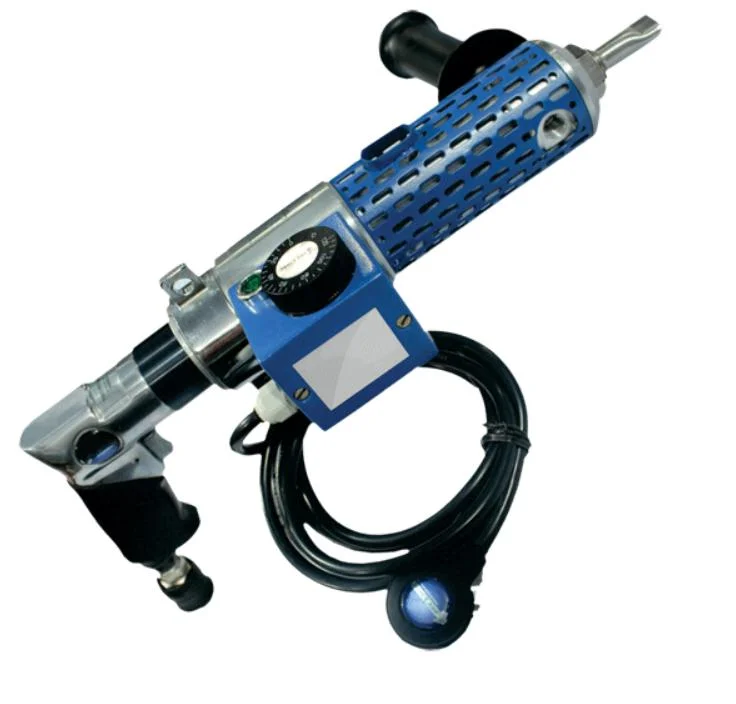
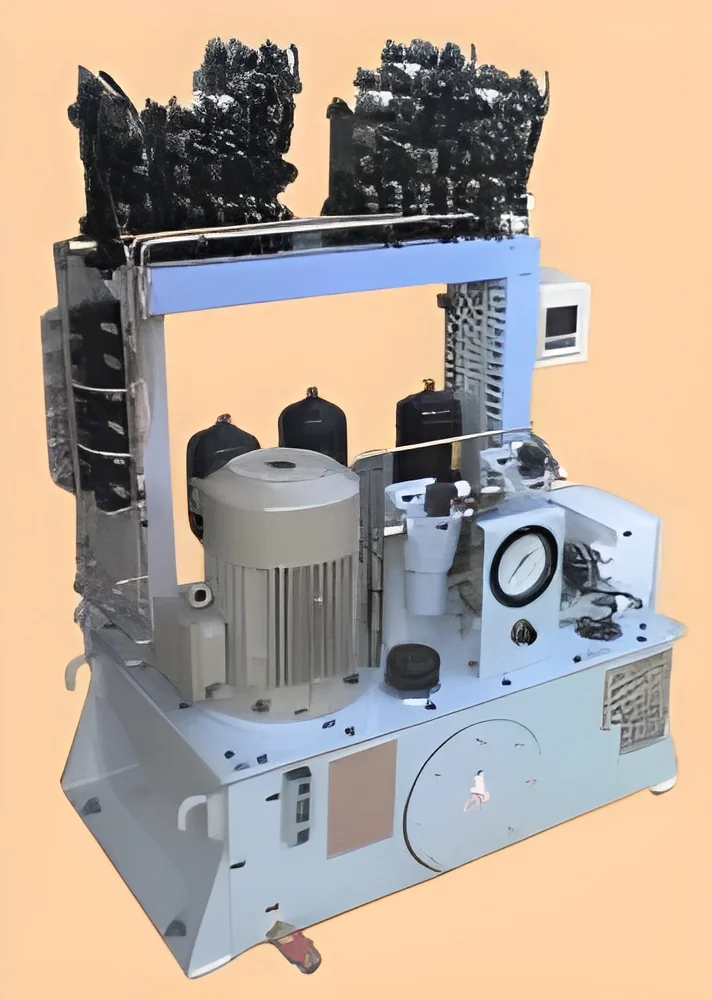
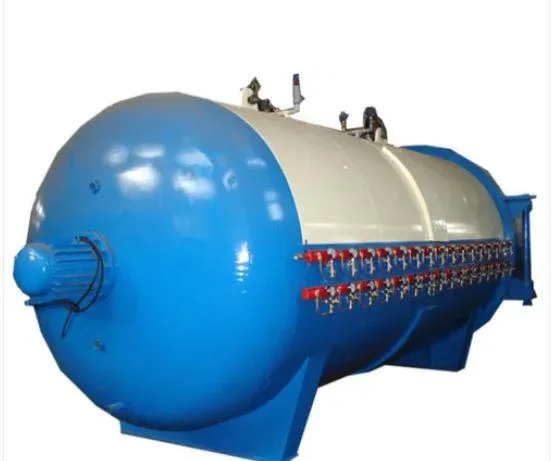
Tyre vulcanizing systems are specialized machines used in the repair and manufacturing of tyres. They operate by applying heat and pressure to rubber components, facilitating a chemical reaction that enhances the durability and elasticity of the material. This process, known as vulcanization, is critical for ensuring that tyres can withstand the stresses encountered during operation, including wear and tear from driving conditions.
These systems are primarily utilized in industries that involve the production, maintenance, and repair of rubber products, particularly in the automotive sector. They are essential for tyre retreading, which extends the life of tyres by replacing worn treads with new ones. Businesses that operate fleets, manufacturing plants, and automotive repair shops often invest in these systems to improve efficiency and reduce costs associated with tyre replacements. The market for tyre vulcanizing systems has been growing due to the increasing focus on sustainability and cost-effectiveness in tyre management.
Key Features and Specifications
Tyre vulcanizing systems come equipped with various features designed to optimize the vulcanization process. Understanding these features is essential for selecting the right system for specific industrial needs. Key specifications typically include the following:
1. Heating Method
- This specification defines whether the system employs electric, steam, or hot water heating.
- Each method has its advantages regarding efficiency and control.
2. Pressure Range
- The system's capability to apply pressure during the vulcanization process.
- Common ranges include 0 to 10 bar, depending on application requirements.
3. Temperature Control
- Precision in temperature management is crucial for effective vulcanization.
- Systems often feature adjustable temperature settings to suit different materials.
4. Cycle Time
- The duration required for a complete vulcanization cycle.
- Typical cycle times can range from 30 minutes to several hours based on tyre size and type.
5. Dimensions and Weight
- The physical size and weight of the vulcanizing system impact its installation and mobility.
- Custom dimensions may be available to fit specific operational spaces.
6. Automation Features
- Some systems come with automated controls for enhanced precision and ease of use.
- Automation can also minimize the risk of human error during the vulcanization process.
7. Safety Features
- Built-in safety measures, such as pressure relief valves and emergency shut-off systems.
- Compliance with safety standards is crucial for operator protection.
8. Energy Efficiency
- Energy consumption ratings that indicate how environmentally friendly the system is.
- Systems with better energy efficiency can lead to reduced operational costs.
In summary, selecting a tyre vulcanizing system involves evaluating its features and specifications to ensure it meets the specific needs of the business.
Common Applications and Use Cases
Tyre vulcanizing systems are versatile tools found in various industries. Their applications extend beyond automotive repair, making them valuable for several sectors:
1. Automotive Industry: Tyre vulcanizing systems are extensively used in automotive workshops for retreading and repairing tyres. This process saves costs and promotes sustainability by extending the life of tyres.
2. Aviation Sector: In the aviation industry, these systems are utilized for the maintenance of aircraft tyres. The ability to withstand high pressures makes vulcanized tyres suitable for landing gear applications.
3. Heavy Machinery: Companies dealing with heavy machinery rely on vulcanizing systems to repair tracks and tyres used in construction and mining equipment, ensuring operational efficiency.
4. Fleet Management: Businesses that operate vehicle fleets use tyre vulcanizing systems to maintain and repair tyres in-house, reducing downtime and costs associated with tyre replacements.
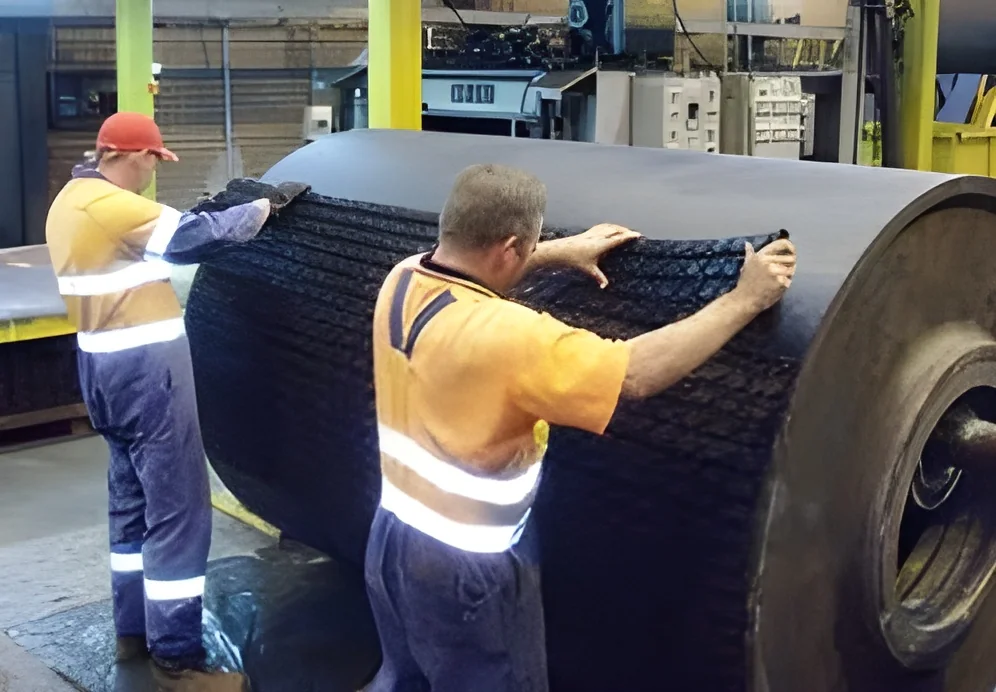
5. Rubber Manufacturing: Manufacturers of rubber products, such as conveyor belts and seals, use vulcanizing systems to enhance the durability and performance of their products.
6. Agricultural Equipment: These systems are employed in the agricultural sector to maintain tyres for tractors and other farm equipment, ensuring reliability during peak operational periods.
7. Logistics and Transportation: Companies in logistics utilize vulcanizing systems for maintaining their fleets, ensuring that transportation is not hindered by tyre failures.
Product Variants and Subcategories
Tyre vulcanizing systems come in various forms, each tailored for specific applications and needs. While detailed subcategories are not available, here are some common variants:
Manual Vulcanizing Systems: These systems require manual operation, offering flexibility for small workshops. They are ideal for basic tyre repairs and retreading processes.
Automatic Vulcanizing Machines: These advanced systems feature automated controls for temperature and pressure, reducing the need for manual intervention. They are well-suited for large-scale operations and high-volume production.
Mobile Vulcanizing Units: Designed for on-site repairs, these portable systems allow technicians to perform vulcanization at various locations, ideal for fleet maintenance and emergency repairs.
Benefits and Advantages
Investing in tyre vulcanizing systems provides numerous advantages for businesses in relevant industries. Key benefits include:
1. Cost Efficiency: Retreading tyres with vulcanizing systems significantly reduces the need for new tyre purchases, leading to considerable cost savings over time.
2. Sustainability: By extending the life of tyres, businesses contribute to environmental sustainability, reducing waste and the demand for new materials.
3. Improved Performance: Vulcanized tyres offer enhanced durability and performance, improving safety and reliability on the road.
4. Time Savings: Efficient vulcanization processes reduce downtime, allowing companies to maintain fleet operations without significant interruptions.
5. Customization Options: Many vulcanizing systems can be tailored to meet specific business needs, accommodating various tyre sizes and types.
6. Enhanced Safety: Modern systems come equipped with safety features that protect operators and ensure compliance with industry regulations.
Buying Guide for B2B Buyers
When sourcing tyre vulcanizing systems, it is essential for businesses to consider several factors to ensure they make informed decisions.
1. Quality Assessment: Evaluate the quality of the systems based on manufacturer reputation, materials used, and performance reviews. Look for certifications that validate the quality standards of the equipment.
2. Supplier Verification: Conduct thorough research to verify suppliers. This includes checking references, reviews, and past performance records to ensure reliability and trustworthiness.
3. Pricing and MOQ: Understand the pricing structure and minimum order quantities. Negotiating for bulk purchases may lead to better pricing and terms.
4. Delivery and Lead Times: Assess the supplier's ability to meet delivery schedules. Timely delivery is critical for maintaining production schedules and minimizing downtime.
5. Compliance Requirements: Ensure that the vulcanizing systems meet industry-specific compliance and safety regulations. This includes local standards and international certifications.
Compliance and Certifications
Tyre vulcanizing systems must comply with various industry standards and certifications to ensure safety and quality. Key quality standards include ISO 9001, which outlines requirements for quality management systems. Compliance with HACCP (Hazard Analysis and Critical Control Points) may be necessary for certain applications, particularly in food transportation where tyres are involved.
Certifications like CE and UL signify that the systems meet European and North American safety standards, respectively. These certifications assure buyers of the systems' safety and reliability.
Additionally, safety and testing requirements are crucial. Tyre vulcanizing systems should undergo rigorous testing to ensure they can withstand operational stresses. Regional compliance considerations may vary, so it is essential for businesses to be aware of local regulations governing the use of such equipment.
Why Source Tyre Vulcanizing Systems from Pepagora?
Pepagora offers a reliable platform for sourcing tyre vulcanizing systems, providing several key advantages to businesses.
Verified Supplier Network: Pepagora has established a network of verified suppliers, ensuring that buyers can access high-quality products from trustworthy manufacturers. This reduces the risk associated with sourcing equipment and enhances buyer confidence.
Streamlined RFQ Process: The request for quotation process at Pepagora is designed to be user-friendly. Buyers can easily compare offers from multiple suppliers, helping them find the best deals while ensuring they meet their specific needs.
Trade Assurance and Support: Pepagora provides trade assurance, offering buyers protection throughout the purchasing process. This includes support for any issues that may arise, ensuring a smooth transaction experience.
Regional Coverage: With a strong presence in India, GCC, and Southeast Asia, Pepagora caters to a wide geographic area. This ensures that businesses can find local suppliers, reducing shipping times and costs while ensuring they receive timely support.

 IN
IN