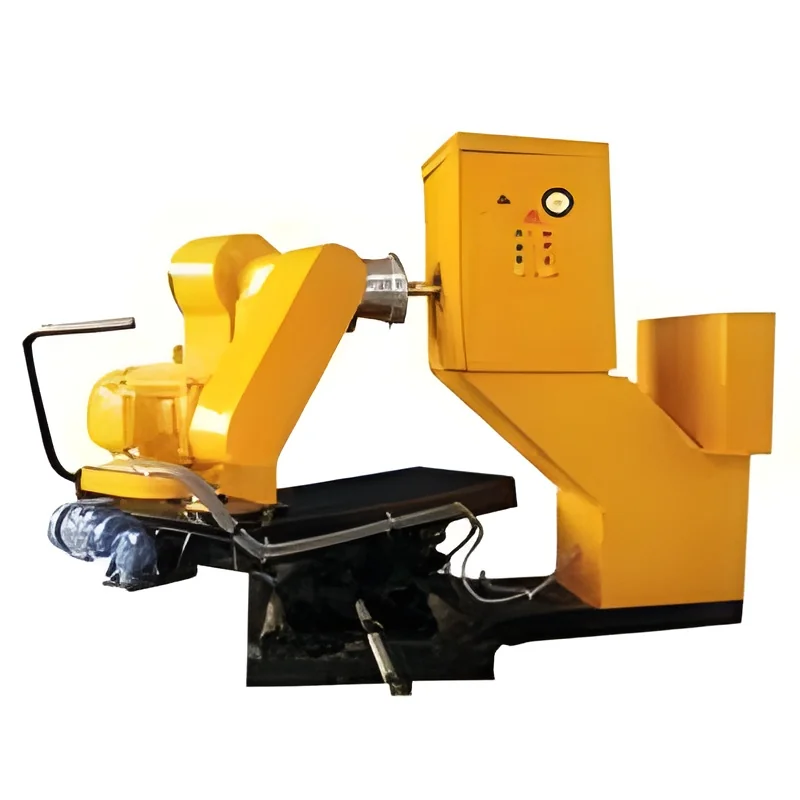
What are Tyre Recycling Plants?
Tyre recycling plants are facilities designed to process used tyres for recovery of valuable materials. The main objective is to convert scrap tyres into reusable materials such as rubber crumb, steel, and fiber, which can be utilized in various industrial applications. The recycling process typically involves shredding, separating, and grinding tyres to achieve the desired material specifications.
These plants play a crucial role in waste management and environmental sustainability. By recycling used tyres, businesses can reduce landfill waste, minimize environmental pollution, and recover valuable resources. The materials produced from tyre recycling can be used in numerous applications, including construction, automotive, and manufacturing industries. This promotes a circular economy by transforming waste into useful products.
The tyre recycling market is growing rapidly due to increasing awareness of environmental issues and government regulations aimed at reducing waste. As industries seek sustainable solutions, tyre recycling plants have become more relevant. This shift highlights the importance of investing in efficient recycling technologies and processes to meet both market demand and environmental standards.
Key Features and Specifications
Tyre recycling plants come with various features and specifications that enhance their operational efficiency. Understanding these specifications is essential for businesses looking to invest in such facilities.
Key specifications include:
1. Processing Capacity
- Varies from small units capable of processing a few tons per hour to larger plants handling several tons.
- Typical ranges are between 1 to 10 tons per hour.
2. Material Recovery Rate
- Indicates the percentage of material that can be recovered from the recycling process.
- Common recovery rates can exceed 90% depending on the technology used.
3. Energy Consumption
- Efficiency of energy use during the recycling process.
- Many modern plants aim for low energy consumption per ton of recycled material.
4. Automation Level
- Degree of automation in the recycling process.
- Fully automated systems can significantly reduce labor costs.
5. Safety Features
- Includes emergency shut-off systems, safety guards, and monitoring systems to ensure operator safety.
- Compliance with international safety standards is crucial.
6. Material Output Specifications
- Details on the granule sizes and types of material produced.
- Typically includes rubber crumb, steel, and textile fibers.
7. Maintenance Requirements
- Information on routine maintenance and servicing needed for optimal operation.
- Regular maintenance schedules can prolong plant lifespan.
8. Environmental Compliance
- Adherence to local and international environmental regulations.
- Many plants are designed to minimize emissions and waste.
These features are critical for evaluating the performance and suitability of tyre recycling plants for specific business needs.
Common Applications and Use Cases
Tyre recycling plants serve a diverse range of industries, providing valuable materials for various applications.
1. Construction: Recycled rubber can be used in asphalt and concrete production, enhancing durability and performance.
2. Automotive: Rubber crumb is often utilized in the manufacturing of new tyres and other automotive components.
3. Landscaping: Rubber mulch made from recycled tyres is popular in landscaping for its longevity and aesthetic appeal.
4. Sports Surfaces: Recycled rubber is commonly used in sports fields and playgrounds for its shock-absorbing properties.
5. Industrial Products: Various industrial products, including mats and flooring, are manufactured using recycled materials from tyres.
6. Energy Production: Some plants convert tyres into fuel through pyrolysis, providing an alternative energy source.
7. Consumer Goods: Recycled rubber can be found in products like shoes, belts, and other consumer items.
These applications highlight the versatility and economic potential of materials derived from tyre recycling.
Product Variants and Subcategories
Tyre recycling plants come in various configurations to meet specific processing needs. While there are no specific subcategories available, different variants can cater to different scales of operation.
Compact Tyre Recycling Plant
This variant is designed for small to medium-sized operations. It offers a compact design with efficient processing capabilities, ideal for businesses with limited space.
Mobile Tyre Recycling Plant
A mobile solution that allows for on-site recycling of tyres. This variant is perfect for companies that need flexibility and can adapt to changing locations.
Large Scale Tyre Recycling Plant
Intended for high-volume processing, this variant is equipped with advanced technology to handle large quantities of tyres effectively. It is suitable for industrial-scale operations needing extensive processing capabilities.
Benefits and Advantages
Investing in a tyre recycling plant comes with numerous benefits that can enhance business operations.
1. Environmental Impact: Recycling tyres significantly reduces landfill waste, promoting sustainability and environmental responsibility.
2. Cost Efficiency: By recovering valuable materials, businesses can lower production costs and enhance profitability.
3. Regulatory Compliance: Operating a tyre recycling plant helps companies meet governmental regulations regarding waste management.
4. Resource Recovery: The plant enables the recovery of high-quality materials, which can be reused in various industries.
5. Market Opportunities: With the growing demand for recycled materials, businesses can tap into new markets and revenue streams.
6. Innovation Potential: Investing in new recycling technologies can lead to innovative product development and improved processes.
These advantages make tyre recycling plants an attractive investment for businesses looking to enhance their sustainability and efficiency.
Buying Guide for B2B Buyers
When sourcing tyre recycling plants, several factors should be considered to ensure an informed purchasing decision.
1. Quality Assessment: Evaluate the quality of materials and technology used in the plant. Consider certifications and performance metrics to ensure reliability.
2. Supplier Verification: Vet suppliers to confirm their credibility and track record in providing high-quality recycling plants. Look for reviews and testimonials from other clients.
3. Pricing and MOQ: Understand the pricing structure and minimum order quantities. Comparing quotes from different suppliers can help identify the best value.
4. Delivery and Lead Times: Consider the logistics involved in delivery. Confirm lead times to ensure the plant can be operational within your required timeframe.
5. Compliance Requirements: Ensure that the plant meets local and international compliance standards. This includes environmental regulations and safety requirements.
Taking these factors into account can help B2B buyers make informed decisions when sourcing tyre recycling plants.
Compliance and Certifications
Compliance and certifications are crucial factors for tyre recycling plants. They ensure that the plants meet industry standards for quality and safety.
Relevant quality standards such as ISO 9001 are important for maintaining consistent quality in manufacturing processes. This certification indicates that the plant adheres to internationally recognized management practices.
Additionally, the CE certification is significant for products sold within the European market. It ensures that the plant meets European health, safety, and environmental protection standards.
Safety and testing requirements are also paramount. Ensuring that machinery and processes adhere to safety protocols protects workers and the environment.
Regional compliance considerations must be taken into account as regulations may vary from one region to another. Understanding local laws and requirements is essential for successful operation.
Why Source Tyre Recycling Plants from Pepagora?
Pepagora provides a trusted platform for sourcing tyre recycling plants, offering several key advantages to B2B buyers.
Verified Supplier Network: Pepagora connects buyers with a network of verified suppliers. This ensures that businesses are sourcing high-quality plants from reputable manufacturers.
Streamlined RFQ Process: The platform features a streamlined request for quotation (RFQ) process, allowing buyers to easily compare offers and select the best option for their needs.
Trade Assurance and Support: Pepagora offers trade assurance, providing buyers with protection during transactions. This support fosters confidence in purchasing decisions.
Regional Coverage: Pepagora serves a broad geographic area, including India, the GCC, and Southeast Asia. This extensive reach allows buyers to find suitable options in their region, facilitating easier logistics and support.
By leveraging Pepagora's resources, businesses can effectively source tyre recycling plants that meet their operational requirements and contribute to their sustainability goals.

 IN
IN